Bangladesh Defense
Saif
Senior Member
- Jan 24, 2024
- 21,457
- 9,743
- Nation

- Residence
- Axis Group

No govt has ever accepted critical journalism: Mahfuz Anam
The Daily Star editor says the only institution that will speak the truth is an independent media
No govt has ever accepted critical journalism: Mahfuz Anam
The Daily Star editor says the only institution that will speak the truth is an independent media

Photo Courtesy: Prothom Alo
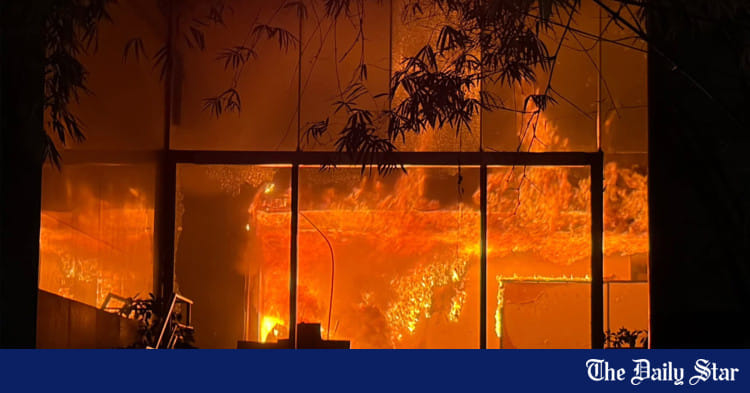
The Daily Star Editor Mahfuz Anam today said that in Bangladesh's 53-year history, no media organisation had ever faced an arson attack like the recent one targeting The Daily Star and Prothom Alo.
"For the very first time, the offices of Prothom Alo and The Daily Star have been set on fire. Why? What crime did we commit?" he said. "I would request everyone to genuinely ask this question," he said.
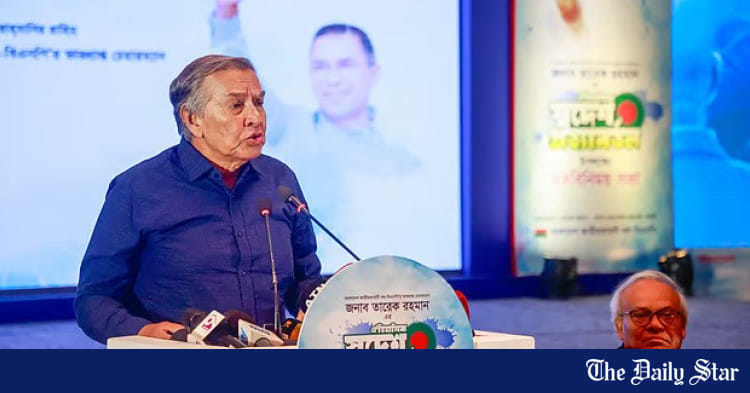
Mahfuz Anam made the remarks at a views-exchange meeting with editors and senior journalists at a Dhaka hotel, held ahead of BNP Acting Chairman Tarique Rahman's return to Bangladesh.
He urged political parties to recognise and accept critical journalism as a fundamental pillar of good governance.
"The first step must be freedom of expression," he said, adding that the most important political commitment should be ensuring freedom of critical expression. "Freedom of expression exists. But I will criticise you -- that is freedom."
The veteran editor observed that political leaders often maintain friendly relations with the media while in opposition, but the real test comes after assuming power.
"Everyone wants to see whether you will accept constructive criticism after coming to office," he said. "In 53 years, the biggest lesson is that no government has ever accepted critical journalism. I hope that in a new Bangladesh, you will accept this critical journalism."
Mahfuz Anam stressed that critical journalism is not merely about safeguarding press freedom but is essential for effective governance.
"Critical journalism is not only necessary for freedom of journalism; it is an opportunity for good governance," he said. "Why would I criticise you using false information? Bureaucracy will never tell you the truth, intelligence agencies will never tell you the truth. Even your party colleagues will not tell you the truth. The only institution that will speak the truth is an independent media."
The Daily Star editor says the only institution that will speak the truth is an independent media
Photo Courtesy: Prothom Alo
The Daily Star Editor Mahfuz Anam today said that in Bangladesh's 53-year history, no media organisation had ever faced an arson attack like the recent one targeting The Daily Star and Prothom Alo.
"For the very first time, the offices of Prothom Alo and The Daily Star have been set on fire. Why? What crime did we commit?" he said. "I would request everyone to genuinely ask this question," he said.
Mahfuz Anam made the remarks at a views-exchange meeting with editors and senior journalists at a Dhaka hotel, held ahead of BNP Acting Chairman Tarique Rahman's return to Bangladesh.
He urged political parties to recognise and accept critical journalism as a fundamental pillar of good governance.
"The first step must be freedom of expression," he said, adding that the most important political commitment should be ensuring freedom of critical expression. "Freedom of expression exists. But I will criticise you -- that is freedom."
The veteran editor observed that political leaders often maintain friendly relations with the media while in opposition, but the real test comes after assuming power.
"Everyone wants to see whether you will accept constructive criticism after coming to office," he said. "In 53 years, the biggest lesson is that no government has ever accepted critical journalism. I hope that in a new Bangladesh, you will accept this critical journalism."
Mahfuz Anam stressed that critical journalism is not merely about safeguarding press freedom but is essential for effective governance.
"Critical journalism is not only necessary for freedom of journalism; it is an opportunity for good governance," he said. "Why would I criticise you using false information? Bureaucracy will never tell you the truth, intelligence agencies will never tell you the truth. Even your party colleagues will not tell you the truth. The only institution that will speak the truth is an independent media."