[🇧🇩] Save the Rivers/Forests/Hills-----Save the Environment

Afghanistan Albania Algeria Andorra Angola Antigua Austria Azerbaijan Bahamas Bahrain Bangladesh Barbados Canada China Egypt Finland Germany India Iran Israel Japan Lebanon North Macedonia Pakistan Palestine Qatar Russia Syria Turkey Ukraine United Kingdom United States Yemen
[🇧🇩] Save the Rivers/Forests/Hills-----Save the Environment
587
19K
More threads by Saif

G Bangladesh Defense

Can we ever curb the menace of throwaway plastics?
Tackling widespread pollution needs stringent action
1735257292391.webp

VISUAL: STAR

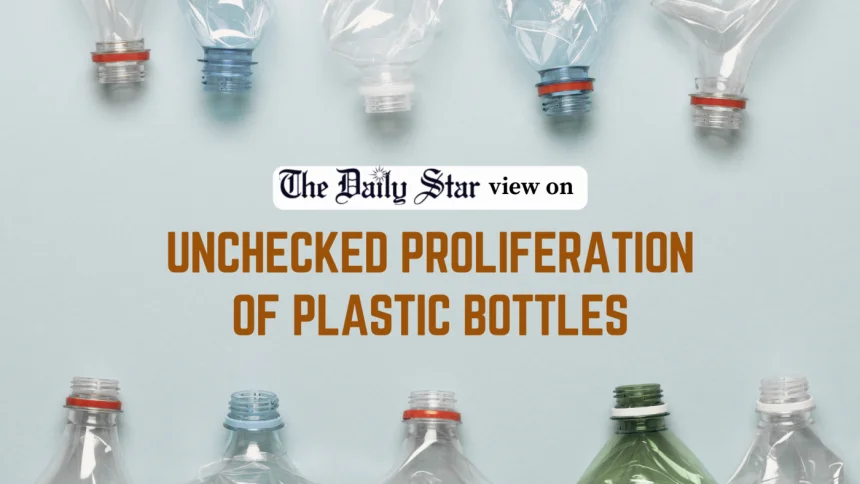
It is deeply concerning that despite growing awareness of the dangers posed by single-use plastics, their use remains extremely high in Bangladesh. A recent study by the Environment and Social Development Organization (ESDO) has found that the country consumes between 3.15 and 3.84 billion single-use plastic bottles annually, with a mere 21.4 percent being recycled. Both urban and rural areas are heavily dependent on plastic bottles, though in different ways. While urban areas see high consumption of water bottles, rural areas are increasingly witnessing the menace of soft drink bottles.

When this plastic waste is dumped into rivers, the consequences are disastrous. Rivers such as the Buriganga, Karnaphuli, and Meghna are already choking on plastic, rendering their waters toxic for aquatic life. As another study earlier last year revealed, at least 17 fish species and three shellfish species in three key rivers flowing through the Sundarbans are contaminated with microplastics. The health risks of such pollution for humans and ecosystems are immense.

Over the decades, successive governments have made plans to curb the use of throwaway plastics but these efforts faltered due to poor implementation. For example, although polythene bags were officially banned in 2002, they remain widely used. In January 2020, the High Court ordered a ban on single-use plastic products in coastal districts, which was supposed to take effect in 2021. Sadly, about four years later, there is still no visible progress in its implementation.

After the interim government assumed office in August, the cabinet division, at the environment adviser's request, instructed government offices to replace single-use plastics with eco-friendly alternatives. The environment ministry also banned polythene bags, initially targeting superstores before expanding the ban nationwide. However, these measures have yielded little impact largely due to inadequate enforcement and the absence of viable alternatives. Moreover, after the recent order to stop using single-use plastics, domestic plastic manufacturers have reportedly lobbied for a delay in implementing the ban until 2030, citing potential disruptions to businesses and consumers.

Clearly, issuing directives without ensuring readiness among all stakeholders will not suffice. To effectively combat plastic pollution, the government must adopt a comprehensive, well-coordinated plan developed in consultation with key stakeholders including businesses and the general public. Solutions should focus on promoting eco-friendly alternatives, supporting waste management systems, and strictly enforcing anti-plastic policies. The urgency for robust action cannot be overstated considering the level that plastic pollution has reached across the country.​
 

Ignoring biodiversity conservation will cost us

1735257601775.webp

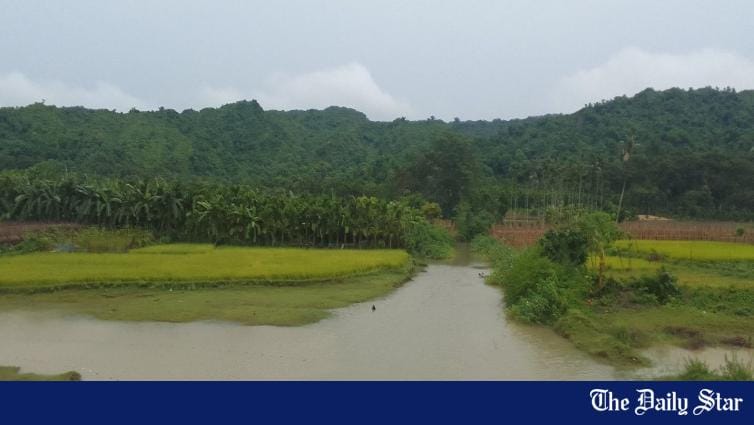
The evergreen hill forest in the Teknaf Peninsula, where the sea meets the land and people. SOURCE: BCAS

Climate change is severely affecting natural resources, including forests, wetlands, floodplains, hill ecosystems, and biodiversity. Concerns about the loss of biodiversity and the degradation of ecosystems have been expressed in the Intergovernmental Panel on Climate Change (IPCC) reports and in the recent United Nations Conferences of the Parties (COPs). Uncontrolled human activities, trade and business, and climate change are affecting various ecosystems, their species composition, compactness, productivity, and ecosystem health, which in turn are undermining the livelihoods and well-being of millions of marginalised people and indigenous communities living in and around these ecosystems.

Climate change is causing sea-level rise, increased climate variability, temperature rise and heat stress, changes in seasons, and more frequent or intense droughts, wildfires, cyclones, heavy rain-induced floods, and landslides. These impacts are leading to increasingly severe social, economic, and ecological consequences. A recent report from the Potsdam Institute for Climate Impact Research on "10 Insights in Climate Science" has cautioned that climate change and extreme events are affecting all ecosystems, which is also happening in Bangladesh. The National Adaptation Plan, published in October 2022, has identified 12 climate hotspots in the country with several climate stresses affecting both people and ecosystems.

A 2022 UN report states that forests cover approximately 31 percent of the Earth's surface. They are home to 80 percent of the terrestrial species of plants, animals, and insects. However, many wildlife species are extinct, and 22 percent of animal species are at high risk of extinction. Around 12 million hectares of forest land are lost every year due to heat stress, drought, and deforestation. The current high rate of deforestation, caused by human activities and climate change, poses serious threats to forests, biodiversity, and ecosystem health, on which the livelihoods of millions depend directly and indirectly. Additionally, human dependency on forests and ecosystems means that forests, along with natural vegetation, are a major sink of carbon, absorbing over 30 percent of anthropogenic CO2. Forests and wetlands are also a major source of carbon emissions. Deforestation and the degradation of wetlands are causing rapid changes in both local and global climates.

Climate change is causing frequent and severe forest fires that further degrade forest resources and threaten wildlife and biodiversity. The key challenges are fighting deforestation and stopping the degradation of ecosystems through regeneration, conservation, and the protection of ecosystems, wildlife, and biodiversity. One of the approaches to ecosystem regeneration is Ecosystem-based Adaptation (EbA) with socio-ecological responses, which essentially meets the twin goals of ecological regeneration and enhancing social resilience to climate change.

The EbA approach is nested within Nature-based Solutions (NbS) for climate risk reduction, social protection, and resilient livelihoods by harnessing and enhancing ecosystem services from healthy ecosystems through conservation, protection, and regeneration of natural resources and ecosystems. Healthy ecosystems provide important ecosystem services that contribute to climate change adaptation. EbA focuses on the benefits that humans derive from biodiversity and ecosystem services to manage the risks related to climate change impacts.

The early examples of EbA include integrated landscape-level forest and wetland management; restoration and conservation of forest, hill, and wetland ecosystems; better management of forest protected areas with communities (SUFAL in Bangladesh); agroforestry and conservation agriculture; climate-smart agriculture; and nature-positive, climate-resilient livelihoods. The EbA projects are generating significant social and ecological co-benefits, such as food and water security, resilient water, sanitation, and hygiene (WASH) and health risk management, livelihood protection, disaster risk reduction (DRR), social protection, and gender equity. It is strongly felt that the planning and implementation of EbA and NbS through a locally-led approach may address many local and community needs, priorities, and sustainable development goals by reducing current and future risks of climate change, as well as enhancing resilience in both society and ecosystems.

The recent COPs under the UNFCCC have placed much importance on planning and implementing EbA with communities and actors, including ecosystem managers, local governments, and community organisations. EbA interventions should be planned and implemented with the active participation of vulnerable communities and actors, following the Locally Led Adaptation (LLA) principles. Thus, the implementation of EbA in the degraded ecosystems of Bangladesh will certainly contribute to achieving the goals of the Paris Climate Agreement, the UN Convention on Biological Diversity (CBD), and the Sustainable Development Goals (SDGs).

Dr Dwijen L Mallick is fellow at Bangladesh Centre for Advanced Studies (BCAS).​
 
содержание территорий зеленых насаждений и объектов зеленых насаждений - комплекс профилактических работ по уходу за зелеными насаждениями, а также элементами благоустройства, расположенными в границах территорий зеленых насаждений, и объектов зеленых насаждений, в результате выполнения которых обеспечивается сохранность, долговечность и безопасность функционирования территорий зеленых насаждений и объектов зеленых насаждений, включающий в том числе обеспечение их чистоты (уборку) и нормативного состояния, защиту зеленых насаждений от вредителей и болезней, устранение незначительных деформаций и повреждений зеленых насаждений, элементов благоустройства, и осуществляемый в течение всего периода эксплуатации объектов зеленых насаждений и элементов благоустройства в соответствии с классификатором работ по содержанию территорий и объектов зеленых насаждений; (Абзац в редакции, введенной в действие с 15 июля 2016 года Законом Санкт-Петербурга от 30 июня 2016 года N 457-82 Главная
- См Фрезеровка пней
предыдущую редакцию)
6 Обрезка
Обследование зеленых насаждений производится по визуальным признакам:
Удаление деревьев без ущерба Кронирование

территории зеленых насаждений - территории, занятые зелеными насаждениями и (или) предназначенные для озеленения; (Абзац в редакции, введенной в действие с 1 января 2024 года Законом Санкт-Петербурга от 29 июня 2023 года N 425-84 Утилизация
- См Политика конфиденциальности
предыдущую редакцию)
Позвоните нам и мы уточним все подробности, нужен ли порубочный билет в вашем конкретном случае Обрезка

Комитет выдает порубочный билет на основании представленных индивидуальными предпринимателями или юридическими лиццами, в интересах которых происходит повреждение или уничтожение зеленых насаждений, заявлений и документов Кронирование
 

How can Bangladesh improve its waste management?

1735343643198.webp

VISUAL : REHNUMA PROSHOON

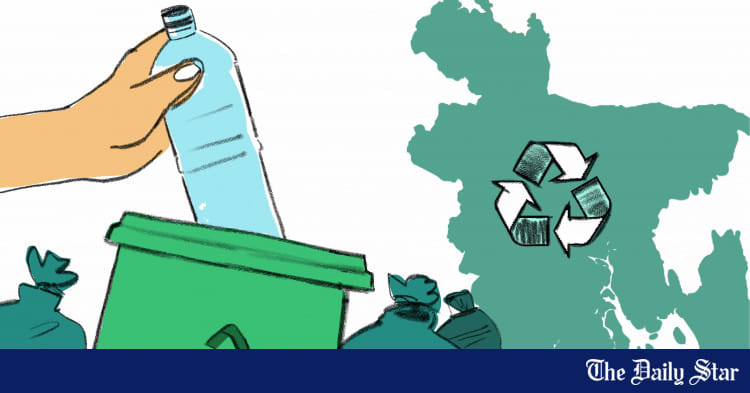
Sufia is a middle-aged woman working for ZeroWaste Tech, a startup in Dhaka. Every morning, she wears her safety jacket, gloves, boots, and helmet with the powered air-purifying respirator. After checking her smartphone in her allocated region, where the garbage is full and needs to be managed, she goes out with her other mates, collects garbage, and puts it in their targeted dump site near the city. The dump site has also classified areas such as plastics, biowaste, glass, e-waste, etc. Her team then divides the waste accordingly and puts them in each place. Then, the waste is processed further to minimise carbon emissions and can be converted into renewable energy.

This scenario, with the character and the startup, is imaginary, but it can be a reality.

Bangladesh has been facing severe problems in waste management for decades. Several initiatives have been taken, but they have not been effective due to their irregular implementation. The above-mentioned scenario can be made real especially in Dhaka, the most overpopulated city in Bangladesh, where garbage and waste can be seen everywhere, from main roads to narrow alleyways. In the rainy season, the problem intensifies tremendously because of poor drainage systems.

According to projections, the country's daily waste generation rate is expected to reach 0.80 kg per capita per day by 2030 and 1.19 kg per capita by 2041. So effective measures should be taken right now.

Electronic gadget usage is rising around the world, and Bangladesh is no different. This rising usage leaves a vast amount of electronic waste, which should be appropriately discarded. At the same time, most of it should be recycled and used for new purposes. The challenges in recycling e-waste in Bangladesh include the lack of formal collection systems, insufficient recycling infrastructure, and limited public awareness about the environmental impact of improper e-waste disposal. Informal recycling practices often involve hazardous processes that frequently exacerbate the process and harm both the environment and workers.

Ideas from various countries can be adopted and implemented in Bangladesh to reduce as well as to manage waste in a better way. For example, any citizen can deposit waste into certain places proposed by government or private organisations and get cash or various credits. Those credits can be used for discounts on utility bills. Also, designated dustbins can be used for general and recyclable waste. This waste can be collected as soon as the bins are full, sending notifications to the waste management companies as the whole system will be based on IoT with the bins having sensors.

Japan, Canada, and the European Union have implemented Extended Producer Responsibility (EPR), which holds producers (manufacturers, importers, sellers) accountable for making their products for the entire lifecycle, even after the consumer stops using them. This means that the producers are not only responsible for making the products but also must be a part of the waste management of their products. They have some policies, like the take-back policy, which provides facilities for the consumers to return used products. They also have recycling obligations. These schemes encourage them to reduce waste by contributing to the government or third-party waste management initiatives.

Food waste can be redirected to renewable energy sectors to produce biogas. For instance, South Korea has implemented a mandatory food waste recycling programme where food waste is collected separately and processed into biogas and animal feed. Such a system not only reduces landfill usage but also contributes to renewable energy production and agricultural sustainability. Bangladesh could adopt a similar model by establishing dedicated food waste collection and processing centres in urban areas.

Startups focusing on areas like waste-to-energy technologies, recycling infrastructure, and eco-friendly alternatives to plastics should be encouraged. For example, companies that focus on converting waste materials, such as plastic and organic waste, into valuable fuels and energy can make a huge impact and significantly reduce waste.

Public campaigns to educate citizens about waste segregation, recycling, and the environmental consequences of improper waste disposal are crucial. Effective methods could include integrating waste management topics into school curricula to instil habits from an early age and organising interactive workshops in communities. Social media campaigns using influencers and local celebrities can also raise awareness and encourage sustainable practices. These approaches can ensure that the message reaches a diverse audience and promotes active participation.

Indeed, the widespread use of plastic bags has largely been replaced with eco-friendly alternatives like jute and paper bags, but this practice should be implemented more strictly. Modern landfills equipped with gas recovery systems can also reduce the environmental impact of plastic waste and other non-recyclables. These systems capture methane, a potent greenhouse gas typically released from decomposing waste in landfills, which can be converted into renewable energy and reduce air pollution.

Additionally, setting up innovation hubs and providing access to research facilities could foster the growth of sustainable businesses and enrich the research sector for this cause. For instance, exploring methods like bioleaching, a process where bacteria safely extract valuable materials from electronic waste, can be a game-changer. This technique not only minimises environmental harm but also provides a sustainable approach to recycling and resource recovery. By encouraging such advancements, Bangladesh can pave the way for a more sustainable and efficient waste management system.

While many initiatives are being undertaken to reduce waste, a more cohesive and systematic effort is needed to overcome the flaws of the current waste management system. The government should establish clear and enforceable guidelines and strong legislation, and ensure practical policy implementation, which are essential to drive meaningful change in this respect. By learning from global best practices, fostering innovation, and raising public awareness, Bangladesh can transform its waste management system into one that is more sustainable, efficient, and environmentally responsible.

Shaikh Afnan Birahim is a postgraduate student of computing science at the University of Glasgow.​
 

For a climate-resilient urban future, we need empowered women

1735343803008.webp

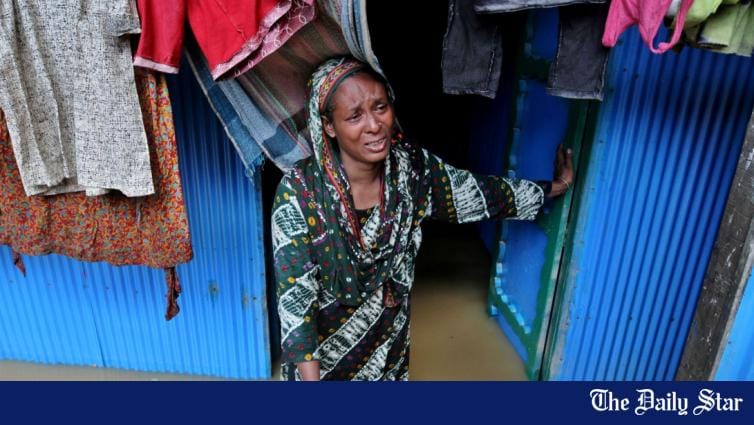
Women are more likely to migrate than men due to the loss of livelihoods because of climate change. FILE PHOTO: RAJIB RAIHAN

Bangladesh, as a low-lying deltaic country with a high-density population of over 17 crore, faces severe impacts of climate change such as rising sea levels, increased flooding, and more frequent natural disasters. These challenges disproportionately affect women, who comprise over half of the population and face compounded vulnerabilities due to poverty, gender inequality, and limited resources.

Women are generally more vulnerable to climate change than men because they make up the majority of Bangladesh's poor, with over 50 percent of women living below the national poverty line. Moreover, their vulnerability is exacerbated due to existing gender inequalities and socioeconomic factors. Women are particularly impacted in urban slums and informal settlements, where inadequate infrastructure, poor sanitation, and lack of essential services exacerbate their struggles.

According to certain studies, women are more likely to migrate than men due to the loss of livelihoods, food insecurity, and lack of adaptation options in their villages. The communities migrate to urban settlements, and this is not new: a major influx occurred after the cyclones in 1970 and 1991, Cyclone Sidr in 2007, Cyclone Aila in 2009, and post floods. Yet, we struggle to find a clear plan for developing infrastructures and services in the cities/urban settings, which is why we find inadequate temporary shelters in the cities.

Climate change drives migration from rural to urban areas, stressing urban resources and infrastructure. This scenario is true not only in Dhaka but also in Chattogram, Khulna and Gazipur, to name a few cities. Women, often engaged in low-wage labour, face wage discrimination, health issues, malnutrition, and inadequate access to healthcare, particularly during pregnancy. The lack of safe water, sanitation, and affordable menstrual hygiene products further compounds their difficulties. Men in these settings also suffer from poor mental health, malnutrition, and drug addiction, indirectly impacting women's burdens.

On a strategic level, decision-makers and political experts have to pay attention to experts who have suggested that to avoid the worst impacts of climate change, we have to put an end to new fossil fuel projects. Reports have highlighted that the fossil fuel industry is exploiting women in low-income countries, violating their rights and causing unimaginable climate destruction. These negative impacts will continue unless countries like Bangladesh, from the LDC group, and small nation states work collectively for a just transition to renewable energy pathways.

It is important to remind ourselves that adaptation strategies and pathways will not work unless global leadership is serious about meeting the emission reduction target. In 2024, the average global temperature rise has already been perilously close to an increase of 1.5 degrees Celsius above pre-industrial levels. As things stand, current emissions reduction commitments put the world on track for a global temperature rise of 2.6-2.8 degrees Celsius this century, and the actions needed to meet these commitments are insufficient. An urgent phase-out of fossil fuels is essential to keep global warming to 1.5 degrees Celsius.

In urban spaces, heat-related issues have become a major concern as the poor have limited resources and knowledge to deal with it. Efforts at a national level to address these issues must include gender-responsive climate adaptation pathways. Urban institutions and authorities need to be empowered, decentralised, and provided with a separate budget to serve their constituencies. First and foremost, the policymakers require disaggregated data.

Empowering women through education, resource access, and participation in decision-making processes enhances community resilience. Policies like the Bangladesh Climate Change and Gender Action Plan (CCGAP) provide frameworks to integrate gender considerations, but they require improved implementation and monitoring. Women's leadership in local governance and climate initiatives, such as women-led emergency response groups and Reflect Circles at community levels, demonstrates the potential for inclusive and effective disaster response. Sustainable solutions demand gender-sensitive urban planning, enhanced access to climate finance, and community-based interventions to build resilience and equity.

It is critical to enhance and increase access of women, youth, and marginalised communities to climate finance, DRR and humanitarian funding, including by supporting women's organisations to access funding from national and international funding bodies and other multilateral mechanisms generally and those focusing on urbanisation and development.

Farah Kabir is the country director of ActionAid Bangladesh.​
 

Dhaka canals pay for haphazard waste dumping
28 December, 2024, 00:00

THE sorry state of canals and water bodies of Dhaka can hardly be exaggerated. All canals that run in and around the city have either fallen into a terrible state or are hurtling towards a slow death in the absence of effective waste management and because of encroachment. A waste-filled state of a canal at Mirpur, as a photograph that New Age published on December 27 shows, is representative of almost all canals and water bodies that have been left unprotected. The unplanned dumping of municipal wastes, kitchen market wastes, faecal sludge and medical and electric wastes keeps destroying the canals, polluting the environment, causing water stagnation and adversely impacting public health. The office of Dhaka’s deputy commissioner says that there are 54 canals in Dhaka, the Institute of Water Modelling lists 50 and the National River Conservation Commission has 77 canals on its list. The two city authorities are mainly responsible for the preservation and maintenance of the canals. But not even a single canal in Dhaka is now free of pollution and encroachment. A number of canals have also lost their flow and some have disappeared, too, because of unabated encroachment.

The existence of a few canals has been only on paper as they have all now been encroached on. Many others are headed for the same fate in the absence of any action. The Flood Action Plan and the detailed area plan of the city have identified 5,523 acres of water retention areas, 20,093 acres of canals and rivers and 74,598 acres of flood flow zones for preservation, but about two-thirds of such areas have already been occupied by government agencies and powerful quarters. What is highly concerning is that about 2,000 acres of flood flow zones, as estimates show, disappear every year while of the 5,523 acres identified as water retention areas, only 1,744 acres are found existent in a 2017 Rajuk study. In 2016, after a massive water stagnation, agencies such as the Dhaka South City Corporation, Dhaka Water Supply and Sewerage Authority, district administration, police and the Water Development Board, collectively took an initiative to enlist grabbers and ensure their eviction and completed a list and ran a few piecemeal reclamation drives, which proved unsustainable as most of the grabbers returned while new ones have joined in. What is unacceptable is that when there are a number of laws, rules, policies and guidelines to ensure environmentally-friendly waste management and stop encroachment, the authorities have completely failed to save the canals.

It is high time the authorities abandoned paying lip service to the issue and showed the will to reclaim and preserve the canals, wetland, green areas and water bodies. The government should take up an integrated approach to reclaim and conserve the canals to stop the city from hurtling to a disaster.​
 

Bring dead and dying rivers back to life
Sarker Nazrul Islam
Published :
Dec 27, 2024 21:31
Updated :
Dec 27, 2024 21:31

1735345807206.webp


Drastic fall of groundwater level due to indiscriminate extraction of water mainly for irrigation in the country's Barind region has become a cause for concern. Many areas in the region are now facing an acute shortage of water for the above reason. According to a report of The Financial Express, the fall of groundwater level and extensive use of chemical pesticides for pest control are posing a serious threat to public health. It may be noted that due to distinct soil condition and comparatively higher elevation of the Barind tract some 20 to 40 meters above the sea level, rivers that could serve as water reservoirs in the areas are small in number. Naturally, agriculture in the region depends mainly on groundwater extraction. The region has now turned into a dry and arid area due to deforestation and use of subterranean water for irrigation and other purposes. The worsening of the situation could be avoided had there been an extensive network of canals to supply surface water for irrigation. But there is no such provision.

However, dependence on groundwater for irrigation is no longer specific to the north-western region; it is more or less the same in areas where rivers and other open and closed water bodies were far greater in number even a few decades ago. But many of such natural water reservoirs have either met the end of their life or started drying up in the natural process of accumulation of silt and also for mindless encroachment by powerful quarters. Unplanned dam construction has also a role in the loss of navigability and dying condition of a large number of rivers. Big or small rivers alike accumulated huge quantities of silt on their beds over long periods of time but no measures such as capital dredging and river training have been taken for the revival of the dead rivers or rivers in their death throes.

Even in areas once crisscrossed by rivers and dotted with many water bodies, farmers now depend on groundwater for irrigation because of dwindling numbers of sweet water sources. The country withdraws an estimated 32 cubic kilometers (7.7 cubic miles) of groundwater annually, 90 per cent of which is used for irrigation, according to a joint study by the Directorate of Groundwater Hydrology and the World Bank. Bangladesh ranks sixth in the world among countries with the largest estimated annual groundwater extraction, according to the UN World Water Development Report 2022. As a result, the groundwater level in the country is going down at a faster rate. These are simply horrifying in this very wet country receiving on an average about 2,200 millimeters of rainfall per year and washed by frequent floods. If rivers and other water bodies were maintained properly, surface water would be enough for irrigation.

Bangladesh is a deltaic plain created by three mighty river systems namely the Ganges, the Brahmaputra and the Meghna that originated from the Himalayan range and adjoining regions and ended their journey in the Bay of Bengal. Those rivers and hundreds of their tributaries carried billions of tonnes of silt over millions of years and deposited the same at their estuaries. This process ultimately led to the geo-physical formation of this largest delta in the world. But that is not all about their role: those were behind the development of a distinct type of ecology and environment and flora and fauna of unique nature. Those also shaped the life and livelihood of the people and left behind an indelible mark on their culture.

It is evident from the above facts that rivers are vitally important to the economy of this country. The interconnecting rivers served as communication network and played vital roles in trade and commerce. Rivers abound with hundreds of delicious fish species met a significant part of people's nutrition demand and were the sources of livelihood of a large fishing community. According to sources, 60 per cent of the country's population still depends on river water for their animal protein intake. Rivers were the primary sources of irrigation for agriculture. The World Bank estimated that rivers contribute $1.2 billion to Bangladesh's economy annually.

Nature bestowed Bangladesh with all these resources. But instead of ensuring their sustainable use, those were rather left unused or underused. Indifference and negligence to rivers is evident from the rivers around the capital city. Those have been pushed to such a deplorable condition that aquatic plants and animals cannot live in them for heavy pollution and lack of dissolved oxygen in their water. Developed road and railway communication networks are no doubt essential for faster growth of the economy but lopsided emphasis was given on them to the neglect of the inland waterways. Irrigation with river water with low cost technologies would have been quite cheaper but, instead, loss of these natural facilities led to irrigation with costly foreign technology and imported fossil fuel. According to an estimate, out of a total of 24,000 kilometres of rivers, some 5,900 km waterway at present is navigable in the rainy season and only about 3,800 kilometres remain so during the dry season. A nation that neglects its resources bestowed by nature only deserves pity.

However, time is not over yet to frame strategies for maintaining navigability of the existing rivers and reclaiming the lost ones with necessary dredging and river training. Special emphasis should be given on bringing dying rivers back to life. Irrigation with groundwater should be phased out and reverted to the use of surface water from rivers and canals. The Bangladesh Delta Plan 2100 has set before it six specific goals, five of which are focused on conservation of rivers, wetlands and ecosystem and efficient use of water. Now, specific plans should be chalked out and implemented to bring the dead and dying rivers back to life and ensure their sustainable use.​
 

Air pollution menace needs effective dust and waste management

1735521995626.webp

Many roadworks use low-quality materials, improper waste disposal, and unregulated practices, worsening the problem. FILE/PHOTO: PALASH KHAN

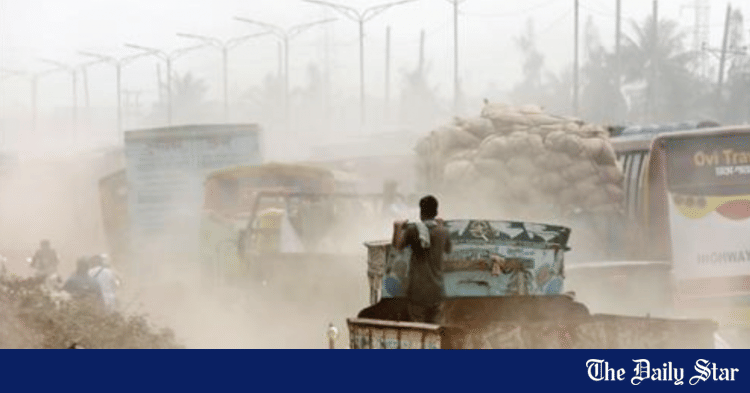
Air pollution in Dhaka has been a growing concern for both residents and authorities, with the city consistently ranking among the most polluted in the world. One of the leading contributors to air pollution is the massive amount of dust and waste generated by roadworks, construction projects, and uncoordinated urban development. Experts stress that coordinating government bodies, private stakeholders, and using better technology can reduce dust pollution and improve air quality.

A major source of dust pollution in Dhaka is the frequent road digging for utility work. These frequent disruptions contribute to dust pollution and cause significant traffic jams, leading to further emission of harmful gases from vehicles. According to a report from the Bangladesh Bureau of Statistics (2023), these ongoing disruptions contribute significantly to the declining air quality in the city.

Many roadworks use low-quality materials, improper waste disposal, and unregulated practices, worsening the problem. The lack of permanent utility infrastructure leads to repeated work, increasing dust and debris. A 2022 study by Chowdhury and Khan found that substandard construction practices in Dhaka contribute significantly to air pollution due to poor site waste management.

Experts argue that the solution to this issue lies in the coordination between local and national government bodies, private construction companies, and utility providers. The lack of coordination among involved parties causes inefficiency, with multiple agencies digging up the same roads. The government should enforce a collaborative planning system for coordinated utility work. The World Bank (2020) highlights that coordinated urban planning reduces disruptions, improving resource management and urban environments. Besides the private sector should also be encouraged to adopt best practices, including using modern equipment to minimise dust and waste. For instance, using advanced vacuum trucks to remove debris and dust from construction sites can be a game changer. The World Bank (2020) suggests that such innovations could reduce the burden of air pollution in cities like Dhaka, offering a sustainable way to handle urban infrastructure.

A permanent solution to reducing dust and waste from roadworks is implementing a comprehensive underground utility system. By installing a unified network for water, gas, and electricity, the city can reduce frequent excavations and minimise dust. The World Bank (2020) notes that cities with integrated underground utilities experience fewer disruptions and lower air pollution from roadworks.

Besides, dust control measures, like water spraying systems, can reduce airborne particles during roadworks. Digital mapping tools can track utility installations, minimising future digging and ensuring timely roadworks. This is supported by the 2022 Chowdhury and Khan research.

Another crucial factor in managing dust and waste is ensuring high-quality construction. Low-quality work often leads to cracks and rework, which not only wastes time and resources but also contributes to the continuous disruption of urban areas. The government should impose strict quality standards for all construction and roadworks to prevent the need for repeated repairs. The World Bank (2020) suggests that investment in high-quality infrastructure reduces long-term maintenance costs and improves the city's sustainability.

Private companies should be incentivised to invest in durable, sustainable materials that require fewer interventions. "Green" construction practices, focusing on sustainable materials and waste reduction, should be prioritised in both public and private projects. Research by Chowdhury and Khan (2022) shows that cities with high construction standards experience fewer disruptions and less environmental degradation.

The role of local communities and citizens in reducing dust pollution should not be overlooked. Authorities should engage with residents through awareness programmes on the importance of waste management and reducing unnecessary burning of waste.

Dhaka's air pollution requires a coordinated approach from all stakeholders. By using advanced technology and investing in underground utilities, the city can reduce dust, waste, and create a more sustainable environment. The future of Dhaka lies in long-term planning, collaboration, and the adoption of innovative technologies.

S M Muhaiminul Islam is a researcher and member of the Institution of Engineers, Bangladesh (IEB).​
 

Latest Posts

Back