New Tweets

[🇧🇩] Save the Rivers/Forests/Hills-----Save the Environment

G Bangladesh Defense
[🇧🇩] Save the Rivers/Forests/Hills-----Save the Environment
532
15K
More threads by Saif


10 factories in 5 BSCIC estates running without ETPs
They are causing unabeted environmental damage

1734912382845.webp

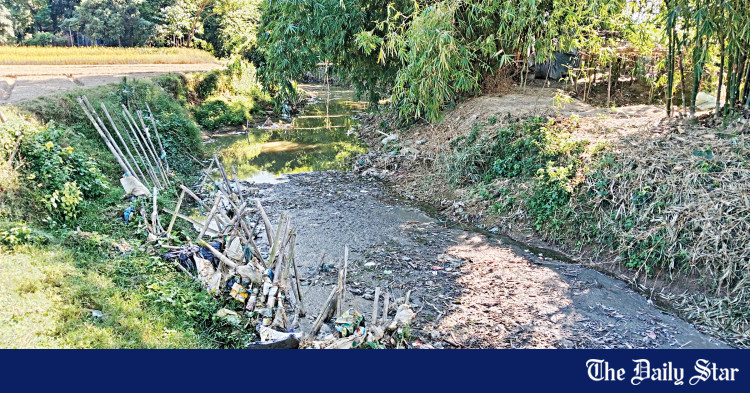
Pollution in the water bodies of Sylhet sadar upazila has worsened in recent years, reportedly because of untreated wastewater from the industrial estate of Bangladesh Small and Cottage Industries Corporation (BSCIC) in Khadimnagar. The photo was taken recently from Kallagram village in the upazila. Photo: Sheikh Nasir

Seventy-year-old Shamsul Haque remembers how clean the Balutikar canal was when he moved to Kallagram village in Sylhet 20 years ago.

Pollution in the water body has severely worsened in recent years, reportedly because of untreated wastewater from the industrial estate of Bangladesh Small and Cottage Industries Corporation (BSCIC) in Khadimnagar.

Among the factories in over 80 BSCIC industrial estates across Bangladesh, 173 discharge liquid waste and 157 of them have set up effluent treatment plants (ETPs), according to BSCIC data.

Seven of these ETPs are closed now while six others are under construction.

It means 10 factories in these industrial estates have not installed any ETPs. These factories are situated in five districts – four in Sylhet, three in Natore, and one each in Mymensingh, Chattogram's Kalurghat and Cumilla's Chauddagram.

Among the factories in over 80 BSCIC industrial estates across Bangladesh, 173 discharge liquid waste and 157 of them have set up effluent treatment plants (ETPs), according to BSCIC data

The 10 factories mainly belong to the textiles, pharmaceuticals, chemicals, pesticides and yarn industries, according to a source in BSCIC.

The source also stated that a lack of space, shifts in the production sector, financial insolvency, and limited awareness about environmental pollution have all contributed to the absence of ETPs in the factories.

In Sylhet, before the factories without ETPs started polluting Balutikar, the water was so good that people could cook food with it and bathe, recalled retired service holder Shamsul from Kallagram village, which was recently added to the city corporation. "Even people from other villages would come here to fish."

Now the stench of water, which looks like tar, is so bad that it is difficult to even walk alongside it. The bad odour spreads through the villages all the time, and sometimes foam and filthy waste gathers.

The canal has been a source of irrigation for Boro paddy in the three wetlands called Haors under Khadimpara union. But the pollution is damaging the croplands, said locals.

The Balutikar canal is connected to the Surma river via the Kushigang river, which means the wastewater from the factories without ETPs is also affecting the rivers.

Officials at BSCIC industrial estate in Khadimnagar said they have no data regarding pollution and environmental damage caused by the four factories without ETPs.

Sources said the four factories are Akther Rubber and Latex Industry, Auto Clean, The Sylhet Top Clean and Hanifi Auto Board Mill.

Nurun Nabi, director of Akther Rubber and Latex Industry, said they could not install an ETP due to a lack of space.

Eight years ago, they applied for a 1,000-square-foot space adjacent to their factory, but the authorities allotted the plot to another larger industry.

Last year, they applied for another small space adjacent to their factory and that too is yet to be allotted to them, he said.

"We got prepared to install an ETP years ago, but the BSCIC officials are giving preferences to larger industries," Nurun Nabi alleged.

Another factory owner claimed that the wastewater his factory produces is not harmful to the environment, rather the insecticide and fertilisers being used by a tea garden near the BSCIC estate are responsible for the pollution of the canal.

Even many of the factories with ETPs are allegedly not using the plants regularly, the owner said.

M Suhel Hawlader, the general manager of BSCIC in Sylhet, stated that the corporation has repeatedly urged the factories to install an ETP or comply with the regulations. However, these factories have cited a land shortage as the reason for their non-compliance.

Badrul Huda, assistant director of the Department of Environment (DoE) in Sylhet district, said they were aware of the water pollution of the Balutikar canal.

Soon, drives will be conducted against organisations that do not have ETP and environmental clearance.

Those who have ETPs should be brought under IP cameras and monitoring should be increased so that they cannot spread polluted waste in the canal, he says.

In Natore, where three factories do not have ETPs, the wastewater from BSCIC estate flows through drains in villages.

The water is so toxic that poultry or livestock die instantly when any falls into the drains, said Rezia Begum, a resident of Doatpara village next to the industrial estate.

"We catch skin diseases and other sort of sicknesses when the wastewater gets mixed up with floodwater and enters our homes after heavy rains," she added.

Shahina Begum, who lives in Goaldanga, another village in the area, also alleged the toxic water of the drains was causing diseases among the residents.

Mihir Hossain, a resident of Dattapara village, alleged the villagers had been threatened when they had spoken up against the influential businessmen of the BSCIC estate.

"We have stopped protesting since the locals get in danger whenever we raise our voice while the businessmen face no action," he said.

Dilruba Dipti, deputy manager of the BSCIC estate in Natore, said the factories without ETPs have been repeatedly reminded of the issue, but they never paid heed to what the authorities said.

Asked about the allegations made by the villagers that the drains were causing health and environmental damage, she claimed no one complained that the drains caused any harm.

An official at the BSCIC head office said the industries without ETPs are frequently warned against producing environmentally harmful products.

The DoE had been informed and urged to take appropriate legal action against the non-compliant factories, the official added.

GM Robbani Talukdar, deputy general manager for the industrial estate and coordination section of BSCIC, said a lack of space on their plots is hindering the factories from building ETPs.

"These plots were allotted a long ago, and at that time, environmental concerns were not as prominent as now. That's why ETPs were not part of their plans," he explained.

Rabbani said that the products that are being manufactured now require ETPs because of the chemicals used for their production.

When the plots were initially allotted, the production units did not use any chemicals that required ETPs, he said.

However, the current layouts of the plots cannot accommodate ETPs.

If there is a vacant plot adjacent to these factories, efforts are being made to allocate for ETPs, Rabbani said.

Alamgir Kabir, general secretary of the Bangladesh Poribesh Andolon, told The Daily Star that the DoE is fully responsible for the factories, which were allowed to run despite polluting the environment.

"If they (DoE) don't have the ability to monitor, why are they allowing these companies to do business?"

Kabir questioned whether unabated pollution would continue to occur if ETPs were not installed due to a lack of space or funds.

[Our Natore Correspondent Bulbul Ahmed contributed to this report]​
 
Analyze

Analyze Post

Add your ideas here:
Highlight Cite Respond

Is drive against polythene bags missing the target?
Neil Ray
Published :
Dec 22, 2024 22:12
Updated :
Dec 22, 2024 22:12

1734915282629.webp


Tapan Kumar Biswas, additional secretary and chairman of the polythene monitoring committee formed under the ministry of environment, forest and climate change came up with the performances accomplished so far since November 3. Following a drive against polythene in the kitchen market of Karwan Bazar, he disclosed 48 days' achievement. The chairman of the committee claims the credit of conducting 199 mobile court drives and realising fines amounting to Tk 2,572,300 from 414 shops and business establishments. Also, 50,556 kilograms of polythene bags were seized.

The operation of mobile court and seizure of big hauls of polythene shopping bags can hardly be any achievement. But surely the snapping of utility services to and sealing off four factories that produced such bags is a big achievement. Yet the question remains, are the drives producing the desired results? Not at all. Hardly a kitchen market in Dhaka can boast it is free of the polythene bags. Even the vendors selling fruits, vegetables or other commodities from their rickshaw vans use such bags as before. Where from do they get the supply? Old stocks were supposed to run out by this time.

Well, the step by step enforcement was logical but still it fell short of adequate preparation. Let's see why. A limited ban on use of polythene bags was first enforced from October 1 last and the countrywide ban was imposed from November 1 last. Actually, the original ban on use of polythene shopping bags in Bangladesh was imposed way back in 2001, the first country to have done so. At that time, there was greater success and it fell through because of a lack of subsequent follow-up. Therefore, the legal provision enacted to do so was still valid although it came to disuse. In that sense the latest prohibition ought to have been an invocation of the earlier law.

Whatever it may be, the important point is that doing away with this randomly used and thrown away non-biodegradable substance was long overdue. The month of November was set for monitoring market, not backed up by legal actions against vendors or retailers. This was logical because by this time, they were supposed to have disposed with their stocks. However, during this time the manufacturers and suppliers were targeted for action. From December 1 last, full enforcement of the prohibitive act took effect.

Evidently, the realities of 2001 and 2024 are way different. Not many factories producing polythene bags were there then but today their number is supposed to have multiplied. So, sealing just four of those off is proving to be a half-hearted exercise. The mobile court drives at the kitchen market is useless. It is clear that this cat-and-mouse game the bureaucrats have played all along is more a ploy or an eye wash than a serious move to eliminate the menace of this harmful substance. The need is to focus on the production units. If not a single such bag is produced anywhere, there is no question of its use by anyone.

Instead of sticking to this useless tactic, as proved by years of such drives, please launch purposeful drives against the producers of polythene shopping bags. Make it a point that not a single such factory will be in operation for production of those bags. These are not underground manufacturing plants, so each one of those can be identified for sealing those off.

Although this time the move cannot be likened with putting the cart before the horse, as is done in such cases, still it was not complemented with the supportive initiatives. The alternative to polythene bags are few and far between. Had there been mass production of even remotely comparable alternative shopping bags, the situation would have improved a lot. So, this is a prerequisite that must be addressed on a war-footing in order to complement the drive against poly-bag manufacturers.​
 
Analyze

Analyze Post

Add your ideas here:
Highlight Cite Respond

ICJ advisory opinion on climate change: Bangladesh’s participation
by Quazi Omar Foysal 24 December, 2024, 00:00

1734999821492.webp

United States Institute of Peace

THE projected devastating effects of climate change in the coming years have sparked mixed reactions in the international legal arena. While states that are highly vulnerable to climate impacts have been proactive in advocating for universal obligations to combat climate change through multilateral frameworks, many industrialised polluter states remain reluctant to engage in such processes. As a result, these affected nations have pursued initiatives to seek advisory opinions from various international courts and tribunals (ICTs) in order to clarify and solidify the climate-related obligations of states.

ICTs typically exercise two types of jurisdiction: (i) contentious jurisdiction and (ii) advisory jurisdiction. In contentious jurisdictions, ICTs resolve disputes between states that have been brought before them. In contrast, the advisory jurisdiction involves the deliberation of legal opinions on questions presented by competent entities. For instance, under the UN Charter, the General Assembly, the Security Council, and other authorised UN organs or specialised agencies can request advisory opinions from the International Court of Justice on legal matters within their competence. While these opinions are generally non-binding on states and international organisations, they hold significant persuasive legal weight.

Within the context of climate change, the International Tribunal for the Law of the Sea, ITLOS, has already issued an advisory opinion addressing states’ obligations to combat climate change in relation to the United Nations Convention on the Law of the Sea, UNCLOS. In the inter-American context, the Inter-American Court of Human Rights has concluded oral hearings for an advisory opinion concerning the Inter-American Convention on Human Rights, with the matter currently pending deliberation. However, the request for an advisory opinion on states’ climate change obligations in international law before the ICJ appears to be the cherry on top of the cake.

Bangladesh, ranked as the seventh most climate-affected country globally (Germanwatch, Global Climate Risk Index 2021), has been vocal about climate change in international political and judicial forums. It previously participated actively in both the written and oral proceedings of the ITLOS Advisory Opinion on Climate Change, held in Hamburg, Germany.

It is worth mentioning that ITLOS ruled that greenhouse gas emissions absorbed by oceans constitute marine pollution, affirming that states must take all necessary actions, based on the best available science, to minimise emissions in compliance with UNCLOS and other relevant international legal frameworks. As a coastal state, this advisory opinion holds particular significance for Bangladesh in reinforcing its climate-related obligations.

Bangladesh’s role in the ICJ Advisory Opinion on Climate Change extends beyond its mere participation in the proceedings. It was part of the Vanuatu-led core group of 18 states that spearheaded the unanimous adoption of UNGA Resolution 77/276 on March 29, 2023. Bangladesh has also submitted its written statement and written comments and participated in the oral proceedings.

It is to be noted that the ICJ Advisory Opinion on Climate Change has attracted unprecedented participation from states and international organisations. A total of 96 states and 11 international organisations participated in the oral proceedings held from December 2–13, 2024. This Advisory Opinion request centres on two key legal questions: (1) the obligations of states under international law to protect the climate system and environment from greenhouse gas emissions for both current and future generations and (2) the legal consequences for states that cause significant harm to the climate system, especially regarding vulnerable nations and affected peoples and individuals.

In its written submission of March 25, 2024, Bangladesh emphasised states’ obligations under international law in the context of climate change, drawing on various branches of international law and scientific evidence. It further outlined the legal consequences of the states violating climate-related international obligations. In its written comments of August 15, 2024, Bangladesh underscored states’ climate change-related obligations under customary international law, UNCLOS, the UN climate treaty regime, and human rights law. It further explained the general principles of state responsibility applicable in the context of climate change.

Bangladesh presented its oral submission on the first day (December 2, 2024) of the ten-day-long oral proceedings. The Bangladesh delegation was led by ambassador Tareque Muhammad (Bangladesh’s ambassador to the Netherlands) and comprised of Professor Payam Akhavan (University of Toronto) and Catherine Amirfar (Debevoise & Plimpton LLP) among others. Notably, both Professor Akhavan and Amirfar also represented Bangladesh before the ITLOS.

Bangladesh’s oral submission consisted of three key parts. First, ambassador Muhammad highlighted the country’s vulnerability to climate change and its urgent need to combat its effects. Professor Akhavan then emphasised Bangladesh’s position that ‘all states must take necessary measures to rapidly and deeply mitigate anthropogenic greenhouse gas emissions to avoid breaching the 1.5°C threshold, with the greatest responsibility resting on developed and high-emitting states.’ He relied on customary international law, the UN climate treaty regime, human rights law, and the principle of common, but differentiated, responsibilities to substantiate this argument. Finally, Catherine Amirfar addressed Bangladesh’s stance on international obligations concerning climate adaptation, drawing upon the aforementioned sources of international law.

Bangladesh has particularly emphasised that, despite contributing only 0.52 per cent of global GHG emissions, it is disproportionately affected by climate change. It has strongly advocated for the application of the principle of common, but differentiated, responsibilities, highlighting the contributions of industrialised states to the worsening climate crisis and the impacts on small islands and low-lying nations. Given the heavy financial burden on climate-vulnerable countries to mitigate and adapt to climate change, Bangladesh has called for financial and technical support from high-emitting states, in accordance with their international obligations.

The ICJ’s forthcoming advisory opinion is widely anticipated to play a pivotal role in addressing climate change through international law. In light of the unanimous opinion recently delivered by ITLOS, the international community remains hopeful that the ICJ will adopt a similar stance.

Pending the ICJ’s deliberation, Bangladesh must continue to align its domestic laws with its international legal positions to effectively address climate change challenges. Its active participation in the ICJ and ITLOS proceedings underscores the importance of this alignment, serving as a reminder of the country’s domestic obligations to combat climate change. As one of the top 40 GHG emitters globally, Bangladesh faces the pressing need to harmonise its domestic laws and policies with its legal stance at the ICJ. This alignment is essential not only to mitigate the impacts of climate change but also to implement measures that enhance climate resilience, ensuring the nation’s preparedness for the challenges it will face in the future.

Quazi Omar Foysal is an international law expert, currently serving as a lecturer at American International University-Bangladesh and practising as an advocate at the Supreme Court of Bangladesh.​
 
Analyze

Analyze Post

Add your ideas here:
Highlight Cite Respond

Debunking myths about air pollution in Bangladesh

1735088364700.webp

Overwhelming evidence shows that air pollution has far-reaching consequences, impacting nearly every aspect of our lives. FILE/PHOTO:STAR

As researchers studying air pollution, we've encountered fascinating yet troubling observations about people's perceptions regarding environmental crises. Despite growing evidence and alarming statistics, many Bangladeshis continue to hold onto misconceptions about air pollution, what causes it, who it affects, and how it impacts health.

Air pollution in Bangladesh has reached critical levels, posing serious health risks, particularly to children and senior citizens. Yet, public awareness remains frustratingly low, and many dismiss the issue altogether. This is not simply a lack of information; it's a problem rooted in myths and outdated beliefs that prevent meaningful action.

Today, many still view air pollution as an urban problem, confined to bustling cities like Dhaka, while rural areas are perceived as untouched havens of clean air. Others blame seasonal illnesses or external factors, such as vaccines, for respiratory problems, completely overlooking the role of chronic exposure to harmful pollutants like PM 2.5, sulphur, and lead. And perhaps most concerning of all is the widespread dismissal of indoor air pollution, despite its growing threat in poorly ventilated homes and workplaces. It's time to replace myths with facts, challenge outdated beliefs, and confront the invisible threat that's already affecting our health and future.

One of the most widespread myths in Bangladesh is that air pollution is only an urban problem. Many people assume that the countryside, with its lush green fields and open spaces, is free from the toxic haze that hangs over cities like Dhaka. This misconception is deeply rooted in the visible sources of pollution like factories and construction dust which are concentrated in urban areas.

However, this myth could not be further from the truth. Rural areas are equally affected by air pollution, albeit in ways that are less visible but just as harmful. From the smoke of brick kilns to the burning of crop residues, rural pollution contributes to the same deadly air quality. And let's not forget that pollution doesn't care about borders; it travels across countries and vast distances. No area is immune from the harmful effects of pollution, whether it's the smog-filled streets of Dhaka or the quiet, dusty lanes of the countryside.

As the season changes many of us start experiencing shortness of breath and the "seasonal flu" or a harmless "winter cough." While the weather does play a role, the underlying cause of these respiratory issues is not simply the change in seasons, but the constant exposure to harmful air pollutants.

Tiny particles known as PM 2.5 and PM 10, along with gases like sulphur and lead, linger in the air, causing long-term damage to the lungs and respiratory system. These particles are small enough to be inhaled deeply into the lungs, where they can cause everything from chronic coughs to more severe conditions like asthma, bronchitis, and even heart disease. This is common science. So, while a little cough during the change of seasons might seem normal, persistent respiratory problems are more likely the result of chronic exposure to poor air quality, not just a passing flu.

Since the pandemic, another myth has taken hold: that the COVID vaccine is responsible for the rise in respiratory problems. Many people believe that the vaccine has damaged the lung functions and is causing persistent coughs, fatigue, and breathing difficulties. While the vaccine may have had some side effects for a very small group of people, the widespread rise in respiratory problems cannot be attributed to it, especially not without evidence.

Bangladesh has been grappling with poor air quality for years, and respiratory issues like coughing and shortness of breath have been on the rise long before the pandemic began. So, blaming the vaccine for health issues that have been building up over time misses the larger point: air pollution is the true threat to our lungs.

One of the most dangerous myths about air pollution is the idea that it only matters if you can see it. If the air looks clear, then it must be safe, right? This belief is especially common in areas where smog or heavy pollution is not immediately visible. Pollution doesn't always present itself in visible form. Fine particulate matter (PM 2.5), which is among the most harmful pollutants, is so small that it's invisible to the naked eye. These tiny particles can easily enter your lungs and bloodstream, causing significant health issues. So, just because you can't see pollution doesn't mean it isn't there. On the contrary, it's likely lurking in the air you're breathing.

Indoor air quality can often be far worse than outdoor air, especially in homes where cooking, smoking, or the use of certain household products is common. In many Bangladeshi households, traditional cooking methods such as burning wood, cow dung, or coal release harmful pollutants like particulate matter and carbon monoxide. Without proper ventilation, these pollutants accumulate indoors, creating a toxic environment for those living there. In fact, indoor air pollution can sometimes be as bad as outdoor pollution levels, making it just as hazardous, if not more so. So, the idea that staying indoors protects you from pollution is not only false—it could be putting your health at greater risk.

Overwhelming evidence shows that air pollution has far-reaching consequences, impacting nearly every aspect of our lives. It leads to deaths from cardiovascular and pulmonary diseases, harms children's health, reduces workplace productivity, and even affects cognitive ability. Emerging research also links air pollution to mental health issues, sleep disturbances, and so forth.

These misguided beliefs prevent meaningful action, keeping people unaware of the true risks and long-term health effects. It's time to confront the reality of air pollution head-on. By understanding that pollution affects everyone—indoors and out, urban and rural—we can make informed choices to protect ourselves, our loved ones, and future generations.

Let's challenge these myths, embrace the truth, and work together to breathe cleaner, healthier air.

AARM Mehrab Ali is the founder and executive director of ARCED Foundation.

Sadia Sumaia Chowdhury is the senior programme manager at ARCED Foundation.

Shirsha Songshoptak is a research assistant at ARCED Foundation.​
 
Analyze

Analyze Post

Add your ideas here:
Highlight Cite Respond

Focusing innovation of eco-friendly packaging materials
Wasi Ahmed
Published :
Dec 24, 2024 22:03
Updated :
Dec 24, 2024 22:03

1735091443081.webp


With growing governmental interest in replacing polythene with biodegradable alternatives, fostering innovations in eco-friendly packaging has become imperative. Reports suggest that private researchers, particularly students, are actively exploring alternatives to polythene. While jute sacks and bags are often cited as viable substitutes, innovations targeting other materials could yield promising results. Despite the government's ban on polythene shopping bags, full compliance remains elusive. Superstores have largely adhered to the ban, but open markets and small shops across the country have yet to follow suit. This noncompliance is exacerbated by supply shortages in jute mills and limited availability of jute fibre. Additionally, jute packaging is not suitable for all products, and is costlier than plastic bags for carrying grains.

Efforts to discover alternative sources for packaging materials are gaining momentum. A recent Financial Express report highlighted a group of researchers who developed biodegradable plastic using water hyacinth. This innovation addresses not only the demand for eco-friendly packaging but also helps manage the invasive aquatic plant, which is widespread in the country.

The research team comprises students from Bangabandhu Sheikh Mujibur Rahman Science and Technology University (BSMRSTU), supervised by Dr. Neaz Al Hasan, Assistant Professor of Fisheries and Marine Bioscience, and Md. Ushama Shafoyat, Lecturer of Biomedical Engineering at the Military Institute of Science and Technology (MIST). By extracting cellulose fibres from water hyacinth, the team has created a polymer-like material resembling polythene that decomposes within six months. Their research, conducted at the biomaterial lab of MIST and BSMRSTU, was recently showcased at the University Innovation Hub Program, supported by the ICT Division and the World Bank. The team's immediate goal is to secure funding of at least Tk 10 million for further research and development, aiming to produce 120 tonnes of the material in the first year, with plans for scaling up as demand grows.

Other initiatives for polythene alternatives have also emerged. For instance, biodegradable bags made from corn starch have been developed. Derived from the firm base of corn, this material is processed into resin and then shaped into polythene-like bags. Certified as 92-95 per cent environmentally disposable by the Bangladesh Council of Scientific and Industrial Research (BCSIR), these bags contain no plastic and offer a promising substitute.

The challenge of transitioning away from polythene is not new. A ban on polythene bags was first introduced in 2002. Initially, compliance was strong due to strict monitoring and enforcement. However, within a year, the effort lost momentum, and polythene use resurged. Worse, the number of informal factories producing polythene bags increased, with more than 300 such factories reportedly operating today. Dhaka alone uses an estimated 220 million polythene bags daily.

One of the primary reasons for the failure of the earlier ban was the inadequate supply of jute bags. The government lacked preparation to address production shortfalls in state-owned jute mills or ensure steady supply of raw materials. In 2010, the government introduced the Mandatory Jute Packaging Act, but the law proved ineffective due to insufficient availability of jute packaging materials. In 2013, a circular mandated the use of jute bags for commercial packaging of rice, but millers and traders largely ignored it, citing high costs and limited supply. Some rice mill owners even filed a writ petition with the High Court. In response, the High Court, in its ad-interim order, stayed the directive relating to the mandatory use of jute bags. That too did not work, simply because there was scarcity of packaging materials from jute and more importantly, millers considered the jute sacks way unaffordable, even if supply constrains were not there. So the scarcity of affordable jute alternatives allowed the continued proliferation of polythene and plastic packaging

Against this backdrop, the need to explore alternative materials has never been more urgent. Innovations like water hyacinth-based biodegradable plastic and corn starch-based bags offer hope. However, scaling up these solutions requires significant investment, infrastructure, and policy support. While official announcements have been made about jute poly bags, reportedly developed by the state-owned Bangladesh Jute Mills Corporation (BJMC), no tangible results have materialised, leading many to dismiss these claims as baseless.

To ensure the success of biodegradable alternatives, the government must take a multi-faceted approach. This includes providing financial incentives for research and development, ensuring access to raw materials, and promoting public awareness about the benefits of eco-friendly packaging. Additionally, strict enforcement of existing bans and penalties for noncompliance are crucial.

Innovation in eco-friendly packaging materials is the only sustainable solution to the growing environmental damage polythene is causing. The success of these initiatives hinges on collaboration between researchers, the government, and the private sector. By prioritising funding, streamlining regulations, and fostering a culture of innovation, Bangladesh can lead the way in developing and adopting biodegradable packaging solutions. Such efforts will not only protect the environment but also create new opportunities for economic growth and employment.​
 
Analyze

Analyze Post

Add your ideas here:
Highlight Cite Respond

Sustainable alternatives to single-use plastic a must
26 December, 2024, 00:00

AN INCREASE in the use of plastic, especially single-use plastic, coupled with the chaotic dumping of plastic waste, is a cause for concern. An Environment and Social Development Organisation study show that 83 per cent of the people use single-use plastic bottles daily while 3.15–3.84 billion single-use plastic bottles are consumed annually. Only 21.4 per cent of it goes to recycling and 78.6 per cent of the bottles end up in the river systems, sea and dumps. The impact of the haphazard dumping of plastic bottles, which persist for up to 450 years in the environment, on public health and the environment is huge. Health experts say that chemicals such as bisphenol A and microplastics enter the food chain from these single-use plastic bottles, threatening human health and biodiversity. Also alarming is the rising trend of single-use plastic bottles and bags. When many countries have either banned or reduced single-use plastic to arrest environmental pollution and health hazards, the use of single-use plastic has increased in Bangladesh. The annual per capita plastic consumption in urban areas has tripled, as a World Bank study says, over two decades and the annual per capita plastic consumption in Dhaka has reached 24 kilograms.

The World Bank study also found that about 70 per cent of plastic waste is mismanaged and dumped injudiciously. A UN Environment Programme study says that Bangladesh is among the top 10 plastic-polluting countries and the seventh among the world’s plastic-consuming nations. An earlier Environment and Social Development Organisation study shows that annually, 87,000 tonnes of single-use plastic containers are thrown away in Bangladesh. An estimated 23,000–36,000 tonnes of plastic waste is disposed of every year in 1,212 hotspots around canals and rivers in and around Dhaka and most of this chaotically dumped waste ends up in rivers and other water bodies. Studies and field surveys say that areas that attract a large number of tourists also find a high concentration of plastic waste and there is an absence of waste management and recycling in those areas. Despite the government’s professed commitment to reducing plastic use, it has not taken any effective action so far, which has resulted in the increase of single-use plastic containers in forms such as food packaging, straws for drinks, cotton buds, sachets, coffee stirrers, soda, water and soft drink bottles and plastic bags. Experts blame government indifference for the alarming crisis.

It is, therefore, imperative for the government to put an effective mechanism in place to prevent plastic pollution and encourage industries to divest from the production of single-use plastic bottles and bags and produce locally available biodegradable products. A widespread awareness campaign is also a must to combat the pervasive use of single-use plastics.​
 
Analyze

Analyze Post

Add your ideas here:
Highlight Cite Respond

Textile millers seek permission to import recyclable plastics​

Less than 10% of plastic is recycled globally, and nearly half of the 400 million tonnes of plastic waste annually end up in landfills.

File photo: Collected
Less than 10% of plastic is recycled globally, and nearly half of the 400 million tonnes of plastic waste annually end up in landfills. File photo: Collected

Less than 10% of plastic is recycled globally, and nearly half of the 400 million tonnes of plastic waste annually end up in landfills. File photo: Collected

The country's textile millers have urged the government to permit the import of recyclable plastics and to provide adequate support for utilising plastic flakes and polyester staple fibre (PSF) products produced through proper procedures.

These products could serve as import substitutes and significantly contribute to the economy by generating foreign exchange through exports, said Showkat Aziz Russell, president of the Bangladesh Textile Mills Association (BTMA), in a recent letter to the chief adviser.

In the letter, Russell said allowing the import of recyclable plastics and textile waste with a 5% specific duty for use in the recycling textile industries could add an additional $40–$50 billion annually in export earnings.

Furthermore, the BTMA advocated for safeguarding the legitimate interests of the local industry by facilitating the import of all types of textile waste, including cotton waste, which serves as a key raw material for mills producing recycled fibre.

The letter also called for revising the notification issued by the Ministry of Environment, Forests, and Climate Change on 27 August 2024, and for a meeting with stakeholders to determine the appropriate policy.

Bangladesh's annual import of PSF from various countries is around 1,200 tonnes,said the letter. Based on current statistics, producing PSF domestically using reusable plastic bottles instead of importing PSF would save $150 million in foreign exchange.

The letter further said Bangladesh could earn $40–$50 billion from non-cotton textiles and apparel products by 2030 by effectively utilising and exporting reusable plastics.

Moreover, renowned multinational companies such as Reebok, Pepsi, Nestlé, and Coca-Cola have committed to using flakes and granules produced from plastics in soft drink bottles and other packaging.

As a result, the global plastics industry, which serves the ready-made garment and shipbreaking sectors, is expanding rapidly.

Bangladesh is home to 23 man-made fibre and synthetic yarn manufacturing plants, with an investment of Tk25,000 crore. These factories require 900 tonnes of PSF daily, but local sources can supply only 20% of the demand, according to BTMA.
 
Analyze

Analyze Post

Add your ideas here:
Highlight Cite Respond

A canal or trash bin?
Jamal Khan canal choking on plastic

1735256745651.webp


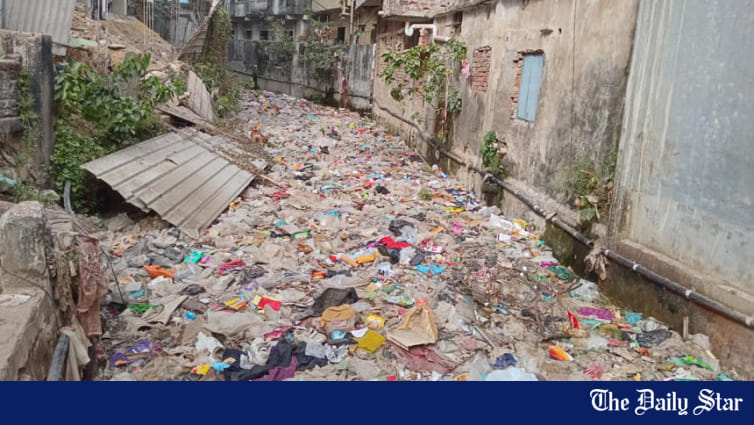
A sea of non-biodegradable plastic waste has engulfed Jamal Khan canal in Chattogram, threatening the port city with severe waterlogging during monsoon.

Despite a government ban on polythene bags dating back to 2002, the canal serves as a grim reminder of lax enforcement and the pervasive use of single-use plastics.

During a recent visit, the canal appeared more like a landfill, clogged with plastic waste primarily discarded by nearby residents.

Locals alleged that tenants of buildings along the canal toss household waste, including polythene bags, directly out their windows.

Others reportedly choose the canal as their dumping ground to avoid going to dustbins.

Utpal Barua, a resident of Jamal Khan area, said, "The government banned polythene bags in kitchen markets from November 1, but where is the action? People still bring home vegetables and fish in these bags, then dump the waste into the canal."

According to a 2022 study by the Civil Engineering Department of Chattogram University of Engineering and Technology (Cuet) produces 3,000 tonnes of waste daily, of which 249 tonnes (8.3 percent) are plastic and polythene.

Alarmingly, 140 tonnes of this waste go uncollected, ending up in canals and drains, choking the city's drainage systems.

Prof Swapan Kumar Palit of CUET Civil Engineering Department highlighted the lack of adherence to the "Mandatory Jute Packaging Act, 2010" and "Mandatory Jute Packaging Rules-2013," which require jute-based packaging for a range of essential goods.

"Despite these regulations, we see no implementation in the market," he said.

"Around 90 percent of carry-bags used in grocery shops and kitchen markets are still plastic and polythene."

Pranab Kumar Sharma, deputy conservation officer of Chattogram City Corporation, said, "We're removing waste from the canal, but resource limitations prevent us from addressing all canals simultaneously."

Experts emphasise that banning polythene bags isn't enough without viable alternatives.

Prof Sekandar Khan of Bangladesh Paribesh Andolan said, "Polythene use will decline naturally when affordable alternatives become widely available. The government must provide incentives to support alternative packaging industries."

Meanwhile, kitchen markets near the canal continue to flout the ban.

Vendors, however, argue they have no choice.

"Customers demand polythene bags. If they don't bring their own, how can we pack their purchases?" asked Md Ismail, a vendor.​
 
Analyze

Analyze Post

Add your ideas here:
Highlight Cite Respond

Latest Posts

Back
PKDefense - Recommended Toggle