
 Bangladesh Defense
Saif
Senior Member
- Jan 24, 2024
- 21,479
- 9,743
- Nation

- Residence
- Axis Group

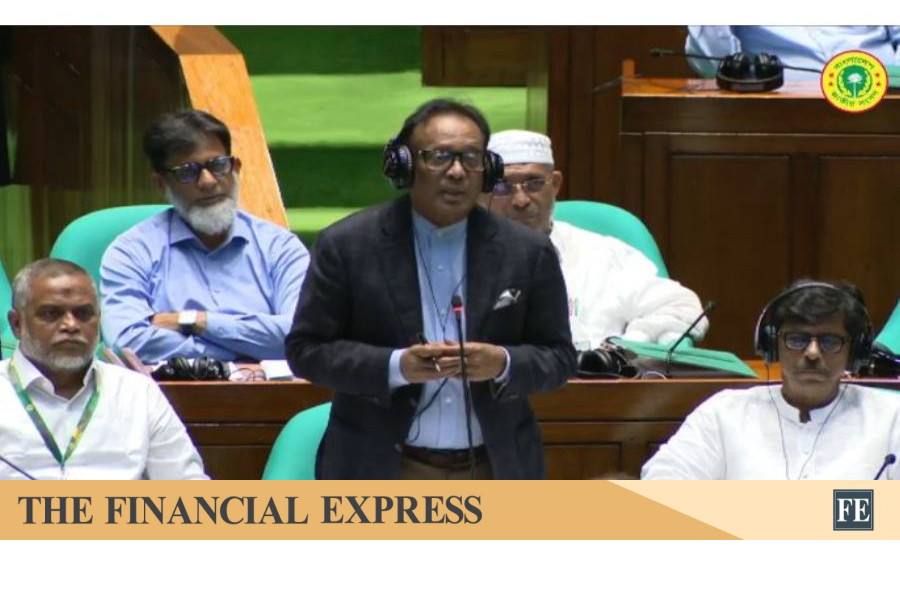
Govt has no plan to sell Teletalk, steps underway to upgrade services: Minister
Posts, Telecommunications and Information Technology Minister Faqir Mahbub Anam on Sunday said the government has no plan to sell the state-owned mobile operator Teletalk, stressing that the company must remain under government ownership to ensure healthy competition in the country’s telecom
Govt has no plan to sell Teletalk, steps underway to upgrade services: Minister
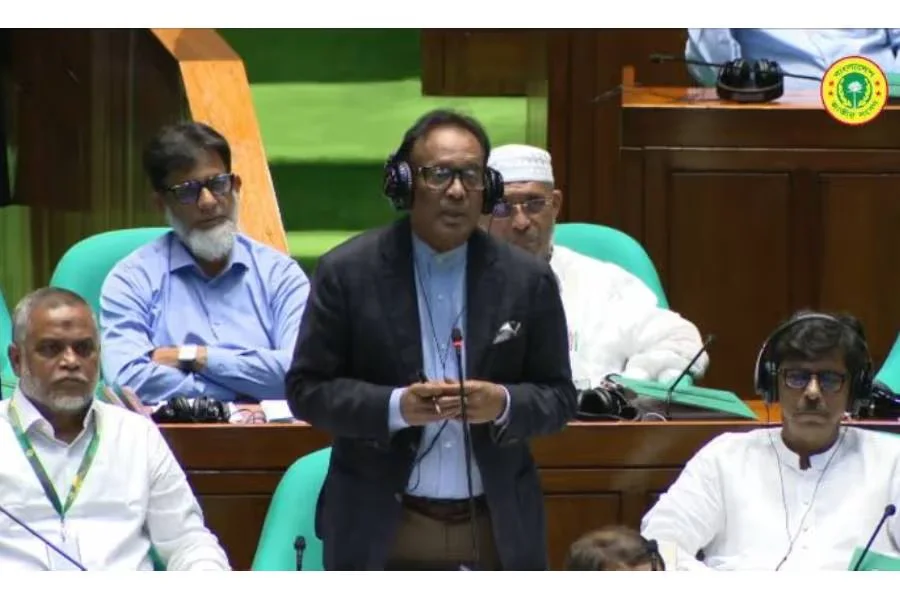
Posts, Telecommunications and Information Technology Minister Faqir Mahbub Anam on Sunday said the government has no plan to sell the state-owned mobile operator Teletalk, stressing that the company must remain under government ownership to ensure healthy competition in the country’s telecom market.
Replying to a supplementary question from BNP lawmaker in reserve seats Sanjida Yasmin during the question-answer session in the Jatiya Sangsad, the minister said initiatives are underway to expand Teletalk’s network and improve its service quality through government and foreign financing.
The House, presided over by Speaker Hafiz Uddin Ahmad, Bir Bikram, was informed that four mobile operators—Teletalk, Grameenphone, Robi and Banglalink—are currently operating in the country.
The minister said Teletalk requires more mobile towers to enhance its network coverage and service quality, which demands substantial investment.
“We must keep Teletalk in the market. It has to remain under government ownership,” he said, adding that without the state-run operator, private mobile companies might increase service charges at their discretion.
Responding to a question from reserved seat lawmaker Nadia Pathan Papon, the minister said the government is looking into the matter about the expiry of unused mobile data after seven-day or 15-day internet packages.
He said the Bangladesh Telecommunication Regulatory Commission (BTRC) has already held several rounds of discussions with mobile operators on the issue, but the operators have cited their business policies in support of the existing system.
The minister also said discussions have been held with mobile operators regarding call drops and assured the House that pressure on the operators would continue to safeguard consumers’ interests.
Replying to a question from Jashore-6 lawmaker Moktar Ali, the minister said work is underway to provide 109,004 broadband internet connections across the country under the Digital Connectivity Establishment Project.
He said broadband connectivity has already been provided to 57,000 institutions, including colleges affiliated with the National University, secondary and higher secondary schools, government primary schools, madrasas, technical educational institutions, community clinics, land offices and district courts.
The minister also said the government is planning to introduce expatriate help desks at Digital Centres to facilitate services for overseas Bangladeshis and make remittance transactions easier.
In reply to a question from Sherpur-1 lawmaker Rashedul Islam Rashed, he said the government would coordinate with Teletalk and other operators to improve network coverage in areas where mobile connectivity remains unavailable, provided specific information about those locations is supplied.
Participating in the discussion, Sylhet-5 lawmaker Abul Hasan said mobile network coverage remains extremely poor in the border areas of Zakiganj and Kanaighat.
In response, the minister said necessary measures, including the installation of additional towers, would be considered after receiving detailed information about the affected areas.
In a supplementary question, Lakshmipur-1 lawmaker Shahadat Hossain Selim said many post offices in his constituency have become dilapidated, while some have turned into places for drug addicts and miscreants.
The minister said there are more than 9,000 post offices across the country and most of them are in poor condition. Since renovating all of them simultaneously is not feasible, the government is carrying out renovation work in phases.
Replying to a question from Patuakhali-2 lawmaker Shafiqul Islam, the minister said the government is working to engage young people in artificial intelligence, freelancing and other internet-based professions to help protect them from harmful online activities.
He said training centres are being established at the upazila level to enhance the skills of young people and make them self-reliant. “Training has already started in several upazilas and will gradually be expanded to the remaining ones,”
In reply to a question from Naogaon-5 lawmaker Zahidul Islam Dholu, the minister said technology-neutral licenses have already been issued to mobile operators to facilitate nationwide expansion of 5G services.
He said spectrum in the 2.3 GHz and 2.6 GHz bands has already been allocated for 5G deployment, while a new spectrum in the 3.5 GHz band will be released in 2027.
Replying to a question from Chandpur-4 lawmaker Abdul Hannan, the minister said the Department of Information and Communication Technology has undertaken a five-year programme to train people as freelancers across the country.
He added that identity cards will also be issued to 200,000 freelancers.
Posts, Telecommunications and Information Technology Minister Faqir Mahbub Anam on Sunday said the government has no plan to sell the state-owned mobile operator Teletalk, stressing that the company must remain under government ownership to ensure healthy competition in the country’s telecom market.
Replying to a supplementary question from BNP lawmaker in reserve seats Sanjida Yasmin during the question-answer session in the Jatiya Sangsad, the minister said initiatives are underway to expand Teletalk’s network and improve its service quality through government and foreign financing.
The House, presided over by Speaker Hafiz Uddin Ahmad, Bir Bikram, was informed that four mobile operators—Teletalk, Grameenphone, Robi and Banglalink—are currently operating in the country.
The minister said Teletalk requires more mobile towers to enhance its network coverage and service quality, which demands substantial investment.
“We must keep Teletalk in the market. It has to remain under government ownership,” he said, adding that without the state-run operator, private mobile companies might increase service charges at their discretion.
Responding to a question from reserved seat lawmaker Nadia Pathan Papon, the minister said the government is looking into the matter about the expiry of unused mobile data after seven-day or 15-day internet packages.
He said the Bangladesh Telecommunication Regulatory Commission (BTRC) has already held several rounds of discussions with mobile operators on the issue, but the operators have cited their business policies in support of the existing system.
The minister also said discussions have been held with mobile operators regarding call drops and assured the House that pressure on the operators would continue to safeguard consumers’ interests.
Replying to a question from Jashore-6 lawmaker Moktar Ali, the minister said work is underway to provide 109,004 broadband internet connections across the country under the Digital Connectivity Establishment Project.
He said broadband connectivity has already been provided to 57,000 institutions, including colleges affiliated with the National University, secondary and higher secondary schools, government primary schools, madrasas, technical educational institutions, community clinics, land offices and district courts.
The minister also said the government is planning to introduce expatriate help desks at Digital Centres to facilitate services for overseas Bangladeshis and make remittance transactions easier.
In reply to a question from Sherpur-1 lawmaker Rashedul Islam Rashed, he said the government would coordinate with Teletalk and other operators to improve network coverage in areas where mobile connectivity remains unavailable, provided specific information about those locations is supplied.
Participating in the discussion, Sylhet-5 lawmaker Abul Hasan said mobile network coverage remains extremely poor in the border areas of Zakiganj and Kanaighat.
In response, the minister said necessary measures, including the installation of additional towers, would be considered after receiving detailed information about the affected areas.
In a supplementary question, Lakshmipur-1 lawmaker Shahadat Hossain Selim said many post offices in his constituency have become dilapidated, while some have turned into places for drug addicts and miscreants.
The minister said there are more than 9,000 post offices across the country and most of them are in poor condition. Since renovating all of them simultaneously is not feasible, the government is carrying out renovation work in phases.
Replying to a question from Patuakhali-2 lawmaker Shafiqul Islam, the minister said the government is working to engage young people in artificial intelligence, freelancing and other internet-based professions to help protect them from harmful online activities.
He said training centres are being established at the upazila level to enhance the skills of young people and make them self-reliant. “Training has already started in several upazilas and will gradually be expanded to the remaining ones,”
In reply to a question from Naogaon-5 lawmaker Zahidul Islam Dholu, the minister said technology-neutral licenses have already been issued to mobile operators to facilitate nationwide expansion of 5G services.
He said spectrum in the 2.3 GHz and 2.6 GHz bands has already been allocated for 5G deployment, while a new spectrum in the 3.5 GHz band will be released in 2027.
Replying to a question from Chandpur-4 lawmaker Abdul Hannan, the minister said the Department of Information and Communication Technology has undertaken a five-year programme to train people as freelancers across the country.
He added that identity cards will also be issued to 200,000 freelancers.


