Donate ☕
[🇧🇩] - Save the Rivers/Forests/Hills-----Save the Environment | Page 34 | PKDefense

[🇧🇩] Save the Rivers/Forests/Hills-----Save the Environment

⤵︎
Reply (Scroll)
Press space to scroll through posts
G Bangladesh Defense
[🇧🇩] Save the Rivers/Forests/Hills-----Save the Environment
515
12K
More threads by Saif


Follow DAP, promote green buildings for safer Dhaka
Regulators urge realtors as 4-day REHAB Fair begins

FE REPORT
Published :
Dec 25, 2025 11:43
Updated :
Dec 25, 2025 11:43

1766708998059.webp


Regulators on Wednesday urged the country's real estate developers to strictly comply with all relevant rules and regulations, particularly the latest Detailed Area Plan (DAP), to ensure better living conditions in the capital.

They also called for environment-friendly construction and adequate road access to buildings so that emergency services such as ambulances and fire brigades can operate smoothly, ensuring public safety and security.

The call was made at the inauguration of the four-day REHAB Fair 2025, the 27th edition of the country's largest housing exposition, being held at the Bangladesh-China Friendship Conference Centre in the capital's Agargaon.

Rajdhani Unnayan Kartripakkha (RAJUK) Chairman Engr Md Reazul Islam attended the ceremony as the special guest, while National Housing Authority (NHA) Chairman Mosammat Ferdousi Begum was present as the guest of honour. The programme was presided over by Real Estate and Housing Association of Bangladesh (REHAB) President Md Wahiduzzaman, with senior leaders and directors of the trade body also in attendance.

Speaking at the event, the RAJUK chairman said realtors play a pivotal role in urban development but must move beyond narrow business interests to prioritise the overall welfare of the city. He emphasised the need for a transition towards "green buildings" to ensure sustainable urban growth.

He warned that constructing high-rise buildings without sufficient road access for emergency vehicles serves no national interest and benefits only a handful of stakeholders. "We established a city and constructed buildings where fire brigades and ambulances cannot enter.

What is the benefit of that?" he said, adding that such practices mainly generate profits for developers, landowners and a section of officials.

He also urged developers to strictly follow the new DAP and building codes, cautioning that non-compliance could lead to legal consequences.

NHA Chairman Mosammat Ferdousi Begum said closer collaboration between the government and the private sector is essential to meet housing demand in a land-scarce country like Bangladesh. She expressed concern over frequent complaints lodged with the NHA regarding discrepancies between sale agreements and the final handover of flats.

"Many complaints are filed with me as the chairperson of the NHA. The main allegation is inconsistency between the agreement and the final handover," she said, urging developers to ensure compliance and transparency.

She also advocated inclusive urbanisation, encouraging projects that incorporate green spaces, children's play areas and specialised housing for working women and single mothers.

Responding to the regulators, REHAB President Md Wahiduzzaman said the association had held 37 meetings with RAJUK to finalise the latest building code and DAP, which he believes will help restore stability in the real estate business.

He also urged RAJUK to ensure uninterrupted operation of the Electronic Construction Permitting System (ECPS) and to address delays in plan approvals.

According to the organisers, the fair will remain open from 10:00am to 9:00pm each day. Single-entry tickets are priced at Tk 50, while multiple-entry tickets cost Tk 100, allowing up to five entries. Around 220 companies, including housing and land developers, home loan providers and building material suppliers, are showcasing their products and services at the event.​
 
Analyze

Analyze Post

Add your ideas here:
Highlight Cite Fact Check Respond

Breathing death: What Bangladesh must do to tackle air pollution

1766799012387.webp
 
Analyze

Analyze Post

Add your ideas here:
Highlight Cite Fact Check Respond
  • Like (+1)
Reactions: Krishna with Flute
Analyze

Analyze Post

Add your ideas here:
Highlight Cite Fact Check Respond
  • Wow (+2)
Reactions: Afhan
Analyze

Analyze Post

Add your ideas here:
Highlight Cite Fact Check Respond
  • Wow (+2)
Reactions: Afhan
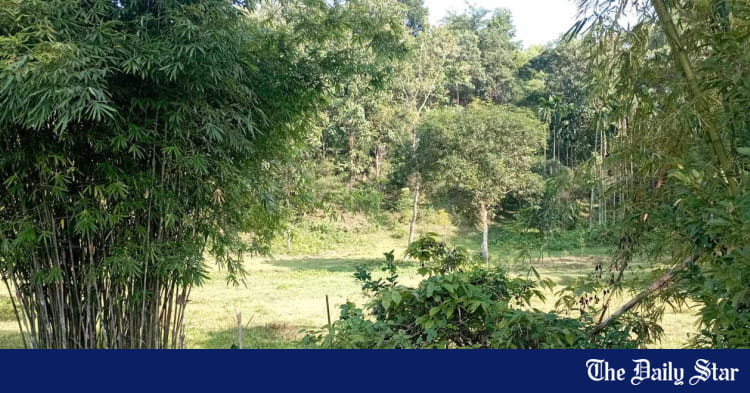
How do bamboo trees help in controlling pollution?
Most potent plant to absorb pollution. I have planted lots of Bamboos on the border of my company 's township. Have a look at Miyawaki forest I planted this August. It proves 30 time the green cover of natural forest. Now people who lives in township tells me that they have to switch off even fan during in hot season when others can not slip without AC.
 

Attachments

  • IMG20251201111819.webp
    IMG20251201111819.webp
    2 MB · Views: 10
Last edited:
Analyze

Analyze Post

Add your ideas here:
Highlight Cite Fact Check Respond
  • Like (+1)
Reactions: Saif
No polythene bags at Dhaka trade fair, says commerce secretary

Published :
Dec 29, 2025 14:31
Updated :
Dec 29, 2025 14:32

1767055949004.webp

Single-use plastics, including polythene and plastic shopping bags, will be banned at the upcoming Dhaka International Trade Fair, according to Commerce Secretary Mahbubur Rahman.

Only plastic bottles for drinking water will be allowed at the event starting on January 1, he said on Monday.

Participating companies using polythene or plastic products for their own purposes will not be eligible for any awards, including best pavilion or best stall, he added.

The commerce secretary’s comment came at a media briefing held at the Bangladesh-China Friendship Exhibition Centre in Purbachal, the venue for the month-long fair, bdnews24.com reports.

Chief Adviser Muhammad Yunus will inaugurate the fair at 10:00 am on the opening day.

“One notable feature this year is that we have eliminated single-use plastics, including polythene, from the fair. At this year’s 30th International Trade Fair in Purbachal, no polythene bags will be allowed," said Mahbubur.

“You know people buy bottled water. We are still not able to supply water in glass bottles this year. From next year, we are considering installing (water) dispensers. But this time, since we cannot make that arrangement, plastic water bottles will be allowed. However, there will be a system to collect them. What is strictly prohibited is polythene bags.”

On stalls using such bags to carry their own goods, the secretary said: “Those who bring polythene bags and use them to carry their own products will not be considered for any awards such as best pavilion or best stall this year.

“Even if a stall or pavilion is otherwise the best, using plastic will make it ineligible for any award.”

At this year’s trade fair, a "Bangladesh Square" will display still photographs commemorating the Language Movement of 1952, the Liberation War of 1971, and the martyrs and injured activists from the July Uprising of 2024. Seminars will also be organised on promising sectors or product-based themes.

Authorities said that there would be dedicated electronics and furniture zones for the convenience of foreign entrepreneurs and companies. Seating corners have been arranged for senior citizens, while two children’s parks will be set up for young visitors.

An open cultural centre will also promote products and marketing. Reserved stalls have been allocated for women entrepreneurs, entrepreneurs with disabilities, and those involved in cottage industries, handloom, textiles and handicrafts.

FEWER STALLS, LARGER AREA

This year, a total of 324 pavilions and stalls in different categories have been allocated to local and foreign entrepreneurs. Of these, 11 companies are from India, Turkey, Singapore, Indonesia, Hong Kong and Malaysia. Last year, 343 companies participated in the fair.

Explaining the reduction in the number of stalls, Mahbubur Rahman said: “This year our floor price was slightly higher than last year. It was only marginally higher, not much. However, bids have increased and bid values have gone up. From that perspective, revenue will increase for EPB.”​
 
Analyze

Analyze Post

Add your ideas here:
Highlight Cite Fact Check Respond
  • Like (+1)
Reactions: Krishna with Flute
Telecom giants leave a heavier carbon footprint in Bangladesh

Disclosures show Bangladesh delivers strong revenue for Grameenphone and Robi, alongside higher carbon emissions

1767057850662.webp


Global telecom giants are generating more carbon emissions in Bangladesh than in most of their developed markets, company disclosures show, a pattern environmental activists say exposes weaknesses in international climate agreements.

In 2024, Norwegian telecom group Telenor, the parent company of leading local operator Grameenphone, recorded its highest greenhouse gas emissions in Bangladesh among all its global operations, according to Telenor's annual report.

The same year, Robi Axiata, another leading telecom provider in Bangladesh, reported the second-highest emissions among the operating units of its Malaysian parent company, Axiata Group Berhad.

Both Telenor and Robi Axiata attribute their higher emissions in Bangladesh to a more carbon-intensive energy mix than in other countries where they operate

Environmental activists argue that the Paris Agreement placed stronger emissions-cutting expectations on developed nations, while developing countries were not subject to the same obligations.

"So many multinational companies are taking those opportunities," M Zakir Hossain Khan, chief executive of climate action think tank Change Initiative, told The Daily Star.

In 2024, Telenor Group's total greenhouse gas emissions in Bangladesh reached 280,000 tonnes, compared with 210,000 tonnes in Pakistan.

Emissions in Norway, where the company is headquartered, were 160,000 tonnes. Emissions in Finland were 150,000 tonnes. In Sweden and Denmark, it was less than 90,000 tonnes each last year, according to Telenor data.

Global Carbon Budget data show that Bangladesh's total carbon emissions were 1.08 billion tonnes in 2024, suggesting that Grameenphone alone accounted for roughly 0.26 percent of the national total. In the same year, Robi Axiata, the Bangladeshi arm of Axiata Group Berhad, contributed 19.7 percent of the group's total emissions.

Robi's scope 1 and 2 emissions, covering direct operations and purchased energy, amounted to 234,000 tonnes, while scope 3 emissions, including the supply chain, are expected to be considerably higher. A comparison of annual reports shows that Robi generated more carbon dioxide relative to turnover than Grameenphone.

It also shows that emissions by the multinationals in developed markets remain far lower than in countries such as Bangladesh and Pakistan.

Grameenphone reported that its scope 1 emissions, totalling 13,715 tonnes of carbon dioxide, came mainly from diesel used in backup generators. Scope 2 emissions from purchased grid electricity reached 169,570 tonnes.

Telenor has been operating in Bangladesh under the Grameenphone brand since 1996, holding 55.8 percent of shares. Bangladesh is also Telenor's second-largest revenue source, generating 14,995 million Norwegian krone in 2024, compared with 25,054 million krone in Norway.

In a written response, Grameenphone told The Daily Star that high emissions in Bangladesh are due to reliance on a carbon-intensive national grid and the widespread use of diesel generators to ensure uninterrupted service.

Grameenphone said that in Nordic countries, Telenor benefits from renewable electricity and well-established green power procurement mechanisms.

Bangladesh has recently approved a policy framework allowing private companies access to renewable energy through corporate power purchase agreements, but key guidelines and operational procedures are not yet fully in place, it said.

Meanwhile, Robi Axiata said its high greenhouse gas emissions reflect the country's energy and infrastructure challenges. Diesel generators are widely used to back up an unreliable grid, while network expansion into rural areas and rising data consumption increase energy demand.

The company said emissions are closely linked to its technical footprint, including the number of sites, coverage area, and hours of generator operation, which do not directly correlate with revenue. To reduce its carbon footprint, Robi said it is upgrading network equipment, optimising cooling systems, and implementing sleep-mode features.

Change Initiative chief executive Khan said multinationals focus on reducing carbon in developed countries while continuing to profit in developing nations without taking full responsibility for emissions.

He suggested the government introduce carbon taxes on companies and explore international carbon markets to mobilise funding for environmental projects.

Without such measures, per capita climate debt is rising sharply, from zero in 2009 to $80 today. "A rigorous focus is necessary," he said.​
 
Analyze

Analyze Post

Add your ideas here:
Highlight Cite Fact Check Respond
Climate change puts Khulna at risk

Correspondent Khulna
Published: 30 Dec 2025, 22: 41

1767142463477.webp


Participants at the roundtable discussion titled “Climate Change: Its Impact on Coastal Regions and Ways to Address It”—(from left) Gouranga Nandi, Md Nazrul Islam, Anwarul Qadir, Md Abdul Karim and Nabaneeta Dutta. 29 December 2025, Khulna Press Club. Prothom Alo

The coastal southwestern region is becoming increasingly vulnerable due to the impacts of climate change. Rising salinity, scarcity of fresh water, and disruption of the natural flow of rivers are putting pressure on agriculture, food security, and people’s livelihoods.

At the same time, health risks for women and children are increasing, further intensifying social inequality. Alongside the impacts of climate change, the Sundarbans is also under pressure from human-induced activities. In this context, sustainable climate adaptation and development can only be ensured through integrated and long-term planning, rather than sector-based fragmented initiatives.

Speakers came up with these observations at a divisional dialogue titled “Climate Change: Its Impact on Coastal Regions and Ways to Address It” jointly organised by Uttaran, DORP, ESDO, and Prothom Alo, with support from Helvetas Bangladesh, at the Khulna Press Club yesterday, Sunday.

Representatives from various government departments, civil society, non-governmental development organisations, affected women and men, students, and media professionals participated in the dialogue.

At the discussion, Sundarbans Academy Executive Director Professor Anwarul Kadir said, “The impacts of climate change affect everyone. Different ministries, departments, and directorates of the government are working separately. As a result, initiatives often fail to be sustainable, and desired outcomes may not be achieved. Whatever plans we take, if they are not integrated, they will not be aligned with the SDGs, nor will they be sustainable.”

Anwarul Kadir further said, “There is much talk about producing alternative crops. But how compatible that food is with our food security needs must be considered carefully. The issue of forming a separate ministry for the Sundarbans should be given serious thought.”

Participating in the discussion, Khulna District Relief and Rehabilitation Officer Md Abdul Karim said cyclone shelters are now being designed in a way that not only ensures the safety of people and their assets during disasters, but also allows them to be used for other purposes at other times. Facilities are now being ensured in shelters for the elderly, women, and people with special needs.

Deputy Director of the Department of Agricultural Extension in Khulna, Md Nazrul Islam, said that 90 per cent of water sources in Khulna Division come from the Gorai River, which flows from the Padma. Due to reduced upstream water flow, the natural flow of the Gorai River and hundreds of rivers in Khulna Division has been disrupted; many rivers are now virtually dead. This is directly affecting agriculture, biodiversity, and people’s livelihoods. At the same time, leasing out canals in the region is harming agriculture. If international solutions to water problems are not pursued, canal leasing is not stopped, and adaptation to alternative agriculture is not achieved, agriculture and farmers in this region will face even greater threats.

Freshwater reservoirs must be created

Writer and researcher Gouranga Nandi said the Khulna–Bagerhat–Satkhira region is part of a sensitive mangrove ecology. This area consists of a unique geographical zone formed by the mixing of fresh and saline water, which is geologically extremely vulnerable. Even before the land formation process in this region was complete, settlement and various development activities began. Traditionally, people in this region stored pond water for drinking. To address the current water crisis, ponds must be given the highest priority. At the same time, to sustain agriculture, it is essential to create freshwater reservoirs and ensure their preservation.

Mahfuzur Rahman Mukul, divisional coordinator of the Bangladesh Environmental Lawyers Association (BELA), said salinity levels have increased in this region where saline and fresh water mix, causing damage to the Sundarbans. In addition, plastic waste pollution and unplanned tourism are harming the Sundarbans. Forest-centric projects should be undertaken in ways that are environmentally friendly and based on people’s participation.

Teacher and women’s leader Begum Rehana Isa said women in coastal areas face far greater health risks. They have to collect drinking water from distant places, creating numerous challenges in maintaining hygiene. Coastal women suffer extensively from gynaecological diseases. Coastal embankments are very weak, and they do not withstand tidal surges. The government must construct sustainable embankments in these areas.

Shamima Sultana, a lawyer and divisional head of the Women Chamber of Commerce and Industry in Khulna, said gender inequality in coastal areas is severe. Women are forced to manage household work, outdoor work, fishing, and various other responsibilities, increasing their health risks. She opined that if community clinics in coastal areas could provide more effective services, the suffering of pregnant women and other women would be reduced.

Assistant Director of the Khulna District Social Services Office, Md Hosenur Rahman, said, “If anyone is affected by climate change, we provide them with assistance. Skin diseases are very prevalent in coastal regions. The Ministry of Health should take initiatives to ensure that dermatology specialists are available at upazila health complexes in these areas.”

Nabaneeta Dutta, Women Affairs Officer of Dighalia Upazila, said structural changes are being made positively in cyclone shelters. However, a fully women-friendly environment is still not available. There is a need to create suitable employment opportunities for women in this region.

Md Abu Ferdous Chowdhury, Disaster Risk Reduction and WASH Officer of Uttaran’s ACCESS project, presented climate adaptation activities aimed at reducing climate change risks. He said that under this project, funded by Helvetas, they are working in 24 wards across eight unions in Morrelganj and Sharankhola upazilas of Bagerhat. The project focuses on disaster risk reduction; water, sanitation, and hygiene; advocacy; support for climate migrants and their families; agricultural information centres; and various other issues in vulnerable coastal areas.

Uttaran’s Agriculture Officer, Abul Hasnat, said the major impact of climate change is now being felt through salinity. Over the past 15 years, saline-affected land has increased by more than approximately 900,000 hectares. Long-term planning is required to address this situation.

Project beneficiary Roni Howladar from Morrelganj said, “After Cyclone Sidr, agriculture in our area was severely affected. Rice production is still very low. At the same time, there has been a crisis in the livestock sector. There is a severe shortage of animal feed in the area.”

Speakers at the dialogue included Khulna Press Club Convener Enamul Haque, Uttaran Technical Manager Rezwan Ullah, Khulna journalists Abu Hena Mostafa Jamal, Kaushik Dey and Ahmed Musa, and Bagerhat journalists Injamamul Haque and Tanjim Ahmed.

The programme was moderated by Prothom Alo Assistant Editor Firoz Choudhury while Prothom Alo Khulna Correspondent Uttam Mondol delivered the welcome address.​
 
Analyze

Analyze Post

Add your ideas here:
Highlight Cite Fact Check Respond
Climate impacts in northern region are multifaceted

Staff Correspondent Dhaka
Published: 31 Dec 2025, 22: 16

1767230322507.webp

.A divisional roundtable titled “Climate Change: Its Impacts on the Northern Region and Possible Responses,” is held in Rangpur on 24 December 2025. Prothom Alo

A divisional roundtable on the impacts of climate change in northern Bangladesh was jointly organized by ESDO and Prothom Alo, with support from Helvetas Bangladesh.

The event, titled “Climate Change: Its Impacts on the Northern Region and Possible Responses,” was held at a hotel auditorium in Rangpur on Wednesday, 24 December 2025.

Speakers at the roundtable observed that it is time to raise a stronger voice about the growing climate crisis in the northern districts. People in this region are experiencing severe consequences of climate change. River erosion, floods, flash floods, droughts, extreme heat, and harsh winters are significantly affecting daily life. They stressed the need to strengthen climate-adaptation capacity and to prioritise education, health, agriculture, and employment in a planned manner. Special attention must also be given to addressing the health risks faced by women and children.

Directors and deputy directors from five government departments, representatives from civil society and non-governmental organisations, affected men and women, students, and media professionals participated in the discussion.

Zilufa Sultana, Director of the Divisional Social Services Office, said displacement is the biggest challenge for the northern region due to climate change. Thousands of people are losing their homes every year because of river erosion, and river dredging is expensive. She emphasised the need for a coordinated approach.

Nur Alam, Divisional Director of the Department of Environment, noted that the country’s three major rivers flow through the northern region, carrying heavy sediment. Severe erosion occurs in Kurigram and Gaibandha. He mentioned that a project is underway in Gangachara under the Climate Change Trust, where houses for poor families, solar-powered irrigation pumps, and roads are being constructed. He recommended that NGOs working on climate issues undertake projects under the Climate Change Trust.

Sirajul Islam, Deputy Director of the District Agriculture Extension Office, said unseasonal floods caused by climate change are preventing timely crop planting, leading to reduced yields. Agriculture, he said, is highly vulnerable: in the Aman season, temperatures above 35°C or below 10°C damage paddy, and higher temperatures increase pest and disease attacks.

Abu Chayem, Deputy Director of the Burirhat Horticulture Centre, said that tackling the adverse impacts of climate change requires collective effort. Men, women, farmers, and all communities—from the char areas to urban neighbourhoods—must be made more aware.

Selowara Begum, Deputy Director of the District Women’s Affairs Office, highlighted that women and children are the most affected by climate change.

Golam Faruk, Project Operation Lead of ESDO’s ACCESS project, presented the organisation’s climate-adaptation activities in Nageshwari, Ulipur, and Sadar upazilas of Kurigram. Climate councils have been formed at the district, upazila, and union levels.

Rashida Begum of Char Hamar in Nageshwari described the hardships faced by people in the char areas due to climate impacts. Floods submerge paddy fields, roads collapse, and trees die from extreme heat. She said children and elderly people often fall ill during severe cold spells.

Julekha Khatun, a college student from Char Tupamari, explained how residents built a bamboo bridge during floods, benefiting about 20,000 people across two villages. Entrepreneur Khadija Parvin urged government and non-governmental organisations to provide sanitary napkins to women during floods.

Farida Yasmin, Executive Director of Nari in Kurigram, said her organisation has installed mobile solar power banks on three embankments in Chilmari, benefiting the families living there.

Firoz Alam, President of the Ulipur Upazila Climate Council and a retired teacher, described three initiatives taken to tackle climate-related challenges. Among them was the rapid repair of a critical road destroyed by floods in Buraburi and Dharanibari unions, carried out with community and administrative support.

Nurunnabi Sarkar, Vice President of the Kurigram District Climate Council, called for special incentives and reduced disparities to help the district cope with climate vulnerabilities.

Jahedul Islam, Divisional Representative of BRAC, highlighted several initiatives undertaken by the organisation: establishing a healthcare centre in Char Narayanpur, constructing “cow sheds” to prevent livestock deaths during floods, piloting a non-electric potato storage facility, and planting hundreds of thousands of trees every year.

Bakhtiar Hossain of the Teesta Bachao, Nodi Bachao movement said river erosion and floods destroy assets worth nearly Tk 1 lakh crore every year in the Teesta region. He called for the implementation of the Teesta Master Plan.

Ayesha Siddiqua, Vice President of Mahila Parishad in Rangpur, stressed the need for awareness campaigns among school and college students. Fakhrul Anam, President of Sushashoner Jonno Nagorik (SUJAN) in Rangpur, said that although the industrial presence in the region is limited, measures are needed to reduce pollution from brick kilns around the city.

Other speakers included Rezanur Rahman, Senior Coordinator at ESDO; Upazila Coordinator Mrityunjoy Roy; Dipto Talukdar, teacher at Alor Pathshala in Harin Chora Majher Char; senior journalists Nazrul Mridha, Swapan Chowdhury, and Merina Lovely; and Kurigram-based reporters Jahanur Rahman and Sujon Mohanto.

The welcome remarks were delivered by Jahir Rayhan, Prothom Alo’s Rangpur correspondent. The roundtable was moderated by Firoz Choudhury, Assistamt Editor of Prothom Alo.​
 
Analyze

Analyze Post

Add your ideas here:
Highlight Cite Fact Check Respond
No formal mechanism to address e-waste challenge

A RAPID surge in electronic waste, or e-waste, generation, coupled with the absence of a formal mechanism for its management, is concerning. A Transparency International Bangladesh study says that about 72 per cent of users keep or dump unused or expired electronic goods at home while 88 per cent are unaware of proper e-waste management. The study says that weak governance, poor coordination and a lack of transparency among relevant authorities have turned e-waste into a growing public health and environmental concern. Besides the absence of an adequate response on part of the government, the authorities have also failed to enforce the Hazardous (E-waste) Management Rules, which state that producers and importers of electronic goods are responsible for collecting used products from consumers once their lifecycle ends. The study has found no formal collection centres established by producers and importers. The rules also require recyclers to obtain clearance from the environment department, yet most recyclers operate without valid licences. Such a situation poses an escalating threat to the environment and public health as the hazardous e-waste disposal also causes air, water and soil pollution.

What is equally concerning is the absence of national data on e-waste generation or recycling. The Global E-Waste Monitor 2024, published by the International Telecommunication Union, says that Bangladesh is one of the largest e-waste generators in the South Asian region, having generated 367 million kilograms of e-waste in 2022 at a rate of 2.2 kilograms per capita. The Bureau of Statistics, however, put the figure at only 170 million kilograms in the same year. The international report also notes that e-waste dismantlers in Bangladesh use basic resource recovery practices that are polluting and unsafe and the country lacks any formal mechanism for collecting and recycling e-waste. Experts say that e-waste contains hazardous substances such as lead, mercury, cadmium, zinc, yttrium, chromium, beryllium, nickel, arsenic, antimony trioxide, tin, polyvinyl chloride and halogenated and brominated flame retardants, which can leach into the soil and degrade its quality and fertility when e-waste is dumped in landfills. According to a UNEP report, e-waste is responsible for 70 per cent of the toxic chemicals found in landfills, which can contaminate soil and groundwater and threaten food security and livelihood.

The authorities should, therefore, adopt a comprehensive approach grounded in data, technology, regulation, research and innovation to ensure responsible e-waste management. Such an approach should be based on a thorough assessment of the current and projected e-waste generation and management and aligned with international standards and best practices. The authorities should also ensure that producers, importers, retailers and consumers of electronic products act responsibly.​
 
Analyze

Analyze Post

Add your ideas here:
Highlight Cite Fact Check Respond
  • Like (+1)
Reactions: Krishna with Flute
No escape from Dhaka's air pollution!

Shiabur Rahman
Published :
Jan 01, 2026 23:47
Updated :
Jan 01, 2026 23:47

1767315134748.webp

While celebration of the year 2026 began earlier in some countries like New Zealand and Australia, Dhaka began its journey into the New Year with the dubious tag of one of the most polluted cities in the world. Breathing outdoors now poses serious health risks due to the high levels of toxic particles present in the air. With continuation of some abject patterns of pollution that plague this city, Dhaka is expected to hold its hideous rank for many years to come.


The air quality is measured by the Air Quality Index (AQI). AQI measures key pollutants such as nitrogen dioxide (NO?), sulphur dioxide (SO?), carbon monoxide (CO) and ozone. AQI under 50 is considered good, from 101 to 150 is considered unhealthy for sensitive people, above 150 is considered unhealthy for the general public, above 200 is considered very unhealthy and above 300 is considered hazardous. In late December, Dhaka had an AQI of 216, making it the third most air-polluted city in the world.

Experts have previously warned the authority about the spike in air pollution during the dry winter months, because, due to the atmospheric conditions, pollutants get trapped close to the ground. But according to recent studies, high levels of air pollution is not simply a seasonal issue but a consequence of decades of unchecked emissions from vehicles, industry, construction, brick kilns, waste burning and power generation.

Back in January 2025, Dhaka was considered very unhealthy according to the AQI, and had an average AQI higher than the average of the previous eight years of that month. Moreover, on one polluted day, the AQI of Dhaka exceeded 600, making it one of the worst AQI scores ever recorded. According to a 2014 report on ambient air pollution in Dhaka, brick kilns, dust from construction, and vehicle emissions are responsible for the majority of local air pollution. In recent years, the expansion of roads and increased traffic jams have also greatly contributed to the pollution.

Air pollution has severe health consequences. As stated by the World Health Organization, due to air pollution, around seven million people around the globe die prematurely through strokes, heart disease, chronic obstructive pulmonary disease (COPD), lung cancer and acute respiratory infections. Recent studies have also linked air pollution to many other health complications, such as cognitive decline and increased risk of neurological disorders.

These consequences are experienced every day by the residents of Dhaka. During air-polluted months, schools may restrict outdoor activities. People with respiratory issues struggle to breathe. The demand for air purifiers is at an all-time high. Many people start wearing masks in an attempt to minimise the damage done by the environment, but these individual efforts only provide limited relief.

The government has taken a few steps in the last decade to minimise air pollution, which include discontinuation of old brick kilns, restriction on the burning of solid waste, dust control at construction sites and removal of older vehicles. But these steps were not followed through properly, rendering them useless.

Minimising air pollution requires the government to take effective and thorough steps. Public transport should be modernised and the use of electric vehicles should be promoted. Industrial emissions should be minimised by enforcing strict laws to ensure the purification of waste. Companies that do not follow these laws should be heavily fined. Cleaner technologies must be used for brick kilns. Construction sites have to mandatorily take effective dust suppression measures. Data-backed policies must be in place, and regular monitoring should be ensured. Laws should be in place to require companies to have transparent emission reports so that the authorities can take the necessary steps. Finally, public awareness campaigns can help people understand the risks of air pollution and take necessary steps on their own.​
 
Analyze

Analyze Post

Add your ideas here:
Highlight Cite Fact Check Respond
Climate, policy and water risk

1767404797830.webp

Water scarcity and pollution together threaten human health, agricultural productivity, urban water systems, ecosystem integrity and national development goals. | Undark

BANGLADESH, historically renowned as a fertile delta sustained by countless rivers and abundant freshwater, now faces an unprecedented water security crisis in the mid-2020s. This is not merely an environmental fluctuation but the cumulative result of decades of policy neglect, weak institutional governance, and inadequate international water diplomacy. Water scarcity and pollution together threaten human health, agricultural productivity, urban water systems, ecosystem integrity and national development goals. The crisis demonstrates that water in Bangladesh is no longer a taken-for-granted resource but a contested and increasingly fragile commodity, revealing fundamental flaws in law, governance and planning.

Regions once considered water-rich, such as the Barind tract, are now officially ‘water-stressed,’ reflecting severe depletion of usable water resources due to unsustainable extraction, climate variability, and inadequate adaptation measures. Authorities have intensified river monitoring and pollution enforcement, yet these actions remain reactive rather than integrated into a comprehensive water security strategy. Water scarcity has shifted from a prospective threat to a daily crisis, undermining public health, food production, industrial output and the state’s capacity to ensure basic human rights to clean water and sanitation.


The Bangladesh Water Act 2013 was designed to manage, protect, and conserve the country’s water resources through coordinated development, abstraction, distribution, and utilisation. In practice, however, the law has been compromised by weak enforcement, overlapping institutional responsibilities, and outdated policy frameworks such as the National Water Policy 1999 and the National Water Management Plan 2001. These frameworks have failed to accommodate contemporary challenges, including transboundary water stress, climate change impacts, and urban-industrial pollution. Scholarly critiques emphasise systemic deficiencies across related statutes — including the Groundwater Management for Agriculture Act 2018, the National Commission of River Protection Act 2013, and the Water Resource Planning Organisation Act 1992 — collectively revealing incoherence, lack of accountability, and an inability to respond to emerging water security threats.

Environmental degradation mirrors these legal and governance failures. Rivers once central to Bangladesh’s cultural and ecological identity are now ‘dying,’ burdened by industrial effluent, domestic sewage, encroachment, and sedimentation. Dissolved oxygen levels in critical rivers such as Buriganga, Turag, Sitalakhya and Karnaphuli have plummeted, rendering stretches ecologically unviable. Heavy metal and nutrient contamination in these waterways far exceed safe limits for drinking and irrigation, transforming rivers into ecological dead zones and public health hazards. Urban water networks, particularly in Dhaka, are similarly compromised: canals like the Khidir have become stagnant, polluted ditches that undermine drainage, increase vector-borne disease risks and heighten respiratory and waterborne health hazards.


Groundwater exploitation has intensified, especially in urban areas such as Dhaka, where daily demand often exceeds hundreds of millions of litres. These withdrawals surpass sustainable yields, threatening aquifer viability and long-term urban water security. In rural areas, excessive irrigation for rice monoculture has created social and economic distortions, with some communities experiencing water shortages even during monsoon months. The absence of integrated water accounting, auditing and allocation mechanisms illustrates how administrative shortcomings have rendered water governance opaque, reactive and technically uninformed.

Transboundary water politics exacerbate these challenges. International standards, including the 1997 UN Convention on the Law of Non-Navigational Uses of International Watercourses, obligate riparian states to cooperate, prevent significant harm, and ensure equitable utilisation of shared resources. In practice, however, Bangladesh struggles to enforce these principles. Upstream policies by India, particularly regarding the Teesta river, demonstrate how realpolitik undermines transboundary water governance. The absence of binding, enforceable agreements has allowed upstream unilateralism to dictate downstream flows, amplifying the impacts of scarcity and constraining Bangladesh’s capacity to secure environmental and human rights objectives.

Climate change compounds the crisis, driving salinity intrusion into coastal aquifers, altering monsoonal rainfall, and destabilising freshwater ecosystems. Rising salinity threatens both drinking water and agricultural productivity in coastal zones, while erratic precipitation and floods further strain surface water supplies. Combined with overexploitation and contamination, these changes magnify vulnerability for urban and rural populations alike, rendering water insecurity both chronic and escalating.


The human toll of these failures is severe. Only a fraction of Bangladesh’s population has access to safely managed water, with as few as 14–15 per cent linked to piped supply systems. Contamination with pathogens such as Escherichia coli, along with arsenic and other toxins, disproportionately affects low-income households, resulting in waterborne diseases, developmental impairments and chronic health problems. Arsenic contamination, a long-term consequence of policy decisions intended to reduce surface water pathogens, has inflicted intergenerational health impacts, including skin lesions, cancers and debilitating co-morbidities. The intersection of policy errors, environmental mismanagement and social inequity demonstrates how water insecurity in Bangladesh is not only a technical or ecological issue but a profound matter of environmental justice.

Urban planning and industrial regulation have failed to mitigate these risks. Industrial effluents continue to flow untreated into rivers, encroachment persists along canals and infrastructure investments prioritise short-term economic gains over ecological sustainability. Agricultural water management is equally problematic: institutional incapacity to enforce equitable water distribution, combined with the demand for high-yield rice, has driven excessive extraction and groundwater depletion. National governance remains fragmented, with ministries and agencies operating in silos, undermining accountability and preventing the adoption of integrated water resource management.

International law alone cannot resolve these challenges. Bangladesh’s position as a downstream state exposes it to ecological costs imposed by upstream actors, while climate change and domestic mismanagement compound pressures. The aggregate effect is a systemic crisis: water resources are depleted, rivers deteriorate, aquifers face overdraw, and human populations endure preventable diseases, compromised livelihoods, and diminished resilience in a warming climate. Legal and institutional frameworks, intended as instruments of governance and protection, have become largely symbolic, offering rhetorical shields while the crisis intensifies.

Addressing Bangladesh’s water security crisis demands urgent, coordinated action. Legislation must be updated and enforced, institutions streamlined, and climate-adaptive water management embedded in planning. Transboundary diplomacy must secure equitable and reliable flows, with binding agreements ensuring environmental and human rights standards. Urban planning must integrate ecological safeguards and water-sensitive infrastructure, while agricultural policy should prioritise sustainable extraction and fair distribution. Without such comprehensive reforms, water will cease to be a shared public resource and become a scarce, contested commodity, with dire implications for human health, environmental sustainability, and national development.

The water crisis in Bangladesh is not inevitable. It is the product of systemic legal, institutional and diplomatic failures. Correcting course will require political will, technical knowledge, and social accountability. The nation must act decisively to restore the ecological, legal, and institutional foundations that underpin water security, or risk allowing its most vital resource to slip beyond sustainable reach.

Samanta Azrin Prapty is a legal researcher and writer.​
 
Analyze

Analyze Post

Add your ideas here:
Highlight Cite Fact Check Respond
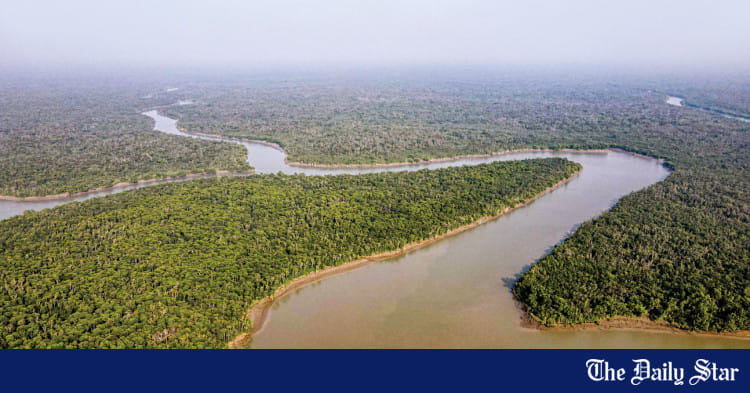
Bengal tiger trapped in Sundarbans; rescue operation underway
1767508990279.webp

File photo
A Bengal Tiger has been caught in a trap set allegedly by deer poachers deep inside the Sundarbans, raising concerns over illegal hunting in the world's largest mangrove forest.


The incident occurred in the forest area along Sharkir Khal near Baiddyamari in Mongla upazila of Bagerhat district, according to the Forest Department.


Dipan Chandra Das, assistant conservator of forests (ACF) of the Chandpai Range under the Sundarbans East Forest Division, said they received information yesterday afternoon that a tiger had been trapped between the Baiddyamari and Joymoni areas, where poachers frequently set snares to hunt deer.

A team rushed to the spot and confirmed the presence of the trapped animal, located about half a kilometre inside the forest from the bank of Sharkir Khal.


The forest department has initiated a rescue operation, with the main effort set to begin this morning under the supervision of wildlife experts and experienced veterinary surgeons.

"We are not allowing anyone near the area. However, we suspect the tiger has been caught in a poachers' trap," Imran Ahmed, conservator of forests for the Sundarbans region, said, adding that preparations for the rescue are underway.

He said expert veterinarians and wildlife specialists from Dhaka have reached the area, while additional personnel are reaching the spot from Khulna.


"I am also heading to the site to oversee the operation," he added.

An experienced veterinary surgeon from Dhaka is expected to assist with the rescue. If necessary, the tiger will be tranquilised and released safely. If found seriously injured or unwell, it will be taken to Khulna or Dhaka for treatment, officials said.

To ensure public safety and reduce stress on the animal, the Forest Department has cordoned off the area and barred civilians and onlookers from approaching the site.

Forest officials said blank shots were planned to be fired late last night to frighten the tiger into freeing itself from the trap and moving deeper into the forest, away from human settlements.

Meanwhile, news of the trapped tiger spread quickly, prompting local residents to gather near the forest edge from yesterday evening.

Officials remain on high alert to prevent any untoward incidents.

In a Facebook post last night, tiger expert Khasru Chowdhury warned that the law and order situation in the Sundarbans has deteriorated sharply.

He said the daily recovery of trap ropes by the Forest Department indicates widespread illegal activity.

Khasru said tigers caught in such traps often suffer severe injuries, as nylon snares tighten around the forelimb, cutting into flesh and bone. Without timely rescue, such wounds can turn gangrenous and prove fatal. Even after rescue, amputation is often required.

He also criticised the lack of effective action in the western Sundarbans, despite higher levels of criminal activity there.​
 
Analyze

Analyze Post

Add your ideas here:
Highlight Cite Fact Check Respond
The interim’s unfinished conservation business

1767836113360.webp

With the upcoming parliamentary election, how many of Bangladesh’s political parties are talking about nature conservation in their manifestos? FILE PHOTO: STAR

On June 7, 2008, Syeda Rizwana Hasan, then the director of the Bangladesh Environmental Lawyers Association (BELA), wrote a strong piece in The Daily Star. In that article, she highlighted the failure of the previous governments to formulate a village forest rule under the Bangladesh Forest Act, 1927. That rule, if formulated, was supposed to describe which piece of a reserved forest would be allocated to a village community as a "village forest," and how the community would enjoy forest products or pasture, and protect and improve the forest. The rule, however, was also not materialised in the next 16 years, at the end of which Syeda Rizwana Hasan became the environment advisor of Bangladesh following the July uprising. On January 28, 2025, she declared the interim government's plan to enact the village forest rule. One year on, it remains elusive. This shows that, in Bangladesh, despite having the authority, one may not succeed in doing what they advocated for a long time.


Nevertheless, the stories of success still exist. In November 2025, the interim updated the 31-year-old forest policy as the National Forest Policy, 2025, which I support for three reasons. First, it extensively upholds inclusive and participatory management of forests and protected areas, appreciating Bangladesh's 30-year experience of community-based natural resource management, which involves forest-dependent local communities and Indigenous peoples. Second, by focusing on an expansion of coastal forests and marine protected areas (MPAs), the new forest policy expects to actively contribute to the blue economy. Third, the policy also expects to explore carbon trading to channel funds for ecosystem conservation and management. All these highlight that the new forest policy is very advanced.


December 2025 saw some important developments in enacting two forestry-related ordinances: the Forest and Tree Conservation Ordinance, 2025 and the Wildlife (Conservation and Security) Ordinance, 2025. If gazetted before February 12, 2026, these ordinances could become two environmental milestones for Bangladesh. The new wildlife ordinance is supposed to fill in certain gaps in the Wildlife (Conservation and Security) Act, 2012, by including several new and updated provisions. I want to touch upon two issues based on the publicly available draft version of November 16, 2025.

First, the ordinance authorises the government to establish a Wildlife Trust Fund for wildlife conservation. The Ecologically Critical Area Management Rules, 2016, the Protected Area Management Rules, 2017, and the Bangladesh Biodiversity Act, 2017, all already have provisions to create separate conservation funds. Since none of these has been materialised, there was no reason to be optimistic about the new fund. Second, like the Wildlife Act of 2012, the new wildlife ordinance includes the provision of declaring MPAs. The Marine Fisheries Act, 2020, also has detailed provisions for the same. The tension between the Forest Department and the Department of Fisheries over declaring MPAs has been going on for a long time. The Swatch-of-No-Ground (2014) and the St Martin's Island (2022) MPAs were declared under the Wildlife Act, whereas the Middle Ground and South Patches Marine Reserve (2000, now an MPA), the Nijhum Dwip (2019), and the Naf (2024) MPAs were declared under the Fisheries Ordinance/Act. The new wildlife ordinance doesn't indicate any resolution of the inter-ministerial conflicts over MPAs.


Despite these legal progresses, the Bangladesh government is still inadequate in conservation actions. The 20-year-long Bangladesh Wildlife Conservation Master Plan has remained on paper since 2015. The same fate is looming for the National Conservation Strategy (2021-2036), which took Bangladesh an excruciating 40 years to prepare. There are many national species conservation and management plans, namely for the vulture (2016-2025), the gharial (2016-2025), the elephant (2018-2027), the tiger (2018-2027), the dolphin (2021-2030), and the sharks and rays (2023-2033). Indeed, some planned actions were implemented, and impacts have been seen. The Bengal tiger number, for example, increased from 106 (in 2015) to 125 (in 2024) due to several projects in the Sundarbans involving local people, researchers, and law enforcement agencies. A vulture rescue centre has been in operation in Singra National Park, Dinajpur, since 2016. In April 2025, the country's first gharial breeding centre was opened in Rajshahi. From sporadic media coverage, we also learn about some commendable conservation initiatives by national NGOs, local groups, and individuals. But, do we really have any idea where we stand in terms of implementing the long-term conservation plans, especially since some plans' timelines have already expired or will expire soon?

With the upcoming parliamentary election, I wonder how many of Bangladesh's political parties are talking about nature conservation in their manifestos. How many are going to put the unfinished conservation actions on their priority list? Will we vote for a rejuvenated Bangladesh with healthy, resilient ecosystems, or without?

Dr Haseeb Md. Irfanullah is an independent environment and climate change consultant and visiting research fellow at the University of Liberal Arts Bangladesh (ULAB).​
 
Analyze

Analyze Post

Add your ideas here:
Highlight Cite Fact Check Respond
Isha foundation planted 23 million trees in a single year. UN said that it is the biggest plantation drive of the world but sadguru said that it is not enough.

 
Analyze

Analyze Post

Add your ideas here:
Highlight Cite Fact Check Respond

Members Online

Latest Posts

Latest Posts

Post