[🇧🇩] Save the Rivers/Forests/Hills-----Save the Environment

[🇧🇩] Save the Rivers/Forests/Hills-----Save the Environment
573
18K
More threads by Saif

G Bangladesh Defense

Buriganga is no longer a lifeline but a source of suffering

Shahiduzzaman
1779934019285.webp

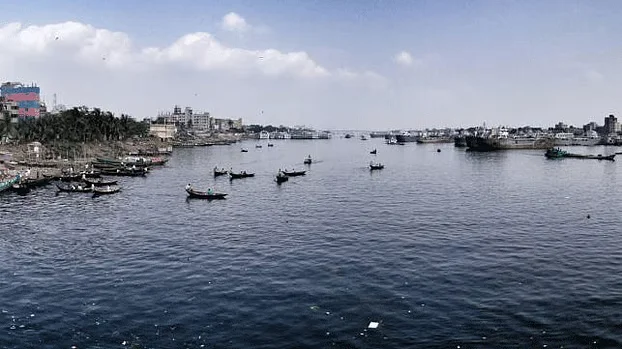
Buriganga River UNB file photo

The Buriganga River was once the lifeline of Dhaka, supporting trade, transportation, livelihoods, and culture for centuries. It played a central role in the growth of the city and sustained thousands of families living along its banks. Today, however, the river presents a painful picture of environmental destruction.

What was once a vibrant and life-giving river has become heavily polluted, reflecting the consequences of unplanned urbanization, industrial expansion, poor waste management, and weak environmental governance. The Buriganga is no longer a source of life; it has turned into a source of disease, suffering, and economic loss.

Over the years, successive governments have repeatedly promised to free the Buriganga from pollution and restore it as a healthy river for the people of Dhaka. Various studies, master plans, and cleanup initiatives have been undertaken with support from national and international organizations. Despite these efforts, meaningful progress has remained limited. Weak implementation, lack of coordination among government agencies, corruption, and poor monitoring systems have prevented lasting solutions. As a result, millions of people continue to suffer.

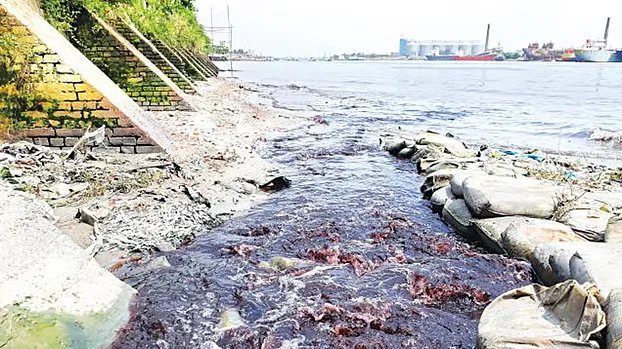
The main causes of pollution are rapid industrialisation and uncontrolled urban growth along the riverbanks. Tanneries, textile dyeing factories, chemical industries, and other industrial units have long discharged untreated waste directly into the river. According to environmental experts, toxic substances such as chromium, lead, and other heavy metals enter the Buriganga every day. Untreated sewage, plastic waste and household garbage from millions of city residents flow into the river, turning it into a dark and toxic waterway.

The environmental consequences are severe. Aquatic biodiversity has declined drastically, and many fish species have disappeared from large parts of the river. In some areas, oxygen levels are so low that aquatic life cannot survive. The Buriganga has effectively become an ecological dead zone. The destruction of the river ecosystem is not only damaging biodiversity but also threatening the environmental balance of Dhaka and surrounding regions.

The human cost is equally alarming. Communities living along the riverbanks are exposed daily to polluted water and toxic air. Many poor families still depend on the river for washing, bathing, and household activities. As a result, the Buriganga has become a breeding ground for diseases. Waterborne illnesses such as diarrhea, cholera, and dysentery are widespread, along with skin diseases and respiratory problems caused by pollution and foul odours.

Children are among the worst victims. Continuous exposure to polluted water threatens their physical growth, weakens their immune systems, and increases their vulnerability to disease. Many children living near the river suffer from recurring infections, malnutrition, and poor health conditions that affect their education and future development. Women also carry a heavy burden because they are mainly responsible for household water management and caregiving. Their regular contact with polluted water during cooking, cleaning, and caregiving increases health risks and limits their ability to contribute economically to their families.

Through strict environmental laws, investment in advanced wastewater treatment systems, and long-term monitoring, the Thames has been transformed into a cleaner river where aquatic life has returned.

The economic impacts of the Buriganga’s degradation are deep and far-reaching. Thousands of fishermen have lost their traditional livelihoods due to the sharp decline in fish populations. River-based transportation, once an important part of Dhaka’s economy, has also suffered greatly. Boat operators, traders, and small businesses dependent on the river have experienced reduced income and growing uncertainty.
1779934059843.webp

Toxic industrial waste pollutes the River Buriganga File Photo

Environmental experts estimate that polluted rivers like the Buriganga cause enormous economic losses every year through increased healthcare costs, lower labor productivity, and the destruction of natural ecosystem services. Property values along the riverbanks have declined significantly, while the potential for tourism, recreation, and urban development has almost disappeared. A river that once contributed to economic growth has become a major environmental and financial burden.

Despite several interventions, including the relocation of tanneries and the establishment of treatment facilities, progress has been slow. Many industries still release untreated waste into the river, while waste management systems remain inadequate. Poor maintenance of infrastructure and weak enforcement of environmental laws continue to undermine restoration efforts.

Global experiences show that polluted rivers can be revived with strong political commitment, proper planning, and public participation. The River Thames in the United Kingdom was once declared biologically dead because of industrial pollution and untreated sewage. Through strict environmental laws, investment in advanced wastewater treatment systems, and long-term monitoring, the Thames has been transformed into a cleaner river where aquatic life has returned.

Similarly, the Cheonggyecheon Stream in South Korea was once buried beneath concrete and heavily polluted by urban waste. The government launched a large-scale restoration project that removed the elevated highway above the stream, restored water flow, and created green public spaces around it. Today, the restored stream has improved urban life, reduced pollution, and boosted tourism and local businesses.

Germany’s restoration of the Rhine River is another successful example. Once badly polluted by industrial waste, the Rhine has been revived through regional cooperation, strong environmental regulations, and modern wastewater treatment systems. Today, the river once again supports biodiversity, transportation, and economic activities.

These international examples raise an important question: Can the Buriganga also be revived? Environmental experts believe the answer is yes, but only through long-term commitment, strict law enforcement, and collective action.

Several important measures could help bring life back to the Buriganga. First, industries must be forced to install and properly operate effluent treatment plants so that untreated toxic waste no longer enters the river. Environmental laws must be strictly enforced without political interference. Second, Dhaka urgently needs modern sewage and waste management systems to prevent household waste and plastic pollution from flowing into the river.

Third, river encroachment must stop. Illegal structures built along the riverbanks should be removed, and green buffer zones should be established to protect the river environment. Fourth, continuous dredging and cleanup programs are necessary to improve water flow and remove accumulated waste and toxic sediments.

Public awareness and civic engagement are also essential. Citizens, civil society organizations, journalists, students, researchers, and environmental activists all have important roles to play. Public pressure can encourage industries and authorities to take environmental responsibilities seriously. Schools, universities, and media organizations can help educate people about the importance of protecting rivers and reducing pollution.

Strong political will is perhaps the most important requirement. River restoration cannot succeed through short-term projects or promises alone. It requires long-term national commitment, transparency, accountability, and cooperation among government agencies, industries, and communities.

The condition of the Buriganga is not only an environmental issue but also a matter of public health, human dignity, and social justice. Access to clean water and a healthy environment is a basic human right. When a river becomes a source of disease and suffering, it reflects a failure to protect these rights.

The story of the Buriganga is both a warning and a call to action. Decades of neglect and pollution have pushed the river toward ecological collapse, and millions of people are paying the price. Yet international examples prove that recovery is possible. Saving the Buriganga means restoring a river and also restoring the health, dignity and economic future of Dhaka. With effective action, strong governance, and public participation, the Buriganga can once again become a source of life rather than a symbol of environmental loss.

* The author is a freelance writer.​
 

Unilever initiative converts polluting plastic wastes to baselines of circular economy
Reported benefits include increased income opportunities, better savings and financial planning practices among participants
FE REPORT

Published :
Jun 05, 2026 01:37
Updated :
Jun 05, 2026 01:48

1780626126048.webp


Plastic waste has emerged as one of Bangladesh's most pressing environmental challenges, particularly in rapidly urbanising cities such as Chattogram and Dhaka. The growing use of single-use plastics, inadequate source segregation and limited recycling infrastructure have increased pressure on urban waste-management systems, contributing to drainage blockages, waterlogging, environmental pollution and public health risks, especially skin diseases on foots.

Unilever Bangladesh Limited (UBL), the country’s leading Fast Moving Consumer Goods (FMCG) Company, in partnership with Chittagong City Corporation (CCC) and Young Power in Social Action (YPSA) launched a citywide plastic-waste-management initiative in 2022. The programme is currently being implemented across all 41 wards in the port city.

Nearly one-fourth of the port city's waste remains uncollected, creating significant environmental and civic challenges, according to CCC estimate.

The initiative aims to strengthen plastic -waste-collection and recycling systems, promote source segregation, improve the livelihoods of waste workers and support Bangladesh's transition towards a “circular economy”.

1780626192810.webp


The initiative has established an extensive plastic -collection and-recovery network covering households, markets and informal waste-collection channels throughout the city.

Key achievements: (1) More than 32,000 tonnes of plastic waste were collected between June 2022 and April 2026. (2) Around 70 per cent of the collected materials consisted of single-use plastics, while the remaining 30 per cent comprised hard plastics (3) Plastic waste is supplied every month to approximately 180 recycling enterprises and recyclers (4) The programme has set a target of collecting 8,000 tonnes of plastic waste during 2026 (5) Financial incentives are being provided for the collection of single-use plastic (6) Storage materials provided to support the collection and preservation of single -use plastics.

The initiative seeks to ensure that a larger share of plastic waste is processed and returned to productive use instead of ending up in landfills, water bodies or urban drainage systems as multi-pronged hazards.

Livelihood development and worker Inclusion are among the boons derived from the bane of plastic piles.

The programme places special emphasis on improving the working conditions and income opportunities of informal waste workers, who play a critical role in the country's recycling value chain.

Capacity building, livelihood improvement and social protection: More than 3,000 waste workers have received training on waste -management practices and occupational health and safety.

1780626233912.webp


Around 220 scrap buyers have been trained on business development, financial management and improved waste -management practices.

More than 2,000 waste collectors have received personal protective equipment (PPE) and safety gear to reduce occupational hazards.

Programme assessments indicate that around 70 per cent of participating workers reported improvements in their livelihoods.

Reported benefits include increased income opportunities, reduced occupational health risks, improved nutritional conditions and better savings and financial planning practices.

Recognising the limited access of waste workers to formal social-protection mechanisms, the initiative introduced group health and insurance coverage in 2025.

A total of 1,827 waste collectors and scrap buyers have been brought under insurance protection.

Benefits: The insurance scheme provides financial support in the event of: Injury: Tk10,000; Disability or loss of limb: Tk150,000, and Death: Tk150,000.

The initiative aims to strengthen the financial resilience of waste workers and their families while recognising the occupational risks associated with waste -collection activities.

Formalisation of the scrap buyer ecosystem: The initiative is also working to strengthen and formalise Chattogram's scrap-buyer network, which serves as a critical link between waste collectors and recycling industries.

Progress achieved shows around 50 per cent of participating scrap buyers now possess valid trade licences.

All participating scrap buyers maintain active bank accounts.

In improved business practices, most participating businesses now maintain registration books, bill vouchers, money receipts, master rolls, and formal business accounts and documentation systems.

1780626283972.webp


These measures are expected to enhance transparency, financial inclusion and long-term sustainability within the recycling value chain.

Community awareness and source segregation: Large-scale awareness campaigns have been undertaken to encourage households and institutions to separate waste at source.

Household outreach: Awareness activities have reached more than 25,000 households.

Around 40 percent of participating households currently practise waste segregation.

Outreach activities are planned for an additional 10,000 households during the current year.

Youth and educational engagement: Recognising the importance of behavioural change among younger generations, the initiative has invested significantly in youth engagement and environmental education.

School-based activities: Environmental-awareness programmes have reached more than 10,000 students. Activities have been conducted in around 80 educational institutions.

The programme is scheduled to expand to 41 additional educational institutions during the current year.

The initiative also provides recognition and incentive mechanisms for youth volunteers to encourage long-term participation in environmental activities.

And last, but not the least, is environmental significance of such an undertaking. According to CCC, uncollected waste remains a major contributor to drainage blockages, monsoon waterlogging, environmental pollution and deteriorating urban cleanliness across Chattogram.

By strengthening plastic-recovery systems, promoting source segregation, improving recycling value chains and enhancing collaboration among waste workers, scrap buyers, recyclers and local communities, the initiative seeks to address these challenges and contribute to a cleaner, healthier and more sustainable port city.​
 

Forests long in the grip of grabbers

Staff Correspondent

1780629671614.webp


On the edge of a sal forest in Gazipur’s Barmi union, a newly built poultry farm stood out as an unwelcome intrusion. Fenced by plastic nets, the tin-shed structure was empty of birds or livestock.

In one corner of the farm in Nehalia village stood two sal trees on reddish soil, indicating that the plot of land had been part of the Gazipur sal forest.

Forest department officials said several acres of forest in the village are still illegally occupied by locals while some plots were recently recovered.

One such plot was occupied by Ali Hossain, a 45-year-old farmer. The department recently took over the plot and planted saplings there.

Ali told this correspondent that the plot had been in his family’s possession for nearly three decades.

When asked if he had any documents, he said he had none.

Tanveer Ahmed, beat officer in Sreepur upazila, said they recently recovered 10 acres out of at least 18 acres of forest illegally occupied by locals in Barmi mouza under the upazila. Around 10,000 saplings of 20 species of plants have already been planted on the recovered land.

Forest department data show that out of about 20,000 acres of forest in the upazila, 4,000 acres remain under illegal occupation.

Grabbing of forest land has been going on in Gazipur for decades. Out of 65,000 acres of forest in the district, 11,900 acres are still illegally occupied by individuals and entities.

Between August 2024 and February 2025, a total of 90 acres of forest were grabbed, and the forest department recovered 35 acres during the tenure of the interim government.

Gazipur has also become a deforestation hotspot, with 60 percent of forests cleared over the past two decades.

This was revealed in a recent study titled “Environmental Condition of Gazipur District: Consequences and Trajectory”.

In 2000, tree coverage in Gazipur was 98,701 acres, which declined to 39,966 acres by 2023, said the study conducted by the River and Delta Research Center, in collaboration with Bangladesh River Foundation, Prakriti O Jibon Foundation, and Bangladesh Environmental Lawyers’ Association.

Not only the forests in Gazipur, but also those across the country are under serious threat.

According to the forest department, Bangladesh has more than 63 lakh acres of forest, covering 15.58 percent of the country’s land area. Of this, 2.37 lakh acres are still illegally occupied by individuals and public and private entities despite the recovery of 38,142 acres from grabbers till April 2026.

Amir Hossain Chowdhury, chief conservator of forest (CCF), said the forest department intensified efforts to recover encroached forest lands over the last few years, but the main responsibility lies with deputy commissioners.

“Since 2021, we have sent 17,381 documents to the district administrations concerned to recover 2.37 lakh acres of forest. But we have managed to recover 38,142 acres so far and have taken up afforestation programmes for those areas.”

He further said the process of recovering forest lands gets delayed if grabbers file cases against the department’s move. “Then we have to wait till cases are disposed of.”

Pointing out lax monitoring and weak enforcement of the law, experts said that the country has been facing deforestation due to agricultural expansion, illegal logging, human settlements, urbanisation and infrastructure development.

Environmental activist Sharif Jamil, also member secretary of environmental organisation Dhoritri Rokhhay Amra (Dhora), said the Forest Act of 1927 was formulated with the objective of regulating trade of forest resources. Later, changes were made to the law, putting focus on conservation.

However, forest lands are being encroached upon due to lax monitoring and weak enforcement of the law, he said.

“Destruction of natural forests causes irreparable damage to the environment. Afforestation is commendable, but the protection of existing forests and biodiversity is more crucial,” he added.

When contacted, Sheikh Farid, state minister for environment, forest and climate change, said the present government is determined to save forests.

“We take immediate action once we receive any allegation,” he said, adding that the government will gradually recover all the encroached forest lands.​
 

World Environment Day no marketing campaign
1780631248416.webp

The emission of huge quantities of black smoke from brick kilns adjacent to the residential areas causes irreparable damage to the environment and public health due to the negligence of the authorities concerned. The photo was taken from Mollarhat of Keraniganj. | Md Saurav

WORLD Environment Day matters. But a single day can only accomplish so much when the structures surrounding it remain fundamentally unchanged, writes Arghya Protik Chowdhury

THERE is a ritual that plays out with clockwork precision every year in Bangladesh. On the eve of World Environment Day, press releases flood journalists’ inboxes. Corporate logos are affixed to leafy backdrops. Executives in crisp shirts kneel in the mud, just long enough for the camera shutter, and plant a sapling. By evening, the posts are up on LinkedIn. By June 6, the sapling is forgotten, and business resumes as usual. This is not environmentalism. This is theatre. And we, as a society, have been a remarkably uncritical audience for far too long.

Anatomy of a green lie

GREENWASHING, the practice of projecting an environmentally responsible image while continuing ecologically harmful operations, is not a new phenomenon globally. But in Bangladesh, it has taken on a particularly brazen character. Here, a garment factory can dump untreated effluent into the Turag for eleven months and then sponsor a ‘Green Factory’ banner at a sustainability conference in December. A real estate developer can fill wetlands on the outskirts of Dhaka and then plant a rooftop garden and call the project ‘eco-friendly’. A multinational corporation can fly in a sustainability officer for the annual report photo shoot while its local supply chain violates every environmental norm in the book. The pattern is entirely consistent: the spectacle of responsibility without any of its substance. And year after year, we reward it with applause.

What makes this particularly damaging is not just the hypocrisy itself, but what it displaces. Every taka spent on a greenwashing campaign is a taka not spent on actual emissions reduction. Every hour a communications team devotes to crafting the perfect environmental narrative is an hour not spent on genuine operational reform. Greenwashing does not merely fail to help. It actively crowds out the real work by allowing companies to purchase social legitimacy cheaply, without earning it.

What the numbers actually say

ACCORDING to IQAir’s latest World Air Quality Report, Bangladesh recorded an annual average PM2.5 concentration of 66.1 micrograms per cubic metre in 2025, making it the second most polluted country in the world, behind only Pakistan. This is not a new ignominy. Bangladesh has consistently ranked among the most polluted countries since IQAir began publishing its global air quality reports, holding the top position for four consecutive years between 2018 and 2021. Bangladesh’s PM2.5 concentration remains more than 13 times higher than the World Health Organization’s recommended annual guideline of 5 micrograms per cubic metre.

The rivers tell an equally grim story. Dissolved oxygen levels in the Buriganga, Turag, and Balu have fallen too low to support aquatic life. For nearby residents, the cost is physical: Human Rights Watch reports chronic fevers, skin diseases, and respiratory illnesses among communities living along these waterways. According to the Ministry of Environment, tanneries alone discharge more than 21,000 cubic metres of toxic waste into the Buriganga daily, while Dhaka’s residents add approximately 4,500 tonnes of solid waste to the river each day.

The garment industry, which Bangladesh rightly holds up as an engine of economic transformation, presents a particularly instructive case. Bangladesh is now home to 270 LEED-certified garment factories, the largest concentration of top-tier certified apparel factories globally. The certification numbers make for excellent export branding. They do not, however, tell us what is happening in the waterways downstream of the industrial belts, nor do they account for the vast network of smaller suppliers and subcontractors that feed the same supply chains without ever appearing on an auditor’s checklist. A green certificate at the top of a supply chain does not sanitise what happens further down it. Against this backdrop, a sapling planted on June 5 is not a gesture of hope. It is an insult dressed as one.

Complicity of silence

PART of the problem lies with us — the media, civil society, and the public — who consume these narratives without demanding verification. When a major corporation announces a ‘carbon neutrality pledge’ or a ‘zero-waste initiative’, how often do our newsrooms send reporters to verify progress six months later? When a factory wins a green certification, how often do we ask who audited it, under what conditions, and whether the audit covered the full scope of operations? The machinery of greenwashing runs smoothly precisely because scrutiny is rare and institutional memory is short.

There is also a subtler form of complicity at work in how we frame environmental progress in this country. We celebrate announcements rather than outcomes. We report pledges rather than performance. A company that commits to planting one million trees by 2030 receives the same column inches as one that has actually reduced its carbon emissions by 30 per cent. The incentive structure, as a result, strongly favours the press release over the balance sheet.

Regulatory institutions bear a heavy share of responsibility as well. Bangladesh’s Department of Environment is chronically underfunded, understaffed, and susceptible to the same political and commercial pressures that allow polluters to operate with impunity. Environmental laws exist on paper in impressive detail. The Environment Conservation Act 1995, the Environment Court Act, and a range of sector-specific regulations create a framework that, if properly enforced, could hold corporations genuinely accountable. Enforcement, however, remains largely aspirational. Court cases drag on for years. Fines, when they are eventually levied, are so modest relative to corporate revenues that they function as little more than a cost of doing business.

The standard we should demand

None of this is to argue that all corporate environmental initiatives in Bangladesh are fraudulent. Some companies are making genuine, measurable investments in cleaner production, waste reduction, and renewable energy. The distinction between those companies and the greenwashers is not philosophically complicated. It lies in transparency, third-party verification, and consistent behaviour across all 365 days of the year, rather than performative bursts timed to the environmental calendar.

What we need is a fundamental shift in the baseline of what we accept as evidence of environmental responsibility. A press release is not evidence. A sponsored tree-planting event is not evidence. A glossy sustainability report produced by the same communications firm that handles brand advertising is not evidence. Evidence is independently audited emissions data, published in full and on time. Evidence is publicly accessible records of effluent treatment and waste disposal. Evidence is a company that lobbies for stronger environmental regulation rather than against it; that welcomes inspections rather than negotiating around them; and that ties executive compensation to measurable environmental outcomes rather than to reputational metrics.

Civil society and the media must begin treating unverified green claims with the same scepticism applied to any other unsubstantiated corporate assertion. Regulatory bodies must be given, and must use, the authority to name, shame, and meaningfully penalise companies whose environmental commitments exist only on their websites. Bangladesh’s growing community of institutional investors and international development partners must begin conditioning their relationships with corporations on verified environmental performance, not stated intentions.

One day is not enough

WORLD Environment Day matters. The conversations it catalyses and the public attention it directs towards urgent issues are not trivial. But a single day can only accomplish so much when the structures surrounding it remain fundamentally unchanged. Bangladesh faces genuine, existential environmental challenges. Rising sea levels are threatening its southern coast. Dhaka recorded at least two months in 2025 during which PM2.5 concentrations exceeded 100 micrograms per cubic metre, levels that cause measurable damage to human lungs and cardiovascular systems. Rivers that once supported fisheries, agriculture, and millions of livelihoods can no longer perform those functions. These are not problems that a well-photographed sapling will solve, and they are not problems that will wait politely while corporations refine their messaging.

The question for Bangladesh’s corporate sector this June 5 is a straightforward one. After the photographs are taken and the press releases are distributed, what actually changes? Which factory installs the effluent treatment plant it has been deferring for three years? Which conglomerate appoints an independent environmental auditor with genuine authority? Which industry association lobbies the government for stricter standards rather than more lenient ones? If the answer to all of these questions is nothing, then we would all be better served by skipping the sapling entirely and having an honest conversation about why that is. Accountability cannot be seasonal. Bangladesh deserves, and urgently needs, something far more honest than one green day in a calendar of 365.

Arghya Protik Chowdhury studies Environmental Science at Bangladesh University of Professionals.​
 

7,000 acres Sonadia mangrove forest destroyed in 4 years; occupied by political leaders-activists

Abdul Kuddus
Cox’s Bazar
Published: 05 Jun 2026, 19: 49

1780715013074.webp

A recent photo shows mangrove forest being cleared to build shrimp farms in Sonadia Island, Maheshkhali, Cox’s Bazar. Prothom Alo

At least 7,000 acres of mangrove forest have been destroyed in the ecologically critical Sonadia Island under Maheshkhali upazila of Cox’s Bazar over the past four years. Eighty-two shrimp farms have been built by occupying forest land. Shrimp are cultivated in these farms for six months of the year, while salt is produced during the rest of the period. Those involved in occupying the mangrove forests include leaders and activists of Bangladesh Nationalist Party (BNP), Jamaat-e-Islami, and Awami League (whose activities have been banned).

Officials of the Department of Environment and the Forest Department said that in multiple cases filed over forest destruction and encroachment; more than a hundred people have been accused. However, as the accused remain out of reach, they are becoming more reckless.

Located at the mouth of the Bay of Bengal, 11 kilometres north of Cox’s Bazar town, Sonadia Island is known as a habitat of red crabs, turtles, and rare bird species. Considering its ecological importance, the Department of Environment declared it an “Ecologically Critical Area” (ECA) in 2006. According to law, any alteration or commercial transformation of Sonadia’s soil, water, and natural environment is prohibited. However, with the aim of establishing an eco-tourism park, the previous Awami League government allocated 9,466.93 acres of forest land of Sonadia to the Bangladesh Economic Zones Authority (BEZA) for 1,001 taka. Of this, at least 8,000 acres were mangrove forest.

In May 2017, BEZA officially took over the land from the coastal forest department. But after that, no visible work on the eco-tourism project took place. Taking advantage of this, influential people destroyed at least 7,000 acres of forest land under BEZA’s control over the past four years and built shrimp farms there. During this time, more than 4.6 million trees of species such as Bain and Keora were cut down.

Environmental activists said that in order to encroach the forest land, trees were also set on fire at night by pouring petrol on them. As a result, biodiversity and bird habitats have been destroyed. Once, Sonadia’s mangrove forest contained 250 species of fish, 150 species of snails and shellfish, 50 species of crabs, 40 species of shrimp, 170 species of birds, 50 species of dune plants, and 15 species of mangrove plants. It was also home to dolphins, sea turtles, fishing cats, foxes, snakes, monitor lizards, and other wildlife. But due to encroachment, these are disappearing.

How business is running

On Wednesday, visiting Sonadia Island, it was seen that salt is now being cultivated in shrimp farms created after clearing mangrove forests. The produced salt is being packed and loaded onto boats.

Salt worker Saiful Islam said that the salt season is almost over. Now, saline seawater will be brought into these lands for shrimp cultivation. Again, after shrimp are sold in November–December, salt production will begin on the same land.

Local salt farmer Abdul Gani said that several partners jointly cultivated salt on 30 kany of land. For each kany (40 decimals), they had to pay 40,000 taka per season, totalling Tk 1.2 million as “lease” to the encroachers. So far, after selling salt, they have made a profit of about Tk 1.3 million after costs.

Several salt farmers, requesting anonymity, said that among the encroachers of mangrove forests are individuals linked to the political activities of BNP, Jamaat, and Awami League. Even after cases were filed, they did not leave the land; instead, they are earning large sums by leasing illegally occupied land.

A spot visit showed around 1,000 acres of land near the salt fields are still lying empty. Stumps of hundreds of Bain and Keora trees can still be seen there. Local residents claim that these trees were recently cut down. In the northern and western parts of the island, a small portion of mangrove forest still remains, but encroachment attempts are ongoing there as well.

Local salt worker Rahmat Ullah said that each shrimp farm ranges from 100 to 150 kany in size. Salt farmers Anwar Hossain and Abdul Kader said that a decade ago there was more than 10,000 acres of dense mangrove forest on the island. Hundreds of people earned their livelihood by catching fish and crabs. But in the last four years, more than 7,000 acres of forest have been destroyed and salt and shrimp farming has begun there. No effective action from the administration against encroachers is visible.

Retired teacher of Maheshkhali Degree College, Moqbul Alam, said, “Mangrove forest is a natural coastal protection system. It has protected Sonadia and Maheshkhali for a long time from cyclones, storm surges, and sea waves. Without the forest, there is a risk of severe damage in a major cyclone in the future.”

A researcher on natural resource management and climate change from a non-government, Abdul Qayyum, said that only five years ago he saw about 8,000 acres of dense mangrove forest in Sonadia. Now only shrimp farms and salt fields can be seen there.

Political party leaders and activists occupy forest

According to forest department and local sources, about four years ago in the western part of Sonadia, about 3,000 acres of mangrove forest were cleared and 37 shrimp farms were built by leaders and activists of the then ruling Awami League. In March 2004, two people were killed in clashes between two groups over mangrove occupation.

1780715083869.webp

A recent photo shows boats carrying salt produced on land created by clearing mangrove forests in Sonadia Island, Maheshkhali, Cox’s Bazar. Prothom Alo

After 5 August 2024, BNP and Jamaat activists were accused of occupying about 4,000 acres of mangrove forest and building more than 45 shrimp farms. At present, there are a total of 82 shrimp farms in 7,000 acres. Although high court directives ordered the removal of these illegal farms, they have not been implemented.

According to case documents, about a year and a half ago, BNP union general secretary Alamgir Chowdhury of Kutubjom Union built shrimp farms by destroying mangrove forest in the western part of Sonadia. In the eastern part, large shrimp farms were built by local residents Abul Kalam and Mohammad Hossain. Nearby, several other farms are alleged to have been built by union parishad member Ekram Mia and residents Imtiaz Uddin, Abdul Manaf, and Azizul Haque.

However, Alamgir Chowdhury denied the allegation of mangrove destruction. He claimed, “I am not involved in making shrimp enclosures. But we have a 20-acre old shrimp enclosure Taziyakata, which was inherited from my father.” Similarly, UP member Ekram Mia also rejected the allegation of mangrove destruction.

On 23 October last year, the High Court ordered a halt to mangrove destruction and eviction of illegal shrimp farms in Sonadia and surrounding areas including Ghotibhanga, Taziyakata, and Hamidar Dia. But the order has not been implemented. Lawyer Zakia Sultana of Bangladesh Environmental Lawyers Association (BELA) said that ignoring clear court orders and continuing shrimp enclosure construction on mangrove land amounts to contempt of court.

No arrests despite cases

On 17 May, the Department of Environment filed a case against 20 people, naming BNP leader Alamgir Chowdhury as the main accused, over destruction of Sonadia mangrove forest and biodiversity loss. Most of the accused are local leaders and activists of Awami League and BNP. Notable accused include Kutubjom Union Parishad chairman Sheikh Kamal, his younger brother Sheikh Alamgir; ward Awami League (activity banned) president Abul Kalam; his nephew Abdul Manaf; volunteer league leader Imtiaz Uddin; UP member Ekram Mia of Sonadia Island; cousin of former Awami League MP Ashik Ullah Rafiq, Mohammad Shamsher Ullah; ward Awami League general secretary Azizul Haque; and Upazila Awami League labour and manpower affairs secretary Mostafa Anwar, among others.

Deputy Director of the Department of Environment Cox’s Bazar office, Khandaker Mahmud Pasha, said two cases have been filed against 53 encroachers so far over Sonadia mangrove destruction. Investigation reports will be submitted to court soon. However, no accused has been arrested yet.

On April 2, the Coastal Forest Department also filed separate cases against 30 leaders and activists of the BNP, Jamaat, and Awami League. The Forest Department claims that the accused were named based on specific evidence. Among the accused are local Jamaat leader Chhayedul Haque Sikder, Moheshkhali Upazila Jubo League General Secretary Sajedul Karim, Upazila BNP President Abu Bakkar Siddique, local Awami League leader Moqsud Miah’s younger brother Kaisar Sikder, sons of former upazila Awami League President Anwar Pasha Chowdhury—Mostafa Anwar and Mohsin Anwar—and Mohammad Shahed, younger brother of former Upazila Parishad Chairman Zainal Abedin.

One of the accused, Kutubjom UP chairman Sheikh Kamal, said he does not own any shrimp farm personally and is not involved in mangrove destruction. He claimed he has been falsely implicated for political harassment.

Gorokghata Range Officer Monowar Hossain of the Coastal Forest Department said that during the interim government period, disputed leases were cancelled and instructions were given to return the land to the forest department. Once the land is recovered, reforestation of mangroves will begin.

Tk 16 billion earned

According to local sources, shrimp farming takes place on 7,000 acres of land from June to November–December every year. Last season, shrimp worth at least Tk 3 billion were sold. On the other hand, from November–December to May, about 300,000 maunds of salt were produced on around 3,000 acres of land. At Tk 300 per maund, the market value is about Tk 900 million.

In total, the encroacher group earns about Tk 4 billion annually by illegally using government forest land. Accordingly, over the past four years, this income has reached about Tk 16 billion.

Environmental organidation Dhoritri Rokhhay Amra (DHORA) Cox’s Bazar chapter president Fazlul Kader Chowdhury alleged that the huge income from shrimp and salt sales is shared between encroachers and corrupt officials of the administration. This is why no effective eviction drive is seen against the illegal shrimp farms.​
 

Who will answer for Bangladesh’s ecological wounds?

Pavel Partha

Dhirendranath Roy and Fazle Rahman are two agricultural labourers from the Dahagram–Angarpota enclave. With them, I reached the homes of Samiul Islam and Samina Begum in Mistripara—the last house of Bangladesh. Just beside it lies Charurbagan and Kangratali, villages in India’s Cooch Behar district.

The elderly farmers told us that, in earlier days, they cultivated deshwali rice. Dhepi, Kachudola, Nojang, Dudhkalam, Lalaguri, Kalaaguri, Shatiagur, Katishail, Dhali, Garia, Dungra, Chapal, Shani, Dumra, Kajalgaria, Indurshail, Boumail, Kaladema—these were the rice varieties once grown here.

In Dahagram, aus rice is called bhadoi or bitri. One aus-season variety was known as Shani. Its grains were black, with striped markings on the husk. It was mostly sown on danga, or higher land, and sohori, or medium-low land. In those days, no one cultivated the dola, the low-lying fields. People called those lands dhyapbari. They remained filled with water hyacinth.

Now, no land is spared. Hybrid rice, maize, tobacco, jute and vegetables follow one another in relentless succession. On the highlands, thatching grass once grew. Most homes were once huts of bamboo and thatch.

1780795509114.webp

No land is spared now, as hybrid rice, maize, tobacco, jute and vegetables follow one another in relentless succession. Photo: Star

Dahagram–Angarpota is a part of Bangladesh, but it lies within India’s Cooch Behar district. To reach this union in Patgram, Lalmonirhat, one must pass through the Tin Bigha Corridor. Bangladesh became independent in 1971, but the people of the enclave did not gain access to the corridor until 1992.

Soon after the corridor opened, tin-roofed houses and brick buildings began to rise across the enclave. Plastic, glass and artificial board sheets gradually entered the landscape. Agriculture and food production changed dramatically. Synthetic fertilisers, agrochemicals, company-packaged seeds, hybrid seeds, irrigation machines and diesel all made their way in.

The farmers said that all the wetlands in the enclave have now been turned into IRRI schemes. The government does not excavate canals or wetlands. Water is in acute short supply. The elders recalled the names of rare fish—pokta, ghol, baghar, naria, bhondorgali, chili and boiral. That diversity of native fish has disappeared. Instead, the cultivation of tilapia, pangas and silver carp has expanded.

Poultry farms have also sprung up. Women said many people are distressed by the stench of waste from these farms. They also lamented that commercially farmed fish lack the flavour of fish that grow naturally in rivers and other natural water bodies. Now, almost all food has to be bought from the market; little can be gathered from nature anymore.

Once, in the paddy fields, people found daburi, dhekia and kolmu-mashak. Daburi greens cooked with hidol were part of the enclave’s traditional cuisine.

A journey across the enclave makes one thing clear: the diversity of living resources has declined. This raises a difficult question. The corridor for which people fought for so long—has it protected the life, nature and environment of the enclave?

The corridor was established to ensure unrestricted movement and communication between the enclave and the rest of Bangladesh. Yet, over time, it became an easy route for environmentally destructive development and commerce. From diversity-blind Green Revolution projects to the aggressive introduction of invasive species, it became a safe passageway.

Dahagram–Angarpota stands as a stark example of how environmentally destructive activities and attitudes enter our villages. From here, we can begin to understand how environmental destruction unfolds across the country—through what mechanisms, and in what form.

Through unplanned development, pollution, land grabbing, corporate control, multinational markets and relentless ecological degradation, even an independent country has, in many ways, become an “enclave”. Across Bangladesh, countless visible and invisible corridors continue to disrupt the natural rhythms and flows of the environment.

On 5 June, World Environment Day may be marked by official ceremonies and symbolic activities. But on environmental questions, the state’s political position remains unclear. This year’s Environment Day theme is Climate Action. Yet the state is not actively ensuring climate justice nationwide. The climate commitments it has made in the Constitution, in law, and most recently in its Nationally Determined Contribution 3.0 report are still not being implemented.

The natural flow of water is being denied

I was returning through Andhasura Bil in Naogaon when I met Anisar, an elderly fisherman. His home is in the Bherdurgapur village of Bharsho Union in Manda. After an entire day’s work, he had caught only half a kilogram of tiny shrimp. If he could sell it in the market, he would earn Tk100.

His family has seven members. They need 2.5 kilograms of rice a day.

He told me that his grandfather, Fulchand, once caught large tolla and kuje air fish from Andhasura, Manki Bil and the Shib River. Now there is no water in the bil. There is no fish either. The wetlands are leased out to the rich. The poor cannot step into the water.

1780795557584.webp

The rights of rivers are not respected, and the burden of polluted water falls hardest on ordinary people. Photo: AFP

Upstream, barriers have been built across the bil and the river to hold back the water. Leaseholders cultivate fish in the wetlands. They dry out the bil and spray grass-killing poison. Snails, algae, insects—everything dies. Makhna, lotus and water chestnut plants die too. This bil, once a habitat for birds such as kadakhocha, shamukkhol, korikana, panikaur, bok and kaim, is now in grave danger.

By blocking the natural flow of water and leasing out water bodies, the gravest environmental and social crisis has been created in the haor region. State-led development projects refuse to recognise the natural character of water. That is why wetlands are drying up. The same condition can be seen in Chalan Bil, Chanda Bil and even Kaptai Lake.

From the coast to the Barind, from the hill tracts to urban slums, the water crisis has become increasingly severe. The interim government had identified 4,911 mouzas in the Barind region as “water-stressed areas” and banned groundwater extraction for all purposes except drinking.

One day, in Panchandar Mahali Para of Tanore, Rajshahi, I saw more than 300 pitchers lined up for water. Chichilia Hansda of the village said, “There is no water supply in Mundumala. The entire Badhair Union is without water. City dwellers waste so much water. Please do not lease out the canals and wetlands; give them to us. How are we to live without water?”

The rights of rivers are not respected

Bangladesh’s nature, ecosystems, temperament, way of life, economy and politics have all been shaped by its rivers.

The Brahmaputra, Padma, Surma, Teesta, Meghna, Karnaphuli, Naf, Shitalakhya, Mogra, Feni, Dakatia, Manu, Rakta, Kopotakkho, Longla, Dhaleshwari, Karatoya, Ichamati, Raimangal, Sangu, Halda, Kangsha, Titas, Piyain, Ubdakhali, Jadukata, Simsang, Baral, Baleshwar, Gorai and Turag—every river today is moribund, clinging to the map with its last, dying grip.

The neoliberal development process continues to violate the personhood and rights of rivers. It has choked the flow of river-centred economies. In the name of food production, agrochemicals are poured into fields. The residue of those poisons eventually settles in rivers.

The forests and hills where rivers are born have been destroyed by the state. In the south-west, embankments and commercial shrimp enclosures have disrupted the entire river system. Tea gardens, tobacco cultivation, commercial plantations of invasive acacia and eucalyptus, and hybrid maize cultivation continue to wound the rivers.

The country’s current sectors of economic development—agriculture, fisheries, garments, infrastructure and industry—are all responsible for the death of its rivers. Yet there is no accountability. No trial. No consequence.

A national database is urgent to prevent pollution

In Shyamnagar, Satkhira, I spoke with several cancer patients. Some had gone to India for treatment. On the hospital admission form, there was a question: What kind of house do you live in? Does your roof contain asbestos?

Across the villages of Shyamnagar, many homes still have asbestos roofs and fences. During the monsoon, villagers even collect rainwater from those roofs and use it. Asbestos is carcinogenic. It causes cancer. Yet there has been no initiative from public health authorities to examine whether asbestos sheets are increasing cancer risks in the coastal region. These sheets are now sold in the market by different companies as “cement sheets”.

Bangladesh continues to rank among the world's most polluted countries. In cities, noise pollution and urban heat build-up have intensified. In the evening, hundreds of sparrows can be seen clinging to electric wires in Shaheb Bazar in Rajshahi, seemingly distressed by the intense glare of artificial lights. The burden of light pollution falls heavily on urban wildlife.

A survey by the National Institute of Cancer Research, conducted between 2015 and 2017, found that among male cancer patients admitted to hospital, 64 per cent were involved in agriculture. Why are rural farmers becoming more vulnerable to cancer? The ministries of agriculture and health must answer this question.

Different forms of pollution are spreading across the country. Most remain absent from our conversations on environmental protection.

In Dinajpur and Naogaon, ash blown from rice mills is damaging people’s eyes and disrupting crop production. We discuss toxic smoke from vehicles and brick kilns, but in many large cities, hazardous factories release chemical pollution every day. Toxic toys are being made for children with lead-based paint and low-quality plastic. Soil, water and grass are being contaminated by the breaking of old batteries. Many cows have died painful deaths after eating poisoned grass.

Bangladesh continues to rank among the world's most polluted countries. In cities, noise pollution and urban heat build-up have intensified. In the evening, hundreds of sparrows can be seen clinging to electric wires in Shaheb Bazar in Rajshahi, seemingly distressed by the intense glare of artificial lights. The burden of light pollution falls heavily on urban wildlife.

The country still lacks a safe waste management system. Piles of waste are not only destroying agricultural land; they are also spreading disease. In the digital age, our homes are filling up with devices. This digital waste will create another misery for the future.

Pollution is not only domestic. We are also facing transboundary pollution. Industrial factories and mining projects in the Meghalaya hills of northeast India are wiping out fish diversity in Bangladesh’s haor region. Due to pollution from Meghalaya’s cement factories, the loach has disappeared from the haor. At the same time, mountain sand carried down by flash floods is burying agricultural land along the border.

The quarantine system for seeds, crops, food and other imported goods is not strong enough. Because of quarantine negligence, many new pests, giant mealybugs and invasive snails have spread into the natural environment. Many aquarium fish and invasive fish species have also entered natural water bodies.

Although invasive trees such as acacia and eucalyptus have been banned, they continue to pollute the ecosystem across the country.

Bangladesh does not yet have a specific national strategy to prevent pollution in its many forms and scales. It is urgent to build a national database on the risks posed by all forms of pollution to our environment, public health and economy.

It takes courage to question ecocide

In 1997, Magurchhara burned before our eyes. The country witnessed what many regard as the largest ecocide in its history. In the years that followed, gas exploration continued to threaten the Lawachhara forest. Yet the US companies involved—Occidental, Unocal and Chevron—were never brought to justice.

Bangladesh has enacted laws and policies to combat polythene and plastic pollution. Yet a study by the international anti-plastic organisation Break Free From Plastic identified Coca-Cola, Pepsi and Nestlé as some of the world's worst plastic polluters. Despite this, these multinational companies are rarely held accountable for the environmental costs of their plastic waste.

A research team from Bangladesh’s National Food Safety Laboratory, with technical and financial support from the UN Food and Agriculture Organisation and the Dutch government, tested 96 milk samples collected in 2019 from 27 upazilas across four districts, including Dhaka. They found that nine per cent of the samples had pesticide levels above normal, 13 per cent had tetracycline, and 15 per cent had lead levels above the tolerable limit. Yet no state initiative emerged from that research to protect the environment and public health.

Environmental protection, climate justice and ecological suffering are fundamentally political concerns. Yet environmental protection is repeatedly treated as if it were apolitical.

In Shyamnagar, Satkhira, agricultural land was destroyed to build a helipad for the Danish princess. Permission was given to build a Marriott hotel on the water-scarce Chimbuk hills of Bandarban. The Ministry of Local Government decided to cut through the Garjan mother-tree forest of Shilkhali in Cox’s Bazar to build a road.

The transport of oil, cement and coal through the Sundarbans has repeatedly resulted in accidents and pollution. Rohingya refugee camps have been established on elephant corridors, disrupting wildlife movement. The Madhupur sal forest ecosystem came under threat from an eco-park project. Meanwhile, natural forests have been cleared to make way for plantations of rubber, tobacco and invasive tree species sanctioned by the state.

Despite commitments to renewable energy and green development, Bangladesh’s energy sector remains heavily dependent on fossil fuels. At the same time, concerns continue to be raised about the safety and long-term risks of the Rooppur Nuclear Power Plant.

In the name of commercial tourism, plastic pollution is increasing in two of the country’s major Ramsar sites, Tanguar Haor and the Sundarbans, as well as in the Chittagong Hill Tracts. Ecosystems continue to be destroyed through hill-cutting and the extraction of stones from streams.

This country is home to the Irrawaddy dolphin, the black softshell turtle, deepwater rice and the spoon-billed sandpiper. Yet today, from the loose-skinned frog to sea turtles, all wildlife is endangered. Urban wildlife is also becoming increasingly shelterless and hungry.

1780795647476.webp

Commercial tourism is putting increasing pressure on major ecosystems, including the Sundarbans. Photo: Star

Public spaces—parks, playgrounds, gardens—are being steadily squeezed. Even Dhaka’s tiny Panthakunja Park couldn’t be saved from the unnecessary ramp of an elevated expressway.

We are part of the environment; therefore, the responsibility is ours

Lac cultivation once took place in many villages of the Barind region. Today, it survives only among a few families in Kanyanagar of Nachole, Chapainawabganj. On the branches of jujube trees, lac insects produce a special resinous substance from which shellac is made.

The lac cultivators of Kanyanagar said that because of declining rainfall and recurrent drought, the lac no longer settles properly on the branches. It turns powdery and crumbles away.

Across the country, environmental crises are becoming more complex and dangerous because of climate change. At the same time, environmental pollution is accelerating and intensifying the impacts of climate change. Climate action and environmental management cannot be treated as separate concerns.

Therefore, in the broader context of environmental protection, the first task is to identify the causes and sectors driving both environmental and climatic crises. Environmental protection and justice must serve as the foundation of Bangladesh’s climate action.

Environmental protection, climate justice and ecological suffering are fundamentally political concerns. Yet environmental protection is repeatedly treated as if it were apolitical. The dynamics of authority, profit and power behind environmental destruction are pushed aside.

As if environmental protection simply means planting a few saplings. Or building a “safari park” inside a natural forest. Or occupying a wetland and hanging up a signboard that says “sanctuary”. Or approving GMO Bt brinjal in the name of reducing chemical use in agriculture.

Instead of approaching environmental protection as a whole, one injustice is addressed while another danger is ignored.

Environmental protection must be understood within the historical realities of local ecosystems and cultures. We are part of the environment; the environment does not belong to us. The responsibility for protecting it, therefore, rests with us, and that responsibility must be acknowledged politically. No individual, political party, institution, class, organisation, community or state can evade this responsibility.

Pavel Partha, an ecology and biodiversity conservation researcher, is the director at Bangladesh Resource Centre for Indigenous Knowledge (BARCIK).​
 

Latest Posts

Back