Bangladesh Defense
Saif
Senior Member
- Jan 24, 2024
- 20,857
- 9,685
- Nation

- Residence
- Axis Group


New policy to end 15 years of telecom irregularities: Taiyeb
The interim government is working on a new telecom policy aimed at reforming the sector, ending 15 years of what it termed “fascism,” and ensuring a generational transformation in service delivery, said Faiz Ahmad Taiyeb, Special Assistant to the Chief Adviser on Posts, Telecommunicatio
New policy to end 15 years of telecom irregularities: Taiyeb
UNB
Published :
Jul 12, 2025 23:54
Updated :
Jul 12, 2025 23:54

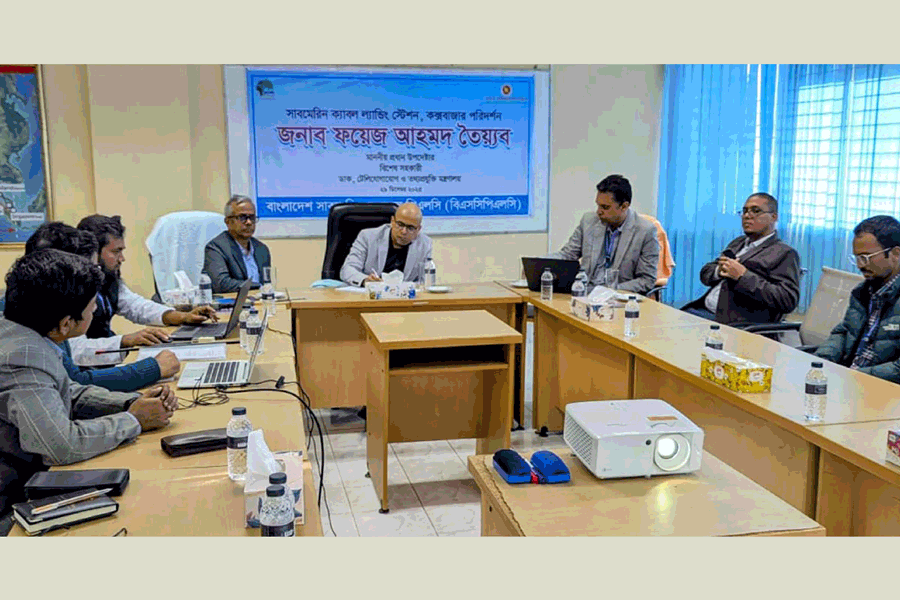
The interim government is working on a new telecom policy aimed at reforming the sector, ending 15 years of what it termed “fascism,” and ensuring a generational transformation in service delivery, said Faiz Ahmad Taiyeb, Special Assistant to the Chief Adviser on Posts, Telecommunications and ICT.
Speaking at a roundtable titled “Telecom Network and Licensing Policy Reform”, organised by the Telecom and Technology Reporters Network, Bangladesh (TRNB) at a hotel in Dhaka on Saturday, Taiyeb said the policy is being shaped to shift from mere connectivity to service-oriented networks.
“The new generation demands a new kind of transformation. That’s why we are preparing a policy focusing on next-generation services. We are clearing out the clutter in the sector—even if it hurts vested interests,” Taiyeb said.
“Logical suggestions will be considered, and the government's positive initiatives should be welcomed,” he added.
Referring to operator profits, he said, “Operators are earning Tk 400 crore in dividends and still express dissatisfaction. It’s time they look out for national interests.”
Taiyeb made it clear that licences will no longer be limited arbitrarily.
Instead, he said, the number will depend on performance and obligations.
Licences issued merely for toll collection in the past will be discontinued, he added, noting that research would determine the optimal number of licences and foreign company representatives must work in the country’s broader interest.
On improving services, he warned, “Mobile operators must enhance service quality or risk losing customers.”
He also highlighted efforts to free up low-band frequencies and reform the existing telecom ecosystem.
BTRC Chairman Major General (retd) Md Emdad Ul Bari said telecom is a real-time service and any changes must be sustainable.
“With less than 50% of the population using the internet, licence cancellation is not on the table. The policy includes a migration plan, and stakeholder collaboration is essential,” he said.
Posts and Telecommunications Division Secretary Zahurul Islam said the new policy would attract both domestic and foreign investment.
ISPA President Aminul Hakim called for eliminating tax disparity, stating, “ISPs meet 65–70% of the 7.5 terabit demand yet pay 15% tax, while mobile operators with 35% market share pay none.”
MTAB Secretary General Mohammad Zulfikar, presenting the keynote, said telecom operators are central to the digital economy. “Despite 65 million social media users, 90 million remain unconnected. Rising operating costs, along with investment caps in the proposed policy, are alarming for the sector,” he warned.
The discussion was chaired by TRNB President Samir Kumar Dey, with a welcome speech by General Secretary Masuduzzaman Robin.
Grameenphone CEO and MTAB President Yasir Azman, Banglalink CEO Erik Aas, Teletalk MD Nurul Mabud, corporate affairs heads from major operators, World Bank consultant Mahtab Uddin Ahmed, and Fiber@Home CIO Suman Ahmed Sabir also spoke at the event.
UNB
Published :
Jul 12, 2025 23:54
Updated :
Jul 12, 2025 23:54
The interim government is working on a new telecom policy aimed at reforming the sector, ending 15 years of what it termed “fascism,” and ensuring a generational transformation in service delivery, said Faiz Ahmad Taiyeb, Special Assistant to the Chief Adviser on Posts, Telecommunications and ICT.
Speaking at a roundtable titled “Telecom Network and Licensing Policy Reform”, organised by the Telecom and Technology Reporters Network, Bangladesh (TRNB) at a hotel in Dhaka on Saturday, Taiyeb said the policy is being shaped to shift from mere connectivity to service-oriented networks.
“The new generation demands a new kind of transformation. That’s why we are preparing a policy focusing on next-generation services. We are clearing out the clutter in the sector—even if it hurts vested interests,” Taiyeb said.
“Logical suggestions will be considered, and the government's positive initiatives should be welcomed,” he added.
Referring to operator profits, he said, “Operators are earning Tk 400 crore in dividends and still express dissatisfaction. It’s time they look out for national interests.”
Taiyeb made it clear that licences will no longer be limited arbitrarily.
Instead, he said, the number will depend on performance and obligations.
Licences issued merely for toll collection in the past will be discontinued, he added, noting that research would determine the optimal number of licences and foreign company representatives must work in the country’s broader interest.
On improving services, he warned, “Mobile operators must enhance service quality or risk losing customers.”
He also highlighted efforts to free up low-band frequencies and reform the existing telecom ecosystem.
BTRC Chairman Major General (retd) Md Emdad Ul Bari said telecom is a real-time service and any changes must be sustainable.
“With less than 50% of the population using the internet, licence cancellation is not on the table. The policy includes a migration plan, and stakeholder collaboration is essential,” he said.
Posts and Telecommunications Division Secretary Zahurul Islam said the new policy would attract both domestic and foreign investment.
ISPA President Aminul Hakim called for eliminating tax disparity, stating, “ISPs meet 65–70% of the 7.5 terabit demand yet pay 15% tax, while mobile operators with 35% market share pay none.”
MTAB Secretary General Mohammad Zulfikar, presenting the keynote, said telecom operators are central to the digital economy. “Despite 65 million social media users, 90 million remain unconnected. Rising operating costs, along with investment caps in the proposed policy, are alarming for the sector,” he warned.
The discussion was chaired by TRNB President Samir Kumar Dey, with a welcome speech by General Secretary Masuduzzaman Robin.
Grameenphone CEO and MTAB President Yasir Azman, Banglalink CEO Erik Aas, Teletalk MD Nurul Mabud, corporate affairs heads from major operators, World Bank consultant Mahtab Uddin Ahmed, and Fiber@Home CIO Suman Ahmed Sabir also spoke at the event.