


 Bangladesh Defense
Saif
Senior Member
- Joined
- Jan 24, 2024
- Messages
- 20,743
- Likes
- 9,684
- Nation

- Residence
- Axis Group

Two years on, families still search for missing July fighters
Nawaz Farhin Antara 16 July, 2026, 01:06
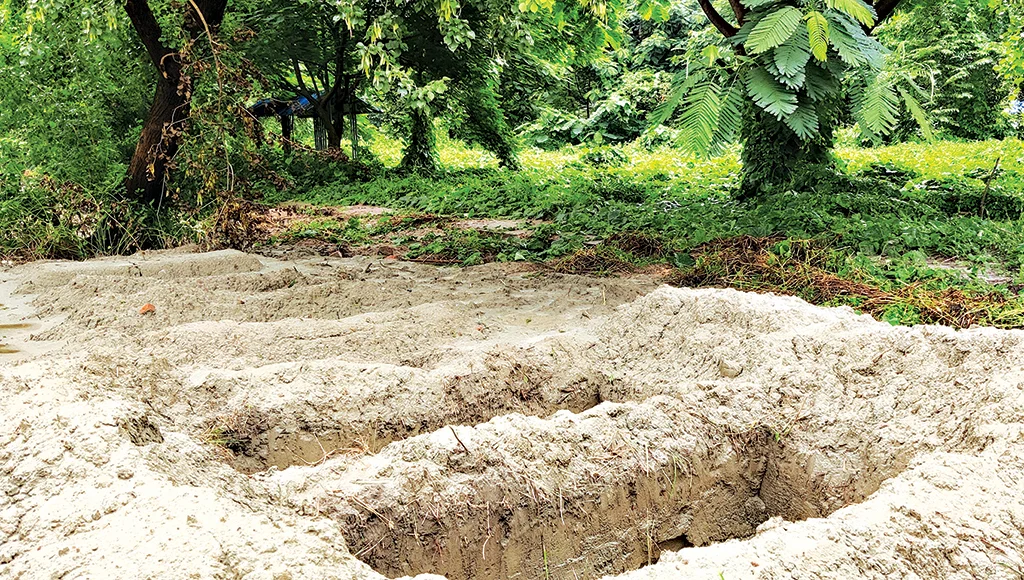
Graves at Martyred Intellectuals’ Graveyard at Rayerbazar, Mohammadpur dug for the burial of unclaimed bodies of protesters killed during the July uprising. The photo was taken on August 2, 2024. | New Age photo Newspapers
Two years after the July uprising, many martyrs still remain unaccounted for, as families of missing activists continue searching for their loved ones while graves dug during the mass movement lie unidentified in graveyards.
The official number of July martyrs, published in several gazette notifications, currently stands at 843. After assuming power in February this year, Bangladesh Nationalist Party added 19 new martyrs to the list that was initiated by the interim government led by Muhammad Yunus.
There are at least three cases in which authorities could not settle families’ claims after failing to find a DNA match. This complex process is believed to have discouraged many others from seeking settlement, as many July victims came from ordinary families unable to navigate bureaucratic procedures.
Authorities, however, say no claims from families remain pending.
The official figure differs from the estimated number of 1,400 July martyrs, a list prepared by the United Nations.
Among those still waiting for answers is the family of Ahmed Jilani.
The 35-year-old had been studying at a university in Saudi Arabia, where his family also lived. According to relatives, he secretly left home 13 days before his death to return to Bangladesh and join the protests.
When he disappeared, the family filed a general diary at Demra Police Station. For two months they searched hospitals, police stations and morgues.
Eventually they found what they believed was his photograph among the records of unclaimed bodies sent to Martyred Intellectuals’ Graveyard by Anjuman Mufidul Islam for burial.
‘If his photograph is there, why isn’t his body there?’ asked Borhan Uddin, Jilani’s uncle.
Shohel Shekh, an autorickshaw driver, had left home on the morning of August 5, telling his wife, Aysha Akhter, that he was going to Crescent Hospital in Uttara to help injured students.
‘Where has my husband gone?’ asked Aysha.
‘He went to bring down the oppressor and never came back,’ she said.
Two hours after Shohel left on the day that saw many people get killed at law enforcers’ hands, someone called Aysha to say her husband’s body was lying at the Crescent hospital.
She rushed there immediately but found nothing. She also visited Dhaka Medical College Hospital with no result. DNA tests done through the July Shaheed Smriti Foundation bring her no hope of finding her husband.
A CID official said that more than one hundred unidentified bodies recovered during the uprising were buried at the Martyred Intellectuals’ Graveyard in Rayerbazar, Mohammadpur.
A total of 114 unidentified bodies, believed to be victims of the July uprising, were buried at the graveyard between July 15 and August 5. Of them, 106 remain unidentified.
According to Anjuman Mufidul Islam, 80 unidentified bodies were buried in July 2024 and another 34 in August at the graveyard.
The organisation buried 570 unclaimed bodies in 2024, with July recording the year’s highest monthly total. In July 2023, there were only 40 unclaimed burials involving Anjuman.
‘We never opened the body bags,’ said Mohammad Rofik, a gravedigger at Rayerbazar.
‘They remained zipped. The people who brought them told us many had gunshot wounds to the head,’ he recalled.
‘Blood was still seeping from some of the bags during burial,’ he continued, adding that around 60 per cent of the body bags carried blood stains.
Between December 7 and December 27, 2025, the Criminal Investigation Department collected DNA samples from all 114 bodies and numbered every grave for future identification.
Md Masudur Rahman, additional deputy inspector general of the CID, told New Age that only nine families came forward during the first phase of DNA testing. Eight samples matched. Two more families submitted DNA samples recently, but no further matches were found.
According to the CID, all eight had died from gunshot wounds.
The July Shaheed Smriti Foundation has become another place where grieving families seek help.
Its chief executive officer, Lieutenant Colonel (retd) Kamal Akbar, said families often approach the foundation before contacting government offices.
He said that they forwarded all 11 cases they received for identification to the CID.
Shamsi Ara Zaman, general secretary of the foundation, said the government should give greater priority to identifying July martyrs.
The United Nations Office of the High Commissioner for Human Rights in a report published on February 12 last year said that 1,400 people were killed between July 1 and August 15, 2024.
The UN report was based on an independent fact-finding mission that included more than 250 interviews and reviews of medical records, forensic evidence, photographs, videos and official documents.
The official figure has also been challenged from within the government.
On July 4 at a memorial event for those killed in the July mass uprising, prime minister Tarique Rahman said that about 2,000 people were killed during the uprising.
State minister for Liberation War Affairs Ishraque Hossain told New Age that the July martyrs list prepared by the interim government contained wrong entry and duplications.
‘We prepared the final list after analysing facts and evidence. We want to identify the real martyrs and honour them, but we do not want anyone to benefit through false claims.’
He said that the martyrs list could slightly increase but was unlikely to reach the 1,400 mentioned by the United Nations.
‘The AL government burned the bodies of many martyrs, destroyed evidence and made bodies disappear,’ he said.
‘Many families have still not come to us. Some only filed missing-person reports at local police stations after relatives disappeared during the movement.’
The differing figures reflect a weakness in the system that fails to account for people killed by Sheikh Hasina’s authoritarian regime across Bangladesh.
Authorities have no updates on how many graves were dug in scores of other graveyards in Dhaka during the uprising, let alone all over the country.
Nawaz Farhin Antara 16 July, 2026, 01:06
Graves at Martyred Intellectuals’ Graveyard at Rayerbazar, Mohammadpur dug for the burial of unclaimed bodies of protesters killed during the July uprising. The photo was taken on August 2, 2024. | New Age photo Newspapers
Two years after the July uprising, many martyrs still remain unaccounted for, as families of missing activists continue searching for their loved ones while graves dug during the mass movement lie unidentified in graveyards.
The official number of July martyrs, published in several gazette notifications, currently stands at 843. After assuming power in February this year, Bangladesh Nationalist Party added 19 new martyrs to the list that was initiated by the interim government led by Muhammad Yunus.
There are at least three cases in which authorities could not settle families’ claims after failing to find a DNA match. This complex process is believed to have discouraged many others from seeking settlement, as many July victims came from ordinary families unable to navigate bureaucratic procedures.
Authorities, however, say no claims from families remain pending.
The official figure differs from the estimated number of 1,400 July martyrs, a list prepared by the United Nations.
Among those still waiting for answers is the family of Ahmed Jilani.
The 35-year-old had been studying at a university in Saudi Arabia, where his family also lived. According to relatives, he secretly left home 13 days before his death to return to Bangladesh and join the protests.
When he disappeared, the family filed a general diary at Demra Police Station. For two months they searched hospitals, police stations and morgues.
Eventually they found what they believed was his photograph among the records of unclaimed bodies sent to Martyred Intellectuals’ Graveyard by Anjuman Mufidul Islam for burial.
‘If his photograph is there, why isn’t his body there?’ asked Borhan Uddin, Jilani’s uncle.
Shohel Shekh, an autorickshaw driver, had left home on the morning of August 5, telling his wife, Aysha Akhter, that he was going to Crescent Hospital in Uttara to help injured students.
‘Where has my husband gone?’ asked Aysha.
‘He went to bring down the oppressor and never came back,’ she said.
Two hours after Shohel left on the day that saw many people get killed at law enforcers’ hands, someone called Aysha to say her husband’s body was lying at the Crescent hospital.
She rushed there immediately but found nothing. She also visited Dhaka Medical College Hospital with no result. DNA tests done through the July Shaheed Smriti Foundation bring her no hope of finding her husband.
A CID official said that more than one hundred unidentified bodies recovered during the uprising were buried at the Martyred Intellectuals’ Graveyard in Rayerbazar, Mohammadpur.
A total of 114 unidentified bodies, believed to be victims of the July uprising, were buried at the graveyard between July 15 and August 5. Of them, 106 remain unidentified.
According to Anjuman Mufidul Islam, 80 unidentified bodies were buried in July 2024 and another 34 in August at the graveyard.
The organisation buried 570 unclaimed bodies in 2024, with July recording the year’s highest monthly total. In July 2023, there were only 40 unclaimed burials involving Anjuman.
‘We never opened the body bags,’ said Mohammad Rofik, a gravedigger at Rayerbazar.
‘They remained zipped. The people who brought them told us many had gunshot wounds to the head,’ he recalled.
‘Blood was still seeping from some of the bags during burial,’ he continued, adding that around 60 per cent of the body bags carried blood stains.
Between December 7 and December 27, 2025, the Criminal Investigation Department collected DNA samples from all 114 bodies and numbered every grave for future identification.
Md Masudur Rahman, additional deputy inspector general of the CID, told New Age that only nine families came forward during the first phase of DNA testing. Eight samples matched. Two more families submitted DNA samples recently, but no further matches were found.
According to the CID, all eight had died from gunshot wounds.
The July Shaheed Smriti Foundation has become another place where grieving families seek help.
Its chief executive officer, Lieutenant Colonel (retd) Kamal Akbar, said families often approach the foundation before contacting government offices.
He said that they forwarded all 11 cases they received for identification to the CID.
Shamsi Ara Zaman, general secretary of the foundation, said the government should give greater priority to identifying July martyrs.
The United Nations Office of the High Commissioner for Human Rights in a report published on February 12 last year said that 1,400 people were killed between July 1 and August 15, 2024.
The UN report was based on an independent fact-finding mission that included more than 250 interviews and reviews of medical records, forensic evidence, photographs, videos and official documents.
The official figure has also been challenged from within the government.
On July 4 at a memorial event for those killed in the July mass uprising, prime minister Tarique Rahman said that about 2,000 people were killed during the uprising.
State minister for Liberation War Affairs Ishraque Hossain told New Age that the July martyrs list prepared by the interim government contained wrong entry and duplications.
‘We prepared the final list after analysing facts and evidence. We want to identify the real martyrs and honour them, but we do not want anyone to benefit through false claims.’
He said that the martyrs list could slightly increase but was unlikely to reach the 1,400 mentioned by the United Nations.
‘The AL government burned the bodies of many martyrs, destroyed evidence and made bodies disappear,’ he said.
‘Many families have still not come to us. Some only filed missing-person reports at local police stations after relatives disappeared during the movement.’
The differing figures reflect a weakness in the system that fails to account for people killed by Sheikh Hasina’s authoritarian regime across Bangladesh.
Authorities have no updates on how many graves were dug in scores of other graveyards in Dhaka during the uprising, let alone all over the country.

