War Archive
Saif
Senior Member
- Joined
- Jan 24, 2024
- Messages
- 20,706
- Likes
- 9,684
- Nation

- Residence
- Axis Group


US war in Iran has cost $25b so far: Pentagon official
The United States' war in Iran has cost $25 billion so far, a senior Pentagon official said on Wednesday, providing the first official estimate of the military's price tag for the conflict.
 en.prothomalo.com
US war in Iran has cost $25b so far: Pentagon official
Reuters
Washington
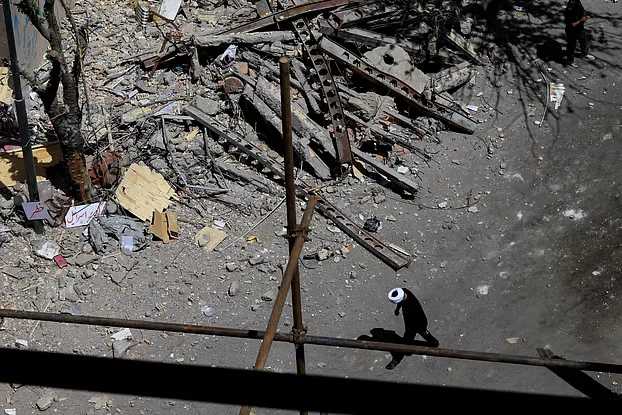
A cleric walks near a residential building damaged by a strike on March 4, in Tehran, Iran, 14 April 2026.
A cleric walks near a residential building damaged by a strike on March 4, in Tehran, Iran, 14 April 2026.Reuters
The United States' war in Iran has cost $25 billion so far, a senior Pentagon official said on Wednesday, providing the first official estimate of the military's price tag for the conflict.
With just six months before mid-term elections in which Trump's Republicans may face an uphill battle to keep their House majority, Democrats are riding high in public opinion polls as they attempt to link the unpopular Iran war with affordability.
Jules Hurst, who is performing the duties of the comptroller, told lawmakers on the House Armed Services Committee that most of that money was for munitions.
Hurst did not detail what that cost estimate included and whether it took into account the projected costs of rebuilding and repairing base infrastructure in the Middle East damaged in the conflict.
Rep. Adam Smith, the top Democrat on the House Armed Services Committee, responded to Hurst: "I'm glad you answered that question. Because we've been asking for a hell of a long time, and no one's given us the number."
The United States started carrying out strikes against Iran on Feb.28 and the two sides are currently maintaining a fragile ceasefire. The Pentagon has poured tens of thousands of additional forces into the Middle East, including keeping three aircraft carriers in the region.
Thirteen U.S. troops have been killed in the conflict and hundreds wounded.
Disruptions in shipments of oil and natural gas since the war started have caused a run-up in U.S. gasoline prices and agricultural products such as fertilizers, on top of the long list of other high consumer prices.
Trump's popularity has taken a beating since the U.S. and Israel launched a war against Iran on February 28 that has led to a surge in gasoline prices.
Just 34 per cent of Americans approve of the U.S. conflict with Iran, down from 36 per cent in mid-April and 38% in mid-March, a recent Reuters/Ipsos poll found.
Reuters
Washington
A cleric walks near a residential building damaged by a strike on March 4, in Tehran, Iran, 14 April 2026.
A cleric walks near a residential building damaged by a strike on March 4, in Tehran, Iran, 14 April 2026.Reuters
The United States' war in Iran has cost $25 billion so far, a senior Pentagon official said on Wednesday, providing the first official estimate of the military's price tag for the conflict.
With just six months before mid-term elections in which Trump's Republicans may face an uphill battle to keep their House majority, Democrats are riding high in public opinion polls as they attempt to link the unpopular Iran war with affordability.
Jules Hurst, who is performing the duties of the comptroller, told lawmakers on the House Armed Services Committee that most of that money was for munitions.
Hurst did not detail what that cost estimate included and whether it took into account the projected costs of rebuilding and repairing base infrastructure in the Middle East damaged in the conflict.
Rep. Adam Smith, the top Democrat on the House Armed Services Committee, responded to Hurst: "I'm glad you answered that question. Because we've been asking for a hell of a long time, and no one's given us the number."
The United States started carrying out strikes against Iran on Feb.28 and the two sides are currently maintaining a fragile ceasefire. The Pentagon has poured tens of thousands of additional forces into the Middle East, including keeping three aircraft carriers in the region.
Thirteen U.S. troops have been killed in the conflict and hundreds wounded.
Disruptions in shipments of oil and natural gas since the war started have caused a run-up in U.S. gasoline prices and agricultural products such as fertilizers, on top of the long list of other high consumer prices.
Trump's popularity has taken a beating since the U.S. and Israel launched a war against Iran on February 28 that has led to a surge in gasoline prices.
Just 34 per cent of Americans approve of the U.S. conflict with Iran, down from 36 per cent in mid-April and 38% in mid-March, a recent Reuters/Ipsos poll found.