โ˜• Support Us โ˜•
[๐Ÿ‡ง๐Ÿ‡ฉ] - How Does Bangladesh fit into Indo-Pacific Strategy? | Page 2 | PKDefense

[๐Ÿ‡ง๐Ÿ‡ฉ] How Does Bangladesh fit into Indo-Pacific Strategy?

Reply (Scroll)
Press space to scroll through posts
G Bangladesh Defense
[๐Ÿ‡ง๐Ÿ‡ฉ] How Does Bangladesh fit into Indo-Pacific Strategy?
20
2K
More threads by Saif


'Want Bangladesh to be a net security provider in the region'
Says US political officer

View attachment 5430
Photo: Collected

The US wants Bangladesh to be a net security provider in the Indo-Pacific region as the country has made exponential progress since independence and demonstrated its capacity in helping the regional countries, said a US official.

It also wants to see Bangladesh as a prosperous country having the principles of democracy, good governance and human rights, which is why Washington has been speaking aloud on free elections and taken actions against Rab, he said.

Maxwell Martin, political officer at the US embassy in Dhaka, said this at a briefing on the Indo-Pacific Strategy (IPS) and implications for Bangladesh at the embassy yesterday as IPS has renewed focus in the region including South Asia.

Martin said the US supported Bangladesh Armed Forces with training, capacity building and equipment in countering terrorism. Bangladesh also made exponential progress, supporting Myanmar during the cyclones last year, responding positively in sheltering the Rohingya and its contribution to the UN peacekeeping is notable.

"You have seen us become more open and vocal about the political situation in Bangladesh. This is part of the IPS. We are also engaged in multiple fronts that include economy, security and politics."

Martin said, "We thought our sanction against Rab was important for that unit to change their behavior in order for Bangladesh to uphold these principles."

The US embassy in Dhaka now has a labour attachรฉ and trade representative, which means it is helping Bangladesh improve labour conditions as well as support policies that help attract more foreign investments, he said.

He said the IPS, which was released in February 2022, is often wrongly understood as an alliance and meant to counter China.

China launched its global strategic programme Belt and Road Initiative in 2013.

Martin said the IPS does not seek to become a military alliance against any country.

"Our vision is not about forcing countries to choose between the UN and other partner. It is about ensuring that the region is free and open so countries can freely make their own choices," he said.

Martin recognised that Bangladesh maintains a balanced foreign policy, having relations with countries be it China, India, Russia or the US.​

Martin is a Yahood name.

He works for the State Dept. but has zio agenda as well which is supported by his employer.
 
@Old School bhai, you know much better than me , still I would like to add my thoughts!

Actually if BAL want to balance , they will be digging their own grave , hence I believe BAL won't cooperate with USA and will will keep supporting China!

BAL politics are matured unlike BNP! We already knew it from last 16 years experience!

BAL is in power by successfully rigging elections ( selection I call it) , and they will keep doing it.

If they are talking to usa , it's just a formality , and diplomacy. They are just providing lip services to usa and west!

One can't be friend with Pakistan and India same time , neither can be partner of usa and China at the same time!

Tareq Rahman already understood how beating from army taste like!

Many people are giving example of Pakistan! I would humbly ask them the question, that, did Pakistan maintain a balance between USA and Soviet? No right?

It was Pakistan who were directly responsible for fall of Soviet alongside USA and some other USA allies.

Now condition has been changed and USA targets China, hence China won't let USA present in the bay of Bengal!
They simply don't let USA and NATO to put blockade in malacca straight which is life line for Chinese trade via sea route with rest of the world!

My compatriots should read geography properly instead of driven by emotions and propaganda that they are fed by authority!

Indo Pacific strategy is to block China and an attempt to take China down on it's knees by taming them!

Why China will allow others to do it? Our compatriots should also learn the history of ww2 properly and take lesson from it! We know what enemy can do to China !

We know that when Japan put hostile naval blockade in malacca strait, British and its allies keep supplies to China by air route through India!

Now it's USA and it's allies try to do the same , then what China will do? They are surrounded by hostile entity like Japan and South Korea who are actually puppets of USA! Maybe the Philippines too are USA puppet ( correct me please if I'm wrong about the Philippines) !

So the best strategy for China is to keep the bay of Bengal safe!

If USA can have a base in this area, specially in andaman , it will be a piece of cake for them to contain China!

So Bangladesh is the only country who can let USA set foot on this area.

And China knows it very well thay if Bangladesh Co operate with USA , then India will take the chance to take down China as well, because they have dirty wet dream of becoming a super power!

So China will be surrounded by enemies!

So in the name of balance if Bangladesh ( I would say BAL) try to betray China, BAL also will be kicked out from Bangladeshi politics forever, like BNP!

People may think that there is no other option than BNP and BAL in Bangladesh, so China have to support BNP that time.

But it's deadly wrong and very limited and shallow thinking.

Through deep state , super powers very easily create other strong parties or a strong dictatorship in any weaker countries , specially in red zones.

So if BAL proven a traitor to China, China will choose another way to take care of them!

Perhaps Tareq and also his mother Khaleda zia know it lot better than their fanboys!

I wrote on this topic in old PDF , but it looks only you were agreed and no Bangladeshi paid any attention!

But whatever maybe the case , in the end no small countries are completely independent, other than some super powers!

So balancing drama will no longer work , hence Hasina won't do any suicidal act in the name of balancing!

BAL ( rear Hasina) is very matured in politics and also very cunning !

Surey Hasina doesn't want to lose her thrown in this old age and don't end up in jail like Khaleda zia!

She always learn from BNP's mistake and apply it for her!

Like caretaker govt was BAL and jamati concept! When in 15 February election khaleda declared that only mentally handicapped people are infats are neutral in true sense, and arrange 15 February election , she didn't survive a month! Because of hostile protest of BAL and jamatis ( not mentioning JP because they have no strong base at grassroot)

On the other hand, BAL applied the same method in 2014 and later on 7 January 2024 , where is BNP now to take Hasina down? BNP is nowhere to be found!

So yes BAL won't repeat the mistake of BNP, specialy when China is much strong than 2004!

As soon as our people understand, it's better for them!

BNP is now boycotting even regional elections! What they will achieve? Nothing other than providing lip services!

And next generation will not remember BNP!

Hasina surely don't want the same fate for her, so there is no option to balance betweenteo arch enemies!

China is way more powerful and matured than Soviet and it's a country with one party rule and CAPITALISTIC economy!

Hence USA will keep business relations with them for their own benefits!

So i hope Haisna and deep state of Bangladesh know what to do !

You have accurately described the dynamics. Thank you. I hope your compatriots will read your valuable insights, which are far better than even a BD diplomat can ever describe!
 
Due to Bangladesh's strategic geographic location both China and the USA want Bangladesh to be friends with them. Bangladesh has been successfully balancing its relationship with China and the USA since the 70s. Bangladesh needs China to counter India---the greatest threat to our sovereignty and territorial integrity. China has been fulfilling our military needs by supplying cheap weapons and training. Our armed forces buy 70% of their weapons from China. China as a permanent member of UN security council has been supporting us in various international forums. So, China is an indispensable part of our strategic interest. We, simply cannot do without China. We have joined Belt and Road Initiative to deepen our relationship with China. On the other hand, the USA is our largest economic market and the loans we get from IMF and World Bank are also US money. Our economic development largely depends on the USA and its European allies. This is precisely why we have joined Indo-Pacific Strategy. When it comes to the US led Indo-Pacific Strategy Dhaka says it is with the initiative for its development goals but not as a military or defense alliance. I think Bangladesh is doing great in the area of balancing its ties with the two largest superpowers, China and the USA, of the world.
 

เฆญเง‚-เฆฐเฆพเฆœเฆจเง€เฆคเฆฟเฆคเง‡ เฆ—เงเฆฐเงเฆคเงเฆฌ เฆชเฆพเฆšเงเฆ›เง‡ เฆฌเฆพเฆ‚เฆฒเฆพเฆฆเง‡เฆถ: เฆฌเฆพเงœเฆ›เง‡ เฆจเฆพเฆจเฆพ เฆธเฆฎเง€เฆ•เฆฐเฆฃ
เฆถเง‡เฆ– เฆถเฆพเฆนเฆฐเฆฟเงŸเฆพเฆฐ เฆœเฆพเฆฎเฆพเฆจ
เงงเงฌ เฆœเงเฆจ เงจเงฆเงจเงฉ, เงจเงจ:เงฆเงง

1715044517722.png

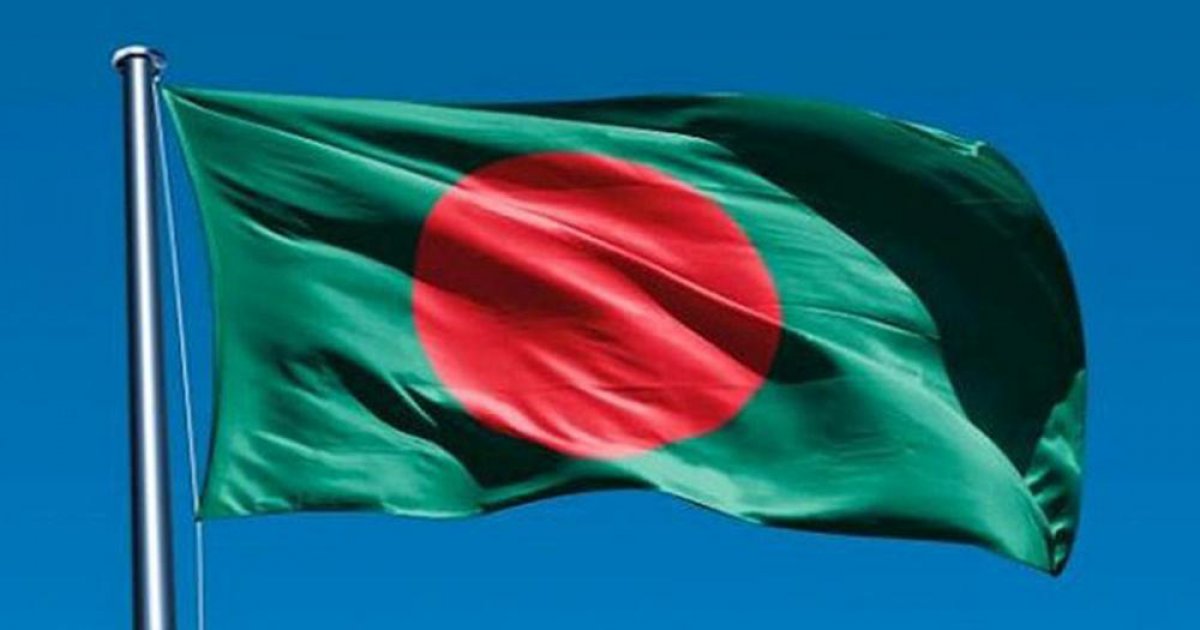
เฆฌเฆพเฆ‚เฆฒเฆพเฆฆเง‡เฆถเง‡เฆฐ เฆชเฆคเฆพเฆ•เฆพ (เฆ›เฆฌเฆฟ: เฆธเฆ‚เฆ—เงƒเฆนเง€เฆค)

เฆ…เฆฐเงเฆฅเฆจเงˆเฆคเฆฟเฆ• เฆฌเฆฟเฆ•เฆพเฆถ, เฆฐเฆพเฆœเฆจเงˆเฆคเฆฟเฆ• เฆชเฆฐเฆฟเฆชเฆ•เงเฆฌเฆคเฆพ, เฆญเงŒเฆ—เง‹เฆฒเฆฟเฆ• เฆ…เฆฌเฆธเงเฆฅเฆพเฆจเง‡เฆฐ เฆ•เฆพเฆฐเฆฃเง‡ เฆ—เงเฆฐเงเฆคเงเฆฌ เฆฌเฆพเงœเฆ›เง‡ เฆฌเฆพเฆ‚เฆฒเฆพเฆฆเง‡เฆถเง‡เฆฐเฅค เฆฌเฆ™เงเฆ—เง‹เฆชเฆธเฆพเฆ—เฆฐ เฆคเฆฅเฆพ เฆฌเงƒเฆนเฆคเงเฆคเฆฐ เฆ‡เฆจเงเฆฆเง‹-เฆชเงเฆฏเฆพเฆธเฆฟเฆซเฆฟเฆ• เฆ…เฆžเงเฆšเฆฒเง‡ เฆเฆ•เฆŸเฆฟ เฆ‰เฆฆเง€เงŸเฆฎเฆพเฆจ เฆถเฆ•เงเฆคเฆฟ เฆนเฆฟเฆธเง‡เฆฌเง‡ เฆ†เฆฌเฆฟเฆฐเงเฆญเง‚เฆค เฆนเงŸเง‡เฆ›เง‡ เฆฌเฆพเฆ‚เฆฒเฆพเฆฆเง‡เฆถเฅค เฆ†เฆฌเฆพเฆฐ เฆ เฆ…เฆžเงเฆšเฆฒเง‡เฆฐ เฆคเฆฟเฆจเฆŸเฆฟ เฆฌเงƒเฆนเงŽ เฆถเฆ•เงเฆคเฆฟเฆฐ เฆธเฆ™เงเฆ—เง‡ เฆฌเฆพเฆ‚เฆฒเฆพเฆฆเง‡เฆถเง‡เฆฐ เฆธเฆฎเง€เฆ•เฆฐเฆฃ เฆเฆฌเฆ‚ เฆ“เฆ‡ เฆคเฆฟเฆจ เฆฌเงƒเฆนเงŽ เฆถเฆ•เงเฆคเฆฟเฆฐ เฆจเฆฟเฆœเง‡เฆฆเง‡เฆฐ เฆฎเฆงเงเฆฏเฆ•เฆพเฆฐ เฆœเฆŸเฆฟเฆฒ เฆธเฆฎเง€เฆ•เฆฐเฆฃเง‡เฆฐ เฆฎเฆพเฆเฆ–เฆพเฆจเง‡ เฆฐเงŸเง‡เฆ›เง‡ เฆฌเฆพเฆ‚เฆฒเฆพเฆฆเง‡เฆถเฅค

เฆญเฆพเฆฐเฆคเง‡เฆฐ เฆธเฆ™เงเฆ—เง‡ เฆเฆคเฆฟเฆนเฆพเฆธเฆฟเฆ• เฆ“ เฆฌเฆฟเฆถเง‡เฆท เฆธเฆฎเงเฆชเฆฐเงเฆ•, เฆฏเงเฆ•เงเฆคเฆฐเฆพเฆทเงเฆŸเงเฆฐเง‡เฆฐ เฆธเฆ™เงเฆ—เง‡ เฆ…เฆงเฆฟเฆ•เฆพเฆฐเฆญเฆฟเฆคเงเฆคเฆฟเฆ• เฆ‡เฆธเงเฆฏเงเฆคเง‡ เฆ…เฆธเงเฆฌเฆธเงเฆคเฆฟเฆ•เฆฐ เฆธเฆฎเงเฆชเฆฐเงเฆ• เฆเฆฌเฆ‚ เฆšเง€เฆจเง‡เฆฐ เฆธเฆ™เงเฆ—เง‡ เฆ•เงเฆฐเฆฎเฆฌเฆฐเงเฆงเฆฎเฆพเฆจ เฆ…เฆฐเงเฆฅเฆจเงˆเฆคเฆฟเฆ• เฆ“ เฆ•เงŒเฆถเฆฒเฆ—เฆค เฆธเฆฎเงเฆชเฆฐเงเฆ• เฆฐเงŸเง‡เฆ›เง‡ เฆฌเฆพเฆ‚เฆฒเฆพเฆฆเง‡เฆถเง‡เฆฐเฅค เฆ เฆชเงเฆฐเง‡เฆ•เงเฆทเฆพเฆชเฆŸเง‡ เฆฌเฆพเฆ‚เฆฒเฆพเฆฆเง‡เฆถเง‡ เฆ†เฆธเฆจเงเฆจ เฆ†เฆ—เฆพเฆฎเง€ เฆจเฆฟเฆฐเงเฆฌเฆพเฆšเฆจเฆ•เง‡ เฆ•เง‡เฆจเงเฆฆเงเฆฐ เฆ•เฆฐเง‡ เฆคเฆฟเฆจ เฆฌเงƒเฆนเงŽ เฆถเฆ•เงเฆคเฆฟเฆฐ เฆ…เฆฌเฆธเงเฆฅเฆพเฆจ เฆœเฆจเฆธเฆฎเงเฆฎเงเฆ–เง‡ เฆ•เงเฆฐเฆฎเฆพเฆ—เฆค เฆชเงเฆฐเฆ•เฆพเฆถเฆฟเฆค เฆนเฆšเงเฆ›เง‡เฅค

เฆ—เฆค เฆฌเงเฆงเฆฌเฆพเฆฐ (เงงเงช เฆœเงเฆจ) เฆฏเงเฆ•เงเฆคเฆฐเฆพเฆทเงเฆŸเงเฆฐเง‡เฆฐ เฆฌเฆฟเฆทเงŸเง‡ เฆถเง‡เฆ– เฆนเฆพเฆธเฆฟเฆจเฆพเฆฐ เฆจเง‡เฆ“เงŸเฆพ เฆ…เฆฌเฆธเงเฆฅเฆพเฆจเฆ•เง‡ เฆธเฆฎเฆฐเงเฆฅเฆจ เฆœเฆพเฆจเฆฟเงŸเง‡ เฆฎเฆจเงเฆคเฆฌเงเฆฏ เฆ•เฆฐเฆพ เฆนเงŸ เฆšเง€เฆจเง‡เฆฐ เฆชเฆฐเฆฐเฆพเฆทเงเฆŸเงเฆฐ เฆฎเฆจเงเฆคเงเฆฐเฆฃเฆพเฆฒเงŸ เฆฅเง‡เฆ•เง‡เฅค เฆ†เฆฌเฆพเฆฐ เฆเฆ•เฆ‡ เฆฆเฆฟเฆจ เฆญเฆพเฆฐเฆค เฆ“ เฆฏเงเฆ•เงเฆคเฆฐเฆพเฆทเงเฆŸเงเฆฐเง‡เฆฐ เฆจเงเฆฏเฆพเฆถเฆจเฆพเฆฒ เฆธเฆฟเฆ•เฆฟเฆ‰เฆฐเฆฟเฆŸเฆฟ เฆ…เงเฆฏเฆพเฆกเฆญเฆพเฆ‡เฆœเฆฐเฆฆเง‡เฆฐ เฆฎเฆงเงเฆฏเง‡ เฆฆเฆฟเฆฒเงเฆฒเฆฟเฆฐ เฆฌเงˆเฆ เฆ•เง‡ เฆฌเฆพเฆ‚เฆฒเฆพเฆฆเง‡เฆถ เฆฌเฆฟเฆทเงŸเง‡ เฆญเฆพเฆฐเฆคเง‡เฆฐ เฆธเงเฆฌเฆพเฆฐเงเฆฅเฆฌเฆฟเฆฐเง‹เฆงเง€ เฆ•เง‹เฆจเฆ“ เฆชเฆฆเฆ•เงเฆทเง‡เฆช เฆจเฆพ เฆจเง‡เฆ“เงŸเฆพเฆฐ เฆœเฆจเงเฆฏ เฆ“เงŸเฆพเฆถเฆฟเฆ‚เฆŸเฆจเฆ•เง‡ เฆ…เฆจเงเฆฐเง‹เฆง เฆœเฆพเฆจเฆพเฆจเง‹ เฆนเงŸเฅค เฆ—เง‹เฆŸเฆพ เฆฌเฆฟเฆทเงŸเฆŸเฆฟ เฆฌเฆฟเฆฌเง‡เฆšเฆจเฆพเงŸ เฆจเฆฟเฆฒเง‡ เฆฌเฆฟเฆถเง‡เฆทเฆœเงเฆžเฆฆเง‡เฆฐ เฆฎเฆคเง‡ เฆฌเงˆเฆถเงเฆฌเฆฟเฆ• เฆญเง‚-เฆฐเฆพเฆœเฆจเง€เฆคเฆฟเฆฐ เฆเฆ•เฆŸเฆฟ เฆฅเฆฟเงŸเง‡เฆŸเฆพเฆฐเง‡ เฆชเฆฐเฆฟเฆฃเฆค เฆนเงŸเง‡เฆ›เง‡ เฆฌเฆพเฆ‚เฆฒเฆพเฆฆเง‡เฆถเฅค

เฆ เฆฌเฆฟเฆทเงŸเง‡ เฆฌเฆพเฆ‚เฆฒเฆพเฆฆเง‡เฆถเง‡เฆฐ เฆธเฆพเฆฌเง‡เฆ• เฆชเฆฐเฆฐเฆพเฆทเงเฆŸเงเฆฐ เฆธเฆšเฆฟเฆฌ เฆ“ เฆฆเฆฟเฆฒเงเฆฒเฆฟ เฆ‡เฆ‰เฆจเฆฟเฆญเฆพเฆฐเงเฆธเฆฟเฆŸเฆฟเฆฐ เฆฌเฆ™เงเฆ—เฆฌเฆจเงเฆงเง เฆšเง‡เงŸเฆพเฆฐ เฆฎเง‹. เฆถเฆนเง€เฆฆเงเฆฒ เฆนเฆ• เฆฌเฆฒเง‡เฆจ, 'เฆ•เง‚เฆŸเฆจเง€เฆคเฆฟเฆคเง‡ เฆ•เงŒเฆถเฆฒเฆ—เฆค เฆชเฆฆเฆ•เงเฆทเง‡เฆช (เฆธเงเฆŸเงเฆฐเงเฆฏเฆพเฆŸเง‡เฆœเฆฟเฆ• เฆฎเงเฆญ) เฆเฆฌเฆ‚ เฆเฆฐ เฆชเฆพเฆฒเงเฆŸเฆพ เฆชเฆฆเฆ•เงเฆทเง‡เฆช เฆ–เงเฆฌ เฆธเงเฆฌเฆพเฆญเฆพเฆฌเฆฟเฆ• เฆ˜เฆŸเฆจเฆพเฅค เฆšเง€เฆจเง‡เฆฐ เฆชเฆฐเฆฐเฆพเฆทเงเฆŸเงเฆฐ เฆฎเฆจเงเฆคเงเฆฐเฆฃเฆพเฆฒเงŸเง‡เฆฐ เฆฌเฆ•เงเฆคเฆฌเงเฆฏ เฆเฆฌเฆ‚ เฆญเฆพเฆฐเฆค เฆ“ เฆฏเงเฆ•เงเฆคเฆฐเฆพเฆทเงเฆŸเงเฆฐเง‡เฆฐ เฆจเงเฆฏเฆพเฆถเฆจเฆพเฆฒ เฆธเฆฟเฆ•เฆฟเฆ‰เฆฐเฆฟเฆŸเฆฟ เฆ…เงเฆฏเฆพเฆกเฆญเฆพเฆ‡เฆœเฆฐเฆฆเง‡เฆฐ เฆฎเฆงเงเฆฏเง‡ เฆฌเฆพเฆ‚เฆฒเฆพเฆฆเง‡เฆถ เฆจเฆฟเงŸเง‡ เฆ†เฆฒเง‹เฆšเฆจเฆพเฆฐ เฆฌเฆฟเฆทเงŸเฆŸเฆฟ เฆฏเฆพ เฆชเฆคเงเฆฐเฆฟเฆ•เฆพเงŸ เฆชเงเฆฐเฆ•เฆพเฆถเฆฟเฆค เฆนเงŸเง‡เฆ›เง‡โ€“ เฆเฆŸเฆฟ เฆธเงเฆฌเฆพเฆญเฆพเฆฌเฆฟเฆ• เฆ•เง‚เฆŸเฆจเงˆเฆคเฆฟเฆ• เฆชเฆฆเฆ•เงเฆทเง‡เฆช เฆฌเฆฒเง‡ เฆฎเฆจเง‡ เฆนเงŸเฅค'

เฆฌเฆ™เงเฆ—เง‹เฆชเฆธเฆพเฆ—เฆฐ เฆ…เฆžเงเฆšเฆฒเง‡ เฆฌเงƒเฆนเงŽ เฆถเฆ•เงเฆคเฆฟเฆ—เงเฆฒเง‹ เฆคเฆพเฆฆเง‡เฆฐ เฆชเงเฆฐเฆญเฆพเฆฌ เฆฌเฆฒเงŸ เฆฌเฆพเงœเฆพเฆคเง‡ เฆšเฆพเงŸ เฆเฆฌเฆ‚ เฆเฆ•เฆ‡เฆธเฆ™เงเฆ—เง‡ เฆเฆ–เฆพเฆจเง‡ เฆ•เงเฆทเฆฎเฆคเฆพเฆฐ เฆฎเฆงเงเฆฏเง‡ เฆญเฆพเฆฐเฆธเฆพเฆฎเงเฆฏ เฆ“ เฆธเฆฎเฆจเงเฆฌเงŸ เฆฅเฆพเฆ•เฆพเฆŸเฆพ เฆ…เฆคเงเฆฏเฆจเงเฆค เฆœเฆฐเงเฆฐเฆฟ เฆฌเฆฒเง‡ เฆฎเฆจเง‡ เฆ•เฆฐเง‡เฆจ เฆธเฆพเฆฌเง‡เฆ• เฆชเฆฐเฆฐเฆพเฆทเงเฆŸเงเฆฐ เฆธเฆšเฆฟเฆฌเฅค เฆคเฆฟเฆจเฆฟ เฆฌเฆฒเง‡เฆจ, 'เฆฌเฆ™เงเฆ—เง‹เฆชเฆธเฆพเฆ—เฆฐเง‡ เฆฌเฆพเฆ‚เฆฒเฆพเฆฆเง‡เฆถเง‡เฆฐ เฆ—เงเฆฐเงเฆคเงเฆฌ เฆฌเฆพเงœเฆ›เง‡ เฆเฆฌเฆ‚ เฆเฆ–เฆพเฆจเง‡ เฆฌเฆฟเฆšเฆ•เงเฆทเฆฃเฆคเฆพเฆฐ เฆธเฆ™เงเฆ—เง‡ เฆชเฆฐเฆฐเฆพเฆทเงเฆŸเงเฆฐเฆจเง€เฆคเฆฟ เฆฌเฆพเฆธเงเฆคเฆฌเฆพเงŸเฆจ เฆชเงเฆฐเงŸเง‹เฆœเฆจเฅค เฆชเฆฐเฆฟเฆฌเฆฐเงเฆคเฆฟเฆค เฆชเฆฐเฆฟเฆธเงเฆฅเฆฟเฆคเฆฟเฆคเง‡ เฆญเฆพเฆฐเฆธเฆพเฆฎเงเฆฏ เฆฐเง‡เฆ–เง‡เฆ‡ เฆฌเฆพเฆ‚เฆฒเฆพเฆฆเง‡เฆถเฆ•เง‡ เฆเฆ—เง‹เฆคเง‡ เฆนเฆฌเง‡เฅค'

เฆธเฆพเฆฌเง‡เฆ• เฆเฆ‡ เฆชเฆฐเฆฐเฆพเฆทเงเฆŸเงเฆฐ เฆธเฆšเฆฟเฆฌ เฆฌเฆฒเง‡เฆจ, 'เฆเฆ–เฆพเฆจเง‡ เฆฎเฆจเง‡ เฆฐเฆพเฆ–เฆคเง‡ เฆนเฆฌเง‡ เฆ•เง‚เฆŸเฆจเง€เฆคเฆฟ เฆธเงเฆฅเฆฌเฆฟเฆฐ เฆจเงŸ, เฆฌเฆฐเฆ‚ เฆ•เงเฆฐเฆฎเฆพเฆ—เฆค เฆชเฆฐเฆฟเฆฌเฆฐเงเฆคเฆจเฆถเง€เฆฒเฅค เฆฏเง‡เฆ•เง‹เฆจเฆ“ เฆธเฆฎเงเฆชเฆฐเงเฆ• เฆญเง‚-เฆฐเฆพเฆœเฆจเงˆเฆคเฆฟเฆ• เฆชเงเฆฐเง‡เฆ•เงเฆทเฆพเฆชเฆŸเง‡ เฆจเฆคเงเฆจ เฆฎเฆพเฆคเงเฆฐเฆพ เฆชเฆพเงŸ เฆเฆฌเฆ‚ เฆเฆŸเฆฟเฆ‡ เฆธเงเฆฌเฆพเฆญเฆพเฆฌเฆฟเฆ•เฅค เฆเฆ‡ เฆฌเฆพเฆธเงเฆคเฆฌเฆคเฆพเงŸ เฆฌเฆพเฆ‚เฆฒเฆพเฆฆเง‡เฆถเง‡เฆฐ เฆชเฆฐเฆฐเฆพเฆทเงเฆŸเงเฆฐเฆจเง€เฆคเฆฟ เฆชเฆฐเฆฟเฆšเฆพเฆฒเฆฟเฆค เฆนเฆ“เงŸเฆพ เฆ‰เฆšเฆฟเฆคเฅค'

เฆ†เฆžเงเฆšเฆฒเฆฟเฆ• เฆญเฆพเฆฐเฆธเฆพเฆฎเงเฆฏ

เฆฆเฆ•เงเฆทเฆฟเฆฃ เฆเฆถเฆฟเงŸเฆพเฆฐ เฆธเฆฌเฆšเง‡เงŸเง‡ เฆฌเงœ เฆฆเง‡เฆถ เฆญเฆพเฆฐเฆคเฅค เฆ เฆ…เฆžเงเฆšเฆฒเง‡ เฆฌเฆพเฆ‚เฆฒเฆพเฆฆเง‡เฆถ เฆ“ เฆญเฆพเฆฐเฆคเง‡เฆฐ เฆฎเฆงเงเฆฏเง‡ เฆเฆคเฆฟเฆนเฆพเฆธเฆฟเฆ• เฆ“ เฆธเฆพเฆ‚เฆธเงเฆ•เงƒเฆคเฆฟเฆ• เฆธเฆฎเงเฆชเฆฐเงเฆ• เฆฌเฆฟเฆฆเงเฆฏเฆฎเฆพเฆจเฅค เฆ เฆ…เฆžเงเฆšเฆฒเง‡เฆฐ เฆฌเฆฐเงเฆคเฆฎเฆพเฆจ เฆญเง‚-เฆฐเฆพเฆœเฆจเงˆเฆคเฆฟเฆ• เฆชเฆฐเฆฟเฆธเงเฆฅเฆฟเฆคเฆฟเฆคเง‡ เฆฌเฆพเฆ‚เฆฒเฆพเฆฆเง‡เฆถ เฆ“ เฆญเฆพเฆฐเฆคเง‡เฆฐ เฆ—เฆญเง€เฆฐ เฆธเฆฎเงเฆชเฆฐเงเฆ•เง‡เฆฐ เฆ†เฆฒเง‹เฆ•เง‡ เฆฌเฆฟเฆฌเง‡เฆšเฆจเฆพ เฆ•เฆฐเฆพ เฆฆเฆฐเฆ•เฆพเฆฐเฅค เฆ เฆ•เฆฅเฆพ เฆ‰เฆฒเงเฆฒเง‡เฆ– เฆ•เฆฐเง‡ เฆฎเง‹. เฆถเฆนเง€เฆฆเงเฆฒ เฆนเฆ• เฆฌเฆฒเง‡เฆจ, 'เงงเงฏเงญเงจ เฆธเฆพเฆฒเง‡ เฆ•เฆฒเฆ•เฆพเฆคเฆพเงŸ เฆฌเฆ™เงเฆ—เฆฌเฆจเงเฆงเง เฆจเฆฟเฆœเง‡เฆ‡ เฆฌเฆพเฆ‚เฆฒเฆพเฆฆเง‡เฆถ เฆ“ เฆญเฆพเฆฐเฆคเง‡เฆฐ เฆธเฆฎเงเฆชเฆฐเงเฆ• เฆ•เง€ เฆธเง‡เฆŸเฆฟเฆฐ เฆธเฆ‚เฆœเงเฆžเฆพ เฆฆเฆฟเงŸเง‡ เฆ—เง‡เฆ›เง‡เฆจเฅค เฆคเฆฟเฆจเฆฟ เฆฌเฆฒเง‡เฆ›เฆฟเฆฒเง‡เฆจ, เฆฌเฆพเฆ‚เฆฒเฆพเฆฆเง‡เฆถ เฆ“ เฆญเฆพเฆฐเฆคเง‡เฆฐ เฆฎเฆงเงเฆฏเง‡ เฆธเฆฎเงเฆชเฆฐเงเฆ• เฆ‡เฆŸเฆพเฆฐเฆจเฆพเฆฒ เฆเฆฌเฆ‚ เฆฌเฆฟเฆถเง‡เฆท เฆธเฆฎเงเฆชเฆฐเงเฆ•เฅค เฆเฆŸเฆฟ เฆธเฆฌเฆธเฆฎเงŸ, เฆธเฆฌ เฆฌเฆฟเฆทเงŸ เฆ“ เฆธเฆฐเงเฆฌเฆ•เงเฆทเง‡เฆคเงเฆฐเง‡เฆฐ เฆœเฆจเงเฆฏเฅค เฆ†เฆฎเฆฐเฆพ เฆเฆ–เฆจ เฆฏเง‡เฆŸเฆฟ เฆฆเง‡เฆ–เฆ›เฆฟ เฆธเง‡เฆŸเฆฟเฆ•เง‡ เฆ“เฆ‡ เฆธเฆฎเงเฆชเฆฐเงเฆ•เง‡เฆฐ เฆชเงเฆฐเฆคเฆฟเฆซเฆฒเฆจ เฆฌเฆฒเฆพ เฆฏเฆพเงŸเฅค'

เฆคเฆฟเฆจเฆฟ เฆฌเฆฒเง‡เฆจ, เฆเฆ–เฆพเฆจเง‡ เฆเฆ•เฆŸเฆฟ เฆฌเฆฟเฆทเงŸ เฆฒเฆ•เงเฆทเฆฃเง€เงŸเฅค เฆญเฆพเฆฐเฆคเง‡ เฆ•เฆ‚เฆ—เงเฆฐเง‡เฆธ เฆธเฆฐเฆ•เฆพเฆฐ เฆฌเฆพ เฆฌเฆฟเฆœเง‡เฆชเฆฟ เฆธเฆฐเฆ•เฆพเฆฐ เฆฏเง‡เฆ‡ เฆฅเฆพเฆ•เงเฆ• เฆจเฆพ เฆ•เง‡เฆจ, เฆฌเฆพเฆ‚เฆฒเฆพเฆฆเง‡เฆถ เฆจเฆฟเงŸเง‡ เฆคเฆพเฆฆเง‡เฆฐ เฆธเฆฌเฆพเฆฐ เฆฎเฆงเงเฆฏเง‡ เฆเฆ•เฆฎเฆคเงเฆฏ เฆฐเงŸเง‡เฆ›เง‡ เฆเฆฌเฆ‚ เฆเฆฐ เฆชเฆฐเฆฟเฆฌเฆฐเงเฆคเฆจ เฆนเงŸ เฆจเฆพเฅค เฆ เฆ•เฆพเฆฐเฆฃเง‡ เฆฌเฆฟเฆญเฆฟเฆจเงเฆจ เฆธเฆฎเงŸเง‡, เฆฌเฆฟเฆถเง‡เฆท เฆ•เฆฐเง‡ เฆ—เฆค เงงเงซ เฆฌเฆ›เฆฐ เฆงเฆฐเง‡ เฆญเฆพเฆฐเฆคเง‡เฆฐ เฆธเฆฎเฆฐเงเฆฅเฆจ เฆชเง‡เงŸเง‡ เฆ†เฆธเฆ›เง‡ เฆฌเฆพเฆ‚เฆฒเฆพเฆฆเง‡เฆถเฅค

เฆคเงเฆฐเฆฟเฆฎเงเฆ–เง€ เฆธเฆฎเงเฆชเฆฐเงเฆ•

เฆฌเฆพเฆ‚เฆฒเฆพเฆฆเง‡เฆถ เฆ“ เฆญเฆพเฆฐเฆคเง‡เฆฐ เฆฎเฆงเงเฆฏเง‡ เฆธเฆฎเงเฆชเฆฐเงเฆ• เฆ…เฆคเงเฆฏเฆจเงเฆค เฆฎเฆงเงเฆฐเฅค เฆ†เฆฌเฆพเฆฐ เฆญเฆพเฆฐเฆค เฆ“ เฆฏเงเฆ•เงเฆคเฆฐเฆพเฆทเงเฆŸเงเฆฐเง‡เฆฐ เฆฎเฆงเงเฆฏเง‡ เฆธเฆฎเงเฆชเฆฐเงเฆ• เฆ…เฆคเงเฆฏเฆจเงเฆค เฆ—เฆญเง€เฆฐเฅค เฆ•เฆฟเฆจเงเฆคเง เฆญเฆพเฆฐเฆคเง‡เฆฐ เฆฆเงเฆ‡ เฆฌเฆจเงเฆงเงโ€“ เฆฌเฆพเฆ‚เฆฒเฆพเฆฆเง‡เฆถ เฆ“ เฆฏเงเฆ•เงเฆคเฆฐเฆพเฆทเงเฆŸเงเฆฐเง‡เฆฐ เฆฎเฆงเงเฆฏเง‡ เฆ•เฆฟเฆ›เง เฆฌเฆฟเฆทเงŸ เฆจเฆฟเงŸเง‡ เฆ…เฆธเงเฆฌเฆธเงเฆคเฆฟ เฆฐเงŸเง‡เฆ›เง‡, เฆฏเฆพ เฆชเงเฆฐเฆ•เฆพเฆถเงเฆฏเง‡ เฆฌเฆฒเฆพ เฆนเฆšเงเฆ›เง‡เฅค เฆ เฆฌเฆฟเฆทเงŸเง‡ เฆฆเฆฟเฆฒเงเฆฒเฆฟเฆคเง‡ เฆชเฆฐเฆฐเฆพเฆทเงเฆŸเงเฆฐเฆจเง€เฆคเฆฟเฆฐ เฆฌเฆฟเฆถเง‡เฆทเฆœเงเฆž เฆ“ เฆฌเฆฟเฆœเง‡เฆชเฆฟเฆฐ เฆ˜เฆจเฆฟเฆทเงเฆ  เฆชเฆฐเงเฆฏเฆฌเง‡เฆ•เงเฆทเฆ• เฆถเงเฆญเงเฆฐเฆ•เฆฎเฆฒ เฆฆเฆคเงเฆค เฆฎเฆจเง‡ เฆ•เฆฐเง‡เฆจ, เฆฌเฆพเฆ‚เฆฒเฆพเฆฆเง‡เฆถ เฆ“ เฆฏเงเฆ•เงเฆคเฆฐเฆพเฆทเงเฆŸเงเฆฐเง‡เฆฐ เฆฎเฆงเงเฆฏเง‡ เฆฌเฆนเงเฆฎเฆพเฆคเงเฆฐเฆฟเฆ• เฆธเฆฎเงเฆชเฆฐเงเฆ•เฆŸเฆฟ เฆเฆ•เฆพเฆจเงเฆคเฆ‡ เฆฆเงเฆฌเฆฟเฆชเฆ•เงเฆทเง€เงŸเฅค เฆ•เฆฟเฆจเงเฆคเง เฆญเง‚-เฆฐเฆพเฆœเฆจเง€เฆคเฆฟเฆคเง‡ เฆฆเงเฆฌเฆฟเฆชเฆ•เงเฆทเง€เงŸ เฆธเฆฎเงเฆชเฆฐเงเฆ•เง‡เฆฐ เฆชเงเฆฐเฆญเฆพเฆฌ เฆ…เฆจเงเฆฏ เฆฆเง‡เฆถเง‡เฆฐ เฆ“เฆชเฆฐ เฆชเงœเฆคเง‡ เฆชเฆพเฆฐเง‡เฅค

เฆคเฆฟเฆจเฆฟ เฆฌเฆฒเง‡เฆจ, เฆ†เฆฎเฆพเฆฐ เฆฎเฆคเง‡ เฆญเฆพเฆฐเฆค เฆšเฆพเงŸ เฆจเฆพ เฆฌเฆพเฆ‚เฆฒเฆพเฆฆเง‡เฆถ เฆ“ เฆฏเงเฆ•เงเฆคเฆฐเฆพเฆทเงเฆŸเงเฆฐเง‡เฆฐ เฆฆเงเฆฌเฆฟเฆชเฆ•เงเฆทเง€เงŸ เฆธเฆฎเงเฆชเฆฐเงเฆ•เง‡เฆฐ เฆ•เง‹เฆจเฆ“ เฆชเงเฆฐเฆญเฆพเฆฌ เฆคเฆพเฆฆเง‡เฆฐ เฆ“เฆชเฆฐ เฆชเงœเงเฆ•เฅค เฆญเฆพเฆฐเฆค เฆ‰เฆญเงŸ เฆฆเง‡เฆถเง‡เฆฐ เฆฌเฆจเงเฆงเง เฆเฆฌเฆ‚ เฆคเฆพเฆฆเง‡เฆฐ เฆ เฆฌเฆฟเฆทเงŸเง‡ เฆเฆ•เฆŸเฆฟ เฆฆเฆพเงŸเฆฟเฆคเงเฆฌเฆฌเง‹เฆง เฆ†เฆ›เง‡เฅค เฆฏเฆฆเฆฟ เฆฆเฆฟเฆฒเงเฆฒเฆฟเฆฐ เฆชเฆ•เงเฆทเง‡ เฆธเฆฎเงเฆญเฆฌ เฆนเงŸ เฆคเฆฌเง‡ เฆ…เฆฌเฆถเงเฆฏเฆ‡ เฆฌเฆจเงเฆงเงเฆฆเง‡เฆฐ เฆฎเฆงเงเฆฏเง‡ เฆฆเง‚เฆฐเฆคเงเฆฌ เฆ•เฆฎเฆพเฆจเง‹เฆฐ เฆœเฆจเงเฆฏ เฆคเฆพเฆฆเง‡เฆฐ เฆเฆ•เฆŸเฆฟ เฆšเง‡เฆทเงเฆŸเฆพ เฆฅเฆพเฆ•เฆฌเง‡เฅค

เฆจเฆฟเฆฐเฆพเฆชเฆคเงเฆคเฆพ เฆธเฆฎเฆธเงเฆฏเฆพ เฆจเฆฟเงŸเง‡ เฆญเฆพเฆฐเฆคเง‡เฆฐ เฆฏเง‡ เฆ‰เฆฆเงเฆฌเง‡เฆ— เฆ›เฆฟเฆฒ เฆธเง‡เฆŸเฆฟ เฆธเฆฎเฆพเฆงเฆพเฆจเง‡ เฆเฆ—เฆฟเงŸเง‡ เฆเฆธเง‡เฆ›เง‡ เฆฌเฆพเฆ‚เฆฒเฆพเฆฆเง‡เฆถ เฆเฆฌเฆ‚ เฆฌเฆพเฆ‚เฆฒเฆพเฆฆเง‡เฆถ เฆ“ เฆญเฆพเฆฐเฆคเง‡เฆฐ เฆถเง€เฆฐเงเฆท เฆจเง‡เฆคเงƒเฆคเงเฆฌ เฆ…เฆฐเงเฆฅเฆพเงŽ เฆถเง‡เฆ– เฆนเฆพเฆธเฆฟเฆจเฆพ เฆ“ เฆจเฆฐเง‡เฆจเงเฆฆเงเฆฐ เฆฎเง‹เฆฆเฆฟเฆฐ เฆฎเฆงเงเฆฏเง‡ เฆธเฆฎเงเฆชเฆฐเงเฆ• เฆญเฆฟเฆจเงเฆจเฆฎเฆพเฆคเงเฆฐเฆพเฆฐเฅค เฆคเฆพเฆฆเง‡เฆฐ เฆฎเฆงเงเฆฏเง‡ เฆšเฆฎเงŽเฆ•เฆพเฆฐ เฆฌเง‹เฆเฆพเฆชเงœเฆพ เฆ†เฆ›เง‡เฅค เฆซเฆฒเง‡ เฆเฆ• เฆฆเง‡เฆถเง‡เฆฐ เฆธเฆฎเฆธเงเฆฏเฆพ เฆ…เฆจเงเฆฏ เฆฆเง‡เฆถเง‡ เฆ…เฆจเงเฆญเง‚เฆค เฆนเฆฌเง‡ เฆฌเฆฒเง‡ เฆชเงเฆฐเฆคเง€เงŸเฆฎเฆพเฆจ เฆนเงŸ เฆฌเฆฒเง‡ เฆคเฆฟเฆจเฆฟ เฆœเฆพเฆจเฆพเฆจเฅค

เฆถเฆฟเฆ—เฆ—เฆฟเฆฐเฆ‡ เฆญเฆพเฆฐเฆคเง‡เฆฐ เฆชเงเฆฐเฆงเฆพเฆจเฆฎเฆจเงเฆคเงเฆฐเง€ เฆจเฆฐเง‡เฆจเงเฆฆเงเฆฐ เฆฎเง‹เฆฆเฆฟ เฆ“เงŸเฆพเฆถเฆฟเฆ‚เฆŸเฆจ เฆธเฆซเฆฐ เฆ•เฆฐเฆฌเง‡เฆจ เฆœเฆพเฆจเฆฟเงŸเง‡ เฆถเงเฆญเงเฆฐเฆ•เฆฎเฆฒ เฆฆเฆคเงเฆค เฆฌเฆฒเง‡เฆจ, เฆ†เฆฎเฆพเฆฐ เฆงเฆพเฆฐเฆฃเฆพ เฆฏเงเฆ•เงเฆคเฆฐเฆพเฆทเงเฆŸเงเฆฐเง‡ เฆฌเฆฟเฆญเฆฟเฆจเงเฆจ เฆ†เฆฒเง‹เฆšเฆจเฆพเฆฐ เฆฎเฆงเงเฆฏเง‡ เฆฆเฆ•เงเฆทเฆฟเฆฃ เฆเฆถเฆฟเงŸเฆพเงŸ เฆธเงเฆฅเฆฟเฆคเฆฟเฆถเง€เฆฒเฆคเฆพ เฆเฆฌเฆ‚ เฆฌเงƒเฆนเฆคเงเฆคเฆฐ เฆ‡เฆจเงเฆฆเง‹-เฆชเงเฆฏเฆพเฆธเฆฟเฆซเฆฟเฆ• เฆจเฆฟเงŸเง‡ เฆ†เฆฒเง‹เฆšเฆจเฆพเฆฐ เฆธเงเฆฏเง‹เฆ— เฆ†เฆ›เง‡เฅค เฆธเง‡เฆ–เฆพเฆจเง‡ เฆฌเฆพเฆ‚เฆฒเฆพเฆฆเง‡เฆถ เฆจเฆฟเงŸเง‡ เฆญเฆพเฆฐเฆคเง‡เฆฐ เฆชเงเฆฐเฆงเฆพเฆจเฆฎเฆจเงเฆคเงเฆฐเง€ เฆ•เฆฟเฆ›เง เฆฌเฆฒเฆฒเง‡ เฆธเง‡เฆŸเฆฟ เฆนเฆฌเง‡ เฆเฆ•เฆŸเฆฟ เฆธเงเฆฌเฆพเฆญเฆพเฆฌเฆฟเฆ• เฆ˜เฆŸเฆจเฆพเฅค​
 

UK minister for Indo-Pacific flies in Dhaka tomorrow

1731717548547.png

Catherine West

UK Minister for the Indo-Pacific Catherine West is scheduled to arrive in Dhaka tomorrow to discuss the UK's support for political and economic reforms, security, trade cooperation and UK-Bangladesh migration.

The visit marks the first UK ministerial visit to the country since the formation of the interim government.

"The one-day visit will include key meetings with the chief adviser and foreign adviser, as well as political and business leaders and civil society," said UK High Commission in Dhaka in a statement today.

It said Rohingya refugees and the communities which host them in Bangladesh will receive essential assistance and services through new UK funding.

Bangladeshis affected by natural disasters this year will also receive UK funded assistance.

"Since the establishment of the interim government in August 2024, the UK has been clear in its support for interim government's work on accountability and creating a pathway to an inclusive democratic future for Bangladesh," it said.

Catherine West will meet with student leaders and political parties to discuss the UK's support in restoring democracy in Bangladesh. She will also meet with business leaders to discuss how the UK government can continue to create strong ties and boost mutually beneficial trade and investment.

In the statement, Catherine West said, "The UK supports the interim government's work to build a more prosperous and democratic future for the Bangladeshi people.

"I am proud to announce new UK funding to support Rohingya refugees and the Bangladeshi communities which host them with essential services and assistance."

British High Commissioner to Bangladesh Sarah Cooke said Bangladesh is currently undergoing a transformation, and as a longstanding friend, the UK will assist in the economic and political reforms which will help Bangladesh to continue its social and economic growth as it moves towards an inclusive and democratic future.​
 

Indo-Pacific free of dominance underscored
Staff Correspondent 18 November, 2024, 00:00

1731891402624.png

Speakers attend the plenary session titled โ€˜Turbulent Waters: Navigating Maritime Security in a Divided Indo-Pacificโ€™ on the second day of the Bay of Bengal Conversation 2024 organised by the Centre for Governance Studies at a hotel in Dhaka on Sunday. | New Age photo

Politicians, academics and officials at a geopolitical conference in Dhaka on Sunday called for a free and open Indo-Pacific without dominance of any individual country while former Mali prime minister Moussa Mara pointed out how unequal the world system was.

They emphasised the need for people-to-people relations to ensure peace and stability in the Indo-Pacific region.

In his special address, Moussa said that inequality between the countries created anger and the situation could last longer since there were global trends to elect leaders mostly against migration and cooperation and also for inequalities in a fractured world.

He also described inequalities among African countries, saying that although they were oil-producing nations, they were facing oil shortage.

He underlined the need for ensuring governance, transparency and accountability.

โ€˜Governance remains the key for all countries, Global South in particular,โ€™ Moussa said while underlining the need for strengthening the United Nations system and reforming the international financial system so that all could be equally benefited.

About Bangladeshโ€™s transition to democracy, he said that it was their hope that Bangladesh would succeed in returning to โ€˜real democracy, freedom of speech, human rights and holding a free and fair election and become a model for others.

Speaking at plenary session on โ€˜Turbulent Waters: Navigating Maritime Security in a Divided Indo-Pacificโ€™, acting High Commissioner of Australia to Bangladesh Nardia Simpson said that the challenge today was that these issues were compounded by the fact that they were situated against the backdrop of broader geo-strategic competition in the Indo-Pacific region.

The real challenge, according to the diplomat, was as to how, in this context, countries could contribute to the strategic balance in the Indo Pacific region and build coalitions to foster assurance against these challenges both in terms of the technical aspects of the challenges themselves, but also finding the political will to work together in these challenging times.

โ€˜Our interests remain clear. A region that is peaceful and predictable, that is governed by accepted rules and norms, where all of us can cooperate, trade and thrive, where a larger country does not determine the fate of a smaller country, where each country can pursue its own aspirations, where no country dominates, and no country is dominated,โ€™ the Australian envoy said.

She said that this vision for the region was grounded in sovereignty. โ€˜Sovereignty, at a fundamental level, is about being able to make your own decisions, and shape your own future,โ€™ Nardia Simpson added.

Bangladesh Institute of Maritime Research and Development director general Syed Misbah Uddin Ahmad said that Bangladesh should revisit its Indo-Pacific Outlook since it was framed โ€˜hurriedlyโ€™ in 2023.

The document envisions โ€˜a free, open, peaceful, secure and inclusive Indo-Pacific for the shared prosperity for allโ€™.

David Brewster, senior research fellow of National Security College in Australia, Dominique Rakotozafy, former minister of National Defense, Madagascar and Sanjay Kumar Bhardwaj, professor at Jawaharlal Nehru University in India, also addressed the session moderated by Leonardo Paz Neves, researcher at International Intelligence Unit, Getulio Vargas Foundation in Brazil.

The panel discussion explored pressing security issues, such as tensions in the South China Sea and illegal fishing in the Bay of Bengal.

The Indo-Pacific maritime corridors are vital for global trade but increasingly fraught with security challenges, from territorial disputes to piracy and environmental threats, according to the panelists.

They touched upon collaborative approaches, including the Association of Southeast Asian Nationsโ€™ maritime security initiatives and naval cooperation of the Quad (a grouping of Australia, India, Japan, and the United States), to promote stability in these contested waters and safeguard economic lifelines in a fractured world.

Bangladeshโ€™s interim government chief adviser Professor Muhammad Yunus on Saturday inaugurated the three-day Bay of Bengal Conversation at a city hotel with Centre for Governance Studies executive director Zillur Rahman in chair.

Around 200 speakers, 300 delegates and 800 participants from 80 nations, representing diverse voices across various sectors and geographies have joined the third edition of the annual geopolitical talks with the theme โ€˜A Fractured Worldโ€™ concluding today.​
 
เฆฌเฆพเฆ‚เฆฒเฆพเฆฆเง‡เฆถ เฆ“ เฆญเฆพเฆฐเฆคเง‡เฆฐ เฆฎเฆงเงเฆฏเง‡ เฆธเฆฎเงเฆชเฆฐเงเฆ• เฆ…เฆคเงเฆฏเฆจเงเฆค เฆฎเฆงเงเฆฐเฅค เฆ†เฆฌเฆพเฆฐ เฆญเฆพเฆฐเฆค เฆ“ เฆฏเงเฆ•เงเฆคเฆฐเฆพเฆทเงเฆŸเงเฆฐเง‡เฆฐ เฆฎเฆงเงเฆฏเง‡ เฆธเฆฎเงเฆชเฆฐเงเฆ• เฆ…เฆคเงเฆฏเฆจเงเฆค เฆ—เฆญเง€เฆฐเฅค
I thought to myself "what he's smoking must be something good" then I looked at the date which was 2023.

Such shameless kowtowing to India had to be rewarded by Hasina with some good "charas".
 

Yunus, Rubio discuss boosting Indo-Pacific security in 15-minute call

bdnews24.com
Published :
Jun 30, 2025 23:29
Updated :
Jun 30, 2025 23:29

1751324730405.png


Chief Advisor Muhammad Yunus has held a phone call with US Secretary of State Marco Rubio, with both sides expressing commitment to boosting cooperation on Indo-Pacific security.

The conversation took place at 7:30pm on Monday and lasted 15 minutes, according to a statement from the Chief Advisorโ€™s Office (CAO), which described the exchange as warm, cordial, and constructive -- reflecting what it called โ€œexcellent bilateral tiesโ€.

The US State Department said the two leaders had discussed advancing economic ties between Dhaka and Washington, alongside pledging to work together to enhance peace and stability in the Indo-Pacific region.

The call came amid continued talks between the two governments over supplementary tariffs on Bangladeshi goods imposed by the Donald Trump administration.

The CAO had earlier said discussions on the matter resumed on Saturday.

A separate press note said the latest meeting was held in Washington on Thursday, with Bangladesh represented by National Security Advisor Khililur Rahman and the US side led by an assistant trade representative.

The call with Secretary Rubio was disclosed after that round of trade talks.​
 

Members Online

Latest Posts

Latest Posts