Bangladesh Defense
Saif
Senior Member
- Jan 24, 2024
- 21,077
- 9,688
- Nation

- Residence
- Axis Group


The Financial Express | First Financial Daily of Bangladesh
Get latest stock share market news, financial news, economy news, politics news, breaking news, Bangladesh economy news at The Financial Express.
Bangladesh's post-election economic challenges
Muhammad Mahmood
Published :
Apr 25, 2026 23:22
Updated :
Apr 25, 2026 23:22
When Bangladesh Prime Minister Sheikh Hasina fled to India in the face of a mass uprising on August 5, 2024, the country was not simply between governments, it was in a freefall. An interim government was formed under the leadership of Nobel Laureate Dr Mohammad Yunus to stabilise the political and economic situation and to steer Bangladesh towards free and fair elections. When Dr. Yunus and his team of advisers stepped into, it was not a functioning state, it was institutional wreckage requiring reconstruction. What followed was a period of institution-rebuilding.
The reform process undertaken by the interim government was arguably the most consequential undertaking. But it has also managed to shore up a cross-party political consensus (excluding the Awami League), helping to reach agreement on the July Charter. Its final task was to take a smooth exit from Bangladesh's political scene by ensuring credible, peaceful polls, then transferring power to a democratically elected administration.
On February 12, what observers view as the country's first genuinely competitive national election in over two decades, millions of voters queued at thousands of polling stations across constituencies, many casting a meaningful ballot for the first time since 2008. The February 12 election is the culmination of 18 months of work by the interim government that inherited a country in crisis and was tasked with steering it towards democratic renewal. The elections marked the final step in the delicate political transition that has been under way for a year and a half.
The Bangladesh Nationalist Party (BNP) won the election with two thirds majority under the leadership of Tarique Rahman. Amid hopes for economic and societal reforms, however, people are still wary about the future direction of the country.
The Rahman government now faces daunting post-election challenges in economy and will have to tackle the country's sluggish economy, high inflation and unemployment. Creditworthiness remains on par with emerging and developing Asian countries, but indicators on the business climate and per capita incomes lag most other regional peers. Despite claimed strong recovery from the COVID-19 pandemic, Bangladesh's economy felt the pinch from high inflation, power and energy shortages, global economic uncertainty and continued monetary policy tightening since 2023. Now Trump's war on Iran has created a looming serious energy crisis facing the country which can spill over into food supply disruptions.
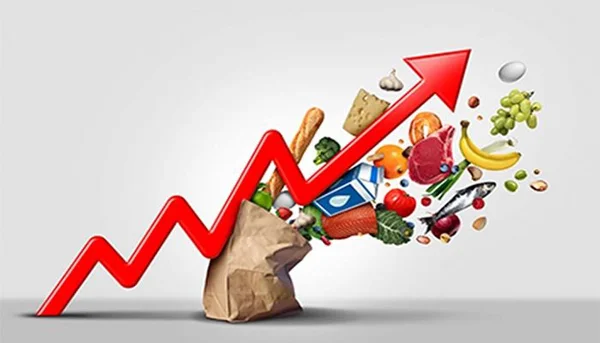
Bangladesh has been experiencing high inflation since early 2022, with inflation rates reaching 11.66 per cent in July 2024-highest in 13 years. Food inflation has been even more severe, hitting a record 14.10 per cent. According to the Bangladesh Bureau of Statistics (BBS), the inflation rate reached 9.13 per cent in February 2026, marking the highest level observed over the preceding ten months.
Furthermore, a surge in import demand at a time of rising global commodity prices added to surging inflation, accompanied by declining FDI. Notwithstanding some diversification within garments exports, the Bangladesh economy remains vulnerable to a downturn in global demand for clothing and textiles. The financial system is burdened by high non-performing loans (NPLs), which reached nearly 36 per cent in late 2025.
Bangladesh under the Hasina regime had claimed some of the highest and longest-sustained rates of growth of an emerging economy in the 21st century, supported by fast expansion in its textiles and services sector. But these claims need to be judged against how reliable those data were. Also, the growth that was achieved under Hasina was over-reliant on political patronage which enabled a handful of deeply corrupt industrial groups to amass huge wealth and then siphon that out of the country.
According to World Economics (a specialised organisation to provide insight, analysis and data relating to key issues of world economy):
1) Bangladesh GDP and population data are rated D/E respectively, which equates to unusable for serious decision making.
2) The Bangladesh governance index is also borderline D rated, meaning the government is untrustworthy, and may have interfered in the production of government economic and demographic data.
3) Hence GDP size and growth data and all demographic data are unreliable, as are all data (such as GDP per capita, Debt per capita etc) produced by the government.
4) More specifically, IMF data suggesting that Bangladesh has been one of the fastest growing countries in the world over the past decade is unlikely to be a reliable reflection of reality.
Against this backdrop, it is notable that in the month after the U.S. war against Iran began, fuel and food prices rose worldwide-including in advanced economies-pushing inflation higher. BBS data indicate that inflation in Bangladesh eased to 8.71 per cent in March 2026 from 9.13 per cent in February, despite severe fuel shortages impacting food and other daily essentials prices. Food inflation also declined, falling to 8.24 per cent in March from 9.30 per cent the month before.
Bangladesh's economy is currently navigating a "necessary reconstruction" under the newly elected government following significant political upheaval in late 2024. While the claimed "miracle" growth of the past decade has slowed, the country is projected to maintain a modest recovery through 2026, supported by strategic reforms and resilient sectors like pharmaceuticals and remittances. Meanwhile, the World Bank has downgraded Bangladesh's economic growth to 3.9 per cent for 2025-26 and further adding that an additional 1.2 million people will slide below the poverty line due to the current global economic turmoil.
Gross Domestic Product (GDP) in Bangladesh was worth 450.12 billion US dollars in 2024, according to official data from the World Bank. The GDP value of Bangladesh represents 0.42 per cent of the world economy. Although more than half of GDP is generated through the service sector, but 45 per cent of Bangladeshis are employed in the agriculture sector (accounting for 11 per cent of GDP) with rice as the single-most-important product.
Bangladesh's GDP (estimated at $519 billion as in early 2026) is driven heavily by private consumption followed by significant fixed investment and modest government spending, with a structural trade deficit. As of 2023, private consumption accounted for roughly 68.6 per cent of GDP, and fixed investment was 31.0 per cent, government spending 5.7 per cent and net exports(-) 5.3 per cent.
In terms of sectoral composition, the economy is shifting, with services accounting for 51.24 per cent of GDP, manufacturing and other industries 37.65 per cent, and agriculture 11.2 per cent (FY 25 data). Manufacturing (garments) and construction were the major growth drivers. The IMF projects nominal GDP to reach $519.29 billion by 2026.
Risks to the outlook are significant, including vulnerability to weather events that can hurt the agricultural sector and the potential for even higher global food and energy prices that could further squeeze household budgets further exacerbating cost of living pressure notwithstanding the current Iran war. Financial sector vulnerabilities could worsen given asset quality risks at many banks, which could create further pressure on liquidity in the banking system. Greater competition in garments production is likely from other low-cost countries such as Vietnam and Sri Lanka.
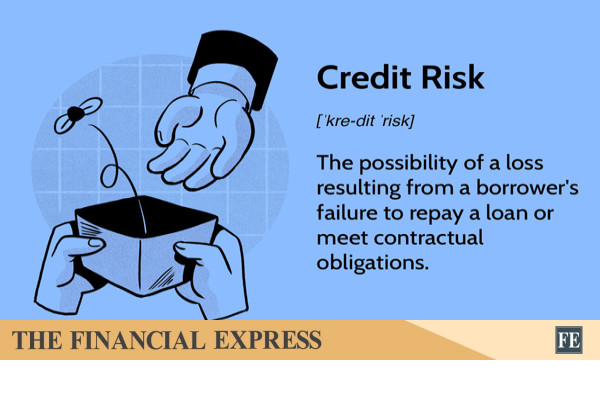
Country risk in the case of Bangladesh is moderate to high. The OECD country credit grade is 5, indicating that there may be a moderate to high chance the country will be unable or unwilling to meet its external debt obligations. This risk rating balances a modest government debt burden and a manageable external debt schedule against low per capita incomes, a weak banking sector, foreign exchange pressures and governance challenges.
Political risk is moderate to high in Bangladesh. Rivalries within and between political parties often results in local violence. Related to this, Worldwide Governance indicators show Bangladesh is well below the regional average for political stability and absence of violence, and lower on all other indicators of governance. Political unrest remains a notable risk to the implementation of economic reforms.
According to the World Bank, Bangladesh's economy is projected to grow by 3.9 per cent in FY26. This outlook combines modest growth with high inflation and persistent structural headwinds, including declining domestic investment and FDI. Longer-term prospects depend on political stability, structural reforms, and export diversification beyond ready-made garments.
Bangladesh faces major macro-financial risks, driven by weak revenue collection, a dysfunctional financial sector, and persistently high inflation. The newly elected government must urgently stabilise a slowing economy by bringing inflation under control, rebuilding foreign-exchange reserves, and raising tax revenue from a low base, with the tax-to-GDP ratio now at 7 per cent.
Key strategic initiatives include sweeping reform measures, fostering foreign direct investment (FDI), diversification away from the garments sector, and tackling banking sector weakness. The government must balance these reforms with the need to prevent public dissatisfaction, as measures like tax hikes and subsidy cuts carry risks of protests.
Therefore, the next growth phase can be steadier only if anchored in economic fundamentals, governance, compliance, and long-term value creation rather than political patronage.
However, many issues remain to be addressed for Bangladesh to fully realise its social and economic potential. Bangladesh's democratic transition is still severely hampered by entrenched economic vulnerabilities and governance deficits. Some 2 million young Bangladeshis enter the workforce each year, though youth unemployment already stands at 13.5 per cent.
To add to the domestic economic challenges, the longer Trump's war against Iran drags on, the worse the global food crisis will be. The war against Iran has changed the global economy. Oil price has surged past $100 per barrel and markets are coming under serious strain.
The global economy cannot withstand a prolonged period of high energy prices without sliding into recession. If policymakers respond by financing the downturn through money printing, inflation will surge, weighing on business hiring and investment decisions.
The longer Trump's war against Iran drags on, the worse global food and fuel crisis will be with serious implications for the Bangladesh economy. More importantly, countries like Bangladesh will take a double hit; first there is the rise in the dollar price of oil, and there is the additional hike resulting from the fall in in their currencies in relation to the dollar.
The short-term cost is the shortage of oil, natural gas, fertilisers, and other items that would ordinarily travel through the Strait of Hormuz. This shortage has already sent prices of many items soaring. The impact is not just on the goods themselves; there is a large secondary impact due to higher shipping costs and if fertilizer supplies are not resumed soon, higher food prices due to lower crop yields. This is a big hit to people in wealthy countries, but it is life-threatening for people living on the edge in Sub-Saharan Africa and South Asia. Bangladesh now faces a growing risk of simultaneous economic, financial, political, and social crises that could threaten its economic stability.
Muhammad Mahmood
Published :
Apr 25, 2026 23:22
Updated :
Apr 25, 2026 23:22
When Bangladesh Prime Minister Sheikh Hasina fled to India in the face of a mass uprising on August 5, 2024, the country was not simply between governments, it was in a freefall. An interim government was formed under the leadership of Nobel Laureate Dr Mohammad Yunus to stabilise the political and economic situation and to steer Bangladesh towards free and fair elections. When Dr. Yunus and his team of advisers stepped into, it was not a functioning state, it was institutional wreckage requiring reconstruction. What followed was a period of institution-rebuilding.
The reform process undertaken by the interim government was arguably the most consequential undertaking. But it has also managed to shore up a cross-party political consensus (excluding the Awami League), helping to reach agreement on the July Charter. Its final task was to take a smooth exit from Bangladesh's political scene by ensuring credible, peaceful polls, then transferring power to a democratically elected administration.
On February 12, what observers view as the country's first genuinely competitive national election in over two decades, millions of voters queued at thousands of polling stations across constituencies, many casting a meaningful ballot for the first time since 2008. The February 12 election is the culmination of 18 months of work by the interim government that inherited a country in crisis and was tasked with steering it towards democratic renewal. The elections marked the final step in the delicate political transition that has been under way for a year and a half.
The Bangladesh Nationalist Party (BNP) won the election with two thirds majority under the leadership of Tarique Rahman. Amid hopes for economic and societal reforms, however, people are still wary about the future direction of the country.
The Rahman government now faces daunting post-election challenges in economy and will have to tackle the country's sluggish economy, high inflation and unemployment. Creditworthiness remains on par with emerging and developing Asian countries, but indicators on the business climate and per capita incomes lag most other regional peers. Despite claimed strong recovery from the COVID-19 pandemic, Bangladesh's economy felt the pinch from high inflation, power and energy shortages, global economic uncertainty and continued monetary policy tightening since 2023. Now Trump's war on Iran has created a looming serious energy crisis facing the country which can spill over into food supply disruptions.
Bangladesh has been experiencing high inflation since early 2022, with inflation rates reaching 11.66 per cent in July 2024-highest in 13 years. Food inflation has been even more severe, hitting a record 14.10 per cent. According to the Bangladesh Bureau of Statistics (BBS), the inflation rate reached 9.13 per cent in February 2026, marking the highest level observed over the preceding ten months.
Furthermore, a surge in import demand at a time of rising global commodity prices added to surging inflation, accompanied by declining FDI. Notwithstanding some diversification within garments exports, the Bangladesh economy remains vulnerable to a downturn in global demand for clothing and textiles. The financial system is burdened by high non-performing loans (NPLs), which reached nearly 36 per cent in late 2025.
Bangladesh under the Hasina regime had claimed some of the highest and longest-sustained rates of growth of an emerging economy in the 21st century, supported by fast expansion in its textiles and services sector. But these claims need to be judged against how reliable those data were. Also, the growth that was achieved under Hasina was over-reliant on political patronage which enabled a handful of deeply corrupt industrial groups to amass huge wealth and then siphon that out of the country.
According to World Economics (a specialised organisation to provide insight, analysis and data relating to key issues of world economy):
1) Bangladesh GDP and population data are rated D/E respectively, which equates to unusable for serious decision making.
2) The Bangladesh governance index is also borderline D rated, meaning the government is untrustworthy, and may have interfered in the production of government economic and demographic data.
3) Hence GDP size and growth data and all demographic data are unreliable, as are all data (such as GDP per capita, Debt per capita etc) produced by the government.
4) More specifically, IMF data suggesting that Bangladesh has been one of the fastest growing countries in the world over the past decade is unlikely to be a reliable reflection of reality.
Against this backdrop, it is notable that in the month after the U.S. war against Iran began, fuel and food prices rose worldwide-including in advanced economies-pushing inflation higher. BBS data indicate that inflation in Bangladesh eased to 8.71 per cent in March 2026 from 9.13 per cent in February, despite severe fuel shortages impacting food and other daily essentials prices. Food inflation also declined, falling to 8.24 per cent in March from 9.30 per cent the month before.
Bangladesh's economy is currently navigating a "necessary reconstruction" under the newly elected government following significant political upheaval in late 2024. While the claimed "miracle" growth of the past decade has slowed, the country is projected to maintain a modest recovery through 2026, supported by strategic reforms and resilient sectors like pharmaceuticals and remittances. Meanwhile, the World Bank has downgraded Bangladesh's economic growth to 3.9 per cent for 2025-26 and further adding that an additional 1.2 million people will slide below the poverty line due to the current global economic turmoil.
Gross Domestic Product (GDP) in Bangladesh was worth 450.12 billion US dollars in 2024, according to official data from the World Bank. The GDP value of Bangladesh represents 0.42 per cent of the world economy. Although more than half of GDP is generated through the service sector, but 45 per cent of Bangladeshis are employed in the agriculture sector (accounting for 11 per cent of GDP) with rice as the single-most-important product.
Bangladesh's GDP (estimated at $519 billion as in early 2026) is driven heavily by private consumption followed by significant fixed investment and modest government spending, with a structural trade deficit. As of 2023, private consumption accounted for roughly 68.6 per cent of GDP, and fixed investment was 31.0 per cent, government spending 5.7 per cent and net exports(-) 5.3 per cent.
In terms of sectoral composition, the economy is shifting, with services accounting for 51.24 per cent of GDP, manufacturing and other industries 37.65 per cent, and agriculture 11.2 per cent (FY 25 data). Manufacturing (garments) and construction were the major growth drivers. The IMF projects nominal GDP to reach $519.29 billion by 2026.
Risks to the outlook are significant, including vulnerability to weather events that can hurt the agricultural sector and the potential for even higher global food and energy prices that could further squeeze household budgets further exacerbating cost of living pressure notwithstanding the current Iran war. Financial sector vulnerabilities could worsen given asset quality risks at many banks, which could create further pressure on liquidity in the banking system. Greater competition in garments production is likely from other low-cost countries such as Vietnam and Sri Lanka.
Country risk in the case of Bangladesh is moderate to high. The OECD country credit grade is 5, indicating that there may be a moderate to high chance the country will be unable or unwilling to meet its external debt obligations. This risk rating balances a modest government debt burden and a manageable external debt schedule against low per capita incomes, a weak banking sector, foreign exchange pressures and governance challenges.
Political risk is moderate to high in Bangladesh. Rivalries within and between political parties often results in local violence. Related to this, Worldwide Governance indicators show Bangladesh is well below the regional average for political stability and absence of violence, and lower on all other indicators of governance. Political unrest remains a notable risk to the implementation of economic reforms.
According to the World Bank, Bangladesh's economy is projected to grow by 3.9 per cent in FY26. This outlook combines modest growth with high inflation and persistent structural headwinds, including declining domestic investment and FDI. Longer-term prospects depend on political stability, structural reforms, and export diversification beyond ready-made garments.
Bangladesh faces major macro-financial risks, driven by weak revenue collection, a dysfunctional financial sector, and persistently high inflation. The newly elected government must urgently stabilise a slowing economy by bringing inflation under control, rebuilding foreign-exchange reserves, and raising tax revenue from a low base, with the tax-to-GDP ratio now at 7 per cent.
Key strategic initiatives include sweeping reform measures, fostering foreign direct investment (FDI), diversification away from the garments sector, and tackling banking sector weakness. The government must balance these reforms with the need to prevent public dissatisfaction, as measures like tax hikes and subsidy cuts carry risks of protests.
Therefore, the next growth phase can be steadier only if anchored in economic fundamentals, governance, compliance, and long-term value creation rather than political patronage.
However, many issues remain to be addressed for Bangladesh to fully realise its social and economic potential. Bangladesh's democratic transition is still severely hampered by entrenched economic vulnerabilities and governance deficits. Some 2 million young Bangladeshis enter the workforce each year, though youth unemployment already stands at 13.5 per cent.
To add to the domestic economic challenges, the longer Trump's war against Iran drags on, the worse the global food crisis will be. The war against Iran has changed the global economy. Oil price has surged past $100 per barrel and markets are coming under serious strain.
The global economy cannot withstand a prolonged period of high energy prices without sliding into recession. If policymakers respond by financing the downturn through money printing, inflation will surge, weighing on business hiring and investment decisions.
The longer Trump's war against Iran drags on, the worse global food and fuel crisis will be with serious implications for the Bangladesh economy. More importantly, countries like Bangladesh will take a double hit; first there is the rise in the dollar price of oil, and there is the additional hike resulting from the fall in in their currencies in relation to the dollar.
The short-term cost is the shortage of oil, natural gas, fertilisers, and other items that would ordinarily travel through the Strait of Hormuz. This shortage has already sent prices of many items soaring. The impact is not just on the goods themselves; there is a large secondary impact due to higher shipping costs and if fertilizer supplies are not resumed soon, higher food prices due to lower crop yields. This is a big hit to people in wealthy countries, but it is life-threatening for people living on the edge in Sub-Saharan Africa and South Asia. Bangladesh now faces a growing risk of simultaneous economic, financial, political, and social crises that could threaten its economic stability.