Bangladesh Defense
Saif
Senior Member
- Jan 24, 2024
- 21,701
- 9,794
- Nation

- Residence
- Axis Group


Overcoming barriers to business
Formulating investment-friendly policies, reducing cost of doing business, developing infrastructures and streamlining as well as modernising the government departments to ensure the necessary services to business enterprises have been the main focus of view exchanges at the meetings held at differ
Overcoming barriers to business
SYED FATTAHUL ALIM
Published :
May 02, 2026 23:24
Updated :
May 02, 2026 23:24

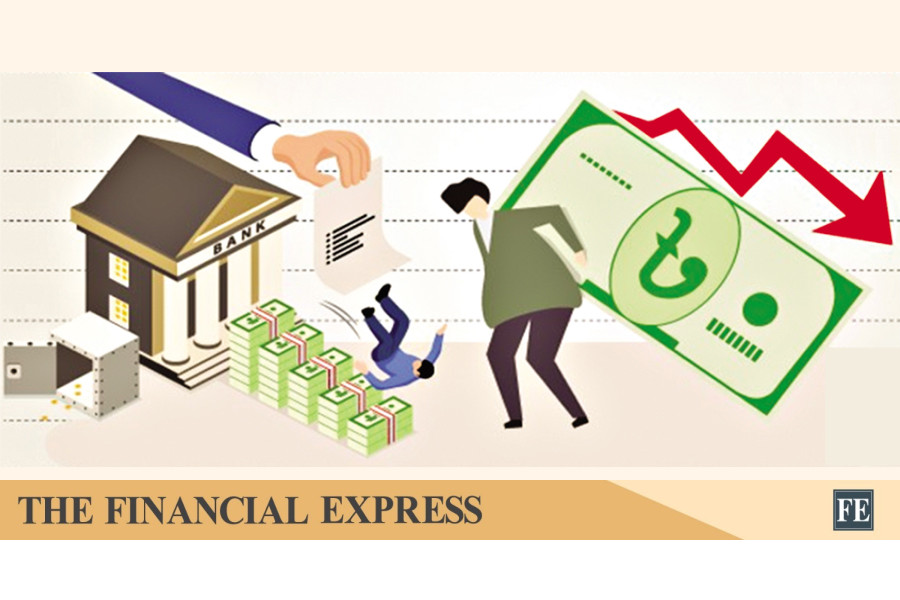
Formulating investment-friendly policies, reducing cost of doing business, developing infrastructures and streamlining as well as modernising the government departments to ensure the necessary services to business enterprises have been the main focus of view exchanges at the meetings held at different forums over the past few days. In this connection, the Federation of Bangladesh Chambers of Commerce and Industry (FBCCI) in its pre-budget discussion emphasized structural reforms in tax systems, especially reduction of minimum tax on annual gross turnovers. The apex business body argued that under the current system, businesses have to pay such tax even when they sustain losses amid high inflation and high interest rates, shortages of foreign currency and rising input costs.
Actually, the apex trade body pleaded for phasing out tax on the businesses that are operating at a zero or negative taxable incomes and the newly-established businesses for a certain period of time. Businesses would naturally seek tax reduction to lower their cost of businesses and maximize profit. However, in the present case, the proposal seems existential since businesses in general have suffered in recent years due to multiple factors of both international and domestic origin. Those include, for instance, the Ukraine war that started in February 2022 and the recent wars on Iran started by Israel and the USA resulting in the closure and blockade of a major global energy route, the Strait of Hormuz. These international issues have disrupted global supply chains and left its deleterious impacts on businesses and investments globally and Bangladesh has been no exception to that. Add to those the domestic factors like the student-led July uprising of 2024 leading to the handover of power to the interim government. Together these issues have militated against the growth of business in this part of the world. Meanwhile, the rate of inflation began to rise in early 2022, which further escalated following the hiking up of fuel prices in August 2022 by the then-government and has since remained a persistent challenge for the economy with the rates (of inflation) hovering above 9 to 10 per cent throughout 2023, 2024 and early 2025. Even in early 2026, the rate of inflation has remained high. The tightening of monetary policy by pre-July 2024 autocracy and continued by the interim government through raising central bank's policy rate did not help. The new BNP government is evidently bearing the burden of the legacy it has inherited from the past. Naturally, the business community who has been taking the most hit all these years is seeking a breathing space from the incumbent government that enjoys a popular mandate.
As expected, among all other issues the business community is grappling with to run its operations, the prevailing tax regime and bank interest rates have proved to be the major stumbling blocks to its growth. So far as the tax system is concerned, it is still holding the old legacy of arbitrariness. What is required, on the contrary, is a taxation system that is sensitive to special needs of the taxpaying businesses or individuals. But how is the government going to address, for instance, the tax-related concerns of the business community when it (the government) has to maintain macroeconomic stability by enhancing domestic revenue mobilization, managing debt and optimizing public spending, particularly to finance social safety nets, health, education and maintaining as well as developing infrastructures? No doubt, as a major source of the government's revenue earnings, taxation plays a critical role. In that case, rather than being lazy and limiting the revenue department's collection within a given group of citizens and businesses, the best option is to expand the tax-base. But simply holding tax fairs is not going to address the problem. The revenue department has to be innovative in its approach to attract potential taxpayers still remaining beyond the tax-net. The stakeholders in this connection also pointed out the bottlenecks arising out of the person-based structure of revenue collection system. So, as suggested by business leaders as well as some executives of the international trade bodies, to address human-bias, the taxation system should be institutionalized through digitalization. As part of modernizing revenue regime, some development partners laid emphasis on digitalization of the customs procedures. Also, the bureaucracy was pointed out as a major bottleneck to foreign as well as domestic investment. While bureaucracy breeds corruption and kills time, unpredictability at the policy level is yet another big impediment to investments in the economy. Such unpredictability or uncertainties can largely be attributed to changes of governments either through constitutional or by unconstitutional means. Notably, Bangladesh has experienced either form of change in government over time. Small wonder foreign governments and investors often stress continuity of policy as the most-sought-after condition for overseas investments. On this score, business leaders and policymakers at a dialogue on business climate underscored among other issues the importance of regulatory predictability that would help set priorities in the upcoming budget for the next fiscal. Evidently, such predictability would go a long way in easing doing business and bolstering investor confidence. Evidently, that would strengthen investment climate and support sustainable economic growth.
In fact, regulatory complexity, policy unpredictability and the barriers to investment have remained the major obstacles to businesses. Those are, as though, constraints no government ever denied, but could do little to do away with. Nevertheless, the businesses are pinning their hopes on the incumbent government to address such intractable problems stymieing their progress since long. Reassuringly, Prime Minister Tarique Rahman in his response to an MP's query in parliament on Wednesday (April 29) regarding his government's plans to improve the country's investment climate and promote job creation, he put forward a 180-day plan aiming to strengthen the foundation for investment growth through short-term administrative, institutional and infrastructural measures to create a business-friendly environment in the country. The plan, the prime minister further informed, was jointly prepared by the Bangladesh Investment Development Authority (BIDA), Bangladesh Economic Zones Authority (BEZA), Public Private Partnership (PPP) Authority and Maheshkhali Integrated Development Authority (MIDA). Clearly, this is a highly-focused initiative from the highest policy level of the present government. Businesses might take heart from the prime minister's short-term plan to improve investment climate in the country.
SYED FATTAHUL ALIM
Published :
May 02, 2026 23:24
Updated :
May 02, 2026 23:24
Formulating investment-friendly policies, reducing cost of doing business, developing infrastructures and streamlining as well as modernising the government departments to ensure the necessary services to business enterprises have been the main focus of view exchanges at the meetings held at different forums over the past few days. In this connection, the Federation of Bangladesh Chambers of Commerce and Industry (FBCCI) in its pre-budget discussion emphasized structural reforms in tax systems, especially reduction of minimum tax on annual gross turnovers. The apex business body argued that under the current system, businesses have to pay such tax even when they sustain losses amid high inflation and high interest rates, shortages of foreign currency and rising input costs.
Actually, the apex trade body pleaded for phasing out tax on the businesses that are operating at a zero or negative taxable incomes and the newly-established businesses for a certain period of time. Businesses would naturally seek tax reduction to lower their cost of businesses and maximize profit. However, in the present case, the proposal seems existential since businesses in general have suffered in recent years due to multiple factors of both international and domestic origin. Those include, for instance, the Ukraine war that started in February 2022 and the recent wars on Iran started by Israel and the USA resulting in the closure and blockade of a major global energy route, the Strait of Hormuz. These international issues have disrupted global supply chains and left its deleterious impacts on businesses and investments globally and Bangladesh has been no exception to that. Add to those the domestic factors like the student-led July uprising of 2024 leading to the handover of power to the interim government. Together these issues have militated against the growth of business in this part of the world. Meanwhile, the rate of inflation began to rise in early 2022, which further escalated following the hiking up of fuel prices in August 2022 by the then-government and has since remained a persistent challenge for the economy with the rates (of inflation) hovering above 9 to 10 per cent throughout 2023, 2024 and early 2025. Even in early 2026, the rate of inflation has remained high. The tightening of monetary policy by pre-July 2024 autocracy and continued by the interim government through raising central bank's policy rate did not help. The new BNP government is evidently bearing the burden of the legacy it has inherited from the past. Naturally, the business community who has been taking the most hit all these years is seeking a breathing space from the incumbent government that enjoys a popular mandate.
As expected, among all other issues the business community is grappling with to run its operations, the prevailing tax regime and bank interest rates have proved to be the major stumbling blocks to its growth. So far as the tax system is concerned, it is still holding the old legacy of arbitrariness. What is required, on the contrary, is a taxation system that is sensitive to special needs of the taxpaying businesses or individuals. But how is the government going to address, for instance, the tax-related concerns of the business community when it (the government) has to maintain macroeconomic stability by enhancing domestic revenue mobilization, managing debt and optimizing public spending, particularly to finance social safety nets, health, education and maintaining as well as developing infrastructures? No doubt, as a major source of the government's revenue earnings, taxation plays a critical role. In that case, rather than being lazy and limiting the revenue department's collection within a given group of citizens and businesses, the best option is to expand the tax-base. But simply holding tax fairs is not going to address the problem. The revenue department has to be innovative in its approach to attract potential taxpayers still remaining beyond the tax-net. The stakeholders in this connection also pointed out the bottlenecks arising out of the person-based structure of revenue collection system. So, as suggested by business leaders as well as some executives of the international trade bodies, to address human-bias, the taxation system should be institutionalized through digitalization. As part of modernizing revenue regime, some development partners laid emphasis on digitalization of the customs procedures. Also, the bureaucracy was pointed out as a major bottleneck to foreign as well as domestic investment. While bureaucracy breeds corruption and kills time, unpredictability at the policy level is yet another big impediment to investments in the economy. Such unpredictability or uncertainties can largely be attributed to changes of governments either through constitutional or by unconstitutional means. Notably, Bangladesh has experienced either form of change in government over time. Small wonder foreign governments and investors often stress continuity of policy as the most-sought-after condition for overseas investments. On this score, business leaders and policymakers at a dialogue on business climate underscored among other issues the importance of regulatory predictability that would help set priorities in the upcoming budget for the next fiscal. Evidently, such predictability would go a long way in easing doing business and bolstering investor confidence. Evidently, that would strengthen investment climate and support sustainable economic growth.
In fact, regulatory complexity, policy unpredictability and the barriers to investment have remained the major obstacles to businesses. Those are, as though, constraints no government ever denied, but could do little to do away with. Nevertheless, the businesses are pinning their hopes on the incumbent government to address such intractable problems stymieing their progress since long. Reassuringly, Prime Minister Tarique Rahman in his response to an MP's query in parliament on Wednesday (April 29) regarding his government's plans to improve the country's investment climate and promote job creation, he put forward a 180-day plan aiming to strengthen the foundation for investment growth through short-term administrative, institutional and infrastructural measures to create a business-friendly environment in the country. The plan, the prime minister further informed, was jointly prepared by the Bangladesh Investment Development Authority (BIDA), Bangladesh Economic Zones Authority (BEZA), Public Private Partnership (PPP) Authority and Maheshkhali Integrated Development Authority (MIDA). Clearly, this is a highly-focused initiative from the highest policy level of the present government. Businesses might take heart from the prime minister's short-term plan to improve investment climate in the country.