Home Watch Videos Wars Movies Login

[🇧🇩] New Government (BNP) in Bangladesh

[🇧🇩] New Government (BNP) in Bangladesh
83
2K
More threads by Saif

G Bangladesh Defense

PM off to New York to attend 81st UNGA session

1789962341193.webp

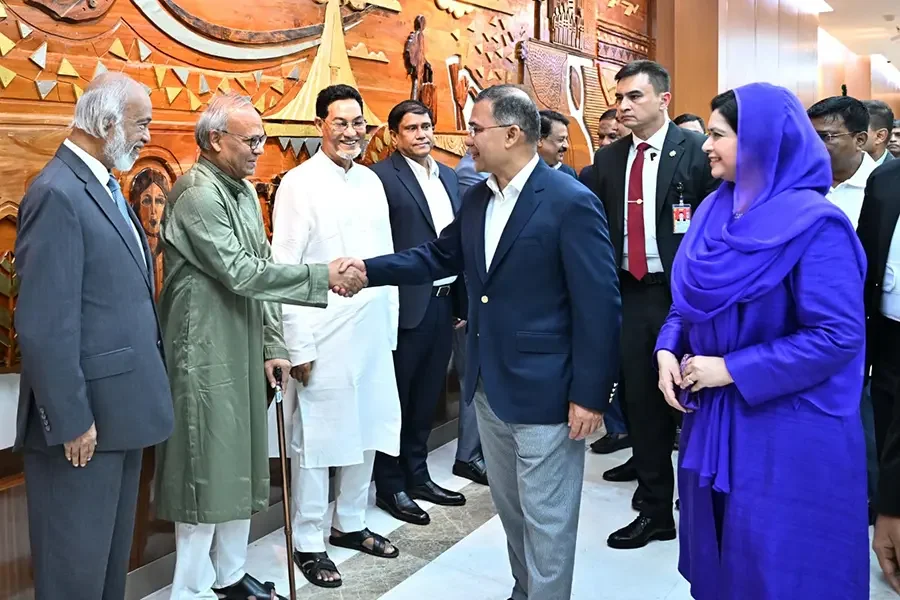
Prime Minister Tarique Rahman leaves Dhaka for New York early Monday to attend the 81st session of the United Nations General Assembly. Photo: PMO

Prime Minister Tarique Rahman Dhaka for New York early this morning (Monday) to attend the 81st session of the United Nations General Assembly (UNGA).

“A Turkish Airlines flight carrying the Prime Minister, his wife Dr Zubaida Rahman and other entourage members departed Hazrat Shahjalal International Airport at 6:05am,” Prime Minister’s Press Secretary AAM Saleh Shibly told BSS.

Meanwhile, Additional Press Secretary Atikur Rahman Ruman said, “The Prime Minister is scheduled to address the UNGA session on September 24 as he is leading a 26-member delegation to New York .”

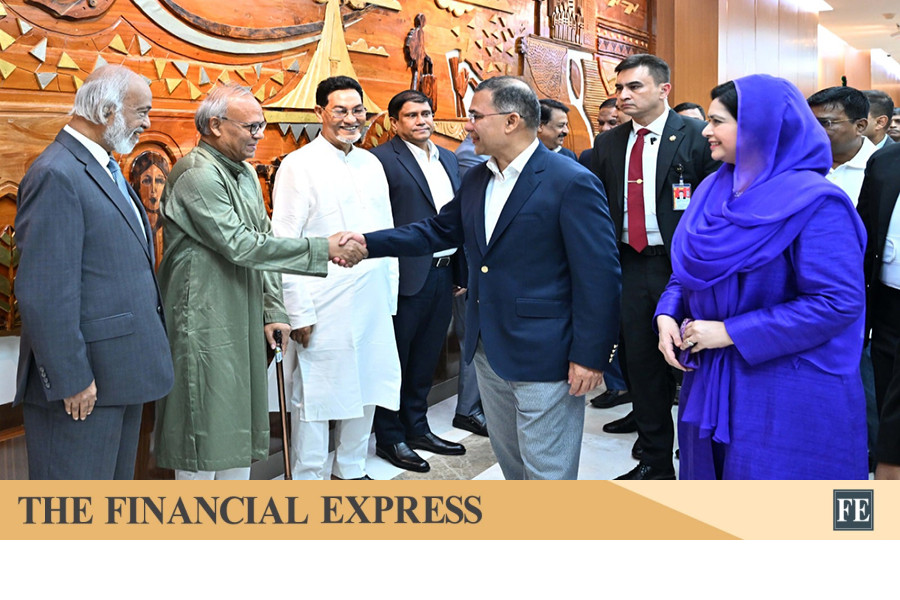
LGRD and Cooperatives Minister Dr Abdul Moyeen Khan, BNP Acting Secretary General Advocate Ruhul Kabir Rizvi, Chief Whip Nurul Islam Moni, Cabinet Secretary Nasimul Gani and PM's principal secretary ABM Abdus Sattar were present at the Airport to see the Prime Minister off.

After a flight of about eight hours and 45 minutes, the airline's carrier is scheduled to arrive at Istanbul Airport at 11:35am (Turkey time), en route to New Work.

The flight is scheduled to leave for New York at 2:10pm (Turkey Time) and arrive at John F Kennedy (JFK) International Airport at 5:55pm (New York Time) after a two-hour-and-35-minute stopover in Istanbul.

The Prime Minister will be received by Permanent Representative of Bangladesh to the United Nations in New York Irene Zubaida Khan and Bangladesh Ambassador to the United States Tareq Md Ariful Islam at the airport.

A motorcade will then escort him to the Hyatt Grand Central New York, where he will be staying during his visit.

Earlier, Foreign Secretary Asad Alam Siam at a Dhaka press conference, said the Prime Minister will attend a welcome breakfast hosted by UN Secretary-General António Guterres for heads of state and government on September 22.

He will subsequently join other world leaders at the opening of the session and attend a reception hosted by the US President in honour of heads of state and government and their spouses in the evening.

On September 23, the premier will exchange views with representatives of international charitable and humanitarian organisations at a breakfast meeting.

Later, he will address a meeting on tackling the global inequality crisis, jointly organised by Brazil, South Africa, Norway and Spain.

He will also attend a high-level meeting titled "Climate Action and the Just Transition," convened at the initiative of the UN Secretary-General.

On the same day at a side event on the Rohingya crisis, he will seek effective international cooperation to ensure the earliest possible repatriation of the forcibly displaced Rohingyas to Myanmar.

Foreign Secretary Asad Alam Siam said at the climate-related meetings, the Prime Minister will articulate Bangladesh's position as a climate-vulnerable country, with particular emphasis on climate finance, adaptation, technology transfer, loss and damage, and climate justice.

On September 24, the premier will deliver the opening remarks at a high-level meeting on the existential threats posed by sea-level rise. He will also attend two important side events hosted by Bangladesh.

He will address another side event on maternal and newborn health and midwifery as the chief guest on the same day.

Tarique Rahman will highlight the new government's initiatives and future plans for protecting maternal and child health and stress the importance of skilled and professionally trained midwifery services.

On the sidelines of the UNGA, the premier is scheduled to hold bilateral meetings with the Crown Prince of Kuwait and the prime ministers of Croatia, Bhutan, Thailand, Pakistan and Haiti.

The talks are expected to cover political and economic relations, trade and investment, development cooperation, the Rohingya crisis and other issues of mutual interest.

The Prime Minister is also scheduled to meet the UN Secretary-General, the President of the European Council, the President of the World Bank Group, the UN Secretary-General's Special Envoy on Myanmar, and the UN high commissioners for refugees and human rights.

He is also expected to meet the President of the International Peace Institute.

As part of the government's economic diplomacy, the premier will hold meetings with senior representatives of Meta, Wall Street and several other business organisations.

The Prime Minister is scheduled to leave New York for Dhaka from JFK international airport at 11:00pm (New York time) by Emirates flight EK202 on September 25.​
 
Analyze

Analyze Post

Add your ideas here:
Highlight Cite Respond

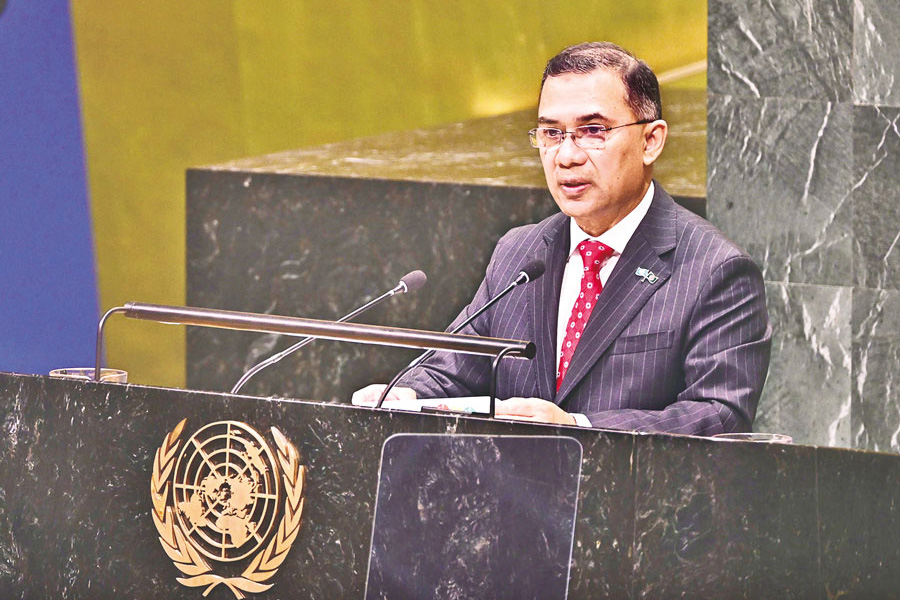
BNP govt’s benchmarking problem
Mowdud Rahman 21 September, 2026, 00:00

1789965675508.webp


AFTER 17 years of painstaking anticipation and widespread sacrifices by ordinary citizens, the people could finally vote relatively freely in the 2026 national elections. So, it is not a surprise that the BNP administration faces immense pressure in managing critical sectors, including energy, power, agriculture, health, industry and the economy. The domestic challenges are further compounded externally by the global rise of popular right-wing and neo-nationalistic politics and escalating conflict in the Middle East.

People here have lived through the time of tyranny, lawlessness, political favouritism and rampant corruption since independence, which reached record heights under the Sheikh Hasina administration and which was the very reason people overthrew the last regime through the July uprising in 2024 for a shift away from that governance system. And, while six months into its tenure, as ministers and party leaders continue blaming the Hasina regime for the current economic and energy chaos, it exposes a serious benchmarking problem. And, escaping responsibility through naming and shaming is only causing the current government to spiral downward by its own standards.

Legacy of failure

PROLONGED power outages and gas supply shortage are nothing new. However, with the Bangladesh Nationalist Party back in office, haunted memories resurface, bringing to the fore its previous anarchy in the power and energy sector, marked by rampant corruption and reckless mismanagement during the 2001–2006 BNP-Jamaat coalition government. According to Bangladesh Power Development Board records, total installed capacity reached 5,275MW by the end of 2006, with a peak generation of 3,812MW and transmission and distribution losses as high as 26.92 per cent. In contrast, by the end of 2024, installed capacity had expanded to 28,098MW with a record generation of 16,477MW, while T&D losses were reduced to 10.06 per cent. Furthermore, according to the Bangladesh Economic Review 2007, the growth rate of the electricity sector dropped from 7.6 per cent in 2000–01 to a mere 4.52 per cent in 2006–07 due to poor planning and a lack of vision during the 2001–2006 period.

According to Transparency International Bangladesh in 2007, performance reports on electricity distributors, including the Power Development Board and other entities, highlighted frequent power breakdowns and severe voltage fluctuations. As a result, 38.7 per cent of heavy industries suffered machinery damage, while 35 per cent of residential consumers faced damage to their home appliances. Furthermore, almost 90 per cent of ready-made garment factories were forced to rely on diesel generators; had they received a reliable grid supply, sector productivity and exports could have risen by an additional 5 per cent, representing a loss of roughly $290 million per year. The situation reached such a dire state that during a February 2006 panel discussion organised by the Federation of Bangladesh Chambers of Commerce and Industry, business leaders delivered a stark warning directly to the state minister for power, warning that the government’s fate in the upcoming general election would hinge entirely on the performance of the power ministry.

Does BNP regret its past?

THE energy and power sectoral history of Bangladesh between 2001 and 2006 was also marked by scandals and disastrous policy approaches. Notably, this period saw an attempt to export Bangladeshi natural gas to neighbouring India without considering long-term implications for national energy security. The plan was eventually scrapped following widespread public outrage.

During the 2001–2006 BNP tenure, there was an unprecedented level of protest in Dhaka and many other parts of the country due to severe power outages. In Dhaka alone, at least 80 people were injured as police fired rubber bullets and tear gas to disperse a crowd who torched cars and buses and barricaded major highways. In the north-western town of Kansat, the prolonged blackouts forced local citizens to organise in protest, which then turned out to be a riot situation, and 17 people were killed when police fired at protestors. Under the same BNP government, security forces opened fire on thousands of peaceful protesters in August 2006, killing several people and injuring dozens more in Phulbari when people took to the street to protest the open-pit coal mining project.

Amid that mounting public outrage, the government removed then-state minister for power Iqbal Hassan Mahmood, who later claimed interference from high-profile circles within the Prime Minister’s Office prevented him from functioning effectively. His successor, Anwarul Kabir Talukder, publicly admitted the crisis required a more pragmatic approach, only to be promptly dismissed within four months of assigning him to the ministry.

Paradoxically, the current administration has reappointed the very same individual to lead the ministry of power, energy, and mineral resources, a minister previously side-lined for failing to manage the exact same sector. If past performance is the benchmark, this appointment signals a troubling repetition of history rather than course correction.

Ultimately, the BNP government cannot disown its past record in the power and energy sector. The stark warnings issued by business leaders in 2006 proved prophetic: in the 2008 general election, voters overwhelmingly rejected the BNP, driven in large part by widespread frustration over the failure to deliver basic energy and power supply. In reality the planning gaps and implementation failures of the 2001–2006 term created a vacuum that set the stage for subsequent governments. The caretaker administration and the subsequent Awami League government capitalised on this deficit, initiating rapid privatisation, deregulation, and widespread corruption under the guise of unsolicited rental and quick-rental power plant contracts. Shielded by the indemnity act, this model resulted in over $8 billion paid solely in capacity charges and rental payments to private plant owners between 2009 and 2023, even when those facilities produced zero electricity.

It is very important for BNP to realise that in a functioning democracy, a political party’s obligation does not begin only when it assumes office; rather, it carries a vital duty of oversight while in opposition as well. If the BNP points to poorly planned projects and sixteen years of governance failures to explain the current energy and power sector crisis, we must also examine its own record as an opposition party from 2009 to 2024. It warrants a detailed study to understand why, during those sixteen years, the party failed to align with public grievances and failed to mobilise sustained mass mobilisation around energy sector mismanagement, the very mismanagement it now criticises so fiercely.

Rhetorical trap

THE BNP government’s refusal to deny the severe power and energy crisis this time is a genuinely good gesture, as successive governments have historically used denial as a tool to cover up crises in the first place. However, people haven’t voted to listen to a list of excuses from the government but rather to see concrete action to alleviate the problems. This is precisely where this administration risks turning against the people’s interest while prioritising vested interest and corporate agendas. And continuing the reciprocal trade deal with the United States that has already lost its legal foundation through the US Supreme Court is a clear reflection of the government sacrificing the national interest just to stay in the ‘good books’ of a foreign power to retain state control by any means.

Under this trade agreement, Bangladesh is committed to purchasing at least $15 billion worth of LNG, which is equivalent to a minimum of Tk 180,000 crore from the United States over the next 15 years on top of other US energy supplies. Historically, imports from the US have been low due to higher freight costs and longer transit times. Now bound by mandatory quotas, Bangladesh will be deprived of procuring energy supplies such as LNG, coal, and oil at lower prices and with shorter lead times from competitive global markets.

Furthermore, the contract dictates that Bangladesh must assist US investors in extracting and exporting mineral resources while granting US firms an equal playing field in domestic power generation. Crucially, no caps can be imposed on US capital investment in oil and gas, risking a situation where the massive financial capacity of foreign multinationals overwhelms local enterprises and capacity-building initiatives, turning the nation into a hub for monopoly interests.

Six months in, the government’s failure to renegotiate these anti-people clauses in the trade deal with the US reflects a troubling symptom: prioritising political survival over public welfare. This mindset threatens to corrupt future energy dealings, just as past regimes failed to resolve our crisis before. Thus, when ministers propose reviving the obsolete idea of open-pit mining, expanding LNG terminals, new gas field explorations or pursuing new solar projects, citizens have every right to be sceptical and ask: are these policies designed to resolve our energy and power crisis, or are they turning our economy over to further exploitation by corporate and political brokers?

Mowdud Rahman is an energy engineer and political economy analyst.​
 
Analyze

Analyze Post

Add your ideas here:
Highlight Cite Respond

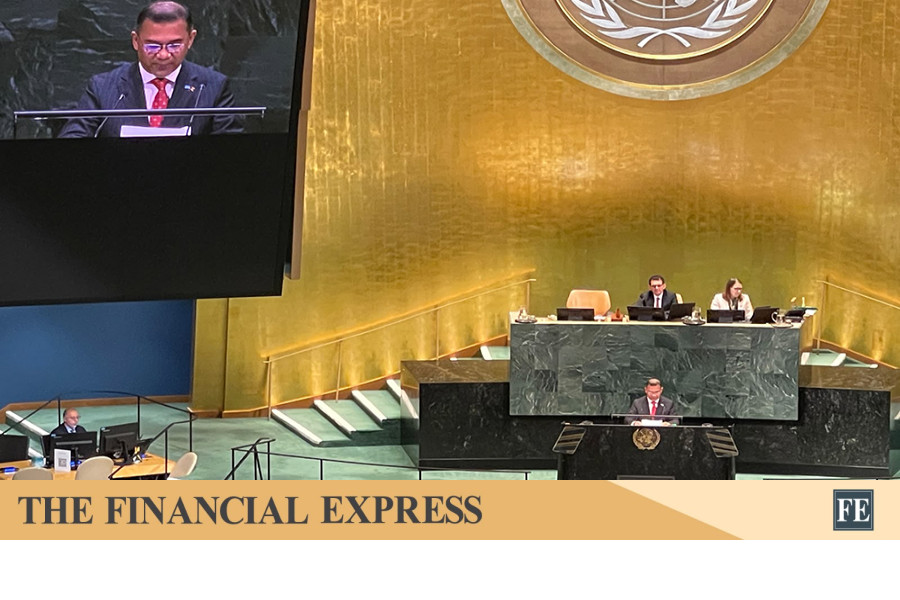
PM to present vision for Bangladesh, people’s rights and inclusive development at UNGA: Mahdi


1790055581317.webp


Prime Minister Tarique Rahman will present before the world community his vision for Bangladesh’s future, ways to safeguard the country’s interests, uphold people’s rights and ensure inclusive development at the United Nations General Assembly (UNGA), Prime Minister’s Office (PMO) Spokesperson Mahdi Amin said on Monday.

“Prime Minister Tarique Rahman will carry the same sense of patriotism, emotion and aspirations as his father and mother as he presents to the world community Bangladesh’s vision for the future, ways to safeguard the country’s interests, uphold the rights of its people and ensure inclusive development,” he said.

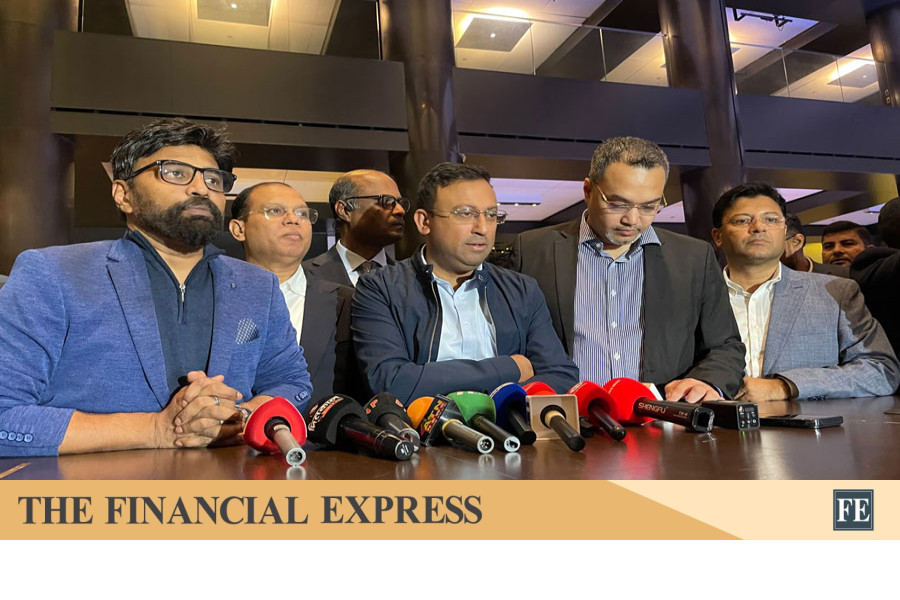
Mahdi, also Prime Minister’s adviser, was speaking at a briefing for Bangladeshi journalists at the Hyatt Grand Central New York after the Prime Minister arrived in New York to attend the 81st session of the UNGA.

He said Tarique Rahman’s maiden address to the UNGA on September 24 will be historic as he will become the third member of his family to represent Bangladesh at the world body.

His father, Shaheed President Ziaur Rahman, and mother, former Prime Minister Khaleda Zia, had earlier addressed the UNGA and presented Bangladesh’s interests, vision and plans before the international community, the PMO spokesperson said.

“Following the historical continuity, their son, current Prime Minister of Bangladesh Tarique Rahman, is now going to represent the country,” he said.

Mahdi said the Prime Minister’s four working days in New York will include bilateral and multilateral meetings, high-level UN events and other diplomatic engagements.

He said the Prime Minister’s engagements during the visit will seek to strengthen Bangladesh’s relations with other countries while advancing issues of national interest.

The adviser said he will also attend several high-level UN events, including meetings on climate change, the Rohingya crisis, global inequality, and maternal and newborn health.

He said Tarique Rahman has made the visit deliberately short, with one day spent travelling to the United States and another day returning to Bangladesh. “So, altogether, it is a six-day visit, with only four working days in between,” he said.

Mahdi said the Prime Minister’s official entourage comprises 35 members, including ministers, state ministers, advisers and special assistants, along with essential personnel for security, media and personal duties.

He said the relatively small delegation was in line with the government’s approach to keeping the visit focused on work rather than ceremony.

State Minister for Foreign Affairs Humaiun Kobir, who also spoke at the briefing, said the Prime Minister’s main objective in New York is to address the UNGA and present Bangladesh’s new vision and priorities to the international community.

“The main focus is addressing the United Nations General Assembly and presenting Bangladesh’s democratic transition and the policies and plans for a new Bangladesh,” he said.

Kobir said the Prime Minister will also hold a number of bilateral meetings with heads of government and participate in high-level meetings on the sidelines of the UNGA.

“On the sidelines of the United Nations, there will be meetings with heads of government and ministers from different countries. We will provide you with updates every day on the Prime Minister’s engagements,” he said.

The Prime Minister is scheduled to begin his formal UNGA engagements on Tuesday by attending a welcome breakfast hosted by UN Secretary-General António Guterres for heads of delegation.

He will then join the opening session of the 81st General Assembly at the UN Headquarters.

Asked whether the Prime Minister will have a bilateral meeting with US President Donald Trump, the state minister said the main purpose of the visit is to attend the UNGA.

“Bilateral visits are arranged separately at a time convenient for both sides. The purpose of this visit is the United Nations, so there may not be much scope for a separate bilateral discussion,” he said.

Mahdi said the Prime Minister will return to Bangladesh after completing his engagements without extending the visit.

He said the government’s team in New York will provide journalists with regular updates on the Prime Minister’s meetings and activities.

The briefing was also attended by Prime Minister’s Press Secretary Saleh Shibly, Additional Press Secretary Atikur Rahman Rumon and Bangladesh UN Mission’s Deputy Permanent Representative Wahiduzzaman.

The Prime Minister arrived in New York on Monday evening after a stopover in Istanbul. He is staying at the Hyatt Grand Central New York during his visit.​
 
Analyze

Analyze Post

Add your ideas here:
Highlight Cite Respond

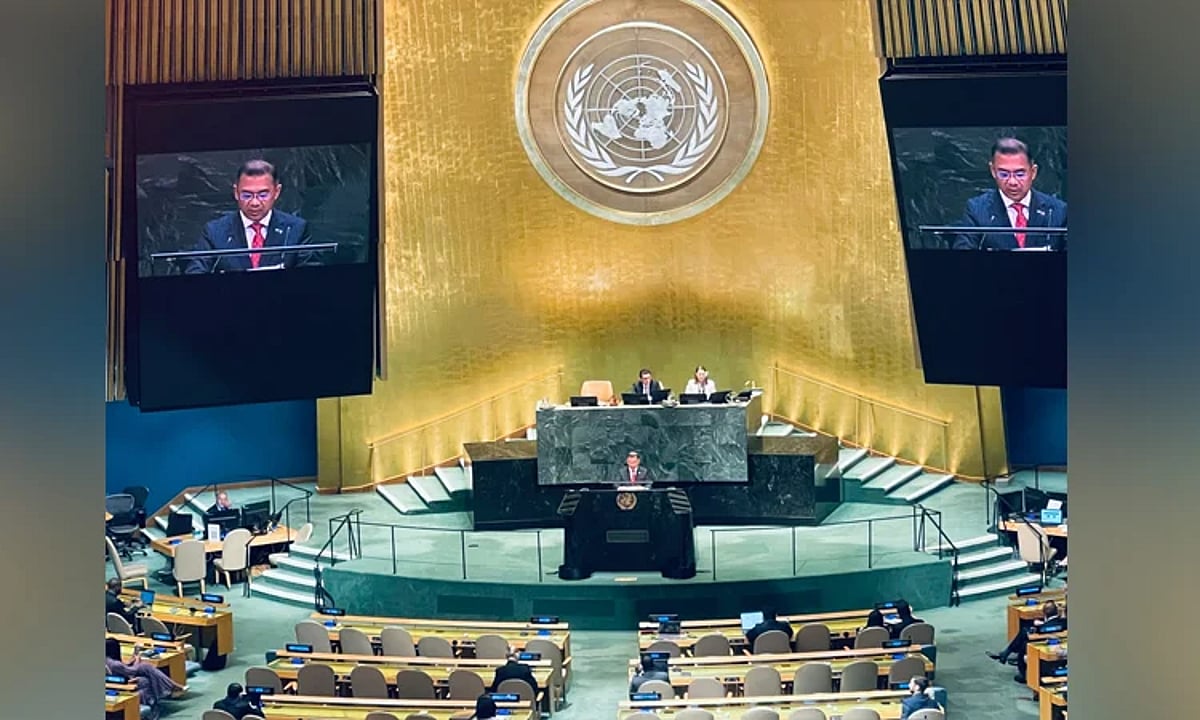
Prof Yunus addresses 81st UNGA high-level event on social business, youth and technology


1790133873499.webp


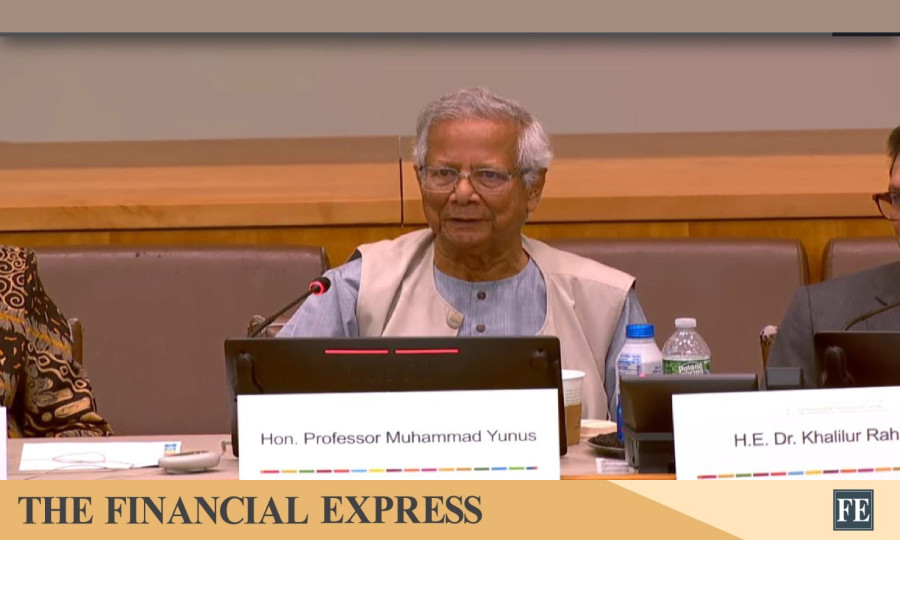
Nobel Peace Laureate Professor Muhammad Yunus addressed a high-level side event on "Social Business, Youth and Technology" held during the 81st Session of the United Nations General Assembly at the United Nations Headquarters in New York on Monday.

In his remarks, Professor Yunus highlighted the potential of microfinance, social business, youth entrepreneurship and technology in advancing the Sustainable Development Goals (SDGs) and building a World of Three Zeros, according to a media release.

Professor Yunus congratulated Dr. Khalilur Rahman on his election as President of the 81st Session of the United Nations General Assembly. He also extended special greetings to José Ramos-Horta, President of Timor-Leste and 1996 Nobel Peace Laureate, who attended the event.

He reflected on the 50-year journey of microfinance, the work of Grameen America and the role of social business in addressing various challenges facing society, particularly in healthcare.

Drawing on examples from Bangladesh, Professor Yunus highlighted healthcare centres, telehealth services and eye-care centres operated under social business initiatives, aimed at expanding access to healthcare, particularly for underserved communities.

Speaking about education and youth, Professor Yunus highlighted Grameen University, describing it as a different kind of university that seeks to prepare students not to become job seekers, but "job creators." He said the university is dedicated to building a World of Three Zeros and will encourage students to pursue entrepreneurial initiatives alongside their formal education.

In his remarks, Dr. Khalilur Rahman, President of the 81st Session of the UN General Assembly and Bangladesh's Foreign Minister, called for fundamental changes to the system rather than repeatedly addressing crises as they emerge.

He stressed the urgent need to accelerate progress towards the Sustainable Development Goals, noting that with only four years remaining until the 2030 deadline, just slightly more than 30 percent of the SDG targets are currently on track or progressing at the desired pace.

He described social business as an effective pathway towards sustainable development, highlighting its potential to move societies beyond short-term relief towards self-sustaining solutions.

President Ramos-Horta warmly congratulated Professor Yunus on Bangladesh's democratic transition, recalling his visit to Bangladesh in December 2024, shortly after beginning his second term as President of Timor-Leste. Reflecting on the tense and uncertain situation he witnessed at the time, he praised Professor Yunus's leadership during that critical period, saying the progress Bangladesh has made since then is "a great tribute to you, the new Bangladesh."

He expressed his deep respect and gratitude for Professor Yunus's courage and dedication in leading the country through this historic transition.

President Ramos-Horta also recalled inviting Professor Yunus to visit Timor-Leste in 2004, when the country was recovering from years of occupation and destruction and efforts were being made to introduce microfinance there. Reflecting on the early days of microfinance in the country, he said, "We had only hope and the firm belief that human dignity could be restored not through handouts, but by creating opportunities."

Turning to the challenges facing the world today, President Ramos-Horta highlighted geopolitical divisions, climate risks, economic inequality and rapid technological change, particularly the impact of artificial intelligence. He stressed that countries of the Global South must play an active role in shaping the future of global development and technological advancement.

The event emphasised the importance of placing people and social purpose at the centre of economic activity. It also highlighted the need to empower young people as entrepreneurs and problem-solvers, while harnessing technology to advance inclusive and sustainable development.

The event was organised as part of the week-long high-level programme held in New York on the occasion of the 81st Session of the United Nations General Assembly.

The event brought together a distinguished group of speakers, including Wellington Dias, State Minister of Development and Social Assistance of Brazil; Bilal Bin Saqib, Minister of State and Chairman, Virtual Assets Regulatory Authority (VARA), Pakistan; Dr. Mamadou Tangara, African Union High Representative for Mali and the Sahel, Head of MISAHEL, African Union; Kashifu Inuwa Abdullahi, CCIE, Director General and CEO, National Information Technology Development Agency (NITDA); Dr. Ismail Serageldin, Co-Chair, Nizami Ganjavi International Center (NGIC), Former Vice President, World Bank (1992–2000), Founding Director, Bibliotheca Alexandrina; Lamiya Morshed, Executive Director, Yunus Centre, Advisor, Global Committee on Social Business for Sustainable Development Goals; Kerry Kennedy, President, Robert F. Kennedy Human Rights; Andrea Jung, President & CEO, Grameen America; James Chau, President of the China-United States Exchange Foundation (CUSEF) and World Health Organization Goodwill Ambassador; Virginia Villar Arribas, Deputy Director, Private Sector Partnerships Division, UN World Food Programme (WFP); Dr. Miroslav Polzer, President & Executive Director, International Association for the Advancement of Innovative Approaches to Global Challenges (IAAI) and GloCha; Hamza Chishti, Director of Cloud & AI Innovation, Microsoft; Darius Nader Maleki, Vice Chairman, INGLOUS Foundation, Managing Director, Maleki Corporate Group; Christian Vanizette, Co-Founder, chilli.club & makesense.org, Obama Foundation Scholar; Monica Yunus and Camille Zamora, Co-Founders, Sing for Hope and Shazeeb M. Khairul Islam, Founder & Managing Director, YY Ventures, Trustee & CEO, 3ZERO Trust.

The event was moderated by Dominique V. Dauster, Managing Director, YY Foundation, and Alex Wang, Managing Director, Global Committee on Social Business for Sustainable Development Goals and President, Youthink Center, the release adds.​
 
Analyze

Analyze Post

Add your ideas here:
Highlight Cite Respond

Latest Posts

Back
 
G
O
 
H
O
M
E