[🇵🇰] Pakistan & Mid-East War

[🇵🇰] Pakistan & Mid-East War
23
318
More threads by Saif

G Pakistan Defense

US Iran peace talks could resume in Pakistan; Iran's foreign minister due, say sources

REUTERS
Published :
Apr 24, 2026 18:45
Updated :
Apr 24, 2026 18:45
1777074778441.webp

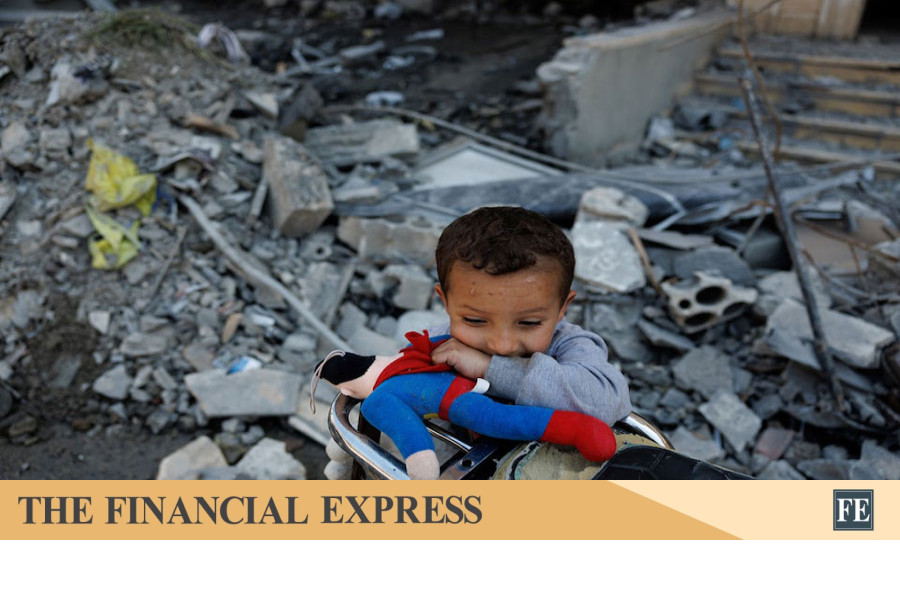
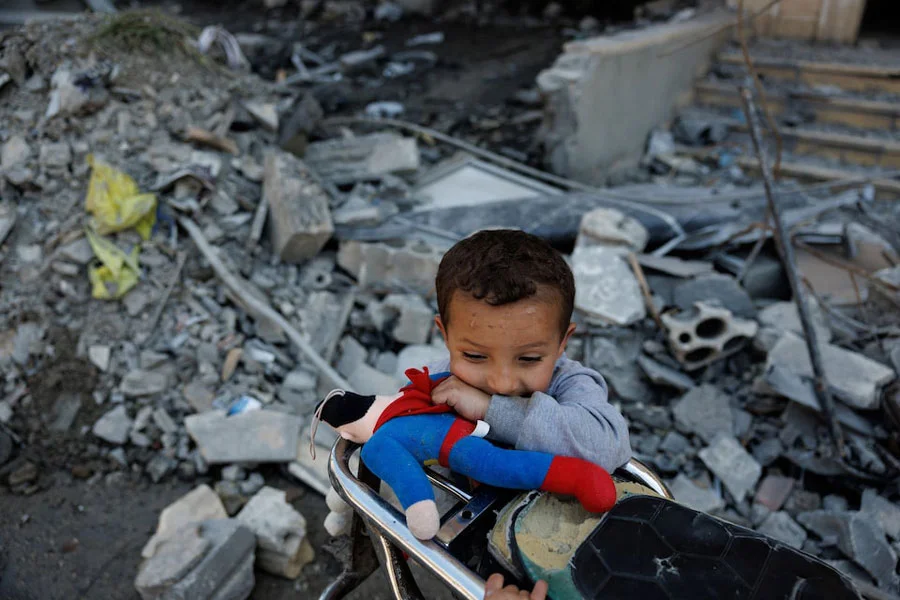
A child plays among the rubble of a building damaged by an Israeli strike, amid a temporary ceasefire between Lebanon and Israel, in Housh near Tyre, Lebanon, April 23, 2026. Photo : REUTERS/Zohra Bensemra

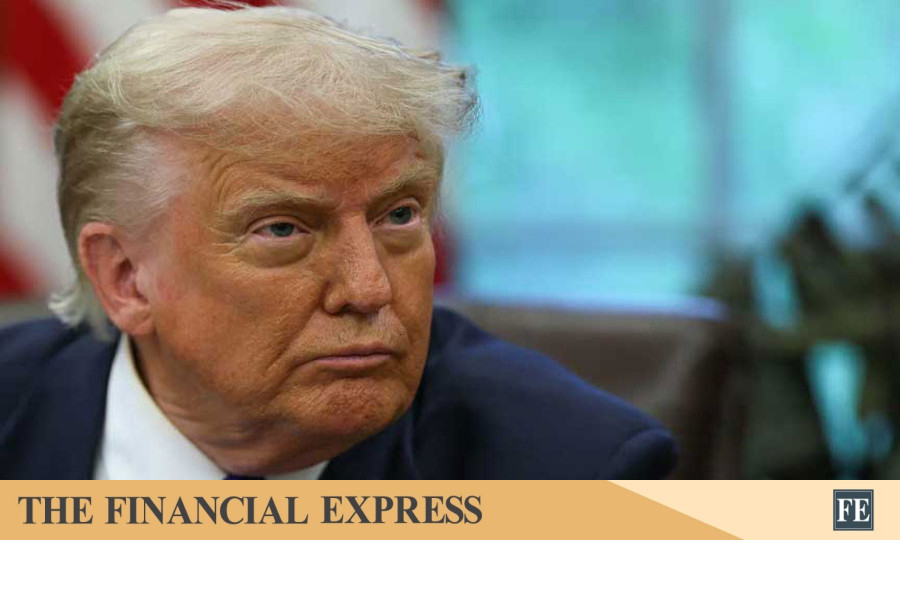
Peace talks between Iran and the United States could resume soon in Pakistan, where Iranian Foreign Minister Abbas Araqchi was expected to arrive on Friday night, three Pakistani sources said.

Two of the sources, from the Pakistani government, said a US logistics and security team was already in place for potential talks.

There was no immediate direct response from Washington or Tehran to the report, but US Defense Secretary Pete Hegseth, speaking around the same time, told a briefing that Iran had a chance to make a "good deal" with the United States.

The last round of peace talks ⁠had been expected on Tuesday but never took place, with Iran saying it was not yet ready to commit to attending and a US delegation led by Vice President JD Vance never leaving Washington.

President Donald Trump unilaterally extended a two-week ceasefire on Tuesday at the 11th hour to allow more time to reconvene the negotiators.

LEBANON CEASEFIRE EXTENDED

On Thursday, Israel and Lebanon extended a separate ceasefire for three weeks at a meeting at the White House brokered by Trump. Iran considers maintaining the ceasefire in Lebanon a precondition for talks with the United States on the wider war.

Trump said on Thursday he was in no rush to reach an ⁠agreement and wanted it to be "everlasting," while asserting that the US had an upper hand in a standoff in the Strait of Hormuz, the world's most important energy shipping route.

The United States has yet to find a way to open the strait, where Iran has blocked nearly all ships apart from its own since the start of the war ⁠eight weeks ago. Iran showed off its control this week by seizing two huge cargo vessels there.

Trump imposed a separate blockade of Iranian shipping last week, with US forces boarding several Iranian ships in international waters. Iran says it ⁠will not reopen the strait until Trump lifts his blockade.

Only five ships crossed the strait in the last 24 hours, shipping data showed on Friday, compared to around 130 a day before the war. Those included ⁠one Iranian oil products tanker, but none of the vast crude-carrying supertankers that normally feed global energy markets.

Container shipping company Hapag-Lloyd (HLAG.DE) also said one of its ships had crossed, without giving details.​
 

Iran's foreign minister heading to Islamabad for indirect talks with US

Reuters
Islamabad
Published: 24 Apr 2026, 22: 19

1777076904112.webp


Iran's Foreign Minister Abbas Araghchi AFP file photo

Iran's Foreign Minister Abbas Araqchi was expected in the Pakistani capital Islamabad on Friday to discuss proposals for restarting peace talks with the United States, but was not due to meet US negotiators.

Islamabad was the venue for talks between the U.S. and Iran on ending their war that collapsed earlier this week.

Araqchi said in a statement on X he was embarking on visits to Pakistan, Oman and Russia to coordinate with partners on bilateral matters and consult on regional developments, adding that Iran's neighbours remained Tehran's priority.

Two Pakistani government sources aware of the discussions said Araqchi's visit would be a brief one to discuss Iran's proposals for talks with the U.S., which mediator Pakistan would then convey to Washington.

There was no direct response from Washington to Araqchi's trip, but U.S. Defense Secretary Pete Hegseth, speaking around the same time the news emerged, told a briefing that Iran had a chance to make a "good deal" with the United States.

"Iran knows that they still have an open window to choose wisely ... at the negotiating table. ⁠All they have to do is abandon a nuclear weapon in meaningful and verifiable ways," he said.

Reports on Araqchi's trip in Iranian state media and the Pakistani sources made no mention of Mohammad Baqer Qalibaf, the speaker of Iran's parliament, who was the head of its delegation at the only talks held so far, earlier this month.

Pakistani sources had said earlier that a U.S. logistics and security team was already in place in Islamabad for potential talks.

The last round of peace talks had been expected on Tuesday but never took place, with Iran saying it was not yet ready to commit to attending and a U.S. delegation led by Vice President JD Vance never leaving Washington.

President Donald Trump unilaterally extended a two-week ceasefire on Tuesday at the 11th hour to allow more time to reconvene the negotiators.

Hezbollah dismisses Lebanon ceasefire extension

On Thursday, Israel and Lebanon extended a separate ceasefire for three weeks at a meeting at the White House brokered by Trump.

The war in Lebanon, which Israel invaded last month to root out Iran's Hezbollah allies after the militant group fired across the border, has run in parallel with the wider Iran war, and Tehran says a ceasefire there is a precondition for talks.

There was little sign of an end to the fighting in the south of the country, however, as ⁠Lebanese authorities reported two people killed by an Israeli strike and Hezbollah downed an Israeli drone.

While the ceasefire that came into force on April 16 has led to a significant reduction in hostilities, Israel and Hezbollah have continued to trade blows in southern Lebanon, where Israel has kept soldiers in a self-declared "buffer zone".

Responding to the extension, Hezbollah lawmaker Ali Fayyad said, "it is essential to point out that the ceasefire is meaningless in light of Israel's insistence on hostile acts, including assassinations, shelling, and gunfire" and its demolition of villages and towns in the south.

Strait of Hormuz blockade

Trump said on Thursday he was in no rush to reach an agreement with Iran and wanted it to be "everlasting," while ⁠asserting that the U.S. had an upper hand in a standoff in the Strait of Hormuz, the world's most important energy shipping route.

The United States has yet to find a way to open the strait, where Iran has blocked nearly all ships apart from its own since the start of the war eight weeks ago. Iran showed off its control this week by seizing two huge cargo vessels there.

Trump imposed a separate blockade of Iranian shipping last week, with U.S. forces ⁠boarding several Iranian ships in international waters. Iran says it will not reopen the strait until Trump lifts his blockade.

Only five ships crossed the strait in the last 24 hours, shipping data showed on Friday, compared to around 130 a day before the war. Those included one Iranian oil products tanker, but none of the vast crude-carrying supertankers that normally feed global energy markets.

Container shipping company Hapag-Lloyd said one of its ships had ⁠crossed, without giving details.
Though Trump has said that U.S. forces have destroyed Iran's naval threat, the use of a swarm of small, fast boats to seize the container ships on Thursday underscored Tehran's evolving tactics in the strait as it counters U.S. interception of Iran-linked oil tankers and other vessels.

Pressure for a way out of the war has mounted on Trump, meanwhile, as his fellow Republicans defend narrow majorities in Congress in the November midterm elections with U.S. gasoline prices high, inflation rising and his own approval ratings down.​
 

Trump says Iran can call if it wants to talk, as Iranian envoy returns to Pakistan

REUTERS

Published :
Apr 26, 2026 23:34
Updated :
Apr 27, 2026 00:14

1777246300078.webp


President Donald Trump said on Sunday that Iran could call if it wanted to negotiate an end to the war launched by the US and Israel, as Iran's foreign minister returned to Pakistan for talks despite the absence of US counterparts.

Hopes of reviving peace efforts had earlier receded after Trump scrapped a visit to Islamabad by his envoys Steve Witkoff and Jared Kushner, even as Iranian Foreign Minister Abbas Araghchi continued to shuttle between mediating countries.

"If they want to talk, they can come to us, or they can call us. You know, there is a telephone. We have nice, secure lines," Trump said in an interview on Fox News' "The Sunday Briefing."

"They know what has to be in the agreement. It's very simple: they cannot have a nuclear weapon, otherwise there's no reason to meet," Trump said.

Iran has long demanded Washington acknowledge its right to enrich uranium, which Tehran says it only seeks for peaceful purposes but which Western powers and Israel say is aimed at building nuclear weapons.

Although a ceasefire has paused full‑scale fighting in the conflict, which began with US-Israeli strikes on Iran on Feb 28, no agreement has been reached on terms to end a war that has killed thousands, driven up oil prices, fuelled inflation and darkened the outlook for global growth.

Tehran has largely closed the Strait of Hormuz, which normally carries a fifth of global oil shipments, while Washington has imposed a blockade of Iran's ports.

After holding talks in Pakistan, Araghchi flew to Oman - another mediator in the war - where he met the country's leader, Haitham bin Tariq al-Said, on Sunday.

They discussed security in the strait and Araghchi called for a regional security framework free of outside interference, according to Iran's foreign ministry.

Iranian Foreign Minister To Discuss Hormuz Strait

Araghchi later returned to Islamabad, Iranian state media reported. Pakistani government sources said he would hold talks with the country's leadership before heading to Moscow.

Iran's semi-official Tasnim news agency reported that Araghchi's talks with Pakistani officials would include "implementing a new legal regime over the Strait of Hormuz, receiving compensation, guaranteeing no renewed military aggression by warmongers, and lifting the naval blockade."

The talks would be unrelated to Iran's nuclear programme, the report said.

Speaking in Florida before being rushed out of the White House Correspondents' Association dinner in Washington when a man opened fire nearby, Trump said he cancelled his envoys' visit due to too much travel and expense for what he considered an inadequate Iranian offer.

Iran "offered a lot, but not enough," Trump said.

An earlier round of talks in Islamabad - in which Vice-President JD Vance led the US delegation opposite Iran's parliamentary speaker Mohammad Baqer Qalibaf - ended without agreement.

After the latest diplomatic trip was called off, two US Air Force C-17s carrying security staff, equipment and vehicles used to protect US officials flew out of Pakistan, two Pakistani government sources told Reuters on Sunday.

Trump Says Iran’s Leadership In Disarray

Iranian President Masoud Pezeshkian told Pakistani Prime Minister Shehbaz Sharif by phone that Tehran would not enter "imposed negotiations" under threats or blockade, according to a statement from the Iranian government.

He said the United States should first remove obstacles, including its maritime blockade, before negotiators could begin laying the groundwork for a settlement.

Writing on Truth Social before the shooting at the White House Correspondents' Dinner, Trump said there was "tremendous infighting and confusion" within Iran's leadership.

Pezeshkian said last week there were "no hardliners or moderates" in Tehran and that the country stood united behind its supreme leader.

The war has destabilised the Middle East - Iran has struck its Gulf neighbours and conflict between Israel and Iran-backed Hezbollah in Lebanon has been reignited.

Israel's military issued new evacuation orders for southern Lebanon on Sunday, ordering residents to leave seven towns beyond the "buffer zone" it occupied before a ceasefire that has failed to bring a full halt to hostilities.​
 

Pakistan still seeks to bridge US, Iran gaps despite failure of face-to-face talks

REUTERS

Published :
Apr 27, 2026 16:55
Updated :
Apr 27, 2026 16:55

1777334677114.webp

A motorcade believed to be carrying Iranian Foreign Minister Abbas Araghchi upon his departure, as Pakistan prepares to host the US and Iran for the second phase of peace talks in Islamabad, Pakistan, April 26, 2026. Photo : REUTERS/Akhtar Soomro

Work has not halted to bridge gaps between the United States and Iran, sources from mediator Pakistan said, despite the failure of face-to-face diplomacy after Donald Trump called off a trip by his envoys and told Iran to phone when it wants a deal.

Hopes of reviving peace efforts have receded since the US president scrapped a visit on Saturday by his envoys Steve Witkoff and Jared Kushner to Islamabad, the Pakistani capital, where Iranian Foreign Minister Abbas Araqchi shuttled in and out twice over the weekend.

Araqchi, who also visited Oman, arrived on Monday in Russia to meet President Vladimir Putin, a longstanding ally.

With the warring sides still seemingly far apart on issues including Iran's nuclear ambitions and access through the crucial Strait of Hormuz, oil prices resumed their upward march when trade reopened on Monday. Brent crude was up around 2.5% at around $108 a barrel.

"If they want to talk, they can come to us, or they can call us. You know, there is a telephone. We have nice, secure lines," Trump told "The Sunday Briefing" on Fox News.

ISLAMABAD REOPENS AFTER LOCKDOWN TO HOST TALKS

"They ⁠know what has to be in the agreement. It's very simple: They cannot have a nuclear weapon; otherwise, there's no reason to meet," Trump said.

In a sign that no face-to-face meetings are planned any time soon, streets reopened in Pakistan's capital Islamabad, which had been locked down for a week in anticipation of talks that never took place. The luxury hotel that had been cleared out to serve as a venue was again taking reservations from the public.

Pakistani officials said negotiations were still taking place remotely, but there were no plans to convene a meeting in person until the sides were close enough to sign a memorandum.

"The draft will be negotiated remotely till they reach some consensus," said a Pakistani source familiar with the negotiations.

Although a ceasefire has paused the US-Israeli strikes on Iran that began on February 28, no agreement has been reached on terms to end a war that has killed thousands, driven up oil prices, fuelled inflation and darkened the outlook for global growth.

Both sides could be settling in for a test of wills to see who can endure economic pain before making concessions.

Iran has largely blocked all shipping apart from its own from the Gulf through the Strait of Hormuz since the war began. This month, the United States began blockading ⁠Iranian ships, which Iran says must be halted as a condition for talks.

TRUMP FACES DOMESTIC PRESSURE TO END WAR

After Araqchi's first weekend visit to Islamabad, a Pakistani official said he had delivered a new Iranian proposal and criticism of the US proposal, without providing details.

News site Axios reported that the Iranian proposal would discuss ending the war and reopening the strait as first steps while leaving nuclear negotiations for a later stage.

With his approval ratings falling, Trump faces domestic pressure to end the unpopular war. Iran's leaders, though weakened militarily, have found leverage in negotiations with their ability to stop shipping in the strait, which normally carries a fifth of global oil shipments.

While Araqchi met Pakistani officials, Trump, ⁠speaking in Florida on Saturday, said he cancelled his envoys' visit due to too much travel and expense for what he considered an inadequate Iranian offer. Iran "offered a lot, but not enough," he said. Iranian officials had already played down any suggestion that Araqchi might meet Americans while in Islamabad.

FIGHTING INTENSIFIES IN LEBANON

Fighting has intensified in Lebanon, where Israeli strikes killed 14 people and wounded 37 in the south on Sunday, according to the health ministry, making it the deadliest ⁠day since a US-brokered ceasefire was agreed in mid-April.

Iran says it will not hold talks on the wider conflict unless a ceasefire also holds in Lebanon, which Israel invaded in March in pursuit of the Iran-backed group Hezbollah, which fired across the border in support of Tehran.

Israel and Hezbollah blame each other for violating the truce, which was agreed between Israel and the Lebanese government in Washington and extended last week.

Israeli ⁠forces have ordered hundreds of thousands of people out of their villages and have been bulldozing homes where they say Hezbollah fighters operated. The military warned residents on Sunday to leave seven more towns beyond the occupied buffer zone.

Reuters journalists on a vantage point across the border in northern Israel filmed columns of smoke rising into the sky above southern Lebanon and the constant sound of explosions.​
 

Peace efforts stall, US examines Iran proposal
Agence France-Presse . Washington 29 April, 2026, 00:02

1777423931865.webp

While a ceasefire has halted the fighting between the US and Iran, talks to permanently end the war have proven inconclusive. | AFP photo

Efforts to end the Middle East war appeared at a standstill on Tuesday, with the US considering Tehran’s latest offer to unblock the Strait of Hormuz, and Iran saying Washington could no longer dictate terms.

Iran has blockaded the waterway — a vital conduit for oil and gas shipments — since the start of the US-Israeli offensive two months ago, sending shockwaves through the global economy.

CNN, however, reported that US president Donald Trump was unlikely to accept Iran’s proposal to restore traffic in the strait, as Qatar warned of the possibility of a ‘frozen conflict’ if a definitive resolution is not found.

‘We do not want to see a return to hostilities in the region anytime soon. We do not want to see a frozen conflict that ends up being thawed every time there is a political reason,’ Qatari foreign ministry spokesman Majed al-Ansari said at a press conference, calling for a ‘sustainable’ peace.

While a ceasefire has held so far, diplomacy aimed at permanently ending the war has proven inconclusive.

Trump met with top security advisors on Monday to discuss the Iranian proposal after Tehran passed ‘written messages’ to Washington via Pakistan spelling out its red lines, including on nuclear issues and Hormuz, Iran’s Fars news agency reported.

The plan would reportedly see Tehran ease its chokehold on the strait and Washington lift its retaliatory blockade on Iranian ports while broader negotiations continue, including over the thorny question of Iran’s nuclear programme.

But CNN, citing two sources familiar with the matter, said Trump had signalled at Monday’s meeting that he was reluctant to take Hormuz off the table without resolving the nuclear question, though it was unclear what his next steps would be.

Iranian defence ministry spokesman Reza Talaei-Nik said on Tuesday that Washington ‘must abandon its illegal and irrational demands.’

‘The United States is no longer in a position to dictate its policy to independent nations,’ he said, according to state TV.

Asked about Iran’s proposal, US secretary of state Marco Rubio told Fox News ‘it’s better than what we thought they were going to submit,’ but questioned whether it was genuine. Breakingnews alerts

‘They’re very good negotiators,’ he said, adding any eventual deal had to be ‘one that definitively prevents them from sprinting towards a nuclear weapon.’

Mediator Pakistan previously hosted an initial, unsuccessful round of US-Iran peace talks, but hopes for a second over the weekend ultimately came to nothing.

Trump has said that if Iran wants talks, ‘they can call us.’

The Islamic republic’s blockade of Hormuz has cut off flows of oil, gas and fertilizer and sent prices soaring.

Trump faces domestic pressure to find an off-ramp as prices rise, with midterm elections due in November and polls showing the war is unpopular among Americans.

Tehran would need guarantees that Washington and Israel would not attack again if it was to offer security assurances for the Gulf, Iran’s envoy to the UN said.

Saudi Arabia, meanwhile, welcomed Gulf leaders and officials on Tuesday to discuss the on-going crisis in the region.

An Iranian army spokesman told state TV on Tuesday that ‘we do not consider the war to be over,’ saying Tehran had ‘no trust in America.’

‘We have many cards that we have not yet used... new tools and methods of fighting based on the experiences of the past two wars, which will definitely allow us to respond to the enemy more decisively’ should the fighting resume, Amir Akraminia said in an interview.

On a visit to Russia, Iranian foreign minister Abbas Araghchi said the war had shown ‘Iran’s true power’ and stability, but back home in Tehran, the mood was sober.

‘Everything in the country is up in the air right now. I have not worked for a long time,’ small business owner Farshad told Paris-based AFP journalists.

‘The country is in complete economic collapse.’

Violence has continued on the war’s Lebanese front, despite a recently extended ceasefire between Israel and Iran-backed Hezbollah, which drew Lebanon into the Middle East war by firing rockets at Israel.

Israel responded with strikes and a ground invasion.

Iran shared on Tuesday a breakdown of the death toll from a deadly strike on an Iranian school on the first day of the Middle East war, state media reported.

Seventy-three boys and 47 girls were killed in the February 28 strike on an Iranian elementary school in Minab, state broadcaster IRIB and local media reported.

The attack happened on the day the United States and Israel launched attacks across Iran. In retaliation, Tehran struck targets in Israel and Gulf nations.

Twenty-six teachers, seven parents, a school bus driver, and a pharmacy technician at the clinic next to the school were also killed, IRIB said in a Telegram post.

This puts the death toll at 155 instead of more than 175 reported earlier.

A US Tomahawk cruise missile hit the elementary school due to a targeting mistake, according to the preliminary findings of a US military investigation reported by The New York Times.

Trump initially suggested that Iran itself may have been responsible — despite Iran not having Tomahawk missiles.

Saudi Arabia welcomed leaders and officials from across the Gulf on Tuesday to discuss the on-going crisis in the region triggered by the US-Israeli war against Iran.

Leaders and officials from across the Gulf region were greeted by Saudi Crown Prince Mohammed bin Salman as they arrived in Jeddah, according to images released by Saudi state media.

A source close to the government said that ‘the current political and security situation in the region’ was being discussed during the summit.​
 

Iran sends proposal for negotiations with US to mediator Pakistan

Reuters
Washington/Dubai
Published: 01 May 2026, 20: 31

1777680109116.webp

A view of a residential building damaged by a strike, amid the U.S.-Israeli conflict with Iran, in Tehran, Iran, 23 March 2026.Reuters

Tehran has sent its latest proposal for negotiations with the United States to Pakistani mediators, Iranian state news agency IRNA said on Friday, a move that could improve prospects for breaking an impasse in efforts to end the Iran war.

IRNA gave no details but global oil prices, which have risen sharply since Iran started a blockade of the Strait of Hormuz, dropped after its report.

The blockade of the vital sea channel has choked off 20 per cent of the world's oil and gas supplies, and the U.S. Navy is blocking exports of Iranian crude oil. This has pushed up energy prices and increased concerns that there will be an economic downturn.

It was not immediately clear whether the Iranian proposal had been passed on to Washington yet.

A ceasefire has been in place since April 8 but reports that U.S. President Donald Trump was to be briefed on plans for new military strikes to compel Iran to negotiate had pushed global oil prices up to a four-year high at one point on Thursday.

Iran has activated air defences and plans a wide response if attacked, having assessed that there ⁠will be a short, intensive U.S. strike, possibly followed by an Israeli attack, two senior Iranian sources told Reuters on condition of anonymity.

'Treacherous aggression'

Washington has not said what its next steps are. Trump said on Tuesday he was unhappy with the previous proposal from Iran, and Pakistan has not set a date for new talks on ending a war that has killed thousands, mainly in Iran and Lebanon.

After U.S. and Israeli airstrikes on February 28, Iran fired at U.S. bases, infrastructure and U.S.-linked companies in Gulf states, while the Iran-backed Lebanese group Hezbollah launched missiles at Israel, which responded with strikes on Lebanon.

Underlining the concerns of the Gulf states, UAE presidential adviser Anwar Gargash said the "collective international will and provisions of international law" were the primary guarantors of freedom of navigation through the strait.

"And, of course, no unilateral Iranian arrangements can be trusted or relied upon following its treacherous aggression against all its neighbors," Gargash wrote.

Trump faces a formal U.S. deadline on Friday to end the war or make the case to Congress for extending it under the 1973 War Powers Resolution.

The date looks set to pass without altering the course of the war after a senior administration official said that, for the purposes of the resolution, hostilities had terminated due to the April ceasefire between Tehran and Washington.

Financial and energy markets remained on ⁠edge because of concerns about the impasse over negotiations and worries that there could be a prolonged closure of the Strait of Hormuz.

Global oil benchmark Brent crude futures for July shed 0.4 per cent to $109.96 a barrel after the IRNA report but were still poised for a 4.5 per cent gain over the week after hitting $126 a barrel on Thursday, the highest level since March 2022.

Iran says not to expect quick results from talks

Iranian Foreign Ministry spokesman Esmaeil Baghaei cautioned on Thursday against expecting quick results from talks.

A senior official of Iran's Revolutionary Guards said any new U.S. attack on Iran, even if limited, would usher in "long and painful strikes" on U.S. regional positions, while Aerospace Force Commander Majid Mousavi was quoted by Iranian ⁠media as saying: "We've seen what happened to your regional bases, we will see the same thing happen to your warships."

Trump repeated on Thursday that Iran would not be allowed to have a nuclear weapon, and said the price of gasoline - an important concern for his Republican Party before midterm elections in November - would "drop like a rock" as soon as the war ended.

Iran says its nuclear programme is solely for civilian purposes.

The conflict has aggravated Iran's dire economic problems, risking calamity after ⁠the war, but it looks able to survive a standoff in the Gulf for now, despite the U.S. blockade that has cut off its energy exports.

Axios news site reported that one plan to be shared with Trump during a briefing by top U.S. military leaders that was scheduled for Thursday involved using ground forces to take over part of the strait to reopen it to commercial shipping. Trump is also considering extending the U.S. ⁠blockade or declaring a unilateral victory, officials have said.

Washington did not immediately announce any details of its plans.

In a sign that the U.S. was also envisaging a scenario where hostilities cease, a State Department cable due to be delivered orally to partner nations by May 1 invited them to join a new coalition, called the Maritime Freedom Construct, to enable ships to navigate the strait.

France, Britain and others have held talks on contributing to such a coalition but said they would help to open the Strait only when the conflict ends.​
 

US and Iran closing in on memorandum to end war, Pakistani source says

REUTERS

Published :
May 06, 2026 16:20
Updated :
May 06, 2026 16:56

1778112514379.webp


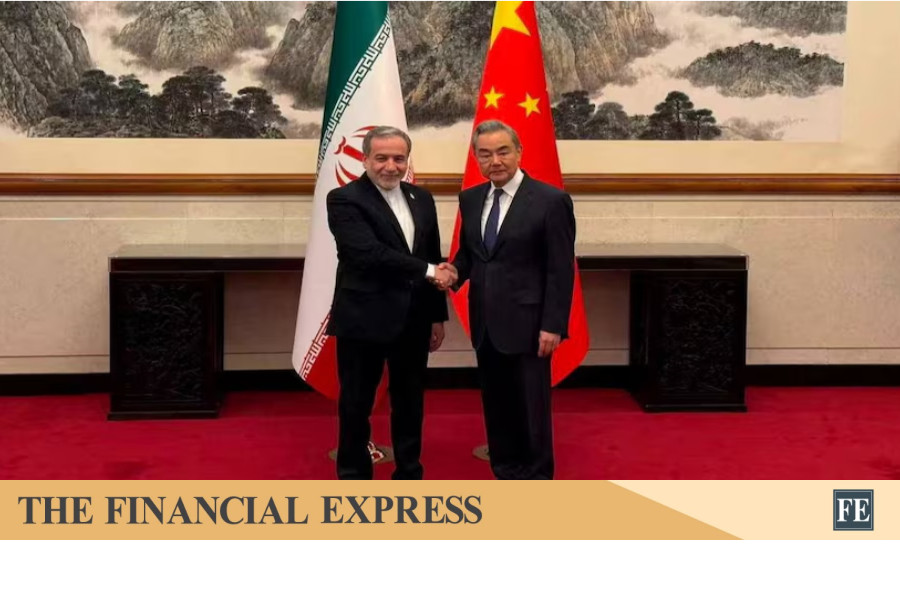
Iranian Foreign Minister Abbas Araqchi meets with Chinese Foreign Minister Wang Yi in a location given as Beijing, China, in this handout image released May 6, 2026. Photo : Seyed Abbas Araqchi via Telegram/Handout via REUTERS

The United States and Iran are closing in on an agreement on a one-page memorandum to end the war in the Gulf, a source from mediator Pakistan familiar with the negotiations said.

The Pakistani source said ‌a report earlier by the U.S. media outlet Axios on the proposed memorandum was accurate. The Axios report had cited two U.S. officials and two other sources familiar with the discussions.

“We will close this very soon. We are getting close,” the Pakistani source said.

Axios reported on Wednesday that the White House believed it was closing in on a one-page memorandum to end the war with Iran, after U.S. President Donald Trump paused a three-day-old naval mission to reopen the Strait of Hormuz.

The Axios report said the U.S. expected Iranian responses on several key points in the next 48 hours. The U.S. State Department and White House did not immediately respond to requests for comment.

Among other provisions, Axios said, the deal would involve Iran committing to a moratorium on nuclear enrichment, the U.S. agreeing to ⁠lift its sanctions and release billions of dollars in frozen Iranian funds, and both sides lifting restrictions around transit through the Strait of Hormuz.

14-POINT MEMORANDUM OF UNDERSTANDING

The one-page, 14-point memorandum of understanding was being negotiated between U.S. envoys Steve Witkoff and Jared Kushner and several Iranian officials, both directly and through mediators, Axios said.

In its current form, the memorandum would declare an end to the war in the region and the start of a 30-day period of negotiations on a detailed agreement to open the strait, limit Iran’s nuclear programme and lift U.S. sanctions, Axios added.

Iran’s restrictions on shipping through the strait and the U.S. naval blockade of Iran would be gradually lifted during that 30-day period, Axios said, citing one U.S. official who added that if the negotiations collapse, U.S. forces would be able to restore the blockade or resume military action.

Earlier, Trump announced a pause to “Project Freedom”, a mission announced on Sunday to guide ships through the blocked strait. The mission had failed to bring about any significant resumption of traffic through the waterway, while provoking a new wave of Iranian strikes on ships in the strait and on targets in neighbouring countries.

In the latest incident, a French shipping company reported on Wednesday that one of its container ships had been struck in the ‌strait the ⁠previous day, and that injured crew had been evacuated.

In announcing he was pausing the mission, Trump cited “great progress” in negotiations with Iran, without giving further details.

“We have mutually agreed that, while the Blockade will remain in full force and effect, Project Freedom (The Movement of Ships through the Strait of Hormuz) will be paused for a short period of time to see whether or not the Agreement can be finalized and signed,” Trump wrote on social media.

Trump had launched the naval mission to guide ships through the strait after saying he was likely to reject Iran’s latest proposal. The Iranian offer, made last week, also contained 14 points. It called for setting aside discussion of nuclear issues until after the ⁠war ended and the shipping dispute was resolved.

In comments on a visit to China on Wednesday, Iran’s Foreign Minister Abbas Araqchi made no mention of Trump’s latest remarks, but said Tehran was holding out for “a fair and comprehensive agreement”.

Araqchi also said in a social media post that he had spoken by phone with the foreign minister of Saudi Arabia and had stressed the importance of diplomacy among regional states to prevent escalation.

1778112541908.webp


A map showing the inbound and outbound shipping lanes in the Strait of Hormuz, in addition to the the maritime boundary between Oman and Iran.

STRAIT SHUT SINCE END OF FEBRUARY

Iran has effectively ⁠shut the strait to all shipping apart from its own since the United States and Israel launched the war on February 28. In April, Washington imposed its own separate blockade of Iranian ports.

Trump’s Project Freedom mission to use the U.S. Navy to open the strait failed to persuade merchant ships that it was safe, while provoking new attacks from Iran, which said it was expanding the area under its control to include ⁠swathes of the coastline of the United Arab Emirates, on the strait’s far side.

While the mission was in effect, Iranian drones and missiles hit several ships in and around the strait, including a South Korean cargo vessel that reported an explosion in its engine room.

Tehran also repeatedly struck targets in the UAE, including the only major Emirati oil port on the coast beyond the strait, which has allowed some exports without crossing through it.​
 

Pak minister in Tehran for peace talks
Israel strikes Lebanon despite truce extension

Agence France-Presse . Tehran, Iran 17 May, 2026, 00:10

1778989950937.webp


Pakistani interior minister Mohsin Naqvi.

Pakistan’s interior minister arrived in Tehran on Saturday to help facilitate stalled peace talks between Iran and the United States, as tensions across the Middle East remained high despite a fragile ceasefire and continued Israeli airstrikes in southern Lebanon.

According to Iranian media, Pakistani interior minister Mohsin Naqvi began a two-day visit aimed at supporting negotiations between Tehran and Washington after weeks of conflict that disrupted regional stability and global trade routes.

The visit came as Iran confirmed that several European countries had opened discussions with Tehran regarding the safe passage of commercial vessels through the Strait of Hormuz, one of the world’s most critical energy shipping lanes.

Iranian news agency Tasnim reported that Naqvi was received by interior minister Eskandar Momeni in Tehran. His visit follows recent talks involving Pakistan’s army chief, Field Marshal Asim Munir, highlighting Islamabad’s growing diplomatic role in the crisis.

Pakistan has recently emerged as an active mediator between Tehran and Washington and last month hosted a high-level meeting involving delegations from both sides.

A ceasefire that took effect on April 8 has largely halted fighting that began after US and Israeli attacks on Iran on February 28. However, tensions remain high as negotiations over a permanent settlement continue.

Iranian foreign minister Abbas Araghchi said on Friday that Tehran had received signals from Washington indicating the administration of US president Donald Trump remained willing to continue discussions.

At the same time, Iran’s parliament speaker and chief negotiator Mohammad Bagher Ghalibaf warned Washington that rejecting Tehran’s peace proposal would only deepen the crisis.

‘There is no alternative but to accept the rights of the Iranian people as laid out in the 14-point proposal,’ Ghalibaf said in a social media statement, warning of ‘one failure after another’ if talks collapse.

Iranian state television reported that European countries had also begun negotiations with Tehran concerning shipping access through the Strait of Hormuz. The report said vessels from China, Japan and Pakistan had already resumed passage under arrangements agreed with Iran.

Since the outbreak of the war, Iran has tightened control over the strategic waterway, through which nearly one-fifth of global oil and liquefied natural gas shipments normally pass.

Tehran has said maritime traffic through the strait would not return to pre-war conditions and has reportedly started collecting tolls from vessels using the route.

On Saturday, Iranian lawmaker Ebrahim Azizi said Tehran had prepared a ‘professional mechanism’ for managing traffic through the strait and would soon unveil the system.

He said only countries and commercial operators cooperating with Iran would benefit from access, while additional fees would be charged for specialised services.

Meanwhile, violence continued in Lebanon despite an extension of the ceasefire between Israel and Hezbollah.

Israel launched a series of airstrikes on southern Lebanon on Saturday, one day after both sides agreed to extend their truce by another 45 days.

Lebanon’s state-run National News Agency reported strikes on at least five villages, including areas located more than 50 kilometres from the Israeli border.

The Israeli military said it was targeting positions linked to Hezbollah and issued evacuation warnings covering nine villages before the attacks.

The strikes triggered fresh displacement, with residents reportedly fleeing towards the southern city of Sidon and the capital Beirut.

The ceasefire, which originally began on April 17, has repeatedly been violated by both sides. Israel has continued conducting strikes across southern Lebanon, while Hezbollah has claimed attacks on northern Israel and Israeli troops near the border.

Lebanese authorities say Israeli attacks since the beginning of the conflict have killed more than 2,900 people, including over 400 since the truce took effect.

Israel has also reported the deaths of 19 soldiers in southern Lebanon since clashes with Hezbollah began.

The latest escalation came shortly after Lebanese and Israeli envoys held talks in Washington aimed at preserving the ceasefire and reducing tensions.

Hezbollah, which is backed by Iran, opposed the negotiations and claimed responsibility for an attack on Israeli troops in the town of Khiam on Saturday, accusing Israel of repeated ceasefire violations.

On Friday, an Israeli strike hit a health centre linked to Hezbollah in the southern town of Harouf, killing six people, including three paramedics, according to Lebanon’s health ministry.

Many displaced residents expressed frustration over the continuing violence despite the truce.

‘This is not a truce as long as Israeli attacks continue,’ said Ali Salameh, a displaced resident sheltering in Beirut.

Another resident, Nawal Mezhir, said people in the south felt abandoned as bombardments and evacuations continued despite the ceasefire agreement.​
 

Latest Posts

Back