Bangladesh Defense
Saif
Senior Member
- Jan 24, 2024
- 21,523
- 9,744
- Nation

- Residence
- Axis Group

Govt likely to consider shipbuilding as thrust sector: Rabiul
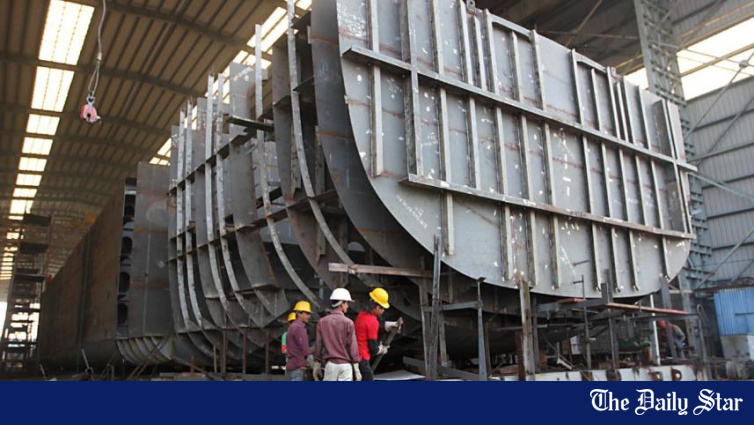
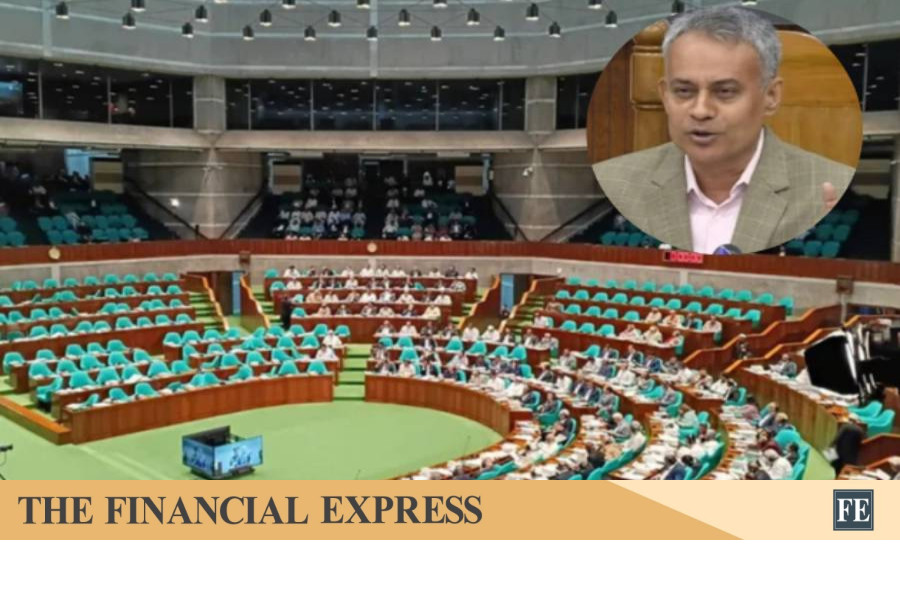
Shipping Minister Shaikh Rabiul Alam on Wednesday said the government may consider the shipbuilding industry as a “thrust sector” to increase export earnings through extensive employment generation and higher value addition. Responding to a tabled starred question from BNP lawmaker Joy
Govt likely to consider shipbuilding as thrust sector: Rabiul
BSS
Published :
Jun 25, 2026 17:41
Updated :
Jun 25, 2026 17:41
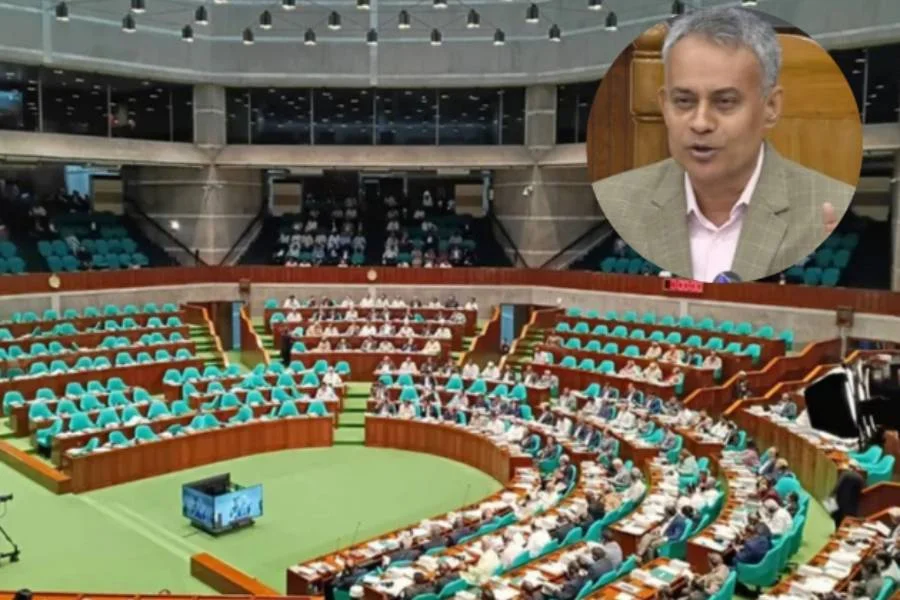
Shipping Minister Shaikh Rabiul Alam on Wednesday said the government may consider the shipbuilding industry as a “thrust sector” to increase export earnings through extensive employment generation and higher value addition.
Responding to a tabled starred question from BNP lawmaker Joynal Abdin in Parliament, he said providing policy support for the sector is highly justified to help achieve sustainable blue economy goals and export targets by leveraging Bangladesh’s low labour costs, skilled workforce and growing global demand for medium-sized vessels.
The minister noted that shipbuilding is a highly capital-intensive industry and stressed the need for special financial assistance and credit facilities to strengthen the sector.
According to him, ensuring long-term, low-interest loans – such as financing at 4 percent interest – along with export credit support could significantly enhance the capacity of local entrepreneurs and shipyards.
Rabiul also underscored the importance of developing backward linkage industries.
At present, locally built ships generate around 25 to 30 percent value addition, but domestic production of key inputs such as marine cables, marine paints, fibreglass and steel plates could raise the value addition rate to between 45 and 50 percent, he said.
The minister called for customs incentives and tax holidays for export-oriented shipyards, noting that there is substantial international demand for small and medium-sized vessels, particularly those with capacities of up to 12,000 tonnes.
Reducing import duties on raw materials and offering long-term tax holiday facilities will improve the competitiveness of Bangladeshi shipbuilders in the global market, he added.
Rabiul further emphasised the need to develop skilled human resources through modern training institutes specialising in welding, ship design, electrical systems and naval architecture.
Such initiatives could create employment opportunities for thousands of skilled and semi-skilled young people every year, he said.
Highlighting the growing global demand for environment-friendly vessels, particularly in Europe, the minister said Bangladesh must adopt green technologies and comply with international standards to strengthen its position in the global shipbuilding market.
He expressed optimism that proper implementation and simplification of existing initiatives, including the Ship Building Industry Development Policy and Bangladesh Bank’s refinancing schemes, could help the country earn billions of dollars in export revenue from the sector.
BSS
Published :
Jun 25, 2026 17:41
Updated :
Jun 25, 2026 17:41
Shipping Minister Shaikh Rabiul Alam on Wednesday said the government may consider the shipbuilding industry as a “thrust sector” to increase export earnings through extensive employment generation and higher value addition.
Responding to a tabled starred question from BNP lawmaker Joynal Abdin in Parliament, he said providing policy support for the sector is highly justified to help achieve sustainable blue economy goals and export targets by leveraging Bangladesh’s low labour costs, skilled workforce and growing global demand for medium-sized vessels.
The minister noted that shipbuilding is a highly capital-intensive industry and stressed the need for special financial assistance and credit facilities to strengthen the sector.
According to him, ensuring long-term, low-interest loans – such as financing at 4 percent interest – along with export credit support could significantly enhance the capacity of local entrepreneurs and shipyards.
Rabiul also underscored the importance of developing backward linkage industries.
At present, locally built ships generate around 25 to 30 percent value addition, but domestic production of key inputs such as marine cables, marine paints, fibreglass and steel plates could raise the value addition rate to between 45 and 50 percent, he said.
The minister called for customs incentives and tax holidays for export-oriented shipyards, noting that there is substantial international demand for small and medium-sized vessels, particularly those with capacities of up to 12,000 tonnes.
Reducing import duties on raw materials and offering long-term tax holiday facilities will improve the competitiveness of Bangladeshi shipbuilders in the global market, he added.
Rabiul further emphasised the need to develop skilled human resources through modern training institutes specialising in welding, ship design, electrical systems and naval architecture.
Such initiatives could create employment opportunities for thousands of skilled and semi-skilled young people every year, he said.
Highlighting the growing global demand for environment-friendly vessels, particularly in Europe, the minister said Bangladesh must adopt green technologies and comply with international standards to strengthen its position in the global shipbuilding market.
He expressed optimism that proper implementation and simplification of existing initiatives, including the Ship Building Industry Development Policy and Bangladesh Bank’s refinancing schemes, could help the country earn billions of dollars in export revenue from the sector.