Donate ☕
[🇧🇩] - Trump's Victory/Tariff/ Bangladesh | Page 14 | PKDefense

[🇧🇩] Trump's Victory/Tariff/ Bangladesh

⤵︎
Reply (Scroll)
Press space to scroll through posts
G Bangladesh Defense
[🇧🇩] Trump's Victory/Tariff/ Bangladesh
207
6K
More threads by Saif


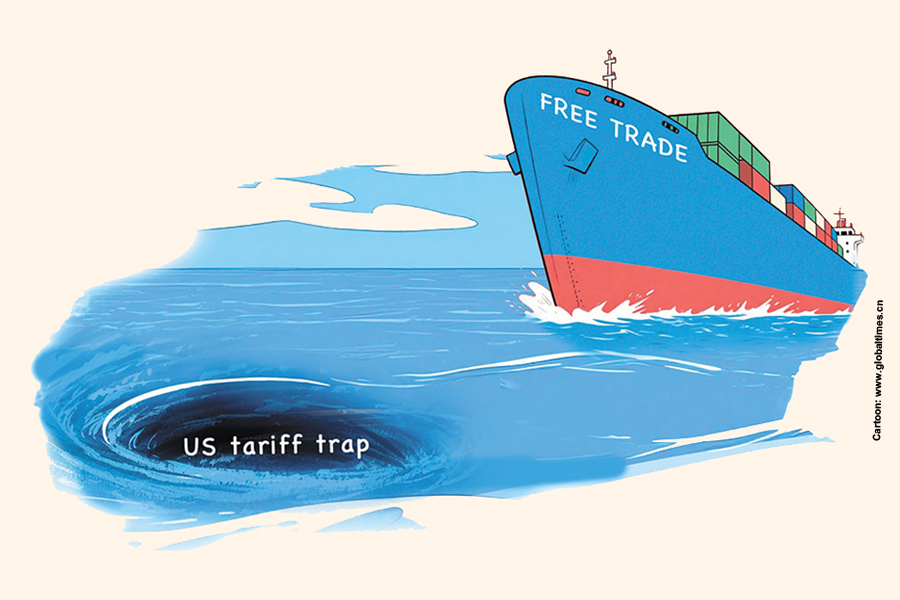
Bangladesh must tread carefully as new tariffs kick in

1754617804915.webp

VISUAL: STAR

A new and more perilous chapter in global trade has begun. With the imposition of a 20 percent tariff by the United States, the total duty levied on Bangladesh's vital garment sector now climbs to a punishing 36.5 percent. Our largest export market has suddenly become a far more expensive arena. This is not an isolated squall but part of a much larger storm. The immediate impact is as sharp as it is severe. Exporters face intense pressure from US buyers to absorb the new costs within their already razor-thin profit margins. The very competitiveness of our ready-made garments is at stake.

Yet this moment of crisis is also a test of the nation's resilience and an opportunity for the manufacturing sector to reaffirm its strength. The government and industry leaders believe Bangladesh can weather this, leveraging a hard-won reputation for bulk and timely delivery. The path forward, however, cannot be one of passive hope. It demands a steady hand. The government must continue its diplomatic engagement with Washington, aiming for further negotiations to mitigate this tariff burden.

President Donald Trump's trade decisions pushed American import duties to their highest level in a century, as a new, more contentious era of trade rivalry is playing out. The increases were implemented despite frantic, last-minute lobbying by various countries desperate to escape the levies. In a punitive action against New Delhi's continued purchases of crude oil from Moscow, the US president has now hit India with an additional 25 percent tariff. This comes on top of an existing 25 percent duty imposed after the two nations failed to reach a trade deal before the August 1 deadline—bringing the total tariff on Indian goods to a staggering 50 percent. Whether this new tariff landscape will create a competitive opening for Dhaka remains to be seen.

For Bangladesh, a strategic pivot is essential. Manufacturers must aggressively pursue the diversification of export markets, as the vulnerability of over-reliance on a single trading partner has now been laid bare. This external push must be matched by internal fortification: we must strengthen the industry's backward linkages as an economic necessity. The government, in turn, must encourage and incentivise innovation. The goal must be to help manufacturers move relentlessly up the value chain, from basic apparel to more complex and higher-margin products. In this new global marketplace, it is also time to champion our commitment to sustainable and ethical manufacturing.

The winds of global trade have shifted, perhaps irrevocably. Navigating this new landscape calls for Bangladesh to be both careful and strategic. Our future prosperity depends on it.​
 
Analyze

Analyze Post

Add your ideas here:
Highlight Cite Fact Check Respond

Commerce Advisor Sk Bashir proved his mettle: Energy Adviser
Staff Correspondent Dhaka
Updated: 01 Aug 2025, 18: 12

View attachment 20968
Advisers Muhammad Fouzul Kabir (L) and Sk Bashiruddin

Commerce Advisor Sk Bashir Uddin has proved his mettle over successful tariff negotiations with the US, Adviser to the Ministry of Power Energy and Mineral Resources Muhammad Fouzul Kabir Khan said on Friday.

In a Facebook post of Friday afternoon, Fouzul Kabir said, “From domestic price stability to successful tariff negotiations with the US, he (Sk Bashir Unddin) has proved his mettle, to the dismay of naysayers.”

He called Sk Bashir Uddin as ”our extraordinary Commerce Advisor.”

Fouzul Kabir said, “I was tasked by the CA (Chief Adviser) to meet Sheikh Bashiruddin, among others, for the possible position of Commerce Advisor. I caught him on phone in Bhola, where he was on a business trip. We met at my office at the Ministry of Power Energy and Mineral Resources.

“Without any previous acquaintance, we chatted for an hour. He politely declined the snacks my office offered him! What I liked about him is his patriotism, no-nonsense stubbornness, and clarity in organizing a mass of facts for analysis. I conveyed my impressions about him to the CA. Thankfully, for our nation, the CA offered and he accepted the position,” he added.

“May Allah give him Hayate Taiyeba to serve the nation, be it in the public or private sector,” Fouzul Kabir concluded.

On 2 April, US President Donald Trump imposed reciprocal tariffs on countries from which the US imports goods. Fifty seven countries were slapped with increased tariffs at varying rates with Bangladesh facing an additional tariff of 37 per cent.

View attachment 20969
Muhammad Fouzul Kabir Khan

After a three-month suspension of this decision, President Trump informed the Chief Adviser of the interim government in a letter on 8 July that the reciprocal tariff for Bangladesh would be 35 per cent, effective from 1 August.

To reduce the reciprocal tariff imposed by the US administration, Commerce Advisor Sk Bashir Uddin led final negotiations in Washington with officials from the Office of the United States Trade Representative (USTR).

Finally, President Donald Trump issued an executive order on Thursday (US local time), imposing a 20 per cent reciprocal tariff on goods imported from Bangladesh. In the same order, he imposed reciprocal tariffs on several dozen other countries as well.​
I have to echo the praise given by Fouzul Kabir bhai for Sheikh Bashir bhai, though both are equally great advisers.

Sheikh Bashir bhai is an asset to our interim govt. and though not a dyed-in-the-wool corrupt politician (Thank Allah!) he is supremely capable business person and superbly positioned for a cabinet post in the next govt.

To say that he has proved his mettle as a tariff negotiator is an understatement, and if you listen to him talk, you will see that his literary talents especially for Bangla and Sanskrit (also for English) are also wayyyy above average.

He runs a tight ship at AkijBashir Group and is Thankfully an incorruptible individual. His company is at the cutting edge of technology, employing robotics and automation for all products. Wish him Nek Hayat and may he live long and prosper.

 
Analyze

Analyze Post

Add your ideas here:
Highlight Cite Fact Check Respond

How dicey is the Trump tariff deal?

Asjadul Kibria
Published :
Aug 09, 2025 22:43
Updated :
Aug 09, 2025 22:43

1754788089379.webp


The announcement of a 20 per cent reciprocal tariff on all imports from Bangladesh by Donald Trump, the president of the United States (US), has brought a palpable sense of relief in Bangladesh. This announcement, made on July 31, set new reciprocal tariffs on 70 countries, including Bangladesh. The tariff rates on these countries range between 10 per cent and 71 per cent and came into effect last Thursday.

Earlier on July 8, the US president proposed 35 per cent reciprocal tariff on Bangladesh but suspended the same for three weeks to give room for negotiation. During the period, the official trade delegation of Bangladesh rushed to Washington to negotiate with the USTR officials and reach a deal with the Trump administration reducing the reciprocal tariff to a reasonable rate. It is to be noted that Trump first announced a 37.50 per cent reciprocal tariff on Bangladesh on April 2 this year, when he also imposed different rates of tariff on more than 100 countries along with a 10 per cent universal tariff. Soon, responding to requests from different trade partners, he suspended levying of the proposed tariffs for 90 days, literally asking them to make a deal individually with the US to get tariff reduction. Dr Muhammad Yunus, chief adviser of the interim government, in a letter to Trump, also requested him to provide a three-month time before finalising the tariff.

Nevertheless, three months is not enough at all for a country like Bangladesh to negotiate a reasonable trade deal or free trade agreement (FTA) with the world's most powerful nation. The structure of the US FTA with any-country goes beyond trade in goods and services. It extensively covers investment, intellectual property rights and standards of labour and environment. The US believes in 'deep integration' and so full liberalisation of goods and services is an inherent component of any bilateral (BFTA) with the US. Moreover, the BFTA goes beyond the obligation of multilateral Intellectual Property Rights (IPRs) or Trade Related Aspects of Intellectual Property Rights (TRIPS) of the World Trade Organization (WTO). The US also stresses investment protection as embodied in the FTA, mainly for the protection of the interests of the US-based Multi-National Entities (MNEs). There are also provisions for environment and labour standards, and any BFTA with the US can't be complete without the inclusion of these two components. Thus, a BFTA with the US is actually a comprehensive agreement that supports economic and even political reforms in the partner countries. This is the reason why very few countries sign any BFTA with the US. So far, only 20 nations have signed BFTA with the US.

After becoming the president of the US in 2016, Trump put stress on reaching BFTA with the trading partners and asked them to negotiate bilaterally instead of multilaterally under the umbrella of the WTO. But during the four years of his first term, no country signed any BFTA mainly due to the complex structure and time-consuming negotiation. In his current term, Trump has virtually abandoned the practice of prolonged negotiation and started to use tariffs as the main tool to compel other countries to sign trade agreements with the US. It seems that tariffs as a weapon are working, as a number of trading partners have agreed to sign bilateral deals to avoid excessive tariffs.

The Bangladesh delegation, led by the commerce adviser, demonstrated unwavering determination and hard work in convincing the Trump administration to agree to a lower tariff on Bangladesh. In exchange, they agreed to a set of conditions, offering trade and non-trade benefits to the US, along with almost zero tariffs to almost all the products importable from that country. Though the details of the negotiated deal are yet to be unveiled formally, it is learnt from the media that Bangladesh is likely to purchase 25 aeroplanes from Boeing, the US aviation giant, along with an increase in imports of wheat, edible oil, crude fuel oil, cotton and military equipment. The country is also likely to sign a number of international agreements on IP rights and address the US concern on data protection act. Finding no other alternative within such a short period of time, it appears Bangladesh has mostly aligned with the US FTA structure. One, however, needs to look into the past before making any final comment on the latest development.

Twelve years ago, the Obama administration suspended the GSP Generalised System of Preference (GSP) facility due to the Rana Plaza tragedy that claimed more than 1,100 lives of garment workers. Thus, the US gave a message to Bangladesh that prompted the country to sign the Trade and Investment Cooperation Forum Agreement (TICFA) in the same year. As GSP covered only one per cent of the total exports to the US, policymakers did not put much effort into restoring the facility. Instead, discussion on signing a BFTA with the US gained momentum. It had also paused for two reasons. First, Bangladesh did not sign any FTA with any country, let alone with a big trade partner. Second, the gradual deterioration of the relationship between the now ousted Hasina regime and the US. If the policymakers put some serious effort into advancing a bilateral trade deal with the US at that time, instead of putting much effort into graduation from the Least Developed Country (LDC) status, Bangladesh might be in a better position today in dealing with Trump's tariffs.

A big question now is whether Trump will stick to the 20 per cent tariff on Bangladesh. What will happen if he suddenly shifts his position even before signing the bilateral reciprocal trade agreement? Or even after signing the agreement? The answer is unknown as it is not possible to rule out such a possibility. Trump has already proved it by increasing the 25 per cent tariff on India to 50 per cent within 24 hours. He also asked India to stop purchasing oil from Russia or face the higher tariff on certain products, including textiles and clothing, after August 21. This is good news for Bangladesh as the country's clothing exports will face less competition with India in the US market at least for some time in the near future. Indian apparel exporters fear that many US buyers would move to Bangladesh and Vietnam because of higher tariff.​
 
Analyze

Analyze Post

Add your ideas here:
Highlight Cite Fact Check Respond

Trump tariffs: Bangladesh-US trade relations

Muhammad Mahmood
Published :
Aug 09, 2025 22:33
Updated :
Aug 09, 2025 22:33

1754789050276.webp


On July 31, US President Donald Trump issued an executive order imposing tariffs on almost all US trading partners. His actions represent a departure from the open liberal trading system established after World War II under the auspices of the General Agreement on Tariffs and Trade (GATT), later adopted by the World Trade Organization (WTO). The post-war global trading system was established with an emphasis on reducing tariff and non-tariff barriers. The regime aimed to boost economic growth and prevent a repeat of the 1930s trade wars that preceded WWII.

Trump's trade wars will create an environment of uncertainty and that is always bad for trade. His protectionist tariff policies would cause economic growth around the world to slow down. More alarmingly, this US tariff measures could rival those of Smoot-Hawley measures of the 1930s that led to a global trade war, thus creating the conditions for the WWII.

As for Bangladesh, bilateral trade with the US is increasing, with the U.S. being a major export market for Bangladesh, particularly for ready-made garments (RMG). Despite uncertainty created by Trump tariffs, Bangladesh recorded a significant boost (25.13 per cent) in RMG exports to the US in the first half of this year both in terms of value and volume (FE, August 7). Bangladesh also runs trade surpluses with the US. The U.S. is also a significant investor in Bangladesh, especially in the energy sector. Recent export performance was likely driven by US importers making advance purchases to avoid upcoming Trump tariffs.

As the deadline approached for the next phase of Trump tariffs, the US was set to impose a 35 per cent tariff on exports from Bangladesh, down from 37 per cent that was indicated in April. This proposed rate was still more than double the rate Bangladeshi exports faced in the US market. This proposed tariff on Bangladesh exports to the US which are primarily composed of RMG could have serious consequences. RMG accounts for about 80 per cent total exports from the country. In fact, the proposed tariff rate could completely wipe out its price competitiveness over its regional rivals. This is the only competitive advantage Bangladesh has in RMG exports.

Up until "reciprocal tariffs" (RT) were introduced, Bangladeshi exports faced an average tariff of about 15.7 per cent. When the new tariff eventually comes into effect, the average tariff rate could jump to about 50 per cent. In 2024, Bangladesh exported goods worth nearly US$8.4 billion to the US, of which US$7.34 billion were RMG. The RMG industry contributed 8 per cent to the country's GDP in 2024-25.

Over four million people are employed in the RMG industry in Bangladesh, with the majority being women. Many of these workers rely on regular wages to meet their expenses and are experiencing rising job insecurity. The Trump tariffs could force factory closures ?and workers being laid off, as such the stakes are not only?economic but also existential.

In fact, the impact of Trump tariffs goes far beyond the RMG industry and the people directly and indirectly associated with it. The flow on effects of any declining export earnings will negatively impact macroeconomic stability of the country, and further exacerbate the balance of payments crisis.

But Bangladesh remains the most protected economy in the South Asian region and relatively tariff protected compared to other countries in the world, with a significant portion of its tariff lines not bound, meaning the government has the flexibility to raise applied tariff rates. This practice of trade mercantilism also creates uncertainty in market access for manufactured goods. Currently, the average nominal tariff rate for imports into Bangladesh stands at 28 per cent and the total tax incidence (that includes the burden of all taxes importers pay) is 54 per cent.

There are several taxes that are imposed on imports in Bangladesh, such as Customs Duty (CD) Value Added Tax (VAT), Supplementary Duty (SD), Regulatory Duty (RD) Advance Income Tax (AIT) and Advance Trade VAT (ATV). Tariffs (CD). These constitute a significant source of government revenue, which greatly complicates efforts to lower tariff rates.

Following the announcement of the 35 per cent tariff decision by the US, a Bangladeshi trade delegation travelled to Washington to renegotiate the trade deal. It remains a mystery what they have been doing during the three months tariff pause period.

Bangladesh is one of the most protected economies globally and had a US$6.2 billion trade surplus with the US in 2024. Therefore, Bangladesh does not have much of a negotiating or bargaining leverage with the US. Additionally, Bangladeshi goods, particularly its main exports such as RMG, can be replaced by US importers from other countries.

Bangladesh is already experiencing a difficult political and economic situation. The RMG industry that grew and expanded under the current trade and industry regime, is charaterised by structural inability to explore markets beyond primarily to the US and then to a few west European countries. The primary factor associated with the structural rigidity is the country's limited exposure to international competition.The problem worsens when a corrupt, inefficient bureaucracy controls the economic policy making process.

If Bangladesh continues to focus on RMG exports instead of shifting to a competitive diversified manufacturing base, the industry will need to adopt new technologies and innovate to maintain its position in the global apparel market. Now the future of the RMG industry depends on robotics and AI technologies which will begin to reshape the RMG industry as has happened in most other industries already.

Despite odds against Bangladesh's negotiating position, the Bangladesh trade delegation has been successful in bringing down the tariff rate to 20 per cent. The negotiated rate is similar to those of Bangladesh's major competitors in the US apparel market, including Vietnam, Sri Lanka, and Pakistan.

India, however, failing to reach a comprehensive trade agreement with US will face 25 per cent plus penalties for its economic ties with Russia. On August 6, Trump imposed an additional 25 per cent tariff on Indian good raising the rate to 50 per cent. Since the start of the Russia-Ukraine conflict, India has emerged as the second largest buyer of Russian oil after China, purchasing US$133.4 billion worth of oil last year, compared to minimal imports prior to the Russia-Ukraine conflict. Trump claims that India is making money from Russian oil by reexporting refined Russian oil to countries like US ally Australia and others. Australia purchased US$6.2 billion of oil from India last year, largely sourced from Russia.

To add insult to the injury, Trump also said Moscow and New Delhi "can take their dead economies down together, for all I care. We have done very little business with India, their tariffs are too high, among the highest in the world". But Trump is right on both counts that India is making big profits out of Russian oil and India is a dead economy. Indian remains a highly protected economy which has engendered a highly inefficient economy. As such India continues to face significant poverty over 80 years after gaining independence notwithstanding continuously in military and political conflicts with its all neighbouring countries. However, higher tariffs on Indian exports including clothing to the US will work in favour of Bangladesh.

The specifics of Bangladesh's offer to secure tariff concessions and reduce its trade surplus with the US remain crucial. Bangladesh has agreed to import 700,000 metric tons of wheat annually from the US for five years, as part of a wider effort to facilitate further trade talks with the US.

Bangladesh will also increase import of soybean oil and cotton from the US. Additionally, the Ministry of Commerce placed an order for 25 Boeing aircrafts. However, Biman, the national flag carrier, stated that it was not consulted regarding this procurement decision. This kind of decision-making is common in Bangladesh.

One of the objectives of Trump tariffs is to expand the market access for US agricultural products to bridge the trade gap. In fact, Bangladesh mostly imports agricultural products from the US among others. Not surprisingly the trade negotiation with the US to bridge the trade gap involved Bangladesh agreeing to import more agricultural products.

In 2023, the share of agriculture in Bangladesh's gross domestic product (GDP) was 11 per cent, but the sector is a significant employer, with approximately 45 per cent of the total labour force engaged in agricultural activities. The sector is beset with various challenges such as unsafe work environments, low wages, and long working hours.

Also, a high proportion of rural women are engaged in farm activities. Therefore, importation of highly subsidised US farm products like wheat and soybean could pose a threat to the livelihood of marginal to small farmers and farm labourers notwithstanding the impact on country's drive to attain food grain self-sufficiency.

Trump's attempt to address the issue of US$12 trillion trade deficit has more to do with macroeconomic factors than the unfair trade practices which he cites as the reason to wage a trade war on the rest of the world. Trump tariffs will raise a lot of revenue but that will be coming from US firms and consumers, and not from exporters to the US. This will drive up price levels affecting consumers, squeeze profit margins of US companies, slow down economic activity and damage relations with trading partners including allies.​
 
Analyze

Analyze Post

Add your ideas here:
Highlight Cite Fact Check Respond

Dhaka-Washington tariff deal can be changed or cancelled by the next government: Adviser Khalilur

FE Online Report
Published :
Aug 11, 2025 00:11
Updated :
Aug 11, 2025 00:30

1754871389747.webp


Bangladesh has negotiated an agreement with the US government with the provision that the next elected government could make required changes or cancel any, said National Security Adviser to the interim government Dr Khalilur Rahman.

He said the negotiations, which are still going on, are based on three principles.

"We are negotiating with President Trump's government an agreement that is revocable," he said while addressing the welcome reception programme by the Bangladesh Textile Mills Association (BTMA).

BTMA organised the welcome reception at Gulshan Club on Sunday in the city to congratulate the Bangladesh team led by Commerce Adviser Sk Bashir Uddin that successfully negotiated to reduce the reciprocal tariff to 20 per cent from 35 per cent.

"...We have negotiated on three principles," Mr Rahman said, explaining the first is that they are not an elected government and they are not going to obligate the next government.

"The next government must have the power to make changes, modifications, or cancel."

The second is that they take the responsibility they can fulfil, he said, adding that if they fail to meet any commitments, the US will cancel this agreement and charge Bangladesh 37 per cent tariffs.

"Third, this is a bilateral agreement. We cannot do this with any third country. We do not want to get into any geopolitical trap," he said.

He, however, hinted that the tariff might go down further for Bangladesh.

Speaking there, Commerce Adviser Sk Bashir Uddin said they committed to the US authorities that the trade deficit would be reduced by 75 per cent in a year.

He said if needed they will go to the US after two or three weeks, as the negotiation is still continuing.

The fascist government has left the legacy of a 'time-bound time bomb' in the name of LDC graduation, he said, terming it one of the major challenges.

"Next challenge is LDC graduation, which is bigger than Trump tariff," he said, calling on all businesses and stakeholders to sit together to devise an action plan to face the challenges with strong leadership.

Speaking there, BTMA president Showkat Aziz Russell said that following the successful negotiation with the United States regarding reciprocal tariffs, Bangladesh is now in a stronger position.

As a result, the country's exporters are receiving more inquiries from buyers, he said.

"We want to invest further... now is the high time to invest in the textile sector," he said.

BGMEA president Mahmud Hasan Khan and BKMEA president Mohammad Hatem, among others, spoke there.​
 
Analyze

Analyze Post

Add your ideas here:
Highlight Cite Fact Check Respond

Donald Trump is using tariff as a weapon of choice

Hasnat Abdul Hye
Published :
Aug 10, 2025 22:38
Updated :
Aug 10, 2025 22:41

1754872389909.webp


Upending text book theories on tariff, President Donald Trump is using tariff as a weapon of choice for multiple objectives. This has made the existing rule-based global trading system go haywire, making the predictable and transparent multilateral trading system put in place by Uruguay Round of trade negotiations and since 1995 by the World Trading Organization (WTO), irrelevant.

Traditionally, tariffs have been slapped by countries to shield domestic industries and to raise revenue. An extension of the former has been the 'infant industry' argument given by newly industrialising countries. Tariffs have been imposed by countries in retaliation of higher rates of tariff by other countries enjoying lower rates from it. President Trump has unleashed a tariff war during his second term with political objectives in addition to the traditional objectives which makes tariff a weapon of choice on multiple fronts. This makes tariff no less lethal than other weapons of mass destruction. The fact that president Trump is using it against all countries, friend or foe, makes this disastrous for the global trading system and the global economy.

The International Monetary Fund (IMF) has already forecast a slower growth rate for world economy in the coming years because of uncertainty about the global trade volume resulting from unpredictable tariff regime of America, the largest economy in the world. In April this year, IMF in its Update on Global Economy reduced the rate of growth by as high as 0.5 per cent and forecast the growth for 2025 at 2.8 per cent. The percentage for 2026 has been placed at 3 per cent after reducing 0.3 per cent. The IMF squarely held the turmoil in global trade resulting from tit-for-tat tariff imposition responsible for this anaemic growth of the world economy.

It is understandable that facing a trade deficit of $1.3 trillion America under president Trump would like to reduce the deficit. In achieving this the Trump administration had theoretically two options: (a) to ask its trading partners to buy more from it; (b) to reduce imports from other countries through quantitative restrictions or slapping high tariff rates that would result in reduced imports. Given the higher prices of American goods the first option was a non-starter through the market mechanism. Faced with this reality, the Trump Administration settled for the second option. But instead of gradual increase in existing tariff, very high rates were announced that shocked the trading partners. Effective on April 1, 2025, the so called 'liberation day' of America, all countries faced a base tariff rate of 10 per cent, on top of which was imposed what was called 'reciprocal' tariff rates that varied among countries depending on their tariff rates for American goods. Then a period of three months, ending on July 31, was announced as 'pause' for bilateral negotiations to reach trade deals. Some countries like Japan 'successfully' completed bi-lateral negotiation and America agreed to a reciprocal tariff rate of 15 per cent on automobiles and parts, down from 25 per cent imposed earlier. But steel and aluminium are excluded from this and still face 50 per cent tariff. In addition, Japan has to make investments in selected sectors, amounting to $550 billion in America over the near future. Furthermore, Japan has to buy American agricultural and defence items in greater volume than now. Under the negotiated deal, Japan has to buy 100 Boeing aircrafts and jointly invest in Alaska LNG development.

The concessions extracted from Japan in lieu of reducing the earlier tariff rate of 25 per cent to 15 per cent reveal the broad objectives of the strategy in trade negotiations that have been conducted by Trump Administration. It is not simply arm twisting, but downright economic blackmailing. It may be asked why countries like Japan could not refuse to agree to such coercive methods and harsh terms? The answer is, having become dependent on the big American market for vital exports like automobiles and auto parts it is difficult for the country to wean itself away from that market all on a sudden. Even with time, it may be impossible to replace American market for certain export items by another market because of its size. Japan is not an exception. Many other countries suffer from this problem of integration to American market and Trump Administration is taking full advantage of this to extract maximum concessions from its trading partners. This explains why Bangladesh had to agree to purchase 35 Boeing aircraft and buy other items even if at higher prices than in the international market. Without the big American market, Bangladesh's garment industry will suffer such a setback that will be impossible to recover from. All countries trading with America have this disadvantage and America is exploiting this to the hilt.

The rest of the world is going to reward America with higher imports and for some countries, higher off-shore investment, under duress lest its big market is lost. In the process the trading partners will be importing inflation from America through payment of higher prices for American goods and services. American manufactures lost the world market for many goods because of higher cost of production, resulting from higher wages and salaries. Now America has found a way out to overcome that disadvantage by weaponising tariff. After the disastrous use of tariff in the Great Depression years of the '30s many thought that tariff had lost its cachet as an instrument of macroeconomic policy. It required a bully like Donald Trump to prove them wrong. The problem is, this tariff regime, with attached coercive measures, may outlive Donald Trump as his successors will be loath to part with a dispensation that makes their life easier and that of their compatriots comfortable.

President Trump must be given the credit for using tariff for reasons other than economic, making it a weapon of multiple uses. His tariff policy has targeted Brazil for 50 per cent tariff for putting his friend, the former Brazilian president Bolsenero, in trial. Likewise, he has threatened higher tariff on Canada for its intention to recognise the state of Palestine. Trump's former buddy Narendra Modi has not fared better for buying oil and gas from Russia. India has been slapped with a steep tariff at 50 per cent. In the midst of great uncertainty, one thing is certain: in Economics 101, tariff and trade will not be taught in the good old way. The makeover given to the concept by the current president of America will defy the conventional wisdom in academia.​
 
Analyze

Analyze Post

Add your ideas here:
Highlight Cite Fact Check Respond

A turning point for Bangladesh
US tariff relief, regional lessons, and the diplomacy of Muhammad Yunus


Serajul I Bhuiyan
Published :
Aug 11, 2025 23:18
Updated :
Aug 11, 2025 23:18

1754960540932.png


This is where economic diplomacy comes knocking on the door of the strongman; the recent initiative by the United States (US) to lower tariffs on key Bangladeshi exports is a ringing endorsement of the magic that is possible with good leadership and true negotiating. No usual policy shift by any measure, this is a watershed moment — a living rebalancing of trade relations between a new South Asian economy and the world’s economic powerhouse. It arrives at a crucial moment when Bangladesh is capitalising on its economic achievement, broadening the base of its export-based economy, and charting a future beyond Least Developed Country (LDC) status.

This achievement — the work of Nobel Laureate and Chief Adviser Dr Muhammad Yunus — is more than a smart business deal. It is a historic shift in Bangladesh’s economic diplomacy towards the world, founded on moral leadership, strategic thinking, and fact-based activism. His leadership awakened Bangladesh’s mission to rally the US as a confident, reform-minded, and forward-looking partner committed to sustainable and inclusive development.

SCOPE AND SIGNIFICANCE OF THE TARIFF CUT: The tariff cut recently negotiated by the United States with Bangladesh is a historical bilateral trade relationship realignment and a strategic and ambitious policy action by the United States Trade Representative (USTR). Targeted at significant Bangladeshi export sectors — such as ready-made garments (RMG), textiles, jute goods, leather products, and some agro-based products — this action is far from mere symbolic goodwill. It offers real, measurable benefits with the potential to initiate export growth, contribute positively to the job situation, and strengthen Bangladesh’s position in international trade.

The treaty possesses several desirable characteristics. Perhaps most significantly, it imposes tariff reductions between 5 per cent and 18 per cent across more than 300 lines of goods, thus improving the price competitiveness of Bangladeshi exports in the US market. The accord also includes the reinstatement and partial reinstatement of Generalised System of Preferences (GSP) privileges, which had been revoked in 2013 due to compliance problems with labour. The reinstatement follows the improvement in labour rights, occupational safety, and sustainability in Bangladesh. Apart from this, the agreement also promises additional incentives to women-owned businesses and green-certified producers, allowing these to have duty-free or significantly reduced access to US markets and thus facilitate Bangladesh’s compliance with inclusive and ethical levels of trade.

The economic implications of such an occurrence would be widespread. Based on the estimates of the Export Promotion Bureau (EPB) and Bangladesh Bank, the tariff cut can bring $2.5 billion to $3.2 billion in extra export earnings in the initial three years. This bonanza will create up to 1.2 million direct jobs, predominantly in the RMG and textile sectors, and another 2 million indirect jobs, predominantly for women workers and the rural population as part of the supply chain system.
Further, the anticipated export earnings’ boost will contribute an additional $3 billion to Bangladesh’s foreign exchange reservoir, thereby strengthening the country’s current account balance, supporting the stability of the Taka, and easing burdens on the import price and public purse. These are well-timed benefits for Bangladesh as it is likely to encounter international economic headwinds, higher energy prices, and the requirement of practicing fiscal discipline during post-pandemic recovery.

Macroeconomically, the change would be likely to contribute 0.4 to 0.6 percentage points to gross domestic product (GDP) growth per year because of enhanced export performance and sectoral spillovers. Besides direct trade effects, the agreement will have positive spillovers in major supporting sectors such as logistics, transportation, ICT services, and finance since increased demand necessitates better infrastructure, digitalisation, and financial services.

REGIONAL COMPARISON: Bangladesh’s success in securing a welcome tariff reduction from the US is in striking contrast to the experience of other players in the region. While other South Asian economies are bogged down in going in circles, diplomacy, or internal politicking, Bangladesh has emerged as a model of purpose, reformist engagement, and normative diplomacy. A closer look at the comparative experience — specifically the experiences of India, Pakistan, Sri Lanka, and Vietnam — shows why Bangladesh succeeded where others have not.

India: Strategic Stalemate in Trade Diplomacy

India, the region’s biggest economy, has had several chronic trade differences with the US mainly because of protectionism, regulatory overhang, and market access barriers. In 2019, the US withdrew India’s GSP status, listing unresolved trade differences on digital services, agriculture, and renewable energy.

Also contributing to tensions are India’s hard-line positions on patent protections of drugs and e-commerce regulations limiting foreign competition, which have heightened tensions with US trade and business officials. Indian exports of textiles, clothing, and footwear now enjoy higher effective tariff rates than Bangladeshi exports following the recent accord. India’s less flexible federal system and lower trade negotiation flexibility have limited its capacity to be accommodating, and Bangladesh has the opportunity to benefit from being a more accommodating and reformist partner.

Pakistan: Security-Oriented, Not Trade-Oriented

During most of its recent history, Pakistan’s relationship with America has been characterised by security and strategic ties, rather than sustained trade and economic restructuring. While these have helped Pakistan to receive preferential treatment in defence, they have not managed to fuel sustainable trade dividends. Sustained economic instability in recent years, combined with swollen debt inventories and fiscal indiscipline, has considerably undermined Pakistan’s bargaining leverage.

Even with Washington lobbying, there has been minimal progress in gaining tariff concessions. This has been added to by IMF-imposed austerity and political crisis, both of which have undermined American stakeholder faith in Pakistan’s business and investment climate. Bangladesh was the contrast — against all change in the political background — making a strong pitch based on economic solidity, good government, and a clear reform vision, gaining credibility where Pakistan fell short.

Sri Lanka: Lost Trade Opportunities during Crisis

Sri Lanka is the story of unfulfilled trade opportunities during an economic and political breakdown. As a plague hit Sri Lanka in the form of a debt-to-GDP ratio of more than 120 per cent, hyperinflation, and a plummeting currency, trade preference losses accelerated with an unprecedented intensity. Disruption of the EU GSP-plus also limited access to huge markets. Simultaneously, the reality that no current trade discussion exists with the United States is a pointer to the absence of a strategic leaning towards economic renaissance via trade diplomacy.

Vietnam: A Role Model and Strategic Parallel

Among the rising economies, Vietnam is a global leader in export-led growth and multilateral trade integration. With 15 Free Trade Agreements (FTAs) under negotiation, such as the Comprehensive and Progressive Agreement for Trans-Pacific Partnership (CPTPP) and the Regional Comprehensive Economic Partnership (RCEP), Vietnam has become a global leader in garment, electronics, and high-value manufacturing.

Two-way commerce between the US and Vietnam totalled more than $120 billion in 2023, evidence of the strength of their trading relationship. Value chain integration, stability of regulation, and neutrality politically are Vietnam’s secrets to success, which instill confidence among foreign investors and trading partners. Where Bangladesh has fallen behind Vietnam in size and integration, it has used a rival comparative advantage — of reducing poverty, empowering women, and enjoying a world reputation for socially responsible and sustainable manufacturing.

To be continued....................
 
Analyze

Analyze Post

Add your ideas here:
Highlight Cite Fact Check Respond
BANGLADESH’S COMPARATIVE ADVANTAGE: The Bangladesh-US bilateral trade encompasses a diverse range of goods and services, driving the industrialisation of Bangladesh, enhancing public health, ensuring food security, facilitating digitalization, and advancing infrastructure development. Imposing these imports — many of which are critical to Bangladesh’s growth horizon — a uniform 20 per cent tariff can lead to broad price hikes, reduced availability, and supply chain collapse. Below is a categorised overview of such strategic imports:

Food and Agricultural Products

Bangladesh relies on US exports to supply its food and agriculture processing industries. To name a few, soybean meal and soybean oil are the linchpin imports for the manufacture of edible oil and animal feed, while cereal grains and wheat are the pillars in food security and the milling sector. Cotton, being the prime raw material of Bangladesh’s RMG sector, is the backbone of textile production. On the other hand, dairy products (i.e., powdered milk, cheese) and US processed food products meet the demands of an emerging urban consumer base.

Industrial Machinery and Equipment

For maintaining competitiveness in the international market, Bangladesh also imports sophisticated industrial machinery from the US, including textile machinery for spinning and dyeing, agro-hardware for intensive agriculture, and food processing factories that facilitate agro-industrial production to be intensified. Packaging, automation, and robotics systems — used in pharmaceuticals, FMCG, and manufacturing — also constitute a key component of this trade flow.

Energy and Chemicals

As the energy demand grows, Bangladesh imports finished petroleum products like aviation fuel and premium lubricants from the US. Liquefied Natural Gas (LNG) is also imported for power production and industrial consumption. Chemical reagents, solvents, and fertilisers, which are crucial in the pharmaceutical, textile, and agricultural industries, are also imported by Bangladesh.

Pharmaceuticals and Medical Devices

Bangladesh imports patented life-saving US drugs, including oncology drugs, biologics, and vaccines, that are not available in Bangladesh. Medical diagnostic supplies, surgical equipment, and hospital-level implants are imported from the US, elevating healthcare capacity and quality of care, especially in cities.

Information and Communication Technology (ICT)

To power its expanding digital economy, Bangladesh depends on US exports of enterprise management software, cloud computing services, cybersecurity solutions, and software licenses. It needs imports of semiconductors, microchips, servers, and telecommunication equipment to support improvement in Bangladesh’s technology infrastructure and innovation environments.

Aerospace and Defence Equipment

For the defence and aviation sector, Bangladesh imports maintenance equipment and aircraft spares for civilian (e.g., Biman Bangladesh Airlines) and military applications. Radar equipment, navigational aids, and secure communication devices are also imported under diplomatic and defence cooperation.

Education and Professional Services

America contributes to Bangladesh’s education and institutional development by exporting consulting services in law, engineering, IT, governance, and STEM lab equipment, educational databases, and digital learning solutions that are crucial for Bangladesh’s universities and research institutions’ building capacity and learning based on innovation.

Luxury and Consumer Goods

Bangladesh’s urban affluent continue to import higher and higher percentages of branded clothing, electronics, and home appliances from US firms. Apple, Dell, HP, Whirlpool brands, and car brands such as Ford, GM, and Tesla products are imported, primarily for the upper middle class, foreign diplomats, and institutional buyers.

To be continued...................
 
Analyze

Analyze Post

Add your ideas here:
Highlight Cite Fact Check Respond
STRATEGIC IMBROGLIO: To begin with, a blanket 20 per cent tariff on all types of US imports can raise the cost of goods and services for Bangladeshi consumers and enterprises. Ranging from farm inputs such as soybean oil and wheat to life-saving medicines and advanced medical equipment, the rising prices that result can disproportionately burden low-income households, health centres, and SMEs relying on these imports as business and competitiveness inputs. It can further slowdown the process of industrial modernisation, especially in sectors such as ICT, agro-processing, and textiles, which depend on the import of US-produced machinery, software, and parts to increase productivity as well as become globally competitive.

Secondly, it can discourage American companies from investing further in Bangladesh, especially regarding joint ventures, technology transfers, and capital investments. Multinational companies aiming to tap Bangladesh’s high-potential renewable energy, aviation, health technology, and digital infrastructure sectors may face high tariffs as an entry risk or a regulatory risk signal. This would reverse the pace of bilateral economic engagement that has picked up momentum since the US tariff relief for Bangladeshi exports.

Lastly, a blanket tariff can trigger a chain reaction of retaliatory or balancing trade measures, especially in sensitive sectors like ready-made garments (RMG), where Bangladesh still lobbies for further tariff concessions if the move is perceived as protectionist or bereft of the principles of reciprocity of trade. Otherwise, it will complicate further or ongoing trade talks with US trade negotiators, possibly undermining some of the goodwill that has been created due to Bangladesh’s demonstrated track record on labour rights, sustainability, and ethical sourcing.

Generally, while the 20 per cent tariff presents apparent difficulties, it also presents an opportunity for strategic rebalancing of trade, but as long as it is done carefully, ahead of negotiations, mutual prosperity, and the eventual promise of keeping Bangladesh on its path towards economic resilience and integration in the global economy.

LEADERSHIP MATTERS: The success of Bangladesh in negotiating tariff reductions from the US cannot be understood without the visionary leadership and revolutionary diplomacy of Nobel Peace Laureate Dr Muhammad Yunus. This achievement — a non-traditional trade adjustment and not a typical negotiating ploy — was facilitated through the acumen of Yunus in redefining the very terms of negotiation, converting what would otherwise have been a technocratic technical dispute into a strategic and ethical discourse on human development, economic equity, and shared global responsibility.

Rather than negotiating the tariff issue like a standard business concern, Yunus redefined trade as a means of social transformation, linking tariff relief to the empowerment of rural Bangladesh women, informal sector workers, and green businesses. His moral voice on the global stage, following decades of poverty struggles and advocating for ethical business practices, opened influential doors in Washington. U.S. senior senators, Congressional caucuses, and influential civil society leaders met the Bangladeshi delegation not only out of a sense of obligation, but also due to a shared admiration for the values for which it stood.

One of the central pillars of Yunus’s strategy was to underscore Bangladesh’s tangible improvements — especially in the wake of the Rana Plaza disaster. The mission was proud to point out the country’s remarkable advances in factory safety, workers’ rights, and environmental stewardship, citing its global leadership in green-certified garment factories. Fact, case studies, and third-party audits were deployed to support these assertions, further positioning Bangladesh as a reliable and forward-thinking trade partner.

Additionally, Yunus made shrewd forays into powerful U.S. policy constituencies beyond traditional diplomacy. Think tanks such as the Center for Strategic and International Studies (CSIS) and the Council on Foreign Relations (CFR) were brought on board to amplify Bangladesh’s voice in Washington think tanks, the media, and academia. These platforms facilitated perceptions to shift and the tariff question to be presented as one of moral global commerce and broad-based development, rather than a bilateral policy anomaly.

The bargaining effort wasn’t the work of one man — it was an integrated, multidisciplinary undertaking, coordinated with unusual clarity and purpose. Yunus was the leader of a competent and diverse negotiating team that comprised industry titans, seasoned trade attorneys, labour union organisers, and development economists. They spoke with one voice, articulating a national interest agenda that cut across bureaucratic silos and institutional turf wars.

Exports, Diversification, Value Addition, FDI: US tariff concession is a powerful incentive for export diversification and value addition in the Bangladesh economy. It offers a vital window of opportunity for the country to move away from the low-value garment production to higher margin, design-based, technologically advanced ready-made garment (RMG) products. This movement not only raises incomes per unit exported but positions Bangladesh in high-value world apparel markets.

Apart from this, the improved trading climate encourages the growth of sunrise industries such as agro-processing, light engineering, leather goods, ICT hardware, and pharmaceuticals. These industries, being promising but underdeveloped due to tariff protection and reduced international exposure, are now poised to link up with global value chains. The tariff incentives also encourage the formalisation of small and medium-sized firms (SMEs) because they lower the transaction costs in trade and promote conformity with international standards. Through formalization, SMEs get access to finance, technology partnerships, and new markets.

Tariff reductions are also clear evidence of trade stability, which will again position Bangladesh as a stable and competitive source of foreign direct investment (FDI). American companies, in fact, now have their sights set on joint ventures, subcontracting, and strategic alliances in Bangladesh’s Export Processing Zones (EPZs) and newly developed high-tech industrial parks.

Secondly, this amiable trade regime adds to the attraction of Bangladesh in the reshoring and supply chain diversification agenda at the international level. Under conditions of geopolitical instability and rising production costs in East Asia, especially China, multinational corporations are actively seeking new bases of production. Bangladesh, through this new US trade policy framework, now has a compelling value proposition of cost-competitiveness, human resources, and a reformist policy regime.

Labour Market and Rural Development: The benefits of this trade breakthrough extend far into the country’s job market, particularly in the RMG industry, which has employed millions of workers — many of whom are women. Improving market access and export will lead to better job quality, wage dynamics, and labor safety standards, further solidifying the sector as a force behind social mobility and women’s empowerment.

Furthermore, the new trade pact expands rural cooperatives’ and women’s businesses’ access to export, supported by digital platforms, e-commerce, and micro-manufacturing networks. Such an opening provides room for inclusive growth as well as pulls marginalized communities into the international economy, bridging the rural-urban divide.

Macroeconomic Stability: At the macro level, exports to the US will substantially boost foreign exchange revenues, which is imperative to stabilise the Bangladeshi Taka during high import prices and external debt repayment. With diversified export revenues on the rise, the country’s foreign exchange reserves will increase, hence boosting its overall fiscal resilience.

These inflows also relieve balance of payments pressure, allowing Bangladesh to become less dependent on remittances and concessional borrowing as foreign buffer sources against shocks. This, in turn, enhances economic sovereignty, lessens fiscal vulnerability, and allows the government to spend on long-run development with less dependency and greater confidence.

In short, the US tariff reduction is more than a trade win. More precisely, it is a strategic shift of structural clout toward fundamental structural change, releasing diversified growth, investment, inclusive jobs, and sustained macroeconomic stability.

RECOMMENDATION: To develop a healthy and future-oriented trade relationship with the United States, Bangladesh must pursue a proactive and strategy-based approach. Rather than viewing tariffs as fixed obstacles, Bangladesh must employ diplomatic means and economic diplomacy to redefine trade relationships in a manner that supports bilateral growth, stability, and innovation. The following policy directions are proposed to enable balanced, equitable, and future-oriented trade relationships:

Pursue Tariff Reductions on Strategic Imports

Bangladesh must initiate sectoral negotiations with US trade negotiators to reduce or eliminate tariffs on critical imports of the highest priority for Bangladesh’s industrial and social development. They include strategic imports such as cotton for the RMG sector, textile and food processing machinery, up-to-tech medical equipment, and pharmaceuticals. These are not luxury items but production enablers that facilitate employment, export earnings, and public health returns. Negotiation of tariff concessions on these inputs would lead to cost-effective production, price competitiveness, and improved service delivery directly.

Demand Inclusive Bilateral Trade Negotiations

Bangladesh must take its engagement with US trade and commerce representatives to the next level by insisting on systematic, regular bilateral trade negotiations. These sessions should focus on principles of reciprocity, sectoral exemption from tariffs, and predictable regulatory regimes. Through the provision of the Trade and Investment Framework Agreement (TIFA) or its equivalent, Bangladesh can institutionalize debate on the facilitation of trade, harmonization of standards, and resolution of conflicts. Additionally, joint economic councils or chambers of commerce should be added to continue encouraging private-sector involvement and confidence-building for American investors.

Encourage Technology Transfer and Co-Production Agreements

One of the most visionary measures Bangladesh can take is to accord the most significant priority to technology transfer and co-production agreements in high-impact sectors such as Information and Communication Technology (ICT), renewable energy, pharmaceuticals, and air transport. These partnerships reduce long-term dependence on imports as well as stimulate capacity building, employment creation, and innovation cultures. Bangladesh is poised to provide incentives — preferential land in SEZs, tax holidays, or intellectual property rights — to US firms willing to invest in local manufacturing, R&D, and training initiatives.

By interweaving these approaches — selective tariff talks, institutionalised trade dialogue, and strategic joint ventures — Bangladesh may safeguard its economic interests without compromising its commitment to fair, inclusive, and rules-based global commerce. These recommendations are framed to assist in ensuring that the partnership between Bangladesh and the United States continues to expand not only as a transactional relation but as a mutually enhancing, innovation-based partnership rooted in long-term development interests and shared prosperity.

Dr Serajul I Bhuiyan is Professor and Former Chair Department of Journalism and Mass Communications Savannah State University.​
 
Analyze

Analyze Post

Add your ideas here:
Highlight Cite Fact Check Respond

How US cotton can help BD apparel survive Trump's tariff better

Wasi Ahmed
Published :
Aug 12, 2025 22:58
Updated :
Aug 13, 2025 00:05

1755044039548.webp


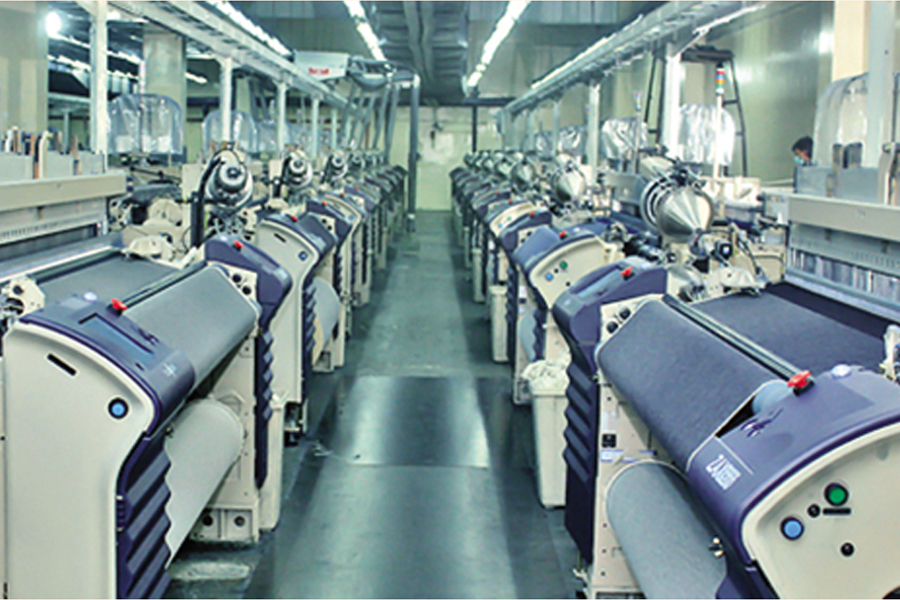
A denim producing factory in Bangladesh — Photo courtesy: hameemdenim.com

In response to the US reciprocal tariff now cut to 20 per cent, Bangladesh's textile and spinning millers are set to significantly increase American cotton imports. The move comes under a trade-off arrangement designed to make the country's apparel exports more competitive in the US market.

Under the latest US Presidential actions, export goods entering the American market must use at least 20 per cent of the customs value of the product in US-origin content to qualify for partial duty exemptions under US Customs and Border Protection (CBP) provisions. In practice, this means that at least one-fifth of a product's value must come from US sources to receive preferential treatment. The tariff reduction applies only to the US-origin portion, while the non-US portion remains subject to the standard tariff.

To illustrate, US customs will apply the tariff only on the non-American share of a product's value, provided the 20 per cent US-content threshold is met. For example, a T-shirt valued at $10 with 20 per cent US-origin content would face a tariff of $1.60 instead of $2. The 20 per cent tariff rate -- applicable to Bangladesh -- would be calculated solely on the $8 non-US portion.

Speaking at a press briefing, the President of the Bangladesh Garment Manufacturers and Exporters Association (BGMEA) said the measure presents a unique opportunity to reduce export costs and strengthen Bangladesh's position in the American market. The US Customs and Border Protection (CBP) will have authority to verify compliance, requiring importers to provide documentation on the proportion and value of US-origin materials. This verification aims to ensure only eligible products enjoy reduced duties.

Industry insiders say the new condition will drive an increase in US cotton imports, potentially doubling current volumes by year-end. A practical example comes from denim trousers with an FOB (Free On Board) value of around $8, where the fabric component accounts for roughly $4.125. Of this, cotton makes up about 33.25 per cent -- comfortably above the required threshold. Even in cases of lower-value brands, such as Kontoor, the cotton content typically remains high enough to qualify.

The owner of a large apparel company noted that his facilities produce around 54 million yards of denim annually, with 60 per cent destined for the US market. The company imports 24,000 tonnes of cotton each year, of which only 15 per cent currently comes from the US. Plans are now in place to increase the share of US cotton imports by nearly 60 per cent to capitalise on the tariff advantage.

A former BGMEA president added that the requirement for US raw materials, alongside local value addition, could spur investment in Bangladesh's spinning and textile mills, thereby generating new employment opportunities.

While US cotton is generally more expensive than cotton from other countries, exporters have little choice but to adopt it when targeting the US market. Industry stakeholders expect US brands and retailers to demand US-origin cotton in their orders to benefit from the tariff concessions, making the sourcing decision less about preference and more about market access.

Currently, Bangladesh imports over $4 billion worth of cotton annually, including around $500 million from the US. Domestic production falls far short of demand, forcing manufacturers to rely heavily on imports -- a situation that naturally supports a pivot toward US cotton for garments bound for America. Some factories already use as much as 40 per cent US-origin material, meaning the 20 per cent tariff would apply to only 60 per cent of the product's value, lowering overall duty costs even further.

According to the US Department of Agriculture (USDA), Bangladesh is projected to remain the world's largest cotton importer in 2025-26, with imports expected to reach 8.5 million bales. The USDA also forecasts a modest recovery in global cotton consumption, set to hit a five-year high of 118.1 million bales, driven largely by strong demand in textile-exporting countries such as Bangladesh and Vietnam. Global cotton trade is expected to rise by 2.3 million bales to 44.8 million bales in 2026, signalling a broad-based recovery in textile production.

To support this momentum, the Bangladesh government is finalising a dedicated bonded warehouse facility to ensure duty-free access for US cotton. Chief Adviser Muhammad Yunus has also written to the US President, pledging a substantial increase in US farm imports -- particularly cotton -- as part of a broader trade diplomacy effort to reduce bilateral trade imbalances.

As part of this strategy, Bangladesh is drafting a roadmap to double US cotton imports by 2028, targeting a 25 per cent share of total cotton supply from American growers. Based on 2024 projections, imports from the US are set to grow from 1.0 million bales in 2025 to 2.1 million bales by 2028. The US share of Bangladesh's cotton imports will climb from 12 per cent to 25 per cent over that period, with the import value nearly doubling from $473.8 million to $987.04 million.

This shift aligns with Bangladesh's recent strong export performance. Garment export from the country surged 13.79 per cent year-on-year to $7.55 billion in FY2024-25, according to the Export Promotion Bureau (EPB). Maintaining this momentum will require strategic adaptation to new trade conditions, including compliance with US content requirements.

Although initial concerns were raised about the implications of the new tariff structure, the outlook appears positive than many anticipated. However, clarification as to the extent of duty waiver will make things easier to grasp. The coming months will determine how well exporters adapt to the evolving trade regime and whether this policy shift translates into sustained market gains.​
 
Analyze

Analyze Post

Add your ideas here:
Highlight Cite Fact Check Respond

The new tariff order: how poor countries got played

MG Quibria
Published :
Aug 14, 2025 23:44
Updated :
Aug 14, 2025 23:44

1755218023858.webp


The Trump administration’s sweeping tariff overhaul flipped decades of Untied States (US) trade policy. Tariffs—once a shield for domestic industries—were recast as instruments of pressure and punishment. While headlines focused on battles with China and the European Union, the bigger losers were poorer nations with the least power to fight back.

At the heart of the strategy was a “reciprocal tariff” formula: divide the US trade deficit with a country by that country’s exports to the US, halve the result, and set a 10 per cent minimum. It was simple arithmetic with skewed consequences. Smaller economies with narrow export bases were hit hardest: Cambodia 49 per cent, Laos 48 per cent, Madagascar 47 per cent, Vietnam 46 per cent, Sri Lanka 44 per cent, and Bangladesh 37 per cent. By contrast, the European Union (EU) paid 20 per cent, Israel 17 per cent, and Australia and the United Kingdom (UK) just 10 per cent.

For Bangladesh—where more than 80 per cent of exports to the US are garments—the blow was severe. Apparel tariffs, once around 15–16 per cent, were slated to rise to 37 per cent, pushing the duty on a $10 polo shirt from $1.60 to over $5, effectively pricing Bangladeshi goods out of the market. Nor did Bangladesh enjoy any preferential access: it had been excluded from the US Generalised System of Preferences (GSP) in 2013 over labor issues, the program ended for other developing countries in 2020, and in any case, US GSP law (USC 2463) excluded most textile and apparel products as “import sensitive.”

The US trade team driving this policy—Trade Representative Jamieson Greer, Treasury Secretary Scott Bessent, and Commerce Secretary Howard Lutnick—pushed for rapid bilateral deals under tight deadlines. Greer’s playbook was blunt: open with extreme demands, sidestep WTO channels to block coalitions, and link tariff relief to unrelated concessions in areas like intellectual property or agriculture where richer countries had leverage.

One tactic was particularly effective: non-disclosure agreements (NDAs). Several delegations, including Bangladesh’s, were required to sign NDAs covering all negotiation details. This enforced secrecy and isolated countries from one another, preventing them from sharing strategies or mobilising industry support. Wealthier nations sometimes refused; poorer ones, fearing exclusion from talks, often complied.

Bangladesh’s delegation was disadvantaged from the outset. Without authority to bargain across policy domains, they could only plead humanitarian and developmental cases. Their approach was reactive, shaped by US proposals rather than their own agenda. Lacking technical capacity to challenge US calculations, and barred from coordinating with fellow garment exporters, they faced Washington alone.

The final deal brought the tariff down to 20 per cent —still a third higher than before—but at a steep price. Bangladesh agreed to significantly expand imports of specific American goods, including large volumes of wheat, cotton, soybeans, dairy, meat, poultry, liquefied natural gas, and 25 Boeing aircraft, while also opening its markets more broadly to US agricultural and energy products.

The Boeing purchase provided an almost comic subplot. Bangladesh’s order was part of a global buying spree: Indonesia 50, Cambodia 20, Bahrain 12, Saudi Arabia 20 (plus 10 on option), Japan 100, and Qatar an eye-popping 260. If even half these orders materialize, they could help revive Boeing’s accident-prone fortunes, turning trade diplomacy into an informal corporate rescue plan.

For Bangladesh, the economic consequences were swift: US garment orders fell, manufacturers absorbed higher costs on razor-thin margins, and competition from free-trade partners intensified.

The inequity was glaring. The poorest nations, with the least diversified economies and weakest safety nets, bore the steepest hikes. Wealthier partners, with greater bargaining power, secured lighter terms. The logic was cold but seemed clear: squeeze those least able to retaliate while accommodating those who could hurt you.

Two major economies, however, were punished for politics rather than economics. India faced a 50 per cent tariff—25 per cent under the reciprocal formula and another 25 per cent penalty for continuing to buy Russian oil, a move opposed by Washington. Brazil also faced a 50 per cent tariff—10 per cent base plus a 40 per cent ad valorem rate—explicitly tied to its prosecution of former president Jair Bolsonaro, whom Trump called a victim of a “witch hunt.” The White House accused Brazil’s judiciary of political persecution and censorship, framing the tariff as a defense of U.S. business and free speech.

For Bangladesh and other developing economies, the lessons are sobering. Diversify exports and markets to reduce reliance on a single product or buyer. Build technical expertise in trade law, economics, and negotiation strategy. Engage early, before the stronger party defines all the terms. And even under NDA constraints, seek discreet channels to coordinate with similarly affected nations.

The new tariff order is a blunt reminder that in trade diplomacy, the rules may be multilateral—but outcomes are dictated by raw power. Appeals to fairness or development rarely prevail. Without leverage, preparation, and alliances, poorer nations will continue to be outmaneuvered—and forced to pay the highest price.


Dr MG Quibria is a development economist and former Senior Advisor at the Asian Development Bank Institute.​
 
Analyze

Analyze Post

Add your ideas here:
Highlight Cite Fact Check Respond
Bangladesh seeks US tariff cut as USTR agrees to consider proposal

Published :
Jan 09, 2026 12:39
Updated :
Jan 09, 2026 12:39

1768006299105.webp


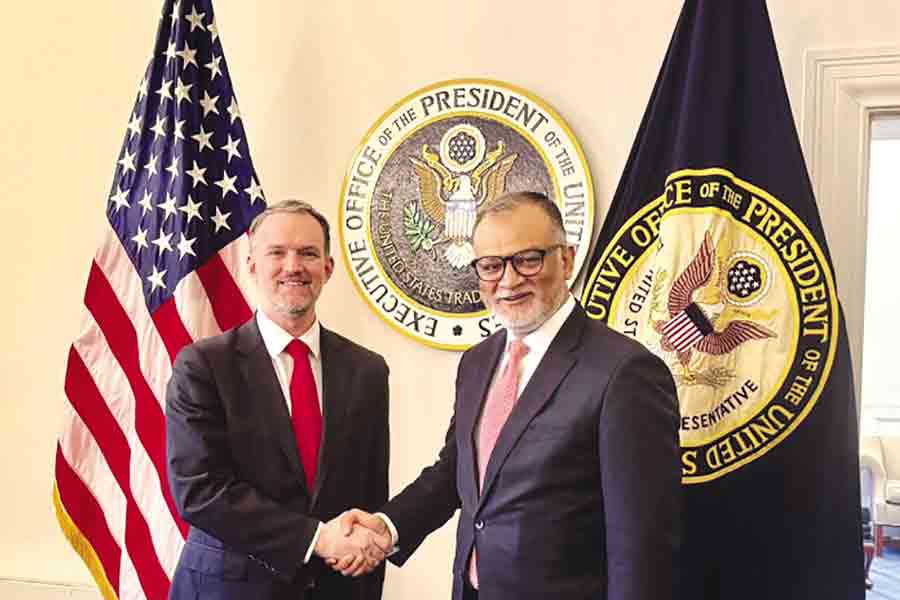
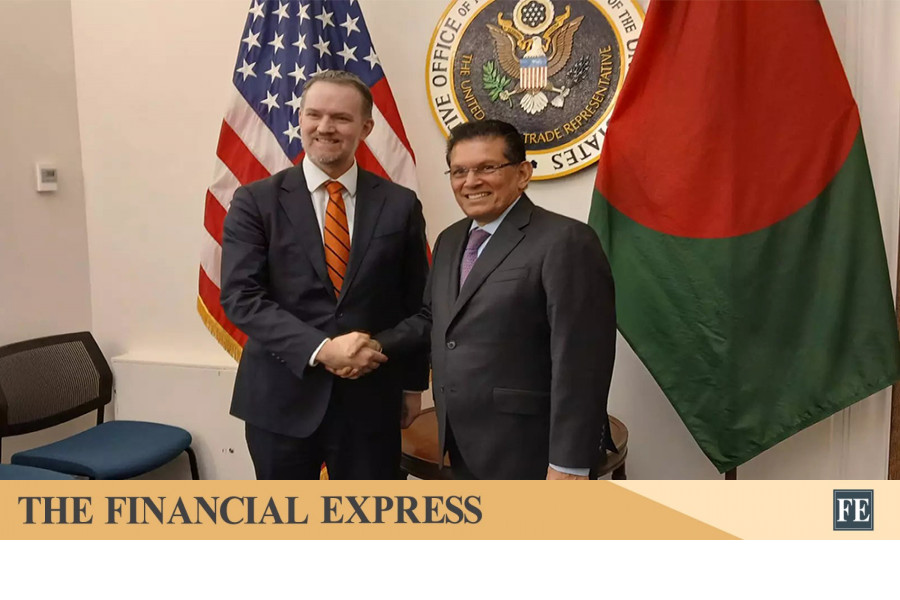
Bangladesh’s National Security Adviser Dr Khalilur Rahman meets US Trade Representative Ambassador Jamieson Greer in Washington DC on Thursday — Photo: Courtesy


National Security Adviser Dr Khalilur Rahman has proposed that the Office of the United States Trade Representative (USTR) reduce the reciprocal tariff from the current 20 per cent.

US Trade Representative Ambassador Jamieson Greer has agreed to consider the proposal positively.

He also agreed to give serious consideration to Dr Rahman’s proposal to lower or eliminate the US reciprocal tariff on apparel using US content.

Dr Khalilur Rahman met Ambassador Greer in Washington, DC, on Thursday afternoon, UNB reports.

He also held a separate meeting with Assistant USTR Brendan Lynch.

During the meeting with Ambassador Greer, Dr Khalilur Rahman briefed him on the progress Bangladesh has made in reducing the trade gap between Bangladesh and the United States.

“Even before the formal execution of the reciprocal trade agreement, Bangladesh has made major strides in reducing the trade gap by substantially increasing imports from the US and implementing some key aspects of the agreement,” Dr Khalilur Rahman said.

Both sides agreed to rapidly resolve a handful of outstanding issues so that the reciprocal tariff agreement could be finalised and executed expeditiously.

Dr Khalilur Rahman noted that business contacts between Bangladesh and the US are expected to increase significantly in the coming days as a result of expanded trade between the two countries.

He invited Ambassador Greer to use his good offices to ease business travel for Bangladeshis in light of Bangladesh’s recent inclusion in the US visa bond programme.

Dr Khalilur Rahman also requested access to US Development Finance Corporation (DFC) funding for Bangladesh’s private sector.

Ambassador Greer assured Dr Khalilur Rahman of his efforts in these matters.

Bangladesh Ambassador to the US Tareq Md Ariful Islam accompanied the National Security Adviser, while Assistant USTR Brendan Lynch and other officials were present on behalf of the USTR.

Dr Khalilur Rahman is also expected to meet senior US State Department officials on Friday.​
 
Analyze

Analyze Post

Add your ideas here:
Highlight Cite Fact Check Respond

Bangladesh secures a major breakthrough in the US trade talks
Staff Correspondent 10 January, 2026, 18:27

1768116539934.webp

Bangladesh national security adviser Khalilur Rahman meets with US trade representative ambassador Jamieson Greer in Washington on Thursday. | BSS photo

Bangladesh has achieved a major step forward in strengthening mutually beneficial trade relationships with the United States, which could open the door to market access and new opportunities for the country’s textile and apparel sector.

According to a statement from the chief adviser›s press wing issued on Saturday, US Trade Representative ambassador Jamieson Greer has agreed to raise the issue of reducing Bangladesh’s current 20 per cent reciprocal tariff rate with US President Donald Trump.


National security adviser Khalilur Rahman, currently visiting Washington, D.C., met with USTR ambassador Jamieson Greer to discuss trade-related issues.

In April, the US imposed sharply higher reciprocal tariffs on several countries, including Bangladesh, and raised the duty on apparel shipments to the US to 37 per cent. The tariff was later lowered to 35 per cent and then to 20 per cent, following a series of negotiations on July 31.

Since August 7, Bangladeshi apparel items have faced a 20 per cent reciprocal tariff, in addition to the regular 16.5 per cent tariff.

In response to a request from Khalilur Rahman, the USTR agreed to reconsider the tariff to bring it more in line with regional competitors, the press wing stated.

The statement also said that both sides have developed an innovative and forward-looking solution to support Bangladesh’s export priorities.

During the meeting on Friday, they discussed a proposed preferential scheme by which Bangladesh would receive tariff-free access to the US market for textile and apparel exports equivalent to its imports of US-produced cotton and man-made fiber textile inputs, measured on a square-meter basis, said the press wing.

This win-win approach could strengthen bilateral trade, support Bangladeshi manufacturers and workers, and deepen supply-chain ties with US producers.

Press wing also said that the discussion would reflect growing momentum and goodwill in US–Bangladesh economic relations and would mark a promising new chapter for Bangladesh’s global trade prospects.

He Khalilur Rahman also had a separate meeting with Assistant USTR Brendan Lynch.

‘Even before the formal execution of the reciprocal trade agreement, Bangladesh has made major strides in reducing the trade gap by substantially increasing imports from the US and has implemented some key aspects of the agreement,’ Khalilur said.

Both sides agreed to resolve a handful of outstanding matters promptly so that the reciprocal tariff agreement could be finalised and executed expeditiously.

Khalilur noted that business contacts between Bangladesh and the US were expected to increase significantly in the coming days, driven by rising trade between the two countries.

He invited Ambassador Greer to use his good offices to ease business travel for Bangladesh in light of Bangladesh›s recent inclusion in the US visa bond.

Khalilur also took the opportunity to request Bangladesh’s access to DFC funding for its private sector.

Greer assured Khalilur of his efforts in these regards.

Bangladesh ambassador to the US, Tareq Md Ariful Islam, accompanied the national security adviser, while assistant USTR Brendan Lynch and other officials were with the USTR.

Khalilur Rahman was also expected to meet senior US State Department officials during his visit.​
 
Analyze

Analyze Post

Add your ideas here:
Highlight Cite Fact Check Respond

Members Online

Latest Posts

Latest Posts

Post