War Archive
Saif
Senior Member
- Jan 24, 2024
- 21,479
- 9,743
- Nation

- Residence
- Axis Group

Iran steps up retaliation against US
Agence France-Presse . Tehran, Iran 22 July, 2026, 00:19
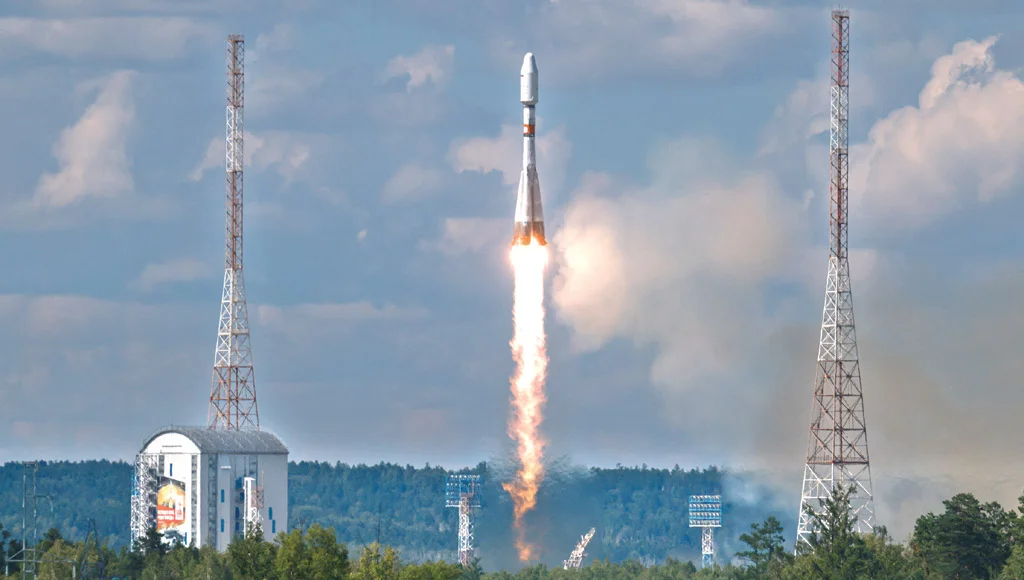
Representational image.
Iran stepped up its strikes in the Middle East on Tuesday, two weeks after its war with the United States resumed, with Jordan, Kuwait and Bahrain coming under attacks.
Despite the latest fighting, Iranian foreign ministry spokesman Esmaeil Baqaei said diplomatic exchanges with Washington via mediators were on-going.
Mediator Pakistan’s prime minister Shehbaz Sharif called for restraint from all warring sides during a meeting with Iran’s Interior Minister Eskandar Momeni on Tuesday.
Sharif urged the sides to ‘refrain from actions that could further destabilise the region’, his office said.
Iran’s Yemeni allies, the Houthis, declared they would blockade Saudi Arabia’s ports, threatening to throw the world’s energy markets into further chaos after the Islamic republic blockaded the crucial Strait of Hormuz.
US president Donald Trump said he would ‘take care of’ the Houthi rebels if the Iran-backed militant group followed through on its threatened blockade.
‘If something like that happens, we take care of it,’ Trump said. ‘You know, we’ve done that with the Houthis before, and we haven’t heard from them in a while since we did what we did originally.’
It remains unclear how the Houthis would implement their blockade of Saudi ports, and oil markets eased slightly despite the threat from Iran’s ally against the world’s biggest crude exporter.
Iran’s Revolutionary Guards earlier said they had attacked and stopped two ‘non-compliant oil tankers’ attempting to transit Hormuz, which Tehran has blockaded in response to the US-Israeli attacks that kickstarted the war.
Bahrain said it intercepted Iranian attacks as sirens sounded multiple times in the kingdom, with Kuwait and Jordan also announcing they had intercepted drone and missile strikes.
Kuwait has said that Tehran hit multiple power and water desalination plants across the country over the past week, including on Monday, forcing residents to ration energy consumption.
Iran’s Guards confirmed a strike on Jordan, claiming in a statement they had targeted a ‘complex housing US terrorist forces in the region of Rukban’.
The Iranian army had earlier said it targeted US assets in Kuwait and Bahrain, including air defence systems, radar installations and administrative buildings.
‘With this radar sweep, the enemy should prepare for even more decisive and powerful waves of drone and missile attacks,’ the Guards said in a statement carried by state news agency IRNA.
Following the deaths of at least three US soldiers in the past several days, the US launched a new round of attacks against Iran on Monday that it said was ‘designed to further degrade Iranian military capabilities used to attack commercial shipping’ in the Strait of Hormuz.
The deaths bring to 17 the number of fatalities among US service members. Nearly 100 US service members have been wounded since war resumed on July 7, the Pentagon said on Monday, most with minor concussion.
Should the Houthis make good on their threat to blockade Saudi ports, that would put at risk Riyadh’s ability to bypass Hormuz for some of its oil exports and have major repercussions for the global economy.
Saudi Arabia and the Houthis traded fire last week for the first time in years, threatening a 2022 truce in their years-long conflict, but the rebels have largely remained on the side-lines since Israel and the United States attacked Iran in late February.
Saudi Arabia strongly condemned the threat from what it called the ‘terrorist Houthi militia’ and said it ‘continues to support the brotherly Yemeni people and their legitimate government’.
Oil prices surged briefly to a one-month high Monday before easing slightly early Tuesday as the foes battle to control the strait, through which a fifth of world oil travelled in peacetime.
On the ground, Iranians expressed frustration. Shahin, a 34-year-old embroiderer from Iranshahr, said: ‘I’ve become more stressed and irritable.’
‘We’re still struggling to secure our most basic life necessities, and now we’re dealing with destruction from the war on top of it.’
The Revolutionary Guards said on Tuesday that two tankers attempting to transit Hormuz ‘were hit by explosions, resulting in massive fires that brought them to a standstill’.
The UK Maritime Trade Operations agency earlier reported that an ‘unknown projectile’ struck a tanker off the coast of Oman.
Kuwait’s foreign ministry summoned Iran’s ambassador over a strike on Monday.
The ministry said on X it delivered ‘a protest note regarding Iran’s targeting of the Kuwaiti tanker ‘Kifan’ on Monday evening, while it was passing through the Strait of Hormuz, resulting in injuries to several crew members’.
Agence France-Presse . Tehran, Iran 22 July, 2026, 00:19
Representational image.
Iran stepped up its strikes in the Middle East on Tuesday, two weeks after its war with the United States resumed, with Jordan, Kuwait and Bahrain coming under attacks.
Despite the latest fighting, Iranian foreign ministry spokesman Esmaeil Baqaei said diplomatic exchanges with Washington via mediators were on-going.
Mediator Pakistan’s prime minister Shehbaz Sharif called for restraint from all warring sides during a meeting with Iran’s Interior Minister Eskandar Momeni on Tuesday.
Sharif urged the sides to ‘refrain from actions that could further destabilise the region’, his office said.
Iran’s Yemeni allies, the Houthis, declared they would blockade Saudi Arabia’s ports, threatening to throw the world’s energy markets into further chaos after the Islamic republic blockaded the crucial Strait of Hormuz.
US president Donald Trump said he would ‘take care of’ the Houthi rebels if the Iran-backed militant group followed through on its threatened blockade.
‘If something like that happens, we take care of it,’ Trump said. ‘You know, we’ve done that with the Houthis before, and we haven’t heard from them in a while since we did what we did originally.’
It remains unclear how the Houthis would implement their blockade of Saudi ports, and oil markets eased slightly despite the threat from Iran’s ally against the world’s biggest crude exporter.
Iran’s Revolutionary Guards earlier said they had attacked and stopped two ‘non-compliant oil tankers’ attempting to transit Hormuz, which Tehran has blockaded in response to the US-Israeli attacks that kickstarted the war.
Bahrain said it intercepted Iranian attacks as sirens sounded multiple times in the kingdom, with Kuwait and Jordan also announcing they had intercepted drone and missile strikes.
Kuwait has said that Tehran hit multiple power and water desalination plants across the country over the past week, including on Monday, forcing residents to ration energy consumption.
Iran’s Guards confirmed a strike on Jordan, claiming in a statement they had targeted a ‘complex housing US terrorist forces in the region of Rukban’.
The Iranian army had earlier said it targeted US assets in Kuwait and Bahrain, including air defence systems, radar installations and administrative buildings.
‘With this radar sweep, the enemy should prepare for even more decisive and powerful waves of drone and missile attacks,’ the Guards said in a statement carried by state news agency IRNA.
Following the deaths of at least three US soldiers in the past several days, the US launched a new round of attacks against Iran on Monday that it said was ‘designed to further degrade Iranian military capabilities used to attack commercial shipping’ in the Strait of Hormuz.
The deaths bring to 17 the number of fatalities among US service members. Nearly 100 US service members have been wounded since war resumed on July 7, the Pentagon said on Monday, most with minor concussion.
Should the Houthis make good on their threat to blockade Saudi ports, that would put at risk Riyadh’s ability to bypass Hormuz for some of its oil exports and have major repercussions for the global economy.
Saudi Arabia and the Houthis traded fire last week for the first time in years, threatening a 2022 truce in their years-long conflict, but the rebels have largely remained on the side-lines since Israel and the United States attacked Iran in late February.
Saudi Arabia strongly condemned the threat from what it called the ‘terrorist Houthi militia’ and said it ‘continues to support the brotherly Yemeni people and their legitimate government’.
Oil prices surged briefly to a one-month high Monday before easing slightly early Tuesday as the foes battle to control the strait, through which a fifth of world oil travelled in peacetime.
On the ground, Iranians expressed frustration. Shahin, a 34-year-old embroiderer from Iranshahr, said: ‘I’ve become more stressed and irritable.’
‘We’re still struggling to secure our most basic life necessities, and now we’re dealing with destruction from the war on top of it.’
The Revolutionary Guards said on Tuesday that two tankers attempting to transit Hormuz ‘were hit by explosions, resulting in massive fires that brought them to a standstill’.
The UK Maritime Trade Operations agency earlier reported that an ‘unknown projectile’ struck a tanker off the coast of Oman.
Kuwait’s foreign ministry summoned Iran’s ambassador over a strike on Monday.
The ministry said on X it delivered ‘a protest note regarding Iran’s targeting of the Kuwaiti tanker ‘Kifan’ on Monday evening, while it was passing through the Strait of Hormuz, resulting in injuries to several crew members’.