Bangladesh Defense

Saif
Senior Member
- Joined
- Jan 24, 2024
- Messages
- 21,840
- Likes
- 9,805
- Nation

- Residence
- Axis Group

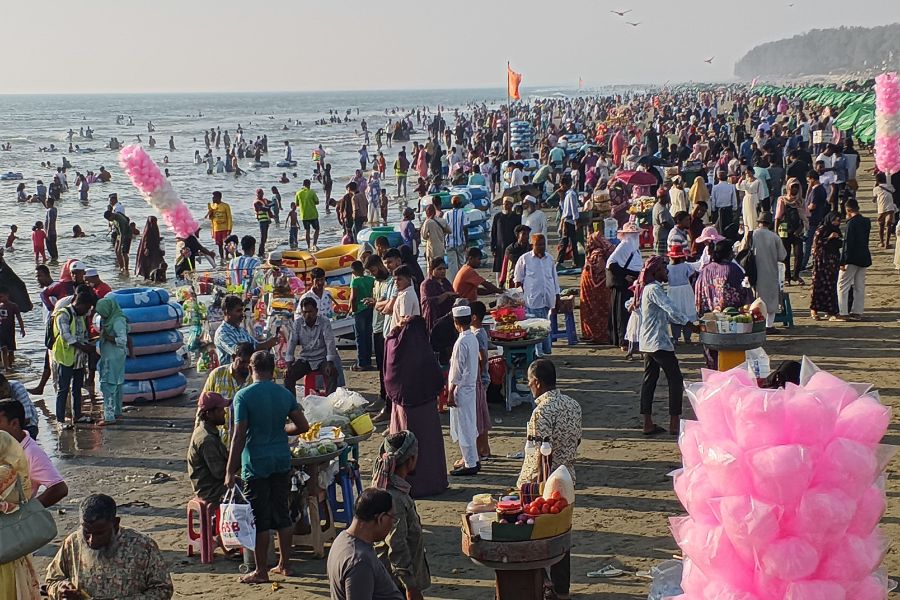
Cox's Bazar bustling with tourists during Durga Puja holidays
Cox's Bazar is witnessing a surge in tourist arrivals during the Durga Puja holidays, with concerns following a deadly resort fire easing and hotels reporting increased bookings. Tourism-related businesses expect at least 1 million tourists to visit the beach town during the 10-day holiday period
Cox's Bazar bustling with tourists during Durga Puja holidays
Cox's Bazar is witnessing a surge in tourist arrivals during the Durga Puja holidays, with concerns following a deadly resort fire easing and hotels reporting increased bookings.
Tourism-related businesses expect at least 1 million tourists to visit the beach town during the 10-day holiday period through October 25, generating Tk 9 billion to Tk 10 billion in business, reports BSS.
Concerns over tourist arrivals arose after a fire broke out at TupTup Resort in Inani on October 17, leaving 10 people dead.
However, hotel owners said tourist numbers had increased over the past two days.
Abul Kashem Sikder, president of the Cox's Bazar Hotel and Guesthouse Owners Association, said about 95 percent of rooms at more than 20 star-category hotels and 80 percent at medium-sized hotels, guesthouses and cottages had been booked in advance.
At least three lakh tourists visited the beach during the three consecutive holidays on Thursday, Friday and Saturday, according to local businesspeople.
Beaches at Laboni, Sugandha and Kalatoli were crowded on Tuesday, with visitors enjoying the sea and various beach activities.
Deputy Commissioner Md A. Mannan said the administration had taken necessary measures to ensure tourists' safety, prevent harassment and excessive charges, and maintain order during the holidays.
Durga Puja is being celebrated at 324 mandaps across the district. Following Vijaya Dashami rituals on October 21, at least 400 idols will be immersed in the sea at the beach. Organisers expect 250,000 to 300,000 people to attend the event.
Uday Shankar Pal Mithu, acting president of the Cox's Bazar District Puja Celebration Council, said preparations were underway to hold the immersion festival peacefully, with support from the administration, law enforcement agencies and political parties.