Bangladesh Defense
Saif
Senior Member
- Jan 24, 2024
- 21,100
- 9,688
- Nation

- Residence
- Axis Group


EU launches new project on regional energy connectivity in South Asia
The European union (EU) together with partners on Thursday launched an energy connectivity project in South Asia. This €5 million EU-funded initiative aims at supporting a more connected regional power market that delivers affordable, clean and reliable electricity to people in Bangladesh...
 en.prothomalo.com
EU launches new project on regional energy connectivity in South Asia
Prothom Alo English Desk
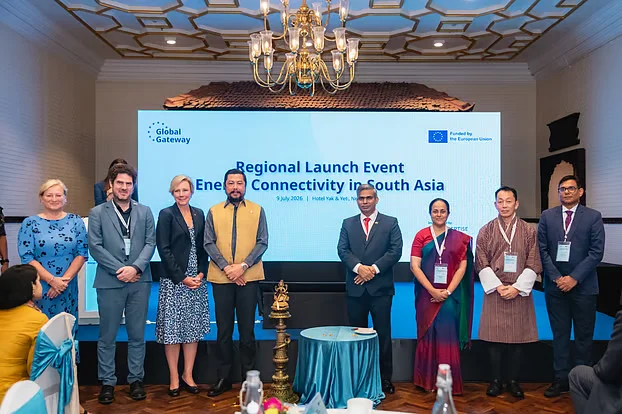
EU launches new project on regional energy connectivity in South Asia Courtesy: European Union
The European union (EU) together with partners on Thursday launched an energy connectivity project in South Asia.
This €5 million EU-funded initiative aims at supporting a more connected regional power market that delivers affordable, clean and reliable electricity to people in Bangladesh, Bhutan, India, Nepal, and Sri Lanka, says a press release.
Enhanced regional energy connectivity will strengthen energy security, create jobs and enhance economic growth in the region, in line with the EU’s Global Gateway investment strategy.
European Commissioner for International Partnerships, Jozef Síkela, stated: “Energy connectivity powers our economies and daily lives. With the launch of this Global Gateway flagship, the European union is investing in cheaper, cleaner, and more reliable electricity that will strengthen resilience and unlock many opportunities for communities and businesses in South Asia. It shows that the partnership between the European union and South Asian countries is growing stronger.”
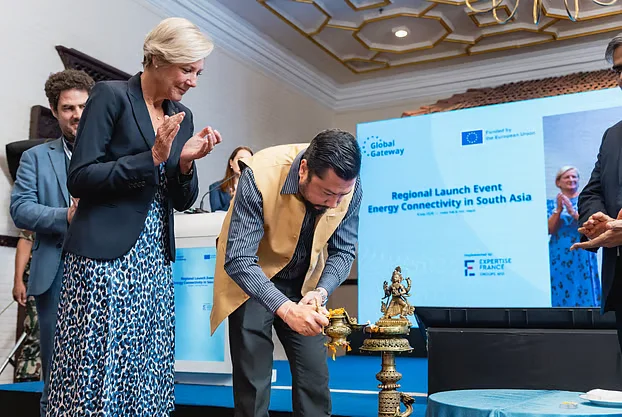
High-level government representatives, development partners, energy sector leaders, regulators, investors, and technical experts from Bangladesh, Bhutan, India, Nepal, and Sri Lanka gathered in Kathmandu today, Thursday for the regional launch of the Energy Connectivity in South Asia (ECSA) project, funded by the European union and implemented by Expertise France, to advance regional energy cooperation and cross-border electricity trade across South Asia.
The event, titled “Powering South Asia’s Energy Future: Advancing Cross-Border Electricity Trade, Investments and Energy Security,” marked the official launch of the four-year regional programme aimed at supporting increased cross-border electricity trade (CBET), enabling large‑scale renewable integration, enhance energy security and economic resilience, and catalyse greater investment in renewable energy infrastructure, including from Europe.
In her opening remarks, Véronique Lorenzo, Ambassador of the European union to Nepal, highlighted the importance of regional cooperation in addressing shared energy challenges. “Europe's experience in building an integrated electricity market has demonstrated that stronger energy connectivity creates more resilient, affordable, and sustainable energy systems. Through energy connectivity project, the European union is proud to work in partnership with South Asian countries to help unlock the tremendous benefits of regional energy cooperation and clean energy integration.”
Chief Guest Biraj Bhakta Shrestha, Minister of Energy, Water Resources and Irrigation of Nepal, welcomed the initiative and underscored the importance of regional collaboration.
“South Asia possesses vast renewable energy resources and growing electricity demand. Enhanced cross-border electricity trade can help countries meet their development goals while improving energy reliability, affordability, and sustainability. Nepal looks forward to strengthening regional partnerships through initiatives such as ECSA.”
Nicolas Chenet, Director of Sustainable Development Department at Expertise France, noted the project's role in fostering dialogue and technical cooperation from both Europe and South-Asia by supporting stakeholder's engagement among participating countries.
“ECSA will serve as a platform for knowledge exchange, capacity building, and collaborative problem-solving. By combining European and South Asian experience, expertise and priorities, the project seeks to support practical pathways toward a more integrated regional electricity market.”
EU launches new project on regional energy connectivity in South Asia Courtesy: European Union
A keynote presentation on “Energy Connectivity in Europe – Governance, Experience and Lessons Learned” highlighted how Europe has developed interconnected electricity markets through coordinated transmission planning, common regulatory frameworks, market coupling mechanisms, and strong institutional cooperation. Participants discussed how key lessons—including transparent market rules, independent regulation, regional planning, and coordinated grid investments—could be contextualised to South Asia's unique context.
The first panel discussion, “Enabling Policy and Regulatory Environment – How Can the ECSA Project Complement Ongoing Initiatives” addressed how the ECSA Project can add value to ongoing regional processes.
The discussion identified opportunities to further deepen regulatory cooperation, advance the harmonisation of technical and market frameworks, strengthen institutional capacity, and enhance coordination among national stakeholders and development partners.
The second panel discussion “Cross-Border Electricity Trade – Investment and Energy Security Opportunities” focused on how regional power trade can stimulate investments in renewable energy generation, transmission infrastructure, and modern power systems while enhancing energy security across South Asia.
Participants highlighted the importance of predictable regulatory environments, bankable project pipelines, and regional cooperation to attract public and private investment.
Participants agreed on several priority areas for the project, including its contribution to strengthening regional policy dialogue, supporting evidence-based planning and technical studies, enhancing institutional and regulatory capacities, facilitating investment discussions, and promoting knowledge exchange on cross-border electricity trade and renewable energy integration.
The ECSA project covers Bangladesh, Bhutan, India, Nepal, and Sri Lanka and seeks to contribute to increasing regional electricity trade, reducing greenhouse gas emissions, improving energy security, and greater integration of renewable energy resources across South Asia.
About the ECSA project
The Energy Connectivity in South Asia (ECSA) project is a EUR 5 million four-year regional initiative funded by the European union and implemented by Expertise France. The project works with Bangladesh, Bhutan, India, Nepal and Sri Lanka on advancing cross-border electricity trade, strengthening energy security, facilitating renewable energy integration, and promoting regional cooperation. Depending on the needs of the participating countries, the project can provide inter alia: policy and regulatory expertise, including from Europe; capacity building / trainings; technical studies, modelling tools, investment roadmaps, regional and national events and workshops; study tours; identification and promotion of joint renewable energy projects and interconnection infrastructure.
Prothom Alo English Desk
EU launches new project on regional energy connectivity in South Asia Courtesy: European Union
The European union (EU) together with partners on Thursday launched an energy connectivity project in South Asia.
This €5 million EU-funded initiative aims at supporting a more connected regional power market that delivers affordable, clean and reliable electricity to people in Bangladesh, Bhutan, India, Nepal, and Sri Lanka, says a press release.
Enhanced regional energy connectivity will strengthen energy security, create jobs and enhance economic growth in the region, in line with the EU’s Global Gateway investment strategy.
European Commissioner for International Partnerships, Jozef Síkela, stated: “Energy connectivity powers our economies and daily lives. With the launch of this Global Gateway flagship, the European union is investing in cheaper, cleaner, and more reliable electricity that will strengthen resilience and unlock many opportunities for communities and businesses in South Asia. It shows that the partnership between the European union and South Asian countries is growing stronger.”
High-level government representatives, development partners, energy sector leaders, regulators, investors, and technical experts from Bangladesh, Bhutan, India, Nepal, and Sri Lanka gathered in Kathmandu today, Thursday for the regional launch of the Energy Connectivity in South Asia (ECSA) project, funded by the European union and implemented by Expertise France, to advance regional energy cooperation and cross-border electricity trade across South Asia.
The event, titled “Powering South Asia’s Energy Future: Advancing Cross-Border Electricity Trade, Investments and Energy Security,” marked the official launch of the four-year regional programme aimed at supporting increased cross-border electricity trade (CBET), enabling large‑scale renewable integration, enhance energy security and economic resilience, and catalyse greater investment in renewable energy infrastructure, including from Europe.
In her opening remarks, Véronique Lorenzo, Ambassador of the European union to Nepal, highlighted the importance of regional cooperation in addressing shared energy challenges. “Europe's experience in building an integrated electricity market has demonstrated that stronger energy connectivity creates more resilient, affordable, and sustainable energy systems. Through energy connectivity project, the European union is proud to work in partnership with South Asian countries to help unlock the tremendous benefits of regional energy cooperation and clean energy integration.”
Chief Guest Biraj Bhakta Shrestha, Minister of Energy, Water Resources and Irrigation of Nepal, welcomed the initiative and underscored the importance of regional collaboration.
“South Asia possesses vast renewable energy resources and growing electricity demand. Enhanced cross-border electricity trade can help countries meet their development goals while improving energy reliability, affordability, and sustainability. Nepal looks forward to strengthening regional partnerships through initiatives such as ECSA.”
Nicolas Chenet, Director of Sustainable Development Department at Expertise France, noted the project's role in fostering dialogue and technical cooperation from both Europe and South-Asia by supporting stakeholder's engagement among participating countries.
“ECSA will serve as a platform for knowledge exchange, capacity building, and collaborative problem-solving. By combining European and South Asian experience, expertise and priorities, the project seeks to support practical pathways toward a more integrated regional electricity market.”
EU launches new project on regional energy connectivity in South Asia Courtesy: European Union
A keynote presentation on “Energy Connectivity in Europe – Governance, Experience and Lessons Learned” highlighted how Europe has developed interconnected electricity markets through coordinated transmission planning, common regulatory frameworks, market coupling mechanisms, and strong institutional cooperation. Participants discussed how key lessons—including transparent market rules, independent regulation, regional planning, and coordinated grid investments—could be contextualised to South Asia's unique context.
The first panel discussion, “Enabling Policy and Regulatory Environment – How Can the ECSA Project Complement Ongoing Initiatives” addressed how the ECSA Project can add value to ongoing regional processes.
The discussion identified opportunities to further deepen regulatory cooperation, advance the harmonisation of technical and market frameworks, strengthen institutional capacity, and enhance coordination among national stakeholders and development partners.
The second panel discussion “Cross-Border Electricity Trade – Investment and Energy Security Opportunities” focused on how regional power trade can stimulate investments in renewable energy generation, transmission infrastructure, and modern power systems while enhancing energy security across South Asia.
Participants highlighted the importance of predictable regulatory environments, bankable project pipelines, and regional cooperation to attract public and private investment.
Participants agreed on several priority areas for the project, including its contribution to strengthening regional policy dialogue, supporting evidence-based planning and technical studies, enhancing institutional and regulatory capacities, facilitating investment discussions, and promoting knowledge exchange on cross-border electricity trade and renewable energy integration.
The ECSA project covers Bangladesh, Bhutan, India, Nepal, and Sri Lanka and seeks to contribute to increasing regional electricity trade, reducing greenhouse gas emissions, improving energy security, and greater integration of renewable energy resources across South Asia.
About the ECSA project
The Energy Connectivity in South Asia (ECSA) project is a EUR 5 million four-year regional initiative funded by the European union and implemented by Expertise France. The project works with Bangladesh, Bhutan, India, Nepal and Sri Lanka on advancing cross-border electricity trade, strengthening energy security, facilitating renewable energy integration, and promoting regional cooperation. Depending on the needs of the participating countries, the project can provide inter alia: policy and regulatory expertise, including from Europe; capacity building / trainings; technical studies, modelling tools, investment roadmaps, regional and national events and workshops; study tours; identification and promotion of joint renewable energy projects and interconnection infrastructure.