[🇧🇩] Monitoring Bangladesh's Economy

[🇧🇩] Monitoring Bangladesh's Economy
1K
32K
More threads by Saif

G Bangladesh Defense

NBR eases e-return registration for taxpayers without verified SIMs
The taxpayers must submit a written application in person at room number 717 of the NBR to get registered

1735521437126.webp


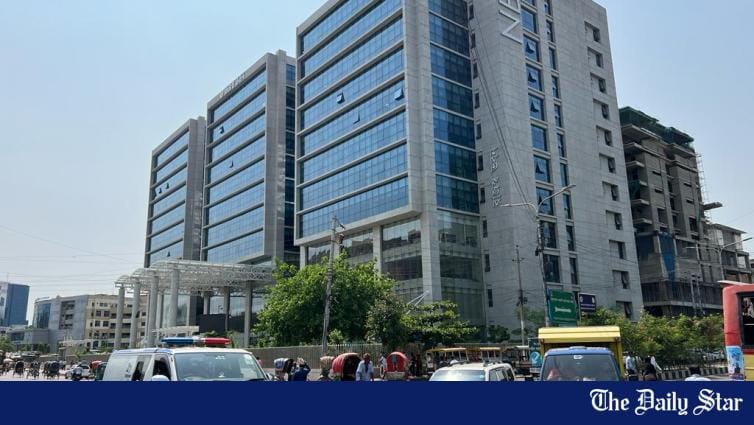
The National Board of Revenue has taken special measures for taxpayers who could not submit their tax returns online due to not having biometrically-verified mobile SIM cards.

To complete registration on the e-Return system for return submission, these taxpayers must submit a written application in person at room number 717 of the NBR.

Typically, a taxpayer must have a verified SIM card to log into the e-Return system. However, the tax administrator, which shared this information today in a statement, has introduced this measure as many taxpayers were facing difficulties.

Currently, approximately 10 lakh taxpayers have filed their taxes through the e-Return system. The NBR has requested the remaining taxpayers to file their returns by January 31 of next year.​
 

Decoding the economic impact of BDT/USD movements

1735522417423.webp


In 2024, we have seen the highest devaluation of the Bangladeshi taka (BDT) against the United States dollar (USD). The exchange rate between the BDT and the USD significantly influences various facets of business operations in Bangladesh, including import and export costs, foreign investment, profitability, and inflation. Incorporating statistical data from authoritative sources provides a clearer understanding of these impacts. In 2000, the exchange rate was approximately BDT 52 per USD.

Ten years later in 2010, it rose to BDT 69 per USD. On December 27, 2024, as per Bangladesh Bank, the amount was 120. A crawling peg exchange rate was introduced in May this year, allowing banks to buy and sell US dollars freely within a mid-range of Tk 117. However, it rose to 127 plus or minus in the curb market.

A weaker taka makes imports more expensive, increasing costs for businesses reliant on foreign goods. The export-oriented industries benefit from enhanced competitiveness, as Bangladeshi goods become cheaper for international buyers.

However, we have historically seen that international buyers adjust buying prices according to the movement of the exchange rate.

Naturally, on the counter-narrative, appreciation of the taka reduces import costs, benefiting businesses reliant on foreign raw materials. It may also reassure investors about the economic strength of the country. However, it hurts export competitiveness, as Bangladeshi products become more expensive for foreign buyers.

Unfortunately, we have seen depreciation of taka for a while now. It makes investments in Bangladesh more attractive in local currency terms, enticing foreign investors.

However, excessive depreciation can raise concerns about economic stability. Bangladesh's foreign exchange reserves, as per the last published amount on the Bangladesh Bank website, are approximately $24.35 billion in November 2024.

On a worrisome level, the Inflation reached 11.38 percent in November 2024, driven by rising import costs and currency depreciation, according to the Bangladesh Bureau of Statistics. To stabilise the economy, the Bangladesh Bank raised its repo rate to 10 percent, aiming to curb inflation and support the currency. However, higher interest rates have increased borrowing costs for businesses.

We have seen the impact of the increased rate of borrowing for project finance in the drop in the percentage of private sector credit growth. This is paradoxical, as private sector investments will be crucial to overcoming the economic crisis we face as a nation.

Going forward, businesses can mitigate exchange rate risks through hedging strategies to offset potential losses. They can also diversify sourcing and markets to reduce reliance on any single currency and implement flexible pricing models to adjust for currency fluctuations.

The BDT/USD exchange rate is a critical factor influencing the Bangladesh economy. Its effects are wide-ranging, from importers grappling with rising costs to exporters capitalising on competitiveness. By staying informed through reliable data from sources such as the Bangladesh Bank, Bangladesh Bureau of Statistics, and Trading Economics, businesses can navigate these challenges effectively, maximising opportunities and minimising losses.

The writer is a former president of the Dhaka Chamber of Commerce & Industry (DCCI)​
 

Economic woes far from over

1735603972635.webp


Just a year ago, this newspaper ran a story leaving a question for our readers as to whether Bangladesh would be able to put its economy back on track in 2024.

As we look back, the nation is set to bid farewell to one of the most significant years -- both politically and economically -- since its journey began more than five decades ago.

The country saw a political changeover in early August following a mass uprising just seven months after the national election.

Besides, the economic challenges that persisted in 2023 continued in the outgoing year, with the situation getting worse in many cases.

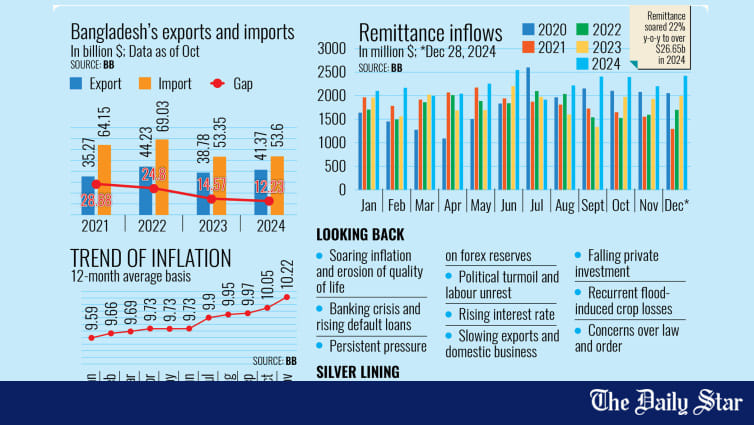
Despite policy tightening by the authorities, inflation, which has hovered above 9 percent since March 2023, stayed elevated as the prices of various locally produced and imported items continued to soar, leading to a gradual erosion of living standards for middle and low-income groups.

The strain on the foreign exchange reserves and pressure on external accounts also persisted as exports did not pick up enough to bolster the forex flow despite a contraction in imports due to policy measures by the central bank.

Industrial production growth slowed sharply, suffering from a decline in the people's purchasing capacity amid high inflation and sluggish exports.

After posting only 4.2 percent growth in the 2023-24 fiscal year that ended in June, the general index of large-scale industrial production fell by 0.71 percent year-on-year during the July-September of FY25 compared to 11.87 percent growth during the same period a year ago, according to the Bangladesh Bank.

There was no good news in private investment.

Amid high inflation, rising interest rates and uncertainty, the appetite for investment waned as evinced by a dip in imports of capital machinery, a key indicator of private investment. Growth of private credit declined as well in the outgoing year.

And the challenges increased further amid the deepening banking crisis. Non-performing loans surged to a multiyear high -- around 17 percent of the total outstanding loans of Tk 16.82 lakh crore -- in September this year.

One good news is the revival in the flow of remittances as the use of informal channels for transferring money reduced after the political changeover in August that ended the 15-year rule of Awami League.

Against this backdrop, the International Monetary Fund (IMF) and other major multilateral agencies predicted a slower growth of Bangladesh's economy.

Recently, the IMF said Bangladesh's economy may grow 3.8 percent in FY25, the slowest since FY20, because of output losses caused by the July uprising, floods and tighter policies.

It said annual average inflation is anticipated to remain around 11 percent in FY25 before declining to 5 percent in FY26, supported by tighter policies and easing supply pressures.

However, the outlook remains highly uncertain, with risks skewed to the downside, it added.

"The year 2024 has been an unprecedentedly challenging year marred by numerous obstacles, be it the economic slowdown, environmental disasters or mass uprising in July-August," said Zaved Akhtar, president of the Foreign Investors Chamber of Commerce and Industry (FICCI).

"Businesses had to work with three multifaceted stakeholders and environments, one pre-election, one post-election and then the final set with the interim government."

Deen Islam, associate professor of economics at the University of Dhaka, said 2024 was an especially difficult year for poor and vulnerable groups.

"Rising prices of essential commodities, such as food and fuel, disproportionately affected those with limited financial resilience. Price hikes of basic necessities, including rice, wheat and edible oil, placed a significant strain on household budgets, exacerbating poverty and inequality."

"The economic pain was further compounded by two devastating floods, which disrupted agricultural production and threatened local food security," he added.

Islam further said that the year 2024 stands out as one of the most eventful and challenging periods in Bangladesh's economic history.

Shams Mahmud, managing director of Shasha Denims Ltd, an apparel exporter, said the year 2024 will be remembered as a watershed year for Bangladesh.

"We had seen the policies undertaken by the previous government stifle private sector growth as well as reinvestment," he added.

"Oligarchs and their businesses were prioritised at the expense of the private sector of Bangladesh."

Tanvir Ahmed, managing director of Sheltech and Envoy Legacy, said the political uncertainty has impacted consumer confidence on products and services offered by local industries.

"From construction and real estate to ceramics, steel, cement, rod, commodity industries and also the stock market, are all experiencing low demand for their products."

"While prices have driven the elasticity of demand in previous situations, this time it is more of socio-political issues that are keeping customers and consumers from spending their disposable income," he added.

LOOKING FORWARD TO 2025

Ashikur Rahman, principal economist at the Policy Research Institute of Bangladesh, said the outlook for FY25 is also cloudy primarily owing to the difficult law and order situation and political uncertainties.

"While there is an encouraging recovery in exports and remittances, import recovery is lukewarm and both public and private investment are down. The ADB, IMF and World Bank have all revised their growth projections downwards for FY25," he added.

Deen Islam said global market trends suggest the prices of essential commodities like rice, wheat and edible oil are likely to rise further, driven by supply chain disruptions and climatic challenges.

To prevent a deepening crisis, the interim government must adopt proactive policies to safeguard the food supply and protect vulnerable populations.

Zaved Akhtar, also chairman and managing director of Unilever Bangladesh, said the global business environment will continue to be difficult given the geopolitical tensions and higher global energy and commodity costs in 2025.

He said in recent periods, businesses have seen challenges with the exchange rates of currencies.

While currencies tend to depreciate to adjust their values amid market forces, sudden and sharp depreciation creates an immediate impact on businesses and the economy as business plans and assumptions are based on currency forecasts.

"In addition, given our country's import dependency, inflation is now unlikely to be abated soon and the cost of operations will likely go up. Companies that have exposure to foreign currency will have increased cost exposure," Akhtar said.

Kanti Kumar Saha, chief executive officer of Alliance Finance PLC, said following the political changeover in August, there has been growing optimism for reform on the macroeconomy and business fronts.

However, he said much will depend on reforms in the financial and other sectors alongside timely utilisation of the annual development fund to bring back the country's growth momentum.

Also, the adoption of market-based exchange rates is needed to support international trade, which is a lifeline for the domestic economy.

Ease of doing business, bringing down inflation and non-performing loans, maintaining remittance and export growth, and improving revenue collection will be key challenges in 2025, Saha said while suggesting that the right reforms for the capital market can boost investor confidence in the new year.​
 

Liberalising the foreign exchange regime

1735604204981.webp


Since our independence, 53 years have gone by and the country has already become a quasi-dominant player in the global supply chain. Yet our dominant stakeholders are being forced to take shelter under the Foreign Exchange Regulation Act (FERA) 1947 delineated by East India Company, barring foreign exchange liquidity or exchange rate stability issues. Our trading community and investors, local or foreign, still find our foreign exchange regime to be the most cumbersome and complex among emerging economies. We, in most cases, have to go back to our central bank for almost every other cross-border transaction approval. Hence, it is not helping us at all. No matter how sympathetic our central bank officials are, they are mostly busy with day-to-day transaction approvals, with no time to think beyond or reforming the cross-border transaction domain we are in.

What do we need to do?
  • Implement an easier pre-and post-facto approval process against outward remittance of surplus earnings, dividends, training, technical know-how, operational assistance, software purchase and renewal fees, etc.​
  • Liberalise the external borrowing guideline to promote access to cost-effective financing options for Bangladeshi borrowers.​
  • Develop a comprehensive guideline to promote financial market growth by removing case-to-case time-consuming approval.​
  • Allow a discount against export on compelling grounds (e.g., quality issues): As of now, the pre-facto discount approval process is quite painstaking and uncertain. Such a conservative approach remains a hindrance to remaining competitive, notably with increasingly demanding global apparel buyers.​
  • Open account trade is still restricted in the local context while global trade is heavily reliant on this.​
  • Allow electronic presentation of import and export-related trade documents through secured electronic platforms.​

A few more points on process and technical approaches could be:
  • Relook at the role of exchange houses. Like exports, it has to happen like USD drawing arrangements (no buying of Taka, which is currently in place); the flow has to come in USD in designated banks and be converted into a published rate. With Taka buying, competition happens, and less USD comes into the country.​
  • Interbank foreign exchange market should be built up from the ground again. In absence of brokers like other similar countries, here interbank trades are one way traffic only -- between two banks with sides known to each other. So, no market making is happening. In an ideal situation all excess from one bank to another bank should route via buy /sell through brokerage houses and in the absence, the central bank. In this way, transparency in rate may be ensured.​
  • L/C clearance mechanism not needed; as official outflow is already significantly down. The L/C clearance process may unnecessarily delay the process or may lead to unofficial forex outflow.​

One may of course argue that external borrowing rates are already high now. Hence, it is not certain if liberalising would help.

Without liberalising interest rates of the government bills and bonds, and letting FX forward pricing based on market forces, steps may not be very effective.

I would also push for a few more fundamental points:

(a) The quality of auditors and BB's enlistment process for auditors. It must be made more stringent; (b) strict compliance with local rating companies' rating process. A local rating company rated known to be 'quite bad bank' AAA. What would you think, when a relatively far better bank is rated AAA? After S Alam took over and bad loans started piling up, Islami Bank's rating improved.

We are now talking of various reforms with the interim government, then why not reforming our cross-border trade, remittance and payment regime?

The writer is the chairman at Financial Excellence Ltd​
 

How embedded finance can unlock Bangladesh's economic potential
Zia Hassan Siddique, ASM Ahsan Habib and Sanjoy Pal
Published :
Dec 28, 2024 22:05
Updated :
Dec 28, 2024 22:06

1735606560202.webp


Embedded finance is the seamless integration of financial products or services into nonfinancial company's platforms or apps. Embedded finance is a very popular business model in the world for its frictionless payment experience. And that is why, several giant companies like Uber, Amazon, Apple, Tesla have adopted it considering the various advantages of this model.

Embedded finance helps to generate revenue for service providers and banks by offering differentiated products to new customers. A study by 'Research and Markets', a global leader in market research, reveals that embedded finance opportunity in Bangladesh market is approximately US$ 817.10 million by 2024 with a projected annual increase of 28.5 per cent. The industry is predicted to maintain a compounded annual growth rate (CAGR) of 48.0 per cent from 2024 to 2029 and the expansion is forecast to be worth US$5.80 billion by the end of the period.

EMBEDDED PAYMENTS: SCOPE FOR FINANCIAL INCLUSION AND MARKET EXPANSION: Embedded payments, instead of redirecting users to separate payment gateways or banking applications, allow transactions to occur naturally within the user's current environment, whether it's an e-commerce platform, ride-hailing app, or social media marketplace.

Bangladesh is a rising economy with around 6 million SMEs and growing middle class with around 5 million Gen Z population. The vibrant consumer and SME sector is yet to utilise the full potential of transaction velocity because of the lack of embedded payment infrastructure, process and policies. Currently, few platforms like bKash and Nagad, to some extent, have successfully integrated their payment systems into various applications. However, the majority of digital transactions still occur through standalone payment apps or traditional banking channels, indicating substantial room for growth in embedded payment adoption.

Successful case studies from neighbouring countries provide valuable insights for Bangladesh. India's unified payments interface (UPI) has enabled seamless embedded payments across numerous platforms, from small merchant QR codes to large e-commerce websites. Similarly, Indonesia's transformation through platforms like Gojek and GrabPay demonstrate how embedded payments can drive digital economy growth in a market with similar demographic characteristics as in Bangladesh. Vietnam offers perhaps the most relevant case study, having successfully integrated embedded payments into social commerce platforms. Their experience shows how combining social media, e-commerce, and payments can accelerate digital payment adoption in a developing market. By 2022, over 45 per cent of Vietnamese consumers were using embedded payment solutions in social commerce, making it a global leader in this technological integration. Bangladesh could adapt this model by encouraging social commerce platforms to integrate payment capabilities, particularly given the country's high social media penetration rate.

Under the leadership of Bangladesh Bank, the regulatory environment is gradually adapting to support digital payment innovation, which is really encouraging. The introduction of the National Payment Switch Bangladesh (NPSB) and the regulatory sandbox for fintech innovations has created a foundation for expanding embedded payment solutions. Nevertheless, challenges persist in terms of infrastructure readiness, regulatory compliance requirements and merchant adoption.

To replicate successes of other countries, Bangladesh needs to focus on three key areas. First, developing robust API infrastructure to enable easy integration of payment services into various platforms. Second, creating clear regulatory guidelines that balance innovation with security. Third, incentivising merchants and platforms to adopt embedded payment solutions through reduced transaction fees and simplified onboarding processes. The mobile-first nature of Bangladesh's internet users presents a particular opportunity, as embedded payments can be naturally integrated into the apps and services that consumers use daily. This aligns with successful models seen in countries like Indonesia and Vietnam, where mobile-based embedded payments have driven significant financial inclusion.

EMBEDDED INSURANCE: ACCESS TO RISK MINIMISATION THROUGH DIGITAL PLATFORM: There are a total of 81 insurance companies in Bangladesh, including 35 life and 46 non-life insurance companies serving about 18.97 million through different insurance products. Life insurance companies occupy 74 per cent of the market share and non-life insurance companies only 26 per cent. Another popular insurance service is Bancassurance (Banks financial service that combines banking and insurance services). Despite being a very important sector in the world, insurance is still neglected in Bangladesh and insurance is not becoming popular in this country. So, is our country's market not suitable for insurance or are we not able to take the initiatives that should be taken to make the insurance market popular? Embedded insurance can help this sector become popular. Embedded insurance is another application of Embedded Finance where customer can also avail insurance products at the time of main product purchase from non-financial companies. There are opportunities for embedded insurance in many sectors ranging from Consumer Products, Travel & Hospitality, Healthcare, Real Estate and Transport & Logistics. The customer does not have to approach the insurance provider for the services. As of last November, 6.20 million motor vehicles were registered in the country and registration is ongoing. If these motor vehicle registrations are through embedded insurance, the motor insurance process for customers will be simplified and the government will also receive more revenue. Another popular sector in the country is real estate. If there is a partnership between real estate and residential real estate brokers, they can get real estate insurance through embedded insurance. Life and health insurance can embed through E-commerce platforms, especially those selling wellness products, offer life and health insurance at the point of sale. Embedded insurance can also be in travel. Travel booking sites can integrate travel insurance directly into their booking system.

EMBEDDED LENDING: EXPANSION OF DIGITAL LENDING THROUGH CREDIT SCORING MECHANISM: Embedded lending is the integration of different types of lending services into nonfinancial platforms or applications. The technological transformation of conventional lending comes up with digital lending solution in the financial industry. The use of artificial intelligence (AI) technology has enriched the inclusive financing area through a credit scoring system to assess the eligibility of a prospective borrower to borrow along with identify the repayment capacity.

Digital credit scoring is an integral part of digital lending which uses various components such as personal data, financial structure, credit history etc., to lend a customer through digital means rather than using in-person approach. Digital banks offer retail loans, credit cards as well as Micro, Small and Medium enterprise (MSME) loans worldwide through the mechanism of embedded lending. The tech-driven method not only reshaped the traditional financing approach, but also unlocked the potential of inclusive market in developing countries. The main asset of the digital lending approach is data using which a lender or sometimes a protective borrower identifies own position to borrow funds through credit scoring.

Digital lending runs not only on the wheel of digital credit scoring method, but also infuses algorithm for rendering tailored products and services. These data driven methods let individuals to easily assess eligibility for borrowing from financial institutions. The platform facilitates personalised lending, micro lending, MSME lending, supply chain lending, trade financing etc. The Artificial Intelligence (AI) based application here represents a user-friendly interface where a prospect can easily submit a complete application for loan anytime from anywhere. At present, small businesses capture the large portion of total businesses in the world in terms of number and entrepreneurial engagements. The digital lending platform analyses data from various sources and also financial psychology through internet footprints and through data available in the credit bureau operated in a country and finally provides the available lending solutions to the customers through AI. Digital lending mechanism excludes the human interaction and minimises the human errors. Besides, it improves the financing process through the accessibility, speed, lower costs etc. that leads to positive customer experience of a financier.

Embedded finance is not limited to payments, lending and insurance but has its scope in many other sectors. If the implementation of embedded finance in the MSME sector is ensured, this sector can achieve significant growth fostering overall economic growth of the country.. Bangladesh as a growing economy must actively take measures to implement embedded finance ecosystem to reap the benefits and achieve sustainable economic growth.

Zia Hassan Siddique is a banker turned fintech entrepreneur. Co-founder of Dana Fintech, Bangladesh and Kube Innovation, UK. A. S. M. Ahsan Habib is a banker and Certified Digital Finance Practitioner (CDFP). Sanjoy Pal is a banker and Financial Modeling & Valuation Analyst (FMVA®) certified from Corporate Finance Institute, Canada.​
 

Dhaka International Trade Fair begins January 1

1735687571229.webp

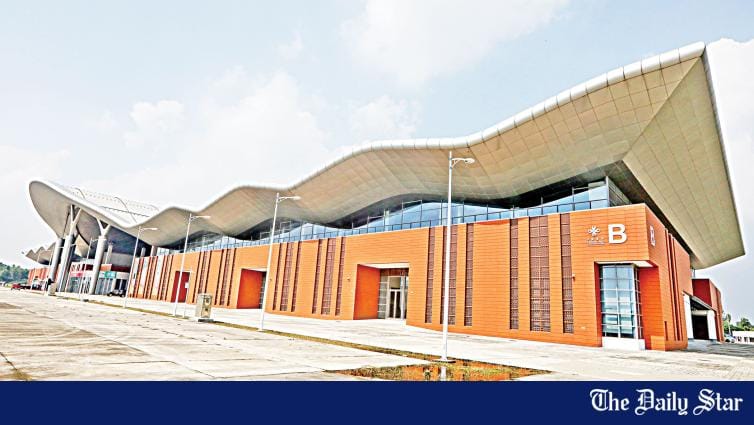
The new venue of the Dhaka International Trade Fair is seen at Purbachal. Photo: Prabir Das

The month-long Dhaka International Trade Fair (DITF) is set to begin on January 1, 2025.

Chief Adviser Prof Muhammad Yunus will officially inaugurate the 29th edition of the DITF, jointly organised by the Ministry of Commerce and its subordinate organisation, the Export Promotion Bureau (EPB).

The fair will be held at the Bangladesh-China Friendship Exhibition Center in Dhaka's Purbachal.

The EPB and participating commercial institutions have nearly completed preparations for DITF 2025. Last-minute work is underway to enhance the fair's appearance.

EPB sources state that this year's fair is organised with the spirit of the July Movement in mind.

The EPB has constructed three pavilions named after the July Revolution. They believe this year's fair will attract more domestic and foreign visitors compared to previous years.

The event will feature 361 stalls and pavilions with exhibitors from Bangladesh and seven other countries. Eleven foreign businesses will showcase their goods and services.

EPB notes that entry fees remain unchanged at Tk 50 for adults and Tk 25 for children under 12.

The commerce ministry reports that the 28th DITF generated Tk 392 crore in export orders, a 17 percent increase over the previous year.​
 

Remittance hit all-time high in 2024

1735778852622.webp


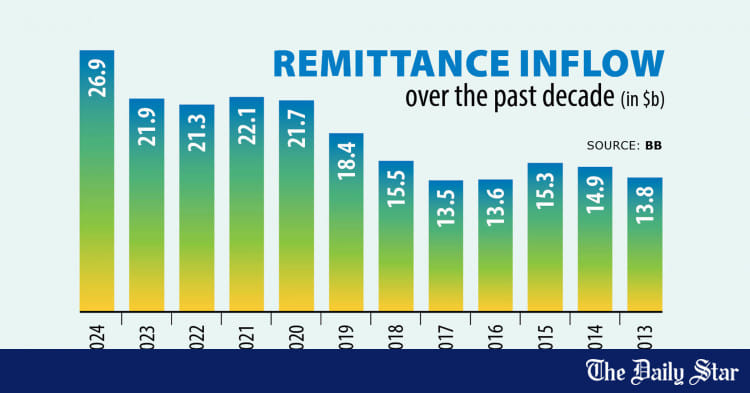
Expatriate Bangladeshis sent home a record $26.9 billion, up 23 percent year-on-year, in a development that will bring a huge sigh of relief to policymakers as they endeavour to shore up strained dollar stockpile.

The inflows saw a spike after the fall of the Awami League government on August 5, with more than $2 billion coming in every month since, as per the latest statistics published by the Bangladesh Bank.

In December, a record $2.63 billion came in, up 33 percent from a year earlier.

"A large portion of migrant workers had declared emotionally that they would not send remittance through formal channels amid the tenure of the previous government -- they have been sending remittance after the political changeover," said Syed Mahbubur Rahman, managing director of Mutual Trust Bank.

Previously, there was a growing demand for hundi, an illegal cross-border transaction mechanism. Typically, the demand for hundi rises when a large volume of money is siphoned out from the country.

This stopped after the interim government took charge, said Rahman, also a former chairman of the Association of Bankers, Bangladesh, a forum of banks' MDs.

"The business people and politically influential individuals who siphoned off money from the country are now in jail, some are fugitives and some are in hiding," said Zahid Hussain, a former lead economist of the World Bank's Dhaka office.

The flexible exchange rate or the narrow difference of exchange rate between the formal and informal markets accounts for the spike in remittance uptick, he said, adding that the repatriation of export earnings has increased.

In 2023, the exchange rate gap between the formal and informal channels was Tk 7 to Tk 10 per dollar. Last year, the gap came down to Tk 3 to Tk 5 per US dollar, industry insiders said.

Rahman hopes that the external sector will not face huge pressure in the coming days due to the rising trend of remittance and export, the two main sources of foreign currency.

"The signs are already there that the external sector is making a turnaround," said Hussain, who was part of the 12-member committee that prepared a white paper on the Bangladesh economy.

The repatriation of export earnings has become more frequent now, he added.

The growing trend of dollar inflows will give a breathing space to reserves, which crossed the $21 billion-mark after several months despite making regular payments for imports.

When Ahsan H Mansur took charge of the central bank, the overdue payment for letters of credit was at more than $2 billion. This has now come down to only $400 million, according to BB officials.

In December, Islami Bank received the highest amount of remittance ($366 million), followed by Agrani ($264 million), Janata ($147 million), BRAC Bank ($193 million), and Trust Bank ($184 million), central bank data showed.​
 

Bangladesh’s economic transition
Lessons from 2024 and prospects for 2025


1735780086692.webp

VISUAL: ANWAR SOHEL

The economy of Bangladesh faced sustained stress throughout 2024, with macroeconomic stability continuing to deteriorate—a trend from the past few years—due to a series of challenges. The first half of 2024 unfolded under the autocratic regime of the Sheikh Hasina-led Awami League government, which systematically undermined the economy through rampant misappropriation of public resources. The interim government, which assumed power three days after the fall of the Awami League regime, inherited a fragile economy plagued by high inflation, declining foreign exchange reserves, stagnant private investment, mounting debt, inefficiencies in public project implementation, and a weak financial sector.

After nearly five months of the interim government's leadership, public expectations for an economic turnaround remain high, particularly regarding issues directly impacting livelihoods. While some positive changes are becoming evident, most economic challenges persist, complicating the path to recovery. Addressing these issues effectively in 2025 will require prioritising urgent actions.

Firstly, to tackle inflation, the new Bangladesh Bank governor adopted a contractionary monetary policy, raising the policy rate to 10 percent. Despite this measure, point-to-point inflation climbed to 11.38 percent in November 2024, with food inflation soaring to 13.8 percent during the same period.

Although monetary policy measures typically take 6-12 months to show results, complementary fiscal policies and enhanced market management are critical. In Bangladesh's current context, inflation must be addressed through monetary, fiscal and market management measures. Due to an increase in the policy rates in recent months, lending rates have increased. This hurts businesses as the cost of funds has increased. Additionally, private investment has been stagnant for about a decade. Small and medium enterprises face a liquidity crisis as they cannot afford costly bank loans. This situation is not conducive to employment generation—a cause for which the students staged a movement back in July. While the interim government has reduced or withdrawn duties on essential items like rice, edible oil, sugar, onions, potatoes and eggs, poor market management has prevented consumers from reaping the benefits.

The government should take multiple measures to enhance the supply of products in the market. These could include enough government procurement from farmers at a fair price, facilitating farmers' connection with the markets, providing them with financial and technical support to enhance their resilience to price shocks, eliminating rent-seeking and extortions during the transportation of products through improved law and order situation, enhancing supply chain efficiency through better logistics and transportation infrastructure, allowing more importers to enter the market, and extending trade partnerships for importing essential items.

Secondly, the current national budget requires revision to reflect the current economic challenges. Politically motivated and low-priority projects under the Annual Development Programme (ADP) should be postponed to address financial constraints. In view of high inflation, the government should enhance support for poor and low-income households by expanding the open market sale (OMS) of commodities at an affordable price. Support for those affected by severe floods in August and September this year has been inadequate compared to their needs. They should be provided with financial support to recover their losses, at least partially.

The budget for FY2025-26 will be challenging. In view of the high inflationary trend and limited fiscal space, the next budget has to be contractionary. However, development expenditures cannot be controlled too much since the government has to consider the need for employment generation. The upcoming budget will be an opportunity to make a balanced allocation across all sectors. Health, education, and science and technology sectors should receive more allocations.

Third, the banking sector has been mired in mismanagement and corruption over the past decade and a half. The Awami League government issued bank licences based on political considerations, enabling embezzlement by directors under lax regulatory oversight. The new governor dissolved and reconstituted the boards of 11 private banks, temporarily halting fund mismanagement. However, these banks now face acute liquidity crises. The Bangladesh Bank has provided liquidity support of Tk 22,500 crore to bail out six weak banks. While this measure has been unavoidable in order to meet depositors' needs, it risks further inflationary pressure. The central bank has to take harsh steps to resolve the structural problems of the banking sector. Though the task is arduous and time-consuming, the country eagerly awaits the recommendations of the three task forces and their implementation to restore discipline and good governance in the sector.

Fourth, the free fall of the forex reserves has stopped in recent months. As of December 24, 2024, the country's gross international reserves stood at $20.18 billion, following the BPM6 method. As part of a $4.7 billion loan from the International Monetary Fund (IMF), the Bangladesh Bank has to maintain a certain level of forex reserves following the BPM6 method, an internationally accepted standard to calculate forex reserves. After repeated failure since the loan approval in January 2023, the Bangladesh Bank was able to meet the IMF target in the June and September quarters of 2024. It is expected to meet the target in December 2024 as well. The remittance flow has increased substantially in recent months. Maintaining this trend in the coming months will require a continued focus on boosting remittance flows and ensuring exchange rate stability. Transparency in currency market operations is essential to sustain investor confidence.

Fifth, Bangladesh's graduation from the Least Developed Country (LDC) status to a Developing Country status in 2026 offers opportunities and challenges. While the transition will enhance the country's global image and attract investments, it also entails the loss of duty-free, quota-free (DFQF) market access, concessional loans, and other benefits. Therefore, Bangladesh must prepare for a smooth transition from the LDC status to absorb the initial shock of losing various flexibilities, including the Generalised System of Preferences (GSP). It must prepare for the GSP-plus facility by achieving various stringent compliances. The government and the private sector should work together to formulate a pathway to overcome the challenges of LDC graduation.

The economic crisis left by the Awami League government is profound, and resolving it will require sustained efforts. A multi-pronged approach involving coordinated efforts across ministries and agencies is essential.

The current law-and-order situation remains precarious, adversely affecting production in industrial zones. Both domestic and foreign investors are waiting and closely monitoring political developments. It is unlikely that significant new investments will occur before the national elections. Therefore, it is imperative for the interim government to present a clear roadmap for the elections, enabling economic stakeholders and partners to plan their investment strategies accordingly.

Equally importantly, the interim government must assert its authority in managing day-to-day governance. This critical responsibility appears to have received low priority amid the focus on drafting medium- to long-term reform agendas. A balanced approach that prioritises immediate governance alongside future reforms is essential for stabilising the economic environment.

Flawed political, social, and economic systems have hindered the realisation of Bangladesh's full potential. While comprehensive reforms across all sectors are crucial, and while the interim government can initiate this process by consulting experts and stakeholders, the responsibility for implementation lies with future elected representatives. The nation watches closely as the interim government navigates these challenges, striving to address present needs while laying the groundwork for a sustainable future.

Dr Fahmida Khatun is executive director at the Centre for Policy Dialogue (CPD) and non-resident senior fellow at the Atlantic Council. Views expressed in this article are the author's own.​
 

Latest Posts

Back