[🇧🇩] Trump's Victory/Tariff/ Bangladesh

[🇧🇩] Trump's Victory/Tariff/ Bangladesh
228
8K
More threads by Saif

G Bangladesh Defense

Jamaat Ameer thanks President Trump for tariff cut

Published :
Aug 01, 2025 19:25
Updated :
Aug 01, 2025 19:25

1754091397196.webp


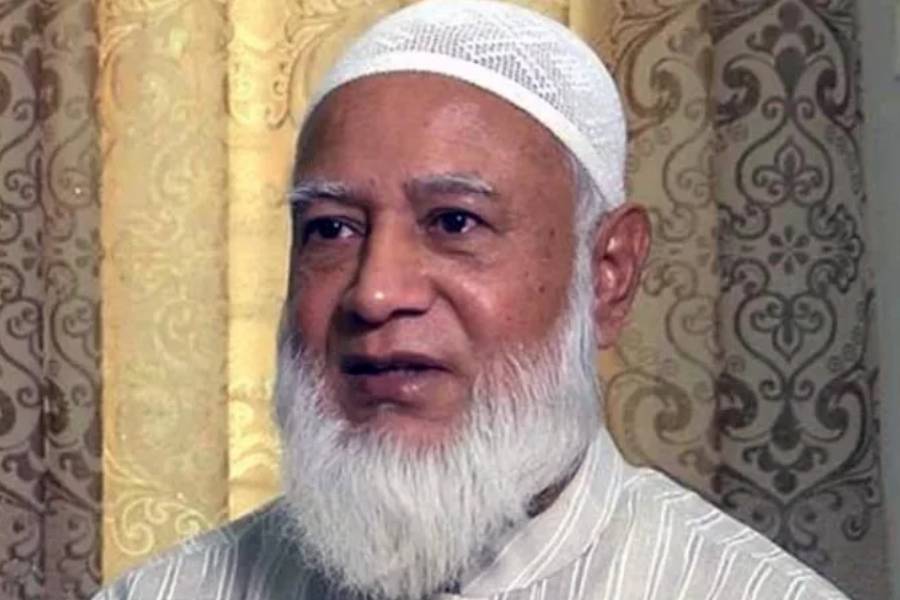
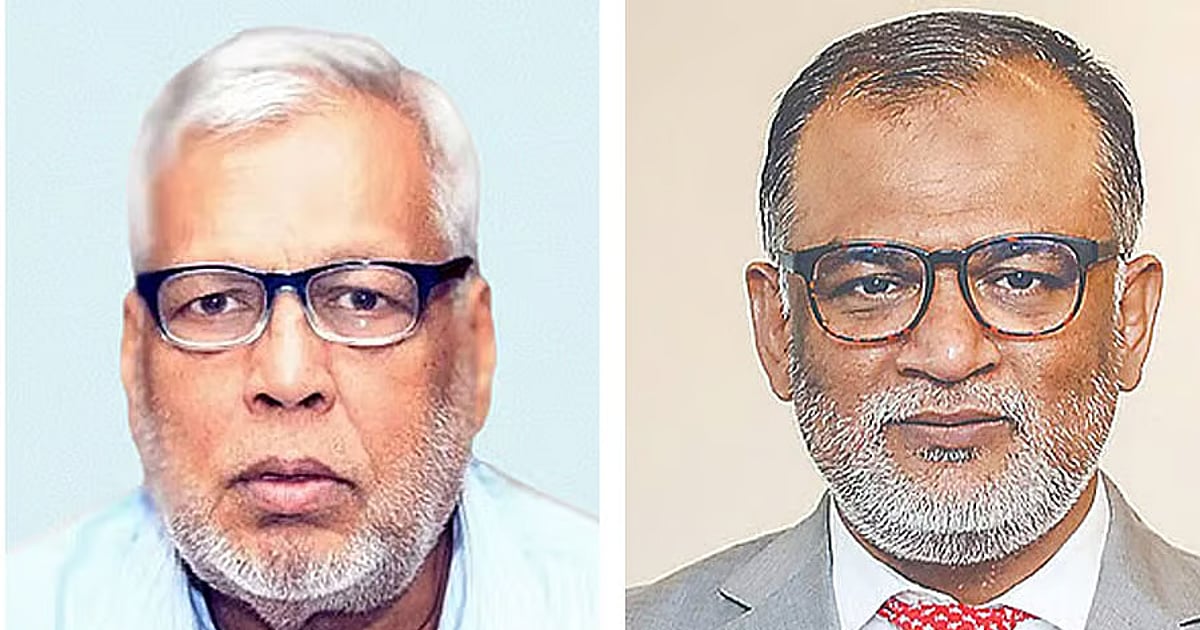
Bangladesh Jamaat-e-Islami Ameer Shafiqur Rahman on Friday thanked United States (US) President Donald Trump for his decision to lower its reciprocal tariff on Bangladeshi products from 35 percent to 20 percent.

Shafiqur Rahman also thanked the interim government led by Professor Dr. Muhammad Yunus for the landmark trade deal with the US, reports BSS.

“Alhamdulillah, the high tax rate announced by the US on Bangladesh’s export products has been reduced to 20 percent due to the effective initiatives of the Bangladesh government and the sincerity of the US government. For this, I thank President Donald Trump and Professor Dr. Muhammad Yunus’ government,” he said in a post on his verified Facebook ID.

He hoped that in the future, Dr. Muhammad Yunus and those who will come to the power of the state will maintain their honorable position and fulfill their dignified duties in the arena of world diplomacy.

The US has reduced its tariff rate on goods from Bangladesh to 20 percent, a significant reduction from the previous 35 percent, after a final round of intense negotiations in Washington.

The announcement was made by the White House today, after the final round of the talks in Washington DC between Bangladeshi officials and the Office of the United States Trade Representative (USTR), the main body responsible for overseeing US trade policy.​
 

US tariff cut on Bangladesh exports ‘satisfactory for now’, says Amir Khosru

Published :
Aug 01, 2025 17:48
Updated :
Aug 01, 2025 17:54

1754091738056.webp


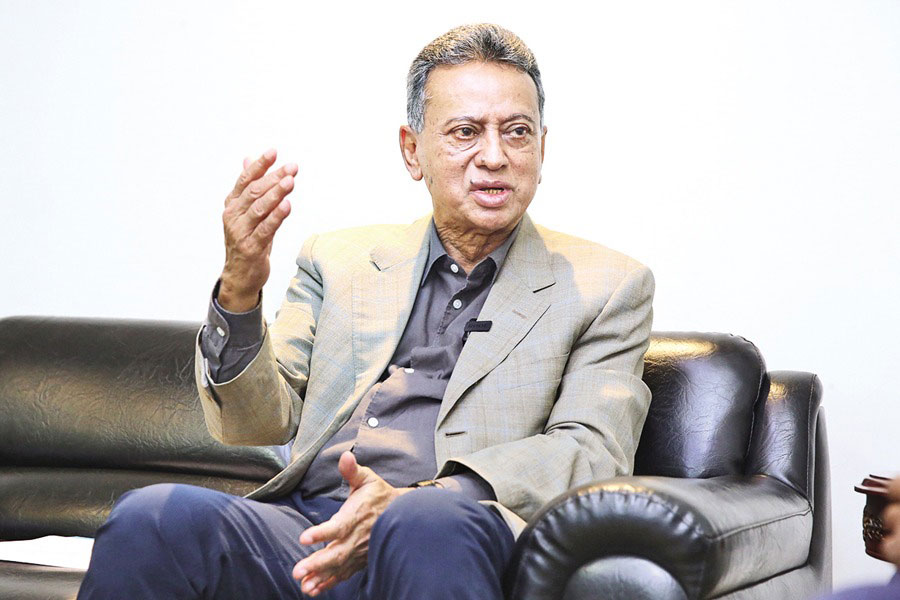
BNP leader Amir Khosru Mahmud Chowdhury believes the Trump administration’s decision to reduce reciprocal tariffs on Bangladeshi exports from 35 per cent to 20 per cent is a “satisfactory outcome” for the export sector, according to bdnews24.com.

“This isn’t about victory or defeat. Given the tariff levels [facing Bangladesh's competitors], we are now in a relatively satisfactory position," the former commerce minister told reporters at his Gulshan residence on Friday.

“The tariff rate now aligns with those imposed on our competitors, and that’s acceptable. It’s satisfactory.”

However, the true implications will only become clear once the finer points of the negotiations are revealed, according to him.

“All we know is the tariff rate. Only after understanding the full scope of the negotiations can we comment further. Until we know what had to be given up in return for this reduction, we cannot assess the true impact.”

The revised tariff is part of a broader restructuring of US trade policy affecting several trading partners. For instance, the rate for Sri Lanka was lowered from 30 per cent to 20 per cent, while Pakistan’s rate dropped from 29 per cent to 19 per cent. Tariff rates for Bangladesh's other competitors Vietnam and India now stand at 20 per cent and 25 per cent, respectively.

Amir Khosru emphasised that trade deals are rarely confined to just a figure. He suggested the reduction likely came as part of a broader agreement involving other terms, such as potential US exports or specific conditions. These must be disclosed before a full evaluation can be made.

When asked if the revised tariff had brought relief to Bangladeshi exporters, he said: “The 20 per cent tariff will not hinder our export market at the moment. So for now, it’s a satisfactory outcome.”

“But there are many other aspects related to this that we don’t yet know. Once we do, we can make more informed comments.”

When asked if he saw a link between the new tariff rate and Bangladesh’s recent indication to purchase 25 Boeing aircraft from the US, he said: “Something had to be done. The entire US tariff approach is based on ensuring exports of American products. That’s the reason behind the imposition of these extra tariffs.”

“But the real discussion is about how much Bangladesh can absorb -- how much our economy and businesses can absorb. We can comment only after evaluating all of this in detail.”

He continued, “We must keep in mind that this isn’t just about tariffs. There are other elements involved that must be considered collectively. That broader perspective is vital for the days ahead.”

“For now, I believe our exporters are experiencing some relief."

He urged the interim government to provide clarity on the matter.

“We don't just trade with the US. We export to many countries. We need to evaluate where we stand globally in light of this and conduct a thorough review.”

“At the same time, we need to diversify our exports, both in terms of destinations and products. We cannot have an economy that’s overly dependent on the US. That is our challenge for the future.”

To meet the challenge, Bangladesh needs to improve its investment climate, boost public participation in the economy, and build capacity, according to Khosru.

"We need change through deregulation, reevaluation, and major reforms. That’s the direction we must take in the days ahead.”​
 

A trade triumph for Bangladesh

Published :
Aug 02, 2025 00:22
Updated :
Aug 02, 2025 00:22

1754091864011.webp


At a time when global trade tensions are running high and tariffs are being used as tools of economic pressure, Bangladesh's achievement in securing a lower duty from the United States is both remarkable and beneficial. The reduction of the reciprocal tariff to 20 per cent from the previously announced 37 per cent not only protects Bangladesh's key export sectors from sudden disruption but also strengthens its foothold in the American market. Secured after months of rigorous negotiations, this outcome positions the country favourably alongside other key competitors like Vietnam and Sri Lanka which also face the same 20 per cent rate, while larger economies like India and China will grapple with higher tariffs of 25 per cent or more. The result demonstrates both the diplomatic finesse and clear understanding of global trade dynamics by Bangladesh's negotiating team led by commerce adviser Sk Bashir Uddin. Chief adviser Prof Muhammad Yunus aptly described this as a "landmark trade deal" and a "decisive diplomatic victory" which preserves and advances the country's comparative advantage in an increasingly complex global trade environment.

From an economic standpoint, the reduced tariff acts as an important protection for Bangladesh's export-driven growth model. In particular, the ready-made garment sector which forms the backbone of the country's exports and accounts for a significant share of its shipments to the US stands to take many positives. At the very least, this effectively restores Bangladesh's export position in the $8.0 billion US market to what it was before the tariffs. The Business and Tariff Management Association (BTMA) has also noted that this outcome levels the playing field, if not tilts it slightly in Bangladesh's favour, compared to many other exporting countries. While competitors like Cambodia and Pakistan negotiated a marginally lower 19 per cent tariff, Bangladesh's larger production capacity, well-established supply chains and economies of scale in the ready-made garment sector more than compensate for this slight difference.

The diplomatic success in securing a reduction of the US tariff notwithstanding, the outcome raises important questions about what Bangladesh may have had to offer in return. Media reports suggest the concession was partly achieved through commitments to purchase 25 Boeing aircraft and other American commodities such as wheat and cotton aimed at narrowing the trade imbalance. However, the wisdom of investing heavily in Boeing jets is questionable, especially given Biman Bangladesh Airlines' longstanding reputation for poor service and operational inefficiencies. The airline reportedly experiences an average 23 per cent vacancy rate on international routes. Rather than expanding a struggling civilian fleet, Bangladesh might have prioritised more strategic defence acquisitions such as advanced fighter jets for the Bangladesh Air Force, the aging fleet of which faces safety and operational risks. Notably, Vietnam has reportedly procured F-16s through similar trade negotiations, a move that shows how defence procurement can simultaneously help address trade deficits while enhancing sovereign capabilities.

Furthermore, to make the most of this achievement and the opportunities from the lower tariff, the government must address the challenges facing other export-oriented industries that continue to hold back growth. For instance, the leather and footwear sector remains constrained by the absence of a fully functional Central Effluent Treatment Plant (CETP) in the Savar Tannery Industrial Complex. This sector has the potential to become a major source of foreign exchange, provided compliance and environmental concerns are resolved. Policymakers must undertake the necessary reforms to ensure Bangladesh does not miss the opportunity to diversify its export basket, thus paving the way for sustained economic growth in the years ahead.​
 

Prof Yunus sees bright future for Bangladesh as it secures 20pc US tariff rate

UNB
Published :
Aug 01, 2025 09:37
Updated :
Aug 01, 2025 09:37

1754092417300.webp


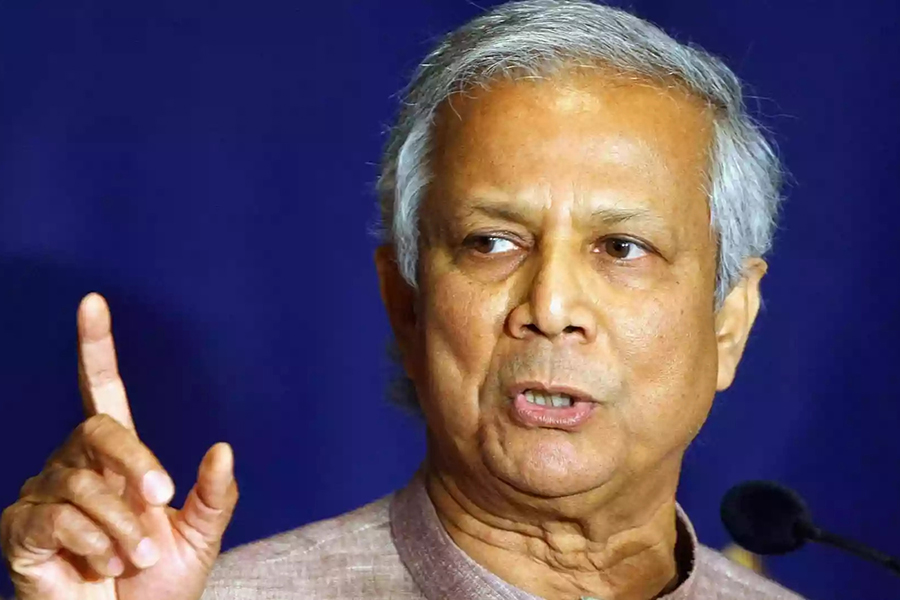
Chief Adviser Prof Muhammad Yunus on Friday said they proudly congratulate the Bangladesh tariff negotiators on securing a landmark trade deal with the United States, a decisive diplomatic victory.

"The future of Bangladesh is undeniably bright. Today’s success stands as a powerful testament to the nation’s resilience and its bold vision for a stronger economic tomorrow," Prof Yunus said
in a message after successful tariff negotiations with the United States.
.
By reducing the tariff to 20 per cent, 17 points lower than anticipated, he said their negotiators have demonstrated remarkable strategic skill and unwavering commitment to safeguarding and advancing Bangladesh’s economic interests.

Prof Yunus said they have been working relentlessly since February and navigated successfully through a complex negotiating process involving tariff, non-tariff and national security matters.

"The agreement they negotiated preserves our comparative advantage, enhaces our access to the world's largest consumer market and safeguards our core national interests," he said in his message shared by Deputy Press Secretary Abul Kalam Azad Majumder.

This achievement not only underscores Bangladesh’s rising strength on the global stage but also opens the door to greater opportunities, accelerated growth, and lasting prosperity, Prof Yunus said.​
 

Commerce Advisor Sk Bashir proved his mettle: Energy Adviser
Staff Correspondent Dhaka
Updated: 01 Aug 2025, 18: 12

1754094920455.webp

Advisers Muhammad Fouzul Kabir (L) and Sk Bashiruddin

Commerce Advisor Sk Bashir Uddin has proved his mettle over successful tariff negotiations with the US, Adviser to the Ministry of Power Energy and Mineral Resources Muhammad Fouzul Kabir Khan said on Friday.

In a Facebook post of Friday afternoon, Fouzul Kabir said, “From domestic price stability to successful tariff negotiations with the US, he (Sk Bashir Unddin) has proved his mettle, to the dismay of naysayers.”

He called Sk Bashir Uddin as ”our extraordinary Commerce Advisor.”

Fouzul Kabir said, “I was tasked by the CA (Chief Adviser) to meet Sheikh Bashiruddin, among others, for the possible position of Commerce Advisor. I caught him on phone in Bhola, where he was on a business trip. We met at my office at the Ministry of Power Energy and Mineral Resources.

“Without any previous acquaintance, we chatted for an hour. He politely declined the snacks my office offered him! What I liked about him is his patriotism, no-nonsense stubbornness, and clarity in organizing a mass of facts for analysis. I conveyed my impressions about him to the CA. Thankfully, for our nation, the CA offered and he accepted the position,” he added.

“May Allah give him Hayate Taiyeba to serve the nation, be it in the public or private sector,” Fouzul Kabir concluded.

On 2 April, US President Donald Trump imposed reciprocal tariffs on countries from which the US imports goods. Fifty seven countries were slapped with increased tariffs at varying rates with Bangladesh facing an additional tariff of 37 per cent.

1754094962949.webp

Muhammad Fouzul Kabir Khan

After a three-month suspension of this decision, President Trump informed the Chief Adviser of the interim government in a letter on 8 July that the reciprocal tariff for Bangladesh would be 35 per cent, effective from 1 August.

To reduce the reciprocal tariff imposed by the US administration, Commerce Advisor Sk Bashir Uddin led final negotiations in Washington with officials from the Office of the United States Trade Representative (USTR).

Finally, President Donald Trump issued an executive order on Thursday (US local time), imposing a 20 per cent reciprocal tariff on goods imported from Bangladesh. In the same order, he imposed reciprocal tariffs on several dozen other countries as well.​
 

Tariff cut by US strengthens Bangladesh’s global competitiveness: Bashir
BSS Dhaka
Published: 01 Aug 2025, 16: 28

1754095086875.webp

Commerce Adviser Sk Bashir Uddin BSS

Commerce Adviser Sk Bashir Uddin has said Bangladesh’s adjustment of its reciprocal tariff rate to 20 per cent on products exported to the United States (US) has strengthened its competitiveness in global trade.

“We will be in a competitive position as the US has reduced tariffs on Bangladesh to 20 per cent. So, there is no possibility that our exports to the US will be hampered. However, we expected it to be below 20 per cent,” he said.

The adviser said this in his immediate response securing a landmark trade deal with the United States.

Chief Adviser’s Press Secretary Shafiqul Alam pointed out this reaction in a post on his verified Facebook ID.

The US has reduced its tariff rate on goods from Bangladesh to 20 per cent, a significant reduction from the previous 35 per cent, after a final round of intense negotiations in Washington.

The announcement was made by the White House on Thursday (local time) after the final round of the talks in Washington DC between Bangladeshi officials and the Office of the United States Trade Representative (USTR), the main body responsible for overseeing US trade policy.​
 

US reciprocal tariff reduction encouraging, yet no room for complacency
Selim Raihan
Published: 01 Aug 2025, 21: 56

1754095625792.webp

Selim Raihan File photo

The reduction of the reciprocal tariffs, imposed by the US administration on the exports of Bangladeshi products to the country, from 35 per cent to 20 per cent is a positive and commendable step for the export sector of Bangladesh.

The revised tariff rate has come as the major restructure of US’ reciprocal tariff structures, and that seems to be applicable to many trade partners of the country. Sri Lanka, for example, has their tariff rate reduced from 30 per cent to 20 per cent, Pakistan from 29 per cent to 19 per cent, while Bangladesh’s competitors Vietnam and India currently have 20 and 25 per cent respectively.

In this context, the revised reciprocal tariff rate on Bangladeshi products in the US markets is now comparatively consistent with the competing countries, and that indicates reducing risk of trade diversion. It possibly lowers the risk of a major shock on the export of the readymade garment sector.

Since the modifying reciprocal tariff rate in China has not yet been finalised, an important uncertainty remains in the global trade perspective. What rate the US will set for China, and that will play the prime role in the global trade flow in future because of China’s important position in the global production system, as well as the country’s various overlapping similarities with various export sectors of Bangladesh.

If China sees an imposition of a higher tariff rate, demand may shift in favour of the South and Southeast Asian exporting countries including Bangladesh. On the other hand, if China gets favoured relatively, competition may intensify. So, the final decision on China will become important for the reconfiguration of the global trade flows and dynamics.

The reduction of the reciprocal tariff to 20 per cent has brought short-term relief. However, it also raises the question of what Bangladesh has offered the US in return. Some commitments, such as agreements to import wheat, cotton, and aircraft, have already been revealed.

However, it is reasonable to assume that more sensitive commitments may have been made under non-disclosure agreements, which are unlikely to be disclosed to the public in the near future. This situation clearly highlights the need for greater transparency, oversight, and long-term strategic planning in Bangladesh’s trade diplomacy.

This experience serves as an important lesson for Bangladesh. It underscores the need to build more stability and resilience in the country’s foreign trade structure. Three strategic priorities emerge clearly from this experience. First, Bangladesh must intensify efforts to diversify its export products and enter new markets. A narrow export structure, based on a limited range of products and reliant on a few destinations—especially the US—exposes Bangladesh’s economy to unnecessary risks.

Second, effective reforms in trade, taxation, and investment policies are needed to enhance competitiveness and attract long-term foreign investment. Improving the regulatory and business-friendly environment will help position Bangladesh as a more stable and attractive trade partner.

Third, Bangladesh should now explore targeted free trade agreements (FTA) with emerging economies in Asia, Africa, and Latin America. Such agreements could provide protection against future protectionist pressures and help establish alternative export pathways.

Therefore, while the reduction in the US reciprocal tariff rate is encouraging, it does not raise any option for self-complacency. Rather, it presents both an opportunity and a warning. Bangladesh must act decisively now to establish a diversified, competitive, and resilient trade strategy.

* Selim Raihan is executive director of South Asian Network on Economic Modeling (SANEM)​
 

Tariff cut brings relief as offers worry: economists
US reduces reciprocal tariff to 20 per cent

Saddam Hossain 01 August, 2025, 10:24

1754096216425.webp

Bangladesh and US delegates hold third round of tariff talks in Washington. | CA press wing

The United States has decided to reduce the reciprocal tariff on imported goods from Bangladesh to 20 per cent from the previously announced 35 per cent following a series of negotiations over the past month.

However, economists said, despite bringing short-term relief, the decision raised questions about what Bangladesh might have offered to the US in return.

Due to the non-disclosure agreement, what was offered remains unknown except the plan to purchase Boeing aircraft and wheat.

According to a statement announced by the White House on Friday, US President Donald J Trump unveiled new tariff rates for 70 countries, including Bangladesh.

After the final round of the tariff talks between a Bangladesh delegation and US officials, the North American country declared the new tariff rate.

Regarding the reduction in reciprocal tariff rate, chief adviser Muhammad Yunus congratulated the Bangladesh tariff negotiators on securing a ‘landmark’ trade deal with the US, according to statement issued by the CA press wing.

The statement also said that by reducing the tariff to 20 per cent, the negotiators demonstrated remarkable strategic skill and unwavering commitment to safeguarding and advancing Bangladesh’s economic interests.

‘The agreement they negotiated preserves our comparative advantage, enhances our access to the world’s largest consumer market and safeguards our core national interests,’ the statement added.

The new tariffs came into effect on August 1, meaning Bangladeshi exporters would now pay an average of 15 per cent regular tariff along with an additional 20 per cent reciprocal tariff.

Earlier, on July 8, through a letter to the chief adviser, Washington imposed a 35 per cent reciprocal tariff, meaning the newly declared rate has been reduced by 15 percentage points.

Among the close competitors of Bangladeshi goods in global trade, the White House imposed tariff rates on Indian goods at 25 per cent, Pakistani goods at 19 per cent, Vietnamese goods at 20 per cent, Cambodian at 19 per cent, and Indonesian goods at 19 per cent.

Chinese and Mexican goods were not on the list.

The tariffs on Bangladesh neighbours Afghanistan are 15 per cent, Sri Lanka 20 per cent, and Myanmar 40 per cent, according to the Annex 1 list of the White House.

On the tariff negotiations, power and energy ministry adviser Muhammad Fouzul Kabir Khan praised commerce adviser Sk Bashir Uddin in a social media post.

He said that from domestic price stability to successful tariff negotiations with the US he had proved his mettle to the dismay of naysayers.

On April 2, US President Donald Trump announced steep tariffs on several countries, citing trade deficit concerns.

At that time, Bangladesh was subject to a 37 per cent tariff.

On April 9, Washington put on hold the tariffs for three months, giving countries an opportunity to negotiate, which ended on July 9.

Trump sent letters to country heads on July 8 setting new tariff rates and gave until 31 July to reach trade agreements with the US.

During this time, Bangladesh conducted a series of negotiations and agreed to purchase Boeing aircraft and wheat to cut the trade deficit with the US.

Regarding the tariff reduction, Professor Mustafizur Rahman, a distinguished fellow of the Centre for Policy Dialogue, said that the reduction in tariff rates brought some relief and diminished uncertainty.

‘However, concern persisted regarding what was offered against the tariff reductions. The matters must be evaluated through the clauses of the Non-Disclosure Agreement,’ he added.

Regarding the tariff reduction, Bangladesh also agreed to import more from the US along with intellectual property law implementation, custom waiver for US products, trade union rights, and others.

‘The tariff reduction must be evaluated through the gain and the offers,’ he added.

He also said that the tariff reduction might also create some challenges over the cost of the offering from Bangladesh, especially on buying LNG, aircraft, and other goods.

Moreover, it might reshape the import scenario from Bangladesh’s global trading partners, like Russia and China.

‘It also accelerated Bangladesh to do more works on intellectual property rights, trade union, and institutional reform,’ he added.

He further said that the reduction must bring relief for the country’s exporters as the rates declared were almost similar to the major competitors.

In 2024, Bangladesh exported to the US goods worth about $8.4 billion, of which $7.34 billion accounted for readymade garments. In the year, the country imported US goods worth $2.2 billion.

Against this backdrop, the US is pressing Bangladesh to lower the trade deficit to get a ‘favourable’ tariff rate.

With a view to reducing the trade deficit, Bangladesh on July 27 planned to purchase 25 Boeing aircraft.

Earlier, on July 20, Bangladesh signed a memorandum of understanding with the US to import seven lakh tonnes of wheat annually for the next five years to reduce the trade deficit with the US.

On July 23, the interim government decided to procure 2.20 lakh tonnes of wheat from the US at $302.75 a tonne.

Mohammad Abdur Razzaque, chair of Research and Policy Integration for Development, said that the 20 per cent US tariff on Bangladeshi exports was a relief in terms of maintaining parity with competitors.

However, he warned, the overall trade deal must be evaluated in light of the offers made by Bangladesh, many of which remain undisclosed.

‘Understanding the full scope of our obligations is essential to evaluate whether this outcome truly serves our long-term interests,’ he added.

Selim Raihan, executive director of the South Asian Network on Economic Modeling, said that the reduction in the US reciprocal tariff rate for Bangladesh was a welcome development for the country’s export sector.

However, it also raised questions about what Bangladesh’s offers to the US were.

‘Some of these commitments have been made public but it was reasonable to assume that more sensitive obligations may have been agreed upon under the NDA,’ he added.

He also said that the country needed to build greater resilience, including diversifying the export basket, domestic reforms in trade, taxation, and investment policies, and investment in the regulatory and business environment.

Economists also said that while the downward adjustment in the reciprocal tariff rate was encouraging, it should not lead to complacency.

Rather, it presents an opportunity, and a clear warning, for Bangladesh to take proactive steps toward building a more diversified, competitive, and resilient trade strategy.​
 

Latest Posts

Back