War Archive
Saif
Senior Member
- Jan 24, 2024
- 21,479
- 9,743
- Nation

- Residence
- Axis Group

Iran calls Trump’s Hormuz claims lies
Agence France-Presse . Tehran, Iran 14 August, 2026, 00:53
Iran’s military on Thursday rejected as ‘lies’ remarks by US president Donald Trump claiming control of the Strait of Hormuz, saying the strategic waterway was fully under Iranian control.
‘The false claims of the United States that ships are passing through the Strait of Hormuz normally are nothing more than lies and fabrications,’ said Ebrahim Zolfaghari, the spokesperson for Iran’s central military command, Khatam-al Anbiya.
‘The Strait of Hormuz is, as in the past, under the complete management and control of the Islamic Republic of Iran, and no commercial ship or tanker without the permission and supervision of the powerful Iranian armed forces has had and will have the possibility of safe passage through this strait,’ he said in a video carried by state television.
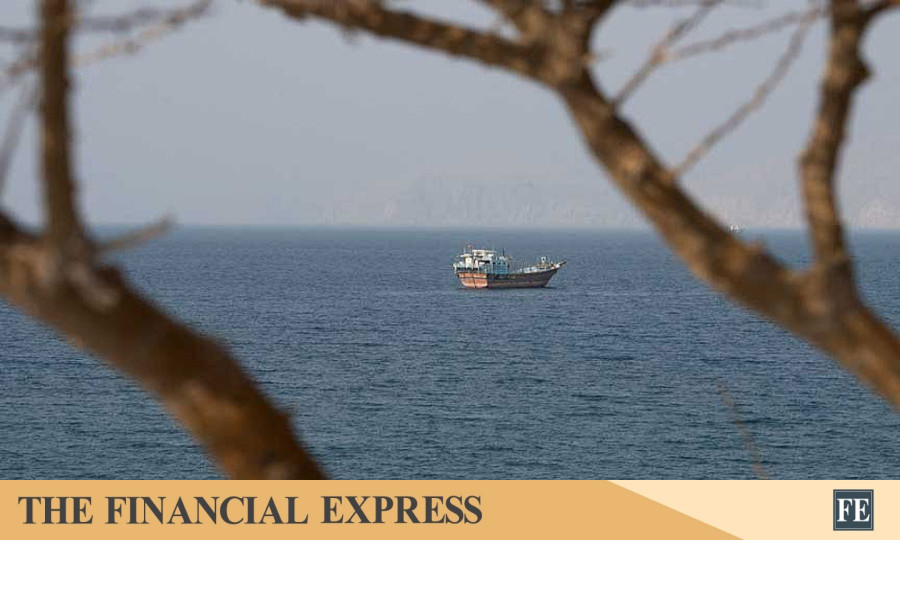
Iran has kept control of Hormuz, a vital energy conduit, since the outbreak of the war in the Middle East on February 28, requiring vessels to obtain permission and pay transit fees before using the waterway.
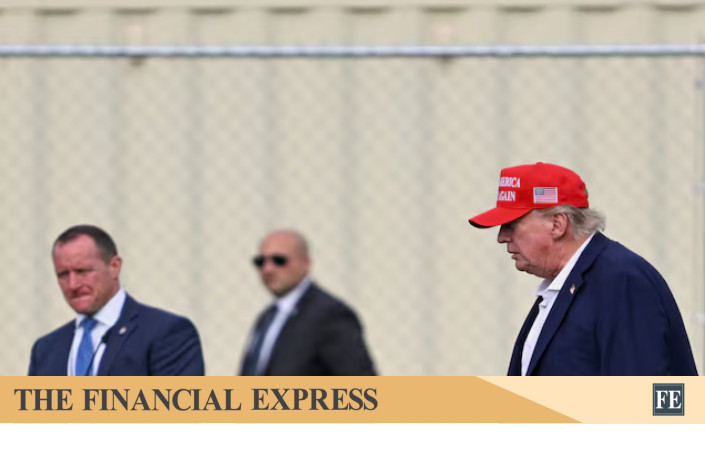
In a Wednesday Truth Social post, Trump claimed that the US ‘has total control over the Strait of Hormuz. I THINK WE WILL KEEP IT!’
‘Our Naval Blockade is being called, by everyone, ‘A WALL OF STEEL,’ and there is nothing Iran can do about it,’ he added.
On Thursday, the head of Iran’s paramilitary Basij forces under the Revolutionary Guards also said that the strait was under Iranian control.
‘Today, you see that the Strait of Hormuz is under the management and control of the Islamic republic, and our country continues on its path in complete security,’ said Hossein Taeb according to state television.
Iran’s top diplomat Abbas Araghchi on Thursday said the US makes miscalculations in regard to the waterway.
‘The US has long miscalculated due to intelligence failures. Case in point: The war on Iran. Now, an even bigger miscalculation on the Strait of Hormuz,’ he said on X.
Iranian parliamentarian and member of the national security commission Behnam Saeedi said the strait is closed to US and Israeli ships.
‘Ships belonging to the Zionist regime will not have the right to pass through the Strait of Hormuz under any circumstances, whether in war or peacetime,’ he told state TV, adding that ‘US military ships will also be barred from passing through the Strait’.
Iran and Oman have been in talks to establish a new route through the strait, but negotiations have not yet been finalised.
Tehran, however, says even if the talks produce a new route, that would not on its own open the waterway unless the US meets Iran’s demands.
Meanwhile, Iran warned on Thursday of environmental degradation in the Strait of Hormuz after an oil spill reached its southern Qeshm island, calling for compensation from those responsible.
Foreign ministry spokesman Esmaeil Baqaei said the slick had ‘degraded the waters’ of the Gulf and Sea of Oman, claiming ‘preliminary evidence indicates a foreign bulk carrier as the source’.
TankerTrackers, a US-hosted website that monitors shipping movements worldwide, said however that the spill seemed to derive from an Iranian attack on bulk carrier Minoan Pioneer in Omani waters on August 3.
‘The spillage then drifted across the strait over to Iran,’ it said.
Baqaei wrote on X that such spills have in ‘recent decades imposed trillions of dollars in damage on Iran’s coastal areas’, calling for compensation.
‘Every party that benefits from commercial shipping through the Strait of Hormuz carries both a legal and a moral obligation to remediate the environmental harm inflicted,’ he added.
The spill had reached Qeshm island but had been ‘almost completely cleaned up by Wednesday evening’, said Habib Masihi, head of the environmental protection department in Iran’s southern province of Hormozgan.
He said about 32,000 square metres of coastal area had been affected along with waters covering 90,000 square metres.
‘The oil pollution on the southern coast of Qeshm is just one example of the widespread pollution that has destroyed the region’s marine ecosystem over the past few decades,’ added Sheena Ansari, the head of Iran’s Environmental Protection Organisation.
‘Who is responsible for compensating for the damage? The countries consuming energy exports from our region or the aggressors who have made this region a staging ground for military operations?’ Ansari posted to X on Thursday.
Iran has maintained control over the Strait of Hormuz since the outbreak of the Middle East war on February 28, blocking the passage of ships carrying energy exports from US-allied countries in the Gulf.
It has said it plans to charge navigational fees from passing vessels to fund services including environmental protection.
The United States and some regional countries have expressed opposition to any fees.
The spill comes after another slick in recent days near neighbouring Oman from a tanker that ran aground.
An AFP investigation previously found the ship had been stranded for weeks near Oman’s Al-Qibliyyah island after it was damaged by explosions.
Agence France-Presse . Tehran, Iran 14 August, 2026, 00:53
Iran’s military on Thursday rejected as ‘lies’ remarks by US president Donald Trump claiming control of the Strait of Hormuz, saying the strategic waterway was fully under Iranian control.
‘The false claims of the United States that ships are passing through the Strait of Hormuz normally are nothing more than lies and fabrications,’ said Ebrahim Zolfaghari, the spokesperson for Iran’s central military command, Khatam-al Anbiya.
‘The Strait of Hormuz is, as in the past, under the complete management and control of the Islamic Republic of Iran, and no commercial ship or tanker without the permission and supervision of the powerful Iranian armed forces has had and will have the possibility of safe passage through this strait,’ he said in a video carried by state television.
Iran has kept control of Hormuz, a vital energy conduit, since the outbreak of the war in the Middle East on February 28, requiring vessels to obtain permission and pay transit fees before using the waterway.
In a Wednesday Truth Social post, Trump claimed that the US ‘has total control over the Strait of Hormuz. I THINK WE WILL KEEP IT!’
‘Our Naval Blockade is being called, by everyone, ‘A WALL OF STEEL,’ and there is nothing Iran can do about it,’ he added.
On Thursday, the head of Iran’s paramilitary Basij forces under the Revolutionary Guards also said that the strait was under Iranian control.
‘Today, you see that the Strait of Hormuz is under the management and control of the Islamic republic, and our country continues on its path in complete security,’ said Hossein Taeb according to state television.
Iran’s top diplomat Abbas Araghchi on Thursday said the US makes miscalculations in regard to the waterway.
‘The US has long miscalculated due to intelligence failures. Case in point: The war on Iran. Now, an even bigger miscalculation on the Strait of Hormuz,’ he said on X.
Iranian parliamentarian and member of the national security commission Behnam Saeedi said the strait is closed to US and Israeli ships.
‘Ships belonging to the Zionist regime will not have the right to pass through the Strait of Hormuz under any circumstances, whether in war or peacetime,’ he told state TV, adding that ‘US military ships will also be barred from passing through the Strait’.
Iran and Oman have been in talks to establish a new route through the strait, but negotiations have not yet been finalised.
Tehran, however, says even if the talks produce a new route, that would not on its own open the waterway unless the US meets Iran’s demands.
Meanwhile, Iran warned on Thursday of environmental degradation in the Strait of Hormuz after an oil spill reached its southern Qeshm island, calling for compensation from those responsible.
Foreign ministry spokesman Esmaeil Baqaei said the slick had ‘degraded the waters’ of the Gulf and Sea of Oman, claiming ‘preliminary evidence indicates a foreign bulk carrier as the source’.
TankerTrackers, a US-hosted website that monitors shipping movements worldwide, said however that the spill seemed to derive from an Iranian attack on bulk carrier Minoan Pioneer in Omani waters on August 3.
‘The spillage then drifted across the strait over to Iran,’ it said.
Baqaei wrote on X that such spills have in ‘recent decades imposed trillions of dollars in damage on Iran’s coastal areas’, calling for compensation.
‘Every party that benefits from commercial shipping through the Strait of Hormuz carries both a legal and a moral obligation to remediate the environmental harm inflicted,’ he added.
The spill had reached Qeshm island but had been ‘almost completely cleaned up by Wednesday evening’, said Habib Masihi, head of the environmental protection department in Iran’s southern province of Hormozgan.
He said about 32,000 square metres of coastal area had been affected along with waters covering 90,000 square metres.
‘The oil pollution on the southern coast of Qeshm is just one example of the widespread pollution that has destroyed the region’s marine ecosystem over the past few decades,’ added Sheena Ansari, the head of Iran’s Environmental Protection Organisation.
‘Who is responsible for compensating for the damage? The countries consuming energy exports from our region or the aggressors who have made this region a staging ground for military operations?’ Ansari posted to X on Thursday.
Iran has maintained control over the Strait of Hormuz since the outbreak of the Middle East war on February 28, blocking the passage of ships carrying energy exports from US-allied countries in the Gulf.
It has said it plans to charge navigational fees from passing vessels to fund services including environmental protection.
The United States and some regional countries have expressed opposition to any fees.
The spill comes after another slick in recent days near neighbouring Oman from a tanker that ran aground.
An AFP investigation previously found the ship had been stranded for weeks near Oman’s Al-Qibliyyah island after it was damaged by explosions.