[🇧🇩] Indo-Bangla Relation: India's Regional Ambition, Geopolitical Reality, and Strategic Options For Bangladesh

[🇧🇩] Indo-Bangla Relation: India's Regional Ambition, Geopolitical Reality, and Strategic Options For Bangladesh
719
39K
More threads by Saif

G Bangladesh Defense

Bangladesh-India trade needs a boost


1787526776237.webp


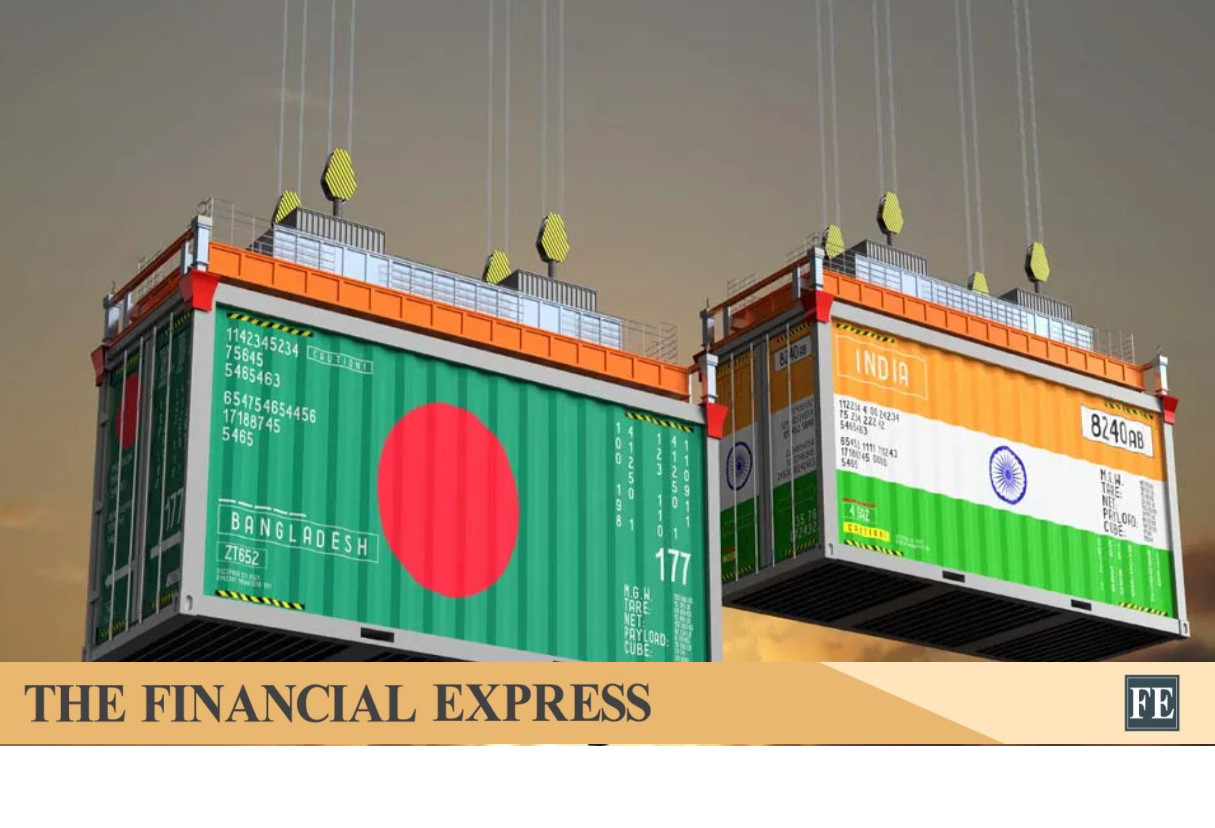
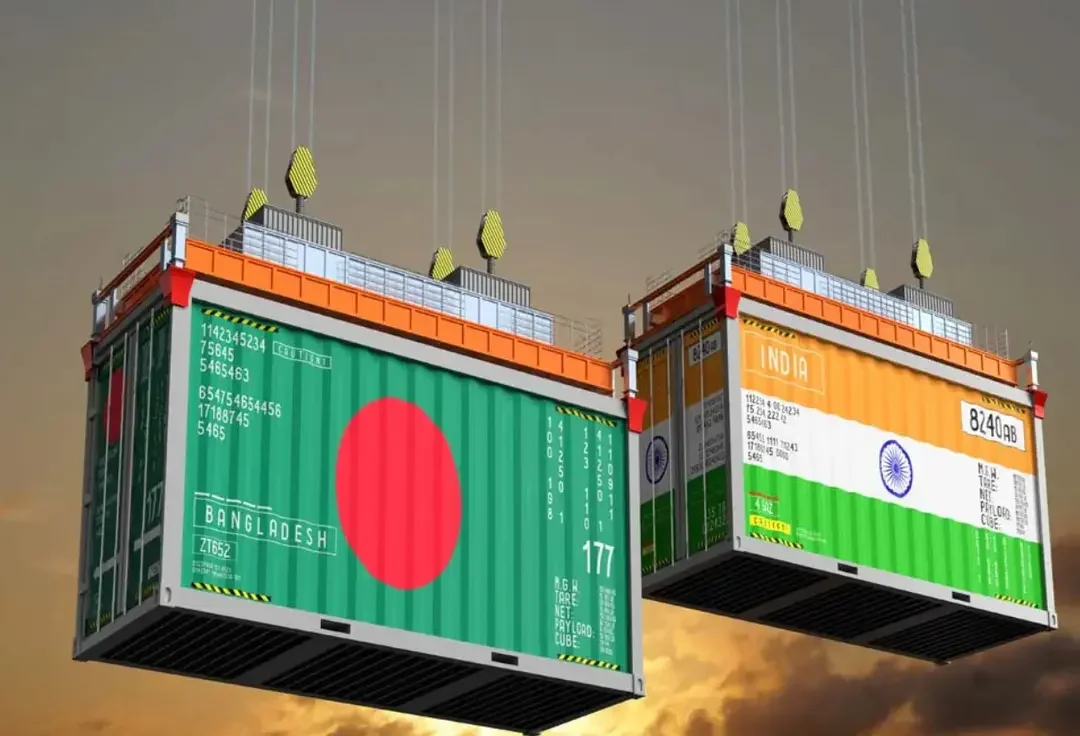
Despite strained relations for more than the last two years, bilateral trade between Bangladesh and India is very much on, if not growing. The visit of a delegation from the Confederation of Indian Industry (CII) last week signalled that businesses in both countries want to move ahead as far as trade is concerned. Business leaders of both countries have agreed to form business-to-business (B2B) task forces to address trade and investment barriers and strengthen bilateral economic ties. It is for the first time since the fall of Hasina's autocratic regime on August 5 2024, a high-level Indian business delegation visited Bangladesh.

CII is one of the premier apex trade bodies in India. Established in 1895 as the Engineering and Iron Trades Association (EITA) by five firms, it became CII in 1992. The CII delegation met senior ministers and policymakers of Bangladesh, as well as counterparts. To some observers, it is an effort to break the ice so that businesses of both countries can resume reciprocal exchanges and work together to remove trade barriers.

Since the ouster of Hasina regime in a student-led mass uprising two years ago, bilateral relations deteriorated significantly. New Delhi imposed several trade barriers during the Yunus-led interim regime. Dhaka also retaliated on a limited scale. India was reluctant to accept the changed reality in Bangladesh and began exerting various forms of pressure on the interim government. For example, India cancelled the transhipment facility granted to Bangladesh for third-country exports using Indian sea routes and airports. It also imposed restrictions on imports of certain products, including ready-made garments (RMG) from Bangladesh, primarily to India's north-eastern states via land routes. India has also moved to impose anti-dumping duties on more Bangladeshi products.

All the Indian moves to impose non-tariff barriers (NTBs) are mostly linked to the ouster of the Hasina regime, New Delhi's closest ally for more than 15 years. During that period, she gradually turned Bangladesh into a subservient country by compromising foreign and trade policies in favour of New Delhi. At the same time, anti-Indian sentiment intensified, which was a critical factor in the July mass uprising. To suppress the movement, the autocratic regime used brutal force, killing 1,400 people in three weeks. More than 20,000 were injured. Nevertheless, Hasina was forced to resign on August 5 2024 and flee to New Delhi for shelter. Since then, the two countries have passed through a series of diplomatic and trade rows.

Despite all these negative developments, bilateral trade in goods increased modestly in the last fiscal year (FY26) by 13 per cent after a small growth of 6.35 per cent in FY25. Official statistics showed bilateral trade reached its highest level of $15.68 billion in FY22, then dropped sharply by 26 per cent to $11.62 billion in FY23. It declined by a further 9 per cent to $10.60 billion in FY24. Thus, the decline in bilateral trade was evident before the July mass uprising.

Exports to India were almost stagnant at $1.76 billion in the last fiscal year, down from $1.77 billion in FY25. Imports from India jumped 15 per cent to $10.96 billion in FY26 from $9.47 billion in FY25, widening the trade gap with India to $9.20 billion from $7.70 billion.

The bilateral trade gap is nothing new, as Bangladesh imports more products from India as raw materials, intermediate goods, and consumer products. As the next-door neighbour with extensive road, rail, and water networks, sourcing from India is generally less expensive. For Indian exporters, Bangladesh is a lucrative market with increasing consumer demand, and it is the seventh-largest export destination for India.

Investment from India declined significantly, reflecting the strained bilateral relations. Net inflow of Indian FDI increased to $132.83 million in FY23 from $72.34 million in FY22, then declined to $105.81 million in FY24. During the first nine months of FY26, net FDI from India stood at $87.60 million. Bangladesh's internal condition was also not adequately supportive of foreign investment as the country had to allow the dust of July 2024 uprising to settle. In the context of CII delegation's visit, a few trade analysts [www.fashionunited.uk] pointed out that for Bangladesh the challenge is less about becoming cheaper than about remaining attractive enough to clothing manufacturers who will be willing to continue investing there. For India, it is about deciding whether its neighbour should remain primarily a deficit market or become more of an extension of its own textile industrial base.

As India stopped issuing tourist visas for almost two years, tourist arrivals from Bangladesh to India declined sharply. According to the Indian Tourism Ministry, about 2.12 million Bangladeshi tourists visited India in 2023. It declined by 17 per cent to 1.75 million in 2024 and dropped further by 73 per cent to 0.43 million in 2025, causing a significant loss of revenue for the Indian tourism industry. The tourist visa is finally opened two months back.

All these statistics show that the two countries are strongly linked economically. Disruption of this link by imposing trade restrictions will not work. Instead, it is better to accept the changed reality and enhance trade cooperation. India needs to respect the verdict of the people of Bangladesh and should not interfere in the latter's internal affairs. It must clearly acknowledge that no 'vassal state' type bilateral relationship is possible. Despite having strong leverage to put Bangladesh in geo-political trouble, it is not a good option for New Delhi to ignore the ground reality. There should be a win-win bilateral trade relationship.

India Brand Equity Foundation (IBEF), an entity established by the Indian commerce and industry ministry, noted recently that bilateral ties 'today reflect a more mature and diversified partnership that goes well beyond conventional areas of engagement.' It added that though tourism, healthcare, and education continue to anchor people-centric cooperation, with Bangladesh remaining a key source of inbound tourists for India, bilateral collaboration is increasingly shaped by technology and sustainability-led priorities. To what extent this cooperation will be extended in the near future largely depends on New Delhi's goodwill.​
 

Prime Minister's Delhi visit: Conditions, strategy or opportunity?
The relationship between India and Bangladesh is not merely political; it is based on deep economic and strategic interdependence. Golam Rasul writes about the considerations that should be taken into account regarding the decision for the Bangladeshi Prime Minister's visit to Delhi.

Golam Rasul

1787614412329.webp

Prime Minister Tarique Rahman File photo

The potential visit of Prime Minister Tarique Rahman to India is becoming an important test of Bangladesh's foreign policy. Shortly after assuming office in February, India's Prime Minister Narendra Modi invited him for a bilateral visit. At the same time, Bangladesh has also been invited to participate in the expanded session of the 18th BRICS Summit, scheduled to take place in New Delhi on 12-13 September, this time as the current chair of BIMSTEC. Thus, the political and diplomatic significance of the two upcoming invitations is not the same: the first is part of bilateral relations, while the second is related to Bangladesh's broader regional responsibilities.

In this context, the issue of Sheikh Hasina's extradition has become intertwined with the India visit. Dhaka has stated that a favourable environment is needed for the Prime Minister's visit to India, and has simultaneously called on New Delhi to expedite the extradition requests of Sheikh Hasina and other fugitives.

India has stated that it has received Bangladesh's request and the matter is under consideration in their legal process. Foreign Minister Khalilur Rahman has also tried repeatedly to clarify the difference between the two types of invitations. However, in public discourse, the bilateral visit, extradition, and regional responsibilities of BIMSTEC often become conflated.

Here arises the main diplomatic question: Will the demand for Sheikh Hasina's extradition be a precondition for the Prime Minister's visit to India, or will the visit itself be used as a diplomatic tool to achieve this demand? The question is not merely about making the visit or not; rather, it is about which course of action can most effectively advance Bangladesh's national interests.

What Bangladesh First means
The phrase "Bangladesh First" is not merely an analytical framework. It is a slogan frequently uttered by BNP Chairperson Tarique Rahman himself, and the party has highlighted it as a guiding principle of their declared foreign policy. Thus, whatever stance the government ultimately takes regarding the visit to India and the extradition issue will be a test not only of diplomatic wisdom but also of the coherence of the government's own declared policy.

To give real meaning to this slogan in foreign policy, it means neither blind allegiance to any country nor blind opposition. It means evaluating every decision based on Bangladesh's sovereignty, security, economic interests, and long-term strategic interests. The same principle applies in the context of relations with India. Therefore, Sheikh Hasina's extradition, the Prime Minister's bilateral visit to India, and Bangladesh's participation in the expanded BRICS session as the chair of BIMSTEC must be viewed not as isolated incidents but in the context of Bangladesh's larger national interests.

Extradition: The demand remains firm, but not a precondition
There is an extradition treaty between Bangladesh and India from 2013. Bangladesh has formally requested Sheikh Hasina's extradition; India has acknowledged receiving the request and stated that the matter is under review within their legal framework. There is no reason for Bangladesh to back down from this demand; it involves questions of judicial accountability, the rule of law, and respect for Bangladesh's own judicial processes.

However, maintaining a legitimate demand and turning it into a precondition for every aspect of bilateral relations are two different things. Bangladesh has the right to stand firm on the issue of extradition; at the same time, determining which diplomatic approach would be most effective in securing that demand is also part of statecraft. This is where the difference lies between an emotion-driven position and strategic statecraft.

If the Prime Minister's visit to India is seen as a concession to New Delhi, then a fundamental reality of diplomacy is overlooked. High-level visits themselves are a tool for negotiation. Through such visits, state leaders convey political messages, prioritise their interests, negotiate demands, and try to define the framework for future relationships.

There are important examples of this in international diplomacy. During Nixon's visit to China in 1972, the Taiwan question was not resolved; rather, the path for dialogue and normalisation of relations was opened while differences remained. In South Asia, despite the unresolved Kashmir dispute in 1999 during Vajpayee's Lahore visit, the Lahore Declaration created a framework for dialogue and confidence-building measures. Although the subsequent Kargil conflict disrupted this process, it proved the necessity for dialogue and the resolution of disputes as separate matters.

The general lesson from these experiences is that not resolving a dispute and not holding discussions on the dispute are not the same things. Often, high-level political communication is most needed amid unresolved disputes, as the purpose of diplomacy is not always to achieve immediate solutions, but rather to break deadlocks, create negotiation opportunities, and place one's interests at the centre of discussions.

Thus, issues should be linked but not tied to a singular demand. Hasina's extradition is an important issue for Bangladesh, so it cannot be removed from the bilateral agenda. However, it would not be diplomatic wisdom to hold long-term issues like water, trade, energy, connectivity, and border management hostage to this one demand. In other words, extradition will be on the table for discussion, but not everything in the relationship will depend on it.

India should be clearly communicated that progress in extradition is essential for political trust, but parallel progress on other issues is also expected. In this approach, Bangladesh can maintain both principled firmness and flexibility in negotiation; because diplomatic influence depends not only on what is being demanded but also when and in what context the issue is brought forward.

1787614463569.webp


Bangladesh's larger interests: Water, trade, and regional leadership
The relationship between India and Bangladesh is not just political; it stands on deep economic and strategic interdependence. Water is its clearest example. The Ganges Water Treaty of 1996 is set to expire next December; bilateral discussions on its renewal have already begun before its expiration. The distribution of water from common rivers, including the Teesta, remains an unresolved issue for a long time.

Trade relations are deep but imbalanced—though the merchandise trade between the two countries is nearly $11. 4 billion in the fiscal year 2024-25, Bangladesh's exports amounted to approximately $1.76 billion while imports were around $9. 62 billion. Mutual interests are also involved in energy, electricity, and connectivity. Therefore, Bangladesh's diplomatic goal should not be limited to whether ‘India will return Hasina’—the bigger question is how this mutual dependency can be directed towards a more reciprocal and balanced relationship.


The broader calculation is also connected with the added responsibility of the BIMSTEC chair. Confusing the invitation to the expanded BRICS session with the bilateral visit would be a mistake. This invitation is not for Tarique Rahman personally but rather for Bangladesh as the current chair of BIMSTEC, an organisation headquartered in Dhaka. Here, Bangladesh is representing a regional alliance of seven nations, not merely acting as a bilateral party.

1787614502230.webp

Bangladesh Prime Minister Tarique Rahman and Indian Prime Minister Narendra Modi BSS

Absence from this session would not only increase distance from India but also result in losing the opportunity for direct discussions with BRICS leaders and weaken Bangladesh's leadership position as the chair of BIMSTEC. It would inadvertently send a wrong message to Nepal, Sri Lanka, Myanmar, Bhutan, and Thailand, suggesting that Bangladesh is uninterested in fulfilling its regional leadership responsibility. Hence, merging bilateral visits and BIMSTEC-BRICS participation into the same negotiating package is illogical; it is crucial to view them in separate diplomatic contexts—one for bilateral relations and the other for regional leadership.

Strategic firmness: Turning the visit into a diplomatic tool

Hasina's extradition is a highly sensitive issue in the Bangladeshi public mind; thus, the government should stand firm on it. However, firmness and rigidity are not the same. Firmness means not compromising on core interests, while rigidity means adopting a stance that could limit one's path to achieving those interests. A policy of ‘no visit unless extradition happens’ might restrict important diplomatic channels. Conversely, maintaining the demand for extradition while utilising the visit as an opportunity for broader bilateral discussions will be strategically more effective. Here, the visit itself becomes a diplomatic tool, not a concession.

If the visit eventually occurs, it should not be a mere courtesy call. Bangladesh should approach it with a clear diplomatic package at the centre of which should be—Sheikh Hasina’s extradition; fair renewal of the Ganges Water Treaty; water management of common rivers including Teesta; cessation of border killings and border management; additional market access for Bangladesh’s exports and the abolition of land-port-based trade restrictions imposed in 2025; real initiatives to reduce the trade deficit; cooperation in energy and electricity and mutual economic benefits in connectivity. In other words, instead of getting the relationship stuck on a single issue, using that issue to renegotiate the entire relationship afresh—this is the practical application of the ‘Bangladesh first’ policy. The visit should be turned into an effective diplomatic tool.

Final words

There is no reason for Bangladesh to back down from the demand for Sheikh Hasina’s extradition. However, turning this demand into such a stringent precondition that it narrows the opportunity for high-level direct negotiations is not diplomatic wisdom. Bangladesh’s policy should be neither blind loyalty to India nor unnecessary opposition. Similarly, adopting a stance merely to show firmness that shrinks one's negotiating space would also not be right.

"Bangladesh First" means that the ultimate measure of every decision will be the national interest. While extradition is important for that interest, water, trade, energy, borders, connectivity, and regional leadership are equally vital. Therefore, Bangladesh's policy should be: firmness in demands, pragmatism in negotiations, and national interest in outcomes.

If participating in the Prime Minister's visit to India and the expanded session of BRICS as the BIMSTEC chair can be effective diplomatic tools to achieve those interests, then that opportunity should not be missed. The demand should remain firm but keep the doors of diplomacy open because success is not only evaluated by what we demand but ultimately by what Bangladesh achieves from those demands.

#Golam Rasul is a professor in the Department of Economics, International University of Business, Agriculture and Technology, Dhaka.​
 

Reopening border haats, lifting restrictions on yarn imports discussed with Indian envoy

Business Desk
Published: 24 Aug 2026, 21: 16

1787700705297.webp

Commerce Minister Khandakar Abdul Muktadir and Indian High Commissioner Dinesh Trivedi held a meeting at the Secretariat on 24 August. Courtesy: Commerce Ministry

Bangladesh’s Commerce Minister Khandakar Abdul Muktadir and Indian High Commissioner Dinesh Trivedi discussed several issues aimed at further strengthening trade relations between Bangladesh and India.

According to a statement from the Commerce Ministry, the two sides discussed reopening the border haats that have remained closed, making the land ports fully operational and lifting restrictions on the import of yarn through land routes.

The issues were discussed at a meeting between Commerce Minister Khandakar Abdul Muktadir and Indian High Commissioner Dinesh Trivedi at the Secretariat on Monday.

The meeting also covered expanding bilateral trade, removing trade barriers, promoting joint investment and increasing cooperation between businesses of the two countries.

After the meeting, the commerce minister said bilateral trade between Bangladesh and India currently stands at around USD 13 billion. However, trade has slowed somewhat over the past one and a half years due to various obstacles. The meeting focused on identifying these problems and discussing ways to make trade easier and more effective.

The commerce minister said India is Bangladesh’s second-largest trading partner after China and that the two countries have longstanding economic ties.

He said priority was given to bringing the land ports into full operation, reopening closed border haats and lifting restrictions on yarn imports by land to further strengthen economic relations.

The minister also said a proposal had been made to form a joint task force to enhance cooperation between businesses in the two countries.

The two sides also discussed creating new investment opportunities and making business communication easier through improvements in digital infrastructure.

Indian High Commissioner Dinesh Trivedi said that although Bangladesh and India have some differences on political and economic issues, their people want development and progress. The two countries need to work together, particularly for the future of their younger generations, he said.

Trivedi also said Bangladesh and India are independent and sovereign countries. Neither country is bigger or smaller than the other, and both are equal. Relations should move forward on the basis of this equality, he said.

The Indian high commissioner said economic cooperation is the most important factor in improving relations between the two countries. In his view, stronger economic ties would create opportunities for cooperation in other areas as well.

Emphasising joint investment and production, Trivedi said Bangladesh’s garment industry has been successful in global markets. India could support the sector by supplying zippers, machinery, buttons and other inputs, he said. This would further increase mutual dependence between the two countries.

Praising Bangladesh’s garments, he said he feels proud when he sees clothing labelled “Made in Bangladesh” in international markets. The country’s garment sector could expand further through joint initiatives between Bangladesh and India, he added.

The meeting also placed emphasis on increasing cooperation between businesses, creating new investment opportunities and strengthening supply chains. Both sides expressed hope that these initiatives would further strengthen trade relations between Bangladesh and India.​
 

India rejects UN panel’s remarks on alleged targeting of Rohingya, Bengali-speaking Muslims

1787785069731.webp


New Delhi has rejected concerns raised by a United Nations racial discrimination watchdog as “politically motivated” and “highly malicious”.

The UN Committee on the Elimination of Racial Discrimination said on Tuesday that law-enforcing drives targeting Rohingya, Bengali-speaking Muslims, migrants, and asylum-seekers had increased, particularly following a 2017 order by the home ministry and the April 2025 Pahalgam terror attack, Scroll.in reports.

According to the report, the 2017 directive outlined measures for deporting undocumented migrants, including the Rohingya. After the Pahalgam attack, the Indian Ministry of Home Affairs ordered states and Union Territories to verify people suspected of being undocumented migrants from Bangladesh and Myanmar.

Police in different states subsequently detained Bengali-speaking people, many of them Muslims, and demanded proof of Indian citizenship.

Some were allegedly “pushed into” Bangladesh, while others later returned after Indian authorities established that they were citizens.

Scroll.in reports that India’s Ministry of External Affairs spokesperson Randhir Jaiswal said the UN review was a routine treaty-body process and that New Delhi had participated in it in a “spirit of constructive engagement”.

He said India had highlighted its constitutional protections, legal framework, pluralism and measures for disadvantaged communities.

“While we will respond to the committee’s observations through the established procedure, the inter-ministerial delegation, which was led by the Solicitor General…Tushar Mehta, had already rejected the sweeping generalisations, unsubstantiated allegations, or tendency to exceed the convention’s mandate during the review meeting,” Jaiswal was quoted as saying by Scroll.in.

The UN committee also expressed concern over alleged abuses by Indian law-enforcing against Scheduled Tribes, Scheduled Castes and other groups, urging the government to take corrective action, according to Scroll.in.​
 

Imports from India rise, exports remain almost unchanged

Refayet Ullah Mirdha


1788220768408.webp


Bangladesh’s imports from India continue to rise despite restrictions imposed by both countries on the movement of some goods, while exports to the neighbouring country remained almost unchanged.

The country imported goods worth $10.96 billion from India in fiscal year 2025-26, up from $9.62 billion a year earlier, according to National Board of Revenue (NBR) data.

In contrast, exports to India stood at $1.75 billion in FY26, compared with $1.76 billion in the previous fiscal year.

The figures show that trade between the two neighbours has continued despite restrictions introduced over the past two years, particularly on the movement of goods through land ports.

Bangladeshi businesses say Indian yarn, cotton, fabrics and other industrial raw materials remain in demand because of their competitive rates, and because some international buyers specify particular fabrics or yarn from India.

After China, India is Bangladesh’s second-largest trading partner and the country’s largest trading partner in South Asia.

The trade gap between the two countries, however, remains wide, with Bangladesh importing more than six times as much from India as it exports to the country.

Businesses and economists say Bangladesh has scope to raise exports to India, but the country’s export basket remains heavily concentrated in apparel.

India granted Bangladesh duty-free market access in 2010, with one year of retrospective effect, for all products except 25 alcoholic and beverage items under the South Asian Free Trade Area’s (SAFTA) least developed country category.

Although exports have increased since then, the growth has not been enough to narrow the trade gap.

M Masrur Reaz, chairman of the Policy Exchange Bangladesh, said three factors are limiting Bangladesh’s exports to India.

“Firstly, India has its own import-substitute goods such as garments; secondly, India has a long list of standard requirements, and thirdly, both Bangladesh and India could not establish a regional value chain yet,” he said.

He suggested signing the Comprehensive Economic Partnership Agreement (CEPA) between the two countries to expand bilateral trade.

The two countries have introduced a series of trade restrictions since the political changeover in Bangladesh in 2024.

In March 2025, Bangladesh’s commerce ministry asked the National Board of Revenue to take steps to restrict yarn imports through land ports to protect the local textile and spinning sector. In early April, India suspended a transhipment facility used by Bangladesh to send garments to third countries through Indian airports.

The NBR restricted yarn imports from India through land ports. Yarn imports from India are now allowed only through Chattogram port.

India later imposed restrictions on the import of garments, agro-processed food, jute goods, furniture and some other Bangladeshi goods through land ports.

Despite the restrictions, imports of Indian goods continued to rise.

Showkat Aziz Russell, president of the Bangladesh Textile Mills Association, said yarn imports from India doubled to around Tk 30,000 crore in FY26 from Tk 14,000 crore a year earlier.

“The higher import of yarn through the seaport is the real reflection of yarn imports from India. Because when yarn was allowed to be imported through the land ports, a lot of yarn used to be imported through informal channels, meaning it was smuggled in,” he said.

Russell said restrictions on yarn imports through land ports should not be lifted. He argued that local textile mills are facing higher production costs and competition from imported yarn.

Mahmud Hasan Khan, president of the Bangladesh Garment Manufacturers and Exporters Association, said businesses have raised trade-related issues in different forums to increase exports to India.

He said Bangladesh should be able to export more goods through land ports and gain greater access to the Indian market.

Mohammad Hatem, president of the Bangladesh Knitwear Manufacturers and Exporters Association, said the recent trade disputes have commercial implications but require a political solution.

“It needs a political solution from the top-level leaders of both countries,” Hatem said.

MA Razzaque, chairman of Research and Policy Integration for Development, said the issue of land ports is part of a wider bilateral relationship.

“The land port is not an issue alone; it is a matter of a warm relationship between Bangladesh and India,” he said.

He said better bilateral relations could support stronger trade because both countries stood to gain from greater commercial engagement.

Md Abdul Wahed, former honorary joint secretary general of the India-Bangladesh Chamber of Commerce and Industry, said trade could increase if the movement of major goods through land ports resumes.

Md Fazlul Hoque, administrator of the Federation of Bangladesh Chambers of Commerce and Industry, called for discussions between the two countries to ease trade rules.​
 

Past can't be forgotten, yet dwelling on the past not an option: Dinesh Trivedi

Staff Correspondent
Dhaka

1788306770928.webp

Dinesh Trivedi File photo

India’s High Commissioner to Bangladesh Dinesh Trivedi has said development work will not be possible by being stuck in the past.

He said the past cannot be forgotten, yet being stuck in the past is not an option.

Dinesh Trivedi made the remarks while speaking to journalists after a meeting with Local Government Minister Abdul Moyeen Khan at the Secretariat on Tuesday.

Replying to a query, the Indian high commissioner said he did not want to talk about internal politics. He said such matters should not be discussed. “Whatever the people of Bangladesh deem best, will be done. The party that won two-thirds of the seats is in power, and they understand the situation of the country better,” he said.

State Minister for Local Government Mir Shahe Alam said local elections were discussed during the bilateral meeting. The Indian high commissioner shared his country’s experience of local elections. He has experience with local elections, the state minister said.

The state minister further said local government elections would be held in Bangladesh during the current fiscal year. This time, the election will be quite challenging, he said, as the government has to ensure a free and fair election.

Dinesh Trivedi said their main goal is to maintain direct relations with the people of the two countries. This will always remain. If I am not here, someone else will come. The decision will remain the same, he said.

The Indian high commissioner said, “The decisions we make have an impact on common people. So, our responsibility is to do what is good for common people.”

“As neighbours, our responsibilities increase. We are all equal. No one is big and no one is small,” Dinesh Trivedi added.

Dinesh Trivedi also said he has learned many things during the 30-minute meeting with the local government minister.

Replying to a query during the meeting, Dinesh Trivedi said there would be challenges, but they have to move forward keeping the challenges in mind. He added that free trade was discussed during the bilateral meeting.

Asked whether there had been any discussion about Prime Minister Tarique Rahman’s visit to India, Dinesh Trivedi did not comment. At the time, he spoke about the two countries working together.​
 

Tarique Rahman’s India visit and the end of automatic deference

Shakeel Anwar

1788308173048.webp

VISUAL: ANWAR SOHEL

When a decision over whether to accept an invitation from New Delhi becomes a statement in itself, it signals that Bangladesh-India relations have indeed entered a new phase. Prime Minister Tarique Rahman’s decision not to immediately accept India’s invitation has triggered an unusually emotional response across sections of the Indian media. Meanwhile, Dhaka has maintained a noticeably restrained position: no rejection or public confrontation—only the insistence that any visit requires a “conducive environment” and that no final decision has yet been made.

This is not simply a story about a postponed bilateral visit. It is a story about how Bangladesh is attempting to redefine the grammar of its relationship with its giant neighbour. For decades, an early visit to New Delhi by a newly elected leader carried symbolic value. It was seen as signalling validation, legitimacy, goodwill, and a willingness to place India at the centre of Bangladesh’s regional diplomacy. That convention is now being clearly questioned.

One may recall how Indian High Commissioner to Bangladesh Dinesh Trivedi, while addressing an event in Dhaka on August 18, spoke of making Tarique Rahman’s Delhi visit “memorable.” Yet Dhaka chose not to confirm the visit. This seems to signal that high-level engagement with India can no longer be separated from several unresolved bilateral issues affecting Bangladesh’s sovereignty and democratic legitimacy. From Dhaka’s perspective, three issues stand out.

First, Dhaka has formally requested the extradition of former prime minister Sheikh Hasina to face judicial proceedings. India has neither accepted nor rejected the request, saying it is examining it under its legal procedures. For the BNP government, this is not merely a legal matter; it also concerns Bangladesh’s sovereign right to prosecute alleged crimes committed on its territory.

Second, Dhaka viewed India’s decision to allow Sheikh Hasina and her son to hold a press conference in New Delhi, where they sharply criticised Bangladesh’s government, as an affront to its sovereignty. Another unresolved issue concerns the border push-ins. Bangladesh has repeatedly accused Indian border forces of pushing people across the frontier without due process. Such unilateral actions undermine its control over its own borders—another core element of state sovereignty.

So, rather than rushing to accept the invitation, Tarique opted to sequence diplomacy, signalling that a ceremonial visit should follow, rather than precede, progress on issues that deeply resonate with the citizens. Unlike in the past, the government enters such negotiations with a relatively strong political mandate. More importantly, Bangladesh’s foreign policy options have widened of late.

Within months of taking office, Tarique prioritised visits to Malaysia and China before India. Dhaka has simultaneously deepened engagement with Gulf states while maintaining constructive relations with western countries. Discussions about closer security cooperation with Gulf partners—including proposals linked to the Mecca pact—illustrate how Bangladesh’s strategic options are broadening (even if no formal decision has been made). Whether one describes this as multi-vector diplomacy or strategic balancing, the underlying message is clear: Bangladesh no longer wishes to be seen as operating within a single country’s diplomatic orbit.

That, however, does not diminish India’s importance. India remains Bangladesh’s most consequential bilateral partner. It is a critical trading partner and an important energy supplier. But Bangladesh is equally important to India’s northeastern connectivity and border security, as well as being a market worth roughly $11 billion for Indian exports. Closer ties, however, will require both sides to navigate the unresolved issues surrounding Sheikh Hasina, cross-border tensions, and the wider trust deficit that has emerged as Bangladesh expands its strategic partnerships.

For the BNP government, Hasina’s continued political interventions from India have become a question of sovereignty. For New Delhi, handing over a former prime minister carries potential political and legal consequences. Neither side can easily concede without incurring domestic costs. The dispute is now less about one individual’s fate than about whether each government acknowledges the other’s political sensitivities.

In this saga, perhaps the most troubling development has come not from official diplomacy but from parts of India’s television and digital media ecosystem. Several opinion pieces and primetime discussions portrayed Bangladesh as an unreliable neighbour that must be “taught a lesson,” or warned against drifting towards China and Pakistan. Some framed Tarique’s hesitation as an affront to “India’s generosity.” Media rhetoric can gradually narrow diplomatic space. Every televised threat or nationalist headline strengthens anti-India sentiment inside Bangladesh, making compromise politically more difficult for Dhaka. Equally, every anti-India slogan in Bangladesh reinforces hawkish voices in New Delhi.

For much of the past decade or so, New Delhi viewed Bangladesh primarily through the lens of border security and the stability provided by Sheikh Hasina’s government. That framework no longer reflects its political reality. Treating every disagreement as evidence of Chinese or Pakistani influence risks becoming a strategic misreading. Alienating Bangladesh through coercive rhetoric serves little strategic purpose. As a confident regional and aspiring global power, India should not expect automatic deference from its neighbours. Instead, it should create political conditions in which cooperation becomes rational and the mutually beneficial choice. That lesson is evident across much of South Asia, where relations with neighbours such as Nepal, Sri Lanka, the Maldives, and now Bangladesh have often become more difficult whenever perceptions of Indian dominance have overshadowed the language of partnership.

For the Muslim-majority Bangladesh, there is an additional layer of unease. The rise of anti-Muslim and anti-Bangladeshi rhetoric in India’s domestic politics has gradually eroded the goodwill that India once enjoyed among many in Bangladesh. For decades, India was admired not only for its role in Bangladesh’s Liberation War, but also for its democratic institutions, secular traditions, and cultural pluralism. As that image has come under strain, public perceptions in Bangladesh have changed as well. This shift in sentiment is increasingly shaping the country’s domestic politics and narrowing the space for pursuing a visibly India-friendly policy.

However, Bangladesh should resist reducing India to a permanent adversary. Geography is an enduring reality. Nearly every major issue, ranging from water and migration to energy and regional trade, requires sustained cooperation regardless of political differences. Tarique Rahman has not declared a diplomatic rupture with India, nor has Narendra Modi withdrawn the invitation. That is encouraging.

The real test now is whether both governments can move beyond the assumptions that defined the past. Bangladesh rightly seeks recognition as a sovereign equal rather than a subservient junior partner. Tarique Rahman’s cautious approach signals that Bangladesh is prepared to engage India on the basis of mutual respect—not automatic deference. India, understandably, seeks reassurance that a changing Bangladesh will remain a constructive regional partner. But it must also respect Dhaka’s demand for reciprocity. Only then can a future Delhi visit become memorable.

Shakeel Anwar is a former journalist at the BBC.​
 

Handover of Hasina, Quader an important condition for better ties with India: Zahed

Staff Correspondent
Dhaka

1789534176133.webp


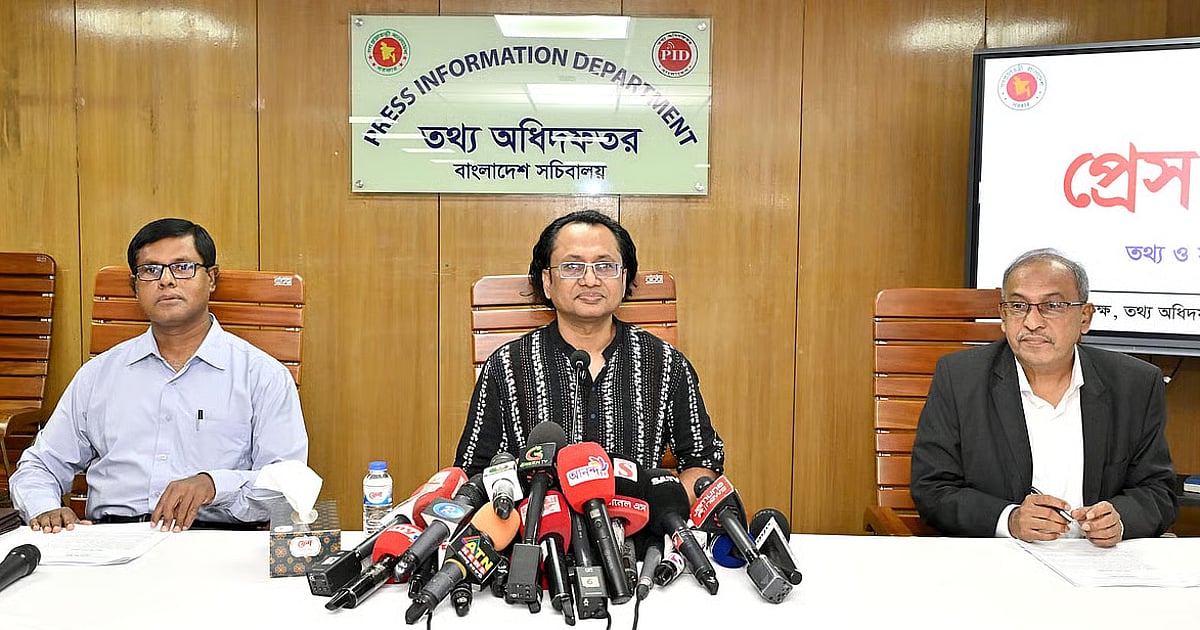
Information and Broadcasting Affairs Adviser to Prime Minister Tarique Rahman, Zahed Ur Rahman, has said that handing over former prime minister Sheikh Hasina and Obaidul Quader, the general secretary of the Awami League (whose activities have been banned in the country), along with others to Bangladesh is an important condition for improving relations with India.

He said they hope the Indian government will hand them over.

Zahed Ur Rahman made the remarks at a regular press briefing organised by the Ministry of Information at the Secretariat on Tuesday to highlight the government’s activities.

Asked about the issue after seven accused, including Obaidul Quader, were sentenced to death by the International Crimes Tribunal (ICT) today in a case involving crimes against humanity committed during the July mass uprising, Zahed Ur Rahman said, “We want Sheikh Hasina. So why would we not want Obaidul Quader and others?”

“I would like to urge the Indian government to consider this as an important condition for improving relations with Bangladesh,” he added.

Referring to Indian High Commissioner to Bangladesh Dinesh Trivedi’s visit to meet him in Dhaka, Zahed Ur Rahman said the issue was among the matters they discussed.

“I tried to convey our position on Sheikh Hasina and the others from my side. For a working engagement with Bangladesh, they (India) should consider these issues,” he said.

Principal Information Officer of the Press Information Department Syed Abdal Ahmed was also present at the press briefing.​
 

Indian MEA: No official word from Dhaka on 101 agreements
Earlier, Chief Whip Moni said government was reviewing 101 MoUs, agreements signed with India under the ousted AL government


1789774749770.webp

Indian Ministry of External Affairs spokesperson Randhir Jaiswal. Photo: Collected

India has not received any official communication from Bangladesh regarding the review of 101 memorandums of understanding (MoUs) and agreements signed with India during the Awami League administration, Indian Ministry of External Affairs spokesperson Randhir Jaiswal said Friday.

“We have also seen some media reports on this matter, but nothing has been conveyed to us officially. Obviously, India will take all necessary actions to protect its interests,” he said in response to a question about Bangladesh’s review of the agreements.

On September 11, Chief Whip Nurul Islam Moni said the government was reviewing 101 MoUs and agreements signed with India during the ousted Awami League government of Sheikh Hasina.

“We are reviewing the agreements that mean 101 MoUs and you will get its (review) result soon,” he said, replying to a question from reporters at a press briefing at the Media Centre of the Jatiya Sangsad, a day after the prorogation of the third session of the 13th Parliament.

Moni said the government wants to maintain friendly relations with neighboring India while giving the highest priority to Bangladesh’s national interests.

Referring to arrangements involving Chittagong Port, Moni said the Awami League government had signed agreements under which vessels belonging to a friendly country could allegedly receive preferential treatment over Bangladeshi vessels when both arrived at the port for unloading.

“They (AL government) signed 101 MoUs. You can write it down and take a note of it that the figure is 101 MoUs,” he said.

Referring to a road constructed with a loan from India, the chief whip said Bangladesh was required to repay the loan with interest, although Bangladeshi vehicles could not use the road.

“Such agreement was made and it remains implemented. We are trying to come out of such situations,” he said.​
 

Ready to discuss all bilateral issues with Bangladesh through structured mechanisms: India


1790133128091.webp


India on Tuesday reiterated that it wants to take its relationship with Bangladesh forward in a positive, constructive and forward-looking manner and expressed its willingness to discuss all bilateral issues between the two countries.

“India desires a positive, constructive, and forward-looking relationship with Bangladesh,” Indian Ministry of External Affairs spokesperson Randhir Jaiswal said while responding to a question about bilateral ties during a media briefing in New Delhi, UNB reports.

Jaiswal said India is ready to discuss all bilateral issues with Bangladesh through the existing structured mechanisms.

“Our intent is to take this relationship forward in a positive direction, in a constructive direction, in a forward-looking manner,” he said.

Asad Alam Siam, the current Foreign Secretary of Bangladesh, will soon move to New Delhi as the new Bangladesh High Commissioner to India.

A copy of the “agrément” (an official approval by the host country) has already been handed over to Bangladesh, a senior official told UNB on Tuesday.

Meanwhile, Saidur Rahman (Minister, Press) at the Bangladesh High Commission in New Delhi told UNB that the Bangladesh High Commission in New Delhi was officially informed of this via email on Tuesday afternoon.

The Foreign Secretary is now in New York accompanying Prime Minister Tarique Rahman as a member of the Bangladesh delegation.

The government is scheduled to appoint Salahuddin Noman Chowdhury, the immediate past Permanent Representative of Bangladesh to the United Nations in New York, as the next Foreign Secretary.

State Minister for Foreign Affairs Humaiun Kobir recently said Bangladesh wants to “reset” its bilateral relationship with India after what he described as an uncomfortable relationship over 15 years under an “authoritarian, corrupt and exploitative” regime.

“We want to move towards a new relationship, which should be done through bilateral discussions, not through a multilateral forum,” Kobir said while responding to a question at the Ministry of Foreign Affairs on September 13.​
 

After jute, India seeks anti-dumping duty on PET film

Sohel Parvez

1790812024186.webp

Representational Photo: Vecteezy

India's trade remedies authority has recommended definitive anti-dumping duties of up to $218 per tonne on imports of polyethylene terephthalate (PET) film, widely used in packaging, from Bangladesh for five years.

In the final findings of a year-long probe, dated September 29, the Directorate General of Trade Remedies (DGTR) proposed a duty of $218 per tonne on film exported by most Bangladeshi firms.

It set a lower rate of $58 per tonne for AKIJ Biax Films Ltd, a concern of AkijBashir Group, the only Bangladeshi company to cooperate with the probe.

The recommendation comes just days after India imposed anti-dumping duties of up to $445 per tonne on Bangladeshi jute products, including jute yarn and twine, following a mid-term review by DGTR.

Earlier this week, the DGTR separately recommended countervailing duties of up to $140.04 per tonne on jute products from Bangladesh.

The PET film – plastic sheets widely used in flexible packaging for food, pharmaceuticals, and consumer goods, as well as in electrical and industrial applications – recommendation also covers China and Thailand.

Chinese producers face $54 to $361 per tonne, depending on whether they cooperated, and Thai exporters $198 to $366, , according to the DGTR report.

The DGTR concluded that dumped imports from the three countries undercut Indian producers' prices and caused them material injury.

The duties take effect only if India's finance ministry notifies them.

Bangladesh's shipments of PET films rose from 12 tonnes in fiscal year 2021-22 to 2,763 tonnes in 2024-25, according to the findings, or about 3.4 percent of India's PET film imports. China supplied 26,086 tonnes and Thailand 12,870.

The DGTR found that all of AKIJ's relevant home-market sales were below cost, so it built a normal value from the company's costs rather than its domestic prices. It, however, declined to adjust AKIJ's export price for export incentives, saying the claim was not tied to the product shipped to India.

AKIJ officials did not respond to phone calls seeking comment.

The probe began on 30 September 2025, after an application from Indian manufacturers Chiripal Poly Films, Ester Industries and Vacmet India.

It initially covered Bangladesh, China, Thailand and the United States. The US was dropped at the preliminary stage after the domestic industry withdrew its complaint.

The investigation examined imports from April 2024 to March 2025, and the injury assessment ran from 2021-22 to the end of that period.

Anti-dumping duties are protective tariffs imposed on imported goods by a host nation when foreign items are exported at prices lower than their fair domestic market value or production cost, causing material injury to local industry.

With PET film facing these new tariffs, the number of Bangladeshi export products subject to such trade measures stands at five.

Historically, five countries – Argentina, Brazil, India, Pakistan, and Turkey – have slapped anti-dumping duties on Bangladeshi exports, including 100 per cent knitted textile gloves, jute bags and sacks, hydrogen peroxide, jute yarn/twine, and synthetic yarn.

Pakistan previously applied a 12.14 per cent anti-dumping duty on hydrogen peroxide from most Bangladeshi exporters before later discontinuing it.

Since 1992, Bangladeshi exporters have faced nearly a dozen anti-dumping investigations across these markets, according to a study by the Bangladesh Foreign Trade Institute.​
 

Not allowing Hasina to land would have created a different situation: Dinesh Trivedi

Diplomatic Correspondent
Dhaka
Updated: 03 Oct 2026, 21: 58

1791068578216.webp

Indian High Commissioner to Bangladesh Dinesh Trivedi at a session of the Bay of Bengal Conversation 2026 at a hotel in Dhaka on 3 October 2026. Prothom Alo

Indian High Commissioner to Bangladesh Dinesh Trivedi has said, “There was no alternative but to allow former Bangladesh prime minister Sheikh Hasina to land in Delhi. If we had not allowed her to land, a completely different situation would have arisen.”

He made the remarks during a question-and-answer session at a working session of the Bay of Bengal Conversation 2026 at a Dhaka hotel on Saturday afternoon. The three-day international conference is being organised by research institute Centre for Governance Studies (CGS).

In response to a question from the audience, when India would extradite Bangladesh’s ousted prime minister Sheikh Hasina, Dinesh Trivedi said, “Hasina ji was not brought by the IAF (Indian Air Force) or the Indian Army. She came because of the tragic events in Bangladesh at that time. Such an incident should not have happened, in which innocent people lost their lives. We hope and pray that such incidents never happen again, where innocent people lose their lives, no matter where in the world they occur.”

Mentioning that “She was taken to India on a Bangladeshi military aircraft”, Dinesh Trivedi further said, “When she (Sheikh Hasina) left Dhaka, she was the prime minister of Bangladesh, and India was not prepared for this situation. If we had not allowed her to land, a completely different situation would have arisen.”

The Indian High Commissioner said, “When the military aircraft arrived in India, India was not prepared. I was watching television, and a scroll at the bottom of the screen was saying that she was going to another country. Hasina ji was still the prime minister of Bangladesh. As a neighbouring country, we had very few options other than accepting the reality.”

“Because sometimes situations take a turn for which you are not prepared in advance. What choice did we have? If we had said, ‘No, we will not allow you to land’, I do not know what the situation would have been. So, that is the historical reason for it,” he added.

Regarding the extradition of Sheikh Hasina, Dinesh Trivedi further said that the Indian government had repeatedly answered the question through its Ministry of External Affairs spokesperson, saying that there is a process for that. The process involves legal matters and is based on a specific framework. Therefore, the relevant legal process is currently underway. As the courts are involved, no one can give a specific timeline for the matter.

Expressing the expectation that Bangladesh would respect that legal process, the Indian High Commissioner said, “Just as Bangladesh is a vibrant democracy, India is also a living democracy. You will respect the legal system, and that legal process is currently underway.”

The Indian High Commissioner said, “I think there was a question about friendship with India. We have extremely good relations between the two countries. We have arrangements for cooperation at various levels. Personally, I cannot imagine a situation in which things would turn into hostility overnight. What we should do is maintain engagement as equal friends in favour of our national interests.”

In response to the moderator’s question about what’s India’s views on whether Bangladesh should change its policy towards relations between the two countries, Dinesh Trivedi said, “The relationship between Bangladesh and India is very deep-rooted, and it is difficult for other countries to understand. Our relationship is based on very strong social and societal foundations.”

“Bangladesh is an independent and democratic country, so it has every right to make decisions in the interests of its people. No country should advise Bangladesh on what it should do. In India’s case, our bilateral relationship with Bangladesh does not depend on what kind of relations Bangladesh has with other countries. As good neighbours, the key is to maintain mutual respect and dignity,” he added.

The Indian High Commissioner said that, just as there can be minor disagreements or problems within a family, it is natural for two countries in a democratic system to have issues or differences. These differences can only be resolved through dialogue, conferences and mutual trust.

Problems in a relationship cannot be resolved from a distance. He expressed the hope that, given the love and warmth between the people of the two countries, the progress in their relationship would continue.​
 

Passing clouds, storms cannot erase sunshine of Dhaka-Delhi ties: MJ Akbar

Conflicts of the 21st century a new form of 'worldwide war', he says

UNB, Dhaka

1791158411856.webp

Photo: Courtesy

Former Indian Minister of State for External Affairs MJ Akbar today said temporary “clouds or storms” cannot erase the long-standing ties between Bangladesh and India, describing the two countries as civilisational states with deep historical and cultural links.

“I never think that passing clouds or passing storms can ever remove the sunshine of Indo-Bangladesh ties,” he said while addressing the Bay of Bengal Conversation 2026 in Dhaka. Prime Minister Tarique Rahman inaugurated the three-day Bay of Bengal Conversation 2026 on Saturday.

MJ Akbar said there would be ups and downs in the relationship between the two countries, but the issues between them should be approached by looking beyond what is considered immediately possible.

“I urge that the questions -- that are addressed by the two sides-- we always think of or look at it from what is possible. Change the pivot from what is possible to why is it impossible? And suddenly, many, many more avenues will open up,” he said.

Akbar, an author of several internationally acclaimed books, said both Bangladesh and India are civilisational states and Bangladesh’s identity is deeply rooted in language and culture. “It is based on language, the power of language,” he said.

He explored the potential for BRICS to help chart a path towards peace through political and diplomatic engagement.

Akbar also congratulated Bangladesh on the election of its Foreign Minister Dr Khalilur Rahman as President of the United Nations General Assembly.

“This is a recognition of Bangladesh's credibility on the international stage and, in my view, a very long overdue recognition of the credibility,” said the veteran politician.

However, Akbar said the UN is facing the biggest challenge in its history, with the future of the institution depending on how the international community responds to growing threats to sovereignty.

He said the UN was built around the principles of sovereign equality, territorial integrity and political independence, which became the foundation of global stability after the World War II.

Akbar warned that wars are increasingly being initiated or imposed without formal declarations of war, saying failure to respect sovereignty could lead to “a period of intensifying chaos.”

He described the conflicts of the 21st century as a new form of “worldwide war”, arguing that they are not necessarily one continuous global conflict but a series of conflicts that continue or recur across different regions.

Akbar said many of the current conflicts are also linked to competition for control of strategic waterways, including the Mediterranean, Black, Red, Caspian and Arabian seas. “What we are witnessing is actually wars for the control of the seas,” he said.

He also warned about the consequences of unresolved territorial and strategic disputes, describing many countries as “unfinished states”.

On India’s foreign and security policy, Akbar said national security cannot be purchased or outsourced and must instead be built on internal strength.

He said India is increasingly playing a larger strategic role in the Indian Ocean, pointing to its naval capabilities and engagement in the region.

Akbar also referred to India’s role in BRICS and its relations with China, saying political diplomacy and dialogue are essential to managing geopolitical differences.

He said India and China had based their relationship on the principle of managing differences without allowing them to become conflicts. “The solution lies in a non-solution. Agree to disagree.”

Akbar also stressed that national strength cannot be achieved without eliminating poverty.

He referred to India’s progress in poverty reduction and its welfare programmes, saying eliminating hunger and poverty is fundamental to building national strength.

The Bay of Bengal Conversation is an international strategic dialogue platform hosted annually by the Centre for Governance Studies (CGS) in Dhaka.​
 

Rationalising Indo-Bangla train routes


1791242998959.webp


The revival of the Maitree Express should not simply mean bringing back a train that once connected Dhaka and Kolkata. It should be an opportunity to rethink the route, the economics and, ultimately, the purpose of cross-border rail travel between Bangladesh and India.

The idea of introducing Maitree Express was conceived not just to make available a railway service. Launched in April 2008, on the occasion of the Bengali New Year, it restored a passenger rail link between the two countries that had been severed in 1965 during the India- Pakistan war. Its very name - Maitree, or friendship - captured a larger idea. It shared history, culture and social bond and connectivity is one way of demonstrating that.

For thousands of passengers, however, friendship is not measured in diplomatic declarations. It is measured in ticket prices, journey times, immigration procedures and whether an elderly traveller can reach a hospital in Kolkata without enduring an unnecessarily long journey.

This is why the proposed rationalisation of the Maitree Express route deserves serious attention.

Before its suspension in July 2024, the train travelled from Dhaka through Tangail, the Jamuna Bridge, Ishwardi and Darsana before crossing into India. The approved timetable envisaged a journey of 7 hours 45 minutes from Dhaka to Kolkata and 8 hours 25 minutes in the opposite direction. In practice, congestion on the railway network could stretch the journey to nine or even 10 hours.

That is a considerable burden for a cross-border service whose principal users are Bangladeshi citizens. Railway sources indicate that about 95 per cent of the passengers using the Maitree Express between 2022-23 and 19 July 2024 were from Bangladesh. During that period, nearly 288,360 people travelled on the train, with occupancy generally between 80 and 85 per cent. During Eid and Durga Puja, occupancy exceeded 95 per cent.

Those figures tell a simple story: there is demand.

The question is whether Bangladesh and India are prepared to make the service fit that demand.

The opening of the Padma Bridge railway route has fundamentally changed Bangladesh's rail geography. A route that was once unavoidable is no longer necessarily the most efficient. The Padma Bridge connection has dramatically shortened rail travel between Dhaka and the south-western districts. The journey from Kamlapur to Benapole, which could previously take more than eight hours via the Jamuna Bridge route, has been reduced to around four hours on the new alignment. The Ruposhi Bangla Express is reportedly covering the distance in about three hours and four minutes.

The implication for the Maitree Express is obvious.

Instead of travelling through Jamuna Bridge, Ishwardi and Darsana, the train could potentially use the Padma Bridge-Benapole route and enter India through the existing cross-border connection. If the necessary operational and infrastructural arrangements can be made, the journey from Dhaka to Kolkata could be reduced to roughly six hours - a saving of around three hours.

That would transform the character of the service.

Six hours between the two cities would put the Maitree Express into a different category altogether. It would no longer merely be a cheaper alternative to flying; it could become a genuinely competitive mode of transport for ordinary people, families, tourists, students, business travellers and medical patients.

The environmental argument is also important. Rail travel generally has a lower environmental footprint than air travel, while offering passengers the possibility of carrying substantial luggage. Maitree passengers have been allowed a free accompanied luggage allowance of up to 35kg. For medical travellers and families, that can be a significant advantage.

But time is only one part of the equation. A rationalised route should also produce a more rational fare.

At present, the fare structure includes a charge of $30 for an AC seat and $20 for an AC chair-car seat on the Indian side, with no additional charge. Under the existing agreement governing cross-border passenger train operations, Bangladesh Railway receives 75 per cent of the apportioned earnings from passenger bookings, while Indian Railways receives 25 per cent.

That revenue-sharing arrangement gives Bangladesh a direct economic interest in increasing the train's passenger volume.

A shorter route, lower operating time and potentially lower fares could therefore benefit both passengers and the railways. According to people familiar with the proposal, a Padma Bridge-Benapole route could reduce the fare by around Tk1,000 per ticket.

Such a reduction would matter enormously.

For a middle-class family travelling to Kolkata for medical treatment, shopping or tourism, the difference between a train ticket and an air ticket is already substantial. But the combination of a lower fare and a six-hour journey would make rail travel considerably more attractive. It could also encourage people who currently travel by road to shift to rail.

That is precisely how cross-border rail should be judged: not merely by whether trains run, but by whether the service expands access.

There is another important lesson in Maitree's history. Its success has not depended solely on the physical railway line. The introduction of end-to-end immigration clearance was an important innovation. By reducing the need for lengthy en-route immigration procedures, particularly at Gede and Darsana, the system made international rail travel considerably more convenient.

The next stage should build on that experience.

If the route is shifted to Padma Bridge and Benapole, Bangladesh and India should ensure that immigration and customs arrangements are designed around the needs of passengers rather than the convenience of individual agencies. Border procedures should be fast, predictable and integrated. A six-hour train journey loses much of its advantage if passengers spend several hours waiting for fragmented border formalities.

The infrastructure itself should also be examined carefully. Maitree operated with 10 fully air-conditioned coaches, including four AC First Class coaches, four AC chair-car coaches and two power cars, with a seating capacity of 456 passengers. Three rakes were used to maintain its five-day-a-week frequency, two supplied by Indian Railways and one by Bangladesh Railway.

Any new route should therefore be assessed not simply for its theoretical travel time but for its capacity, signalling, track availability, locomotive requirements, border infrastructure and timetable compatibility. The objective should be a reliable six-hour service, not a six-hour journey on paper that routinely becomes eight or nine hours.

There is also a wider strategic argument.

Bangladesh and India share a border, a river system, a history and a cultural space that long predates the modern political boundary. Passenger rail can give tangible expression to that relationship. It can facilitate tourism, education, medical treatment, family visits and business while reducing pressure on roads and airports.

The suspension of the train since July 2024, prompted by security concerns, has left passengers waiting for its return. Its eventual reopening should not simply restore the old arrangement. The interruption provides an opportunity to correct its structural weaknesses.

The Padma Bridge route offers precisely that opportunity.

Bangladesh and India should conduct a joint technical and commercial assessment of shifting Maitree to the Dhaka-Padma Bridge-Benapole-Kolkata corridor. If the infrastructure permits, the change should be made. If additional investment is required, the two governments should identify it and act on it.

There is little reason for a modern cross-border railway service to follow yesterday's geography when today's infrastructure offers a shorter path.

The Maitree Express was born from the idea of restoring a connection lost in 1965. Its next chapter should be about making that connection faster, cheaper and more accessible.

Friendship between neighbours is ultimately sustained not by slogans but by useful links.

A six-hour Maitree Express could be one of them.​
 

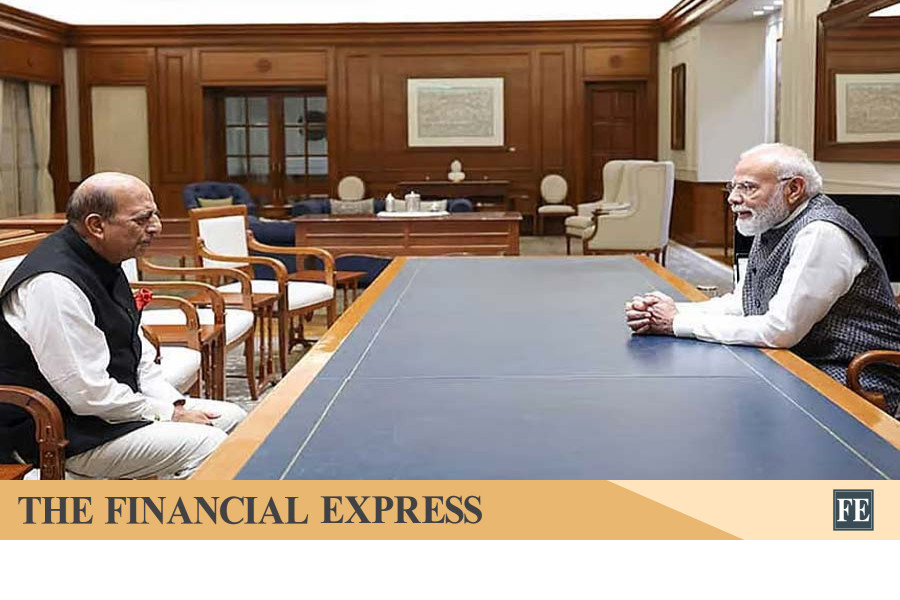
India envoy Trivedi meets Modi over Bangladesh ties, Tarique visit


1791329737665.webp

Indian Prime Minister Narendra Modi has met with India’s High Commissioner to Bangladesh Dinesh Trivedi in New Delhi, the BBC reports.

Trivedi travelled to New Delhi from Dhaka on Monday night on an unannounced visit and met Modi around 1:00 pm local time on Tuesday, according to the BBC.

Citing diplomatic sources in New Delhi, the report said Trivedi had travelled to convey Dhaka’s current position on a possible visit by Prime Minister Tarique Rahman to India and bilateral issues.

Neither the Indian High Commission in Dhaka, India’s foreign ministry, nor Modi’s office has officially commented on the visit.

India appointed veteran politician Trivedi as its envoy to Bangladesh after the 2024 mass uprising that brought down the Awami League government, amid strained ties between the neighbours.

After Trivedi took charge, India resumed all categories of visas for Bangladeshis from Jun 28.

Modi also invited Tarique to attend the BRICS summit in New Delhi as part of efforts to thaw bilateral ties, but the visit has yet to materialise.

Trivedi previously travelled directly from Dhaka to New Delhi on Aug 11 for a meeting with Modi after meeting Tarique and Home Minister Salahuddin Ahmed in Dhaka the previous day.

That trip also reportedly carried messages for the highest level of talks.​
 

PM Tarique's possible visit to India
Rebuilding relations in a new political reality


1791414383219.webp


The value of a visit to Delhi by the Bangladesh's prime minister will be measured by what Bangladesh's people gain, rather than the splendour of the official reception. Border security, a fair share of river waters, equitable trade and respect for sovereign decisions must be the true tests of improved relations.

Following the political transition of 2024 and the 2026 election, Prime Minister Tarique Rahman's government has an opportunity to rebuild Bangladesh-India relations. Its stated objective is a "Reset" grounded in mutual interests, sovereign equality and diversified international partnerships. The review of 101 agreements and memoranda signed with India under the previous government is significant in this context. Its proper purpose should be to identify and revise harmful provisions, rather than cancelling agreements indiscriminately.

INVITATION AND INDIA'S STRATEGIC INTERESTS: India's invitation remains open, but no confirmed schedule has yet been fixed. Bangladesh did not attend the BRICS summit in Delhi for understandable reasons. Though the Indian high commissioner's recent statement that there was no haste in the proposed visit to take place, India's persistent urging for the visit of Bangladesh PM has created ground for raising eyebrows by the conscious citizens. Under the circumstances, it has become more relevant to examine the purpose and potential outcomes meticulously before finalising the visit. India's apparent interests, however, are clear. A border of approximately 4,100 kilometres, connectivity with its northeastern states, the Bay of Bengal, land and river transit, energy trade and security make Bangladesh exceptionally important to their strategic planning and objectives.

DIVERSIFIED DIPLOMACY AND INDEPENDENT DECISIONS: Bangladesh's diversified diplomacy is also influencing Delhi's calculations. The prime minister's June visit to China produced commitments to expand trade, infrastructure, diplomatic and defence cooperation. Developing relations with Pakistan and Türkiye do also matter to the regional balance. India's relevant parliamentary committee has expressed concern particularly about China's expanding presence in Bangladesh. Maintaining influence through high-level engagement with Dhaka may therefore be one of Delhi's strategic objectives. India must however recognise that Bangladesh's closer relations with other countries do not necessarily constitute hostility towards lndia. An independent Bangladesh will choose partners according to its own needs. Equally, diversification must not create excessive dependence on another single power.

FAIR WATER SHARING AND BORDER SECURITY: Shared river waters present one of the most urgent tests in the improvement of relation between the two neighbours. The 30-year Ganges Water Sharing Treaty of 1996 expires in December 2026. The Teesta agreement remains unresolved, while most shared rivers lack permanent, effective allocation arrangements. Questions affecting Bangladesh's agriculture, livelihoods and environment cannot be settled through diplomatic assurances alone. Border deaths, allegations of unauthorised crossings and "push-ins", trade barriers and visa difficulties also fuel public resentment. Commitments to cooperation between border forces will matter only when they produce visible improvements in human security. The gap between declarations of friendship and conditions along the border must narrow.

EXTRADITION AS A TEST OF BILATERAL TRUST: Extradition of Sheikh Hasina, a convict meted out a death sentence by The International Crimes Tribunal, is another major obstacle in the way of normalisation of the relations between neighbours. Bangladesh's judicial proceedings against the former prime minister, ousted in a mass uprising, and its demand for her return constitute an important test of bilateral trust. India allegedly patronising subversive activities aimed at disrupting peace and stability in Bangladesh. But it seems to have decided to play a game by sending the case to the court for judicial decision. Bangladesh must as such seek transparent, responsible and timely resolution under the applicable treaty and laws.

REVIEWING AGREEMENTS FOR ECONOMIC FAIRNESS: Economic relations likewise require rigorous assessment. Each agreement must be examined separately in terms of costs and benefits, reciprocity, financial obligations, long-term consequences and provisions for amendment or termination. Identical monetary gains are not the sole measure of fairness; the central questions are whether benefits are equitable and whether Bangladesh retains freedom of taking decision. The 25-year power purchase agreement with Adani is a significant example. A government-appointed review committee has raised serious concerns about pricing and procedural shortcomings. Bangladesh should pursue transparent negotiations to secure reasonable prices and acceptable terms. Where necessary, legal remedies or international arbitration may be considered under the agreement's dispute-resolution provisions, with careful assessment of compensation exposure, costs and electricity-supply risks.

A CLEAR AGENDA BEFORE THE VISIT: A prospective India visit should therefore become a thoroughly prepared diplomatic initiative with a specific agenda. Priorities should include the Ganges treaty's future, a time-bound Teesta roadmap, prevention of border deaths and push-ins, trade and visa difficulties, the review of 101 agreements, electricity pricing, extradition and mutual security concerns.

CONCRETE RESULTS AS THE TEST OF SUCCESS: Success should be assessed through concrete progress in the above mentioned areas. Joint declarations should be accompanied by implementation responsibilities, deadlines and mechanisms for reviewing progress.

FRIENDSHIP WITH DIGNITY BANGLADESH'S WAY FORWARD: Making a visit does not itself amount to surrender, and refusing one is neither the sole proof of independence. Patriotism in diplomacy means preparation, skilled negotiation and demonstrable gains for the national interest. Geography has made Bangladesh and India neighbours; it does not however give either the right to dominate the other. Bangladesh's course should be dignified friendship, equitable cooperation and independent decision-making. Whether India's invitation reflects goodwill, strategy or both, Bangladesh's response must rest on the interests of its people and the sovereign dignity of the state.

Lt Col Mudassir Hussain Khan (retd) Bir Protik is a security analyst.​
 

Dinesh Trivedi meets Narendra Modi in New Delhi, what did they discuss?

Diplomatic Correspondent
Dhaka

1791415672771.webp


Dinesh Trivedi, the country's High Commissioner stationed in Bangladesh, with India's Prime Minister Narendra Modi on Tuesday afternoon in New Delhi. Courtesy: Indian High Commission in Dhaka

Dinesh Trivedi, the Indian High Commissioner stationed in Bangladesh, met with India's Prime Minister Narendra Modi yesterday, Tuesday afternoon, in New Delhi.

Diplomatic sources have said that, in addition to matters concerning the relationship between the two neighbouring countries, there was also a discussion between Narendra Modi and Dinesh Trivedi regarding the current position of Dhaka on the possible visit of Bangladesh's Prime Minister, Tarique Rahman, to India.

Dinesh Trivedi arrived in New Delhi from Dhaka on Monday night and met with Narendra Modi on Tuesday afternoon.

1791415699297.webp


Dinesh Trivedi, the country's High Commissioner stationed in Bangladesh, with India's Prime Minister Narendra Modi. Tuesday afternoon in New Delhi. Photo courtesy: Indian High Commission in Dhaka

Moreover, the country's High Commissioner in Dhaka met with India's Foreign Secretary Vikram Misri.

Dhaka's diplomatic sources have reported that Dinesh Trivedi is expected to return to Dhaka next Thursday.

In August, Dinesh Trivedi went to New Delhi and held a meeting with Narendra Modi.

At that time, he also discussed with the India's Prime Minister about the possible visit of Bangladesh's Prime Minister Tarique Rahman.

However, nothing has been officially communicated by India regarding the discussion this time.

Yesterday, India's High Commissioner Dinesh Trivedi also met with the country's Army Chief, General Dhiraj Seth.

The meeting discussed various aspects of strengthening bilateral cooperation and defence relations between Bangladesh and India.

This information was shared in a post on the verified Facebook page of the Indian Army yesterday.

The meeting emphasised various steps to strengthen bilateral cooperation and defence relations between India and Bangladesh.​
 

Neighbouring country backing attempts to destabilise Bangladesh: Jamaat

Star Online Report

1794358870716.webp

Photo: Courtesy

Attempts are being made to destabilise parts of the country with the direct backing of a neighbouring country, Leader of the Opposition and Jamaat-e-Islami Ameer Shafiqur Rahman said today.

He made the remarks at a meeting of opposition lawmakers at the Jatiya Sangsad Bhaban this afternoon.

Referring to the deteriorating law and order situation, Shafiqur said the government was completely failing to ensure the safety of people's lives and property. If the situation persisted, the country's stability, economy and democratic environment would be seriously affected, he warned.

He also expressed concern over the Matarbari project and the agreement signed with Japan, saying the decisions surrounding the project had created uncertainty among the public. Questions had also arisen over whether the agreement was being used as a cover for a conspiracy to provide a corridor to another country.

He called on the government to clarify its position and make public all the terms of the agreement and related information.

Turning to the garment sector, the country's largest export-earning industry, Shafiqur said it was facing a deep crisis. The government's failure to take effective initiatives to address the sector's problems was posing serious risks to the economy and the labour market, he added.

At the meeting, Opposition Chief Whip and NCP Convener Nahid Islam said the government had failed to play an effective role in preventing the activities and violent actions of what he described as fascist terrorists.

Taking advantage of the government's weakness, various terrorist groups were attempting to create anarchy across the country, he said, adding that covert attacks and violent incidents were taking place in different areas.

Nahid called on all patriotic forces to remain united against fascist terror and subversive activities.

The meeting also discussed several key national issues, including the prime minister's recent visit to Japan, the Matarbari project, renewal of the Ganges water-sharing treaty, alleged irregularities in the appointment of fertiliser dealers, the acceptability of the constitutional amendment committee's activities, and what the opposition described as government negligence in the trial of the July mass killings.

The lawmakers stressed the need for transparent disclosure of all information concerning the Matarbari project's agreement, financing and implementation, as well as matters affecting national interests.​
 
Back
Top