New Tweets

[🇧🇩] July uprising

G Bangladesh Defense
[🇧🇩] July uprising
73
2K
More threads by Saif


Can July be saved from the Tunisia syndrome?
Maruf Mullick

Updated: 15 Jul 2025, 16: 33

1752626340114.webp


Abu Sayeed's death inflamed us and the people poured onto the streets. The unlawful empire built by Sheikh Hasina when up in flames.

It has been a year since the July uprising. Exactly one year ago in July, the people dragged the fascist Sheikh Hasina down from power.

In face of the protests launched by the students and the masses, the authoritarian Sheikh Hasina was forced to flee from the country to India.

It was because of the unprecedented unity that was forged during the July uprising that the autocratic rule Sheikh Hasina was forced to flee.

However, one year on since then, divisions and rifts appear. After any revolution or uprising, divisions inevitably emerge over the issue of power.


When many sides are involved in this political change, the division gradually exacerbates. There was no sole force that was in charge of our July uprising.

The students lent leadership from the forefront. But there was massive participation by the political parties. They had organised the anti-Hasina movement from behind.

The common people too fought against Hasina's fascist rule with all their might. It was the 17-year relentless struggle that was ultimately manifest in the shape of the July uprising.

The students who led the July uprising have formed a new party. But the party is now embroiled in controversy over several issues. There are even allegations of corruption and irregularities against some of the leaders. The government too is unable to run the country properly.

The current situation in our country resembles that of Tunisia. And this resemblance is a cause for concern and apprehension. We surely haven’t forgotten Tunisia’s Jasmine Revolution. In 2010–11, after 28 days of protest, Tunisia’s autocrat Ben Ali was forced to flee power, much like Sheikh Hasina
There has hardly been any tangible improvement in the country's overall condition over the past one year. There has been much talk about reforms. The government and the pro-government parties are trying to more or less forcefully impose the reforms.

If one does not agree with them 100 per cent, one is immediately marked as anti-government. Truth be told, certain unrealistic and unworkable ideas have been dished out in the name of reforms and these will weaken the future government.

One year since the uprising, there is a feeling among many that the country is being deliberately led towards failure. There is a group that is close to those in power that is intentionally carrying out this plan. This group is creating all sorts of issues to cause a disruption in the county.

There is much similarity between the situation in Tunisia and our country at the start of the revolution. The unfolding events are similar too.

Ennahda, an organisation affiliated to Muslim Brotherhood, the largest and most organised party in Tunisia at the time. That party basically worked from behind the scenes, while the common people and other political parties were visible in the front.

The problem began after Ben Ali fled. If elections were held, Ennahda’s victory was certain. But Ennahda had to be stopped at any cost. Just like here, people are saying no one else should be allowed to become another Sheikh Hasina. Reforms are needed.

In Tunisia too, to prevent anyone else from becoming another Ben Ali, the 2014 constitution was amended to divide power between the president and the prime minister. It proposed a form of balanced governance.

But in reality, a weak system of government was established in Tunisia. Even those without public support were included in power-sharing arrangements under the pretext of maintaining balance.

As a result, from 2011 to 2021, Tunisia saw ten changes in government within ten years, a new government almost every year.

The current situation in our country resembles that of Tunisia. And this resemblance is a cause for concern and apprehension. We surely haven’t forgotten Tunisia’s Jasmine Revolution. In 2010–11, after 28 days of protest, Tunisia’s autocrat Ben Ali was forced to flee power, much like Sheikh Hasina.

The Arab Spring began in Tunisia. It was sparked by the self-immolation of a young man named Bouazizi in protest against state repression. His death awakened the entire nation.

Just like the death of Abu Saeed had stirred us. After that, the streets were taken over by the people. The "palace" of Sheikh Hasina’s illegitimate regime was engulfed in the flames of public fury.

After the Jasmine Revolution in Tunisia, supporters of Ben Ali within the military, police, and bureaucracy were not removed. The reason was that no government could remain in power long enough to do so. Similarly, here too, loyalists of Awami League have not yet been removed. In fact, there are allegations that many of them, having now rebranded themselves as opponents of Awami League, are enjoying various privileges.

Since 2010, revolutions and mass uprisings have brought about regime changes in several countries. Notable among them are Tunisia, Egypt, Libya, Yemen, Ukraine, Burkina Faso, Sudan, Armenia, Sri Lanka and Senegal.


But Tunisia was the only country where the constitution was amended following the revolution. However, that constitutional change failed to yield any positive results. Instead, frequent changes in government led to a decline in investment, economic recession, and rising unemployment in Tunisia.

As public dissatisfaction grew, a university professor named Kais Saied seized power in 2019. He was a professor at a university in Tunis and a familiar face on television talk shows. He often spoke out against the economic mismanagement of the weak governments.

Because of this, he quickly gained popularity. Later, with the support of Tunisia’s elite, he took control of power. In 2021, he suspended the constitution, drafted a new one, and re-established authoritarian rule in the country.

Tunisia returned to the era of Ben Ali. Analysts have termed this return to autocracy as the Tunisia syndrome.

The Tunisia symptom is becoming evident in our country too. In Tunisia, there was no political party that could challenge Ennahda on the electoral front. Instead, smaller parties were brought together under Nidaa Tounes, a party loyal to Ben Ali.

Similarly, in our country, it is assumed that if elections are held, BNP will win. The focus of the others is to stop the BNP, even if that means delaying the election. Various parties are entering the political field with ever-changing issues. Much like Nidaa Tounes, loyal to Ben Ali in Tunisia, certain parties aligned with Awami League are reorganising in different ways.

Suddenly, some parties have started demanding elections and government formation through proportional representation. Their main objective is to block BNP.

In Tunisia, weak governments led to uncertainty and deterioration in law and order. In our country, mob rule has taken hold and people are being beaten to death in public.

Film screenings are being shut down. Tourists are being harassed at popular destinations. Shrines are under attack. Political violence is on the rise. Investment is declining.

In Tunisia, the constitution was deliberately amended to establish a weak government. Here too, there is talk of constitutional reform. These reform proposals seem aimed at forming a similarly weak government, just like in Tunisia.

In the attempt to stop Ennahda, Tunisia’s revolution was ultimately derailed. Here too, in the attempt to stop the BNP, the achievements of July are being pushed toward failure. On the anniversary of July, this is the growing fear that surrounds us.

While Tunisia syndrome is clearly visible in our country as well, the difference is that, in Tunisia, the so called secular parties united against Ennahda.

The West feared that if Ennahda formed a government and managed to stay in power, its influence might spread to other Arab nations. For the same reason, neither Tunisia, nor later Egypt under the Brotherhood aligned Morsi, was allowed to hold on to such a government.

By contrast, here it is the religious parties that are closing ranks against BNP. Who supports them from outside remains unclear, but the objective is identical: stop BNP. Yet the aim of any revolution or uprising cannot be to block a single party.

Rather, revolutions and popular uprisings are meant to establish a tolerant, multi party democracy. If that is not the goal, any revolution is doomed to fail. Tunisia is the best example of this. Therefore, before failure overtakes us, we must protect July from the Tunisia symptom.

* Dr. Maruf Mullick is a political analyst​
 
Analyze

Analyze Post

Add your ideas here:
Highlight Cite Respond

Investigation - 3, July mass uprising
Most deaths occurred in 5 areas of Dhaka


Ahmadul Hassan Dhaka
Updated: 16 Jul 2025, 14: 27

1752711114986.webp

Police fire shots at protesting students in Jatrabari of Dhaka on 18 July 2024. Prothom Alo file photo

During the July mass uprising last year, the highest number of deaths from police gunfire took place in Dhaka. In just five areas of the capital—Jatrabari, Uttara, Mirpur, Mohammadpur, and Rampura—at least 324 people were killed.

This death toll alone shows how horrific the situation was in the capital during the uprising. According to Prothom Alo’s estimates, at least 426 people were killed across different parts of Dhaka in just 21 days, between 16 July and 5 August last year.

Throughout the uprising, law enforcement agencies acted aggressively in various areas of Dhaka. In indiscriminate firing, 117 people were killed in Jatrabari, 70 in Uttara, 62 in Mirpur, 43 in Mohammadpur, and 32 in Rampura. Additionally, at least 102 more people were killed by gunfire in 22 other areas of the city, including Badda, Bhatara, New Market, and Bangshal.

Outside the capital, the student-led movement faced brutal crackdowns in Savar, Chattogram, Narsingdi, Feni, and Rangpur. Prothom Alo’s investigation found that the highest number of deaths occurred on 18, 19, 20 July and 4 and 5 August during the 36-day movement (from 1 July to 5 August). On these five days alone, 747 people were killed—53 on 18 July, 177 on 19 July, 65 on 20 July, 108 on 4 August, and 344 on 5 August.

According to the official gazette, 844 people have been declared martyrs of the July uprising so far. Prothom Alo has verified detailed information on 802 of them. Among these, 706 died from gunshot wounds which is 88 per cent of the total. Most were shot in the chest, back, or head. Even homes were not safe; 10 people, including women and children, were shot dead inside their residences.

During the protests, police would shoot anyone they saw who looked like a student. On 20 July, I was walking down an alley with four other students. A group of officers pointed their guns and said, ‘You joined the protests? Then die----Rimi Ahmed, a private university student.

In July and August of last year, police, RAB, and BGB used lethal force to suppress the movement, as documented in a report by the UN Office of the High Commissioner for Human Rights (OHCHR). Alongside law enforcement, members of various affiliate and like-minded organisations of the then-ruling Awami League (now banned) were seen opening fire in different areas.

The OHCHR published its fact-finding report in February. The report stated that Sheikh Hasina’s government systematically used brutal force to suppress the protests. It estimated that more than 1,400 people may have been killed between 15 July and 5 August. Among the victims, 66 per cent were shot with military rifles, 12 per cent with shotguns, and 2 per cent with pistols.

Jatrabari became an “epicentre of death”

According to Prothom Alo’s findings, Jatrabari saw the highest number of fatalities during the July uprising. Between 18 July and 5 August (the day the Awami League government fell), at least 117 people were killed in Jatrabari—56 of them on 5 August alone, with 19 more on 19 July and 15 on 20 July.

From 18 July, protesters brought daily life in Jatrabari to a standstill. For four consecutive days (through 21 July), and again on 4 and 5 August, the Dhaka–Chattogram Highway—from in front of Jatrabari police station to Kazla, Shanir Akhra, and Signboard in Narayanganj—was under their control.

1752711203671.webp

Prothom Alo infographic

To remove the protestors, both law enforcement and pro-government forces armed with firearms took to the streets. Among the protestors were Tanvir Ahmed, a college student at the time, and his father Abdur Hannan, a furniture shop worker. On 5 August, Abdur Hannan was shot dead by police.

Speaking to Prothom Alo on Sunday, Tanvir recalled, “The entire Jatrabari area turned into a terrifying hotspot. It had become a death zone. Police fired indiscriminately. We would lie next to road dividers or hide behind pillars to avoid bullets. Many died right in front of us. Still, we kept protesting.”

He continued, “Around 3:30 pm on 5 August, we were celebrating victory in Kazla. Then someone called from my father’s phone and said he had been shot in the head behind the Jatrabari police station. I ran there and found his body lying on the ground. No one was around. With help from relatives and friends, we loaded the body onto a van and took it to Dhaka Medical College. I never imagined I’d return home with my father’s dead body even after achieving final victory.”

In Jatrabari and Narayanganj, along with students from schools, colleges, and universities, a large number of madrasah students also took part in the protests. Data shows that many madrasah students were among the dead in these areas.

Videos of indiscriminate shooting in Jatrabari went viral during the protests. In one video dated 5 August, a group of police officers is seen firing continuously at anyone in sight.

In another video from 20 July, a young man is shot at point-blank range by police. Another man tries to pull the injured protestor to safety but flees when police continue firing. Later, the victim was identified as Imam Hasan, a college student. His father, Moynal Islam Bhuiyan, was a police sub-inspector.

The government chose a path of brutality to suppress the student-citizen movement. Even children were not spared. What happened was utter barbarism—a national human catastrophe. It was the worst kind of human rights violation----Mohammad Mainul Islam, Professor of Population Sciences at Dhaka University.

That evening, Moynal identified his son’s body at the Dhaka Medical College morgue, where this reporter was also present. Upon seeing his son’s body, the grieving father called a senior officer and asked, “Sir, how many bullets does it take to kill just one person?”

Uttara witnessed brutal crackdowns

Between 18 July and 5 August, 70 people were killed in Uttara—including 16 on 19 July and 32 on 5 August. Protestors included students from private universities and people from various walks of life.

On 18 July, Mir Mahfuzur Rahman Mugdho was shot in the forehead in Azampur, Uttara, while distributing water to protestors. Holding a crate, he was saying “Water, anyone need water?”—a moment captured in a video that later went viral.

That video deeply moved school student Jubayer Ahmed, who then decided to join the movement. On his first day of protest (2 August), he was hit by rubber bullets. On 4 August, a live bullet pierced his lower ribs and grazed his stomach. The bullet is still stuck in his body.

Speaking to Prothom Alo on Saturday, Jubayer said, “I saw many people get shot before my eyes. I lost consciousness soon after being hit. I woke up at a hospital—surrounded by wounded, crying in pain.”

Rimi Ahmed, a private university student, also described the horror in Uttara.

She said, “During the protests, police would shoot anyone they saw who looked like a student. On 20 July, I was walking down an alley with four other students. A group of officers pointed their guns and said, ‘You joined the protests? Then die.’”

Ruling party men open fire with police

In Mirpur, Mohammadpur, and Rampura, armed activists of the now-banned Awami League joined police in suppressing protestors. Many were killed or injured by their gunfire.

In Mirpur, even homes were not safe. On 19 July, 11-year-old Safkat Samir was shot and killed inside his house. Afterward, Ismail Hossain, a Dhaka City AL member, obstructed the post-mortem process. The family buried the boy without an autopsy.

Jubo League General Secretary Mainul Hossain Nikhil and his associates (now in hiding) were most active with weapons in Mirpur. His aide Ripon Ahmed (aka Rinku) was arrested in February. Police said Ripon’s group regularly brandished and fired weapons to intimidate protestors. A total of 62 people were killed in Mirpur alone by police and AL gunmen.

In Mohammadpur, armed figures included Asif Ahmed (then Ward-33 Councillor and nephew of ex-Army Chief Aziz Ahmed), former councillor Tarequzzaman Rajib, and Masudur Rahman Bipul, assistant to AL Presidium member Jahangir Kabir Nanak. Prothom Alo has verified two videos showing them firing at protestors on 4 August, just a day before the government fell. As many as 43 people were killed in Mohammadpur.

In Rampura, student protestors mounted fierce resistance. But law enforcers and Awami League activists again used lethal force killing 32 people.

Elsewhere in Dhaka—Badda, Bhatara, New Market, Chankharpul, Chawkbazar, Gulistan, Agargaon, Mohakhali, Hatirjheel, Kalabagan, Tejgaon, Farmgate, Lakshmibazar, Golapbagh, Dhanmondi, Hazaribagh, Adabor, Banglamotor, Shahbagh, Paltan, Bangshal, and Mugda—police opened fire on protestors. Among them, 50 people were killed in Badda and Bhatara, and 11 each in Bangshal and New Market.

Many victims of the uprising were buried as “unclaimed bodies.” At Rayerbazar Cemetery, 114 bodies were buried this way—their identities remain unknown.

Abu Sayed’s death sparked a nationwide protest

Under the banner of an anti-discrimination student movement, the quota reform protests began on 1 July. On 16 July, the then-Awami League government launched a massive crackdown. That day alone, six people were killed—including Abu Sayed, a student of Begum Rokeya University in Rangpur. A video of his killing circulated widely on social media, igniting national outrage.

Between 18 and 21 July, law enforcement fired indiscriminately to crush the uprising. Failing to stop the protests, the government imposed a nationwide curfew from midnight on 19 July. During the announcement, AL General Secretary Obaidul Quader said a “shoot-at-sight” order had been issued.

The list of those killed during the uprising includes victims as young as four years old and as old as seventy. Prothom Alo’s investigation confirms that 131 children under 18 were killed—most by gunfire. The government’s list of martyrs includes students, workers, and professionals.

Mohammad Mainul Islam, Professor of Population Sciences at Dhaka University, told Prothom Alo, “The government chose a path of brutality to suppress the student-citizen movement. Even children were not spared. What happened was utter barbarism—a national human catastrophe. It was the worst kind of human rights violation.”

[Prothom Alo correspondents Md Mamun, Md Jannatul Nayeem, Abriti Ahmed, and district correspondents helped filing this report]​
 
Analyze

Analyze Post

Add your ideas here:
Highlight Cite Respond

How brutal oppression triggered July Uprising

ANUPAM DEBASHIS ROY
Published :
Jul 18, 2025 00:04
Updated :
Jul 18, 2025 00:04

1752795942718.webp


When a bullet leaves the barrel of a gun, it bears no name. But when that bullet pierces the chest of a protesting student demanding justice, it inscribes itself in history, writing the death warrant of an unjust regime. Not every killing by the state is immediately recognised as tyranny, especially when the victims are from marginalised communities. But when an unarmed, ordinary student is shot dead in broad daylight and the moment is captured on camera, the cruelty becomes undeniable. No theoretical justifications offered by the state can obscure the reality that such a killing is the starkest form of oppression.

The tyranny of the Awami League had long been evident to the public. July was merely the eruption of years of suppressed anger. Thanks to the tactical brilliance of student leaders, that rage found a targeted direction. A series of strategic missteps by the Awami League made its downfall inevitable.
My doctoral research at the University of Oxford centres on the July Uprising. While my full analysis is extensive, I would like to share some of my emerging arguments in hopes of generating feedback that may further enrich my study. Let me begin by discussing a few theoretical insights I have already proposed.

The identity of the “student” played a central role in shaping the trajectory of the July movement. In Bangladesh, the figure of the student carries a moral sanctity—historically perceived as the bearer of justice. No Bangladeshi government has survived long after spilling student blood. Once branded as “student-killers,” regimes face an indelible moral stain. In contrast, killings of working-class people—such as garment workers—even after the uprising, often go unheeded by the urban middle class due to class divisions and alienation.

During July, many autorickshaw drivers, labourers, madrasa students, and destitute people lost their lives. Yet, the names most frequently remembered as martyrs are Abu Sayed and Mugdho—because they created transformative moments in the eyes of the middle class. These figures were perceived as “worthy” martyrs, whereas politically affiliated figures like Wasim were not embraced in the same way. One of the primary reasons for the success of the movement was its deliberate strategic non-partisanship—it was portrayed as free from the taint of party politics. I will explore this further in a future essay.
While Abu Sayed’s murder was a major turning point in the uprising, it was by no means the only one. The movement was shaped by many such moments.

Without deeper fieldwork, it is difficult to say which specific incidents resonated most with the public. However, preliminary observations suggest that the government’s decision to shut down the internet was another transformative event. Rather than suppressing the movement, this miscalculation brought hundreds of thousands to the streets—many of whom would have otherwise confined their protests to online platforms. The internet blackout acted as a catalyst for offline mobilisation, particularly among the urban, educated middle class.

But can the mobilisation of millions be explained only by the internet shutdown or student killings? I believe many took to the streets because of the wounds inflicted by the Awami League’s long history of repression. The suppression of protests, enforced disappearances, extrajudicial killings, and torture in secret detention centres left deep scars. In my research, I have identified over a hundred personal testimonies detailing abuses by the ruling party’s student wing. If surveyed, I suspect a significant proportion of these individuals would be found to have joined anti-government protests. Beyond these recorded stories lie thousands more—many shared on social media.

The brutal murder of Abrar Fahad was one of the clearest indications that the ruling party’s student wing had become a terrorist organisation—something that was recognised by many even before the interim government’s recent acknowledgements. For countless students, the actions of the ruling party’s cadres transformed the Awami League into a monstrous entity, the defeat of which became a moral obligation.

Moreover, large-scale injustices—such as forced disappearances, killings, corruption, and money laundering—mobilised not just students, but also ordinary citizens against the regime. This explains why, after July 18, millions of people beyond the student population joined the movement to oust Sheikh Hasina.

Once the murder of Abu Saeed reached the public, the movement had no path left but a single demand—resignation. Although some argue that this was the result of a long-term plan to remove Hasina, I believe the movement had its own endogenous momentum, shaped by transformative moments and martyrdoms. The intensity of the moment made the one-point demand inevitable. Even without the formal announcement, the people were already moving in that direction—and at that point, the leadership had no choice but to follow.

Each death largely fueled this momentum of the moment. Based on my analysis, I propose that the movement grew stronger with every killing, rather than weakening. My data shows a statistically significant relationship between deaths in a particular division and the number of protests the following day.

Machine learning analyses also indicate that various forms of repression—especially disproportionate use of force—served as reliable predictors of protest activity. Thus, not only the long history of oppression but the immediate, unfolding violence of July served to intensify the uprising.

These findings challenge a dominant theory in social movement literature, which argues that intense repression leads to demobilisation or radicalisation. But our July did not cower in fear. It stood face-to-face with tyranny and vowed to uproot it from Bangladesh.

In my book Bidroho theke Biplob, published earlier this year, I argued that the July Uprising had its roots in the 2018 Road Safety Movement. I now believe that it began even earlier—something many now acknowledge, including the official page of the interim government. A detailed chronicle of these past injustices—and an understanding of their impact on public consciousness—could be of tremendous value to scholars of social movements. If we can identify which forms of repression people remember, and which ones move them to stake their lives on the streets, it could significantly advance our understanding of mobilisation. Not only would this be an academic contribution—it would also be a lesson for future politics: to ensure that no future government dares to resurrect the Awami model of tyranny. Just as Awami repression ignited July, the people of Bangladesh—who never forget the insult of injustice—will not hesitate to rise again if oppression returns.

However, July is not just a topic for scholarly inquiry. It is a moment of national consciousness and moral awakening. The movement’s core aspiration was to dismantle the unjust apparatus of the state and build a new, just society in its place. We are still far from that goal. On this first anniversary of the July Uprising, it is a critical time for us to recommit to that struggle. We must ensure that, unlike previous movements, July does not become another hijacked revolution. For that, both student activists and ordinary citizens must work to ensure that the interim or subsequent elected governments commit to deep structural reforms and to building a just state and society. Otherwise, we will have to return to the streets once again—risking more bloodshed, more lives.

But I hope we can activate our democratic institutions so that our people no longer have to bleed. Let our collective pledge on the anniversary of July be this: Carry on the struggle until that vision is realised.

Anupam Debashis Roy is the Editor-in-Chief of Muktipotro and DPhil Canddiate in the Department of Sociology at the University of Oxford.​
 
Analyze

Analyze Post

Add your ideas here:
Highlight Cite Respond

July uprising: Who gains if the unity is cracked?

Saimum Parvez
Published: 17 Jul 2025, 16: 02

1752797350370.webp

The July-August uprising was a turning point in Bangladesh's history Prothom Alo

The July uprising" is an exceptional chapter in the history of Bangladesh. Since the liberation war, there have been various movements at various times aimed at establishing democracy and good governance. Pro-democracy political forces united in a common struggle against Hasina’s authoritarian rule.

Over the course of this movement lasting over a decade and a half, thousands of people became victims of enforced disappearances, extrajudicial killings, torture and politically motivated arrests. The movement reached its culmination in July and August, when people from all walks of life, political ideologies, professions and gender took to the streets.

Universality was one of the defining features of this uprising. People set aside differences to come together and even sacrifice their lives. Students from public and private universities, schools and colleges, English-medium students and madrasa students alike took part in the uprising. Girls in burqas marched alongside those in jeans and t-shirts. Teenagers from the streets built resistance shoulder to shoulder with the youth of upscale Banani and Gulshan areas. The presence of women across different age groups added a new dimension to the movement.

Prolonging the election timeline and actively encouraging depoliticisation in various ways have also contributed to the erosion of the unity forged during the uprising.

This spontaneous and diverse participation from every social and professional background rendered Hasina regime’s oft-repeated “terrorism” narrative ineffective. People no longer believed in the projected spectre of terrorism because the public itself was a stakeholder in this uprising.

The power of July lay in its unity. People from diverse backgrounds and political affiliations took to the streets in July in support of democracy, for a new system of governance, and against plunder, to assert their right to speak and to secure their basic needs . A key element in the formation of any collective identity is a “common enemy.” During the anti-colonial movement, colonial rulers served as the common enemy around which nationalism took shape in this land. Prior to that, there was no strong sense of ethnic or national identity. Similarly, Sheikh Hasina came to embody the common enemy that gave July its collective identity.

After the fall of the Hasina regime, it became necessary for key stakeholders in the July uprising to come to a mutual understanding in order to preserve this newly formed identity. But such an understanding never materialised. On the contrary, a jarring scramble for power has emerged, so intense that it now threatens the very unity that had once driven the anti-Hasina movement.

Just a year after the fall of the Hasina government, we find ourselves face to face with this worrisome scenario. It is crucial to analyse how we arrived at this point. We also need to consider who stands to gain and who stands to lose if this broad-based unity falls apart.

Despite the absence of security forces, particularly the police, after 5 August, there was no major breakdown in law and order, thanks to the spontaneous unity of ordinary citizens. Yet, even months into the formation of the interim government, we continue to witness a disturbing negligence or reluctance in taking effective steps to ensure public security.

Mazars (shrines) were attacked under the government's nose, women's football tournaments were attacked or halted, there were attacks on those with differing views, on dissenters. Given the circumstances after the uprising, the people were forced to take law and order into their own hands. But once the government was formed following the uprising, it is certainly a massive failure, even a crime, if incidents of mob violence occur and it fails to control such incidents. In certain instances, terror groups rise up, taking advantage of this reluctant and weak position of the government. Many of these groups were even released from jail.

The very democracy that inspired the July uprising is now being portrayed by extremists as a "dysfunctional system of governance." School and college students are being mobilised for rallies and processions where banners and placards openly denounce democratic rule. In the past, under any government in Bangladesh, there has never been such a public stance against democracy.

Many may hold the weak and ineffective stance of the interim government responsible for the failure to realise the immense potential that the July uprising had ushered in. Prolonging the election timeline and actively encouraging depoliticisation in various ways have also contributed to the erosion of the unity forged during the uprising. On social media, campaigns advocating for this government to remain in power for five years, along with the vilification of mainstream politics and political leaders, have encouraged public support for depoliticisation.

NCP's demands for reforming the state structure should be pursued as part of their long-term political vision. A state's framework cannot be transformed overnight with the wave of a magic wand. Hasty and poorly-considered reforms can push the country further backward.

But at the end of the day, the responsibility of running a state and government lies with politicians. Any attempt to manage governance in exclusion of them, leads to administrative failure and also accelerates conflict, resentment, and power struggles.

The meeting in London between the chief advisor Professor Yunus and BNP’s acting chairman Tarique Rahman helped significantly reduce the prevailing uncertainty. However, a certain faction viewed the normal process of transferring power through a public mandate with suspicion. Instead of fostering stability, they began working to sow seeds of discord and division among the pro-July forces.

The consensus on the election timeline began to take shape and the Consensus Commission is expected to arrive at an acceptable position within a month. But fresh attempts are being made to stir unrest across the country. In recent days, there has been a gruesome killing in front of Mitford Hospital, the brutal shooting and tendon-slashing of a young man in Khulna, and an attempted assassination of an imam.

All top BNP leaders have called for exemplary punishment in these cases. Typically, in such instances, protests hold the ruling government accountable for failing to ensure justice. But in this case, we noticed a different approach: the focus was placed solely on the Mitford killing, while the Khulna murder and the imam attack were largely ignored. Moreover, instead of blaming the government, protesters targeted BNP’s acting chairman Tarique Rahman, holding him responsible. The rallies included personal attacks and abusive slogans against him.

Disproportionate attention was given to a single murder case. The focus was turned away from justice and instead to linking Tarique Rahman to the killing as part of a business rivalry. This was accompanied by abusive rhetoric. This has given rise to resentment among BNP’s rank and file. Many believe that this smear campaign was orchestrated by a particular faction aiming to exploit the incident to generate widespread anti-BNP sentiment and damage Tarique Rahman’s personal credibility.

It is important to remember that preventing such crimes requires both organisational resolve and goodwill of political parties, as well as the government's capacity and courage to take effective action. Political parties are not responsible for law enforcement or judicial processes, and therefore their ability to act is limited to organisational measures.

Recently, NCP has been conducting grassroots political programmess across various regions. This effort to engage with the public and understand their concerns should be welcomed. However, an analysis of NCP’s post-July uprising activities reveals a clear tendency toward populist politics. As part of this populist turn, their inclination toward mob violence, depoliticisation and religion-based politics has become noticeable. Even in the aftermath of the Mitford murder, this populist orientation is evident in their social media posts and public speeches.

NCP's demands for reforming the state structure should be pursued as part of their long-term political vision. A state's framework cannot be transformed overnight with the wave of a magic wand. Hasty and poorly-considered reforms can push the country further backward. As part of its effort to evolve into a centrist political force, NCP should focus on choosing the right allies and ensuring that the July alliance does not fall apart. If this unity collapses, it will not only pave the way for the return of a fallen autocracy but also allow extremist factions to strengthen their positions.

* Dr Saimum Parvez is a lecturer in political communication, Deutsche Welle Academy and Bonn-Rhein-Sieg University.​
 
Analyze

Analyze Post

Add your ideas here:
Highlight Cite Respond

Atrocities during July uprising: Of pellets and lost eyesight
20 lose both eyes; scores of people still bear the scars of eye injury

1752887180171.webp


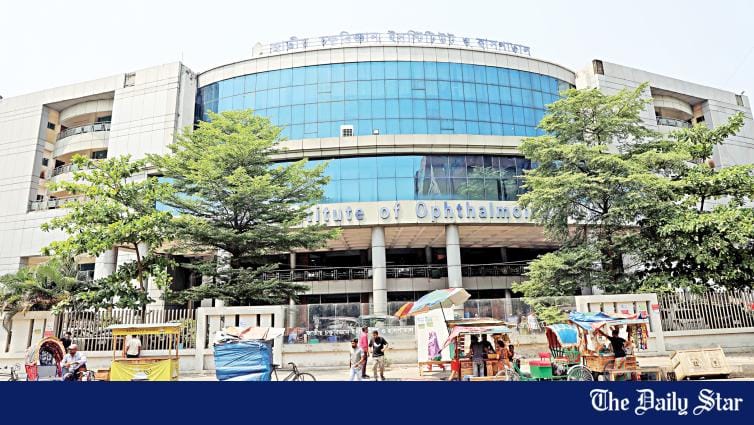
On the afternoon of July 18 last year, Zakia Sultana Neela, an assistant professor at the National Institute of Ophthalmology and Hospital (NIOH), stepped out of a routine surgery into a scene of unfolding horror.

Downstairs, the ground floor was swarming with several hundred people, mostly teenagers and youths, many clutching their eyes.

1752887215265.webp


"Some were covering one eye with a hand, others with both. Blood was oozing from their eyes. It was a horrifying sight," Neela recalled.

For the next 72 hours, doctors at the 250-bed specialised hospital -- the country's largest public eye hospital -- were overwhelmed. They tirelessly performed surgeries on victims of attacks by law enforcers during the mass uprising.

"The operation theatres were occupied for three days in a row," said HEM Rejwanur Rahman Shohel, an assistant director at the hospital.

The facility recorded peak admissions on July 18 and 19.The numbers began to decline from July 20 but surged again on August 4 and 5, Shohel said, referring to hospital documents.

"The injured were struck by two types of projectiles -- metal pellets and bullets. Most had suffered wounds from metal pellets."— Zakia Sultana Neela Assistant professor at the National Institute of Ophthalmology and Hospital (NIOH).

"Pellets struck my ear and lips. I didn't immediately register that another pellet had hit my left eye. A friend alerted me that my left eye was bleeding,"— Tanvir Hasan Tushar A third-year honours student at Dhaka College.

Neela said, "The injured were struck by two types of projectiles -- metal pellets and bullets. Most had suffered wounds from metal pellets."

Hospital records show 1,074 injured people, including 736 requiring hospitalisation, received treatment at the hospital as of April this year. Of them, 20 lost both eyes. Doctors performed 504 emergency surgeries and 278 retina operations.

Till June, more than 50 of the injured received treatment at the hospital. Though no injured patients are now admitted there, many continue to receive eye care in the outdoor unit.

AN AFTERNOON LIKE NO OTHER

The July 18 afternoon remains etched in the memories of Rejwanur Rahman Shohel, an assistant surgeon.

Rejwanur, who is involved with a pro-BNP doctors' association, received a phone call from a senior BNP leader around 3:00pm, minutes after returning home from his hospital duty.

The BNP leader told him that many party activists had been injured and were taken to the hospital. Two of the injured also called him later.

"I couldn't immediately fathom the scale of the situation… But when I arrived at the hospital, I found it overwhelming," Shohel said.

Doctors were called in from home to help manage the influx of patients.

Most of the injured arrived with retinal damage caused by pellets. "Even in the least injured eyes, we found at least five pellets. In some cases, we recovered several dozen pellets from a single eye," Shohel said.

"There was fear, but we tried our best to provide care… We were told that a complaint had been lodged with the local police station against us for treating the protesters. But we didn't pay heed and carried on with our work," said Shohel.

Neela said, "We came to the hospital even during curfew. We treated our patients without any hesitation."

A LIFE-CHANGING MOMENT

The July uprising left an indelible mark on 25-year-old Tanvir Hasan Tushar, a third-year honours student at Dhaka College.

He joined the July movement, along with his friends from various private universities. As planned, Tanvir and his friends took position in the Notun Bazar area around 10:00am on July 18.

Hearing about police action against Brac University students, they moved towards the university.

As they reached Ring Road in Badda area around 12:15pm, a chase and counter-chase ensued between law enforcers and protesters. At one point, Tanvir was struck by pellets near the ramp of a flyover.

"Pellets struck my ear and lips. I didn't immediately register that another pellet had hit my left eye. A friend alerted me that my left eye was bleeding," he recalled.

Tanvir was taken to NIOH after failing to receive treatment at three private hospitals for a lack of doctors.

Eye specialists at NIOH treated his cornea and released him the same day. Later, he underwent another surgery at the hospital but is yet to regain vision in the left eye.

"I can only sense light within half a yard but not beyond that," said Tanvir, who had to quit his part-time jobs after the incident.

"My family isn't solvent... I now have no choice but to rely on them financially again," he added.

Another injured, Shahidul Islam Sakib, a college student, was hit by metal pellets in his left eye during protests in Feni's Chhagalnaiya on August 4.

The 18-year-old was later admitted to NIOH and underwent four surgeries.

"The injuries on my left eye were grievous. Doctors at NIOH recommended that I get an artificial eye," he said.

About a month ago, he had an artificial eye implant at Islamia Eye Hospital in Farmgate.

The youngest of four siblings, Sakib has not been able to resume his studies.

"My life has changed forever. I can't imagine what the future holds for me," he told The Daily Star.

Both Tushar and Sakib have been recognised as July Joddha and have received financial support from the government and the July Shaheed Smrity Foundation. They are among hundreds of young people who are now bearing the scars and trauma of violent attacks during the July mass uprising.​
 
Analyze

Analyze Post

Add your ideas here:
Highlight Cite Respond

Investigation - 4, July mass uprising
More than 13,000 injured in the uprising

Treatment of the injured is on the priority list of the health ministry, but there are still a number of complaints from those undergoing treatment.
Shishir Moral Dhaka
Updated: 19 Jul 2025, 20: 15

1752972803043.webp


Shamim Mia, who was injured during the July mass uprising, sits on the hospital bed at the National Institute of Traumatology and Orthopaedic Rehabilitation (NITOR or Pangu Hospital) in Dhaka on 17 July 2025.Tanvir Ahammed

Shameem Mia broke his thigh bone (femur) in police firing on 5 August. Since then, he has undergone treatment at six different government and private hospitals. He is undergoing treatment at the National Institute of Traumatology and Orthopaedic Rehabilitation (NITOR) at the moment. The interim government has started preparations to send him abroad for advanced treatment as suggested by specialists.

Shameem Mia was on the streets alongside students during the July mass uprising. The exact number of people injured by indiscriminate gunfire from police and other law enforcement agencies during that time, like Shameem, is still unknown.

According to the latest figures of the management information system (MIS) of the Directorate General of Health Services (DGHS) under the Ministry of Health, the number of injured stands at 13,811. However, the Ordinance on Welfare and Rehabilitation of Families of Martyrs and Fighters of the July Uprising, 2025 states that 12,887 people were injured across the country.

Regardless of the actual number of injured people, more than 300 people like Shameem Mia are still undergoing treatment at hospitals both at home and abroad.

Shameem Mia, 40, is from Nandail of Mymensingh. He worked at a garment factory in Maona of Sreepur upazila in Gazipur, earning Tk 25,000 per month. His wife, Razia, also worked at another factory. Together, their income supported a six-member family, including two daughters and their parents.

Since Shameem was shot on 5 August, his wife has spent her days at the hospital and had to quit her job as a result. Speaking to this correspondent, the couple said they received Tk 200,000 from the July Martyrs’ Memorial Foundation and Tk 100,000 from the government. However, with hospital bills, travel costs, and household expenses over the past year, their debt has now crossed Tk 1 million.

This correspondent spoke to Shameem Mia and his wife Razia at the NITOR on 15 July. Shameem said that around 3:00 pm on 5 August, police opened fire on a procession of hundreds of people on the streets of Maona in Sripur. He was among many who were injured. A bullet pierced through his left thigh. A few students rescued him and took him first to a hospital in Sripur, then to Mymensingh Medical College Hospital. Later, he was brought to Dhaka around 3:00 am.

Shameem said, “There, I ended up falling into the trap of brokers. They first took me to a private hospital in Shyamoli, where I stayed for two days. After that, I went back home.”

Shameem then returned to that private hospital again on 16 August and received treatment there till 21 August. Later, he returned home again and was admitted to Nandail Upazila Health Complex. After receiving treatment there for a few days, he went to a private clinic in Mymensingh town. Following the doctors’ advice there, he came to Dhaka Medical College Hospital (DMCH). The authorities at Dhaka Medical College then advised him to seek treatment at the NITOR.

1752972851318.webp


Shameem said, “Even after getting admitted, there was no space available in the hospital due to a lack of beds. Two days later, I was admitted to the Combined Military Hospital (CMH), where I underwent surgery on my leg.”

According to official documents, Shameem was admitted to CMH on 30 October. He was discharged nearly a month later, on 29 November. From there, he returned home, but an infection developed in his leg. He was then admitted to Mymensingh Medical College Hospital once again. As there was no improvement in his leg even after a month, the doctors referred him to the NITOR. He was admitted there on 3 March and has been staying there since then.

Shameem said that six inches of bone from his thigh had to be removed. A physician treating him told Prothom Alo that the delay in treatment, lack of proper care, and repeated infections had complicated his condition. He will now be sent abroad for advanced medical treatment.

Many of those injured during the July mass uprising did not receive proper treatment in time. Speaking to 14 injured individuals, Prothom Alo has identified three main reasons behind the delays and inadequacies in treatment.

First, many of those who were shot in mid-July last year only received primary treatment at hospitals. Fearing police harassment, many avoided hospital admission altogether.

Second, many families struggled with uncertainty over who would bear the cost of emergency treatment. As a result, some were unable to afford proper medical care at the time.

Third, due to concerns over getting entangled in complications, several private hospitals and clinics were reluctant to admit injured individuals. Some left the hospital without completing treatment—either due to financial constraints or fear of arrest.

Thousands hit by pellets in their eyes

During the July mass uprising, law enforcement agencies used pellet bullets extensively alongside other weapons. Many people were injured, with some losing sight in one eye and others in both eyes.

According to official documents obtained from the office of the director of the National Eye Institute and Hospital, 1,087 people suffered serious eye injuries. Among them, 699 were treated at the Eye Institute, 137 at Dhaka CMH, 122 at Ispahani Islamia Eye Hospital, 77 at Dhaka Medical College Hospital, 38 at Bangladesh Medical University, and 14 at Chittagong Eye Infirmary and Training Complex. Each of these patients required eye surgery.

Data from the Hospital Division of the Ministry of Health states that 450 people lost sight in one eye, while 20 lost sight in both eyes. Additionally, 236 individuals suffered severe damage to one eye, and 21 to both eyes.

The highest number of eye injury patients received treatment at the National Eye Institute. Over time, medical teams from several countries, including China, Nepal, France, the United States, Singapore, and the United Kingdom, have visited to assist in treating these patients. Additionally, 21 patients were sent abroad for advanced eye treatment. Currently, seven of them remain in Turkey for ongoing treatment.

Professor Khair Ahmed Chowdhury, director of the National Institute of Ophthalmology and Hospital (NIOH), told Prothom Alo that over a thousand people received treatment at various hospitals for eye injuries. All of them were wounded during the mass uprising. An analysis of their data shows that nearly 99 per cent were injured by pellets. The remaining 1 per cent were hit by tear gas shells or other objects. The pellets struck the chest, throat, nose, face, head, and eyes—with the eyes being the most sensitive among these.

To be continued..............
 
Analyze

Analyze Post

Add your ideas here:
Highlight Cite Respond
Three categories of injured persons

The website of the Ministry of Health lists 13,811 people as injured. Officials from the ministry said that applicants had to submit proof of receiving treatment at a hospital or clinic along with other documents in order to be listed as injured.

Meanwhile, the ‘July Uprising Martyrs' Families and July Fighters’ Welfare and Rehabilitation Ordinance, 2025’ from the Ministry of Law, Justice, and Parliamentary Affairs states that a total of 12,887 people were injured across the country. The highest number of injuries occurred in Dhaka Division—3,098 people. Next is Chattogram Division with 1,927 injured. Rangpur and Khulna divisions recorded 1,315 and 1,195 injured respectively. The remaining three divisions—Barisal, Sylhet, and Mymensingh—reported 772, 708, and 534 injured respectively.

The ordinance categorises injured persons into three categories: critically injured, severely injured, and injured. Those considered critically injured include individuals who have lost an eye, a hand, or a leg and can no longer live independently, those who are fully blind, mentally impaired, have lost limbs, or are permanently disabled for earning a livelihood. The number of critically injured persons is 493.

Those who are partially blind, suffered severe brain injuries, or similar traumas are categorised as severely injured. Their number stands at 908. People who have lost vision or hearing, been shot, or sustained similar injuries during the July uprising and received hospital treatment are categorised as injured. Their number is 10,642.

Most of the injuries were caused by various types of gunfire. These include lethal bullets, shotgun pellets, and rubber bullets. Some were injured by batons, sticks, rods, or bricks. Others were burned in fires.

The National Institute of Traumatology and Orthopaedic Rehabilitation (NITOR or Pangu Hospital) has treated 902 injured people, including 608 people injured by gunfire. The remaining 294 were injured in other ways.

According to data from the Ministry of Health, four people had to have one arm amputated, and twenty had one leg amputated. Additionally, several hundred people suffered severe injuries to the spine, head, or other parts of the body.

According to the gazette, 844 people were killed during the July Uprising. In July and August of last year, police, RAB, and BGB used lethal weapons to suppress the student and public movement, a fact also noted in a report by the United Nations High Commissioner for Human Rights. In addition to law enforcement, members of various affiliate and fraternal organisations of the now-banned Awami League were also seen firing weapons in the capital and other parts of the country.

Injured people still at hospitals

There is confusion over how many injured people are still admitted in hospitals. According to the latest report of the Ministry of Health released on Thursday, 17 July, 338 patients are currently hospitalised across Dhaka and other districts. However, it has been learned after making phone calls to several hospitals that the data provided by the ministry is not accurate.

For example, while the ministry reported that 116 patients were admitted at the National Institute of Opthalmology and Hospital (NIOH), its director Professor Khair Ahmed Choudhury told Prothom Alo on Thursday that no patients injured in the July uprising were currently admitted.

The ministry also reported that 121 people were admitted at Pangu Hospital. However, on Thursday, hospital authorities said only 10 people were admitted.

The ministry reported 16 people admitted at Bangladesh Medical University. However, the university’s public relations office said on Thursday that 32 injured were currently admitted.

Besides, Prothom Alo learned that several patients are still admitted at CMH, the Burn Institute, and Dhaka Medical College Hospital. In the latest briefing held by Army Headquarters on 3 July, it was stated that 4,790 injured persons had received treatment at various Combine Military Hospitals (CMHs) across the country. On that day (3 July), 22 people were still receiving treatment at CMH, Dhaka.

Foreign physicians and treatment

Due to the complexity of the situation, the government has sent several injured people abroad for better medical treatment. However, there are allegations that in some cases there were delays in sending patients overseas.

According to the Ministry of Health, 75 people have so far been sent abroad for better treatment. Among them, 11 were sent to Singapore, 56 to Thailand, 7 to Turkey, and 1 to Russia. Of these, 29 have returned to the country after treatment. Currently, 39 people are still in Thailand and 7 in Turkey for on-going treatment.

Sources from the Health Ministry said that Tk 785.23 million has been spent so far on treatment abroad. The government has also fully covered the medical expenses for those treated in hospitals within the country.

The ministry also noted that five patients are currently awaiting visas, and the government orders (GOs) for 20 others are in process. Several more are expected to be sent abroad for treatment. Passport preparations are underway for them, and on Monday, passport office officials visited Pangu Hospital to assist with the process.

Alongside sending patients abroad, the government has also brought in specialist doctors from various countries to assist in treatment. Medical teams from China, Nepal, the UK, the US, France, and Singapore have visited Bangladesh. These foreign doctors provided treatment mainly at Dhaka Medical College Hospital, Pangu Hospital, the National Institute of Ophthalmology, and CMH, and offered consultation to local physicians.

Discontent over treatment, road blocked

Despite these efforts, many injured individuals expressed dissatisfaction with their treatment. Over the past year, they have staged multiple protests and road blockades, demonstrated several times in front of the chief advisor’s residence, Jamuna, and organised sit-ins and gatherings in front of the Secretariat. They also tried to block the health adviser’s car, and held road blockades in Shahbagh and Agargaon. There were also incidents of vandalism at the office of the director of the National Institute of Ophthalmology.

A large number of the injured are young. Many of those who were severely injured are now physically disabled. Some have lost their means of livelihood. A number of them are under psychological stress, with many feeling depressed or traumatised. Several doctors noted that mental health care services are insufficient compared to the level of need.

Syed Abdul Hamid, professor of the Institute of Health Economics at Dhaka University, is researching the socio-economic situation and rehabilitation of the injured from the July Uprising. He told Prothom Alo, “I have noticed three major gaps regarding the injured. We have not seen effective or visible initiatives to care for their mental health. Many need physiotherapy but are not receiving it. And the government has yet to ensure any sustainable income opportunities for them. That is why many are feeling frustrated. Such despair was never desirable after such a major national change.”​
 
Analyze

Analyze Post

Add your ideas here:
Highlight Cite Respond

Looking at the July uprising through Actor-Network Theory

1752976444787.png

Seen through ANT, the July uprising was a networked event, a convergence of actors both familiar and unexpected. The photo was taken at Central Shaheed Minar in Dhaka on August 2, 2024. FILE PHOTO: PALASH KHAN

"Action is not done under the full control of consciousness; action should rather be felt as a node, a knot, and a conglomerate of many surprising sets of agencies that have to be slowly disentangled."— Bruno Latour (2005).

When protests swept across Bangladesh in July-August 2024, culminating in the collapse of the Sheikh Hasina regime, the dominant narratives pointed to rising food prices, suppression of electoral rights, and widespread public dissatisfaction. But to understand the complexity and temporality of the July uprising, we need a conceptual apparatus that doesn't reduce cause and effect to binaries of state vs people or elite vs masses. The Actor-Network Theory (ANT), developed by thinkers like Bruno Latour, Michel Callon, and John Law, offers just such a lens.

ANT shifts the analytical gaze away from centralised actors and towards heterogeneous assemblages of human and non-human agents, each contributing agency through a web of interactions. It is not people alone who make revolutions; rather, power is distributed, negotiated, and performed through constellations of bodies, technologies, infrastructures, discourses, and materialities. By tracing how these actors align, disalign, and realign over time, ANT allows us to reassemble the political landscape not as a stable structure, but as a networked effect, always at risk of coming undone.

A revolution of actants

What emerged in July-August 2024 was a perfect storm—not in the metaphorical sense of a rare confluence of disasters but, in ANT's terms, a dense network of actors aligning across domains of affect, infrastructure, economy, and narrative.

Latour's insistence that action should be felt not as a conscious decision but as a "node, a knot, and a conglomerate of many surprising sets of agencies" is particularly useful here. The July uprising was not just the sum of autonomous decisions; it was the effect of entangled agencies acting in concert and contradiction. Streets became stages where crowds moved with semi-intentional choreography, guided by calls from loudspeakers, updates from X feeds, or the sudden dispersal caused by a water cannon. The logic of revolt emerged not from centralised strategy but from the recursive entanglement of all these actors, human and non-human.

Seen through ANT, the July uprising was a networked event, a convergence of actors both familiar and unexpected. University students were joined by school-goers, informal sector labourers, disenfranchised voters, and retired bureaucrats, among many others. But no less significant were skyrocketing rice prices, delayed electricity bills, tear gas canisters, Facebook livestreams, and leaked videos of police brutality. These were not mere backdrops to human agency but active participants in shaping public perception, coordination, and rage. ANT's refusal to grant ontological privilege to humans alone foregrounds how non-humans like hashtags (#DownWithHasina), barricades, and even monsoon downpours shaped the rhythms of revolt. A protester's banner reading "Give me rice or give me justice" was not only a slogan but a node in a wider network of affective mobilisation.

Even the topography of the protests took on meaning through ANT's framework. The occupation of intersections and symbolic siege of ministry buildings all functioned as non-verbal scripts performed by crowds and urban architecture alike. Roads became political actors—so did curfews and roadblocks. These spatial and material conditions produced feedback loops in which visibility, vulnerability, and solidarity were reconfigured in real time.

Translating discontent

Central to ANT is the notion of "translation"—how actors enrol others into a network, often redefining roles in the process. The uprising did not spring from ideological coherence but from the strategic translation of disparate grievances. Some political parties, left-leaning student alliances, religious groups, and civil society organisations constructed temporary alignments around slogans that floated free of fixed referents.

"Down with Hasina" became a capacious signifier, suturing together demands for electoral reform, food security, dignity in labour, and democratic governance. The interim government that emerged post-uprising was itself not a fixed solution, but a provisional actor within this new network, one that could stabilise or unravel depending on how actants continued to assemble.

The translation was not without friction. Competing visions of post-uprising Bangladesh jostled for primacy. Some sought immediate elections; others wanted a truth and reconciliation commission. Still others demanded reparative justice for the dead and disappeared. ANT reminds us that these differences do not weaken the network but demonstrate its dynamism and ongoing negotiation.

Fragility, mediation, and reversibility

ANT emphasises that networks are never permanent. Their stability relies on continuous performance and negotiation. For long, the Hasina regime relied on a network of security forces, foreign investment, bureaucratic compliance, and digital surveillance. But when segments of that network began to disaggregate—as seen in police defections, muted international responses, and media platforms turning critical—the regime's performative power faltered.

Meanwhile, protest networks expanded transnationally. Diaspora activism, international human rights statements, IMF warnings, and viral TikToks all introduced new nodes that exerted pressure on local dynamics. Each new actant either reinforced or challenged the existing topology of power. Crucially, ANT helps us see that power is not possessed but enacted through these fluctuating relations.

Equally important is ANT's insight that the collapse of a regime is not the end of a network but a transformation. The Hasina regime's fall did not erase its network; it reconfigured it. Some institutions adapted; others resisted. The military's neutrality, for instance, became a pivotal actant.

Technopolitics and infrastructural breakdown

Technology played a vital role as a mediating actor. Smartphones, VPNs, mobile banking apps, and content moderation algorithms shaped how information flowed and resistance formed. The failure of certain infrastructural systems—supply chains, energy grids, and digital transactions—also acted as silent insurrections against the state's claim to order and efficiency.

ANT understands these not as background conditions but as relational disruptions that recalibrate agency. A power outage in Chattogram was as much a political actor in the uprising as a protest march in Dhaka. In this sense, the uprising was as infrastructural as it was ideological.

Moreover, the sheer visibility of infrastructural breakdown became a form of counter-legitimacy. When people waited in line for hours for cooking oil or faced sudden disruptions in mobile banking, these daily inconveniences became discursive weapons, channelled into rants on social media, street slogans, and graffiti. ANT allows us to see how this cascade of micro-failures activated macro-political consequences.

Reassembling networks in motion

What emerges from this ANT-inflected reading is not a catalogue of causes but a dynamic cartography of entanglements. Rather than asking why the revolt happened or who made it happen, we begin to see how agency was dispersed, re-routed, and recursively enacted through volatile connections. ANT enables us to perceive these shifting assemblages as the very medium of political possibility. The uprising thus resists closure—not because it was unfinished in terms of outcomes, but because its very structure was one of continuous rearticulation. Before we speak of conclusions, we must acknowledge this provisionality.

ANT does not offer moral judgement or teleology. It offers a method for tracing how associations form, dissolve, and recombine. The July uprising in Bangladesh was not the result of a single cause or charismatic leadership. It was a dense choreography of actors assembling into momentary consensus, driven as much by affect and infrastructure as by slogans or manifestos.

In retrospect, to ask who led the uprising is the wrong question. The better question, from ANT's perspective, is: what network of humans and non-humans made the uprising visible, thinkable, and actionable? The answer lies not in the linear history of regime change but in the topology of connection—a cartography of revolt that remains provisional, reversible, and still unfolding.

ANT invites us to remain attentive to the unfinished nature of political transformation. The networks that brought down the Hasina regime are not inherently emancipatory; they are heterogeneous, unstable, and constantly in flux. What they do offer, however, is a method for tracking the emergence of new possibilities and the contestations that accompany them.

Dr Faridul Alam is a retired academic and writes from New York City, US.​
 
Analyze

Analyze Post

Add your ideas here:
Highlight Cite Respond

Latest Posts

Back
PKDefense - Recommended Toggle