Bangladesh Defense
Saif
Senior Member
- Jan 24, 2024
- 21,040
- 9,686
- Nation

- Residence
- Axis Group

July revolution did not seek to overturn constitution: Chief Justice
Outgoing CJ Refaat says movement aimed to purify constitutional engagement
July revolution did not seek to overturn constitution: Chief Justice
Outgoing CJ Refaat says movement aimed to purify constitutional engagement

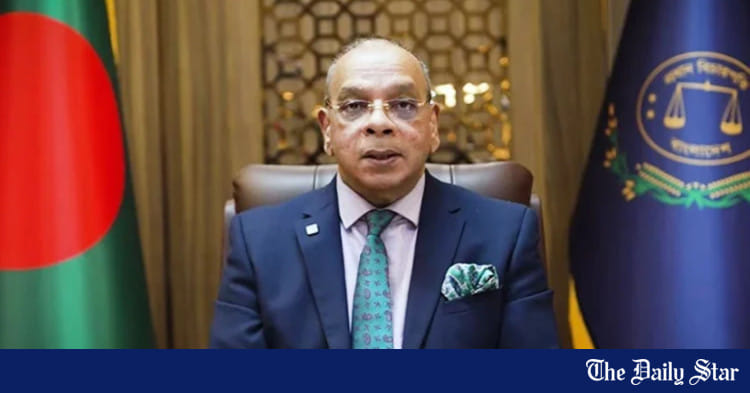
File photo: Collected
Chief Justice Syed Refaat Ahmed today said the July revolution did not propose to overturn the constitution; rather, it sought to purify the nation's engagement with it.
"Transparency, accountability, and responsiveness -- these three virtues became the leitmotif of the public conscience," he said.
He added that during those uncertain months, the judiciary remained the only fully functional constitutional organ. As a result, it had to act with both humility and firmness.
"Yet the judiciary… was compelled to adopt a posture at once humble and resolute -- humble in acknowledging that it cannot exceed the boundaries of the text that gives it life, and resolute in ensuring that within those boundaries no right is rendered illusory, no institution made captive, and no citizen abandoned," he said.
Syed Refaat Ahmed, who will retire on December 27, made the remarks while delivering a speech in response to a farewell felicitation accorded to him by Attorney General Md Asaduzzaman and Supreme Court Bar Association (SCBA) President AM Mahbub Uddin Khokon.
The event was held this morning at the Chief Justice's Courtroom of the Appellate Division of the Supreme Court.
Judges and lawyers from both the Appellate Division and the High Court Division were present at the function.
In his speech, the chief justice said, "Together, through mutual respect, shared responsibility, and an unshakeable commitment to constitutionalism, we reaffirm that the strength of our judiciary lies not in any single office, but in our collective resolve to serve justice with integrity, balance, and foresight."
Addressing the chief justice, AG Asaduzzaman praised his leadership during a challenging period.
"During your short tenure as chief justice, through your wisdom, intellect, and foresight, you have established a unique judicial standard," he said.
SCBA President Mahbub said Refaat Ahmed made his utmost efforts to protect the constitutional and fundamental rights of citizens.
He added that the chief justice continued to uphold justice by removing delays in the disposal of cases.
Chief justice calls on president
Chief Justice Syed Refaat Ahmed paid a courtesy call on President Mohammed Sahabuddin at Bangabhaban at 2:00pm today.
During the meeting, the president exchanged pleasantries with the chief justice and highly appreciated the various initiatives taken by him to ensure the institutional independence of the judiciary.
The president also praised the successful implementation of those initiatives.
He particularly commended the chief justice's tireless efforts to establish a separate Supreme Court Secretariat for the judiciary.
The chief justice, in turn, expressed his sincere gratitude to the president for his special cooperation in implementing measures aimed at ensuring the judiciary's institutional independence, according to a Supreme Court press release.
Law adviser meets chief justice
Later in the day, Law Adviser Asif Nazrul paid a farewell call on Refaat Ahmed at his Supreme Court office.
During the meeting, the law adviser expressed concern to the chief justice over "terrorists being granted bail by the High Court".
After the meeting, Asif Nazrul spoke to journalists and said it was the chief justice's last working day.
"Today was the last working day of Chief Justice Dr Syed Refaat Ahmed. I came to express my thanks and gratitude to him," he said.
He said the chief justice took office at a critical moment for the country. He added that the chief justice played a key role in advancing judicial reforms in line with the expectations of the July mass uprising.
"Who will be the next chief justice is a matter of government policy. I do not have the authority to say anything unilaterally on this policy matter," he said.
"However, I can tell you that you will likely know it within the next three to four days," he added.
Outgoing CJ Refaat says movement aimed to purify constitutional engagement
File photo: Collected
Chief Justice Syed Refaat Ahmed today said the July revolution did not propose to overturn the constitution; rather, it sought to purify the nation's engagement with it.
"Transparency, accountability, and responsiveness -- these three virtues became the leitmotif of the public conscience," he said.
He added that during those uncertain months, the judiciary remained the only fully functional constitutional organ. As a result, it had to act with both humility and firmness.
"Yet the judiciary… was compelled to adopt a posture at once humble and resolute -- humble in acknowledging that it cannot exceed the boundaries of the text that gives it life, and resolute in ensuring that within those boundaries no right is rendered illusory, no institution made captive, and no citizen abandoned," he said.
Syed Refaat Ahmed, who will retire on December 27, made the remarks while delivering a speech in response to a farewell felicitation accorded to him by Attorney General Md Asaduzzaman and Supreme Court Bar Association (SCBA) President AM Mahbub Uddin Khokon.
The event was held this morning at the Chief Justice's Courtroom of the Appellate Division of the Supreme Court.
Judges and lawyers from both the Appellate Division and the High Court Division were present at the function.
In his speech, the chief justice said, "Together, through mutual respect, shared responsibility, and an unshakeable commitment to constitutionalism, we reaffirm that the strength of our judiciary lies not in any single office, but in our collective resolve to serve justice with integrity, balance, and foresight."
Addressing the chief justice, AG Asaduzzaman praised his leadership during a challenging period.
"During your short tenure as chief justice, through your wisdom, intellect, and foresight, you have established a unique judicial standard," he said.
SCBA President Mahbub said Refaat Ahmed made his utmost efforts to protect the constitutional and fundamental rights of citizens.
He added that the chief justice continued to uphold justice by removing delays in the disposal of cases.
Chief justice calls on president
Chief Justice Syed Refaat Ahmed paid a courtesy call on President Mohammed Sahabuddin at Bangabhaban at 2:00pm today.
During the meeting, the president exchanged pleasantries with the chief justice and highly appreciated the various initiatives taken by him to ensure the institutional independence of the judiciary.
The president also praised the successful implementation of those initiatives.
He particularly commended the chief justice's tireless efforts to establish a separate Supreme Court Secretariat for the judiciary.
The chief justice, in turn, expressed his sincere gratitude to the president for his special cooperation in implementing measures aimed at ensuring the judiciary's institutional independence, according to a Supreme Court press release.
Law adviser meets chief justice
Later in the day, Law Adviser Asif Nazrul paid a farewell call on Refaat Ahmed at his Supreme Court office.
During the meeting, the law adviser expressed concern to the chief justice over "terrorists being granted bail by the High Court".
After the meeting, Asif Nazrul spoke to journalists and said it was the chief justice's last working day.
"Today was the last working day of Chief Justice Dr Syed Refaat Ahmed. I came to express my thanks and gratitude to him," he said.
He said the chief justice took office at a critical moment for the country. He added that the chief justice played a key role in advancing judicial reforms in line with the expectations of the July mass uprising.
"Who will be the next chief justice is a matter of government policy. I do not have the authority to say anything unilaterally on this policy matter," he said.
"However, I can tell you that you will likely know it within the next three to four days," he added.