Bangladesh Defense
Saif
Senior Member
- Jan 24, 2024
- 21,100
- 9,688
- Nation

- Residence
- Axis Group

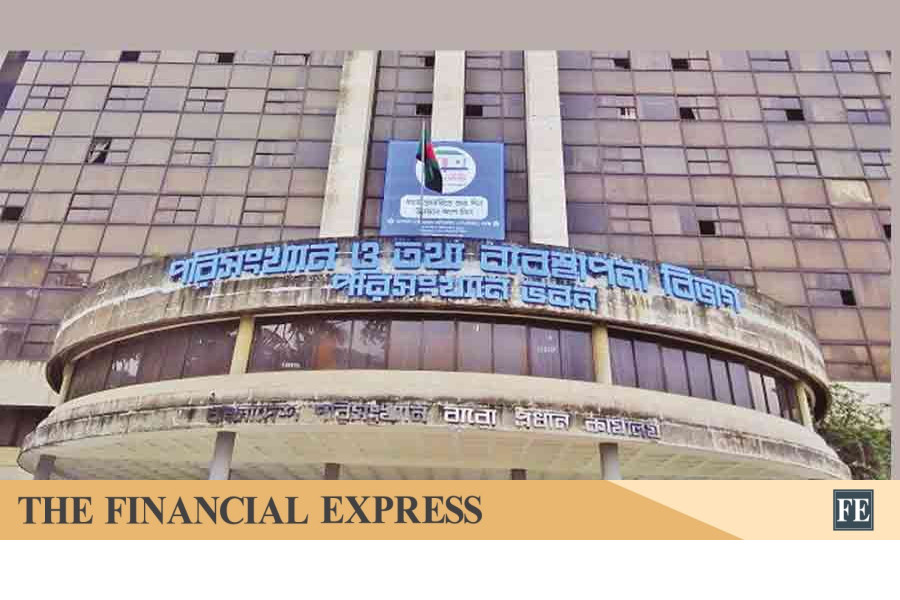
In search of an integrated statistical data warehouse
Groundwork, according to a report carried in this newspaper, is on for putting in place an integrated statistical data warehouse (ISDW). With the integration, the Bangladesh Bureau of Statistics (BBS) is set to undergo a transformation unlike any in the past. Most likely, the infamy the BBS gained
Support for victims of energy price surge
FE
Published :
Apr 21, 2026 23:27
Updated :
Apr 21, 2026 23:27
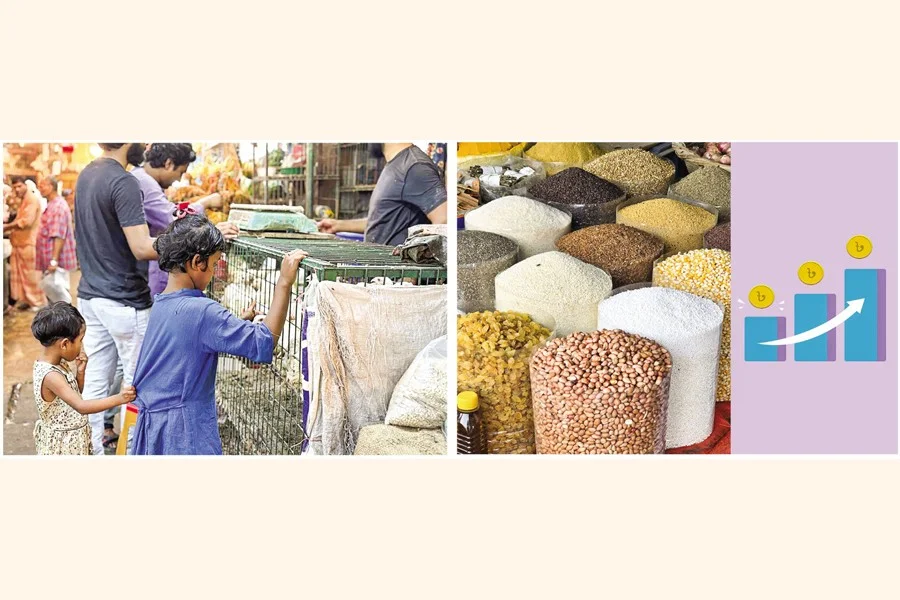
The low- and fixed-income people of the country have been struggling to make ends meet in the face of ever-rising cost of living since many years. Late last February, they woke up to a fresh shock of global energy price hike as the fallout from Middle East war. Being citizens of a country that meets 95 per cent of its annual demand of petroleum products through import, the impact of the war has been immediate on account of supply crunch of fuel oils and the attendant surge in transport fares and prices of essentials. But for that suffering they could at least blame the market and its manipulators. But now, with the government raising the prices of the most used fuel oil, diesel, by 15 per cent as well as octane, petrol and kerosene by over 16 per cent, the impact of the decision on the market has been instant through increase in transport costs and agricultural inputs for farmers. Before the working people could absorb the impact of it all, came the fresh jolt from price escalation of the widely used cooking gas LPG (liquid petroleum gas). Henceforth, the poor households will have to pay through the nose to buy LPG since for each 12-kg cylinder of the cooking fuel will now cost nearly Tk 2,000. This will leave the households without alternative sources of cooking fuel utterly helpless.
The only solution before them is to cut back on the basic needs. The argument of the incumbent government for taking such unpopular decisions might be that it (government) has to reduce budgetary subsidies to save some fiscal space to do some basic development work as well as make donors including the multilateral lenders like the IMF happy. That's understandable so far as the endorsement by the development partners of the measures taken by the government is concerned. But what has then the elected government to say to the members of the general public whose income has stagnated, but expenses have been rising constantly without any end in sight? The government has to strike a balance somewhere so the less privileged section of the population may have some breathing space under the suffocating price spiral of daily necessities.
In this connection, the primary social safety net scheme initiated by the incumbent government in the form of family card might to some extent cushion the eligible beneficiary families against shock from energy price hike. But what about the larger section of the population not yet covered by such safety net schemes? The long queues at the points where TCB trucks supply some essential commodities at subsidized rates under the OMS scheme is the telltale sign of how the number of people affected by income stagnation and erosion is increasing by the day. As it came to the fore during Covid time, there is a substantial segment of the population who would rather suffer the pangs of penury in silence than stand in a queue to accept any handout or dole from the government. To help the segments of the population who cannot keep pace with the skyrocketing cost of living, the government should think of introducing a rationing system to distribute foodgrains, fuels and other necessities at subsidised rates.
However, in the past, corrupt government officials in charge of distribution in cahoots with appointed unscrupulous dealers of essential goods gave rationing system a bad name. At this point, the government might draw on the experience of neighbouringIndia where a nationwide rationing system called the Public Distribution System (PDS) is in place. The government will do well to consider the matter with due urgency.
FE
Published :
Apr 21, 2026 23:27
Updated :
Apr 21, 2026 23:27
The low- and fixed-income people of the country have been struggling to make ends meet in the face of ever-rising cost of living since many years. Late last February, they woke up to a fresh shock of global energy price hike as the fallout from Middle East war. Being citizens of a country that meets 95 per cent of its annual demand of petroleum products through import, the impact of the war has been immediate on account of supply crunch of fuel oils and the attendant surge in transport fares and prices of essentials. But for that suffering they could at least blame the market and its manipulators. But now, with the government raising the prices of the most used fuel oil, diesel, by 15 per cent as well as octane, petrol and kerosene by over 16 per cent, the impact of the decision on the market has been instant through increase in transport costs and agricultural inputs for farmers. Before the working people could absorb the impact of it all, came the fresh jolt from price escalation of the widely used cooking gas LPG (liquid petroleum gas). Henceforth, the poor households will have to pay through the nose to buy LPG since for each 12-kg cylinder of the cooking fuel will now cost nearly Tk 2,000. This will leave the households without alternative sources of cooking fuel utterly helpless.
The only solution before them is to cut back on the basic needs. The argument of the incumbent government for taking such unpopular decisions might be that it (government) has to reduce budgetary subsidies to save some fiscal space to do some basic development work as well as make donors including the multilateral lenders like the IMF happy. That's understandable so far as the endorsement by the development partners of the measures taken by the government is concerned. But what has then the elected government to say to the members of the general public whose income has stagnated, but expenses have been rising constantly without any end in sight? The government has to strike a balance somewhere so the less privileged section of the population may have some breathing space under the suffocating price spiral of daily necessities.
In this connection, the primary social safety net scheme initiated by the incumbent government in the form of family card might to some extent cushion the eligible beneficiary families against shock from energy price hike. But what about the larger section of the population not yet covered by such safety net schemes? The long queues at the points where TCB trucks supply some essential commodities at subsidized rates under the OMS scheme is the telltale sign of how the number of people affected by income stagnation and erosion is increasing by the day. As it came to the fore during Covid time, there is a substantial segment of the population who would rather suffer the pangs of penury in silence than stand in a queue to accept any handout or dole from the government. To help the segments of the population who cannot keep pace with the skyrocketing cost of living, the government should think of introducing a rationing system to distribute foodgrains, fuels and other necessities at subsidised rates.
However, in the past, corrupt government officials in charge of distribution in cahoots with appointed unscrupulous dealers of essential goods gave rationing system a bad name. At this point, the government might draw on the experience of neighbouringIndia where a nationwide rationing system called the Public Distribution System (PDS) is in place. The government will do well to consider the matter with due urgency.