Bangladesh Defense
Saif
Senior Member
- Jan 24, 2024
- 21,100
- 9,688
- Nation

- Residence
- Axis Group

Merit of importing LNG from Myanmar
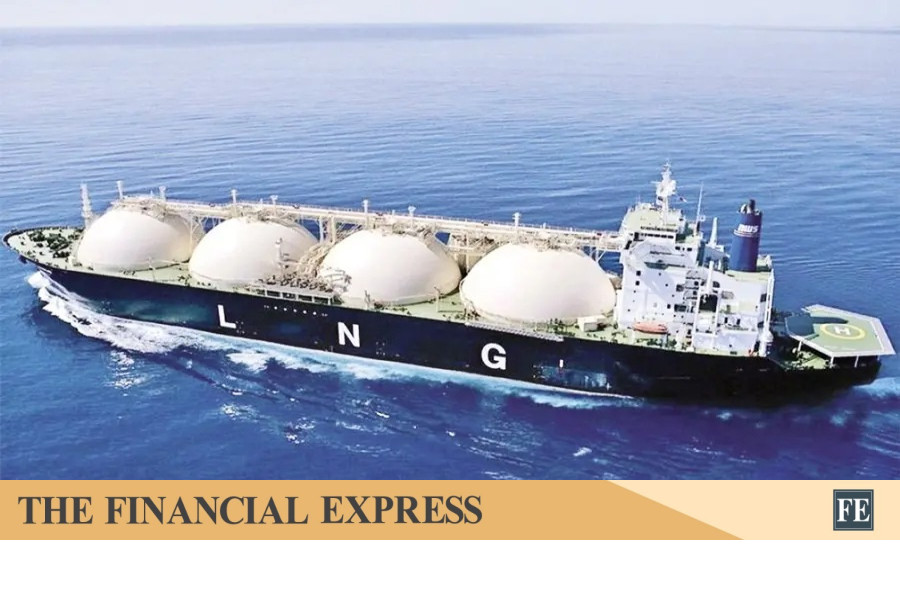
Bangladesh's renewed interest in importing liquefied natural gas (LNG) from neighbouring Myanmar comes at a time when the country's energy crisis has reached an alarming level. Against the backdrop of dwindling domestic gas reserves, disruptions in global supply chains and mounting pressure on indu
Merit of importing LNG from Myanmar
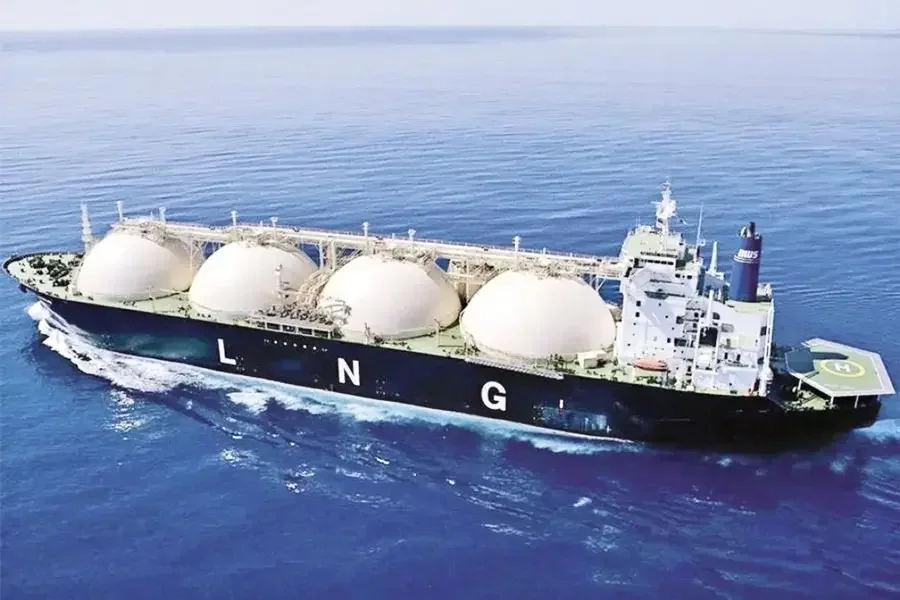
Bangladesh's renewed interest in importing liquefied natural gas (LNG) from neighbouring Myanmar comes at a time when the country's energy crisis has reached an alarming level. Against the backdrop of dwindling domestic gas reserves, disruptions in global supply chains and mounting pressure on industries and power generation, the proposal appears not only timely but also strategically prudent. If pursued with foresight and pragmatism, it could mark the beginning of a new chapter in regional energy cooperation.
What makes the proposal particularly attractive is geographic proximity. Unlike LNG shipments from the United States, Australia or Angola, which require between two and four weeks to reach Bangladesh, supplies from Myanmar could arrive within 12 hours. Even compared with imports from the Middle East, which typically take nearly a week, Myanmar offers an unmatched logistical advantage.
The urgency of finding alternative suppliers has become increasingly evident. Bangladesh's long-term LNG suppliers, QatarEnergy and OQ Trading, have curtailed deliveries by invoking force majeure following geopolitical tensions in the Middle East. Consequently, the country has been compelled to rely heavily on the volatile spot market, exposing itself to soaring prices and uncertain availability. The disruption of operations at one of the country's floating storage and regasification units (FSRUs) has only compounded the crisis, sharply reducing gas supplies to homes, power plants and industries. Electricity generation has suffered, factories have faced production disruptions and households continue to endure shortages. These developments underscore the vulnerability of an energy system that depends excessively on distant suppliers and fragile infrastructure. In this context, Myanmar presents a compelling alternative. Rich in natural gas reserves and already exporting gas to China and Thailand through pipelines, the neighbouring country possesses both resources and experiences to become a reliable energy partner. Bangladesh's proposal for importing LNG in the short term while exploring pipeline connectivity over the longer term reflects a sensible and phased approach. A pipeline, though requiring considerable investment and political commitment, could eventually provide a more economical and stable supply than seaborne LNG.
The discussions between the two governments indicate encouraging political goodwill. Myanmar has reportedly welcomed the proposal and suggested further deliberations through a joint technical committee, while Bangladesh has initiated ministerial-level engagement to move the process forward. Nevertheless, optimism must be tempered with realism. Any agreement must rest on commercially viable pricing, transparent contractual arrangements and credible guarantees of uninterrupted supply. Political instability in Myanmar and the complex regional geopolitical landscape cannot be ignored. Bangladesh should therefore regard Myanmar as an important addition to its energy portfolio rather than as a substitute for broader diversification. Ultimately, the proposal is about more than importing gas. It is about building resilience in a world where energy security has become inseparable from national security. Diversified sources, regional cooperation and long-term planning are no longer optional but essential. If handled wisely, an LNG partnership with Myanmar could help Bangladesh navigate its immediate energy crisis while laying the foundation for a more secure, flexible and sustainable energy future.
Bangladesh's renewed interest in importing liquefied natural gas (LNG) from neighbouring Myanmar comes at a time when the country's energy crisis has reached an alarming level. Against the backdrop of dwindling domestic gas reserves, disruptions in global supply chains and mounting pressure on industries and power generation, the proposal appears not only timely but also strategically prudent. If pursued with foresight and pragmatism, it could mark the beginning of a new chapter in regional energy cooperation.
What makes the proposal particularly attractive is geographic proximity. Unlike LNG shipments from the United States, Australia or Angola, which require between two and four weeks to reach Bangladesh, supplies from Myanmar could arrive within 12 hours. Even compared with imports from the Middle East, which typically take nearly a week, Myanmar offers an unmatched logistical advantage.
The urgency of finding alternative suppliers has become increasingly evident. Bangladesh's long-term LNG suppliers, QatarEnergy and OQ Trading, have curtailed deliveries by invoking force majeure following geopolitical tensions in the Middle East. Consequently, the country has been compelled to rely heavily on the volatile spot market, exposing itself to soaring prices and uncertain availability. The disruption of operations at one of the country's floating storage and regasification units (FSRUs) has only compounded the crisis, sharply reducing gas supplies to homes, power plants and industries. Electricity generation has suffered, factories have faced production disruptions and households continue to endure shortages. These developments underscore the vulnerability of an energy system that depends excessively on distant suppliers and fragile infrastructure. In this context, Myanmar presents a compelling alternative. Rich in natural gas reserves and already exporting gas to China and Thailand through pipelines, the neighbouring country possesses both resources and experiences to become a reliable energy partner. Bangladesh's proposal for importing LNG in the short term while exploring pipeline connectivity over the longer term reflects a sensible and phased approach. A pipeline, though requiring considerable investment and political commitment, could eventually provide a more economical and stable supply than seaborne LNG.
The discussions between the two governments indicate encouraging political goodwill. Myanmar has reportedly welcomed the proposal and suggested further deliberations through a joint technical committee, while Bangladesh has initiated ministerial-level engagement to move the process forward. Nevertheless, optimism must be tempered with realism. Any agreement must rest on commercially viable pricing, transparent contractual arrangements and credible guarantees of uninterrupted supply. Political instability in Myanmar and the complex regional geopolitical landscape cannot be ignored. Bangladesh should therefore regard Myanmar as an important addition to its energy portfolio rather than as a substitute for broader diversification. Ultimately, the proposal is about more than importing gas. It is about building resilience in a world where energy security has become inseparable from national security. Diversified sources, regional cooperation and long-term planning are no longer optional but essential. If handled wisely, an LNG partnership with Myanmar could help Bangladesh navigate its immediate energy crisis while laying the foundation for a more secure, flexible and sustainable energy future.