Feed

[🇧🇩] Monitoring Bangladesh's Economy

G Bangladesh Defense
[🇧🇩] Monitoring Bangladesh's Economy
1K
50K
More threads by Saif


Beyond the stagflation trap
Consumption, trust and economic justice


1792195042481.webp


My October 11 article, “Bangladesh’s Stagflation Trap: Why It May Persist,” argued that the country’s persistent inflation, weak investment, inadequate productive employment and declining purchasing power constitute a multidimensional economic problem that cannot be resolved through isolated policy measures. A thoughtful response from Air Chief Marshal (Retired) Masihuzzaman Serniabat raised several additional questions concerning consumer behaviour, inflation, financial speculation, public confidence and economic justice. His observations invite an extension of the original argument by introducing public trust as an economic input influencing both economic behaviour and the effectiveness of government policies.

He observed that when consumers lose purchasing power and curtail spending, shopkeepers experience declining sales, producers reduce output, workers lose jobs and household incomes deteriorate further. The process can become a vicious cycle in which declining demand reinforces unemployment and economic stagnation. He also questioned why some economies continue operating with inflation exceeding 25 percent while others pursue much lower inflation targets. Drawing on Malaysia’s experience during the Asian financial crisis and the American housing crisis of 2008, he raised a broader concern about economic systems in which ordinary households bear consequences of financial decisions beyond their control.

The relationship between consumption and economic activity is fundamental to Keynesian economics. Consumption generates demand, demand sustains production, production creates employment and employment generates income that supports further consumption. When household purchasing power deteriorates, this mutually reinforcing process can operate in reverse. Economists recognise a related phenomenon as the paradox of thrift, whereby individually prudent reductions in spending can collectively depress economic activity.

However, an important distinction must be recognised between voluntary saving and involuntary reductions in consumption. A household that postpones purchasing a refrigerator to increase savings is behaving differently from one that cannot afford adequate food because prices have outpaced earnings. In Bangladesh, persistent inflation has increasingly forced lower- and middle-income households into the latter situation. Advising consumers to maintain normal spending cannot succeed when the necessary purchasing power no longer exists.

The problem becomes more complicated when inflation originates from rising production costs, imported inputs, currency depreciation and supply constraints rather than excessive consumer demand. Businesses may encounter declining sales while simultaneously paying more for energy, transportation and materials. Lowering interest rates may provide some relief, but it cannot automatically correct these interconnected distortions.

The question concerning countries experiencing inflation exceeding 25 percent also deserves clarification. Turkey, for example, has experienced prolonged periods of very high inflation while maintaining substantial economic activity. Yet continued production and employment do not establish that high inflation is necessary or desirable for economic development. Nominal spending, wages and investment may increase even while their real purchasing power or value deteriorates. The US Federal Reserve’s 2 per cent inflation target is intended to support long-run price stability and employment, not to establish a minimum inflation rate required for creating jobs.

Trust as an Economic Input: An often-overlooked determinant of economic performance is public trust in the qualifications, experience and integrity of policymakers and institutional leaders. In many developing economies, politically motivated appointments to key economic and regulatory institutions are facilitated by weak legislative scrutiny and inadequate institutional checks, unlike the formal confirmation process exercised by the U.S. Senate over certain senior appointments. Two governments may announce identical economic policies, yet households, businesses and investors may respond differently because their expectations depend not merely on the policies themselves but also on the perceived competence, credibility and integrity of those entrusted with their implementation.

Trust is therefore more than a political or psychological consideration. It is an intangible economic input that influences consumption, saving, investment, credit relationships and the transmission of economic policy. Although trust is not traded like labour or capital, its presence or absence can alter the effectiveness with which conventional economic resources are employed.

Public trust can be expressed through a conceptual Trust Function:

T = f(C, I, R, P, E)

Here, T = public trust; C = perceived competence of policymakers; I = integrity and accountability; R = institutional reputation and reliability; P = policy credibility, consistency and predictability; and E = observed economic performance.

The function is conceptual rather than econometrically estimated. It identifies institutional and behavioural channels through which public confidence influences economic decisions. The relationships are not necessarily linear, nor are the explanatory variables independent of one another. A major policy failure may destroy credibility rapidly, while rebuilding public confidence may require years of consistent institutional performance.

More importantly, public trust is endogenous, meaning that it both affects and is affected by economic performance. Public confidence in the competence, credibility and integrity of policymakers can stimulate consumption, investment and economic growth, while improved economic performance can further strengthen that confidence. Conversely, weak economic performance can erode public trust, discourage consumption and investment, and undermine policy effectiveness. This two-way relationship creates either a virtuous cycle of confidence and growth or a vicious cycle of distrust, economic stagnation and institutional deterioration.

A central bank may reduce interest rates, a government may announce investment incentives and a finance ministry may promise fiscal reforms. Yet their intended effects may fail to materialize when households and businesses distrust the institutions responsible for implementation. Conversely, credible institutions can strengthen policy effectiveness by reducing uncertainty and improving expectations.

The US Federal Reserve is arguably the world’s most influential central bank and one of its most credible monetary institutions. Its institutional independence, policy transparency and established reputation have earned it the confidence of financial markets, investors and policymakers worldwide.

The larger economic lesson is that institutional credibility is itself an economic asset. Trust in a central bank can strengthen the effectiveness of monetary policy, whereas diminished confidence in its independence, competence or integrity can weaken policy transmission, unsettle markets and discourage investment.

Trust cannot be manufactured through official declarations or appeals for public confidence. It must be earned through competence, accountability and demonstrable results.

Lessons from Malaysia and America: The Asian financial crisis provides an instructive example. During the turmoil beginning in 1997, Malaysian Prime Minister Mahathir Mohamad encouraged consumers to maintain confidence rather than respond to uncertainty through indiscriminate reductions in spending. In September 1998, Malaysia introduced selective capital controls and pegged the ringgit at 3.80 to the U.S. dollar. These controversial measures sought to contain financial instability and restore domestic policy flexibility.

Malaysia’s experience demonstrates that consumer expectations, exchange-rate management, financial institutions and government credibility interact during economic crises. Nevertheless, attributing financial turmoil primarily to individual speculators would overlook weaknesses in financial structures, credit allocation and regulatory oversight. Speculative pressures can aggravate vulnerabilities, but their consequences depend partly on the institutional environment.

The American housing crisis beginning in 2007 offers another dimension. Millions of households lost their homes during the ensuing financial collapse, while failures in mortgage lending, securitization, risk assessment and financial supervision spread losses throughout the economy. The experience raised uncomfortable questions about the distribution of financial rewards and responsibilities. Those making risky financial decisions were not necessarily the same people who ultimately bore their consequences.

The call for a justice-based economic order therefore warrants serious consideration. Economic justice does not necessarily require eliminating inequality, speculation or financial losses. It does require institutions that discourage exploitation, enforce accountability and prevent powerful economic actors from transferring disproportionate risks to vulnerable households.

When citizens believe that financial rewards are privately appropriated while losses are transferred to the public, institutional trust deteriorates. Such perceptions weaken the very foundation upon which effective economic policymaking depends. Economic injustice, therefore, carries consequences extending beyond the immediate distribution of income and wealth.

Digitalisation and blockchain-based recordkeeping may improve transparency and traceability, but transparency alone cannot guarantee justice. Transactions can be accurately recorded and still be exploitative. Technology may reveal economic behaviour, while effective institutions must establish and enforce the rules governing that behaviour.

Bangladesh’s Stagflationary Matrix Revisited: These observations bring the discussion back to Bangladesh. Persistent inflation weakens purchasing power, reduced consumption discourages production, weak investment constrains future productive capacity and distressed financial institutions obstruct the flow of credit. Institutional uncertainty further discourages investment, while declining public trust can intensify each of these pressures.

The original stagflationary matrix must therefore accommodate an additional dimension: the interaction between institutional credibility, public expectations and economic behaviour. Trust is not a substitute for capital, labour or technology. Rather, it influences how effectively these resources are mobilised and how strongly economic policies translate into actual economic outcomes.

Restoring trust requires more than changing interest rates or announcing ambitious development programmes. It requires credible central bank governance and regulatory independence from political interference and the vested interests of commercial banks. It also requires predictable regulations, responsible fiscal management, reliable energy supplies and demonstrable accountability.

Policy sequencing remains indispensable. Repairing distressed banks, strengthening credit allocation, improving the investment environment and mobilising domestic revenue should establish the conditions under which monetary easing can support productive expansion. Without these foundations, even appropriate policies may produce disappointing outcomes because the institutions transmitting them remain impaired and economic agents lack confidence in their effectiveness.

Ultimately, economic stability and economic justice are not competing objectives. Institutions that distribute risks responsibly, discourage financial misconduct and sustain public trust can promote both. Bangladesh’s stagflation is therefore more than an interaction of inflation, investment, employment and fiscal constraints. It is also a crisis of institutional credibility in which economic weakness erodes trust and declining trust further weakens economic performance. Escaping the trap requires rebuilding that credibility alongside the productive foundations of the economy, because economic policies cannot achieve their intended outcomes when the institutions responsible for implementing them have lost the confidence of those whose economic behaviour they seek to influence.

The writer is a Professor Emeritus of Economics at Eastern Michigan University, USA, and a former nuclear engineer at the Bangladesh Atomic Energy Commission.​
 
Analyze

Analyze Post

Add your ideas here:
Highlight Cite Respond

What we get wrong about Islamic economics


1792196902700.webp
 
Analyze

Analyze Post

Add your ideas here:
Highlight Cite Respond

How can Bangladesh maximise the gains from free trade agreements?

Selim Raihan

Bangladesh’s trade policy has entered a different phase. For decades, the country could expand exports without making reciprocal trade agreements a central part of its strategy. LDC-specific preferences gave Bangladeshi exporters favourable access to several major markets, particularly in Europe, while the country retained considerable protection at home. That arrangement supported export growth, especially in ready-made garments. But it cannot provide the basis for Bangladesh’s trade strategy indefinitely. As preferential advantages associated with LDC status diminish and competitors secure better market access through bilateral and regional agreements, Bangladesh has little option but to become much more active in negotiating FTAs and economic partnership agreements.

The case for doing so is strong. Bangladesh remains heavily dependent on exports of ready-made garments and on a relatively small number of markets. At the same time, the international trading environment is increasingly being shaped by preferential agreements. Vietnam already enjoys preferential access to the European Union through its FTA, while India and other competitors have been pursuing agreements with major trading partners. If Bangladesh remains outside this process, its exporters could find themselves competing on increasingly unequal terms.

FTAs should, therefore, no longer be seen as an optional addition to Bangladesh’s trade policy. They are becoming an important instrument for preserving market access, opening new markets, attracting investment and integrating Bangladeshi firms into regional and global value chains. They can also reduce the cost of imported intermediate and capital goods, which matters for an economy seeking to diversify beyond garments. The issue is not whether Bangladesh should pursue FTAs. It should. The more difficult questions concern which agreements should receive priority, how they should be negotiated and what domestic changes are required to make them effective.

This distinction matters because FTAs are reciprocal. Bangladesh will seek better access to partner markets, but it must also offer concessions at home. Exporters can gain from lower foreign tariffs and cheaper imported inputs. Consumers may benefit from greater competition and lower prices. At the same time, some domestic industries will face stronger import competition, and the government may lose tariff revenue. A successful FTA strategy must recognise these adjustment costs rather than use them as an argument for avoiding liberalisation.

Different trade and economic modelling exercises suggest that bilateral and regional trade agreements can generate gains in exports, output and welfare for Bangladesh. Deeper regional integration can also create opportunities through larger markets, investment and participation in supply chains. But the gains vary considerably across agreements and sectors. Some arrangements can strengthen Bangladesh’s existing comparative advantage in garments, while others may create opportunities in processed food, pharmaceuticals, services or other manufacturing activities.

This is where the design of the FTA strategy becomes important. Bangladesh has been trying to diversify exports for decades, with limited success. FTAs can support that objective, but diversification will not happen automatically. If new market access mainly expands garment exports, aggregate exports may rise without significantly changing the structure of the economy. Negotiators, therefore, need to look beyond the immediate interests of existing exporters and consider where future export capacity can develop.


1792281737424.webp

Commerce Minister Khandakar Abdul Muktadir seeks the Netherlands’ support for advancing trade negotiations with the European Union on October 13, 2026. As Bangladesh prepares for LDC graduation, securing preferential market access and strengthening domestic competitiveness will be critical to its future trade strategy.

The trade and economic modelling evidence also points to a broader lesson. Domestic reforms can generate substantial and more widely distributed gains, and they can increase the benefits obtained from trade agreements. This should not be interpreted as a choice between FTAs and domestic reform. Bangladesh needs both. Indeed, the stronger case for FTAs is precisely that they can provide an external anchor for reforms that the country already needs.

The tariff regime is a good example. Bangladesh continues to maintain relatively high levels of protection through customs duties, supplementary duties and regulatory duties. This has benefited firms producing for the domestic market, but it has also raised the cost of imported inputs and created an anti-export bias. The RMG industry largely overcame this problem through bonded warehouse facilities. Many potential exporters outside the garment sector have not enjoyed comparable access to duty-free inputs.

FTA negotiations can create pressure for gradual tariff rationalisation. That would be beneficial if it is properly sequenced. Firms that have invested under a highly protected regime cannot be expected to adjust overnight. Some sectors will need time to restructure, invest in technology and improve productivity. But transition periods should be used for adjustment, not simply to postpone it. Protection that continues without a credible path towards greater competitiveness ultimately raises costs for consumers and export-oriented firms.

There is also a fiscal constraint. Import-related taxes remain an important source of government revenue because Bangladesh’s domestic tax mobilisation is exceptionally weak. Lower tariffs under FTAs will, therefore, have revenue implications. This is another reason to accelerate tax reform.

Bangladesh cannot pursue deeper trade integration indefinitely while maintaining a revenue system heavily dependent on imports. Stronger VAT administration, a broader direct tax base and fewer discretionary exemptions will be necessary. Otherwise, the fiscal cost of tariff liberalisation will eventually appear elsewhere, through higher taxes, greater borrowing or reduced public spending. Trade reform and domestic resource mobilisation, therefore, have to proceed together.

Institutional capacity presents another challenge. Modern FTAs are no longer mainly about tariffs. They cover services, investment, intellectual property, digital trade, standards, rules of origin, public procurement and dispute settlement. Negotiating these issues requires lawyers, economists, sector specialists and regulators capable of assessing both the opportunities and the obligations created by an agreement.

1792281783994.webp

Bangladesh’s heavy dependence on ready-made garment exports highlights the need for trade agreements that not only protect existing markets but also create opportunities for export diversification. Photo: Anisur Rahman/ Star

Bangladesh’s negotiating capacity remains relatively thin and fragmented across ministries and agencies. This needs to change quickly. As the country negotiates more agreements, it requires a permanent, professional FTA negotiating unit with expertise in trade law, economics, sectoral analysis and regulatory issues. Negotiations should be supported by economic modelling, sector-level assessments and systematic consultation. Institutional memory is equally important. Bangladesh should not have to rebuild its negotiating knowledge whenever discussions with a new partner begin.

Private-sector consultation also needs to become more structured. Large exporters, importers, protected domestic industries, SMEs and emerging exporters do not necessarily share the same interests. Well-organised business groups naturally have greater access to policymakers, but an FTA strategy cannot simply reflect the demands of the most influential sectors. Negotiators need to identify potential new exporters, sectors likely to face adjustment pressures and areas where market access could stimulate investment.

Trade defence capacity must develop alongside liberalisation. Greater openness can expose domestic producers to import surges or unfair trade practices. Bangladesh has anti-dumping, countervailing and safeguard instruments, but the institutional capacity to use them remains limited. Strengthening these mechanisms is not inconsistent with an open trade regime. On the contrary, credible and rules-based trade defence can make liberalisation more sustainable by giving firms legitimate remedies when unfair competition occurs.

The ability to use preferential access is just as important as negotiating it. A zero tariff offers little benefit if Bangladeshi exporters cannot satisfy rules of origin, technical standards, sanitary requirements or environmental and labour regulations. These requirements are becoming more demanding in major markets. Larger RMG exporters may be able to absorb the compliance costs. Smaller firms in agro-processing, leather, light engineering and other potential export sectors often cannot.

Investment in testing laboratories, certification, customs modernisation and standards infrastructure should, therefore, be treated as part of the FTA strategy itself. Otherwise, preferential access may disproportionately benefit firms that are already established exporters, while new exporters remain unable to enter international markets.

Bangladesh also needs a clear national FTA roadmap. This should not be a catalogue of countries with which the government hopes to sign agreements. Potential partners should be assessed according to market access gains, investment opportunities, diversification potential, import competition, fiscal implications and Bangladesh’s readiness to implement commitments. Recently signed economic partnership agreements with Japan and South Korea, potential agreements with India and China, engagement with GCC economies and possible participation in wider regional arrangements such as RCEP offer different opportunities and require different approaches.


1792281830162.webp

As Bangladesh pursues free trade agreements, improving port efficiency, customs procedures and trade infrastructure will be essential to reducing costs and strengthening the competitiveness of its exporters. File photo: Rajib Raihan

Sequencing will matter. Bangladesh should move decisively on FTAs, but speed should not be confused with success. Some agreements can provide valuable experience with higher-standard trade rules. Others offer much larger markets but also greater competitive pressures. Regional integration can open access to supply chains that Bangladesh has so far struggled to enter. The objective should be to build a portfolio of agreements that strengthens market access while gradually increasing the economy’s capacity to compete.

This requires a change in how Bangladesh thinks about trade policy. FTAs and domestic reforms are not competing strategies. They reinforce each other. FTAs can secure markets, attract investment and create pressure for greater efficiency. Domestic reforms determine whether Bangladeshi firms can exploit those opportunities.

Bangladesh should, therefore, pursue FTAs with greater urgency, but also with preparation and a clear sense of economic priorities. Tariffs need gradual rationalisation, the tax system must become less dependent on imports, customs and standards institutions require upgrading, and negotiating capacity has to become professional and permanent. Exporters outside the garment sector need access to competitive inputs and credible certification systems.

The opportunity is significant. Bangladesh is moving from a trade regime built substantially on preferences granted by others towards one in which market access will increasingly have to be negotiated. FTAs are an essential part of that transition. But agreements alone will not make Bangladesh competitive. Their real value will depend on whether the country uses them to reinforce the domestic reforms needed to diversify exports, raise productivity, attract investment and create better jobs. That is where the harder work lies, and where the larger gains are likely to come from.

Dr Selim Raihan is Professor in the Department of Economics at the University of Dhaka, Bangladesh, and Executive Director of the South Asian Network on Economic Modeling (SANEM).​
 
Analyze

Analyze Post

Add your ideas here:
Highlight Cite Respond

Is a strong taka helping us?

Mamun Rashid


1792282492887.webp


Should Bangladesh deliberately weaken the taka to make exports more competitive? No. Policymakers should not defend an exchange rate that no longer reflects economic realities. The objective should be a market-responsive taka that supports stability without aggravating inflation or undermining confidence.

The argument for depreciation appears straightforward. A weaker taka raises the local-currency value of dollars earned by exporters and can make Bangladeshi goods cheaper for overseas buyers. Export competitiveness depends on production costs, productivity, quality and delivery reliability, not simply on the number of taka received for a dollar.

Consider a garment exporter earning $100. At Tk 85 per dollar, the receipt is Tk 8,500; at Tk 120, it becomes Tk 12,000. But profit does not rise by the same proportion. Imported cotton, yarn, chemicals, fuel and machinery also cost more in taka. Overseas buyers may negotiate lower dollar prices, capturing part of the exchange-rate benefit. The net gain depends on local value addition, imported input costs, wages and bargaining power.

Bangladesh’s experience since 2022 underlines the point. The taka depreciated amid pressure on foreign exchange reserves. Yet depreciation alone could not guarantee export growth. Global demand, freight and energy prices, access to imported inputs and buyers’ pricing decisions influenced performance. A cheaper currency can provide breathing space, but it cannot replace productivity or reliable logistics.

Nor does the dollar rate tell the story. Bangladesh trades with China, India, the European Union, Japan and the United Kingdom. The nominal effective exchange rate (NEER) measures the taka against a weighted basket of trading-partner currencies. The real effective exchange rate (REER) adjusts this measure for relative prices and inflation, offering a better indication of price competitiveness.

If Bangladesh’s prices and production costs rise faster than those of competitors, depreciation’s advantage can erode. Conversely, nominal appreciation need not damage competitiveness as much if domestic costs rise more slowly. Maintaining an artificially strong currency carries risks. When the exchange rate is held below a sustainable level despite market pressure, foreign currency can become scarce, import payments may be disrupted and reserves come under strain.

But allowing the taka to weaken without restraint would be costly. Bangladesh relies on imported fuel, food commodities, raw materials and capital goods. Depreciation can raise domestic prices, erode household purchasing power and increase manufacturers’ costs. It can also make repayments more expensive for businesses with foreign-currency liabilities. With inflation elevated, policymakers cannot treat depreciation as a painless export subsidy.

The Bangladesh Bank’s move to a crawling-peg arrangement in May 2024, followed by greater freedom for banks to negotiate foreign-exchange rates, marked a shift towards a more market-responsive system. The priority should be consistent implementation, transparent price discovery and adequate liquidity, not defending an arbitrary rate.

Exchange-rate policy must work alongside credible monetary and fiscal policies. A weaker taka cannot correct poor export diversification, high logistics costs, energy disruptions or low productivity. Better ports, predictable access to imported inputs, stronger skills and reliable infrastructure can improve competitiveness without imposing the full burden on consumers. The question is not whether the taka should lose value against the dollar. It is whether the exchange rate can adjust to changing conditions without disorderly volatility. Authorities should address market dysfunction while allowing prices to reflect underlying conditions, rather than resisting every depreciation or appreciation.

Bangladesh needs neither a deliberately weak taka nor an artificially strong one. It needs a responsive currency, supported by sound macroeconomic management and structural reform. Export strength will depend less on how many taka buy a dollar than on how efficiently Bangladesh produces, delivers and competes.

The writer is an economic analyst​
 
Analyze

Analyze Post

Add your ideas here:
Highlight Cite Respond

FDI eludes Bangladesh despite generous baits

Net inflows drop 28pc in six months of 2026

1792366534884.webp


Open-handed tax incentives and other business-boosting budgetary measures have yet to fully satisfy multinational companies (MNCs) operating in Bangladesh in an uninspiring signal for fresh foreign investment in the country.

Investment decisions are often influenced by the experiences of existing investors, particularly their ability to navigate tax regulations, comply with fiscal requirements and operate in a predictable business environment.

Several key initiatives and reforms to attract foreign direct investment are on in Bangladesh though central-bank data show net inflows faced a 28-percent year-on-year drop during the first half of current calendar year.

To assess the tax-related challenges facing foreign investors, The Financial Express spoke to leaders of foreign investors' chambers, including the Foreign Investors' Chamber of Commerce and Industry (FICCI), the American Chamber of Commerce in Bangladesh (AmCham), the Japan-Bangladesh Chamber of Commerce and Industry (JBCCI), and the Thai Trade Centre, as well as representatives of Unilever, Coca-Cola, LafargeHolcim, Grameenphone and a former Nestlé Bangladesh executive.

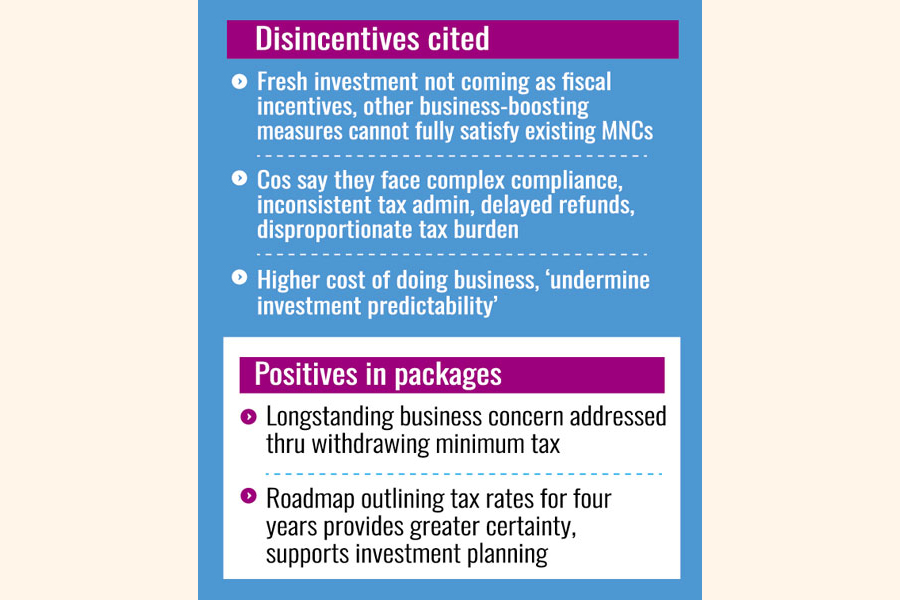
The discussions revealed that, despite some welcome reforms in the latest national budget, including scrapping the minimum tax provision, multinational companies continue to face complex compliance requirements, inconsistent tax administration, delayed refunds and a disproportionate tax burden.

These challenges, they said, increase the cost of doing business and undermine investment predictability.

Tax policy and administration remain important considerations in foreign investors' decisions, particularly when companies assess the long-term viability of investments in a market.

Talking to the FE, FICCI President Rupali Chowdhury said multinational companies in Bangladesh faced several interconnected tax-related challenges, including a disproportionate revenue burden.

"A relatively small number of companies bear a significant share of the country's revenue target," said Ms Chowdhury, the long-serving Managing Director of Berger Paint Bangladesh, who is now serving as director.

As MNCs are generally more tax-compliant than many local competitors, they often operate in an uneven competitive environment, she added.

"Compliant companies are frequently subjected to multiple audits, which appear to focus on extracting additional revenue rather than broadening the tax base."

Revenue and gross profit are sometimes estimated without adequate consideration of actual business conditions or performance, she alleged.

The Finance Act 2026, however, addressed a longstanding business concern by withdrawing the minimum tax requirement, Ms Chowdhury mentioned.

A roadmap outlining tax rates for the next four years also provides greater certainty and supports investment planning.

The increase in the turnover tax rate to 1.0 per cent, however, is burdensome and could hinder business growth, she said, recommending that the rate be reduced in the next budget.

Over the next three quarters, tax policy and administration should focus on broadening the tax base, improving compliance and supporting productive businesses, she added.

Iqbal Chowdhury, vice-president of FICCI and treasurer of EuroCham Bangladesh, said many budgetary changes remained largely theoretical, as field-level tax offices were not fully aware of how to implement them.

The tax authority continued to pursue a "quick-win" approach to generating revenue from compliant taxpayers rather than expanding the tax base, he said.

A former Nestlé Bangladesh Director of legal and regulatory affairs, Debabrata Roy Chowdhury, says the initiative to collect taxes from retail businesses was intended to bring untapped sectors into the tax net.

"However, the burden was falling on companies because the National Board of Revenue (NBR) lacked the distribution capacity needed to collect taxes effectively from retailers," said Mr Roy, who is Managing Partner and Founder of ETHOS 4Si8 advisory.

Recent changes to VAT measures, including the reintroduction of monthly VAT returns, also left corporates confused about the government's intentions, he said.

He has suggested that the NBR conduct proper studies before introducing fiscal measures to ensure they were practical and implementable.

Zinnia Tanzina Huq, chief financial officer and finance director of Unilever Bangladesh, has said the NBR needed to ensure the smooth implementation of tax-collection measures targeting retailers.

She also identified challenges relating to customs valuation, restrictions on deducting legitimate business expenses and VAT-rebate limitations.

Uncertainty over the acceptance of transaction value at the import stage could trigger disputes and make landed costs less predictable, she said. Restrictions on obtaining DTA benefits for dividends and royalties also created administrative difficulties.

Shadab Ahmed Khan, Managing Director of Coca-Cola Bangladesh, pointed to high tax incidence in certain sectors, limited access to double- taxation-avoidance benefits and the need for a predictable tax regime for multinational companies.

Kazuiki Kataoka, country representative of the Japan External Trade Organisation (JETRO) and newly elected president of JBCCI, said the main tax-related challenges facing foreign investors were not limited to tax rates. "Companies are often more concerned about complexity, predictability and consistency in tax administration."

Key concerns included inconsistent interpretation and application of tax rules, frequent regulatory changes, and the administrative burden associated with withholding tax, VAT, customs procedures and documentation requirements.

Transfer pricing, cross-border service payments, and the remittance of royalties and technical fees could create additional complexities for multinational companies, he added.

In a written response to FE queries, the Thai Trade Centre said limited understanding of international accounting standards and global enterprise resource planning (ERP) systems sometimes resulted in tax assessments that did not reflect actual taxable transactions.

Multinational companies maintained high compliance standards at significant administrative costs, it said. "Inconsistent tax enforcement also created an uneven playing field, allowing less-compliant businesses to gain cost and pricing advantages."

Former AmCham president Syed Ershad Ahmed, country manager and MD of Expeditors Bangladesh, has identified complex tax-compliance requirements, multiple layers of taxation, withholding-tax obligations, delayed VAT refunds and inconsistent interpretation of tax regulations as major bottlenecks.

Tanveer Mohammad, Chief Corporate Affairs Officer of Grameenphone, the highest corporate taxpayer every year, has said the narrow tax base placed excessive pressure on compliant taxpayers as the government sought to meet its revenue targets.

"High and sector-specific tax rates also affected competitiveness and long-term investment attractiveness."

However, the GP CCO recommends a phased tax-reduction roadmap for sector-specific rates.

Accounting professional Snehasish Barua, managing partner of Snehasish Mahmud & Co, says foreign investors value predictable, rules-based tax systems.

"Our main challenge today is not just the statutory corporate tax rate, but structural bottlenecks like non-creditable advance taxes, arbitrary deduction caps, and administrative delays that trap working capital."

The government has introduced several constructive reforms in the latest fiscal framework, but their success would depend on whether operational circulars and field offices delivered the intended benefits without bureaucratic friction, he adds.

"For the remainder of this fiscal year, our focus should shift from introducing new laws to perfecting implementation: automated refunds, transparent VAT reconciliation, and a fully integrated National Single Window," he said.

Nahian Rahman, head of the Investment Development Division at Invest Bangladesh (former BIDA), says the authority remains closely engaged with foreign investors and are ready to support them in addressing any operational or policy issues they face in Bangladesh.

Despite these concerns, multinational companies acknowledge that the FY2026-27 budget has introduced several constructive measures to rationalise the tax framework and support the digital economy.

MNCs urged the government to widen the tax net rather than burden compliant businesses to meet ambitious revenue targets.

They called for rationalising sector-specific taxes, digitising tax administration and maintaining regular dialogue with businesses to simplify compliance and create a more predictable, investment-friendly tax regime.

They have described the latest budget as a positive start but said further reforms were needed.​
 
Analyze

Analyze Post

Add your ideas here:
Highlight Cite Respond

Bangladesh requests $2.0b ADB budget support


1792451412346.webp


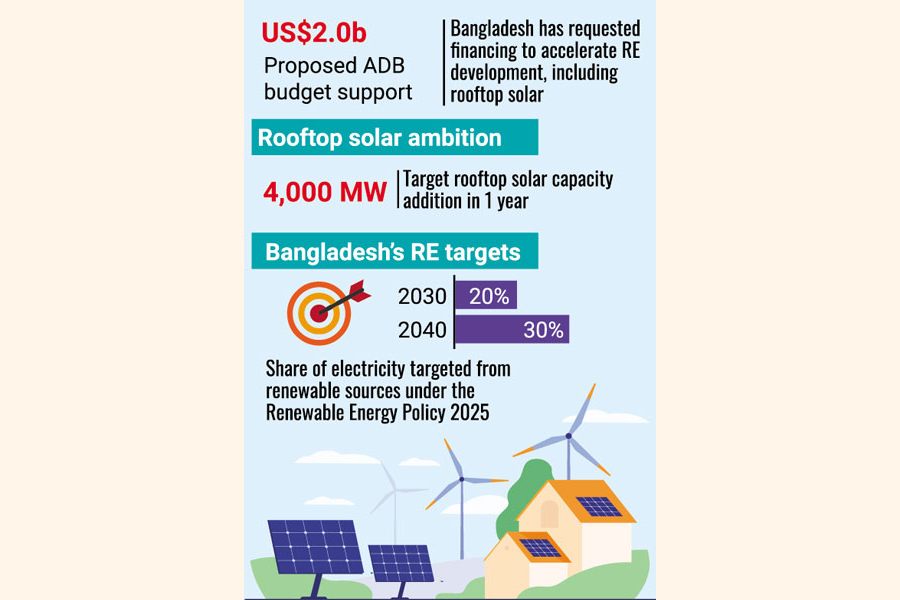
Bangladesh has recently placed a request for US$2.0 billion in budgetary support from the Asian Development Bank (ADB) for accelerating switch from expensive imported fossil fuels to renewables.

The funds will be used particularly to accelerate renewable energy development, including rooftop solar power, officials said Monday.

The government has stepped up efforts to reduce dependence on fossil fuels and imported energy and utilise its natural resources for renewable-energy improvements, they added.

The Economic Relations Division (ERD) under the Ministry of Finance (MoF) has recently sent a letter to the Manila-based lender following a request from the Finance Ministry, said a senior ERD official.

"After getting request from the finance division, we sent a letter early this month to the ADB. We are hopeful of getting the budget support from the Manila-based lender," he added.

They are expecting the entire funds in 2-3 annual tranches.

The proposed assistance is expected to support government's renewable-energy-expansion drive, with rooftop solar emerging as a major priority amid persistent pressure on the country's power sector and rising concerns over energy security.

The government seeks to mobilise external financing for a rapid expansion of solar-power capacity and introducing policy reforms to encourage investment in clean energy.

Another ERD official has said if the ADB fails to mobilise the entire $2.0 billion, then other development partners like the Asian Infrastructure Investment Bank (AIIB) could join as co-financers of the initiative.

"We are waiting for response from the ADB. If the lender alone cannot provide the funds, we have to communicate with some other donors to co-finance the budgetary support," he added.

Meanwhile, some government officials have said the ADB has already indicated its willingness to support Bangladesh's renewable-energy initiatives through policy-based lending.

The lender held discussions with officials from the Finance Division, Power Division, Sustainable and Renewable Energy Development Authority (SREDA), Bangladesh Energy Regulatory Commission and Bangladesh Power Development Board in early October on reforms and renewable-energy integration into the national grid.

The government is looking to expand rooftop-solar installations across public buildings, commercial establishments and industrial facilities to increase domestic electricity generation without relying entirely on conventional power plants.

The Power Division has been pursuing an ambitious plan to add up to 4,000 megawatts (MW) of rooftop solar capacity within a year.

The initiative is expected to create opportunities for private investors while helping meet the country's growing electricity demand, the officials said.

Bangladesh's Renewable Energy Policy 2025 sets a target of generating 20 per cent of the country's electricity from renewable sources by 2030 and 30 per cent by 2040.

The National Rooftop Solar Programme is also designed to accelerate solar-power generation through the use of rooftop spaces.

Expanding solar power could help reduce the use of natural gas and imported fuels in electricity generation, ease pressure on foreign-exchange reserves and lower the government's exposure to power-sector subsidies.

The proposed ADB support would come at a time when Bangladesh is seeking to strengthen its energy security while managing fiscal constraints and completing demands for development financing.

Officials will now need to finalise the proposed financing framework and clarify how the funds would be deployed, including the balance between budget support, policy reforms and investment in renewable-energy infrastructure.

The outcome of negotiations will be important in determining how quickly the government can translate its rooftop-solar-power ambitions into additional electricity generation.​
 
Analyze

Analyze Post

Add your ideas here:
Highlight Cite Respond

Riches buried in our river, seashore sands


1792451722179.webp


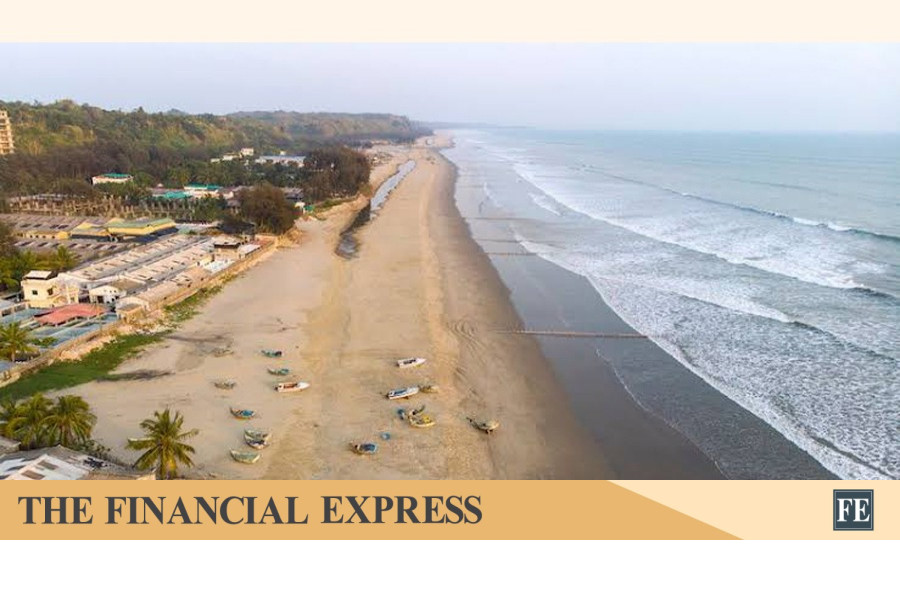
That Bangladesh's beach and river sands contain valuable minerals is not a new discovery. What is surprising is that after decades of surveys, research and experimental separation, the country has yet to develop a viable industry. Recently, the Bangladesh Atomic Energy Commission (BAEC) signed agreements with private companies to reassess coastal deposits and their commercial potential. Similar work is underway in northern river basins. So, are we finally going to put these long-known natural resources to productive use? Or will they remain subjects of research papers, seminars and official promises as in the past?

One may recall that the Geological Survey of Pakistan first identified heavy minerals in Cox's Bazar sands in 1961, when Bangladesh was East Pakistan. Between 1967 and 1969, the Pakistan Atomic Energy Commission conducted systematic surveys and mapped prospective areas extending from Cox's Bazar to Badarmokam and on Moheshkhali, Kutubdia and Matarbari islands. In 1975, a pilot separation plant was installed at Cox's Bazar with Australian government assistance. It was to test whether minerals could be separated and marketed economically. Half a century later, that question remains largely unanswered at the industrial level. Notably, BAEC has identified 17 heavy mineral deposits along the coast and nearby islands. An assessment estimated 4.35 million tonnes of heavy minerals, of which 1.76 million tonnes were considered potentially economic. The important minerals include ilmenite, rutile, zircon, magnetite, garnet and monazite, alongside silica-rich quartz sand. The names may sound unfamiliar. But their uses are familiar. Titanium dioxide derived from ilmenite and rutile is used in paints and pigments, while zircon finds its application in ceramics and refractory products. Garnet serves as an abrasive, while silica is basic to glassmaking.

The story does not end with the southern coast. Studies by Bangladesh Council of Scientific and Industrial Research (BCSIR) scientists found valuable heavy minerals in Brahmaputra-Jamuna and Teesta sands. In Gaibandha, experimental extraction from Brahmaputra sand has reportedly begun. Research on Hatiya Island's sands also identified silica and heavy minerals. The sandbars (char lands) that riverbank people see mainly as unstable land may thus have economic significance. Evidently, Bangladesh's mineral wealth may not be confined to a few patches of dark sand along Cox's Bazar beach. But how are we going to exploit those? Consider this. Local paint, ceramic, glass, steel and other manufacturers could substitute some imported raw materials with locally processed minerals. That would save foreign exchange and create processing jobs. Exporting upgraded minerals rather than untreated sand could aid export diversification. Titanium dioxide products, too, hold potential for exports. But the distinction between discovering minerals and producing marketable products is crucial. Research has shown, for example, that the ilmenite found locally may require further upgrading before it can meet industrial specifications.

There is also a strategic aspect. Monazite can contain rare earth elements whose applications extend to advanced electronics, electric vehicles, wind turbines and other green technologies. With global competition over critical minerals intensifying, their presence offers an opportunity. However, a mineral occurring in laboratory samples does not necessarily establish a commercially recoverable reserve. Especially, rare earth separation requires sophisticated technology, substantial investment and careful handling of radioactive constituents associated with monazite. So, there is little reason to indulge in fanciful projections about instant riches. Commercial mineral extraction is capital-intensive. The government should prepare a mineral sands strategy, update resource assessments and feasibility studies, and encourage responsible private investment and technology-sharing joint ventures. At the same time, BAEC, BCSIR and the agencies licensing mining operations should coordinate their work rather than functioning in isolation. The country's mineral sands should be exploited commercially, but not destroying local ecosystems.

For Cox's Bazar, Sonadia and other ecologically sensitive places are not merely deposits of minerals. They are also habitats for wildlife, natural barriers against coastal hazards and sources of livelihood for local communities. Unregulated digging, alteration of dunes and changes to river channels could inflict damage far exceeding the value of minerals recovered. Detailed environmental impact assessments, declaring strict no-mining zones where necessary, rehabilitation obligations and continuous public monitoring must therefore precede any commercial venture. Development that leaves behind ruined beaches and devastated riverbanks would hardly be development worth celebrating.​
 
Analyze

Analyze Post

Add your ideas here:
Highlight Cite Respond

Bangladesh seeks tailored IMF support as it targets $1 trillion economy by 2034

Finance and Planning Adviser Rashed Al Mahmud Titumir tells FE

1792452252494.webp

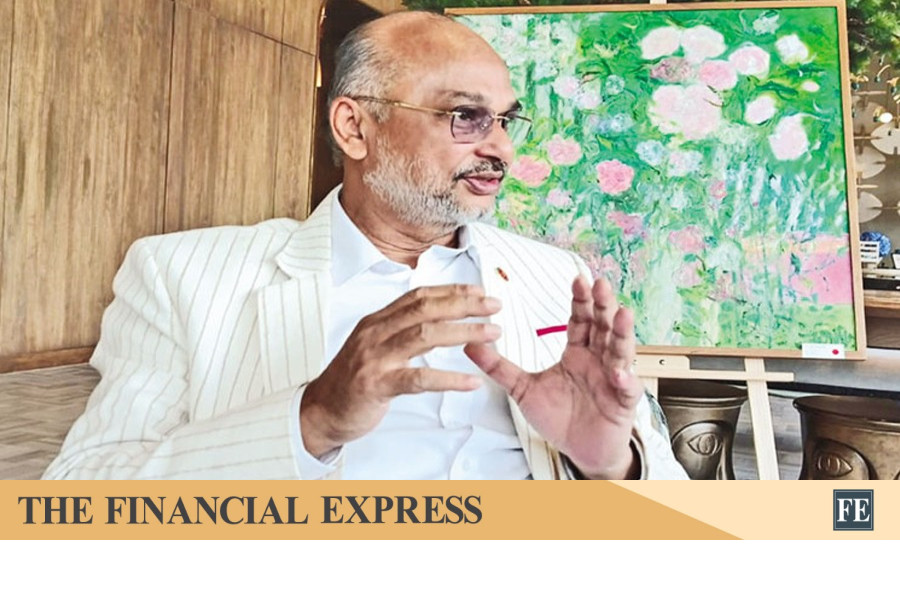
Finance and Planning Adviser Rashed Al Mahmud Titumir

Bangladesh is seeking financing arrangements with the International Monetary Fund (IMF) and other development partners that accommodate its economic recovery priorities, including banking sector rehabilitation, energy security, tax reforms and private investment, while resisting a uniform set of reform prescriptions that the government says may not suit the country's circumstances.

Finance and Planning Adviser Dr Rashed Al Mahmud Titumir said the government had presented its reform agenda during discussions on the sidelines of the IMF-World Bank annual meetings in Bangkok, arguing that the country's economic vulnerabilities, the external energy shock and its impending graduation from least developed country (LDC) status required a tailored approach to development financing.

The government is pursuing a five-year strategic framework, from fragility to prosperity, with a three-stage recovery plan aimed at stabilising the economy, restoring economic momentum and accelerating reconstruction and growth to build a $1 trillion economy by 2034. At the same time, it is negotiating with multilateral lenders over financing and reform priorities, with technical discussions expected to continue before formal approvals and initial disbursements targeted around December.

In an interview with The Financial Express in Bangkok, Dr Titumir outlined the government's plans to address weaknesses in the banking system, raise the tax-to-GDP ratio from below 7 per cent to 10 per cent over five years, separate revenue policy-making from tax collection, and increase private sector credit to revive investment and employment.

He also defended the government's decision to cushion consumers from the recent surge in imported energy costs, discussed social protection programmes intended to mitigate inflation, and said the administration wanted development partners to support its electoral commitments rather than impose a standardised reform model.

"The 'one size fits all' approach does not apply here," he said, arguing that the government's reform priorities reflected the specific conditions inherited by the country and the mandate of an elected administration.

Tailored reforms in IMF discussions

Dr Titumir said Bangladesh had explained three principal factors behind its demand for a country-specific approach to financing and economic reforms.

These were the damage to the economy and banking system from past financial irregularities, the additional pressure from the global energy crisis, and the challenges associated with the country's impending graduation from LDC status.

He said the government wanted to retain ownership of its reform programme while working with the IMF, the World Bank and other development partners.

"It is globally accepted that the IMF toolkit is uniform. But 'one size fits all' does not apply here -- this is a major departure," he said.

"Our reform ownership belongs to an elected, democratic government. We presented our three unique realities, and multilateral partners agreed to support our specific priorities."

The adviser said the government was continuing technical discussions to fine-tune the proposed arrangements. Formal approvals by the relevant lending institutions' boards and initial disbursements were expected around December, although the timing would depend on the completion of the necessary processes.

Bangladesh is also seeking a larger share of concessional financing under the forthcoming replenishment of the International Development Association (IDA), the World Bank's concessional lending arm.

Dr Titumir said the success of the meetings should not be judged merely by the discussions held in Bangkok.

"Success will not be measured by the conference itself, but when our electoral promises are fulfilled and public lives improve," he said.

$40 billion banking-sector recovery bill

The banking sector remains one of the government's most pressing economic challenges, according to the adviser, who said the damage accumulated over previous years had created a substantial burden on the economy.

He estimated that a conservative calculation of the resources required to recover from the banking system's disorder amounted to around $40 billion.

"If we make a very conservative calculation to recover from the chaotic situation created in the banking system, $40 billion will be required," he said.

He linked the banking sector's weaknesses to the broader economic slowdown, pointing to factory closures, job losses and the absence of sufficient new employment opportunities.

"Factories have shut down, no new employment was created, and many lost jobs," he said, adding that prolonged inflation had further intensified pressure on households.

The government has moved to consolidate five weak banks into Sammilito Islamic Bank, which Dr Titumir described as the country's largest state-owned bank by paid-up capital.

He said the restructuring was intended to restore confidence in the financial system and enable depositors to regain access to their savings. Depositors began being allowed to withdraw money from September 1 under a schedule that also incorporates reductions in the amounts recoverable by some depositors.

The scale of the estimated $40 billion recovery requirement, however, highlights the financial challenge facing the government as it seeks to restore confidence, revive lending and strengthen the banking system without placing excessive pressure on public finances.

Private credit targeted at Tk 800 billion to Tk 1,000 billion

Dr Titumir said weak private sector credit growth was inconsistent with the government's ambition to restore economic momentum.

He said the government wanted private sector credit flows to increase substantially, reaching between Tk 800 billion and Tk 1,000 billion by December.

"A 5 per cent credit growth can never be a target for any country," he said.

The government has also prepared a Tk 600 billion stimulus package and made adjustments to fiscal and monetary policies, he added.

Dr Titumir expressed the expectation that Bangladesh Bank, which he described as an autonomous institution, would lower interest rates to support economic recovery.

"In fragile economies, reducing interest rates can drive recovery despite inflation," he said.

The policy challenge is to stimulate private investment and employment while containing inflationary pressures. Lower borrowing costs could support business activity, but the effectiveness of such a move would depend on inflation trends, financial-sector stability and the availability of credit to productive businesses.

The adviser also pointed to growing foreign investor interest, including US interest in offshore energy blocks, development of the Matarbari energy hub, and commitments from China and South Korea.

Energy shock adds to economic pressure

The adviser said Bangladesh's economic difficulties had been aggravated by the energy crisis associated with the conflict in the Middle East, which has increased the cost of importing fuel and other energy supplies.

He said additional energy import costs had reached $4.12 billion over the preceding eight months under conservative estimates.

According to Dr Titumir, the pressure reflected both the external shock and the country's long-standing dependence on imported energy, alongside insufficient domestic gas exploration.

He said the government had chosen not to pass sudden increases in the cost of oil, gas and electricity directly on to consumers, seeking to protect low-income households from further financial pressure.

The decision to cushion consumers, however, places additional demands on public finances at a time when the government is also seeking resources to rehabilitate banks, revive industrial activity and expand social protection.

The adviser said the government's recovery framework was designed to address these interconnected challenges rather than treat them as isolated problems.

Three-stage strategy targets $1 trillion economy

Dr Titumir said the government's five-year strategic framework, titled From Fragility to Prosperity, would guide the transition from economic stabilisation to faster growth.

The strategy, known as the "3R" framework, has three stages: recovery and stabilisation, restoration of economic momentum, and rapid reconstruction and growth. The ultimate goal is to build a $1 trillion economy by 2034.

He said the framework had received support from the leadership of the World Bank, the IMF, the Asian Development Bank and the Islamic Development Bank.

The economic programme is also linked to the government's stated vision of building a democratic and humane welfare state under the principle of "Bangladesh for All".

Dr Titumir said the government intended to increase allocations for health and education progressively towards 5 per cent of gross domestic product.

The proposed shift would require sustained revenue growth, improved public expenditure management and greater investment in human development, alongside the restoration of private investment and employment.

Tax reforms aim to raise tax-to-GDP ratio to 10 per cent

Improving domestic revenue mobilisation is another central element of the government's discussions with development partners.

Dr Titumir criticised the legacy of a tax system that, he said, had been shaped by oligarchic interests and had failed to generate sufficient revenue for public investment and social services.

He described Bangladesh's tax-to-GDP ratio of below 7 per cent as "shameful".

The government has set a target of increasing the ratio to 10 per cent over the next five years, covering value-added tax, income tax and customs revenue.

Dr Titumir said administrative adjustments had already helped revenue collection grow by 13 per cent between mid-February and June 30.

He said the government was also preparing a major institutional reform of the National Board of Revenue (NBR), aimed at separating revenue policy-making from revenue collection.

A consensus committee had consulted stakeholders, business associations and other interested groups before preparing draft recommendations, he said.

"A consensus committee, of which I was a member, conducted broad consultations with all stakeholders and associations so that everyone owns the institutional reform," he said.

"The draft recommendations for splitting revenue policy and revenue collection are currently in process, and an executive order will be issued shortly."

The proposed separation is intended to address structural weaknesses in the revenue administration and improve the institutional basis for tax reform.

The challenge will be to translate the planned reorganisation into sustained revenue growth, broader tax compliance and a more predictable tax environment for businesses.

Raising the tax-to-GDP ratio would also give the government greater scope to finance infrastructure, health, education and social protection while reducing its reliance on borrowing and external assistance.

Family Card and Farmer's Card to protect vulnerable households

Dr Titumir said the government had introduced social protection initiatives to mitigate the effects of inflation and support vulnerable households.

The Family Card and Farmer's Card programmes are among the administration's flagship measures.

He said the government approved a waiver of farmers' loans at its first cabinet meeting and launched the Family Card within 23 days of taking office.

According to the adviser, independent research institutions had projected that the Family Card programme alone could reduce poverty by five percentage points over five years.

"Both the World Bank and the IMF acknowledged that our Family Card and Farmer's Card programmes will play a major role in controlling the impact of inflation," he said.

He added that the government viewed social protection as an integral part of economic recovery, rather than a separate welfare measure.

The initiatives are intended to provide relief to vulnerable groups as the government seeks to stabilise prices, revive employment and protect household purchasing power.

Dr Titumir said nearly eight million people had been pushed below the poverty line before the election, according to estimates available at the time.

He argued that the economic recovery programme therefore had to deliver tangible improvements in living standards alongside macroeconomic stabilisation and institutional reform.

LDC graduation and concessional financing

The adviser said Bangladesh's impending graduation from least developed country status was another factor shaping its approach to development financing.

Graduation will bring changes to the country's international trade and development environment, making it important to strengthen competitiveness, expand investment and improve the capacity to finance development from domestic resources.

Dr Titumir said Bangladesh had raised this concern in its discussions with multilateral partners and was seeking greater access to concessional resources, including through the next IDA replenishment.

He maintained that financing terms and reform priorities should reflect the country's transition challenges, its economic vulnerabilities and its development objectives.​
 
Analyze

Analyze Post

Add your ideas here:
Highlight Cite Respond

Latest Posts

Back
PKDefense - Recommended Toggle