[🇧🇩] Monitoring Bangladesh's Economy

[🇧🇩] Monitoring Bangladesh's Economy
1K
54K
More threads by Saif

G Bangladesh Defense

Private sector development reform, deregulation
ADB plans to lend Bangladesh $200m

1791864000129.webp


Keeping major private-sector development (PSD)-reform agenda and deregulation measures in focus while aiming to help spur growth, the Asian Development Bank (ADB) plans to provide some $200 million to Bangladesh, officials have said.

Of the total, $100 million is planned for next year and another $100 million for 2029.

The policy reforms are targeted in the areas of improving the regulatory and investment climate, facilitating domestic and foreign direct investment (FDI), strengthening the public-private partnership (PPP) framework, and unlocking private investment in growth-oriented sectors.

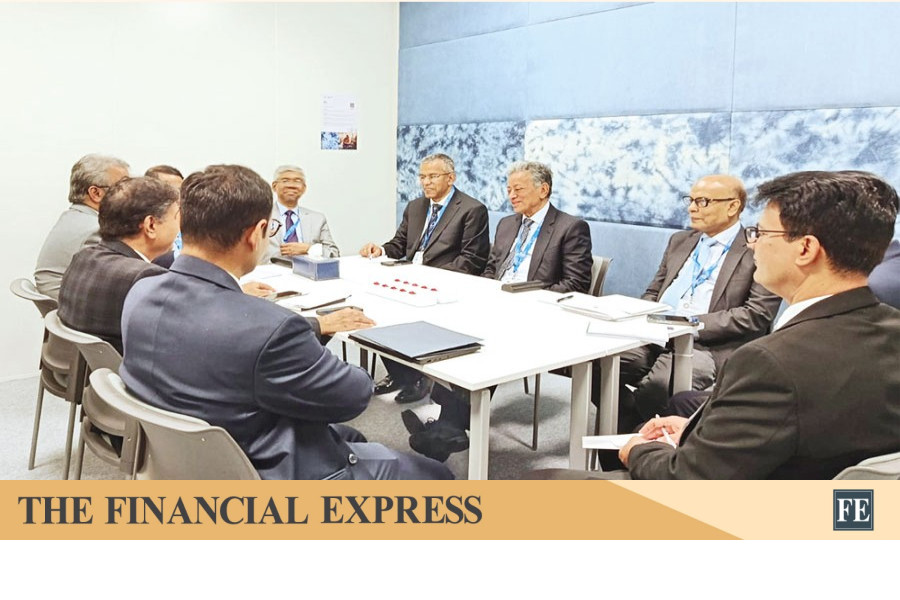
According to officials concerned, the ADB fielded a consultation mission to Dhaka in August this year to hold a policy dialogue and advance the design of the proposed Bangladesh Reforms for Investment and Growth (BRIGHT) programme.

This policy-based loan (PBL) programme aims to support the government's private sector development reform agenda, the ADB says in its aide-memoire of the programme.

For the BRIGHT programme, sources say, the Economic Relations Division (ERD) recommended including impactful reform measures, with a clear results chain and linkage between policy action and outcome indicators, demonstrating solid linkage with achieving the government's $1.0 trillion economy vision and operationalising the Integrated Growth Network Development (IGND) initiative.

Also, it suggested prioritising potential growth-oriented sectors in alignment with the government's broader economic vision and the strategic priorities of the IGND initiative, and ensuring complementarities and continuity with the ongoing and planned policy-based loans.

Improving access to finance for small and medium enterprise (SME) development, enabling local currency financing by foreign financiers, and streamlining commercial financing operations of development partners were also discussed between the two sides.

As the programme focuses on private sector development, the ADB mission organised two separate consultation sessions with leading private sector chambers, business associations, and health sector experts.

The representatives of private sector chambers and business associations highlighted the need for in-depth assessment of past reform programmes and strongly recommended incorporating learning experiences in the upcoming policy initiatives.

They advocated for strengthening the implementation of adopted policies and reforms, reducing opportunities for discretionary and manual intervention in regulatory service delivery, particularly in tax, VAT, and customs administration, improving audit quality, and strengthening the capacity and effectiveness of relevant oversight institutions, the aide-memoire mentioned.

Also, they suggested ensuring adequate institutional and technical capacity development of the newly established Invest Bangladesh Authority (IBA), addressing bottlenecks that constrain effective Public Private Partnership (PPP) project origination and implementation, and modernising legal and regulatory frameworks governing commercial contract enforcement, dispute resolution, recognition of arbitral awards, and the protection of intellectual property, and trade secrets.

Moreover, the private sector people strongly recommended exploring avenues of replicating the readymade garment (RMG) success story and examples of successful multinational corporations operating in the country in the emerging growth-potential sectors.

The health sector stakeholders highlighted the need to draw on international best practices and successful global models to attract domestic and foreign private investment, strengthen healthcare workforce development, and improve the affordability and accessibility of quality healthcare services.

For the pharmaceutical sector, the participants highlighted the global industry's ongoing transition from conventional generic medicines to higher-value biosimilars and other advanced pharmaceutical products, emphasising the need for supportive policy reforms, regulatory modernisation, and institutional capacity development to enable Bangladesh to remain competitive in evolving global markets.

Officials at the Economic Relations Division said the fund would come under a budget support credit programme and a deal in this regard was expected to be signed in June next year.​
 

IMF SOUNDS DOWNBEAT ON BANGLADESH ECONOMY
Predicts inflation surge to 10.9pc, GDP slide to 3.2pc
Fund paints such scenario for FY27 on account of other macro ills too


1791932849978.webp


A surge in inflationary pressure and other adversities may dent Bangladesh's effort for an economic rebound as the International Monetary Fund (IMF) just forecasts inflation resurgence and further economic-growth slide in the current fiscal year.

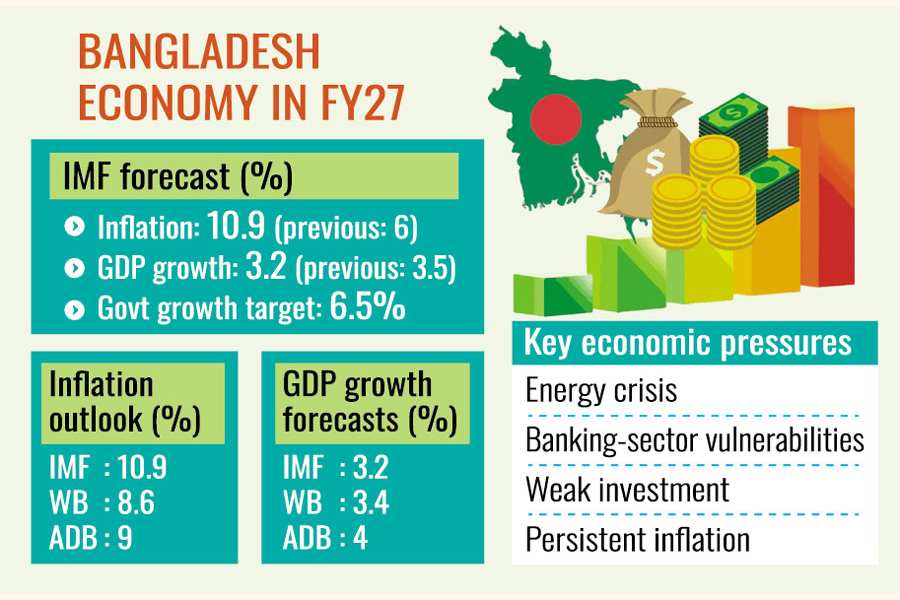
In its latest predictions, the global development financier has said inflation could surge up to 10.9 per cent while the country's GDP growth dive deeper to 3.2 per cent in the fiscal year 2026-27.

The Fund had earlier predicted in July the gross domestic product (GDP) growth at 3.5 per cent-again far lower than the government's budgetary target at 6.5 per cent for this fiscal year.

The Washington-based lender unveiled the latest projections in its World Economic Outlook (WEO) on Tuesday in Bangkok, as part of the 2026 Annual Meetings of the IMF and the World Bank Group.

IMF Research Department director Silvana Tenreyro, deputy director Petya Koeva-Brooks, division chief Deniz Igan attended the press briefing held at the Queen Sirikit National Convention Center (QSNCC) in the Thai capital.

The IMF warns that Bangladesh's inflation rate may rise to 10.9 per cent in FY27 in a leap from its April forecast of 6.0 per cent.

During the first three months of the current fiscal year, headline inflation stood at 8.32 per cent, 8.26 per cent and 8.34 per cent respectively in official count.

The IMF's latest projections came days after the World Bank and the Asian Development Bank (ADB) had issued weaker economic outlooks for Bangladesh for FY27.

On October 6, the World Bank projected Bangladesh's GDP growth at 3.4 per cent in FY27, citing energy and banking-sector vulnerabilities, weak investment and persistent inflationary pressures as factors subduing economic activity.

The World Bank also forecast that inflation would remain elevated at 8.6 per cent in the current fiscal year.

Earlier, in September, the Manila-based ADB lowered its FY27 growth forecast for Bangladesh to 4.0 per cent from its earlier projection of 4.5 per cent.

In its Asian Development Outlook (ADO) September 2026 report, the ADB said severe structural energy deficits, banking-sector stress and persistent inflationary pressures would continue to constrain the country's economic expansion in FY27.

The ADB also projected Bangladesh's inflation rate to rise to 9.0 per cent in the year.​
 

Finance minister says talks on extra $10b World Bank funding will take months


1791933812816.webp


Finance Minister Amir Khosru Mahmud Chowdhury has cautioned against expecting a quick decision on Bangladesh’s reported request for an additional $10 billion in World Bank loans.

He said on Tuesday that talks are still at an early stage.

Speaking to journalists on the second day of the IMF and World Bank Group annual meetings in Bangkok, he said reports suggesting a decision was imminent were misleading.

“I want to make one thing clear: no decision is being made here. I am seeing a lot of incorrect reporting. This is a discussion,” he said.

“Follow-up work will be based on these discussions. This is a process that will continue over the next few months. It will take several months to complete, so it would be wrong to expect any final decision at this stage.”

The minister-led delegation met World Bank Managing Director and Chief Financial Officer Anshula Kant on the sidelines of the meetings.

Khosru said the World Bank had agreed to support Bangladesh’s economic plans in the short, medium and long term.

He also said the bank’s approach was fully aligned with the BNP’s election manifesto.

“They understand the economic crisis the country is going through, the burden we have inherited and the disruption caused by wars around the world,” he said, adding that the bank supported the government’s policies to address the situation.

The comments came as the IMF forecast Bangladesh’s GDP growth would slow to 3.2 percent in the 2026-27 fiscal year, while average inflation could rise to 10.9 percent.

Khosru said the government did not intend to dispute the projections and would continue working towards its own targets.

“We are doing our work, and they are doing theirs. The cooperation we need will continue,” he said.

The government aims to keep inflation at 7.5 percent this fiscal year. It reached 8.34 percent in September after fuel prices rose.​
 

IMF-WB financing deals within couple of months
Synchronised govt-WB project approval, rapid fund release likely

Likelihood emerges at Bangkok meet as Bangladesh delegation proposes and lenders gesture


1792018442351.webp


Bangladesh expects to get financing commitments finalised with international development partners within two to three months as it strives for economic recovery, banking reform and managing mounting pressure from energy costs.

In another development at Bangkok talks, Bangladesh has proposed and the financiers signaled for synchronised government-World Bank project approval by a single stroke for rapid fund release and rapid returns on investment, including targeted job generation for millions in search.

The indications came from Finance Minister Amir Khosru Mahmud Chowdhury and Finance and Planning Adviser Rashed Al Mahmud Titumir on Wednesday.

Speaking to journalists on the sidelines of the IMF-World Bank annual meetings here, Prof Titumir said discussions with the International Monetary Fund (IMF), the World Bank, US Treasury and other development partners established a broad consensus on the country's economic challenges and the government recovery strategy.

"Negotiations are progressing, and we expect these financing commitments to be finalised within the next two to three months," he said.

The government is seeking to address a fragile economic situation while containing inflation, restoring confidence in the banking sector and protecting vulnerable households from rising living costs. The Middle East conflict has added to the pressure by pushing up energy prices and increasing transport costs, the adviser said.

He said international partners considered the government's reform agenda realistic and expressed confidence in its approach to economic recovery.

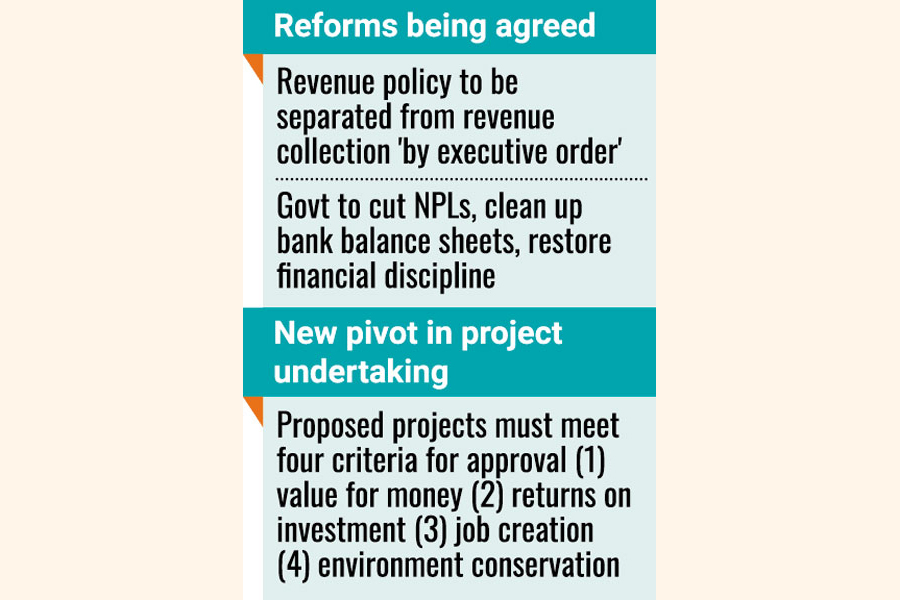
The government will move swiftly to separate revenue policy from revenue collection under a reform of the National Board of Revenue (NBR), Mr Titumir said.

A committee formed after the government took office has submitted its report, and the separation will be implemented by an executive order, he added.

The reform is intended to improve transparency, reduce harassment of taxpayers and raise the tax-to-GDP ratio. The government is also pursuing the digitisation of tax administration to strengthen compliance and revenue collection.

The IMF has previously identified revenue mobilisation as a central element of Bangladesh's fiscal reforms. Its January 2026 assessment noted that the country's Medium- and Long-Term Revenue Strategy aimed to raise the tax-to-GDP ratio to 10.5 per cent by fiscal year 2034-35. The Fund also referred to the separation of revenue policy and management functions under the revenue-reform framework.

On banking, Mr Titumir said the government has a clear plan to reduce non-performing loans, clean up bank balance sheets and restore financial discipline.

He said depositors in the consolidated Islamic banking institutions were now able to access their funds, helping rebuild confidence after the government moved away from proposed reductions in depositors' claims.

The adviser also referred to the damages accumulated in the banking sector, saying that Bangladesh Bank had previously estimated that about $40 billion would be needed to address the problems.

Responding to questions about central bank independence, Mr Titumir said Bangladesh Bank is exercising greater autonomy while monetary and fiscal policies were being coordinated to support economic recovery.

He cited a Tk 60-billion financing package carrying negative interest rates, intended to stimulate investment and help reopen closed factories.

The government wants to increase credit flows to the private sector while restoring stability in financial institutions.

Mr Titumir said the government has also developed a strategy to address poverty through targeted social protection, employment generation and support for farmers and vulnerable households.

He cited a World Bank assessment indicating that nearly eight million people had fallen below the poverty line amid prolonged inflation. The government expected its expanded safety-net programmes to help reverse that trend.

He said discussions with the International Islamic Trade Finance Corporation had taken place and that existing financing facilities remained operational. The World Bank, the Asian Development Bank and the Islamic Development Bank also provided support to the energy sector.

Mr Titumir said development partners backed the government's domestic reform agenda without imposing externally dictated measures, arguing that the political leadership has taken ownership of its reform programme.

The discussions in Bangkok have taken place as the IMF and World Bank hold their annual meetings on October 12-18 discussing economic stability, growth and financing challenges across the world.

The adviser said the government would continue negotiations with multilateral and bilateral partners to secure the resources needed to implement its recovery strategy.

Meanwhile, Bangladesh proposed synchronising government and World Bank approvals for projects and fund disbursements to reduce administrative delays and quicken implementation to generate targeted jobs.

Finance Minister Amir Khosru Mahmud Chowdhury made the proposal at 'Ministerial Roundtable on Accelerating Implementation for More and Better Jobs', organised by the World Bank at the Queen Sirikit National Convention Centre in the Thai capital on Wednesday.

He said delays between approvals by the government and the World Bank often slow project execution so it is necessary to align the two processes and ensure funds are disbursed without avoidable delays.

"In our conversation with Anna and the Bank Group, we have discussed to start with: the approval of the World Bank and this government should be synchronised so it happens at the same time, because the approval on both sides sometimes (causes delay), and I think the same should be followed with the disbursement for the projects," he said.

The minister mentioned that Bangladesh had set a target of creating 10 million jobs that makes timely project implementation essential to achieve the goal.

To strengthen oversight, the government plans to introduce a centralised digital dashboard from the beginning of project implementation, with daily monitoring of progress through indicators highlighting potential delays and implementation problems.

The Ministry of Finance, the Prime Minister's Office and the relevant line ministry will monitor the projects.

The government will also assess projects after completion to determine whether they have delivered their intended results.

Khosru said proposed projects would have to meet four criteria before receiving approval: value for money, returns on investment, job creation and environmental considerations.

The measures are intended to ensure that development financing translates into tangible economic benefits, particularly employment opportunities.

World Bank President Ajay Banga told the roundtable that faster project delivery is critical as developing countries face mounting pressure to create jobs for a growing working-age population.

"Development delayed is development denied," he said, urging governments and development institutions to spend less time discussing plans and more time delivering results on the ground.

Banga said the World Bank and borrowing countries should work together to reduce project-implementation timelines by one-third over the next three years.

He stressed that faster approvals by the Bank alone would not be sufficient unless governments also addressed domestic obstacles, including procurement delays, land acquisition and coordination among public agencies.​
 

A fresh blow to remittance earning and economy


1792018575543.webp


Saudi Arabia's pre-eminence as a host to unskilled workers from Bangladesh and a source of crude oil for the latter respectively has remained unchallenged. But the latest missile attacks by the Houthis threaten not only the initiatives taken by crown prince Mohammed bin Salman to transform Saudi Arabia from an insular oil-dependent one to a global hub of business and tourism but also the largest source of remittance and crude oil. Bangladeshi migrant workers in Saudi Arabia sent remittance to the tune of US$5.85 billion last year. Even in the first quarter of the fiscal year 2026-27, the remittance received from approximately 3.5 million migrants working there totalled $1.95 billion. In September alone, Saudi Arabia issued clearances for 32,915 more Bangladeshi workers. Bangladesh imports roughly 35 per cent of its total crude oil from this single source---more than any other source.
Now the repeated missile attacks on Saudi Arabia by the Iran-supported Houthis have both immediate and long-term impacts. More than 100 flights were disrupted by Wednesday last following the latest attack. In the first attack on King Khalid International Airport near Riyadh, 13 people including two Bangladesh nationals were killed and about 300 others were wounded. This has forced cancellation of flights to King Khalid International Airport. It was followed by another attack on King Fahd International Airport in Dammam the next day in which one person was killed and a dozen were left injured. The tangible damage and destruction at the two airports can be repaired or reconstructed but the intangible havoc wreaked reaches far beyond the periphery of airports. Apprehension deepens with every attack with its snowballing impacts causing economic losses to the airports and airlines using those.

However, the disruption is far greater to the crown prince's all-round energetic effort and lively work programme for socio-economic transformation. This again is related to the fate of the migrant workers including those from Bangladesh already employed there and the fresh recruits waiting for their travel to that country to report to their employers. Some have missed the deadline for reporting and more will do so if the Houthis continue to send a barrage of missiles aimed at airports and other important infrastructure in Saudi Arabia. Of the several daunting challenges Bangladesh is encountering right now, this one, like a few others, has its origin in conflicts far away from its geographical boundary.

Bangladesh is not powerful enough to tide over the critical situation. With their roots in Yemen, where clashes of interests of not only Middle East countries but also of big powers have prolonged, the Houthis have become an important pressure group controlling shipping and trade routes. In fact, they are a creation of the power games played by big powers. Diplomacy has long failed to bring peace in Yemen and the US-Israeli joint attacks on Iran have made it more intractable. US President Donald Trump, who played into Israeli Prime Minister Benjamin Netanyahu's hands to attack Iran can bring an end to the crisis if he can reach an workable tripartite peace accord with Iran and Israel. Foreign Affairs State Minister Shama Obaid Islam indicated her government's effort to find new destinations for Bangladeshi workers. That cannot happen overnight. Countries affected by restrictions on flights in Saudi Arabia may jointly try to persuade Trump to resolve the ME conflicts in the interest of freeing the Strait of Hormuz, allowing smooth energy and commodity supply.​
 

Development partners confident in govt's economic recovery strategy: Titumir


1792019311634.webp


Prime Minister's Adviser on Finance and Planning Prof Dr Rashed Al Mahmud Titumir on Wednesday said international development partners have expressed confidence in the government's strategy to revive Bangladesh's fragile economy inherited from the previous administration.

"Discussions with the World Bank, IMF, US Treasury Department and other multilateral development institutions had reflected a shared understanding of the country's economic challenges and the government's approach to addressing them," he said.

The adviser made the remarks while speaking to journalists on the sidelines of the annual meetings of the International Monetary Fund (IMF) and the World Bank Group in Thailand, reports BSS.

Titumir said the discussions had established a consensus on three key issues: the government had inherited a fragile economy and was addressing its weaknesses through transparency and accountability; it was pursuing measures to tackle fresh inflationary pressures stemming from the Middle East crisis; and its programmes for economic recovery, banking sector reform and poverty reduction were considered realistic by international partners.

"We are addressing the problems with transparency and accountability instead of sweeping them under the carpet. We have our own strategy, and international partners have developed confidence in that strategy," he said.

The adviser said the government was holding discussions with the World Bank, IMF, Asian Development Bank (ADB), Islamic Development Bank, China Exim Bank and various US assistance agencies to secure financing for its reform programmes.

He expressed hope that progress on the required financing would be made through negotiations over the next two to three months.

Titumir said protecting ordinary people from inflationary pressure remained a major government priority alongside economic recovery.

Higher fuel prices amid the Middle East crisis could raise transportation and production costs, eventually affecting the prices of essential commodities, he said.

The government had taken various measures to contain inflationary pressures and ease the cost-of-living burden on low-income people, he added.

He said the Family Card and Farmers Card programmes announced by the Prime Minister had received appreciation from international partners.

These initiatives would help support families and farmers affected by rising prices and reduce the risk of further deterioration in poverty, he added.

The government aimed to ensure that the burden of external economic shocks did not fall entirely on ordinary people, he said.

Titumir added that economic recovery involved not only managing immediate crises but also creating jobs, increasing investment, strengthening banks' financial positions and achieving long-term growth.

The adviser said a major objective of the government's reform programme was to increase the tax-to-GDP ratio without raising tax rates.

He attributed the country's tax-to-GDP ratio of below seven percent to weaknesses in tax administration, including patronage and oligarchic practices under the previous administration.

The government was working to make the tax system more transparent, taxpayer-friendly and technology-driven, he said, adding that digital transformation was under way across different levels of tax administration.

Expanding the tax net, preventing tax evasion and ensuring administrative transparency would help increase revenue without raising tax rates, he said.

Regarding the separation of tax policy formulation from revenue collection, Titumir said a committee formed to examine the issue had already submitted its report.

The government had agreed in principle to the reform and was moving towards implementing it through an executive order, he added.

Titumir said the government had specific plans to restore discipline in the banking sector, reduce non-performing loans and strengthen banks' balance sheets.

Time-bound measures were being taken to rebuild the financial foundations of banks weakened by past irregularities, he said.

Customers of Sammilito Islami Bank had started receiving their money back, while the government had also taken steps to ease potential financial pressure on depositors.

The initiatives were aimed at restoring confidence in the banking sector, he said, adding that international partners had expressed confidence in the government's strategy and timeline for the reforms.

On monetary policy and central bank independence, Titumir said the government was emphasising coordination between fiscal and monetary policies without directly interfering in the Bangladesh Bank's operations.

He said creating an environment conducive to higher investment and production was as important as controlling inflation.

The government had outlined a special financing package of around Tk 60,000 crore to help restart closed factories and increase credit flows to the private sector, he said.

The package was expected to boost investment, revive productive activities and create employment opportunities.

Titumir said Bangladesh Bank was working to restore stability in the banking sector through its own strategies and institutional mechanisms.

Maintaining the central bank's independence while coordinating economic policies would be important for rebuilding confidence in the financial sector and increasing the flow of funds to private investment, he added.

The adviser said the government's reform agenda had been designed in line with Bangladesh's own needs and political commitments rather than being imposed from outside.

The reform outlines covering taxation, banking, investment and economic governance had been included in the government's election manifesto, he said.

"We want the ownership of reforms to remain with our political authorities. Reforms are not something to be imposed from outside; we have developed our own strategy based on the needs of the country," he said.

He added that the government's five-year economic strategy and reform plans reflected this approach.

Political commitment, identification of structural weaknesses and implementation of reforms within specific timelines had helped build confidence among international partners, he said.

Titumir said the ongoing Middle East crisis had created additional pressure on Bangladesh's economy, particularly through higher fuel prices and their potential impact on transportation, production and essential commodity prices.

Financing programmes from the World Bank, ADB and Islamic Development Bank were helping address pressures in the energy sector, and discussions were underway to maintain the support and increase financing where necessary, he said.

Referring to a recent World Bank report, the adviser said around 8 million people had fallen below the poverty line amid inflationary pressure.

He said social protection, job creation and greater investment in productive sectors could help reverse the situation.

Employment generation and social safety-net programmes had played important roles in reducing poverty in Bangladesh in the past, he said, adding that the government wanted to advance job creation and social protection simultaneously.

Titumir said discussions with representatives of the US Treasury Department had also covered Bangladesh's inherited economic weaknesses and the impact of recent external shocks.

Representatives of the World Bank, treasury departments of different countries and multilateral institutions had acknowledged the role of previous economic weaknesses and the international situation in shaping the current challenges, he said.

The government would continue negotiations with development partners and other institutions to secure the financing needed to implement its recovery and reform programmes.

He expressed confidence that the ongoing discussions would make progress over the next two to three months, helping advance economic recovery, structural reforms, investment and social protection programmes.​
 

Khosru hopeful of attaining 6.5pc growth

Govt submits detailed partnership framework to World Bank

1792020099832.webp


Finance Minister Amir Khosru Mahmud Chowdhury has met an IMF team on the sidelines of the IMF and World Bank Group annual meetings in Bangkok. — FE photo

Bangladesh would finally achieve the government-set 6.5-percent GDP growth notwithstanding a sharply lower forecast by the International Monetary Fund (IMF), Finance Minister Amir Khosru Mahmud Chowdhury has expressed the optimism.

He said the country would assess its economic performance at the end of the fiscal year rather than debate growth projections.

"We do not want to debate anyone's projections. We are carrying on with our work, and the results will be seen at the end of the fiscal year. We remain hopeful of achieving the growth target set in our budget," he told journalists on the sidelines of the IMF-World Bank Annual Meetings in the Thai capital.
The IMF Tuesday projected Bangladesh's gross domestic product (GDP) growth at 3.2 per cent in FY2026-27, less than half the government target.

Meanwhile, the government is pursuing fresh financial support from the World Bank and the IMF to help cushion the economy against mounting external pressures, particularly the impact of the conflict in the Middle East on energy costs.

About his latest engagement with the World Bank as part of an ongoing dialogue, Mr Chowdhury said discussions with the lender were progressing as expected.

"Everything is moving on track. We spoke with the World Bank's vice-president yesterday and held discussions with its managing director for operations today."

The minister said the World Bank understood the economic challenges facing the new government, including the liabilities inherited from previous administrations and the additional pressure created by the ongoing war.

"They want to support us. They understand the circumstances in which the new government took charge, the economic difficulties we inherited and the liabilities left by previous governments.

"They also understand the pressure the ongoing war is putting on the economy, and they are prepared to support us in addressing these challenges," he told the press. Mr Chowdhury said the World Bank was aligned with the government's economic programmes and policy priorities for the short, medium and long terms.

"The World Bank is aligned with our programmes and policies," he said, adding that the discussions would lay the groundwork for continued cooperation.

Asked whether the government was seeking an additional $10 billion in assistance, the finance minister said no concrete decision had emerged from the meetings.

"These meetings are part of a series of discussions that will continue over the next few months. The World Bank's team will then visit Bangladesh, and a final decision will come thereafter."

He said the current discussions were intended to establish the basis for future cooperation rather than produce an immediate financing commitment.

"These discussions will establish the foundation for what we plan to do in the future," he added.

The minister also disclosed that Bangladesh submitted a detailed partnership framework to the World Bank, describing it as an unprecedented step in the country's engagement with the lender.

"This has never happened before, and we are now discussing the agenda outlined in that framework," he said.

The discussions come as Bangladesh seeks external financing to manage economic vulnerabilities, including higher energy import costs, inflationary pressure and strains on public finances.

The government is looking to multilateral development partners to help sustain its economic programme amid heightened geopolitical uncertainty.

Bangladesh entered a $4.7-billion IMF loan programme in January 2023 under the previous Awami League government. The package was subsequently increased to $5.5 billion during the interim administration.

The BNP-led government decided in May this year to exit the programme eight months before its scheduled expiry and later applied for a fresh financing arrangement, according to a June-3 statement by Ivo Krznar, the IMF's mission chief for Bangladesh.

Bangladesh has so far received $3.8 billion in five instalments under the original $4.7-billion package.

The government's pursuit of fresh support from multilateral lenders has gained importance as the conflict in the Middle East threatens to increase energy costs and complicate efforts to stabilise the economy and achieve its growth target.​


Encountering inflation surge and economic slowdown


1792105557533.webp


Bangladesh is facing the prospect of its weakest economic growth in nearly four decades, with the International Monetary Fund (IMF) projecting gross domestic product (GDP) growth of just 3.2 per cent in the current fiscal year, 2026-27. More troubling still is the prospect of inflation climbing to 10.9 per cent, threatening to erode household purchasing power further and undermine efforts to revive economic activity. The twin challenges of slowing growth and rising prices point to an increasingly difficult economic landscape, one in which recovery may prove far more elusive than policymakers hope.

The IMF unveiled its latest projections in the World Economic Outlook during the 2026 annual meetings of the IMF and the World Bank Group in Bangkok. The revised growth forecast marks a further downgrade from its July projection of 3.5 per cent, already significantly below the government's ambitious target of 6.5 per cent. The widening gap between official aspirations and international assessments raises a fundamental question, how realistic is the growth target when structural weaknesses and persistent economic pressures continue to weigh on the economy? Other international development partners have also painted a subdued picture, although their projections are somewhat less pessimistic. The World Bank expects Bangladesh's economy to grow by 3.4 per cent in FY27, while the Asian Development Bank (ADB) has forecast 4.0 per cent, down from its earlier estimate of 4.5 per cent. The World Bank, meanwhile, expects inflation to remain elevated at 8.6 per cent. In its September Asian Development Outlook, the ADB identified structural energy shortages, banking-sector distress and persistent inflationary pressures as major constraints on economic expansion. The convergence of these assessments suggests that Bangladesh's difficulties are not merely temporary setbacks but reflect deeper structural impediments.

Against this backdrop, Finance Minister Amir Khosru Mahmud Chowdhury has sought greater support from development partners, particularly the IMF and the World Bank, during the Bangkok meetings. He has also expressed confidence that the country can achieve the government's 6.5 per cent growth target, arguing that economic performance should ultimately be judged at the end of the fiscal year rather than through competing forecasts. His disclosure that Bangladesh has submitted a detailed partnership framework to the World Bank, described as an unprecedented initiative, signals an effort to strengthen engagement with development partners.

Yet optimism alone cannot bridge the widening gap between projections and expectations, nor can external financing substitute domestic reforms that address the underlying constraints on growth. Persistent inflation, energy insecurity, banking-sector vulnerabilities and weak investment require coordinated and credible policy responses. The real challenge, therefore, is not simply to defend a growth target but to create the conditions that make sustainable growth possible. With inflation threatening livelihoods and economic expansion losing momentum, Bangladesh needs to temper its optimism with realism and translate reform commitments into tangible results. The cost of delayed action could be measured not only in lower GDP growth but also in diminished purchasing power, fewer employment opportunities and a prolonged erosion of public confidence.​
 

How grim is the country's economic outlook?


1792105659855.webp


First the Asian Development Bank (ADB), then the World Bank (WB) and now the International Monetary Fund (IMF) come up with dire to direr projections for Bangladesh economy. The ADB's country-specific releases of the latest Asian Development Outlook (ADO) on September 23 last downgraded its earlier projection of 4.5 per cent gross domestic product (GDP) growth to 4.0 per cent. Its inflation projection has been revised upward from an earlier 8.8 per cent to 9.0 per cent.

Then the World Bank's latest Bangladesh Development Update drastically revised its April projection of 4.6 per cent growth of the Bangladesh economy to just 3.4 per cent. What made the projection more concerning is the rising poverty and inequality in society. Poverty has already risen from 18.7 per cent in 2022 to 22.5 in the last fiscal year and it is, according to the WB, likely to rise to 22.80 per cent in the 2026-27. Closely related, poverty and inequality reinforce each other. Measured by Gini coefficient, inequality registered a rise by 0.9 to 34.9 in the fiscal year 2025-26 but compared with the 30.9 in the year 2022, it is definitely a sharp rise. The higher the Gini coefficient is the greater the inequality.

Compared with the projections made by the ADB and the WB, the IMF's is even grimmer. Its economic growth forecast for Bangladesh for the current fiscal year comes down to just 3.2 per cent from the 4.3 per cent projected earlier in April. Clearly, the IMF's GDP growth projection is lower than those of 4.0 and 3.4 per cent projected by the ADB and the WB respectively. More alarming is the projection on inflation. Whereas the WB forecasts 8.6 per cent inflation for the current fiscal year (FY2026-27), the IMF projects an average inflation of 10.9 per cent.

This marks quite a significant difference between the projections on inflations by the two multilateral lenders. Compared with the 8.6 per cent, the double digit inflation proves to be highly devastating not only for the poor and marginal segments of the population but also for the middle class. But in a way, it corroborates the outlook as presented by the WB on inequality. About 2.1 million people slipped into poverty in the last fiscal year and 62 million more are at risk of falling below the poverty line in the current fiscal year.

Among the South Asian nations, Bangladesh's economic growth prediction is the worst. For straight four years, this country has been experiencing slow economic growth. The energy crunch resulting from the Middle East conflict following the war on Iran has made the situation even worse. Persistent vulnerabilities in the banking sector, subdued credit growth and tight fiscal constraints only make the matter worse for Bangladesh. It is indeed a trying time for the country.

However, the government at the helm of affairs hardly gives any indication of having any innovative plan up its sleeve to counter the challenges. Well, eight or nine months' incumbency is not enough time for a government to tide over such a deepening crisis. But the initiatives taken during this time should have made people assured that the course it has started charting is quite right. Such indications are conspicuous by their absence. When there was a need for austerity, the government has opted for avoidable economic expenditures.

Can a nation at a crossroads afford the luxury of buying as many as 35 passenger aircraft---25 Boeings and 10 Airbuses? It verges on a silly economic judgement. When meeting the challenges of poverty and inequality should have been at the top of policy agenda, the investment made in the Bangladesh Biman makes no economic sense. Moreover, it is a preposterous decision marked by the adage "putting the cart before the horse". The authorities made a most ludicrous claim of turning the country's prime airport an international hub of airliners. International flight operations involves a lot of coordinated nitty gritty and approval of routes. The national flag carrier needs finalising those first. Also this must be done with the objective of making commercial flight operation profitable. In the past, the Biman had to abandon flights to some overseas destinations on account of making losses.

Like the past governments, this one also has demonstrated an overwhelming interest in mega projects. Similarly, the habit of appeasement of bureaucracy runs deep. Or, how could the salary rise for the top brass of civil servants be made straightway double the previous amount? Indeed the lower tiers of government employees needed the salary hike as offered. There was a need for taking into account the inflation the new pay package for government service-holders would give rise to. How will workers and others in the informal sector cope with the soaring inflation? If the raised salary will provide some cushion for the government employees at the lower tiers, their struggling counterparts in the private sector will find it more difficult to procure necessaries for their survival.

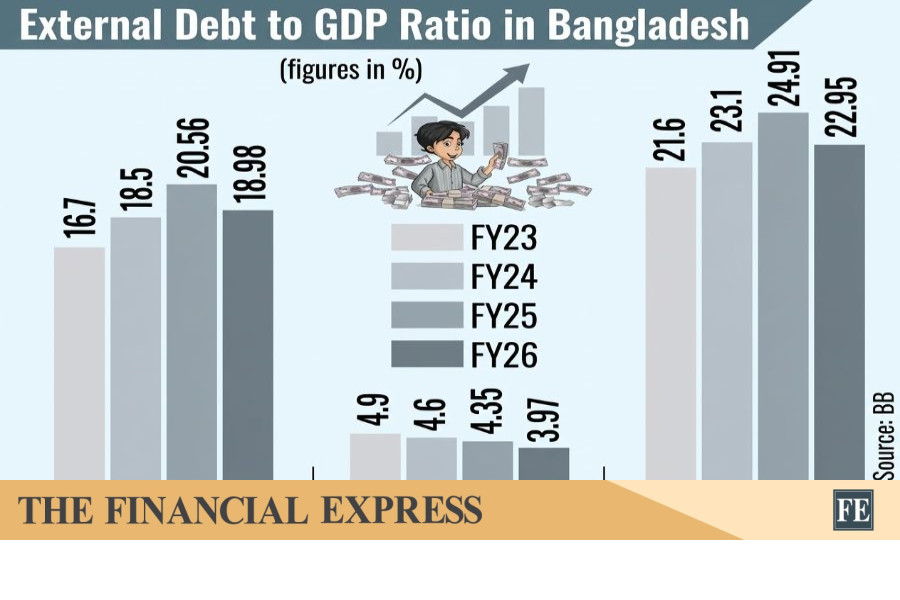
Now the government is looking for loans---no matter soft or hard---from multilateral lenders and donor governments. The nation's debt burden is going up and up with no prospect of enhanced revenue income and matching investment for accelerating industrial production and creation of employment. Its debt-servicing obligation threatens to rise beyond the limit of its capacity to repay. The overall outlook of the country's economy is grim indeed.​
 

Remittance inflow rises 13.1 pc in July-October 14


1792106268924.webp


Bangladesh received US$10.108 billion in workers’ remittances during July 2026 to October 14 of the current fiscal year, marking a 13.1 percent increase from US$8.937 billion in the corresponding period of the previous fiscal year.
According to the latest data, expatriate Bangladeshis sent US$1.516 billion during October 1-14, 2026, compared to US$1.351 billion in the same period of 2025, registering a year-on-year growth of 12.2 percent.

On October 14 alone, the country received US$111 million in remittances, the data showed.​
 

Beyond the stagflation trap
Consumption, trust and economic justice


1792195042481.webp


My October 11 article, “Bangladesh’s Stagflation Trap: Why It May Persist,” argued that the country’s persistent inflation, weak investment, inadequate productive employment and declining purchasing power constitute a multidimensional economic problem that cannot be resolved through isolated policy measures. A thoughtful response from Air Chief Marshal (Retired) Masihuzzaman Serniabat raised several additional questions concerning consumer behaviour, inflation, financial speculation, public confidence and economic justice. His observations invite an extension of the original argument by introducing public trust as an economic input influencing both economic behaviour and the effectiveness of government policies.

He observed that when consumers lose purchasing power and curtail spending, shopkeepers experience declining sales, producers reduce output, workers lose jobs and household incomes deteriorate further. The process can become a vicious cycle in which declining demand reinforces unemployment and economic stagnation. He also questioned why some economies continue operating with inflation exceeding 25 percent while others pursue much lower inflation targets. Drawing on Malaysia’s experience during the Asian financial crisis and the American housing crisis of 2008, he raised a broader concern about economic systems in which ordinary households bear consequences of financial decisions beyond their control.

The relationship between consumption and economic activity is fundamental to Keynesian economics. Consumption generates demand, demand sustains production, production creates employment and employment generates income that supports further consumption. When household purchasing power deteriorates, this mutually reinforcing process can operate in reverse. Economists recognise a related phenomenon as the paradox of thrift, whereby individually prudent reductions in spending can collectively depress economic activity.

However, an important distinction must be recognised between voluntary saving and involuntary reductions in consumption. A household that postpones purchasing a refrigerator to increase savings is behaving differently from one that cannot afford adequate food because prices have outpaced earnings. In Bangladesh, persistent inflation has increasingly forced lower- and middle-income households into the latter situation. Advising consumers to maintain normal spending cannot succeed when the necessary purchasing power no longer exists.

The problem becomes more complicated when inflation originates from rising production costs, imported inputs, currency depreciation and supply constraints rather than excessive consumer demand. Businesses may encounter declining sales while simultaneously paying more for energy, transportation and materials. Lowering interest rates may provide some relief, but it cannot automatically correct these interconnected distortions.

The question concerning countries experiencing inflation exceeding 25 percent also deserves clarification. Turkey, for example, has experienced prolonged periods of very high inflation while maintaining substantial economic activity. Yet continued production and employment do not establish that high inflation is necessary or desirable for economic development. Nominal spending, wages and investment may increase even while their real purchasing power or value deteriorates. The US Federal Reserve’s 2 per cent inflation target is intended to support long-run price stability and employment, not to establish a minimum inflation rate required for creating jobs.

Trust as an Economic Input: An often-overlooked determinant of economic performance is public trust in the qualifications, experience and integrity of policymakers and institutional leaders. In many developing economies, politically motivated appointments to key economic and regulatory institutions are facilitated by weak legislative scrutiny and inadequate institutional checks, unlike the formal confirmation process exercised by the U.S. Senate over certain senior appointments. Two governments may announce identical economic policies, yet households, businesses and investors may respond differently because their expectations depend not merely on the policies themselves but also on the perceived competence, credibility and integrity of those entrusted with their implementation.

Trust is therefore more than a political or psychological consideration. It is an intangible economic input that influences consumption, saving, investment, credit relationships and the transmission of economic policy. Although trust is not traded like labour or capital, its presence or absence can alter the effectiveness with which conventional economic resources are employed.

Public trust can be expressed through a conceptual Trust Function:

T = f(C, I, R, P, E)

Here, T = public trust; C = perceived competence of policymakers; I = integrity and accountability; R = institutional reputation and reliability; P = policy credibility, consistency and predictability; and E = observed economic performance.

The function is conceptual rather than econometrically estimated. It identifies institutional and behavioural channels through which public confidence influences economic decisions. The relationships are not necessarily linear, nor are the explanatory variables independent of one another. A major policy failure may destroy credibility rapidly, while rebuilding public confidence may require years of consistent institutional performance.

More importantly, public trust is endogenous, meaning that it both affects and is affected by economic performance. Public confidence in the competence, credibility and integrity of policymakers can stimulate consumption, investment and economic growth, while improved economic performance can further strengthen that confidence. Conversely, weak economic performance can erode public trust, discourage consumption and investment, and undermine policy effectiveness. This two-way relationship creates either a virtuous cycle of confidence and growth or a vicious cycle of distrust, economic stagnation and institutional deterioration.

A central bank may reduce interest rates, a government may announce investment incentives and a finance ministry may promise fiscal reforms. Yet their intended effects may fail to materialize when households and businesses distrust the institutions responsible for implementation. Conversely, credible institutions can strengthen policy effectiveness by reducing uncertainty and improving expectations.

The US Federal Reserve is arguably the world’s most influential central bank and one of its most credible monetary institutions. Its institutional independence, policy transparency and established reputation have earned it the confidence of financial markets, investors and policymakers worldwide.

The larger economic lesson is that institutional credibility is itself an economic asset. Trust in a central bank can strengthen the effectiveness of monetary policy, whereas diminished confidence in its independence, competence or integrity can weaken policy transmission, unsettle markets and discourage investment.

Trust cannot be manufactured through official declarations or appeals for public confidence. It must be earned through competence, accountability and demonstrable results.

Lessons from Malaysia and America: The Asian financial crisis provides an instructive example. During the turmoil beginning in 1997, Malaysian Prime Minister Mahathir Mohamad encouraged consumers to maintain confidence rather than respond to uncertainty through indiscriminate reductions in spending. In September 1998, Malaysia introduced selective capital controls and pegged the ringgit at 3.80 to the U.S. dollar. These controversial measures sought to contain financial instability and restore domestic policy flexibility.

Malaysia’s experience demonstrates that consumer expectations, exchange-rate management, financial institutions and government credibility interact during economic crises. Nevertheless, attributing financial turmoil primarily to individual speculators would overlook weaknesses in financial structures, credit allocation and regulatory oversight. Speculative pressures can aggravate vulnerabilities, but their consequences depend partly on the institutional environment.

The American housing crisis beginning in 2007 offers another dimension. Millions of households lost their homes during the ensuing financial collapse, while failures in mortgage lending, securitization, risk assessment and financial supervision spread losses throughout the economy. The experience raised uncomfortable questions about the distribution of financial rewards and responsibilities. Those making risky financial decisions were not necessarily the same people who ultimately bore their consequences.

The call for a justice-based economic order therefore warrants serious consideration. Economic justice does not necessarily require eliminating inequality, speculation or financial losses. It does require institutions that discourage exploitation, enforce accountability and prevent powerful economic actors from transferring disproportionate risks to vulnerable households.

When citizens believe that financial rewards are privately appropriated while losses are transferred to the public, institutional trust deteriorates. Such perceptions weaken the very foundation upon which effective economic policymaking depends. Economic injustice, therefore, carries consequences extending beyond the immediate distribution of income and wealth.

Digitalisation and blockchain-based recordkeeping may improve transparency and traceability, but transparency alone cannot guarantee justice. Transactions can be accurately recorded and still be exploitative. Technology may reveal economic behaviour, while effective institutions must establish and enforce the rules governing that behaviour.

Bangladesh’s Stagflationary Matrix Revisited: These observations bring the discussion back to Bangladesh. Persistent inflation weakens purchasing power, reduced consumption discourages production, weak investment constrains future productive capacity and distressed financial institutions obstruct the flow of credit. Institutional uncertainty further discourages investment, while declining public trust can intensify each of these pressures.
The original stagflationary matrix must therefore accommodate an additional dimension: the interaction between institutional credibility, public expectations and economic behaviour. Trust is not a substitute for capital, labour or technology. Rather, it influences how effectively these resources are mobilised and how strongly economic policies translate into actual economic outcomes.

Restoring trust requires more than changing interest rates or announcing ambitious development programmes. It requires credible central bank governance and regulatory independence from political interference and the vested interests of commercial banks. It also requires predictable regulations, responsible fiscal management, reliable energy supplies and demonstrable accountability.

Policy sequencing remains indispensable. Repairing distressed banks, strengthening credit allocation, improving the investment environment and mobilising domestic revenue should establish the conditions under which monetary easing can support productive expansion. Without these foundations, even appropriate policies may produce disappointing outcomes because the institutions transmitting them remain impaired and economic agents lack confidence in their effectiveness.

Ultimately, economic stability and economic justice are not competing objectives. Institutions that distribute risks responsibly, discourage financial misconduct and sustain public trust can promote both. Bangladesh’s stagflation is therefore more than an interaction of inflation, investment, employment and fiscal constraints. It is also a crisis of institutional credibility in which economic weakness erodes trust and declining trust further weakens economic performance. Escaping the trap requires rebuilding that credibility alongside the productive foundations of the economy, because economic policies cannot achieve their intended outcomes when the institutions responsible for implementing them have lost the confidence of those whose economic behaviour they seek to influence.

The writer is a Professor Emeritus of Economics at Eastern Michigan University, USA, and a former nuclear engineer at the Bangladesh Atomic Energy Commission.​
 

How can Bangladesh maximise the gains from free trade agreements?

Selim Raihan

Bangladesh’s trade policy has entered a different phase. For decades, the country could expand exports without making reciprocal trade agreements a central part of its strategy. LDC-specific preferences gave Bangladeshi exporters favourable access to several major markets, particularly in Europe, while the country retained considerable protection at home. That arrangement supported export growth, especially in ready-made garments. But it cannot provide the basis for Bangladesh’s trade strategy indefinitely. As preferential advantages associated with LDC status diminish and competitors secure better market access through bilateral and regional agreements, Bangladesh has little option but to become much more active in negotiating FTAs and economic partnership agreements.

The case for doing so is strong. Bangladesh remains heavily dependent on exports of ready-made garments and on a relatively small number of markets. At the same time, the international trading environment is increasingly being shaped by preferential agreements. Vietnam already enjoys preferential access to the European Union through its FTA, while India and other competitors have been pursuing agreements with major trading partners. If Bangladesh remains outside this process, its exporters could find themselves competing on increasingly unequal terms.

FTAs should, therefore, no longer be seen as an optional addition to Bangladesh’s trade policy. They are becoming an important instrument for preserving market access, opening new markets, attracting investment and integrating Bangladeshi firms into regional and global value chains. They can also reduce the cost of imported intermediate and capital goods, which matters for an economy seeking to diversify beyond garments. The issue is not whether Bangladesh should pursue FTAs. It should. The more difficult questions concern which agreements should receive priority, how they should be negotiated and what domestic changes are required to make them effective.

This distinction matters because FTAs are reciprocal. Bangladesh will seek better access to partner markets, but it must also offer concessions at home. Exporters can gain from lower foreign tariffs and cheaper imported inputs. Consumers may benefit from greater competition and lower prices. At the same time, some domestic industries will face stronger import competition, and the government may lose tariff revenue. A successful FTA strategy must recognise these adjustment costs rather than use them as an argument for avoiding liberalisation.

Different trade and economic modelling exercises suggest that bilateral and regional trade agreements can generate gains in exports, output and welfare for Bangladesh. Deeper regional integration can also create opportunities through larger markets, investment and participation in supply chains. But the gains vary considerably across agreements and sectors. Some arrangements can strengthen Bangladesh’s existing comparative advantage in garments, while others may create opportunities in processed food, pharmaceuticals, services or other manufacturing activities.

This is where the design of the FTA strategy becomes important. Bangladesh has been trying to diversify exports for decades, with limited success. FTAs can support that objective, but diversification will not happen automatically. If new market access mainly expands garment exports, aggregate exports may rise without significantly changing the structure of the economy. Negotiators, therefore, need to look beyond the immediate interests of existing exporters and consider where future export capacity can develop.


1792281737424.webp

Commerce Minister Khandakar Abdul Muktadir seeks the Netherlands’ support for advancing trade negotiations with the European Union on October 13, 2026. As Bangladesh prepares for LDC graduation, securing preferential market access and strengthening domestic competitiveness will be critical to its future trade strategy.

The trade and economic modelling evidence also points to a broader lesson. Domestic reforms can generate substantial and more widely distributed gains, and they can increase the benefits obtained from trade agreements. This should not be interpreted as a choice between FTAs and domestic reform. Bangladesh needs both. Indeed, the stronger case for FTAs is precisely that they can provide an external anchor for reforms that the country already needs.

The tariff regime is a good example. Bangladesh continues to maintain relatively high levels of protection through customs duties, supplementary duties and regulatory duties. This has benefited firms producing for the domestic market, but it has also raised the cost of imported inputs and created an anti-export bias. The RMG industry largely overcame this problem through bonded warehouse facilities. Many potential exporters outside the garment sector have not enjoyed comparable access to duty-free inputs.

FTA negotiations can create pressure for gradual tariff rationalisation. That would be beneficial if it is properly sequenced. Firms that have invested under a highly protected regime cannot be expected to adjust overnight. Some sectors will need time to restructure, invest in technology and improve productivity. But transition periods should be used for adjustment, not simply to postpone it. Protection that continues without a credible path towards greater competitiveness ultimately raises costs for consumers and export-oriented firms.

There is also a fiscal constraint. Import-related taxes remain an important source of government revenue because Bangladesh’s domestic tax mobilisation is exceptionally weak. Lower tariffs under FTAs will, therefore, have revenue implications. This is another reason to accelerate tax reform.

Bangladesh cannot pursue deeper trade integration indefinitely while maintaining a revenue system heavily dependent on imports. Stronger VAT administration, a broader direct tax base and fewer discretionary exemptions will be necessary. Otherwise, the fiscal cost of tariff liberalisation will eventually appear elsewhere, through higher taxes, greater borrowing or reduced public spending. Trade reform and domestic resource mobilisation, therefore, have to proceed together.

Institutional capacity presents another challenge. Modern FTAs are no longer mainly about tariffs. They cover services, investment, intellectual property, digital trade, standards, rules of origin, public procurement and dispute settlement. Negotiating these issues requires lawyers, economists, sector specialists and regulators capable of assessing both the opportunities and the obligations created by an agreement.

1792281783994.webp

Bangladesh’s heavy dependence on ready-made garment exports highlights the need for trade agreements that not only protect existing markets but also create opportunities for export diversification. Photo: Anisur Rahman/ Star

Bangladesh’s negotiating capacity remains relatively thin and fragmented across ministries and agencies. This needs to change quickly. As the country negotiates more agreements, it requires a permanent, professional FTA negotiating unit with expertise in trade law, economics, sectoral analysis and regulatory issues. Negotiations should be supported by economic modelling, sector-level assessments and systematic consultation. Institutional memory is equally important. Bangladesh should not have to rebuild its negotiating knowledge whenever discussions with a new partner begin.

Private-sector consultation also needs to become more structured. Large exporters, importers, protected domestic industries, SMEs and emerging exporters do not necessarily share the same interests. Well-organised business groups naturally have greater access to policymakers, but an FTA strategy cannot simply reflect the demands of the most influential sectors. Negotiators need to identify potential new exporters, sectors likely to face adjustment pressures and areas where market access could stimulate investment.

Trade defence capacity must develop alongside liberalisation. Greater openness can expose domestic producers to import surges or unfair trade practices. Bangladesh has anti-dumping, countervailing and safeguard instruments, but the institutional capacity to use them remains limited. Strengthening these mechanisms is not inconsistent with an open trade regime. On the contrary, credible and rules-based trade defence can make liberalisation more sustainable by giving firms legitimate remedies when unfair competition occurs.

The ability to use preferential access is just as important as negotiating it. A zero tariff offers little benefit if Bangladeshi exporters cannot satisfy rules of origin, technical standards, sanitary requirements or environmental and labour regulations. These requirements are becoming more demanding in major markets. Larger RMG exporters may be able to absorb the compliance costs. Smaller firms in agro-processing, leather, light engineering and other potential export sectors often cannot.

Investment in testing laboratories, certification, customs modernisation and standards infrastructure should, therefore, be treated as part of the FTA strategy itself. Otherwise, preferential access may disproportionately benefit firms that are already established exporters, while new exporters remain unable to enter international markets.

Bangladesh also needs a clear national FTA roadmap. This should not be a catalogue of countries with which the government hopes to sign agreements. Potential partners should be assessed according to market access gains, investment opportunities, diversification potential, import competition, fiscal implications and Bangladesh’s readiness to implement commitments. Recently signed economic partnership agreements with Japan and South Korea, potential agreements with India and China, engagement with GCC economies and possible participation in wider regional arrangements such as RCEP offer different opportunities and require different approaches.


1792281830162.webp

As Bangladesh pursues free trade agreements, improving port efficiency, customs procedures and trade infrastructure will be essential to reducing costs and strengthening the competitiveness of its exporters. File photo: Rajib Raihan

Sequencing will matter. Bangladesh should move decisively on FTAs, but speed should not be confused with success. Some agreements can provide valuable experience with higher-standard trade rules. Others offer much larger markets but also greater competitive pressures. Regional integration can open access to supply chains that Bangladesh has so far struggled to enter. The objective should be to build a portfolio of agreements that strengthens market access while gradually increasing the economy’s capacity to compete.

This requires a change in how Bangladesh thinks about trade policy. FTAs and domestic reforms are not competing strategies. They reinforce each other. FTAs can secure markets, attract investment and create pressure for greater efficiency. Domestic reforms determine whether Bangladeshi firms can exploit those opportunities.

Bangladesh should, therefore, pursue FTAs with greater urgency, but also with preparation and a clear sense of economic priorities. Tariffs need gradual rationalisation, the tax system must become less dependent on imports, customs and standards institutions require upgrading, and negotiating capacity has to become professional and permanent. Exporters outside the garment sector need access to competitive inputs and credible certification systems.

The opportunity is significant. Bangladesh is moving from a trade regime built substantially on preferences granted by others towards one in which market access will increasingly have to be negotiated. FTAs are an essential part of that transition. But agreements alone will not make Bangladesh competitive. Their real value will depend on whether the country uses them to reinforce the domestic reforms needed to diversify exports, raise productivity, attract investment and create better jobs. That is where the harder work lies, and where the larger gains are likely to come from.

Dr Selim Raihan is Professor in the Department of Economics at the University of Dhaka, Bangladesh, and Executive Director of the South Asian Network on Economic Modeling (SANEM).​
 

Is a strong taka helping us?

Mamun Rashid


1792282492887.webp


Should Bangladesh deliberately weaken the taka to make exports more competitive? No. Policymakers should not defend an exchange rate that no longer reflects economic realities. The objective should be a market-responsive taka that supports stability without aggravating inflation or undermining confidence.

The argument for depreciation appears straightforward. A weaker taka raises the local-currency value of dollars earned by exporters and can make Bangladeshi goods cheaper for overseas buyers. Export competitiveness depends on production costs, productivity, quality and delivery reliability, not simply on the number of taka received for a dollar.

Consider a garment exporter earning $100. At Tk 85 per dollar, the receipt is Tk 8,500; at Tk 120, it becomes Tk 12,000. But profit does not rise by the same proportion. Imported cotton, yarn, chemicals, fuel and machinery also cost more in taka. Overseas buyers may negotiate lower dollar prices, capturing part of the exchange-rate benefit. The net gain depends on local value addition, imported input costs, wages and bargaining power.

Bangladesh’s experience since 2022 underlines the point. The taka depreciated amid pressure on foreign exchange reserves. Yet depreciation alone could not guarantee export growth. Global demand, freight and energy prices, access to imported inputs and buyers’ pricing decisions influenced performance. A cheaper currency can provide breathing space, but it cannot replace productivity or reliable logistics.

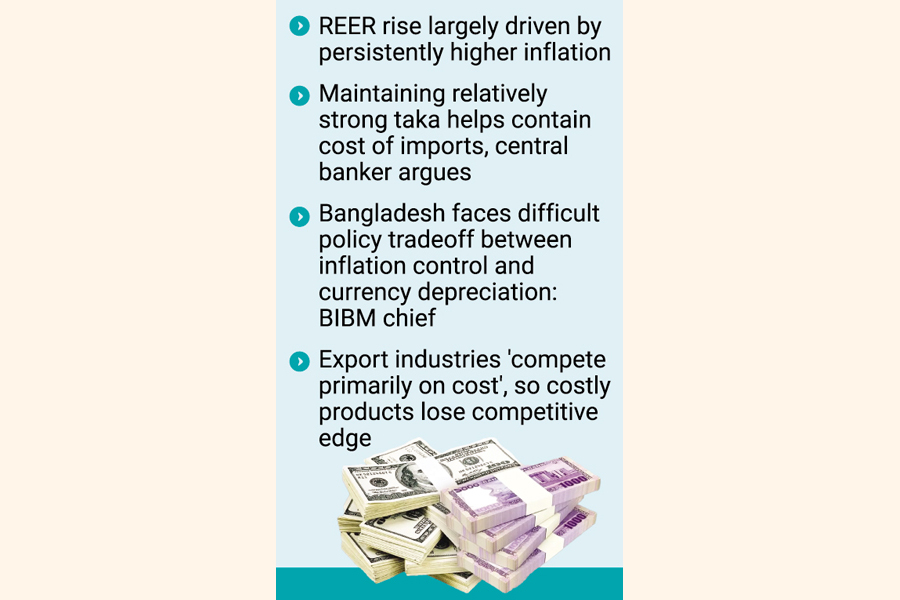
Nor does the dollar rate tell the story. Bangladesh trades with China, India, the European Union, Japan and the United Kingdom. The nominal effective exchange rate (NEER) measures the taka against a weighted basket of trading-partner currencies. The real effective exchange rate (REER) adjusts this measure for relative prices and inflation, offering a better indication of price competitiveness.

If Bangladesh’s prices and production costs rise faster than those of competitors, depreciation’s advantage can erode. Conversely, nominal appreciation need not damage competitiveness as much if domestic costs rise more slowly. Maintaining an artificially strong currency carries risks. When the exchange rate is held below a sustainable level despite market pressure, foreign currency can become scarce, import payments may be disrupted and reserves come under strain.

But allowing the taka to weaken without restraint would be costly. Bangladesh relies on imported fuel, food commodities, raw materials and capital goods. Depreciation can raise domestic prices, erode household purchasing power and increase manufacturers’ costs. It can also make repayments more expensive for businesses with foreign-currency liabilities. With inflation elevated, policymakers cannot treat depreciation as a painless export subsidy.

The Bangladesh Bank’s move to a crawling-peg arrangement in May 2024, followed by greater freedom for banks to negotiate foreign-exchange rates, marked a shift towards a more market-responsive system. The priority should be consistent implementation, transparent price discovery and adequate liquidity, not defending an arbitrary rate.

Exchange-rate policy must work alongside credible monetary and fiscal policies. A weaker taka cannot correct poor export diversification, high logistics costs, energy disruptions or low productivity. Better ports, predictable access to imported inputs, stronger skills and reliable infrastructure can improve competitiveness without imposing the full burden on consumers. The question is not whether the taka should lose value against the dollar. It is whether the exchange rate can adjust to changing conditions without disorderly volatility. Authorities should address market dysfunction while allowing prices to reflect underlying conditions, rather than resisting every depreciation or appreciation.

Bangladesh needs neither a deliberately weak taka nor an artificially strong one. It needs a responsive currency, supported by sound macroeconomic management and structural reform. Export strength will depend less on how many taka buy a dollar than on how efficiently Bangladesh produces, delivers and competes.

The writer is an economic analyst​
 

FDI eludes Bangladesh despite generous baits

Net inflows drop 28pc in six months of 2026

1792366534884.webp


Open-handed tax incentives and other business-boosting budgetary measures have yet to fully satisfy multinational companies (MNCs) operating in Bangladesh in an uninspiring signal for fresh foreign investment in the country.

Investment decisions are often influenced by the experiences of existing investors, particularly their ability to navigate tax regulations, comply with fiscal requirements and operate in a predictable business environment.

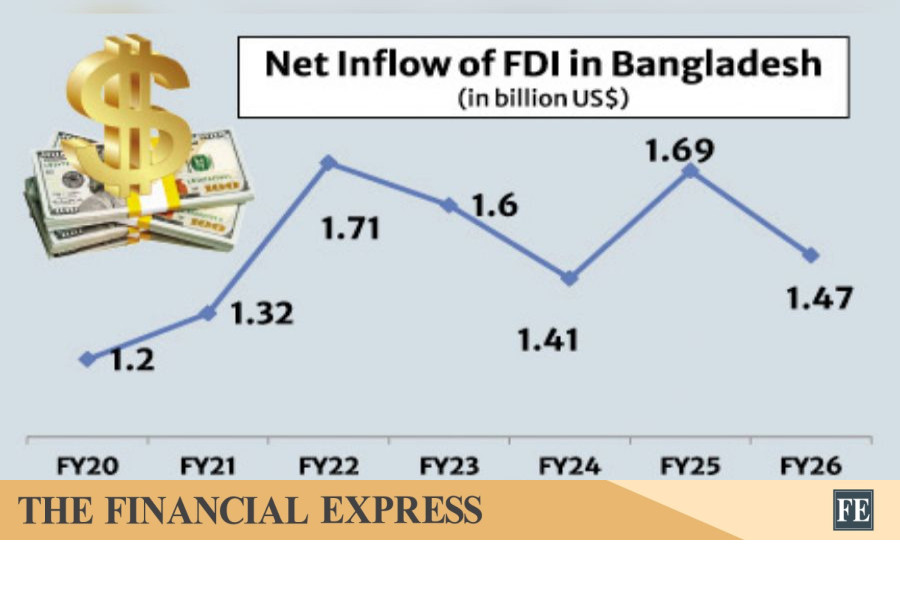
Several key initiatives and reforms to attract foreign direct investment are on in Bangladesh though central-bank data show net inflows faced a 28-percent year-on-year drop during the first half of current calendar year.

To assess the tax-related challenges facing foreign investors, The Financial Express spoke to leaders of foreign investors' chambers, including the Foreign Investors' Chamber of Commerce and Industry (FICCI), the American Chamber of Commerce in Bangladesh (AmCham), the Japan-Bangladesh Chamber of Commerce and Industry (JBCCI), and the Thai Trade Centre, as well as representatives of Unilever, Coca-Cola, LafargeHolcim, Grameenphone and a former Nestlé Bangladesh executive.

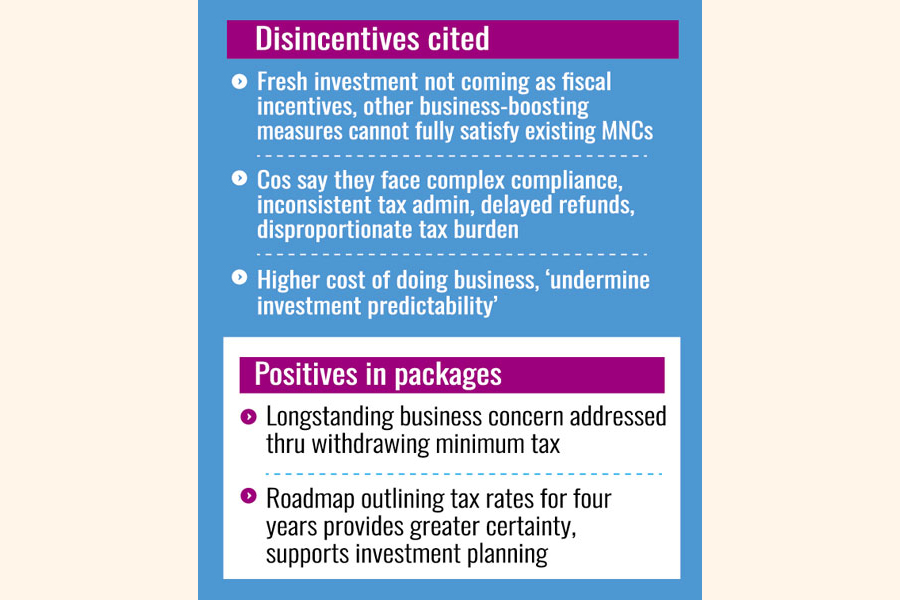
The discussions revealed that, despite some welcome reforms in the latest national budget, including scrapping the minimum tax provision, multinational companies continue to face complex compliance requirements, inconsistent tax administration, delayed refunds and a disproportionate tax burden.

These challenges, they said, increase the cost of doing business and undermine investment predictability.

Tax policy and administration remain important considerations in foreign investors' decisions, particularly when companies assess the long-term viability of investments in a market.

Talking to the FE, FICCI President Rupali Chowdhury said multinational companies in Bangladesh faced several interconnected tax-related challenges, including a disproportionate revenue burden.

"A relatively small number of companies bear a significant share of the country's revenue target," said Ms Chowdhury, the long-serving Managing Director of Berger Paint Bangladesh, who is now serving as director.

As MNCs are generally more tax-compliant than many local competitors, they often operate in an uneven competitive environment, she added.

"Compliant companies are frequently subjected to multiple audits, which appear to focus on extracting additional revenue rather than broadening the tax base."

Revenue and gross profit are sometimes estimated without adequate consideration of actual business conditions or performance, she alleged.

The Finance Act 2026, however, addressed a longstanding business concern by withdrawing the minimum tax requirement, Ms Chowdhury mentioned.

A roadmap outlining tax rates for the next four years also provides greater certainty and supports investment planning.

The increase in the turnover tax rate to 1.0 per cent, however, is burdensome and could hinder business growth, she said, recommending that the rate be reduced in the next budget.

Over the next three quarters, tax policy and administration should focus on broadening the tax base, improving compliance and supporting productive businesses, she added.

Iqbal Chowdhury, vice-president of FICCI and treasurer of EuroCham Bangladesh, said many budgetary changes remained largely theoretical, as field-level tax offices were not fully aware of how to implement them.

The tax authority continued to pursue a "quick-win" approach to generating revenue from compliant taxpayers rather than expanding the tax base, he said.

A former Nestlé Bangladesh Director of legal and regulatory affairs, Debabrata Roy Chowdhury, says the initiative to collect taxes from retail businesses was intended to bring untapped sectors into the tax net.

"However, the burden was falling on companies because the National Board of Revenue (NBR) lacked the distribution capacity needed to collect taxes effectively from retailers," said Mr Roy, who is Managing Partner and Founder of ETHOS 4Si8 advisory.

Recent changes to VAT measures, including the reintroduction of monthly VAT returns, also left corporates confused about the government's intentions, he said.

He has suggested that the NBR conduct proper studies before introducing fiscal measures to ensure they were practical and implementable.

Zinnia Tanzina Huq, chief financial officer and finance director of Unilever Bangladesh, has said the NBR needed to ensure the smooth implementation of tax-collection measures targeting retailers.

She also identified challenges relating to customs valuation, restrictions on deducting legitimate business expenses and VAT-rebate limitations.

Uncertainty over the acceptance of transaction value at the import stage could trigger disputes and make landed costs less predictable, she said. Restrictions on obtaining DTA benefits for dividends and royalties also created administrative difficulties.

Shadab Ahmed Khan, Managing Director of Coca-Cola Bangladesh, pointed to high tax incidence in certain sectors, limited access to double- taxation-avoidance benefits and the need for a predictable tax regime for multinational companies.

Kazuiki Kataoka, country representative of the Japan External Trade Organisation (JETRO) and newly elected president of JBCCI, said the main tax-related challenges facing foreign investors were not limited to tax rates. "Companies are often more concerned about complexity, predictability and consistency in tax administration."

Key concerns included inconsistent interpretation and application of tax rules, frequent regulatory changes, and the administrative burden associated with withholding tax, VAT, customs procedures and documentation requirements.

Transfer pricing, cross-border service payments, and the remittance of royalties and technical fees could create additional complexities for multinational companies, he added.

In a written response to FE queries, the Thai Trade Centre said limited understanding of international accounting standards and global enterprise resource planning (ERP) systems sometimes resulted in tax assessments that did not reflect actual taxable transactions.

Multinational companies maintained high compliance standards at significant administrative costs, it said. "Inconsistent tax enforcement also created an uneven playing field, allowing less-compliant businesses to gain cost and pricing advantages."

Former AmCham president Syed Ershad Ahmed, country manager and MD of Expeditors Bangladesh, has identified complex tax-compliance requirements, multiple layers of taxation, withholding-tax obligations, delayed VAT refunds and inconsistent interpretation of tax regulations as major bottlenecks.

Tanveer Mohammad, Chief Corporate Affairs Officer of Grameenphone, the highest corporate taxpayer every year, has said the narrow tax base placed excessive pressure on compliant taxpayers as the government sought to meet its revenue targets.

"High and sector-specific tax rates also affected competitiveness and long-term investment attractiveness."

However, the GP CCO recommends a phased tax-reduction roadmap for sector-specific rates.

Accounting professional Snehasish Barua, managing partner of Snehasish Mahmud & Co, says foreign investors value predictable, rules-based tax systems.

"Our main challenge today is not just the statutory corporate tax rate, but structural bottlenecks like non-creditable advance taxes, arbitrary deduction caps, and administrative delays that trap working capital."

The government has introduced several constructive reforms in the latest fiscal framework, but their success would depend on whether operational circulars and field offices delivered the intended benefits without bureaucratic friction, he adds.

"For the remainder of this fiscal year, our focus should shift from introducing new laws to perfecting implementation: automated refunds, transparent VAT reconciliation, and a fully integrated National Single Window," he said.

Nahian Rahman, head of the Investment Development Division at Invest Bangladesh (former BIDA), says the authority remains closely engaged with foreign investors and are ready to support them in addressing any operational or policy issues they face in Bangladesh.

Despite these concerns, multinational companies acknowledge that the FY2026-27 budget has introduced several constructive measures to rationalise the tax framework and support the digital economy.

MNCs urged the government to widen the tax net rather than burden compliant businesses to meet ambitious revenue targets.

They called for rationalising sector-specific taxes, digitising tax administration and maintaining regular dialogue with businesses to simplify compliance and create a more predictable, investment-friendly tax regime.

They have described the latest budget as a positive start but said further reforms were needed.​
 

Bangladesh requests $2.0b ADB budget support


1792451412346.webp


Bangladesh has recently placed a request for US$2.0 billion in budgetary support from the Asian Development Bank (ADB) for accelerating switch from expensive imported fossil fuels to renewables.

The funds will be used particularly to accelerate renewable energy development, including rooftop solar power, officials said Monday.

The government has stepped up efforts to reduce dependence on fossil fuels and imported energy and utilise its natural resources for renewable-energy improvements, they added.

The Economic Relations Division (ERD) under the Ministry of Finance (MoF) has recently sent a letter to the Manila-based lender following a request from the Finance Ministry, said a senior ERD official.

"After getting request from the finance division, we sent a letter early this month to the ADB. We are hopeful of getting the budget support from the Manila-based lender," he added.

They are expecting the entire funds in 2-3 annual tranches.

The proposed assistance is expected to support government's renewable-energy-expansion drive, with rooftop solar emerging as a major priority amid persistent pressure on the country's power sector and rising concerns over energy security.

The government seeks to mobilise external financing for a rapid expansion of solar-power capacity and introducing policy reforms to encourage investment in clean energy.

Another ERD official has said if the ADB fails to mobilise the entire $2.0 billion, then other development partners like the Asian Infrastructure Investment Bank (AIIB) could join as co-financers of the initiative.

"We are waiting for response from the ADB. If the lender alone cannot provide the funds, we have to communicate with some other donors to co-finance the budgetary support," he added.

Meanwhile, some government officials have said the ADB has already indicated its willingness to support Bangladesh's renewable-energy initiatives through policy-based lending.

The lender held discussions with officials from the Finance Division, Power Division, Sustainable and Renewable Energy Development Authority (SREDA), Bangladesh Energy Regulatory Commission and Bangladesh Power Development Board in early October on reforms and renewable-energy integration into the national grid.

The government is looking to expand rooftop-solar installations across public buildings, commercial establishments and industrial facilities to increase domestic electricity generation without relying entirely on conventional power plants.

The Power Division has been pursuing an ambitious plan to add up to 4,000 megawatts (MW) of rooftop solar capacity within a year.

The initiative is expected to create opportunities for private investors while helping meet the country's growing electricity demand, the officials said.

Bangladesh's Renewable Energy Policy 2025 sets a target of generating 20 per cent of the country's electricity from renewable sources by 2030 and 30 per cent by 2040.

The National Rooftop Solar Programme is also designed to accelerate solar-power generation through the use of rooftop spaces.

Expanding solar power could help reduce the use of natural gas and imported fuels in electricity generation, ease pressure on foreign-exchange reserves and lower the government's exposure to power-sector subsidies.

The proposed ADB support would come at a time when Bangladesh is seeking to strengthen its energy security while managing fiscal constraints and completing demands for development financing.

Officials will now need to finalise the proposed financing framework and clarify how the funds would be deployed, including the balance between budget support, policy reforms and investment in renewable-energy infrastructure.

The outcome of negotiations will be important in determining how quickly the government can translate its rooftop-solar-power ambitions into additional electricity generation.​
 

Riches buried in our river, seashore sands


1792451722179.webp


That Bangladesh's beach and river sands contain valuable minerals is not a new discovery. What is surprising is that after decades of surveys, research and experimental separation, the country has yet to develop a viable industry. Recently, the Bangladesh Atomic Energy Commission (BAEC) signed agreements with private companies to reassess coastal deposits and their commercial potential. Similar work is underway in northern river basins. So, are we finally going to put these long-known natural resources to productive use? Or will they remain subjects of research papers, seminars and official promises as in the past?

One may recall that the Geological Survey of Pakistan first identified heavy minerals in Cox's Bazar sands in 1961, when Bangladesh was East Pakistan. Between 1967 and 1969, the Pakistan Atomic Energy Commission conducted systematic surveys and mapped prospective areas extending from Cox's Bazar to Badarmokam and on Moheshkhali, Kutubdia and Matarbari islands. In 1975, a pilot separation plant was installed at Cox's Bazar with Australian government assistance. It was to test whether minerals could be separated and marketed economically. Half a century later, that question remains largely unanswered at the industrial level. Notably, BAEC has identified 17 heavy mineral deposits along the coast and nearby islands. An assessment estimated 4.35 million tonnes of heavy minerals, of which 1.76 million tonnes were considered potentially economic. The important minerals include ilmenite, rutile, zircon, magnetite, garnet and monazite, alongside silica-rich quartz sand. The names may sound unfamiliar. But their uses are familiar. Titanium dioxide derived from ilmenite and rutile is used in paints and pigments, while zircon finds its application in ceramics and refractory products. Garnet serves as an abrasive, while silica is basic to glassmaking.

The story does not end with the southern coast. Studies by Bangladesh Council of Scientific and Industrial Research (BCSIR) scientists found valuable heavy minerals in Brahmaputra-Jamuna and Teesta sands. In Gaibandha, experimental extraction from Brahmaputra sand has reportedly begun. Research on Hatiya Island's sands also identified silica and heavy minerals. The sandbars (char lands) that riverbank people see mainly as unstable land may thus have economic significance. Evidently, Bangladesh's mineral wealth may not be confined to a few patches of dark sand along Cox's Bazar beach. But how are we going to exploit those? Consider this. Local paint, ceramic, glass, steel and other manufacturers could substitute some imported raw materials with locally processed minerals. That would save foreign exchange and create processing jobs. Exporting upgraded minerals rather than untreated sand could aid export diversification. Titanium dioxide products, too, hold potential for exports. But the distinction between discovering minerals and producing marketable products is crucial. Research has shown, for example, that the ilmenite found locally may require further upgrading before it can meet industrial specifications.

There is also a strategic aspect. Monazite can contain rare earth elements whose applications extend to advanced electronics, electric vehicles, wind turbines and other green technologies. With global competition over critical minerals intensifying, their presence offers an opportunity. However, a mineral occurring in laboratory samples does not necessarily establish a commercially recoverable reserve. Especially, rare earth separation requires sophisticated technology, substantial investment and careful handling of radioactive constituents associated with monazite. So, there is little reason to indulge in fanciful projections about instant riches. Commercial mineral extraction is capital-intensive. The government should prepare a mineral sands strategy, update resource assessments and feasibility studies, and encourage responsible private investment and technology-sharing joint ventures. At the same time, BAEC, BCSIR and the agencies licensing mining operations should coordinate their work rather than functioning in isolation. The country's mineral sands should be exploited commercially, but not destroying local ecosystems.

For Cox's Bazar, Sonadia and other ecologically sensitive places are not merely deposits of minerals. They are also habitats for wildlife, natural barriers against coastal hazards and sources of livelihood for local communities. Unregulated digging, alteration of dunes and changes to river channels could inflict damage far exceeding the value of minerals recovered. Detailed environmental impact assessments, declaring strict no-mining zones where necessary, rehabilitation obligations and continuous public monitoring must therefore precede any commercial venture. Development that leaves behind ruined beaches and devastated riverbanks would hardly be development worth celebrating.​
 

Bangladesh seeks tailored IMF support as it targets $1 trillion economy by 2034

Finance and Planning Adviser Rashed Al Mahmud Titumir tells FE

1792452252494.webp

Finance and Planning Adviser Rashed Al Mahmud Titumir

Bangladesh is seeking financing arrangements with the International Monetary Fund (IMF) and other development partners that accommodate its economic recovery priorities, including banking sector rehabilitation, energy security, tax reforms and private investment, while resisting a uniform set of reform prescriptions that the government says may not suit the country's circumstances.

Finance and Planning Adviser Dr Rashed Al Mahmud Titumir said the government had presented its reform agenda during discussions on the sidelines of the IMF-World Bank annual meetings in Bangkok, arguing that the country's economic vulnerabilities, the external energy shock and its impending graduation from least developed country (LDC) status required a tailored approach to development financing.

The government is pursuing a five-year strategic framework, from fragility to prosperity, with a three-stage recovery plan aimed at stabilising the economy, restoring economic momentum and accelerating reconstruction and growth to build a $1 trillion economy by 2034. At the same time, it is negotiating with multilateral lenders over financing and reform priorities, with technical discussions expected to continue before formal approvals and initial disbursements targeted around December.

In an interview with The Financial Express in Bangkok, Dr Titumir outlined the government's plans to address weaknesses in the banking system, raise the tax-to-GDP ratio from below 7 per cent to 10 per cent over five years, separate revenue policy-making from tax collection, and increase private sector credit to revive investment and employment.

He also defended the government's decision to cushion consumers from the recent surge in imported energy costs, discussed social protection programmes intended to mitigate inflation, and said the administration wanted development partners to support its electoral commitments rather than impose a standardised reform model.

"The 'one size fits all' approach does not apply here," he said, arguing that the government's reform priorities reflected the specific conditions inherited by the country and the mandate of an elected administration.

Tailored reforms in IMF discussions

Dr Titumir said Bangladesh had explained three principal factors behind its demand for a country-specific approach to financing and economic reforms.

These were the damage to the economy and banking system from past financial irregularities, the additional pressure from the global energy crisis, and the challenges associated with the country's impending graduation from LDC status.

He said the government wanted to retain ownership of its reform programme while working with the IMF, the World Bank and other development partners.

"It is globally accepted that the IMF toolkit is uniform. But 'one size fits all' does not apply here -- this is a major departure," he said.

"Our reform ownership belongs to an elected, democratic government. We presented our three unique realities, and multilateral partners agreed to support our specific priorities."

The adviser said the government was continuing technical discussions to fine-tune the proposed arrangements. Formal approvals by the relevant lending institutions' boards and initial disbursements were expected around December, although the timing would depend on the completion of the necessary processes.

Bangladesh is also seeking a larger share of concessional financing under the forthcoming replenishment of the International Development Association (IDA), the World Bank's concessional lending arm.

Dr Titumir said the success of the meetings should not be judged merely by the discussions held in Bangkok.

"Success will not be measured by the conference itself, but when our electoral promises are fulfilled and public lives improve," he said.

$40 billion banking-sector recovery bill

The banking sector remains one of the government's most pressing economic challenges, according to the adviser, who said the damage accumulated over previous years had created a substantial burden on the economy.

He estimated that a conservative calculation of the resources required to recover from the banking system's disorder amounted to around $40 billion.

"If we make a very conservative calculation to recover from the chaotic situation created in the banking system, $40 billion will be required," he said.

He linked the banking sector's weaknesses to the broader economic slowdown, pointing to factory closures, job losses and the absence of sufficient new employment opportunities.

"Factories have shut down, no new employment was created, and many lost jobs," he said, adding that prolonged inflation had further intensified pressure on households.

The government has moved to consolidate five weak banks into Sammilito Islamic Bank, which Dr Titumir described as the country's largest state-owned bank by paid-up capital.

He said the restructuring was intended to restore confidence in the financial system and enable depositors to regain access to their savings. Depositors began being allowed to withdraw money from September 1 under a schedule that also incorporates reductions in the amounts recoverable by some depositors.

The scale of the estimated $40 billion recovery requirement, however, highlights the financial challenge facing the government as it seeks to restore confidence, revive lending and strengthen the banking system without placing excessive pressure on public finances.

Private credit targeted at Tk 800 billion to Tk 1,000 billion

Dr Titumir said weak private sector credit growth was inconsistent with the government's ambition to restore economic momentum.

He said the government wanted private sector credit flows to increase substantially, reaching between Tk 800 billion and Tk 1,000 billion by December.

"A 5 per cent credit growth can never be a target for any country," he said.

The government has also prepared a Tk 600 billion stimulus package and made adjustments to fiscal and monetary policies, he added.

Dr Titumir expressed the expectation that Bangladesh Bank, which he described as an autonomous institution, would lower interest rates to support economic recovery.

"In fragile economies, reducing interest rates can drive recovery despite inflation," he said.

The policy challenge is to stimulate private investment and employment while containing inflationary pressures. Lower borrowing costs could support business activity, but the effectiveness of such a move would depend on inflation trends, financial-sector stability and the availability of credit to productive businesses.

The adviser also pointed to growing foreign investor interest, including US interest in offshore energy blocks, development of the Matarbari energy hub, and commitments from China and South Korea.

Energy shock adds to economic pressure

The adviser said Bangladesh's economic difficulties had been aggravated by the energy crisis associated with the conflict in the Middle East, which has increased the cost of importing fuel and other energy supplies.

He said additional energy import costs had reached $4.12 billion over the preceding eight months under conservative estimates.

According to Dr Titumir, the pressure reflected both the external shock and the country's long-standing dependence on imported energy, alongside insufficient domestic gas exploration.

He said the government had chosen not to pass sudden increases in the cost of oil, gas and electricity directly on to consumers, seeking to protect low-income households from further financial pressure.

The decision to cushion consumers, however, places additional demands on public finances at a time when the government is also seeking resources to rehabilitate banks, revive industrial activity and expand social protection.

The adviser said the government's recovery framework was designed to address these interconnected challenges rather than treat them as isolated problems.

Three-stage strategy targets $1 trillion economy

Dr Titumir said the government's five-year strategic framework, titled From Fragility to Prosperity, would guide the transition from economic stabilisation to faster growth.

The strategy, known as the "3R" framework, has three stages: recovery and stabilisation, restoration of economic momentum, and rapid reconstruction and growth. The ultimate goal is to build a $1 trillion economy by 2034.

He said the framework had received support from the leadership of the World Bank, the IMF, the Asian Development Bank and the Islamic Development Bank.

The economic programme is also linked to the government's stated vision of building a democratic and humane welfare state under the principle of "Bangladesh for All".

Dr Titumir said the government intended to increase allocations for health and education progressively towards 5 per cent of gross domestic product.

The proposed shift would require sustained revenue growth, improved public expenditure management and greater investment in human development, alongside the restoration of private investment and employment.

Tax reforms aim to raise tax-to-GDP ratio to 10 per cent

Improving domestic revenue mobilisation is another central element of the government's discussions with development partners.

Dr Titumir criticised the legacy of a tax system that, he said, had been shaped by oligarchic interests and had failed to generate sufficient revenue for public investment and social services.

He described Bangladesh's tax-to-GDP ratio of below 7 per cent as "shameful".

The government has set a target of increasing the ratio to 10 per cent over the next five years, covering value-added tax, income tax and customs revenue.

Dr Titumir said administrative adjustments had already helped revenue collection grow by 13 per cent between mid-February and June 30.

He said the government was also preparing a major institutional reform of the National Board of Revenue (NBR), aimed at separating revenue policy-making from revenue collection.

A consensus committee had consulted stakeholders, business associations and other interested groups before preparing draft recommendations, he said.

"A consensus committee, of which I was a member, conducted broad consultations with all stakeholders and associations so that everyone owns the institutional reform," he said.

"The draft recommendations for splitting revenue policy and revenue collection are currently in process, and an executive order will be issued shortly."

The proposed separation is intended to address structural weaknesses in the revenue administration and improve the institutional basis for tax reform.

The challenge will be to translate the planned reorganisation into sustained revenue growth, broader tax compliance and a more predictable tax environment for businesses.

Raising the tax-to-GDP ratio would also give the government greater scope to finance infrastructure, health, education and social protection while reducing its reliance on borrowing and external assistance.

Family Card and Farmer's Card to protect vulnerable households

Dr Titumir said the government had introduced social protection initiatives to mitigate the effects of inflation and support vulnerable households.

The Family Card and Farmer's Card programmes are among the administration's flagship measures.

He said the government approved a waiver of farmers' loans at its first cabinet meeting and launched the Family Card within 23 days of taking office.

According to the adviser, independent research institutions had projected that the Family Card programme alone could reduce poverty by five percentage points over five years.

"Both the World Bank and the IMF acknowledged that our Family Card and Farmer's Card programmes will play a major role in controlling the impact of inflation," he said.

He added that the government viewed social protection as an integral part of economic recovery, rather than a separate welfare measure.

The initiatives are intended to provide relief to vulnerable groups as the government seeks to stabilise prices, revive employment and protect household purchasing power.

Dr Titumir said nearly eight million people had been pushed below the poverty line before the election, according to estimates available at the time.

He argued that the economic recovery programme therefore had to deliver tangible improvements in living standards alongside macroeconomic stabilisation and institutional reform.

LDC graduation and concessional financing

The adviser said Bangladesh's impending graduation from least developed country status was another factor shaping its approach to development financing.

Graduation will bring changes to the country's international trade and development environment, making it important to strengthen competitiveness, expand investment and improve the capacity to finance development from domestic resources.

Dr Titumir said Bangladesh had raised this concern in its discussions with multilateral partners and was seeking greater access to concessional resources, including through the next IDA replenishment.

He maintained that financing terms and reform priorities should reflect the country's transition challenges, its economic vulnerabilities and its development objectives.​
 

Enabling inflow of fresh FDI


1792537720446.webp


For an economy struggling to stimulate private investment and generate employment, the persistent failure to attract foreign direct investment (FDI) is indeed troubling. And that is despite the generous fiscal incentives and tax holidays being offered to foreign investors. According to the latest Bangladesh Bank (BB) figures, net FDI inflows during the first half of 2026 dropped by about 28 per cent to USD794 million from over USD1.1 billion in the corresponding period last year. More concerning is the fall in fresh equity capital from USD345 million to just USD156 million. Meanwhile, reinvested earnings of multinational companies (MNCs) increased markedly.

Admittedly, their retaining profits is a positive sign. But reinvestment reflected in company accounts should not be confused with new capital being brought from abroad to set up industries or expand businesses. Evidently, potential investors are taking a wait-and-see approach. So, what is holding them back? In fact, foreign investors, who have the option of choosing among competing destinations, look beyond the tax concessions on offer. They also take into cognizance the chronic shortages of gas and electricity, inadequate logistics and port facilities, rising production costs and the bureaucratic hassles involved in obtaining permissions. In addition, there are macroeconomic challenges such as high inflation, volatility in the exchange rate regime and uncertainties arising from global trade disputes and geopolitical tensions. Understandably, investors are reluctant to undertake long-term projects under such conditions. Worse still, the country's financial sector, already weakened by massive non-performing loans (NPLs), poor governance and shortages of credit for productive industries, hardly inspires confidence. The NPL ratio, reportedly, reached 33.2 per cent last June. And international credit-rating agencies' adverse assessments of Bangladesh's sovereign risk do not help matters either. Clearly, fiscal baits cannot compensate for such structural weaknesses in an economy.

However, what is particularly disconcerting is that the government is failing to make the best of the reforms it has already introduced. According to the foreign investors' chambers, as reported in last Monday's exclusive carried by this paper, NBR's field-level officials often interpret tax regulations differently or are insufficiently informed of the changes made at the policy level. The outcome is procedural complexity, uncertain assessments, delayed refunds and sometimes multiple audits of compliant companies. But the revenue authority, rather than widening the tax net, appears more inclined to squeeze additional revenue from those who already pay taxes. In this connection, the Finance Act 2026's withdrawal of the minimum tax provision and announcement of a roadmap for tax rates deserve appreciation. But the increase in turnover tax to 1.0 per cent and reintroduction of monthly VAT returns have raised fresh concerns among businesses. Worse yet, limited understanding of international accounting standards and multinational companies' enterprise resource planning systems often leads to assessments divorced from actual transactions. Can an investor plan confidently when the rules are applied so unpredictably?

In that case, the government's task is not simply to announce another package of tax holidays or hold investment promotion events. It needs to restore discipline in the banking sector, ensure dependable energy supply, upgrade infrastructure and remove layers of official approval. Equally urgent is reforming the tax administration through digitisation, automated refunds, consistent interpretation of regulations and rationalisation of sector-specific taxes. The operational circulars issued on fiscal reforms must reach the field offices and be followed in letter and spirit, not stymied by bureaucratic sloth. In a similar vein, dialogue with foreign investors and domestic businesses should help identify and settle issues before they turn into disputes. Perhaps, the experiences of those already operating here generate the most credible publicity for the country's investment climate. Therefore, until the government translates its declared investor-friendly policies into a predictable and workable business environment, generous incentives alone will not bring the much-needed fresh foreign capital.​
 

Bangladeshis spending nearly four times abroad what foreigners spend here using cards


1792626605162.webp


Bangladeshis continue to spend significantly more using cards abroad than foreign nationals spend within Bangladesh, with outbound card transactions outpacing inbound spending by nearly fourfold, according to the latest central bank data.

In August, transactions made by Bangladeshis using cards abroad reached approximately Tk 987 crore, a slight increase from Tk 985 crore in July. In contrast, foreign nationals spent about Tk 249 crore using cards inside Bangladesh in August, reflecting a 6.27 percent increase from Tk 234 crore the previous month.

The wide gap between the two figures highlights the growing scale of international card-based expenditures by domestic users.

According to Bangladesh Bank data, outbound expenditures in August comprised Tk 504.60 crore through credit cards, Tk 422.10 crore via debit cards, and Tk 60.10 crore using prepaid cards.

When using credit cards abroad, the United States remained the top destination for Bangladeshis, accounting for 17.16 percent of total foreign credit card transactions. The US was followed by Thailand, the United Kingdom, India, and Singapore.

For debit cards, the UK topped the list with 14.19 percent of total transactions, while India accounted for the highest share of prepaid card usage at 18.71 percent.

Domestic Credit Card Spending Dips:

While spending abroad increased, domestic credit card transactions within the country experienced a decline. Domestic transactions dropped by 5.44 percent, falling from Tk 4,324.80 crore in July to Tk 4,089.30 crore in August.

Department stores accounted for the largest share of domestic credit card transactions at 48.14 percent. This was followed by retail outlets at 12.67 percent, utility bill payments at 10.80 percent, pharmacies and drug stores at 6.94 percent, and cash withdrawals at 6.43 percent.

Despite the overall dip in domestic credit card turnover, spending in specific categories saw growth; transactions at retail outlets rose from Tk 477.90 crore to Tk 518.30 crore, alongside increases in utility payments, pharmaceuticals, clothing, and transportation sectors.

Data from the central bank reveals a substantial surge in plastic money adoption over the past five years. At the end of September 2021, the country had 2.42 crore debit cards, 17.63 lakh credit cards, and 10.27 lakh prepaid cards.

By August 2026, those numbers expanded to roughly 4 crore debit cards, 28.05 lakh credit cards, and 92.71 lakh prepaid cards. Overall, the total number of cards surged by 96 percent over five years, while transaction volumes grew by 103 percent, with prepaid cards witnessing the fastest growth rate.

By the end of August, the total approved credit limit against credit cards stood at Tk 43,108 crore, with outstanding loans amounting to Tk 14,482 crore.

Commenting on the trends, Bangladesh Bank Executive Director and Spokesperson Arif Hossain Khan told the press that the central bank has been implementing various initiatives to discourage cash transactions and promote digital payments. Alongside card usage, ongoing efforts include expanding interoperable digital payment methods such as the Bangla QR code system.​
 

Money supply beating output growth pace fuels inflation
WB finds broad money circulation in economy double in a year to last May, adding fuel to inflation flames


1792711337791.webp


Money supply outpacing production growth in the economy ignites inflation in Bangladesh as government borrowing creates liquidity splurge while private-sector-credit flow slows amid production deceleration.

Such is the latest evaluation of the country's macroeconomic main features by the World Bank, as inflationary pressures remain waywardly high, pushed by broad money supply in excess.

The monetary expansion is becoming more closely associated with the inflationary pressures following the increased supply of broad money, it says.

Broad money, encapsulated M2, growth accelerated from 6.5 per cent in June 2025 to 12.4 per cent in May 2026, while inflation remained elevated through FY2025-26, the latest World Bank (WB) report on Bangladesh has said.

The development financier has predicted that the link (between broad money and inflation) may be strengthening, as monetary expansion increasingly coincides with persistent price pressures.

Broad money or M2 consists of M1 or all currency plus checkable deposits plus small-time and-savings deposits.

It is believed that if the total money supply grows faster than the actual production of goods and services, inflation goes up.

The Bank report says the recent trend suggests that monetary expansion may be contributing more directly to price pressures than in previous years, when the relationship between money-supply growth and inflation was "less pronounced", the report reads.

The moderation in money-supply growth in earlier periods was partly driven by substantial foreign-exchange sales by Bangladesh Bank (BB).

Recent developments, however, point to a shift in the relationship between liquidity and prices.

Understanding the change requires examining the composition of broad- money expansion.

Growth in M2 has been driven by increases in both net domestic assets (NDA) and net foreign assets (NFA), according to the World Bank.

On the domestic front, the expansion was concentrated in public-sector borrowing, which grew more than 20 per cent.

"Much of the borrowing financed current expenditure, including subsidies and interest payments, rather than productive investment."

At the same time, private-sector credit growth fell to a multi-decade low, limiting the flow of funds into businesses and constraining economic activity.

On the external side, rising remittance inflows and associated foreign- exchange purchases by the central bank provided an additional source of monetary stimulus.

Consequently, monetary expansion became increasingly detached from productive activity, contributing relatively little to real gross domestic product (GDP) growth.

In earlier periods, money-supply growth was supported by investment capable of expanding production as the private-sector credit growth that period was good.

But the recent increases in M2 have largely reflected fiscal deficits and central bank operations.

With structural bottlenecks constraining output, additional liquidity has increasingly fed into price pressures rather than generating a commensurate increase in production. The relationship between money-supply growth and inflation has also evolved over time.

During FY2017-FY2021, the two variables showed little consistent association.

In FY2022-FY2025, however, inflation surged above 9.0 per cent and remained persistently elevated, even as M2 growth moderated.

The World Bank has attributed much of the inflation surge, however, to supply-side shocks, particularly sharp increases in fuel prices and a significant depreciation of the local currency.​
 

Govt moves to ease capital repatriation to boost investor confidence


1792712527248.webp


The government has planned to introduce a 30-day deadline for processing applications to repatriate profits from lawful foreign investments, alongside a series of financial reforms aimed at reducing business costs and strengthening investor confidence.

The proposed measures, outlined in a budget document, seek to address administrative bottlenecks affecting foreign investors while making banking services, foreign trade transactions and access to financing more efficient.

The document says coordination among banking verification, tax-related documents and approval processes will be strengthened to ensure timely processing of profit repatriation applications.

The government has also simplified the repatriation and reinvestment of proceeds from shares or securities purchased through a Non-Resident Investors’ Taka Account (NITA).

The requirement for an auditor’s certificate has been withdrawn, allowing such proceeds to be credited directly to the relevant NITA. This will enable repatriation and reinvestment within one working day and reduce compliance costs.

Share transfers and capital repatriation involving unlisted companies will also become easier. No valuation report will be required for transactions worth up to Tk 10 million (Tk 1 crore), while repatriation of transaction proceeds of up to Tk 1.0 billion (Tk 100 crore) will be allowed without prior approval from Bangladesh Bank.

For larger transactions, licensed valuation firms will be introduced to ensure more neutral and acceptable share valuations.

The government is also considering a certification board comprising representatives from Bangladesh Bank, the Bangladesh Investment Development Authority (BIDA), the Bangladesh Securities and Exchange Commission (BSEC), the National Board of Revenue and the private sector.

Acceptance of reports from approved valuation firms could reduce repeated verification and delays in capital repatriation.

To cut the time and cost of foreign trade, the government will consider gradually relaxing the mandatory use of letters of credit for reliable importers and low-risk goods. The use of Documents against Payment (D/P) and Telegraphic Transfer (TT) will be expanded where appropriate.

Companies registered in Bangladesh will also be able to obtain loans in taka against foreign bank guarantees or Standby Letters of Credit (SBLC), regardless of their ownership or control structure, subject to applicable rules.

The requirement for separate prior approval for each loan from an Offshore Banking Unit (OBU) will be reviewed. However, existing provisions on Credit Information Bureau reporting, single-borrower limits, loan classification and provisioning will remain in force.

The approval process for renting, leasing, renewing and relocating bank branches and business centres has also been simplified. Within prescribed region-wise rent ceilings, banks may take such decisions with approval from their boards of directors.

The government has further simplified the process of obtaining a Sukuk Investor ID (SIID) for investment in government Sukuk by determining the required application forms, documents and fee structures.

To expand digital financial services, Real Time Gross Settlement (RTGS) will be made more effective, with faster payment and settlement arrangements among banks, mobile financial service providers and other payment platforms.

The document says the introduction of digital small loans, or e-Loans, has been permitted. Loans of up to Tk 500,000 (Tk 5 lakh) may be provided for 12 months through a fully digital process to improve access to credit and reduce customers’ time and operational costs.

Pre-suit mediation has also been encouraged for recovering defaulted loans to reduce court-related delays and expenses and improve recovery efficiency.

The government has relaxed lending rules for environment-friendly vehicles and personal financing.

The maximum auto loan for electric and hybrid vehicles has been increased from Tk 6.0 million (Tk 60 lakh) to Tk 8.0 million (Tk 80 lakh), while the debt-equity ratio has been raised from 60:40 to 80:20.

The ceiling for unsecured personal loans has been doubled from Tk 500,000 (Tk 5 lakh) to Tk 1.0 million (Tk 10 lakh), while secured personal loans may now be provided up to Tk 4.0 million (Tk 40 lakh).

Credit card limits have also been increased. The maximum limit for unsecured credit cards has risen from Tk 1.0 million (Tk 10 lakh) to Tk 2.0 million (Tk 20 lakh), while the limit against securities has increased from Tk 2.0 million (Tk 20 lakh) to Tk 4.0 million (Tk 40 lakh).

Banks may introduce new credit cards with approval from their boards of directors without obtaining prior approval from Bangladesh Bank.

The document says the measures are intended to reduce administrative complexity and costs across investment, foreign trade, banking and lending, while strengthening investor confidence, financial inclusion and the growth of the digital economy.​
 

Muted optimism about FDI

The world is passing through a dangerous time as conflicts in different regions have intensified. Besides, the prolonged Iran war launched by the United States (US) and Israel has turned the Middle East into a region of violent clashes, human casualties, and civil destruction. The global energy market has become volatile, supply chains have been disrupted, and shipping costs have increased. As a result, uncertainty in international trade has increased, putting economies like Bangladesh in serious trouble. There is already apprehension that further intensification of conflicts may lead to a Third World War. Many argue that Donald Trump's trade and foreign policies are spreading conflict and global uncertainty.

Against this backdrop, the three-day World Investment Forum 2026 is set to begin today in Doha, Qatar's capital. It is the 9th edition of the forum, organised by the United Nations Trade and Development (UNCTAD) to review the global investment situation and explore the future path in a world marked by geopolitical shifts, financial tightening, climate risks and rapid technological change. In the three-day gathering, 'policy, capital and enterprise' will meet to 'shape the next generation of sustainable, resilient and inclusive investment.' The forum's core theme is 'investing in the future', meaning attracting investment in tomorrow's industries that span from digital technologies to clean energy.

When the global investment forum explores future sectors and destinations for FDI, Bangladesh is struggling to improve its investment climate to attract foreign investment the inflow of which lately has become thin. The declining curve of FDI has become a major concern. Net FDI inflows dropped 13 per cent in the last fiscal year (FY26), according to the latest statistics available with the Bangladesh Bank.

Net FDI inflow fell to $1.47 billion in FY26, down from $1.69 billion in the previous fiscal year (FY25). Thus, net FDI inflow declined again after a 20 per cent surge in FY25. Earlier, in FY24, net FDI inflows declined by around 12 per cent to $1.41 billion from $1.60 billion in FY23.

Bangladesh Bank statistics also showed that last fiscal year, only $365.14 million came as equity capital or fresh foreign direct investment, whereas it was $ 554.77 million in FY25. In FY26, $ 1,026 million came as reinvested earnings by existing multinational entities in Bangladesh, up from $758.11 million in FY25. Only $85.88 million was injected into the net FDI portfolio as intra-company loans in FY26, down from $386 million.

Both domestic and existing foreign investors have already expressed their concerns regarding the poor investment climate and urged the government to take necessary steps to improve it. The investment climate generally refers to the socio-economic and political landscape of a country or region that affects investment attractiveness. Acknowledging the investment gap, the government has already initiated several measures to reduce the cost of doing business.

Two months ago, the government formally launched Invest Bangladesh, Bangladesh's apex investment promotion agency under the Prime Minister's Office. The new entity was created by merging the Bangladesh Investment Development Authority (BIDA), the Bangladesh Economic Zones Authority (BEZA), and the Public-Private Partnership Authority (PPPA). The new agency also operates BanglaBiz, the country's single digital platform for investment services. Investors are expected to access business licences and permits online through the digital platform on a time-bound basis.

More than a decade ago, UNCTAD prepared and published Bangladesh's Investment Policy Review (IPR). The document outlined recommendations to improve the investment climate and attract FDI. Last year, BIDA requested the UN agency to assess the implementation of the IPR recommendations. In response, UNCTAD prepared a report on the implementation of the country's investment policy review. It was unveiled in June last year, and the country's graduation from the Least Developed Country (LDC) category also received attention.

The report's core findings showed that since the IPR's release in 2013, the country has advanced in many areas by improving relevant rules, reducing regulatory complexity, and streamlining procedures to improve the investment climate. For instance, BIDA was created in 2016 by merging the Board of Investment (BoI) and the Privatisation Commission. It also introduced a one-stop service to facilitate investors. Regulatory and institutional reforms were also implemented over the last decade, including labour, taxation, and intellectual property.

Nevertheless, the report pointed out several challenges that continue to limit the country's ability to capitalise on its investment potential fully. UNCTAD thus stressed that the investment-specific legal and institutional framework needs further strengthening. In this connection, it noted a lack of coordination and coherence in formulating and implementing investment, industrial, and trade policies. It also outlines other aspects of the investment environment that still require strengthening. Land-related complexity is underscored there. The UNCTAD report further noted that infrastructure development still requires more integrated planning and stronger institutions.

To improve the investment climate, the report set five priorities for Bangladesh, most of which were also recommended in 2013. The country now needs a national investment policy and a consolidated investment law. Strengthening investment promotion and facilitation activities is essential. It is necessary to focus targeted measures on priority sectors. To mitigate the impact of the erosion of LDC status, engagement with key investment and trade partners needs to be accelerated. Finally, addressing critical investment bottlenecks by improving access to land and infrastructure is essential.

In fact, the barriers to improving the investment climate are well known to all. Although the UN agency does not explicitly mention the deterioration of civic law and order, it is a key barrier to making the investment climate favourable. The business community expected that once an elected government assumed power, the situation would improve gradually. Eight months have already passed since the BNP government assumed power, and concerns about law and order are increasing. Corruption and irregularities on various fronts have also not subsided. These factors are weakening the implementation of policies aimed at creating pro-business environment. A few existing foreign investors have also hinted at winding up their commercial operations. Coupled with the energy crisis and poor governance, it is difficult to be optimistic about attracting more FDI in the coming days.​
 

Bangladesh's four man-made traps
Together they generate the fifth, the poverty trap


1792883509675.webp

Labourers unload coal from a ship at a riverbank in Dhaka, Bangladesh, on April 30, 2023. Acute poverty forces millions of people in the country to go for low-paid hard work —Xinhua Photo

Bangladesh's economy has long been constrained by four man-made, mutually reinforcing traps: political confrontation, corruption, extortion, and capital flight. Together they generate the fifth or the poverty trap, which in turn sustains the other four. These are not isolated problems but interconnected forces operating within a single matrix. Governments change, development plans multiply, and reform promises are renewed, yet the underlying mechanisms persist.

HOW THE FOUR TRAPS REINFORCE ONE ANOTHER: Political confrontation is the first trap. Democracy requires disagreement and accountability, but rivalry becomes economically destructive when it degenerates into institutional paralysis, intimidation, and retaliation. Political disruptions interrupt transportation, supply chains, and commercial activity, imposing costs on businesses and wage earners. During the hartals and blockades of late October to November 2023, the president of the Federation of Bangladesh Chambers of Commerce and Industry (FBCCI) put the economy's losses at Tk 65 billion per day. The estimate of the business-association has not been independently verified. Businesses postpone investment, policymakers prioritise political survival, and public institutions lose their independence. That uncertainty is the environment in which the other three traps flourish.

Corruption, the second trap, arises from collusion between bureaucrats and politicians, a nexus I have elsewhere termed "bureaupolitigraft," a portmanteau that gives this phenomenon its more precise name: the bureaupolitigraft trap. It converts public authority into private enrichment. Contracts, licenses, loans, and approvals become instruments of favouritism rather than efficiency. Politically connected borrowers secure credit while productive enterprises struggle for financing, and when loans go unpaid, the costs fall on depositors, taxpayers, and the wider economy. According to the World Bank's October 2026 Bangladesh Development Update, non-performing loans reached 33.2 per cent of total loans in June 2026, while private-sector credit growth fell to 4.5 per cent, its lowest level in 33 years. Meanwhile, unsecured liquidity support from Bangladesh Bank to weak banks reached Tk 760 billion, exposing public resources to the consequences of reckless lending. Credit misallocated or lost cannot finance new enterprises, and enterprises deprived of financing cannot create jobs.

Extortion, the third trap, carries institutional abuse into everyday transactions. From highways and transport terminals to markets and footpaths, unauthorized payments raise production, transportation, and distribution costs. Transparency International Bangladesh (TIB) estimated that private buses and minibuses alone pay approximately Tk 10.59 billion annually. The Bangladesh Hawkers Federation has claimed that Dhaka's footpath vendors pay roughly Tk 30 billion annually, although that figure is not independently audited. These payments operate as an unofficial tax with no public accountability and no public benefit. Businesses pass part of the cost to consumers, small enterprises absorb the rest through lower earnings and investment, and the poor bear the heaviest burden.

Capital flight, the fourth trap, is the exit route for illicit wealth. Global Financial Integrity (GFI) estimated approximately $68 billion in trade misinvoicing involving Bangladesh between 2013 and 2022, and a 2024 government-appointed white paper committee estimated annual trade-related outflows at approximately $16 billion. These estimates rest on different indirect methods and should not be read as precise measurements. The World Bank reports that net foreign direct investment (FDI) in FY2026 fell 15 percent to about $1.5 billion, only 0.3 per cent of GDP. Estimated annual trade-related outflows of about $16 billion and net FDI of about $1.5 billion are not directly comparable, since one is a gross estimate and the other a net flow. The gap in their scale nonetheless illustrates Bangladesh's capital-retention problem. Resources that could finance domestic investment and employment leave the economy instead.

POVERTY IS THE FIFTH TRAP: The economic consequences of the four traps ultimately converge on households. Corruption and capital flight shrink the supply of productive credit and investment, so fewer jobs are created. Extortion raises the cost of doing business and daily living. Political confrontation weakens the institutions that might protect either. The result is that income growth slows and economic mobility stalls.

Poverty then feeds back into the traps. A household with no savings, secure employment, or effective legal recourse cannot easily refuse an extortion payment when the alternative is losing its stall or livelihood. Dependence on local patronage for services and employment weakens its bargaining power and makes political manipulation easier. The reported payments by footpath vendors show the cost side of this loop: those least able to absorb the payments are the ones asked to make them, and each payment leaves them poorer and less able to refuse the next. Children from disadvantaged households also face barriers to education, health care, and productive employment, allowing vulnerability to persist across generations. Poverty is therefore both an outcome of the first four traps and a condition that helps preserve them.

Bangladesh's experience also reveals a troubling divergence between economic growth and poverty reduction. According to the World Bank, the poverty-reducing effectiveness of growth began weakening after 2016, as productive employment stagnated and the benefits of expansion became increasingly unequal. The four traps help explain why economic growth, even when sustained, may fail to translate proportionately into employment, household security, and lasting reductions in poverty.

The World Bank estimated that approximately 62 million Bangladeshis were vulnerable to falling into poverty in 2022. This enormous reservoir of economic insecurity illustrates why escaping poverty does not necessarily mean escaping the poverty trap. Households without adequate savings, secure employment, or protection against economic shocks remain vulnerable to the institutional failures that the four traps perpetuate.

The fragility of progress is evident in the World Bank's October 2026 assessment, which estimated that approximately 2.1 million additional Bangladeshis fell into poverty during FY2026. The traps are not the only possible cause of that increase. Nevertheless, a banking system with a 33.2 per cent NPL ratio, exceptionally weak private-sector credit growth, and foreign investment of just 0.3 per cent of GDP provides little foundation for sustained employment expansion. For households with limited savings and insecure earnings, each economic shock increases vulnerability and makes escape from the poverty trap more difficult.

BREAKING THE INTERLOCKING MATRIX: Because the traps are interconnected, isolated reforms are unlikely to produce lasting results. Recapitalising troubled banks without confronting politically connected lending may restore liquidity without accountability. Campaigns against extortion provide temporary relief when the networks responsible remain politically protected. Measures against capital flight require credible financial supervision, transparent trade transactions, and effective enforcement.

The most immediate opportunities lie where these destructive forces intersect. Strengthening banking supervision, resolving failed institutions, recovering misappropriated assets, and scrutinising suspicious trade transactions would weaken the connection between corruption and capital flight. Transparent fee schedules, accountable local administration, and protection against coercive payments would help transport operators, traders, and small entrepreneurs.

Breaking the poverty feedback loop requires complementary measures, designed so that the traps cannot capture them. Social protection delivered through local patronage networks would deepen the dependence it is meant to relieve, so benefits should reach households through direct transfers under published, rules-based eligibility rather than discretionary local channels. The same discipline applies to credit. Lending to small businesses and vulnerable households must not repeat the politically directed allocation that produced today's NPLs, which means transparent criteria, independent appraisal, and public reporting of who receives it. Affordable legal recourse would complete the set, giving households a way to resist coercive payments without relying on a patron. Together these measures would reduce the dependence of vulnerable households and small businesses on political patrons and extortion networks, while improving their prospects for economic mobility.

The most difficult challenge remains political confrontation. Without agreement among competing political forces to protect the independence of the judiciary, central bank, anti-corruption institutions, and regulatory authorities, reforms risk becoming instruments of partisan advantage. Institutional accountability must survive electoral transitions rather than depend on whichever party controls the government.

Bangladesh's transition toward higher-income status requires more than economic growth or changes in political leadership. It requires dismantling the institutional mechanisms of confrontation, corruption, extortion, and capital flight while simultaneously reducing the poverty and vulnerability that allow those mechanisms to reproduce themselves. Unless both sides of this mutually reinforcing matrix are addressed, political transitions may change the beneficiaries of the system without changing the system itself.

The writer is a former physicist and nuclear engineer at the BAEC and professor emeritus of economics at Eastern Michigan University, USA.​
 

Govt wants to establish creative industries as mainstream economy: Finance minister


1792884462874.webp


Finance Minister Amir Khosru Mahmud Chowdhury on Saturday said the government wants to establish creative industries as a mainstream economic sector and a source of Bangladesh's soft power on the global stage.

"Arts and culture, rural handicrafts, music, films and theatre must be integrated into mainstream economic activities to become key drivers of the country's future GDP growth and strengthen Bangladesh's soft power internationally," he said.

The finance minister made the remarks while speaking as the chief guest at the unveiling ceremony of the book Creative Footprints, jointly organised by Standard Chartered Bank and Bengal Foundation at a city hotel.

He said traditional economic thinking had consistently placed arts and culture behind other economic activities. The present government has decided to move beyond that approach and incorporate the creative economy as a new driver of the country's economic aspirations and growth, said a Finance Ministry press release.

The minister said the government alone could not implement all the initiatives required to develop the sector. Strong partnerships with the private sector and non-governmental organisations (NGOs), alongside appropriate policies and financing, would therefore play a crucial role in advancing creative industries.

He said the government had already allocated necessary funds for the sector in the national budget, while private-sector organisations had also shown interest in making substantial investments.

Outlining the government's plans, Amir Khosru said it would provide financial assistance to local artisans, painters and cultural workers, alongside support for skills development, design, branding and marketing through international e-commerce platforms such as Amazon, eBay and Alibaba.

"These initiatives would help marginalised artists and artisans secure fair prices for their products and convert their creative work into sustainable income," he said.

The measures would also improve their living standards, create employment opportunities and contribute to foreign exchange earnings, the minister added.

Emphasising the international significance of Bangladesh's cultural heritage, he said creative industries represented more than art, handicrafts or business; they also served as an important source of the country's soft power.

"Through music, theatre, films and handicrafts, we want to strengthen Bangladesh's position on the global stage," he said.

The finance minister thanked Standard Chartered Bank and Bengal Foundation for their initiative and expressed optimism that joint efforts by the government and private sector would bring about a cultural and economic transformation in the country.

British High Commissioner to Bangladesh Sarah Cooke attended the event as a special guest.

Bengal Foundation Chairman Abul Khair Litu and Standard Chartered Bank Chief Executive Officer Enamul Haque were also present.​
 

Bangladesh’s shallow capital market

Mamun Rashid


1792886991957.webp


A stock market can rise without helping businesses raise a single additional taka. In the first half of this year, the Dhaka Stock Exchange’s benchmark index rose nearly 19 percent and average daily turnover increased by more than half. By October 17, the DSEX had fallen to around 5,433 points, while turnover dropped to Tk 317 crore, its lowest level in more than nine months. The deeper question is why price movements have not translated into stronger investment financing.

At end-June, market capitalisation stood at 11.42 percent of GDP, compared with 10.82 percent a year earlier. Rising share prices can lift market value without bringing new companies to market or generating fresh capital. A deeper market should be judged by new listings, fresh equity, tradable securities and liquidity. Stock-market size is not the same as the capacity to fund growth across the economy.

That is what shallow water looks like. Bangladesh has savings, but too few channels to direct long-term capital towards productive enterprises. Businesses remain heavily dependent on bank loans. Corporate bonds could finance expansion without adding to bank-credit concentration. But a functioning bond market needs credible issuers, transparent credit assessment, diverse maturities and reliable secondary trading, not merely securities listed on an exchange.

The Bangladesh Bank publishes a daily secondary-market yield curve for government treasury bonds. Trading, price discovery and market-making must deepen. A benchmark is useful, but cannot substitute for a liquid market. Without reliable reference rates and investors able to exit positions, corporate bond pricing will remain difficult and issuance costly.

Retirement savings offer another opportunity. Industry estimates suggest provident, gratuity and pension funds may exceed $15 billion, though data are limited. Much of these savings is held in bank deposits and government securities. A stronger framework for employer-sponsored funds, with prudent investment rules, independent trustees, disclosure and professional management, could diversify investment options and support long-term finance. The objective must be to protect employees’ retirement security, not direct their savings into equities simply to support share prices.

The gap is between recognising problems and implementing trusted changes. The Direct Listing of Securities Rules, 2026, gazetted on October 18, creates additional routes for companies to enter the market. Yet direct listing may broaden public ownership without raising fresh capital for the company. To reduce dependence on bank borrowing, policy must also support new equity issuance, rights offerings and corporate bond financing.

Faster approvals cannot restore confidence. Financial statements must be reliable; related-party transactions and ownership structures transparent; disclosures timely; and manipulation met with consequences. Admitting more securities without enforcing standards could increase investor risk rather than productive finance.

Responsibility extends beyond the securities regulator. The National Board of Revenue should ensure tax treatment makes listing worthwhile relative to compliance costs. The Bangladesh Bank and the Ministry of Finance should improve government-securities liquidity and market access. The Finance Division should establish a sound framework for retirement funds, while insurers and mutual funds need well-governed products to attract long-term investors.

The most useful step is accountability. A public scoreboard should identify each accepted reform, the responsible institution, its deadline, progress and measurable outcome. Updated quarterly, it would show whether equity raising, bond trading and investor protection had improved.

Shallow water does not always sink a boat; it leaves it stranded, often without warning. Bangladesh needs more than another rally. It needs deeper markets that convert savings into productive investment, give businesses alternatives to bank loans and offer investors a market they can trust. The test of reform is not what is announced, but what changes.

The writer is an economic analyst​
 

Bangladesh's revenue sector: ailment, cause and cure


1792970219932.webp


Effective treatment of an ailment begins with an accurate diagnosis. If the cause of an illness is not properly diagnosed, even repeated treatment may fail to cure. Bangladesh’s revenue sector faces a similar problem. For decades, reforms have focused on laws, registration, tax rates, exemption, organisational restructuring and automation, yet revenue performance remains miserably weak. After 55 years of independence and 35 years of introduction of Value Added Tax (VAT), Bangladesh’s tax-to-GDP ratio is only 6.7 per cent—lowest globally, compared with approximately 12 per cent in India, 16 per cent in Pakistan, 17 per cent in Sri Lanka, 19 per cent in Nepal, average 19 per cent in Asia-Pacific countries, 30-35 per cent in the developed countries and highest 45 per cent in Demnark.

Tax Evasion is the core problem: Widespread tax evasion remains the central challenge at its core. At the import stage, revenue is lost mainly through practices such as misclassification and undervaluation. Goods may be declared under tariff headings carrying lower duties and taxes, while their value may also be understated.

At the domestic level, however, a particularly important method of evading both VAT and income tax is the concealment of sales. VAT liability depends heavily on taxable sales. If actual sales are understated, VAT payable is reduced. Sales also generate business income. When part of the sales revenue is kept outside the accounts, reported income may fall, reducing income tax liability as well. Thus, concealing a single stream of sales can affect two major sources of government revenue—VAT and income tax.

How Sales Are Concealed: Sales can disappear from formal accounts in several ways. A business may receive sale proceeds in cash and make purchase in cash without recording transaction. Goods may be sold without the prescribed VAT invoice. An invoice may be issued but excluded from the final accounts. False invoice may be created, informal slip or delivery chalan may replace proper invoices, or one invoice may be reused for multiple movements of goods.

One person’s sale is another person’s purchase. If both sides are properly documented, a transaction trail emerges. If the transaction is concealed, both VAT and income tax can be affected. This is why invoice is most crucial in revenue management. It is the primary documentary link between a purchase and a sale. When invoices accurately represent transactions, the government obtains a far stronger basis for determining taxable turnover and income.

Why Invoices Matter: The National Board of Revenue (NBR) collects approximately 86 per cent of the government’s total revenue. Of the NBR revenue, around 38 per cent comes from domestic VAT, supplementary duty and excise duty, about 35 per cent from income tax, and roughly 27 per cent from import-stage customs duty, regulatory duty, VAT and supplementary duty.

Domestic VAT and related taxes together with income tax therefore account for approximately 73 per cent of NBR revenue. For this large segment of revenue, reliable information about business transactions is critically important. Where purchases and sales are concealed, unreliable invoicing creates a major information gap and weakens registration, return filing and audit.

Limits of Conventional Reform: Bangladesh has repeatedly considered reforms such as integrating TIN and BIN, reducing exemptions, registering previously unregistered businesses, broadening the tax base, introducing uniform rates, ensuring return submission and separating tax policy from tax administration. Many of these proposals may have merit. But one question should be asked: does it reveal how much a taxpayer actually sells?

A registered business can still conceal sales. A taxpayer can file every return on time while reporting inaccurate figures. A uniform VAT rate can simplify administration but cannot reveal an unrecorded transaction. Institutional restructuring can improve governance, but it does not automatically identify hidden sales. The missing link is thus transaction information, and the invoice is the document that connects the transaction to the tax system.

Invoice-Centred Reform: Revenue reform should follow the transaction. If a manufacturer sells to a wholesaler, the manufacturer records a sale and the wholesaler records a purchase. When the wholesaler sells to a retailer, another matching pair is created. If every transaction generates an authentic electronic invoice, the seller’s information can be matched with the buyer’s information. Discrepancies then become visible, allowing enforcement to be more targeted.

An estimated 43 per cent of economic activity currently remains outside the VAT net. Significant taxable transactions also escaping VAT within the formal economy. If purchases and sales were systematically invoiced and recorded, VAT collection could potentially increase substantially. Income tax administration would also benefit because verified transaction information would provide a more credible picture of business turnover.

National Invoice Automation System: Bangladesh should therefore build a comprehensive National Invoice Automation System through which invoices for purchases and sales can be generated, issued, verified and securely recorded in a common format. The system must work for everyone, from a small neighbourhood shop to a large industrial enterprise. Businesses should be able to issue invoices through computers, point-of-sale devices, smartphones and other authorised equipment. User-friendly software is essential because compliance will not improve if ordinary businesses find the system difficult or expensive.

It should gradually replace fragmented transaction documents with a standardised, verifiable invoice record. Implementation should combine technology with education, technical support and incentives. Consumers should also be encouraged to demand authentic invoices.

Bangladesh has domestic technological capacity for such infrastructure. Local software companies, including members of the Bangladesh Association of Software and Information Services (BASIS), can contribute alongside tax professionals, businesses and government agencies.

Investing in Revenue Capacity: Bangladesh’s revenue collection cost is also comparatively low. For collecting Tk. 100 revenue in Bangladesh, the cost is about 21 paisa, compared with 60 paisa in India, 63 paisa in Pakistan, 71 paisa in Thailand and Tk 1.70 in Japan. Spending on technology, skilled personnel, data infrastructure and taxpayer services can generate greater revenue while improving compliance. Investment in revenue capacity development is an urgent necessity.

The Way Forward: The fundamental weakness of Bangladesh’s revenue administration is ultimately an information gap. The government does not have sufficiently complete and reliable information about purchases and sales across the economy. Without that information, tax liabilities can be understated regardless of how many registrations, returns or administrative reforms exist.

Invoice automation is therefore not merely an IT project. It should become a central pillar of revenue reform. Every genuine purchase and sale should create a verifiable record, enabling transactions to be matched and irregularities to be identified.

Other reforms will still be necessary, but they should support this central objective rather than distract from it. Bangladesh already possesses financial resources, human capital and technological expertise. What is required is a clear policy decision and determined implementation. After decades of treating the symptoms in our revenue health, it is time to address the disease at its root cause.

Dr Md Abdur Rouf is Chairman, Bangladesh VAT Professionals Forum and International VAT Training Institute​
 

Remittance inflow crosses $11.04b till Oct 26; gross forex reserves at $36.41b


1793143950511.webp


Bangladesh’s inward remittance momentum maintained a robust trajectory, with expatriate workers remitting $2.45 billion in the first 26 days of October, pushing the cumulative remittance for the July–October 26 period of the current fiscal year to $11.04 billion.

According to data released by Bangladesh Bank, the country received $2,452 million between October 1 and October 26, 2026, registering a 13.2 percent monthly growth compared to $2,166 million recorded during the corresponding period in October 2025. On October 26 alone, incoming remittances stood at $122 million.

Cumulatively, remittances sent between July 1 and October 26, 2026, reached $11,044 million ($11.04 billion), posting a 13.3 percent yearly growth compared to $9,752 million during the corresponding period of the previous fiscal year.

Meanwhile, the country’s foreign exchange reserves stood at $36,411.83 million (gross) as of October 26, 2026. According to the central bank, the reserve calculated under the International Monetary Fund’s (IMF) BPM6 manual stood at $31,600.40 million on the same date.​
 

Economy trapped in investment stagnation

Faruq Mainuddin


1793145443103.webp


A symptom often observed in many underdeveloped economies is when per capita income stalls at a stable equilibrium point. Although this income can meet the basic needs of living, it doesn't allow for savings or investments. Even if there is some surplus income, only a small portion flows into net investment channels. As capital resources such as factories, machinery, land, buildings, and natural resources grow, the population increases at an equal rate, so the amount of capital equipment or production inputs per worker does not increase. If the growth in per capita income is considered an indicator of economic growth, it can be said that these economies experience no growth. Such economies are said to be trapped in a ''low-level equilibrium trap.''

Seventy years ago, American economist Richard R Nelson presented the above theory to explain why underdeveloped or low-income countries often remain trapped in a long-standing cycle of poverty and stagnation. He suggested that a slight increase in per capita income might lead to a rise in birth rates or a decrease in death rates, causing the population growth rate to surpass the growth rate of total national income or capital formation, thus pulling down per capita income back to the previous minimum equilibrium level. This way, an economy gets trapped, and escaping becomes difficult.

Another concern of PPRC is the governance trap. Sustainable development is consistently hindered due to structural weaknesses in political and governance systems. Weak revenue collection, heavy reliance on debt, political influence, and extreme inefficiency in government spending have led to the wastage of state resources.
Recently, an analysis from the Power and Participation Research Centre (PPRC), a private research organisation, has suggested that Bangladesh's economy has fallen into a similar structural trap. Although this analysis does not refer specifically to Nelson's ''low-level equilibrium trap,'' it mentions three types of traps. The first is the tendency to rely on debt or break savings to cope with the family's financial distress. The second is the stagnation in investment leading to reduced GDP growth, and the third is the trap of political-administrative governance.

The interconnected nature of these three traps has plunged the economy into a deep crisis. According to the organisation, a significant portion of the country's population, about 31 million people, is facing severe economic challenges. This class is in a ''fragile middle-class'' position, which can easily fall back into the poverty cycle. The rates of moderate and extreme poverty in the country have increased to 27. 9 per cent and 9. 35 per cent, respectively. Half of the families are struggling to meet regular medical expenses due to chronic illness, depleting their savings, and getting trapped in debt.

Coupled with these symptoms is investment stagnation. As investments in both the public and private sectors have dropped, international organisations have significantly lowered their forecast for Bangladesh’s GDP growth. According to their estimates, the growth rate might fall to between 3 and 3.4 per cent. Government data also show the overall investment-to-GDP ratio in Bangladesh decreasing to 27.93 per cent in the 2025-26 fiscal year from 28.54 per cent the previous year.

Due to this dismal investment rate, GDP growth has also declined. The government targets a 6.5 per cent GDP growth rate in the 2026-27 fiscal year, but the IMF forecasts it to be only 3.2 per cent, marking the lowest growth rate in the last 38 years.

PPRC’s survey found that along with rising poverty rates, the general population is suffering from employment uncertainty, high inflation, and debt pressure. For several consecutive years, inflation has hovered around 10 per cent. Consequently, people's real income has been severely affected. The IMF believes that annual average inflation in Bangladesh will reach around 11 per cent in the current fiscal year, which would be the highest in the last 16 years. The annual average inflation in the 2010-11 fiscal year was 10.92 per cent.

Another concern of PPRC is the governance trap. Sustainable development is consistently hindered due to structural weaknesses in political and governance systems. Weak revenue collection, heavy reliance on debt, political influence, and extreme inefficiency in government spending have led to the wastage of state resources.

To break free from economic traps, PPRC suggests ensuring economic democracy and fair competition for all, establishing agriculture product processing, the pharmaceutical industry, light engineering, renewable energy supply systems, information technology, transportation-supply services, and care services as new growth drivers, enhancing technical skills and digital knowledge through quality education, providing opportunities for small businesses to grow into large and export-oriented establishments, and creating transparent, time-bound, digitally integrated rapid and accountable administration for public services.

Our tax-to-GDP ratio is struggling to rise from between 6 and 7 per cent, leaving the government without enough revenue to spend on development, education, health, and social security. Thus, the government has to seek help from various donor organisations to meet budget expenses. Repayment of these loans later creates a shortage that requires taking more loans. In other words, we are constantly getting entangled in the debt trap instead of increasing revenue collection capacity.

Although Bangladesh is among the countries with a low tax-to-GDP ratio, there are other countries globally with an even lower ratio, such as Libya, Iraq, the United Arab Emirates, and Bahrain, oil-rich nations in the Arab and Middle Eastern regions. Because these countries' primary revenue comes from oil sales rather than the taxes of their citizens.

Sudan, Yemen, and Ethiopia also have a lower tax-to-GDP ratio than ours. Sudan has gold and oil, and Yemen also has oil. However, due to economic mismanagement, administrative weaknesses, wars, etc. , these countries' tax-to-GDP ratios are also lower than Bangladesh’s. But this comparison should not suggest that the Arab countries' situation is worse than ours. PPRC's survey also expresses concern over Bangladesh's administrative inefficiencies regarding tax management.

Notably, although some of these initiatives are long-term, in the short term, the most noteworthy strategy is to enhance people's incomes to increase purchasing power. Therefore, this should be given the highest priority. This should be combined with determined and effective efforts to increase investment instead of empty promises, providing opportunities to escape these traps.

Whether referred to as Nelson's ''low-level equilibrium trap'' or PPRC's ''structural trap,'' Bangladesh’s current investment stagnation, rising poverty, declining GDP, and political-administrative weaknesses confirm the existence of both types of traps. PPRC has advised the government to acknowledge this reality because ignoring the disease never leads to its cure. To escape these traps, Nelson provided several suggestions. Given that the benefits of small investments are not realised under population growth pressure, ensuring the visible positive role of investments through extensive investments or a ''big push,'' attracting foreign direct investment, increasing productivity by applying modern and effective production methods, increasing employment compared to population growth to raise income growth rates, and encouraging savings and investment tendencies through social, political, and institutional reforms are essential. Among these reforms, it is possible to increase the efficiency and collection of revenue administration.

Similarly, to break free from economic traps, PPRC suggests ensuring economic democracy and fair competition for all, establishing agriculture product processing, the pharmaceutical industry, light engineering, renewable energy supply systems, information technology, transportation-supply services, and care services as new growth drivers, enhancing technical skills and digital knowledge through quality education, providing opportunities for small businesses to grow into large and export-oriented establishments, and creating transparent, time-bound, digitally integrated rapid and accountable administration for public services.

Notably, although some of these initiatives are long-term, in the short term, the most noteworthy strategy is to enhance people's incomes to increase purchasing power.

Therefore, this should be given the highest priority. This should be combined with determined and effective efforts to increase investment instead of empty promises, providing opportunities to escape these traps.

*Faruq Mainuddin is a writer and banker​
 

ADP implementation gone awry


1793231587686.webp


It is unfortunate that a democratically elected government is prioritising the enhancement of pays and perks of privileged class in the administrative machinery and politics while neglecting to spend the funds allocated for development. This is happening at a time when private investors are hesitant, economic growth has slumped to a record low and working masses are grappling with the worst financial crisis in decades.

According to a recent report by the Implementation Monitoring and Evaluation Division (IMED), the government's development spending rate in the first quarter (July-September) of the 2026-27 fiscal year fell to 3.89 per cent, reportedly the lowest in at least 17 years. The implementation rate stood at 5.09 per cent in FY26, 4.75 per cent in the politically tumultuous FY25, 7.5 per cent in FY24 and 8.55 per cent in FY23. Even during the Covid-19 pandemic, the rate exceeded 8 per cent in FY21.

The sluggish pace of development spending is also evident in the actual amount disbursed. In monetary terms, expenditure during the first quarter of the current fiscal year was the lowest in nine years. Ministries and divisions spent only Tk120.18 billion in the first three months of FY27, compared with Tk121.58 billion in the corresponding period of FY26, Tk132.15 billion in FY25, Tk206.10 billion in FY24 and Tk218.96 billion in FY23.

Several ministries and divisions spent little or nothing from their development allocations. For example, the Ministry of Foreign Affairs, the Ministry of Chittagong Hill Tracts Affairs and the Bridges Division did not spend a single penny from their allocated development funds, while six ministries spent less than 1 per cent of their respective allocations.

Spending was also low in the health sector, despite growing concerns about access to healthcare. The Medical Education and Family Welfare Division spent just 1.86 per cent of its allocation, while the Health Services Division used only 1.78 percent, IMED data showed.

Strengthening the country's healthcare sector is one of the key priorities of the government. ADP allocation for the sector has been doubled in the current fiscal year. The government has also pledged to gradually raise health spending to 15 per cent of the national budget, or five per cent of GDP, in line with international best practices. However, poor utilisation of development funds raises serious questions about whether a larger budget alone can deliver better healthcare services unless the long-standing weaknesses in project execution and budget implementation are addressed.

Overall, the government has allocated Tk3.09 trillion for development expenditure in FY27, which is 29 per cent higher than the previous year's allocation. However, increasing budgetary allocations must go hand in hand with strengthening institutional capacity to absorb and utilise the additional funds effectively. The unprecedented slow pace of ADP implementation in the first quarter raises serious doubts whether the government would be able to utilise the allocated fund within the fiscal year.

The Planning Ministry has attributed the sluggish pace of development expenditure to procurement delays and the slow release of funds at the beginning of the fiscal year. The government is also reportedly reviewing projects approved before it took office. While such scrutiny is necessary to prevent wasteful expenditure, the review should be completed as quickly as possible to avoid further delays. A slow start often forces ministries and divisions to rush expenditure towards the end of the fiscal year to meet their targets, often undermining project quality.

Ironically, the underutilisation of ADP has become a recurring problem in the country's development efforts, with the annual implementation rate hovering around 70 per cent in recent years. The reasons for this persistent failure are neither new nor unknown.

Several studies have identified the bottlenecks of the sluggish pace of ADP implementation. These include lengthy procurement and tendering processes, delays in fund disbursement and land acquisition, poor project design and inadequate project management capacity. Many implementing agencies also lack financial and administrative autonomy, requiring them to seek approvals from the ministry, which is often time-consuming. In some cases, procrastination by private contractors adds to the delays. Allegation has it that certain implementing agencies deliberately procrastinate in project execution to inflate costs. It is unfortunate that the authorities have yet to address these chronic shortcomings. The government must streamline administrative procedures, strengthen project management capacity and ensure the more efficient utilisation of development funds.

Underperformance in ADP implementation is not merely a statistical concern; it carries substantial economic and social costs. Public expenditure plays a crucial role in stimulating domestic demand. Investment in roads, bridges, power infrastructure, schools and hospitals generates demand for construction materials, transport, labour and a wide range of services, thereby sustaining economic activity and creating employment. Timely disbursement of development funds injects money into the economy when it is needed most, producing multiplier effects that support growth. Conversely, delays in public spending weaken domestic demand, undermine economic momentum and deprive businesses and workers of much-needed opportunities. It can also inflate project costs, compromise the quality of implementation and diminish the overall benefits of development expenditure.

The stakes are even higher in the current economic climate. With private investment subdued, timely execution of development projects could provide a much-needed boost to economic activity, support employment and help revive growth. Given the pressing needs of the country, underutilisation of ADP funds is not only a missed opportunity but it also amounts to negligence on the part of the authorities.​
 

WB backed initiative attracts $300m in private investment


1793232413059.webp


Bangladesh’s economic zones have attracted nearly US$300 million in private investment with support from the World Bank, creating around 42,000 new jobs, according to a post by the World Bank Bangladesh on its official Facebook page.

The investment has helped create employment opportunities and expand business development prospects in the country’s economic zones, contributing to efforts to build a stronger and more resilient economy.

The World Bank highlighted the achievements as part of its efforts to mobilise private capital and promote investment-led economic growth in Bangladesh.

The initiative underscores the potential of economic zones to attract domestic and foreign investors, generate employment and strengthen the country’s industrial base.

The World Bank’s post also emphasised the role of private capital mobilisation in creating opportunities for businesses and supporting Bangladesh’s long-term economic development.​
 

Can the country meet its 2030 commitments?


1793316423745.webp


With just over four years remaining before the 2030 deadline, Bangladesh faces a critical question: how far has it progressed towards achieving the Sustainable Development Goals (SDGs), and can it fulfil its commitments on time? The country has made significant gains in poverty reduction, electricity access, education and other areas. However, persistent economic, institutional and governance challenges suggest achieving all 17 goals by 2030 will be extremely difficult unless implementation accelerates substantially.

The Bangladesh SDGs Progress Report 2025, published by the General Economics Division (GED) of the Bangladesh Planning Commission, acknowledges progress in several areas but identifies serious shortcomings in others. The report highlights limited advancement in gender equality, reducing inequality, sustainable cities, life below water, life on land and global partnerships. It also points to weaknesses in institutional performance and gaps in data needed to monitor progress. The report makes clear progress has been uneven, not uniformly successful.

Bangladesh's Voluntary National Review 2025, presented to the United Nations, provides a mixed picture. Income poverty has fallen below 19 per cent, extreme poverty stands at around 6 per cent, primary school completion has reached 87 per cent, and electricity coverage is approximately 99 per cent. These are important achievements. Nevertheless, persistent food insecurity, unequal access to opportunities and vulnerability of disadvantaged communities threaten the sustainability of these gains.

Employment and inequality remain major concerns. According to the same UN review, around 84.1 per cent of employed people work in the informal sector, where workers frequently lack adequate social protection, job security and other benefits. Approximately 18.9 per cent of young people are not in education, employment or training. These figures raise questions about the quality of economic growth and whether development is creating secure, productive opportunities for the population, especially young people and women.

Financing is another formidable barrier. On July 26, 2026, the United Nations Development Programme (UNDP), working with the Economic Relations Division and the UN Resident Coordinator's Office, announced findings from a government assessment estimating Bangladesh would need an additional US$421 billion between fiscal years 2026 and 2030 to meet its development and SDG targets. Mobilising such a vast amount within a limited period will be exceptionally challenging. The assessment emphasised domestic resource mobilisation, private investment, climate finance and international partnerships as essential parts of the solution.

Bangladesh's narrow revenue base restricts its ability to invest adequately in health, education, social protection, infrastructure and climate resilience. Tax collection needs to improve, but reform must also address tax evasion, exemptions, administrative weaknesses and unequal enforcement. Increasing tax pressure on compliant taxpayers alone would not solve the problem. A fairer, more transparent and broader revenue system is necessary to finance public services and reduce dependence on borrowing and external assistance.

However, the SDG challenge is not merely a question of money. The effectiveness of government institutions and implementation quality are equally important. In its June 2026 assessment of public-sector reform, the World Bank identified continuing gaps in public financial management, data systems, procurement and revenue mobilisation as constraints on efficiency and development. These weaknesses can undermine public investment even when funds are available.

Delayed projects, cost escalation, weak feasibility assessments, procurement irregularities and insufficient monitoring can reduce the development benefits of public expenditure. When projects are selected without rigorous evaluation, or implementation is judged by money spent rather than measurable outcomes, scarce resources may fail to improve people's lives. Stronger project appraisal, transparent procurement, independent audits and timely publication of performance data are therefore essential.

Coordination across ministries and agencies presents another problem. Many SDG targets require several institutions to work together, but fragmented responsibilities and overlapping programmes can slow implementation. National commitments must translate into clear responsibilities, budgets and measurable targets for individual ministries, local governments and public agencies. Officials should be held accountable for results, not merely for submitting reports or completing administrative procedures.

Reliable data are also fundamental. Without timely, credible statistics, policymakers cannot accurately identify disadvantaged groups, measure progress or determine whether public spending is producing results. The UN's statistical capacity resources for Bangladesh describe multiple agencies' responsibilities for producing SDG indicators and the need to coordinate data collection and validation. Strengthening the Bangladesh Bureau of Statistics, improving administrative records and ensuring regular, independent surveys would help close evidence gaps and support better decisions.

Climate vulnerability adds further pressure. Floods, cyclones, river erosion, salinity and rising temperatures threaten agriculture, housing, health and livelihoods, particularly in coastal and other vulnerable areas. Climate adaptation must be integrated into infrastructure, agriculture, urban planning and social protection. Bangladesh also continues to shoulder substantial humanitarian, economic and environmental responsibilities from hosting more than one million Rohingya refugees, while international support has faced pressure.

The way forward requires focused national effort, not ambitious declarations alone. First, the government should prioritise SDG targets where progress is weakest and where interventions can deliver the greatest benefits. Second, it should expand domestic revenue fairly, improve public expenditure and attract responsible private investment. Third, procurement, auditing and project monitoring must become more transparent, with consequences for corruption and persistent underperformance. Fourth, stronger coordination between ministries and local governments should connect national targets with local needs. Finally, the government should publish regular, accessible progress updates based on reliable data, enabling citizens, Parliament, civil society and development partners to scrutinise results. Bangladesh should not measure success only by whether it achieves every SDG target by 2030. It must also demonstrate that development is inclusive, public resources are used efficiently, and progress can be sustained beyond the deadline.

Achieving all 17 SDGs by 2030 appears increasingly unlikely at the current pace. Yet the deadline should not excuse lower ambition. It should spur urgent reform, stronger institutions and more accountable government. Bangladesh's next phase of development will depend not only on how much it invests, but also on how wisely it spends, how effectively its institutions function and whether the benefits reach those who need them most.

Shahiduzzaman is the Editor and CEO of News Network.​
 

BB consolidates foreign exchange management and operations


1793317423368.webp


The central bank has consolidated existing foreign exchange regulations and subsequent instructions into a single document to streamline foreign exchange management and operations.

The Bangladesh Bank (BB) issued a circular on Thursday under Section 20(3) of the Foreign Exchange Regulation Act, repealing existing instructions on foreign exchange management and operations contained in Volume 1 of the Guidelines for Foreign Exchange Transactions (GFET), 2018, and subsequent circulars.

However, monthly reporting instructions under GFET Volume 2 will remain in force, it added.

The circular covers exchange rates and reporting, transactions between Bangladesh Bank and authorised dealers (ADs), Asian Clearing Union (ACU) payment settlements, foreign currency accounts, open-position limits, NOSTRO account reconciliation, forward dealings, swaps and commodity price risk hedging for imports.

It also addresses restrictions on virtual assets and virtual currencies, including facilitating their exchange, transfer and trading.

The instructions will remain valid for one year from the date of issuance, with any subsequent instructions issued during this period to be read alongside the circular.​
 

Bangladesh must brace for another inflationary shock

Economists warn


1793320262289.webp

Photo: Anisur Rahman

Bangladesh needs to prepare for another bout of inflation as global prices could rise from this coming winter, driven by surging oil prices and higher agricultural production costs, economists warned yesterday.

They called for stronger social protection, better market management and a fairer distribution of economic growth to protect vulnerable households from rising living costs.

“We should not assume that the situation will improve in the coming months. We need to prepare for the possibility that it could deteriorate further,” said AKM Enamul Haque, director general of the Bangladesh Institute of Development Studies (BIDS).

Crops currently growing in fields worldwide would begin to be harvested next month, but production costs had already doubled, he claimed.

Oil prices had risen from around $70-80 to $115 since February, driving up the costs of fertilisers, pesticides and other agricultural inputs.

Enamul made the remarks at a discussion on food security, nutrition and poverty reduction at the National Press Club yesterday. Right to Food Bangladesh, a civil society advocacy platform, organised the event.

Food security requires access to nutritious and safe food, not merely enough to fill one’s stomach, he said. He called for a review of the public food distribution system, particularly support for rural households facing seasonal income uncertainty.

Citing Bangladesh Bureau of Statistics data, Enamul said 51 percent of rural people were indebted, compared with 32 percent of people in metropolitan cities and around 40 percent in other urban areas.

“If our system is too focused on urban areas, we may fail to reach rural households facing greater income uncertainty and financial pressure,” he said.

He also called for stronger market oversight and supply-chain reforms, saying a price commission alone would not solve the problem unless markets functioned properly. Climate change would further complicate food security, he added.

Sayema Haque Bidisha, a professor of economics at the University of Dhaka, said economic growth alone could not ensure food security unless its benefits were distributed more equitably.

“If growth does not reduce inequality and is not inclusive, it cannot ensure food security or deliver its benefits to ordinary people,” she said.

Bidisha said the impact of inflation should be assessed by examining changes in food consumption, nutritional intake and household coping strategies, rather than relying solely on poverty statistics.

Households may sell assets, including gold and jewellery, or borrow money to meet daily expenses, leaving them financially vulnerable even when their hardship is not immediately reflected in official poverty figures, she said.

She called for higher allocations for social safety net programmes, greater transparency in benefit distribution and minimum-wage arrangements covering workers beyond the garment sector, particularly those employed in the informal economy.

Economist MM Akash warned that slowing economic activity and persistent inflation were eroding purchasing power and making essential goods and services increasingly unaffordable.

He said workers in the private and informal sectors had limited protection against rising costs. Referring to garment workers’ demand for a monthly salary of Tk 30,000 to cover household expenses, he said the gap between wages and living costs reflected unequal income distribution.

Akash also questioned whether Bangladesh would have sufficient foreign exchange to import food if domestic supplies fell short.

In the garment sector, he advocated profit-sharing arrangements between factory owners and workers to improve productivity and ensure workers received a fairer share of industry earnings.

He warned that political instability, corruption, extortion and weak governance could further undermine efforts to tackle the crisis.

Asif M Shahan, a professor of development studies at the University of Dhaka, said Bangladesh needed greater citizen participation in policymaking rather than relying solely on government intervention.

He argued that ordinary people and interest groups had limited influence over decisions affecting their lives.

“Instead of simply asking the government to intervene and waiting for institutions to act, we need to focus on citizen mobilisation and create pressure from below,” he said.

Shahan proposed citizens’ assemblies and other forms of collective action to improve accountability in social protection programmes.

Political parties would be more likely to reform the system when public pressure influenced their political calculations, he added.

Among others, Mohsin Ali, general secretary of Right to Food Bangladesh, and Kaniz Fatima, a coordinator of the platform, also spoke.​
 

TAKA OVERVALUED NEARLY 6.5PC IN REER RISE
Concern about Bangladesh losing export competitiveness
Inflation makes domestic goods costlier, imports little cheaper


1793402167165.webp


Concerns about Bangladesh's export competitiveness stoke up as the local-currency taka gets overvalued by nearly 6.5 per cent against its benchmark level in exchange with peer currencies and makes products costlier.

According to latest data, the real effective exchange rate (REER) of the currency rose to 106.29 in September, indicating that the taka was overvalued by nearly 6.5 per cent.

The elevated REER suggests that the local currency has become relatively expensive against the currencies of Bangladesh's major trading partners, potentially making Bangladeshi goods less competitive on the international market.

The increase has largely been driven by persistently higher inflation in Bangladesh than in its trading-partner economies which has pushed up the relative price of locally produced goods.

The September reading indicates that the local currency would need to depreciate to restore external competitiveness, economists and central bank officials have said.

However, instead of allowing the currency to weaken in line with the REER movement, Bangladesh Bank has maintained an exchange rate that has kept the taka relatively strong against the US dollar.

The dollar-taka exchange rate stood at Tk 121.87 in September, while the indicative bilateral rate consistent with the REER benchmark was Tk 123.03, suggesting a gap between the prevailing and indicative exchange rates.

REER measures a currency's value against a weighted basket of currencies of major trading partners, adjusted for differences in inflation.

It is widely used by central banks to assess a country's external price competitiveness.

An index value of 100 represents the benchmark level. A reading above this mark generally indicates that a currency is relatively overvalued, while a reading below 100 suggests undervaluation.

The central bank officials argued that maintaining a relatively strong taka helps contain the domestic cost of imports.

Since import payments are settled in foreign currencies, a depreciation of the taka would require importers to spend more local currency to purchase the same amount of dollars, increasing the cost of imported goods.

"If we depreciate the taka in line with the REER, we will have to pay more in local currency for imported goods," a Bangladesh Bank official told the FE, requesting anonymity, about the virtues of managed exchange rate.

But economists warn that keeping the currency relatively strong for an extended period could undermine export competitiveness and affect foreign-exchange earnings as well as the remittance inflows.

"In my view, higher inflation is the principal reason behind the increase in the REER," said Dr Md. Ezazul Islam, director-general of the Bangladesh Institute of Bank Management (BIBM).

He said a persistently high REER would adversely affect exports by making Bangladeshi products relatively more expensive in overseas markets.

The longer-term implications could also extend to remittance inflows if an overvalued taka reduces the incentives for expatriate Bangladeshis to send money through formal banking channels, he added.

Bangladesh faces a difficult policy tradeoff between bringing inflation under control and allowing further depreciation of the taka to restore external competitiveness, Dr Islam said about the quandary.

A persistently elevated REER can erode the price advantage of domestic producers in international markets, particularly in export-oriented industries that compete primarily on cost.

The central bank calculates the REER using a basket of 17 currencies, with fiscal year 2023-24 serving as the base year, when the index was assigned a value of 100.

The calculation incorporates Bangladesh's trade and remittance relationships with its major trading partners, adjusting the nominal exchange rate for relative inflation movements.​
 

Digital finance yet to reach its full potential

1793402580803.webp


In Bangladesh's garment sector, digital wage payments expanded sharply after 2020. For workers who still need cash to pay rent and cover everyday expenses, receiving wages digitally does not eliminate the need to visit an agent and withdraw part of their wages in cash. It simply means they have to do so after receiving their wages. This highlights a broader problem with Bangladesh's digital finance boom. Mobile financial services (MFS) have reached a considerable share of the population, but people do not always have enough reason to keep using them for everyday transactions.

The scale of Bangladesh's digital finance boom is clear in the numbers. The value of mobile financial services (MFS) transactions nearly tripled between 2020 and 2024, rising from about Tk 5,600 billion to Tk 17,400 billion, according to the International Monetary Fund's (IMF) Financial Access Survey. But this growth does not necessarily mean people are relying less on cash. A considerable share of Bangladeshis now has access to mobile financial services, even if how often they use them varies widely. Yet cash still dominates day-to-day spending, while hundi, an informal channel for cross-border remittances, continues to operate outside the formal financial system. That is the puzzle worth explaining. The question is not whether Bangladesh has built digital finance, but why so much economic activity still finds it easier to avoid.

The question, then, is not simply whether people can enter the digital financial system, but whether it gives them enough reason to keep using it. For workers who receive wages through bKash but still need cash for rent and everyday purchases, withdrawing money comes at a cost. bKash charges Tk 18.50 per Tk 1,000 when customers cash out through a standard agent. Customers can register up to two preferred bKash agents, known as "Priyo Agents," in their accounts to access a lower cash-out rate of Tk13.95 per Tk 1,000 on monthly withdrawals of up to Tk 50,000, compared with Tk18.50 at other agents.It is not the sign-up cost but it is the exit cost. The amount sounds small until it repeats. Someone withdrawing Tk 15,000 twice a month at the standard rate pays Tk 555 a month, or Tk 6,660 over a year, just to turn a digital balance into spendable cash. For garment workers, delivery riders and other people who regularly need cash, this recurring expense can make cash more attractive than keeping money in the digital system.

Digital finance also changes how businesses interact with the formal economy. Digital transactions can create records that help the National Board of Revenue (NBR) assess tax liabilities. Greater visibility of business sales may also encourage informal businesses to keep proper accounts and comply with applicable tax rules. In January 2026, NBR introduced a facility allowing companies to pay large amounts of corporate tax and value-added tax (VAT) through bKash, making tax payments faster and easier. For companies already operating in the formal system, this can simplify tax compliance. For some small businesses operating informally, however, digital sales records may make their turnover more visible to tax authorities and raise concerns about compliance costs. This can make cash more attractive when the immediate benefits of formalisation are unclear. Digital finance, therefore, needs to offer small businesses practical reasons to formalise, not simply make their transactions easier for the state to monitor.


1793402622947.webp


Remittances provide a clear example of how incentives shape financial choices. Through 2023 and into 2024, banks' base dollar rate was around Tk108-110. Formal senders could also receive a 2.5 per cent government incentive and, from October 2023, an additional bank incentive of up to 2.5 per cent. Together, these could raise the payout to Tk 115-115.50, although bankers' associations later sought to keep rates near Tk 115. Hundi networks reportedly offered Tk115-119. Senders who received all formal incentives could, therefore, face little or no gap, while those using ordinary bank transfers without these incentives could lose up to Tk 5,500 on a $500 remittance. Hundi is an informal transfer arrangement in which a migrant pays a broker abroad and a connected broker arranges payment in taka to the worker's family in Bangladesh. The brokers settle between themselves outside the formal banking system. Exchange-rate differences and uneven access to formal incentives help explain why some workers chose Hundi despite its risks. Because it operates outside authorised financial channels, users lack the same protections as bank customers and may have fewer ways to recover their money if a transfer fails. These transfers also bypass official remittance reporting. On 8 May 2024, Bangladesh Bank introduced a crawling peg system and set a reference rate of Tk117 per US dollar, allowing the official exchange rate to adjust gradually. The move was intended to narrow the gap with market rates and reduce Hundi's appeal. However, formal channels must remain competitive with informal alternatives if users are to choose them consistently.

A smaller version of the same open-economy friction appears in cross-border digital advertising. When Bangladeshi businesses pay foreign platforms such as Facebook and Google to promote their products, they can face additional taxes. Under rules introduced or clarified between 2019 and 2023, these payments can be subject to a 15 per cent VAT, plus a withholding tax of up to 15 per cent when the payment is remitted abroad for digital advertising. The withholding tax is calculated on the advertising payment itself, not on the business's total sales. As a result, boosting a Facebook post may take only a few taps, but paying for that advertising from Bangladesh can involve additional tax costs and payment procedures. These costs add friction to cross-border digital payments and increase demand for foreign currency, even when the technology itself works smoothly.

Bangladesh Bank's recent actions show how the country is trying to address these barriers. On April 1, 2026, Bangladesh Bank made a single Bangla QR code mandatory at all merchant points, directing banks and mobile financial service providers to replace their separate QR codes by 30 June. The aim is simple. A shop can display one code that accepts payments through participating banks and mobile financial service apps. Merchant fees, however, have remained an important concern. On July 1, Bangladesh Bank set a minimum Merchant Discount Rate (MDR), the fee merchants pay for accepting digital payments, of 1 per cent, including VAT. However, it later withdrew the minimum from October 1 and set the interbank interchange reimbursement fee at zero. These changes give payment providers more flexibility to reduce merchant charges, although they do not necessarily make all digital payments free for merchants. From the same date, merchants must also receive Bangla QR payments immediately. From November 1, customers are scheduled to be able to transfer money between participating institutions by scanning another person's Bangla QR code or uploading its image. These changes address some of the practical barriers to digital payments. A common QR code makes payments easier to accept, while lower payment-system costs and immediate settlement can make them more attractive to merchants. However, these reforms do not eliminate cash-out costs or concerns about tax compliance. Their success will depend on whether digital payments become more convenient and economical for everyday use.

Digital finance has expanded rapidly in Bangladesh, with MFS transaction value nearly tripling between 2020 and 2024. Bangladesh Bank has also taken steps to make digital payments easier through a common Bangla QR code and faster merchant settlements. Yet expanding transactions and improving payment infrastructure have not removed the incentives that keep people and businesses dependent on cash and informal channels. Cash-out costs, the limited immediate benefits of formalisation, and exchange-rate differences that can make Hundi attractive all suggest that having access to digital finance does not always make using it the better choice. Bangladesh therefore needs to focus not only on expanding access, but also on making digital transactions cheaper, more useful and more rewarding than the alternatives. Only then can digital finance become a regular part of everyday economic activity rather than simply another way to move money.

Md Imrul Kayes and Md Al Jarif are students of economics at BRAC University, Bangladesh.​
 

Gains from cashless society


1793402740845.webp


The transition towards a cashless society is often framed as a story of technology: mobile apps, QR codes, digital wallets, and instant payments. But for Bangladesh, the significance is much greater. Moving from cash to digital payments can influence how businesses operate, how citizens access financial services, how taxes are collected and, ultimately, how transparent the economy becomes.

Cash will not disappear from Bangladesh overnight, nor should it. Millions of people, particularly in rural areas and the informal economy, still depend on cash for their everyday transactions. The more important question is whether Bangladesh can build a financial system where digital payments are sufficiently convenient, affordable, and trusted that people choose them whenever possible.

One of the most important advantages of digital transactions is the electronic trail they create. Cash can change hands without leaving a record. A digital transaction, by contrast, generates information that can be recorded, reconciled and verified. Wider adoption of digital payments can therefore make it harder to conceal income, conduct unreported transactions, or evade taxes. It can also reduce opportunities for petty corruption where physical cash changes hands between citizens, businesses and service providers.

This does not mean that digital payments will automatically eliminate corruption or black money. Those are complex economic and governance issues that technology alone cannot solve. But greater transaction visibility can narrow the space for unrecorded economic activity. If more commercial transactions move through formal financial channels, policymakers and regulators gain a clearer picture of economic activity, while businesses and individuals become more connected to the formal economy.

Bangladesh can draw useful lessons from India. The Unified Payments Interface, or UPI, has fundamentally changed the way millions of Indians make everyday payments. Its success is not simply due to a QR code or a mobile application. UPI's real strength lies in interoperability. A customer can use one participating application to pay a merchant using another participating bank or service provider. The experience is simple, immediate and largely invisible to the customer.

Bangladesh has been moving in this direction through Bangla QR and the national TakaPay card scheme. The regulatory push towards interoperability is an important step.

From October 1 2026, Bangla QR-based payments must be offered as an interoperable payment option. Bangla QR payment facilities must also be available through Bangla QR-enabled applications alongside Bangla QR scanners. These measures can address one of the fundamental weaknesses of a fragmented digital payment market: customers and merchants shouldn't have to think about which financial institution is on the other side of a transaction.

Interoperability matters because convenience drives adoption. A merchant is more likely to accept digital payments when a single QR code works across multiple banks and payment platforms. Similarly, customers are more likely to use digital payments when they know their preferred app works almost anywhere. The success of Bangla QR will therefore depend not only on regulatory compliance but also on whether the ecosystem delivers a genuinely simple and reliable customer experience.

For many small entrepreneurs and low-income households, particularly outside major urban centres, informal borrowing remains a reality. When formal credit is difficult to access, people may turn to informal lenders, sometimes at very high costs. Digital financial services can help change this equation.

Consider a small retailer who receives a significant proportion of daily sales digitally. Over time, those transactions create a record of business activity. With appropriate privacy, regulatory, and risk-management safeguards, such information can help financial institutions better understand cash flows and assess the creditworthiness of customers who may not have a conventional credit history. Digital payments can therefore become an entry point into savings, insurance, and formal credit, rather than simply another way to transfer money.

This is particularly relevant for Bangladesh's millions of micro, small and informal businesses. Bringing them into the formal financial ecosystem does not necessarily mean forcing them into complicated banking processes. It means making formal finance sufficiently accessible and useful that there is a genuine incentive to participate.

Yet assuming technology alone will deliver financial inclusion is dangerous. Digital exclusion can replace financial exclusion if the transition is poorly managed.

Financial and digital literacy must therefore remain at the centre of the agenda. A customer needs to know not only how to make a digital payment but also how to protect a PIN, identify a fraudulent message, recognise a suspicious link and report an unauthorised transaction. Elderly customers, rural communities and people with limited digital experience may require additional support.

Trust is equally important. A failed transaction, delayed refund or unresolved fraud complaint can discourage a customer far more quickly than a successful transaction can encourage one. Banks and payment providers must therefore invest as much in cybersecurity, fraud prevention and customer protection as they do in new digital features.

Infrastructure also matters. Reliable connectivity, affordable internet access and dependable digital services are prerequisites for a cashless economy. If poor network coverage or system downtime prevents a customer from completing a transaction, cash remains the more dependable option.

Bangladesh should therefore avoid treating the cashless agenda as a race to eliminate banknotes. A more realistic objective is to create an environment where digital payments become the natural choice for an increasing number of transactions.

Government payments, salaries, utility bills, education fees, transportation, retail purchases, and business-to-business transactions can gradually move to digital channels. The more frequently people use digital payments, the more familiar and trusted the system becomes.

The journey towards a cashless Bangladesh is ultimately not about cash versus technology. It is about building a more transparent, efficient and inclusive economy. Digital payments can reduce the space for unrecorded transactions, strengthen accountability and connect millions of people and small businesses to formal financial services.

The real measure of success, however, will not be the number of QR codes installed or the volume of transactions reported. It will be whether a farmer, shopkeeper, student, small entrepreneur or salaried employee can make a digital payment easily, safely and affordably, and whether that digital footprint helps them access better financial opportunities.

A cashless Bangladesh, therefore, should not mean a Bangladesh without cash. It should mean a Bangladesh where cash is no longer the default because digital finance has become simpler, safer, more inclusive and more trusted. That is the transformation worth pursuing.​
 

Concern over external debts

No economy can run without having debt. Governments must borrow from external and internal sources to finance budget deficits. This is known as public debt, which governments generally use to finance expenditures, protect and invest in people, and pave the way for a better future. However, these borrowings, obviously, create the burden of debt repayments, or debt servicing. When debt-servicing costs grow excessively, they displace other spending and disrupt development, as governments must spend more on debt repayments. Besides, budgets for social sectors shrink when debt servicing costs go up. In this process, people's futures also come under risk.

There is also no rigid formula to determine which types of debt are good or bad. Is domestic debt more costly than external debt? Is external debt more burdensome than domestic borrowing? The answers depend on a country's economic structure and development dimensions. What is good at one time may become bad for a country at another time. Because the government can repay domestic loans by printing money, domestic borrowing is easier, although it is likely to fuel inflation. Repaying foreign borrowing requires a persistent inflow of foreign exchange through exports, remittances, and foreign investment. If inflows are insufficient, they put pressure on foreign exchange reserves. Thus, balancing the domestic and foreign debt is also a matter of prudent macroeconomic management.

Globally, government borrowing from domestic and external sources is known as public debt, the major component of a country's total debt. Private debt refers to the amounts borrowed by individuals and corporates in a country. Governments worldwide borrow externally by issuing sovereign bonds, through multilateral lending agencies, or through bilateral arrangements.

Developed countries largely depend on bond issuance. Currently, around 85 per cent of developed nations' external borrowing comes from issuing sovereign bonds. By issuing these bonds, countries borrow from the international securities market, where private and public investors purchase them. Public investors usually include central banks or relevant government agencies. For instance, China is now the third-largest investor in United States (US) Treasury bonds, and the People's Bank of China purchases these bonds on behalf of the Chinese government. Many Chinese commercial banks also buy US Treasury bonds as private investors.

Some developing countries also issue treasury bonds to borrow from international markets. Still, most developing nations borrow from multilateral lending agencies like the World Bank, the Asian Development Bank (ADB), and the International Monetary Fund (IMF). They also borrow from developed and advanced developing countries through bilateral arrangements. Bangladesh usually borrows from the international lending agencies and other countries.

In recent years, the global debt market has become a cause of serious concern as borrowers, especially governments, come under pressure from rising repayment costs. UN Trade and Development (UNCTAD), in its latest version of 'A World of Debt', mentioned: "Rising borrowing costs are adding pressure on developing countries' public finances, limiting the resources available for health, education and other development priorities." The report showed that in many developing countries, external debt repayments now exceed new inflows. Since 2022, interest payments on external public debt have exceeded net new lending to developing countries. In 2022, developing countries paid $84 billion in interest on previous borrowing while receiving $52 billion in new loans. Both amounts became almost equivalent to $125 billion in 2024.

Organisation for Economic Co-operation and Development (OECD), in its Global Debt Report 2026, cautioned that geopolitical tensions, trade disputes, and an uncertain macroeconomic environment are adding pressure to the global debt market. It argued that sovereign and corporate bond markets, with a combined size of US$ 109 trillion, need better management to provide stable financing to governments and corporations. The report projected that governments and companies are likely to borrow US$ 29 trillion from the global bond market this year, up 17 per cent from 2024. Moreover, 78 per cent of OECD governments' borrowings are projected to refinance existing debt this year.

A London-based international firm (www.worldeconomics.com) ranked countries based on their public debt-to-GDP ratios. It showed that 20 countries have now sunk into very high debt, with debt-to-GDP ratios ranging from 76 per cent to 209 per cent. Japan is at the top of the list, followed by Singapore, the United States (US), Greece, Italy, Bahrain, France, and Canada. All these countries' debt-to-GDP ratios crossed 100 per cent. Poor countries like Sudan and Senegal, and war-devastated countries like Ukraine and Libya, are also among the top 20 indebted nations. World Economics has updated each country's GDP in Purchasing Power Parity (PPP) terms by adding estimates for the size of the informal economy. It also adjusted the out-of-date GDP base-year data. So, the ranking may differ from the IMF estimate.

The ranking placed Bangladesh 70th, with its debt-to-GDP ratio estimated at 28.4 per cent of GDP PPP in 2025. PPP is a currency conversion rate that equalises the purchasing power of different currencies by eliminating differences in price levels between countries.

In the global context, Bangladesh's debt situation is still not alarming. Rather, it may signal temporary relief that the country's total external debt to gross domestic product (GDP) declined modestly to 22.95 per cent at the end of the last fiscal year (FY26) from 24.91 per cent in the same period of FY25. Of the total external debt, the public sector external debt to GDP declined to around 19 per cent last fiscal year from around 21 per cent in FY25.

The International Monetary Fund (IMF), in January this year, also projected that Bangladesh would see a decline in the external debt-to-GDP ratio in the coming years. According to the projection (IMF Country Report No 26/24), although overall public debt to GDP would increase gradually, external public debt to GDP would fall to 17.30 per cent in FY30 from 19.20 per cent in FY26. At the same time, total public debt to GDP would rise to 47.70 per cent from 42.40 per cent during the period under review.

A decline in external debt does not always mean something good. It is necessary to see the reasons behind the decline or rise in debt. The main reason behind the latest development is a marginal increase in external debt last fiscal year. In FY26, external debt grew by 1.20 per cent, after a robust surge of 9.10 per cent in FY25. Official statistics compiled by the central bank showed that last fiscal year, the total stock of external debt increased to $114.98 billion from $113.58 billion in FY25. Thus, the country recorded a net foreign debt of $1.23 billion last fiscal year. The country's per capita external debt also increased slightly to US$ 657.76 last fiscal year from $653 in the previous fiscal year.

Overall, there is no scope for complacency about the low debt-to-GDP ratio, as the country now faces multiple economic pressures due to global turmoil in energy and commodity markets. Gross irregularities in the banking sector and substantial capital outflows under the now-ousted autocratic regime also added a significant financial burden to the country. The mounting pressure on debt servicing is also there. According to the finance ministry projection, the country's external debt servicing burden may reach $7.6 billion in FY29 from $4.11 billion in FY25. Growing interest payments, short-term maturities of loans and repayments obligations for various mega projects are the main factors behind the surge in debt servicing liabilities. Thus, the country's need for external borrowing will grow in the coming days, along with the increase in debt-servicing liabilities. This, in all likelihood, may make the debt management more difficult than before.​
 

Why are we struggling to attract private investment despite all the effort?

Selim Raihan

1794009473600.webp

FILE VISUAL: ANWAR SOHEL

Private investment has been one of Bangladesh’s persistent economic puzzles. For years, private investment remained stuck at around 23-24 percent of GDP despite repeated investment summits, ambitious plans for economic zones, generous tax concessions for foreign investment, and successive promises to improve the business environment. It has now fallen to around 22 percent of GDP, its lowest level in about a decade. As a result, GDP growth has fallen to less than 4 percent. The deeper question is why businesses remain reluctant to commit investment after years of policies designed to encourage them.

Part of the explanation lies in the gap between announcements and implementation. The business environment has remained unfavourable for investment. Many economic zones have been painfully slow to become fully operational because land development, infrastructure, and reliable utility connections have lagged. The tax system remains fragmented and often distortionary. These initiatives have not produced enough investment, diversification, or technological upgrading to justify their fiscal cost.

The current economic environment makes this weakness more serious. Growth has slowed sharply since the pandemic and, over the past couple of years, has fallen to levels Bangladesh has not experienced in many years. Inflation has remained high for around four years, eroding household purchasing power while raising production costs. Export performance in FY2025-26 was essentially stagnant, although different official series and revisions produce slightly different estimates. Although remittances grew 17.3 percent, supporting the external account and foreign exchange reserves, they cannot substitute for a recovery in productive activity.

Private-sector credit growth has remained below 5 percent for several months, reaching historically low levels. Import demand, particularly for investment-related goods, has been weak. Fiscal space has narrowed. Fuel-price increases and gas shortages add further uncertainty. Substantially more private investment is needed to revive growth, create jobs, raise productivity and diversify exports. Yet firms must make long-term commitments amid weak demand, expensive finance, uncertain energy supply and a less predictable global economy.

Businesses have complained for years about unreliable energy, costly logistics, difficult taxation, regulatory uncertainty, weak contract enforcement, limited long-term finance and poor banking governance. What is different today is how these factors interact with persistent inflation, financial-sector stress, reduced fiscal space, political uncertainty, and weaker demand. Old structural weaknesses have become more binding because the economy has less room to absorb them.

Investment involves committing resources today against returns expected several years ahead. That is why businesses care about whether policies will remain predictable, contracts enforced and assets secure. They can adjust to difficult policies when rules are clear. However, when roadmaps for reforms in taxes, tariffs, energy prices or import regulations are obscure, business planning becomes harder.

The February 2026 election may have removed one source of uncertainty, but political transition does not automatically restore confidence. Businesses continue to watch law and order, political confrontation, institutional stability, and the state’s capacity to enforce rules. Mob violence, insecurity, and arbitrary exercises of power carry an economic cost because they affect perceptions of property and business security. Foreign investors compare Bangladesh with competing destinations. Domestic investors therefore postpone expansion.

Thus, lowering high interest rates is not sufficient. Entrepreneurs will not borrow simply if uncertainties as mentioned above remain. Nor can monetary easing provide an easy escape while inflation remains high. Businesses need affordable finance, but premature easing could reignite inflationary and exchange-rate pressures. The banking system makes the problem considerably harder. Years of politically influenced lending, weak governance, repeated rescheduling and poor enforcement against powerful defaulters have distorted capital allocation. Non-performing loans are now around one-third of total loans. When politically connected borrowers receive large loans without adequate scrutiny while productive firms face normal commercial discipline, scarce capital is being allocated badly.

The losses eventually fall on depositors through weaker banks, taxpayers through recapitalisation, responsible borrowers through higher financing costs, or the wider economy through constrained credit. Banking reform is, therefore, central to the investment agenda. Bangladesh Bank’s recent proposals to curb family control of private banks and tighten eligibility requirements for directors and managing directors move in the right direction. Yet resistance from bank owners illustrates the political economy of reform. More importantly, broader institutional reforms are still needed to reduce political influence and strengthen banking sector independence.

Taxation presents a similar problem. Bangladesh’s tax-to-GDP ratio remains below 7 percent, among the lowest internationally. Yet the burden cannot continue to fall disproportionately on firms and individuals already inside the tax net while exemptions, discretionary treatment and weak enforcement protect others. Businesses can face aggressive tax administration even while aggregate revenue mobilisation remains exceptionally weak.

The tax base must widen, compliance needs to become simpler, discretionary privileges should be reduced, and enforcement made more consistent. Investment incentives, where justified, should be transparent, time-bound and linked to clear objectives. Reforms so far have too often been hesitant and inconsistent, without a credible roadmap for changing the system. Meanwhile, protectionism is rising, US trade policy has become less predictable, geopolitical tensions remain significant, and energy and shipping costs remain vulnerable to external shocks. Bangladesh also faces LDC graduation, while environmental requirements, labour standards and supply-chain due diligence are becoming more demanding. Competitors with better logistics, reliable energy and stronger institutions will not wait for Bangladesh to resolve its domestic weaknesses.

The private sector is not homogeneous. Bangladesh has competitive exporters, SMEs and entrepreneurs taking genuine commercial risks. It also has businesses whose profitability has depended on high protection, preferential finance, tax exemptions, regulatory access or political connections. Policies presented as private-sector support can, therefore, strengthen rent-seeking firms at the expense of productive ones. That also explains reform resistance. Banking reform threatens borrowers who benefited from weak governance. Tariff rationalisation affects industries accustomed to protection. Tax reform challenges groups enjoying exemptions. Competitive procurement threatens firms dependent on privilege. The beneficiaries are concentrated and influential, while the costs are dispersed among consumers, taxpayers and productive businesses.

The government’s task is not simply to become more “business friendly”, but more friendly to productive investment. That requires restoring law and order, improving policy predictability, repairing banking governance, ensuring reliable energy, reforming taxation, and reducing the anti-export bias in trade policy. Economic zones need functioning infrastructure and utilities, not further announcements.

Implementing reforms even when they confront powerful interests is essential. The practical test is whether an entrepreneur without political connections can expect predictable rules, commercial access to finance, reliable energy, fair tax treatment, and protection of contracts and property. Improving those conditions, rather than adding another layer of incentives, offers the more credible route to reviving private investment.

Dr Selim Raihan is professor in the Department of Economics at Dhaka University and executive director at South Asian Network on Economic Modeling (Sanem).​
 

Demographic dividend becoming a chimera?


1794095244337.webp


Bangladesh is blessed with a vast youth population: nearly one-fourth of its people, or around 45.9 million, belong to the 15-29 age group. This demographic dividend could be a powerful engine of economic growth and social progress, as young people are the driving force of any nation. Their meaningful participation in the workforce is essential to unlocking the country's development potential. Ironically, chronic policy failures and a lack of strategic planning are threatening to turn this demographic opportunity into a demographic burden.

Warning that Bangladesh's demographic dividend is fading, a new World Bank report reveals that more than 60 per cent of people with post-secondary education in Bangladesh are employed informally. It points to a serious mismatch between educational attainment and employment opportunities, suggesting that even higher education is failing to guarantee young people jobs commensurate with their qualifications. The report further notes that around 84 per cent of the country's workers are employed in the informal sector, while female labour-force participation stands at just 38 per cent. Informal workers tend to be less productive and earn 45 to 84 per cent less than their counterparts in formal employment.

The weakness of the formal sector in generating adequate employment opportunities further underscores the severity of the problem. In Bangladesh, the rate of employment generation in the formal sector is a mere 2.7 per cent, compared to an average of 5.4 per cent across 82 emerging economies. This significant gap highlights the country's failure to create enough quality jobs to absorb its growing workforce. With limited formal employment opportunities, many are turning to small-scale entrepreneurial ventures to earn a living. While the growing inclination towards entrepreneurship is encouraging, it is important to recognise that, for many, it is not a matter of choice but a compulsion born out of the lack of decent employment opportunities.l

At the same time, the subdued economic environment and sluggish investment are prompting many industries to downsize their workforce. This is making it increasingly difficult for the economy to absorb the growing number of young people entering the labour market each year. Failure to generate adequate employment opportunities for the expanding working-age population risks turning the much-touted demographic dividend into a demographic burden.

The challenge is compounded by an impending demographic transition. Bangladesh's working-age population is expected to begin shrinking from next year, while the proportion of elderly people is set to rise steadily. Currently, as per the WB report, people aged 65 and above account for around 7 per cent of the population, but their share is projected to double (14 per cent) by 2051, pushing the country into the category of an 'aging' society. As the working-age population gradually declines and the elderly population increases, the dependency burden will increase, placing greater pressure on a shrinking workforce to support a growing number of older people. Financing pensions, healthcare, social protection and long-term care will consequently become increasingly challenging.

Against this backdrop, creating an enabling environment for investment, industrial expansion and skills development must be treated as an urgent national priority. Equally important is ensuring access to seed capital, business incubation facilities, mentorship and market opportunities so that young people with innovative ideas can turn their ideas into viable enterprises.

Overall, a fundamental shift in the country's approach to education, employment and youth development is urgent. The education system must be modernised and made more responsive to the evolving demands of the economy, with greater emphasis on technology, digital literacy, critical thinking and industry-oriented skills. Stronger partnerships between educational institutions and industries are also essential to bridge the gap between academic learning and workplace requirements. Unless Bangladesh moves decisively to equip its young population with relevant skills and provide them with meaningful employment opportunities, its much-touted demographic dividend may well turn into a missed opportunity.​
 

What happened to Bangladesh’s growth story?

Mamun Rashid


1794097480542.webp


For almost a decade, Bangladesh was celebrated as an economic success story. BBS reported growth of 8.15 percent in FY2018-19, and international institutions praised the country’s performance. Yet private investment stagnated, productivity remained weak, banks were vulnerable and educated young people struggled to find jobs.

BBS’s provisional estimate puts growth at 4.14 percent in FY2025-26, while the World Bank projects 3.4 percent in FY2026-27. The message is clear: growth momentum has weakened. This is not a sudden collapse. The slowdown reflects structural weaknesses accumulated over many years, often obscured by impressive headline figures. Bangladesh’s national accounts have faced questions over data quality. Although BBS rebased its GDP series to 2015-16, measuring informal activity remains difficult. Informal employment accounts for 84 percent of total employment. Previous growth figures may not have reflected conditions experienced by businesses, workers and households. Statistical reform is essential.

Ready-made garments and remittances have driven Bangladesh’s progress. The garment industry created millions of jobs, but exports remain concentrated in low-value products. Competitors have moved into design, technology and higher-value manufacturing, while Bangladesh has struggled to climb the value chain. Rising costs and changing trade policies add pressure. Bangladesh received a record $35.56 billion in FY2025-26, but has few channels to turn diaspora savings into productive investment. During the foreign exchange crisis in November 2024, reserves under the IMF’s BPM6 methodology fell to about $18.6 billion, exposing the risks of import dependence and limited export diversification.

Banking weaknesses remain a constraint. Politically influenced lending, poor governance and weak loan recovery have undermined banks. The World Bank reported that non-performing loans reached 33.2 percent of banking sector loans in June 2026. Private sector credit growth fell to 4.17 percent in September 2026, its lowest in over three decades. With inflation above 8 percent, real credit growth has turned negative. Entrepreneurs face high borrowing costs, while viable firms struggle to secure working capital. Cleaning balance sheets, strengthening supervision and holding wilful defaulters accountable are essential.

Three areas need attention. Government revenue was 8.3 percent of GDP in FY2025-26, limiting spending on education, healthcare and infrastructure. A broader tax base and better compliance are vital. Gas shortages, transmission constraints, high costs and port inefficiencies undermine investment. Youth unemployment reflects a mismatch between graduates’ qualifications and employers’ needs. Technical training and stronger industry-academia links are essential.

Bangladesh must restore institutional credibility, strengthen BBS and ensure Bangladesh Bank can supervise financial institutions without political interference. Rebuilding the investment environment is important. Raising private investment from 22.48 percent of GDP in FY2024-25 towards 30 percent over the medium term requires predictable regulation, enforceable contracts, reliable energy, efficient logistics and access to finance on commercial terms. Export diversification, technology adoption and productivity must become development priorities.

Bangladesh has a young population, an entrepreneurial community, a hardworking diaspora and a manufacturing base. But potential alone cannot generate prosperity. Sound institutions, productive investment and quality jobs are essential. The question is whether Bangladesh can build an economy driven by productivity, competitiveness and institutional strength rather than headline numbers. It needs not simply to regain its previous growth rate, but to create better-quality growth, more jobs and wider opportunities.

The writer is an economic analyst and founding managing partner of PwC Bangladesh​
 

GDP inflated by nearly 1pc in FY2011-19: report

Jahidul Islam . Dhaka

1794182425679.webp


A ‘forensic’ review has found a 0.98 percentage point discrepancy between the acceleration in manufacturing output growth recorded in the Bangladesh Bureau of Statistics’ overall index and that calculated from individual industry data during the Awami League government, which was ousted in a mass uprising in August 2024.

The discrepancy has raised questions about whether official statistics were manipulated to portray a stronger development record, potentially undermining evidence-based economic policymaking.

A draft report of the review, a copy of which was seen by New Age, flagged unusually high growth estimates in some industries, instances of double counting and figures that appeared to have been copied without attribution in the national accounts for the financial years 2010–11 to 2018–19.

The report found that manufacturing output growth accelerated by 2.48 percentage points in the BBS’s overall industrial production index, compared with 3.46 percentage points calculated from weighted industry figures.

Economists had also raised concerns about the manipulation of economic data under the Awami League government.

Speaking at an event marking National Statistics Day in the capital on Sunday, Finance and Planning Minister Amir Khosru Mahmud Chowdhury said a forensic audit had found several discrepancies in gross domestic product estimates under the ousted AL government.

Prime Minister’s Finance and Planning Adviser Rashed Al Mahmud Titumir and State Minister for Planning Md Zonayed Abdur Rahim Saki said at the event that fabricated statistics had previously been used to promote a narrative of development.

They said the committee conducting the forensic audit had identified the discrepancies and that its report would be published after being reviewed by experts.

The draft, prepared by Bangladesh Institute of Development Studies Director General AK Enamul Haque and Dhaka University Economics Professor Atonu Rabbani, found that manufacturing accounted for about 41 per cent of the acceleration in GDP growth, despite contributing 19.68 per cent of GDP.

The researchers urged the BBS to publish the formula and weights used in calculating the industrial production index to explain the 0.98 percentage point discrepancy, as the bureau used industrial production data to update manufacturing value added from its 2005–06 benchmark.

The review questioned how the BBS had verified reported cement output growth of 61.6 per cent, 51.7 per cent and 45.9 per cent in three consecutive years, as well as a 242.4 per cent increase in shipbuilding output in 2014–15.

It called for scrutiny of whether cement dispatches had been counted as production without adjustments for changes in stock and how shipped orders and work in progress had been recorded.

Overstated cement and steel output could inflate both manufacturing and construction estimates because the two sectors relied on the same production data, the report said.

The review also called for an audit of how the BBS verified returns submitted by state-owned enterprises and estimated output for large firms that failed to report.

It proposed cross-checking the figures against tax returns and garment shipment records.

The researchers also flagged increases of 20.8 per cent in 2015–16 and 23.8 per cent in 2016–17 in taxes less subsidies, saying that revenue targets exceeding actual collections or delayed subsidy payments could inflate GDP at market prices.

Citing weak verification mechanisms and dependence on the executive, the researchers called for statutory independence for the BBS and external oversight of national accounts and consumer price statistics.

Speaking as chief guest at the event, Amir Khosru said reliable data were the government’s most important asset and that manipulating statistics amounted to deceiving the government itself.

He said effective planning depended on public trust in official statistics and that the forensic audit sought to identify the causes of past errors.

The government had granted the BBS full independence and was taking steps to address staff shortages and capacity constraints, he said.

Titumir said figures had often been fabricated under the previous Awami League government, misleading the public.

Policies based on flawed data had also led to widespread irregularities in social safety net programmes, with eligible people excluded and ineligible people receiving benefits, he said.

He attributed the fall of about eight million people below the poverty line to misrule under the AL government.

Saki said public doubts about whether past GDP estimates reflected actual economic conditions had made restoring confidence in official statistics a major challenge.

He said the prime minister had instructed officials to prevent data distortion, as accurate figures were essential for setting development targets and measuring progress.

As part of efforts to prevent political interference, field data for the consumer price index were now being collected through computer-assisted personal interviewing, he said.

The government had also removed the requirement for a minister’s signature before the index could be published, Saki added.

The BBS and the Statistics and Informatics Division jointly organised the National Statistics Day event, which had originally been scheduled for October 20, a public holiday, officials said.​
 

Unblocking disputed govt revenues


1794266095295.webp


At a time when the government is desperately in need of funds, it cannot use its accumulated revenues in their billions caught in litigations. Now the government has initiated a move to unblock the huge disputed revenues estimated at about Tk 908 billion stuck in more than 30,000 cases pending with the National Board of Revenue (NBR) appellate tribunals and the High Court (HC). A far larger amount of over 6.48 trillion in bad bank loans is trapped in around 241,435 default loan cases pending with specialised money loan courts. This latter sum is quite staggering. Although the government does not own it, if it was in circulation in the banking channel and found proper investment, its direct and indirect benefits both for the economy and the state would be quite relishing.

Now that such a prospect looks dim, the government has directed its focus on resolution of disputed revenues. But the government has no legal power even when motivated lawsuits have been filed in order to delay or stall payment of the taxes involved. So, the government has launched a smart move to skirt around the problem. It has instructed the NBR to digitise the pending HC cases aimed at expediting their disposal and resolving prolonged revenue disputes. An inter-ministerial committee has been formed to review the handling of what is called the government-interest cases. To that end each ministry has been asked to identify 20 of its most important pending cases and send the list to the Attorney General through the Solicitor Wing. Now the Attorney General’s office will be responsible for pursuing the government-interest cases through a dedicated team formed for this purpose. This is exactly how the backlog of disputed cases will be dealt with for updating.

The digitised disputed cases brought under the Smart Case Management System stand to be prioritised for court hearing. So lodging cases against revenue demand with an ulterior motive of delaying payment will no longer end in protracting those. Once this happens, the message will be loud and clear for those harbouring the idea of resorting to such tactics. Both the administration and the legal arm of the government will now cooperate at the highest level to get over the longstanding problem. The government’s urgency is expected to influence others to respond as positively as possible.

In this context, the provision of engaging panels of private lawyers by ministries has come up for discussion. It is too early to comment on the merit of this arrangement. The ministry of law, justice and parliamentary affairs should perform such a task provided that the staff members receive regular training. In exceptionally complicated cases, advices from distinguished lawyer consultants can be sought. If the Smart Case Management System functions properly and efficiently, there is no reason why the move will not be successful. The result of the first phase will show how the method will work. If the NBR, the ministries and the Attorney General’s office maintain close cooperation between and among them, the drive to update the payment of outstanding disputed revenues is expected to yield the desirable outcome.​
 

Behind persistent inflation

1794266346122.webp


In the words of Nobel Laureate economist Milton Friedman, inflation is “always and everywhere a monetary phenomenon”. The International Monetary Fund (IMF), along with many economists of the monetarist school, has often treated this proposition as a truism. While the positive relationship between money supply and aggregate demand is well established, the effectiveness of contractionary monetary policy in controlling inflation has frequently proven contingent on a range of economic conditions and structural factors.

The issue has once again come under scrutiny as Bangladesh’s efforts to curb persistent inflation through monetary tightening have produced little success. Proponents of the monetarist view in Bangladesh argue that the delayed adoption of contractionary monetary policy reduced its effectiveness and that inflation would have been even higher had policy tightening been postponed further.

It is undeniable that several demand-side factors triggered inflation in Bangladesh in the post-COVID period. The sudden release of pent-up demand following the pandemic, the lagged effects of easy credit dispensed during the COVID years, and accelerated public expenditure aimed at compensating for delays in project implementation, all contributed to a sudden spike in the level of aggregate demand putting significant upward pressure on the level of prices.

However, the rising supply-side constraints and disruptions in supply-chain were no less important in pushing up costs and consequently the general level of prices in the post-COVID period. Requirements for disinfecting shipping containers through fumigation after the outbreak of COVID-19 added directly to international transportation costs of merchandise. Soon afterwards, the start of the Russia–Ukraine war in February 2022 caused a significant increase in global commodity prices including energy prices. The Bangladesh government was subsequently compelled to raise domestic energy prices several times to contain the burden of subsidies on the budget, further reinforcing inflationary pressure.

Inflation in the United States (US) rose to nearly 10 per cent, prompting US Federal Reserve to raise policy interest rates substantially. This resulted in increased demand for US-dollar-denominated financial assets and contributed to an appreciation of US dollar against most currencies, adding to global inflationary pressures. Bangladesh was no exception; indeed, the pressure on the taka was exacerbated by widespread money laundering during the previous political regime. The taka depreciated by approximately 44.8 per cent between FY21 and FY26. In addition, Bangladesh Bank’s earlier policy of allowing taka to depreciate gradually encouraged speculative demand for foreign exchange, putting further pressure on the exchange rate and contributing to inflation.

The charts below compare the trend in inflation with the nominal exchange rate. Their close correspondence is consistent with the view that higher import costs resulting from taka depreciation were a major contributor to recent inflation in Bangladesh.

As opportunities for money laundering narrowed under the interim government and the exchange rate became better aligned with market conditions, the foreign-exchange market stabilised to some extent. A more stable exchange rate and a reduction in the scope for hundi transactions helped remittance inflows recover. Meanwhile, the contractionary monetary policy adopted under the then Bangladesh Bank governor, Ahsan H Mansur, with the policy rate set at 10 per cent, significantly reduced import demand and helped improve the foreign-exchange reserve position. Yet, as the charts above indicate, inflation remained high, easing only marginally despite exchange-rate stability.

Bangladesh Bank’s unchanged monetary policy stance and continued reliance on high policy rates came under scrutiny as inflation remained elevated. Economists questioned whether maintaining the same approach could deliver better results after such a prolong period. Their criticisms rested on three main arguments:

a) First, because cost-push factors appeared to be central to persistent inflation, a strategy focused primarily on managing demand was unlikely to be sufficient.
b) Second, demand-management measures needed to be complemented by policies that eased supply-side bottlenecks, improved supply-chain management and enhanced market efficiency.
c) Third, in the face of expansionary fiscal measures involving expanded social safety-net programs, new pay-scales for public sector employees etc the efficacy of contractionary monetary policy in controlling inflation became suspect.


1794266435505.webp


1794266446542.webp


1794266459306.webp


1794266477533.webp


These observations, however, raised further questions.

First, weaknesses in supply-chain management and market inefficiencies undoubtedly contribute to higher prices for consumers in Bangladesh. Measures to address them would therefore help ease price pressures. However, such weaknesses have long been structural features of the Bangladeshi economy, which historically experienced moderate inflation for extended periods. It is therefore difficult to regard these structural problems alone as the principal explanation for the recent persistence of high inflation. If Bangladesh maintained moderate inflation for years despite these supply-side bottlenecks, why have they become such critical policy concerns now?

Second, the evidence in the following two charts indicates that, for much of the period under review, actual growth in private-sector credit and broad money remained below Bangladesh Bank’s programmed targets. Global economic turbulence, rising energy costs and political transitions contributed to a sluggish investment climate from the beginning of the Russia–Ukraine war. This resulted in low demand for credit which along with slow growth in remittance inflow during the initial years also impacted on Broad Money growth. Thus, it appears that the true criticism of Bangladesh Bank’s continued contractionary monetary stance is not so much its inadequacy in controlling inflation through demand management under current circumstances, rather it is the redundancy of the policy in the face of an already subdued investment demand situation that is all very evident.

Between FY22 and FY26, total import of consumer and intermediate goods steadily declined from a peak of $14,845 million to $11,841 million (Fig 5).

1794266506916.webp


As narrated earlier, rising global commodity prices and depreciating local currency were the main reasons behind falling importsduring the initial years. High policy rates and strict LC margin requirements imposed by Bangladesh Bank also contributed to the declining trend in imports. In view of the increased cost of imports and reduced supply of imported consumer and intermediate goods the outcome of high domestic inflation was no surprise.

Nevertheless, high inflation persisted in Bangladesh even after global commodity prices and the domestic foreign-exchange market had stabilised. This was because of the continued adherence to contractionary monetary policy stance and restrictive import policy of Bangladesh Bank that sustained inflationary expectations. While strict cash margin requirements were put in place to restrict import of non-essentials and luxury goods, the high policy rates affected economic activities across the board and adversely affected aggregate supply. Bangladesh Bank’s continued contractionary stance may therefore have become not only a redundant instrument of demand management, but also a factor prolonging inflation by weakening aggregate supply and sustaining inflationary expectations.

The writer is an economist.​
 
Back
Top