Bangladesh Defense
Saif
Senior Member
- Jan 24, 2024
- 21,077
- 9,688
- Nation

- Residence
- Axis Group


A rain-soaked July is over. Now Bangladesh faces a hotter August
BMD forecasts near-normal rainfall but warns of heatwaves, rising rivers and possible regional flooding
A rain-soaked July is over. Now Bangladesh faces a hotter August
Mostafa Shabuj
Bangladesh recorded 35.6 percent higher-than-normal rainfall in July due to active monsoon winds, low-pressure systems and depressions, according to the latest long-term weather report released by the Bangladesh Meteorological Department (BMD) today.
In its forecast for August, the BMD predicted near-normal overall rainfall across the country, alongside above-normal day and night temperatures, isolated mild-to-moderate heatwaves and the possibility of short-term flooding in several regions.
According to the report, Bangladesh received an average of 666mm of rainfall in July, well above the normal monthly average of 457mm.
The country also experienced an average of 25 rainy days during the month, compared with the normal monthly average of 21 days.
Except for Mymensingh, where rainfall remained close to normal with a marginal negative deviation of 0.05 percent, recording 437mm over 27 days, all other divisions experienced above-normal precipitation.
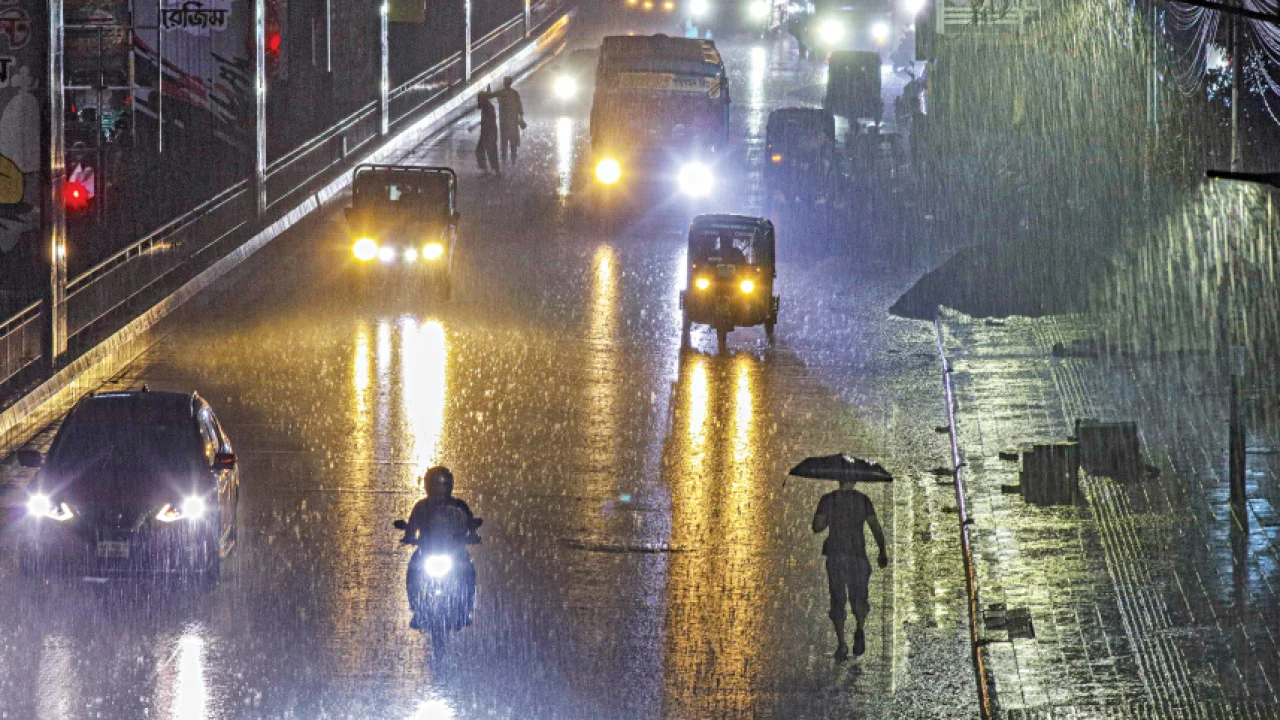
According to the report, Bangladesh received an average of 666mm of rainfall in July, well above the normal monthly average of 457mm. File Photo
Khulna recorded the highest increase in rainfall, receiving 554mm over 23 days, or 53 percent above normal. Chattogram followed with 1,047mm over 26 days, 51 percent above normal, while Sylhet recorded 736mm over 28 days, 37.3 percent above normal.
Dhaka received 495mm of rainfall over 25 days, 33.4 percent above normal. Rangpur recorded 472mm over 27 days, 15.4 percent above normal, Rajshahi received 354mm over 26 days, 13.6 percent above normal, and Barishal logged 602mm over 26 days, 12.6 percent above normal.
BMD attributed the excessive rainfall to three low-pressure systems that formed over the Bay of Bengal during July, two of which intensified into depressions.
The highest single-day rainfall during the month was recorded at Ambagan in Chattogram, where 329mm of rain fell on July 8.
The country's highest temperature in July was 37.6 degrees Celsius, recorded in Rangpur.
Following a meeting of its expert committee chaired by BMD Director Md Mominul Islam today, the department forecast near-normal rainfall across the country in August.
The committee predicted that one to two monsoon low-pressure systems may form over the Bay of Bengal during the month, with one likely to intensify into a depression.
Both day- and night-time temperatures are expected to remain above the normal monthly averages. The BMD also forecast that one or two isolated mild (36.0°C to 37.9°C) to moderate (38.0°C to 39.9°C) heatwaves may sweep across parts of the country.
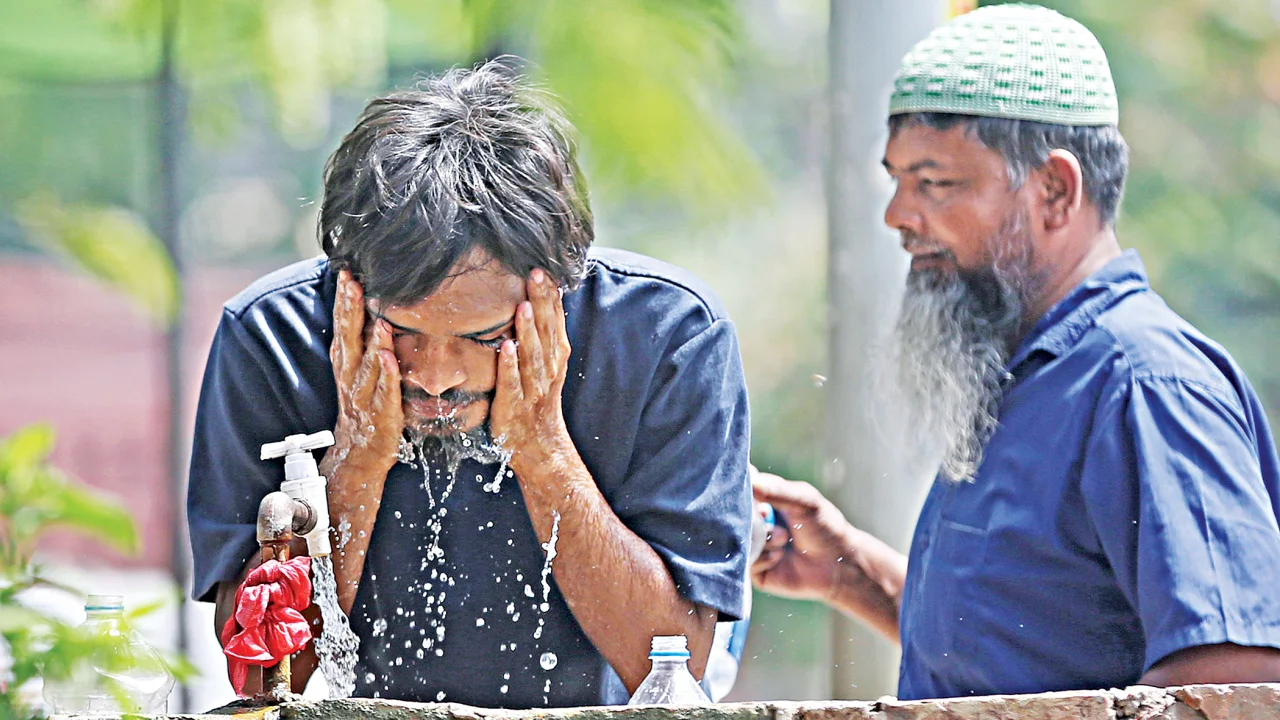
BMD also forecast that one or two isolated mild (36.0°C to 37.9°C) to moderate (38.0°C to 39.9°C) heatwaves may sweep across parts of the country. Photo: Firoz Ahmed
Water levels in the country's major river systems are likely to rise during the month. Owing to heavy seasonal rainfall, short-term flood situations may develop in the northern, north-eastern and south-eastern regions of Bangladesh.
In its three-month outlook for August to October 2026, also released today, the BMD forecast below-normal rainfall over the period.
During these three months, the Bay of Bengal may witness four to six low-pressure systems, of which two to three could intensify into depressions.
The department also forecast thunderstorms on 10 to 15 days during the period, while isolated mild-to-moderate heatwaves may occur four to six times.
Daytime and night-time temperatures are expected to remain generally above normal throughout the late monsoon period.
Mostafa Shabuj
Bangladesh recorded 35.6 percent higher-than-normal rainfall in July due to active monsoon winds, low-pressure systems and depressions, according to the latest long-term weather report released by the Bangladesh Meteorological Department (BMD) today.
In its forecast for August, the BMD predicted near-normal overall rainfall across the country, alongside above-normal day and night temperatures, isolated mild-to-moderate heatwaves and the possibility of short-term flooding in several regions.
According to the report, Bangladesh received an average of 666mm of rainfall in July, well above the normal monthly average of 457mm.
The country also experienced an average of 25 rainy days during the month, compared with the normal monthly average of 21 days.
Except for Mymensingh, where rainfall remained close to normal with a marginal negative deviation of 0.05 percent, recording 437mm over 27 days, all other divisions experienced above-normal precipitation.
According to the report, Bangladesh received an average of 666mm of rainfall in July, well above the normal monthly average of 457mm. File Photo
Khulna recorded the highest increase in rainfall, receiving 554mm over 23 days, or 53 percent above normal. Chattogram followed with 1,047mm over 26 days, 51 percent above normal, while Sylhet recorded 736mm over 28 days, 37.3 percent above normal.
Dhaka received 495mm of rainfall over 25 days, 33.4 percent above normal. Rangpur recorded 472mm over 27 days, 15.4 percent above normal, Rajshahi received 354mm over 26 days, 13.6 percent above normal, and Barishal logged 602mm over 26 days, 12.6 percent above normal.
BMD attributed the excessive rainfall to three low-pressure systems that formed over the Bay of Bengal during July, two of which intensified into depressions.
The highest single-day rainfall during the month was recorded at Ambagan in Chattogram, where 329mm of rain fell on July 8.
The country's highest temperature in July was 37.6 degrees Celsius, recorded in Rangpur.
Following a meeting of its expert committee chaired by BMD Director Md Mominul Islam today, the department forecast near-normal rainfall across the country in August.
The committee predicted that one to two monsoon low-pressure systems may form over the Bay of Bengal during the month, with one likely to intensify into a depression.
Both day- and night-time temperatures are expected to remain above the normal monthly averages. The BMD also forecast that one or two isolated mild (36.0°C to 37.9°C) to moderate (38.0°C to 39.9°C) heatwaves may sweep across parts of the country.
BMD also forecast that one or two isolated mild (36.0°C to 37.9°C) to moderate (38.0°C to 39.9°C) heatwaves may sweep across parts of the country. Photo: Firoz Ahmed
Water levels in the country's major river systems are likely to rise during the month. Owing to heavy seasonal rainfall, short-term flood situations may develop in the northern, north-eastern and south-eastern regions of Bangladesh.
In its three-month outlook for August to October 2026, also released today, the BMD forecast below-normal rainfall over the period.
During these three months, the Bay of Bengal may witness four to six low-pressure systems, of which two to three could intensify into depressions.
The department also forecast thunderstorms on 10 to 15 days during the period, while isolated mild-to-moderate heatwaves may occur four to six times.
Daytime and night-time temperatures are expected to remain generally above normal throughout the late monsoon period.