Bangladesh Defense
Saif
Senior Member
- Messages
- 20,878
- Likes
- 9,685
- Nation

- Residence
- Axis Group


Bank sector fragility persists amid trust deficit
The country’s banking sector passed 2025 in a fragile state amid depositors’ worries, a record amount of non-performing loans, poor business condition, a crisis-induced merger and a partial overhaul...
 www.newagebd.net
Bank sector fragility persists amid trust deficit
Mostafizur Rahman 04 January, 2026, 23:52

The country’s banking sector passed 2025 in a fragile state amid depositors’ worries, a record amount of non-performing loans, poor business condition, a crisis-induced merger and a partial overhaul.
While the sector did not collapse, it survived largely on government support and assurances rather than restored confidence of depositors in the just concluded year, experts said.
The year stripped away long-held illusions about banks’ asset quality and governance, but failed to deliver a clear recovery from the damage inflicted on the sector during the Awami League regime which was ousted on August 5, 2024, in the wake of a mass uprising, they said.
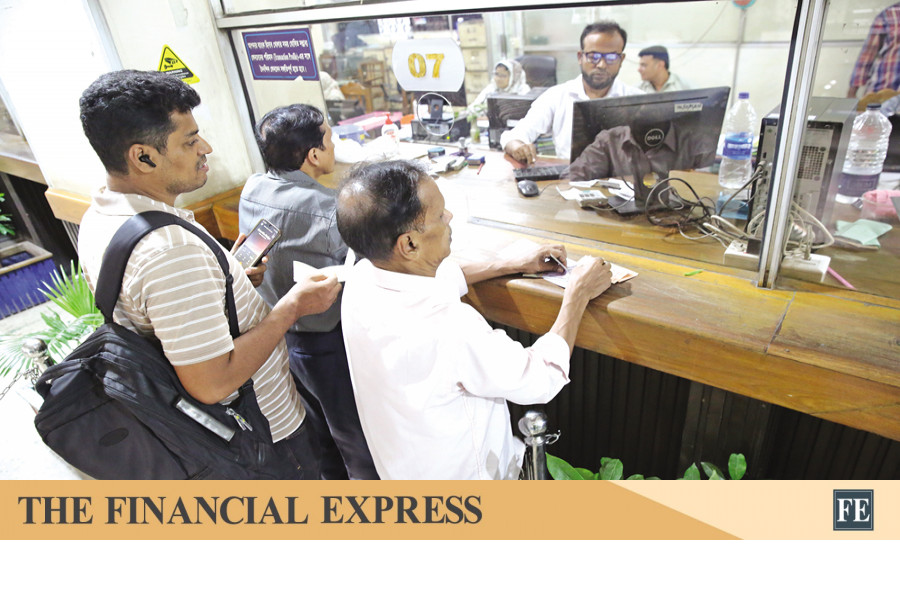
Stress was visible from the very beginning of the year. Several banks struggled with acute cash shortages, and customers were unable to withdraw more than a negligible amount a day, despite urgent personal needs.
Small-scale depositors, retirees and pensioners bore the brunt of the disruption.
Mustafa K Mujeri, executive director at the Institute for Inclusive Finance and Development, said that the banking sector continued to suffer from a confidence crisis because many depositors were still unable to access their own money.
He warned that a prolonged trust deficit could place additional strain on the entire financial system.
Syed Mahbubur Rahman, managing director and chief executive officer of Mutual Trust Bank PLC, said that the banking sector managed to survive in 2025.
Mujeri observed that despite bold announcements, the past year delivered little meaningful reform or recovery.
While a few banks appeared relatively stable, he said, most lenders remained weak and burdened by unresolved problems.
According to him, the interim government, which assumed power after the AL regime fall, had a rare opportunity to revive the sector, but largely failed to do so, as its actions exposed corruption, but the root causes of malpractices remained unaddressed.
Mujeri also questioned the decision to merge five crisis-hit Islamic banks into a new state-run institution, noting that state-owned banks themselves were struggling with governance and efficiency issues.
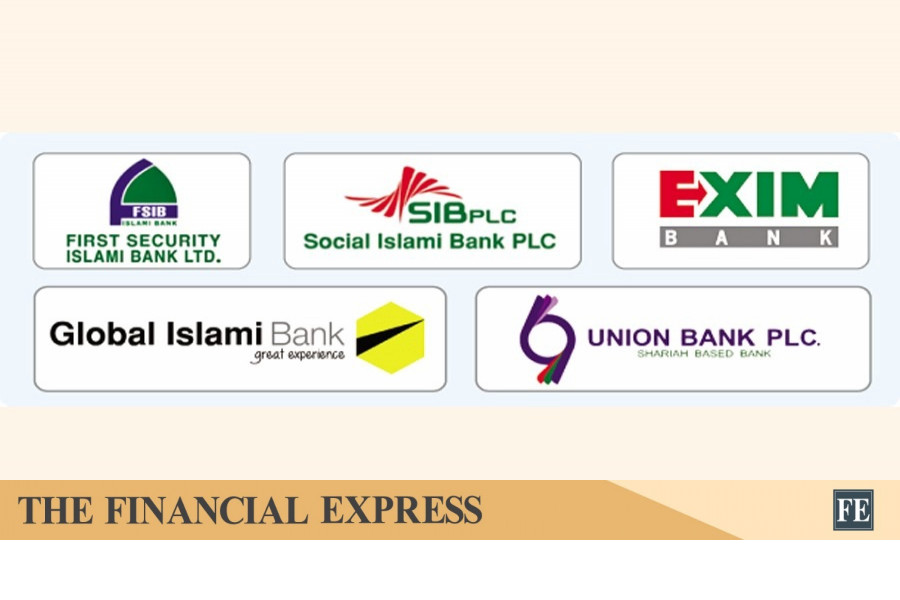
First Security Islami Bank, Global Islami Bank, Social Islami Bank, EXIM Bank and Union Bank merged into Sammilito Islami Bank.
Mujeri said that there was no clear indication that the newly formed would perform better than the existing public sector banks.
As long-hidden defaulted loans began to surface after August 2024, the amount of non-performing loans of the banking sector reached Tk 6.44 lakh crore in September 2025, accounting for nearly 36 per cent of the total outstanding credit.
Distress was no longer confined to a handful of weak lenders. More than a dozen banks reported default ratios exceeding 50 per cent, signalling systemic failure rather than isolated mismanagement.
Large corporate groups accounted for a substantial share of fresh defaulted loans.
Bangladesh Bank officials said that many toxic loans had remained hidden under regulatory forbearance during the previous government.
Asset quality reviews initiated in the past year exposed how deeply loan irregularities had penetrated bank balance sheets.
Mahbubur pointed to the sharp rise in bad loans, a collapse in private sector credit growth and a widening fiscal deficit that pushed the government to borrow heavily from banks.
That borrowing drove up treasury bill yields and tightened liquidity across the system, he said.
The banker said that depositor confidence suffered badly as customers failed to withdraw funds when they needed them most.
He added that uncertainty over whether bank mergers would actually protect depositors continued to weigh on their sentiment.
Mahbubur said that business conditions did not improve due to political unrest and weak law and order, which continued to weigh on banking activities.
While the BB initiated some reforms, including board restructuring at several banks, he said that they took a little action against previous board members and officials responsible for the crisis.
He acknowledged some improvement in the balance of payments, supported by higher remittance inflows and foreign exchange reserves.
However, he said, recovery will take time and depend heavily on whether the next government carries forward reforms with consistency.
Policy continuity, he added, is essential to restore trust in the banking sector.
Experts said that macroeconomic conditions compounded banking stress as inflation eased slightly but stayed close to 8 per cent throughout the year, well above the central bank’s comfort range.
At the same time, the private sector credit growth fell to historic lows as banks tightened lending standards.
The policy rate remained at 10 per cent, pushing lending rates to about 14 per cent and discouraging new investments.
With borrowing costs elevated, political uncertainty lingering and law and order concerns persisting, business activity remained subdued, limiting banks’ ability to rebuild healthy loan portfolios.
Sammilito Islami Bank PLC, which was created through the merger of five crisis-hit Shariah banks, received licence on October 30, 2025.
The bank has Tk 35,000 crore in paid-up capital, including Tk 20,000 crore from the government.
The BB declared that shareholders of these banks would not receive any compensation as their asset values turned negative.
The government strengthened the legal framework by enacting the Bank Resolution Ordinance 2025, which empowers the Bangladesh Bank to intervene in failing banks and impose losses on shareholders.
The central bank updated loan classification rules, began comprehensive asset quality reviews and prepared to shift towards risk-based supervision from January 2026.
In November 2025, the Deposit Protection Ordinance doubled insured deposits to Tk 2 lakh, covering roughly 93 per cent of depositors.
However, the implementation of payout mechanisms remained slow, limiting the immediate confidence boost.
BB governor Ahsan H Mansur also initiated steps to amend the Bangladesh Bank Order 1972 to enhance central bank’s autonomy and reduce political influence, including removing bureaucrats from the board.
But the order is yet to be passed.
Draft amendments to the Bank Company Act, aimed at tightening eligibility for becoming bank owners and directors, were prepared but deferred as the country has entered an election cycle with the 13th parliamentary polls scheduled for February 12.
Crackdowns on illegal money transfer channels helped stabilise the exchange rate at about Tk 122 a dollar.
Record $32 billion remittances and rising foreign exchange reserves, which reached $33 billion by the end of 2025, eased pressure on the balance of payments and supported the overall financial stability in the past year.
Mostafizur Rahman 04 January, 2026, 23:52
The country’s banking sector passed 2025 in a fragile state amid depositors’ worries, a record amount of non-performing loans, poor business condition, a crisis-induced merger and a partial overhaul.
While the sector did not collapse, it survived largely on government support and assurances rather than restored confidence of depositors in the just concluded year, experts said.
The year stripped away long-held illusions about banks’ asset quality and governance, but failed to deliver a clear recovery from the damage inflicted on the sector during the Awami League regime which was ousted on August 5, 2024, in the wake of a mass uprising, they said.
Stress was visible from the very beginning of the year. Several banks struggled with acute cash shortages, and customers were unable to withdraw more than a negligible amount a day, despite urgent personal needs.
Small-scale depositors, retirees and pensioners bore the brunt of the disruption.
Mustafa K Mujeri, executive director at the Institute for Inclusive Finance and Development, said that the banking sector continued to suffer from a confidence crisis because many depositors were still unable to access their own money.
He warned that a prolonged trust deficit could place additional strain on the entire financial system.
Syed Mahbubur Rahman, managing director and chief executive officer of Mutual Trust Bank PLC, said that the banking sector managed to survive in 2025.
Mujeri observed that despite bold announcements, the past year delivered little meaningful reform or recovery.
While a few banks appeared relatively stable, he said, most lenders remained weak and burdened by unresolved problems.
According to him, the interim government, which assumed power after the AL regime fall, had a rare opportunity to revive the sector, but largely failed to do so, as its actions exposed corruption, but the root causes of malpractices remained unaddressed.
Mujeri also questioned the decision to merge five crisis-hit Islamic banks into a new state-run institution, noting that state-owned banks themselves were struggling with governance and efficiency issues.
First Security Islami Bank, Global Islami Bank, Social Islami Bank, EXIM Bank and Union Bank merged into Sammilito Islami Bank.
Mujeri said that there was no clear indication that the newly formed would perform better than the existing public sector banks.
As long-hidden defaulted loans began to surface after August 2024, the amount of non-performing loans of the banking sector reached Tk 6.44 lakh crore in September 2025, accounting for nearly 36 per cent of the total outstanding credit.
Distress was no longer confined to a handful of weak lenders. More than a dozen banks reported default ratios exceeding 50 per cent, signalling systemic failure rather than isolated mismanagement.
Large corporate groups accounted for a substantial share of fresh defaulted loans.
Bangladesh Bank officials said that many toxic loans had remained hidden under regulatory forbearance during the previous government.
Asset quality reviews initiated in the past year exposed how deeply loan irregularities had penetrated bank balance sheets.
Mahbubur pointed to the sharp rise in bad loans, a collapse in private sector credit growth and a widening fiscal deficit that pushed the government to borrow heavily from banks.
That borrowing drove up treasury bill yields and tightened liquidity across the system, he said.
The banker said that depositor confidence suffered badly as customers failed to withdraw funds when they needed them most.
He added that uncertainty over whether bank mergers would actually protect depositors continued to weigh on their sentiment.
Mahbubur said that business conditions did not improve due to political unrest and weak law and order, which continued to weigh on banking activities.
While the BB initiated some reforms, including board restructuring at several banks, he said that they took a little action against previous board members and officials responsible for the crisis.
He acknowledged some improvement in the balance of payments, supported by higher remittance inflows and foreign exchange reserves.
However, he said, recovery will take time and depend heavily on whether the next government carries forward reforms with consistency.
Policy continuity, he added, is essential to restore trust in the banking sector.
Experts said that macroeconomic conditions compounded banking stress as inflation eased slightly but stayed close to 8 per cent throughout the year, well above the central bank’s comfort range.
At the same time, the private sector credit growth fell to historic lows as banks tightened lending standards.
The policy rate remained at 10 per cent, pushing lending rates to about 14 per cent and discouraging new investments.
With borrowing costs elevated, political uncertainty lingering and law and order concerns persisting, business activity remained subdued, limiting banks’ ability to rebuild healthy loan portfolios.
Sammilito Islami Bank PLC, which was created through the merger of five crisis-hit Shariah banks, received licence on October 30, 2025.
The bank has Tk 35,000 crore in paid-up capital, including Tk 20,000 crore from the government.
The BB declared that shareholders of these banks would not receive any compensation as their asset values turned negative.
The government strengthened the legal framework by enacting the Bank Resolution Ordinance 2025, which empowers the Bangladesh Bank to intervene in failing banks and impose losses on shareholders.
The central bank updated loan classification rules, began comprehensive asset quality reviews and prepared to shift towards risk-based supervision from January 2026.
In November 2025, the Deposit Protection Ordinance doubled insured deposits to Tk 2 lakh, covering roughly 93 per cent of depositors.
However, the implementation of payout mechanisms remained slow, limiting the immediate confidence boost.
BB governor Ahsan H Mansur also initiated steps to amend the Bangladesh Bank Order 1972 to enhance central bank’s autonomy and reduce political influence, including removing bureaucrats from the board.
But the order is yet to be passed.
Draft amendments to the Bank Company Act, aimed at tightening eligibility for becoming bank owners and directors, were prepared but deferred as the country has entered an election cycle with the 13th parliamentary polls scheduled for February 12.
Crackdowns on illegal money transfer channels helped stabilise the exchange rate at about Tk 122 a dollar.
Record $32 billion remittances and rising foreign exchange reserves, which reached $33 billion by the end of 2025, eased pressure on the balance of payments and supported the overall financial stability in the past year.