Donate ☕
201 Military Defense Forums
[🇧🇩] - Save the Rivers/Forests/Hills-----Save the Environment | Page 96 | PKDefense
Home Post Alerts Inbox Watch Videos

[🇧🇩] Save the Rivers/Forests/Hills-----Save the Environment

Reply (Scroll)
Press space to scroll through posts
G Bangladesh Defense
[🇧🇩] Save the Rivers/Forests/Hills-----Save the Environment
521
12K
More threads by Saif

I have created my own small Vantara called Shanti Park. 9500 trees are planted. Atleast 2000 more are planned this rainy season. 4 small Miyawaki forest.

3500 trees planted this season and one more Miawaki forest added. Total trees reached 13000. Half of my target achieved. 500 trees planted elsewhere.
 
Last edited:
Analyze

Analyze Post

Add your ideas here:
Highlight Cite Fact Check Respond
  • Like (+1)
Reactions: Saif

Saving Dhaka's Wetlands

FE
Published :
Aug 18, 2025 01:04
Updated :
Aug 18, 2025 01:26

1755472073071.webp


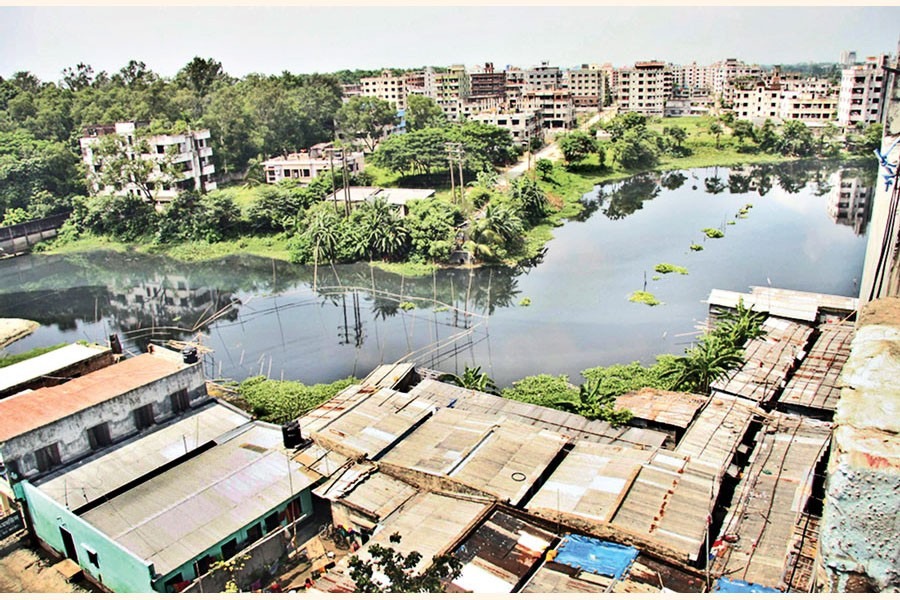
The Dhaka North City Corporation's (DNCC’s) recent call for a moratorium on the sale and conversion of lands in areas earmarked under the Detailed Area Plan (DAP) is most pragmatic. Alongside this, the DNCC has urged restrictions on tax collection in these areas to help preserve the waterbodies, open fields and parks as envisioned in the DAP, which is vital for improving the capital's environment, biodiversity and quality of life. Reportedly, the DNCC has also initiated plans to create water-centric parks in areas such as Badda, Aftabnagar and Mirpur. If implemented, these waterparks would not only serve as areas for water retention but also add scenic beauty and relief to the otherwise lifeless concrete jungle of Dhaka.

The DAP, an ambitious urban development blueprint for 2022-2035, designates specific areas as wetlands, including waterbodies, flood flow zones and water retention areas. These ecological spaces are indispensable for flood management, groundwater recharge and maintaining biodiversity. Yet, over the years, most of Dhaka's wetlands have indiscriminately been filled up, exposing the city to irreversible environmental degradation. Once teemed with fish and migratory birds, these wetlands have been reduced to barren land and aggressively occupied by real estate developments or industries. This reckless encroachment has been driven by runaway population growth, poor governance and an unrestrained culture of land grabbing. Tragically, policymakers failed to appreciate that the disappearance of wetlands would have disastrous consequences for both the city's environment and its residents. Only a handful of urban experts and environmentalists have consistently warned against this suicidal trend of destroying the natural reservoirs that sustain life.

The situation is no better when it comes to rivers, canals and ponds. These water bodies, once central to Dhaka's drainage and water management systems, have also been subjected to encroachment, pollution and even obliteration. The authorities' inexplicable indifference to this crisis is unpardonable. As a result, a large number of rivers, canals, and wetlands have already disappeared. Even today, the city authorities are engaged in protracted battles with land grabbers to reclaim what remains of the canals that were once lifelines of Dhaka's drainage network. Ideally, a liveable city should have at least 15 per cent green space and 10-12 per cent wetlands. But a study by the Bangladesh Institute of Planners (BIP) found that green space in central Dhaka has shrunk to just 7.09 per cent, while wetlands cover to a meagre 2.9 per cent of the city area. This exposes how urbanisation in Dhaka has gone astray. Unplanned development has been prioritised over environmental balance, and the consequences are evident in the city's declining air quality, comparatively higher temperature, frequent waterlogging and loss of biodiversity.

It is, therefore, imperative to take immediate and effective measures to rein inunplanned and chaotic urbanisation. In this regard, the DNCC's latest initiative is commendable. The Dhaka South City Corporation should also follow suit. Conserving wetlands, reclaiming canals, protecting parks, and expanding green spaces are not luxuries; they are the prerequisites for making Dhaka liveable. Only by striking a balance between growth and ecological preservation can Dhaka hope to become a truly liveable and sustainable city. The DNCC's call for action should therefore be heeded with utmost urgency, and more importantly, followed by strict enforcement. Otherwise, the capital's residents will continue to pay the price of shortsightedness for generations to come.​
 
Analyze

Analyze Post

Add your ideas here:
Highlight Cite Fact Check Respond
  • Like (+1)
Reactions: Krishna with Flute

ESG for Bangladesh: silent progress to collective commitment

Nayma Jahan and Sameera Zaman
Published :
Aug 20, 2025 00:13
Updated :
Aug 20, 2025 00:13

1755646949049.webp


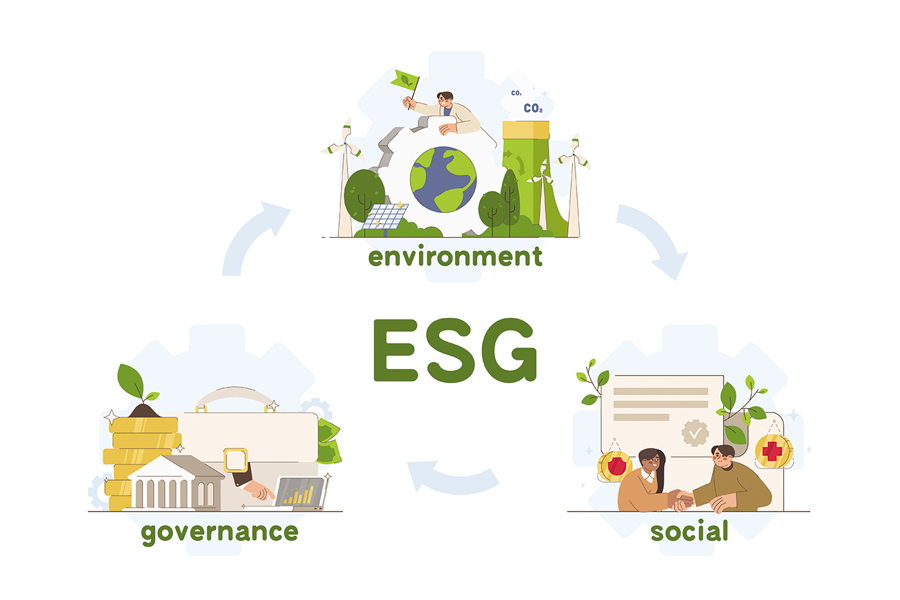
Sustainability is no longer an add-on; it is today an economic and ecological imperative. In Bangladesh, transformation is underway: from green start-ups to ready-made garments, from food to finance, the conversation around Environmental, Social, and Governance (ESG) standards is becoming louder in Bangladesh. But to translate this into real impact, we need to move away from soloed pilot projects towards a collective, system-wide change.

Last month Dhaka hosted its second Sustainability Summit organized by Bangladesh Brand Forum and Sustainable Brand Initiative at the Radisson Blu, an initiative of Bangladesh Innovation Conclave. This time it widened its frame. Along with the multinational corporations, local companies were also brought onto the stage to showcase their action plans on social responsibility, waste reduction, and fair sourcing. This inclusiveness was a key turning point. It showed that ESG is no longer a foreign compliance controlled by regulators or investors. Rather, it is being rebuilt from ground zero-by Bangladeshi youth, farmers, entrepreneurs, and engineers.

But beneath the jargon and signboards lies an even more pressing question: How do we transform ESG from an ad hoc epitome into a functioning, equitable reality?

FROM CSR TO ESG - A NECESSARY MINDSHIFT: Bangladesh has had a long tradition of Corporate Social Responsibility (CSR). Many companies have sponsored philanthropic campaigns, funded educational drives, and entered "green" initiatives. But ESG demands more extensive change. It demands instilling sustainability into the very fibre of an organisation-at every step from the way it acquires materials and treats employees to the way it disposes of waste and communicates with communities.

Unlike CSR, which will usually be on the fringe of strategy, ESG is more about accountability and evidence. This requires robust indicators, credible data, and, above all, a mind shift for many small and medium-sized businesses/enterprises (SMEs). This can feel like an overwhelming shift. Technical nomenclatures of ESG reporting, international norms, and data disclosure requirements can be intimidating, rather than inspiring. But here is the paradox: many of these same companies are already performing ESG-aligned activities albeit without the label. Whether it is recycling water in a dyeing house, offering childcare to factory workers, or making investments in metal recycling, these activities correspond to ESG principles. The trick is to recognise, support, and scale up these efforts to make ESG accessible and relevant, not just for the business owners, but for the broader economy.

THE MISSING ROADMAP: Along with progressive speeches and high intentions, Bangladesh suffers from a persistent policy-practice gap. Take the case of polythene bags. The recent ban on plastic bags in supermarkets has been in effect, yet plastic keeps clogging our drains and over-filling our landfills. The gap exists because enforcement remains weak, without viable alternatives or incentives, and businesses are ensnared in unsustainable supply chains.

Take the example of Bangladesh's leading electronics conglomerate. Their technologies for metal recycling and e-waste are a form of internal ESG investment and a national priority. But without systems to scale up such technologies -via mutual information sharing, technical transfer, or public-private finance, their impact will be limited. Such technologies must be expanded for the benefit of the system overall, particularly in local markets and municipalities where sustainable technologies are sorely needed but technically and economically out of reach. Besides, there yet remains a question on the willingness of companies to share technological knowledge and information, which may create more jobs in this sustainability sector.

BRIDGING THE DATA GAP: Among the largest obstacles to integrating ESG in Bangladesh is a lack of transparent, aggregated, and reliable data. How much water are we using across industries? What is the emissions footprint of our garment exports? How many informal workers are being reached through social protection schemes? We often don't know.

Others print glossy sustainability reports, but since they have not been verified by third parties, their credibility is doubted. Others, including SMEs, do not report at all because they have no knowledge, resources, or incentives. Meanwhile, government agencies publish contradictory or outdated statistics, making monitoring and planning an impossibility in practice.

This void of information hurts everyone. It hinders good businesses that want to shine a light on their work, enables green washing, and complicates collaboration on shared goals. But perhaps most importantly, it erases many worthwhile stories such as student's clean-up campaigns, informal recyclers, and rural women-led circular businesses-who are critical to the sustainability agenda but do not show up in formal statistics.

If we are to mainstream ESG, we must democratize the data system. Shared data platforms, open access to environmental and social markers, and common frameworks linking local action to national progress.

A CALL FOR A NATIONAL ESG PLATFORM: To move beyond individual initiatives, Bangladesh needs a national ESG and sustainability reporting platform. That platform cannot be yet another top-down bureaucratic effort. Instead, it must be a multi-stakeholder, collaborative platform upon which public institutions, private companies, academia, and civil society collaborate to co-develop standards, provide verification of impact, and promote local innovations.

Such a platform would have three implications. First, it would localize ESG indicators to mirror Bangladesh's development priorities-e.g., climate resilience, gender equality, and SME competitiveness. Second, it would provide capacity-building for business, particularly SMEs, to embrace and report ESG practices meaningfully. Third, it would give voice to underrepresented voices and innovations, pushing the sustainability of conversation from elite boardrooms to grassroots change makers.

WHY ESG MATTERS TO EVERYONE: For ESG to be embraced across society, people must see why it matters. It is not just a company checklist or an investor request but is reflected on the water we drink, the air we breathe, the food we eat, and the work we do. Until such connections are made, ESG will remain abstract and elitist. Generating awareness and establishing trust is therefore imperative, not necessarily only through campaigns but through education reform, youth empowerment, and community dialogue.

FROM POTENTIAL TO PRACTICE: Despite all these issues, Bangladesh has a solid foundation to build on. We already have resilient communities, bold entrepreneurs, and growing awareness for sustainability. The Dhaka Sustainability Summit reminded us on time that we already have the seeds of change. But they must be nurtured: with coordination, infrastructure, and trust.

ESG is a journey, not a destination. It cannot be reduced to checkboxes or PR campaigns. It calls for a culture of integrity, transparency dedication, and learning and collaboration mindset.

If we are committed to developing a green, just, and prosperous Bangladesh, then ESG is not an option-it is a necessity. It is time to move from silent progress to collective resolve. That means not only investing in technology and reports, but in relationships. Because ultimately, sustainability is a journey we share, and a one that Bangladesh cannot undertake alone.

Nayma Akther Jahan and Sameera Zaman are Lecturers at the Center for Sustainable Development at the University of Liberal Arts Bangladesh.​
 
Analyze

Analyze Post

Add your ideas here:
Highlight Cite Fact Check Respond
  • Like (+1)
Reactions: Krishna with Flute

Nature-based solution to address climate change
Significance and relevance for Bangladesh


Mohammad Abu Yusuf
Published :
Aug 20, 2025 00:07
Updated :
Aug 20, 2025 00:07

1755647162300.webp


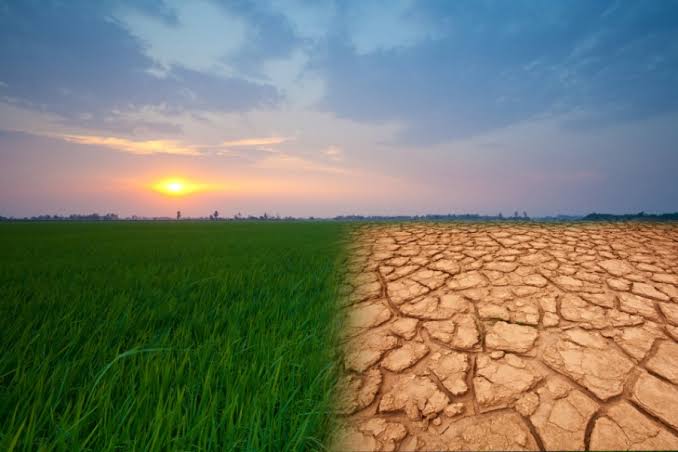
Climate change is an existential threat to mankind, particularly to affected states. Among other options, Nature-Based Solutions (NbS) are increasingly recognised as vital to addressing climate change and biodiversity loss. According to IUCN (2016) "Nature-based Solutions (NbS) are actions to protect, sustainably manage and restore natural and modified ecosystems in ways that address societal challenges effectively and adaptively, to provide both human well-being and biodiversity benefits".

In other words, NbS involves protecting our natural ecosystems such as forests peatlands, wetlands, grasslands, fisheries, timberlands and marine habitats through locally led projects that support communities. Healthy mangroves absorb and store large amounts of carbon. Sea grasses and tidal marshes also act as first line of defence against coastal hazards such as storms/cyclones. When hurricane hits coastal areas, mangroves are the first line of plant communities that take all wind impacts, absorb all storm surges and divert the storm surge away. Everglades Mangrove Forest (South Florida) is of the significant examples of perfect NbS to fight climate change as it takes the first hit from storm surge, capturing CO2 from the atmosphere and storing it (mangroves store nearly four times more carbonthan other forests).

The Everglades mangroves, the largest contiguous mangrove forest in North America, home to nearly 550 square miles of mangrove forests, form a strong natural infrastructure against large waves and storm surges; it also stabilises the shores against erosion.

SIGNIFICANCE: Nature-based solutions i.e., restoration and protection of nature could not only safeguard biodiversity but also help people adapt to the effects of climate change. NbS in urban areas bring varied benefits and ecosystem services such as flood management, cooling effects and recreational values. The mangroves and seagrasses, are among the most efficient carbon sinks available. These ecosystems can absorb more carbon per hectare than terrestrial forests, resulting in mitigation of carbon. When properly managed, NbS acts as a dual solution of mitigation and adaptation (enhancing climate resilience). River restoration and protection is another NbS that highly benefits residents and communities. Planting grass and trees along the riverbank, river cleaning through the removal of solid wastes helps restoration of rivers. It also helps us not to get infected with malaria or any other waterborne disease. The significance of NbS is manifested in the Youth4Nature's mission of mobilising youth to advocate for political leaders to deliver up to 30 per cent of climate solutions needed by 2030 through NbS.

Bangladesh has been a pioneer in promoting NbS by coastal afforestation. The mangrove plantation at the Mukdara and Chokatoli Mouja areas carried out under the Sustainable Forests and Livelihoods (SUFAL) project, implemented in selected sites in 147 upazilas of 28 districts during 2018 to 2023 resulted in collaborative forest management, a protection for coastal people against storms and floods; it also created alternative livelihoods for forest-dependent communities in targeted sites.

ENGINEERED SOLUTION VS NBS: In many parts of the world, the dominant approach to dealing with the hazards of climate change has been static engineered interventions such as sea walls, wells, and irrigation infrastructure. These can be very expensive, but very effective, at least in the short term. NbS in many situations, can provide a more affordable long-term solution.

RELEVANCE OF NBS FOR BANGLADESH: National Adaptation Plan of Bangladesh (2022) outlined the main climate induced challenges of the country, and its urban areas. These challenges are flash floods and waterlogging, drought, riverbank erosion, urban flood, sea level rise and storm surges, salinity intrusion, extreme heat, heatwave, landslides, sea surface temperature increase and ocean acidification.

The following case of Kudalichora Canal, Moulvibazar presents an example of NbS that addresses urban challenges of climate change.

The Kudalichora canal is an example of how restoring natural waterways can significantly enhance climate resilience and urban living. Flowing through the centre of Moulvibazar Municipality, the canal, serves as the area's primary drainage system. Due to flooding, waterlogging, and severe pollution, it was once known as the "curse of Moulvibazar". The Canal underwent a transformation through a restoration project led by the municipality and funded by LGRD. This initiative not only improved its drainage capacity but also turned it into a functional and eye-catching urban waterway. The project has also addressed the urban challenges such as indiscriminate waste-dumping and odour pollution, waterlogging in the city and illegal encroachment on both sides of the canal. Boosting urban ecology through the canal and canalside plantation, and better navigability in canal are the other major co-benefits reaped with the implementation of the project.

NBS FOR SALINITY INTRUSION: The southwestern coastal area of Bangladesh is frequently impacted by tropical cyclones and storm surges. Such cyclones and storm surges inundate the area with saline water. When tidal water gets trapped within embankments or polders, it results in long-lasting salinity that severely hampers crop productivity. It also adversely affects infrastructure, water supplies, soil quality, ecology, and biodiversity. Nature-based solutions such as rainwater harvesting offers an effective way to address water scarcity and reduce reliance on saline groundwater, although on a short-term basis.

URBAN RAINWATER HARVESTING AS AN NBS: The water treatment project in Mongla City serves as a prime example of nature-based solutions addressing salinity in daily water use. The project features two large rainwater harvesting ponds; the objective of these ponds is to reduce the salinity of river water collected from the Mongla river. Moreover, two overhead tanks store the treated water before the same is distributed throughout the city. This sustainable approach ensures a reliable and safe water supply for the community, showcasing an effective adaptation to the region's environment challenges in addition to its role of mitigation of salinity.

BLUE CARBON AS A NATURAL CARBON SOLUTION: Blue carbon, known as the greenhouse gases (GHZs) captured and sequestered by coastal and marine ecosystems such as seagrasses, mangroves, salt marsh and other tidal wetlands is recognised as a vital NbS. It is therefore necessary to scale up Nature-based Solutions (NbS) aiming to address the impacts and risk of climate change and environmental degradation. In this process, forming local level action plans aiming to cope with adverse impacts of climate change is imperative.

Regarding NbS, the Environment, Forest and Climate Change questioned the global push for NbSs without sincere commitments to GHG emission reductions. She observed that it has become fashionable to talk about NbS. Substantiating her observation, she rightly mentioned that if commitment for mitigation is not demonstrated and improved, adaptation will always remain a challenge. According to her, NbS is protecting the natural resource bases that will help adaptation better. She accepts NbS "as a value that you protect your natural resource bases so that the water logging that persists in Noakhali after a given flood can be addressed."

Her observation also concurs with the observation that "an NBCS approach can draw upon aspects of the Rights of Nature (RoN) paradigm through exploring the competing concerns of the 'use' of nature by humans, as a tool to mitigate climate change, against the intrinsic value of the environment and the needs of non-human species - all of this while retaining control of climate change" made by Deane and Bell-James (2025).

The most significant message we can get from the adviser (who is also an environmental and climate change specialist and a front-line activist for environmental justice) is that NbS is learning from our communities. A Nature-based Solution uses the tools that nature already provides. NbS is not something that should be imposed from the top. Rather, it should be the other way round (Frugal Innovation Forum, 2025). NbS can only be sustained if they are designed and implemented by local communities showing respect to the indigenous knowledge, local needs and management, cultural traditions and human rights.

To conclude, nature-based solutions are a critical tool for any country's climate action, offering both mitigation and adaptation benefits. NbS is not just about conserving nature in its current state, it is also about integrating nature solutions with all of our climate actions.

Dr Mohammad Abu Yusuf is a climate analyst and Additional Secretary, Finance Division, Ministry of Finance.​
 
Analyze

Analyze Post

Add your ideas here:
Highlight Cite Fact Check Respond

The urgency of positive actions to deal with plastic menace

Muhammad Zamir
Published :
Aug 18, 2025 00:45
Updated :
Aug 18, 2025 00:45

1755647719303.webp

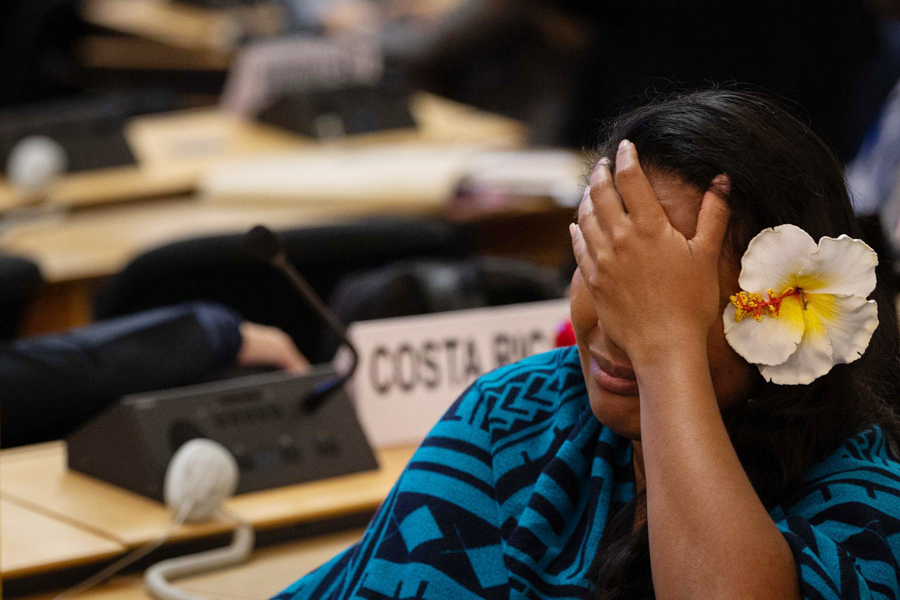
An exhausted delegate reacts to the outcome of the UN negation as developing a landmark treaty to end plastic pollution have once again failed in Geneva last week —IISD/ENB Photo

On March 2, 2022 in Nairobi, representatives of 175 countries pledged to create a legally binding agreement to end plastic pollution. The agreement urged addressing the full lifecycle of plastic and proposed alternatives including reusability. An Intergovernmental Negotiating Committee (INC) that could conceive the agreement by the end of the year 2024 was also created. The agreement expected to facilitate the transition to a circular economy, which would reduce GHG emissions by 25 per cent. Inger Andersen, executive director of UNEP called the decision "a triumph by planet earth over single-use plastics".

On August 5, 2025 the world's nations met again at a UN conference in Geneva to finally agree on how to curb the plastic excesses. Nearly 100 countries, called for an "ambitious" treaty which would include a commitment to limit production levels. But there has been strong opposition from a group of oil-producing nations. Nevertheless, following 10 days of negotiations, Intergovernmental Negotiating Committee (INC) talks to develop an international legally binding instrument on plastic pollution, including in the marine environment, adjourned early on 15 August without consensus on a text of the instrument. The Committee agreed to resume negotiations at a future date to be announced. It means, the sixth round of United Nations negotiations on ending plastic pollution broke up in Switzerland early Friday without a deal after disagreements with oil-producing nations pushing for recycling solutions over reducing plastic use.

We need to understand that plastics are a "grave, growing and under-recognised danger" for human health, according to a new expert report. The Lancet Countdown has estimated that health-related disease and death from the "plastic crisis" is responsible for at least US Dollar 1.5 trillion a year in health-related damages. These impacts can range from air pollution from the production of plastic to elevated risk of cancer, respiratory illnesses and miscarriages from plastic contamination in our bodies. Plastics contain more than 16,000 chemicals such as dyes and flame retardants, some of which are toxic and cancer-causing. Despite the growing body of evidence of the hazards of plastic, just a quarter of plastic chemicals have data on their impact. Of those tested, 75 per cent were found to be "highly hazardous". Single-use plastic is the biggest contributor to plastic waste in the environment, and most of our daily consumption of this comes from food packaging.

In 2019, 368 million tonnes of plastic was produced each year; 51 per cent in Asia, where China is the world's largest producer. From the 1950s up to 2018, an estimated 6.3 billion tonnes of plastic was produced worldwide, of which an estimated 9 per cent was recycled and another 12 per cent was incinerated. This large amount of plastic waste entered the environment and caused problems throughout the ecosystem. Studies have revealed that tests carried out at that time indicated that the bodies of 90 per cent of seabirds contained plastic debris.

However, at that time, there were significant efforts in some areas to reduce the prominence of free-range plastic pollution, through reducing plastic consumption, litter cleanup, and promoting plastic recycling.

Nevertheless, environmentalists have pointed out that as of 2020, the global mass of produced plastic exceeded the biomass of all land and marine animals combined.

A May-2019 amendment to the Basel Convention regulated the exportation/importation of plastic waste, largely intended to prevent the shipping of plastic waste from developed countries to developing countries. Nearly all countries joined this agreement. However, things have not evolved as desired.

The United States is the world leader in generating plastic waste, producing an annual 42 million metric tons of plastic waste. Per capita generation of plastic waste in the United States is higher than in any other country. In the beginning of 2024, 12 States and at least 500 municipalities had some kind of plastic bag ban. Three state bans and two cities ban alone reduced the number of plastic bags used in one year approximately by 6 billion. In 2009, Washington University in St. Louis became the first university in the United States to ban the sale of plastic, single-use water bottles. In 2009, the District of Columbia required all businesses that sell food or alcohol to charge an additional 5 cents for each carryout plastic or paper bag. In 2011 and 2013, Hawaii prohibited non-biodegradable plastic bags at checkout as well as paper bags containing less than 40 per cent recycled material. In 2015, Honolulu was the last major county approving the ban. In 2015, California prohibited large stores from providing plastic bags. In 2016, Illinois adopted the legislation and established "Recycle Thin Film Friday" in an effort to reclaim used thin-film plastic bags and encourage reusable bags. In 2019, the New York State banned single use plastic bags and introduced a 5-cent fee for using single use paper bags. The ban entered into force in 2020. This will not only reduce plastic bag usage in New York State (23 billion every year until now), but also eliminate 12 million barrels of oil used to make plastic bags used for this purpose.

In 2015 the European Union adopted a directive requiring a reduction in the consumption of single use plastic bags per person to 90 by 2019 and to 40 by 2025. In April 2019, the EU adopted a further directive banning almost all types of single use plastic, except bottles, from the beginning of the year 2021. On July 3, 2021, the EU Single-Use Plastics Directive (SUPD, EU 2019/904) went into effect within EU Member States. The directive aims to reduce plastic pollution from single-use disposable plastics. It focuses on the 10 most commonly found disposable plastics at beaches, which make up 43 per cent of marine litter (fishing gear another 27 per cent). According to the directive, there is a ban on plastic and balloon sticks, plastic plates, cutlery, stirrers and straws. In December 2022 the EU took the first steps for banning the export of plastic waste to other countries. Agreement between the European Parliament and the European Council went for a revision to the Waste Shipment Regulation. This was reached on November 17, 2023.

The government of India decided to ban single use plastics and take a number of measures to recycle and reuse plastic from October 2, 2019. In the year 2022 India began to implement a country-wide ban on different sorts of plastic. New Zealand has announced a ban on many types of hard-to-recycle single use plastic by 2025.

In January 2019, the Iceland Supermarket chain, which specialises in frozen foods, pledged to "eliminate or drastically reduce all plastic packaging for its store-brand products. By 2024, substantial advance has been made in this regard.

McDonald's pledged to be plastic-free from 2021 and are now using a paper wrap for its meals. From October 2023 many types of single use plastic have been banned in England including cutlery and plates. Scotland and Wales have already implemented such bans.

Other high-income countries, such as those of the EU-28 (annual per capita generation 58.56 kg), also have a high per capita plastic waste generation rate. Some high-income countries, such as Japan (annual per capital generation 38.44 kg), produce far less plastic waste per capita.

Microplastics alter soil biophysical properties which affect the quality of the soil. This affects soil biological activity, biodiversity and plant health. It decreases seedling germination, affects the number of leaves, stem diameter and chlorophyll content in these plants. Microplastics in the soil are a risk not only to soil biodiversity but also food safety and human health. Soil biodiversity is important for plant growth in agricultural industries.

Some academics and NGOs believe that a legally binding international treaty to deal with plastic pollution is necessary. They think this because plastic pollution is an international problem, moving between maritime borders, and also because they believe there needs to be a cap on plastic production.

We must understand that a global pact can help us to stop the threat that is evolving throughout the world. No one can contest the fact that plastic and microplastics have been found in Arctic sea ice, the bellies of whales, Earth's atmosphere and oceans, as well as human blood vessels and digestive systems. That is why governments have been under increasing pressure to unite in action against this global threat but to no avail.

One can only hope that the increasingly fractured international world order will face up to their deep divisions and try to mediate the health and ecological hazards that result from plastic use and disposal worldwide. Such a positive move needs to be given priority despite the diverging interests of nations, industries, and those trying to protect the environment and human health.

Muhammad Zamir, a former Ambassador is an analyst specialised in foreign affairs, right to information and good governance.​
 
Analyze

Analyze Post

Add your ideas here:
Highlight Cite Fact Check Respond

Members Online

⤵︎

Latest Posts

Latest Posts