Bangladesh Defense
Date of Event:
Dec 26, 2024
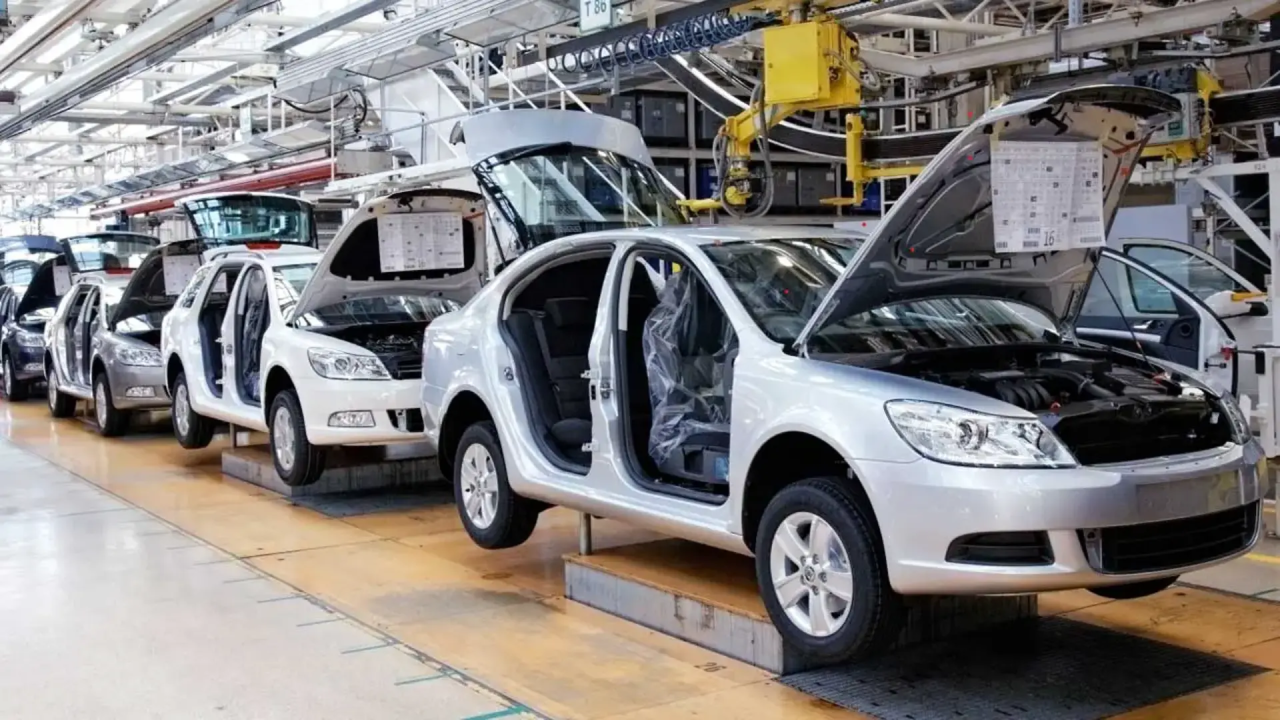
Automotive Automobile Industry of Bangladesh
Introduction The automotive automobile industry in Bangladesh has experienced significant growth and transformation over the years. As one of the emerging economies in South Asia, Bangladesh has made considerable strides in its efforts to develop a thriving automotive sector.
 www.linkedin.com
Introduction
The automotive automobile industry in Bangladesh has experienced significant growth and transformation over the years. As one of the emerging economies in South Asia, Bangladesh has made considerable strides in its efforts to develop a thriving automotive sector. This article explores the economic dynamics of the automotive automobile industry in Bangladesh, shedding light on its evolution, challenges, and prospects.
Historical Background
The history of the automotive automobile industry in Bangladesh is a journey that spans several decades, marked by growth and evolution. The industry's roots can be traced back to the early 1980s when the government of Bangladesh initiated efforts to develop a domestic automotive manufacturing sector.
In 1982, a significant milestone was achieved when the first locally assembled car, a Mazda 323, rolled off the production line in the country. This marked the beginning of the domestic automotive manufacturing industry in Bangladesh. As the first locally produced car, it symbolized the country's ambition to establish a self-sufficient automotive sector.
Over the years, the industry gradually expanded, with various manufacturers entering the market and setting up assembly plants. These manufacturers included renowned international companies like Toyota, Honda, and Suzuki, among others. Their presence in Bangladesh signaled growing foreign direct investment and expertise in the automotive sector.
The early years were characterized by limited domestic production capacity, focusing on the assembly and manufacturing of components like tires, batteries, and some body parts. However, as the industry matured, efforts were made to increase the localization of parts and components, reducing reliance on imports.
The automotive automobile industry played a significant role in generating employment opportunities and attracting skilled and unskilled labor. It also increased economic growth by increasing industrial output and enhancing transportation services. The government's support and encouragement of the industry's development further reinforced its role in the country's economic landscape.
As the industry continued to evolve and adapt to changing market dynamics, it faced various challenges and opportunities, ultimately shaping the automotive landscape in Bangladesh. The historical background of the automotive automobile industry in Bangladesh reflects a journey of growth, challenges, and aspirations, laying the foundation for the industry's role in the nation's economic development.
Economic Significance
The automotive industry in Bangladesh has emerged as a crucial economic sector with significant contributions to the country's economy. This significance can be analyzed from various perspectives.
Employment Generation
The industry has been instrumental in generating employment opportunities. A wide range of skilled and unskilled labor is required for manufacturing, assembly, sales, and after-sales services. This provides a livelihood for many individuals and contributes to poverty reduction.
Economic Growth
The growth of the automotive industry contributes directly to the country's economic development. This is evident through increased industrial output, enhanced infrastructure, and better logistics and transportation services.
Revenue Generation
The government collects revenue through taxes, duties, and other fees from the automotive industry. As the sector grows, the revenue generated contributes to public funds, which can be utilized for various developmental projects.
Foreign Direct Investment (FDI)
Bangladesh has also attracted foreign direct investment in the automotive sector. International automakers and manufacturers have set up plants in the country, bringing in capital and expertise. This not only boosts the industry but also the country's image as an investment destination.
Challenges Faced by the Automotive Industry
The automotive automobile industry of Bangladesh faces a number of challenges, including:
High import duties on vehicles: Import duties on vehicles in Bangladesh are still relatively high, which makes vehicles less affordable for consumers. The high import duties also make it difficult for domestic automakers to compete with imported vehicles.
Lack of infrastructure: Bangladesh's road infrastructure is still lacking in some areas, making it difficult to transport vehicles. The lack of infrastructure makes it difficult for automakers to establish and operate assembly plants.
Limited skills and expertise: The automotive industry of Bangladesh is still relatively new, and there is a shortage of skilled and experienced workers. This shortage of skills and expertise makes it difficult for automakers to produce high-quality vehicles.
Lack of research and development: Bangladesh invests very little in research and development (R&D) for the automotive industry. This lack of R&D makes it difficult for domestic automakers to develop new and innovative vehicles.
Lack of backward linkages: The automotive industry of Bangladesh has very few backward links, meaning that most of the components used in vehicles are imported. This lack of backward linkages makes the automotive industry more vulnerable to external shocks, such as fluctuations in the prices of imported components.
In addition to the challenges listed above, the automotive industry of Bangladesh is also facing a number of emerging challenges, such as:
The rise of electric vehicles: The rise of electric vehicles is a significant challenge for the automotive industry of Bangladesh, as the country currently has very little infrastructure to support electric vehicles.
The COVID-19 pandemic: The COVID-19 pandemic has had a significant impact on the automotive industry of Bangladesh, as it has led to a decline in demand for vehicles.
Here are some specific recommendations for how to address the challenges faced by the automotive industry of Bangladesh:
The government should reduce import duties on vehicles and components. This will make vehicles more affordable for consumers and help domestic automakers to compete with imported vehicles.
The government should invest in improving the country's road infrastructure. This will make it easier to transport vehicles and encourage automakers to establish assembly plants in Bangladesh.
The government and the private sector should invest in training programs to develop the skills and expertise needed to support the growth of the automotive industry. This will help domestic automakers to produce high-quality vehicles.
The government should increase investment in R&D for the automotive industry. This will help domestic automakers to develop new and innovative vehicles.
The government should work with the private sector to develop backward linkages for the automotive industry. This will make the automotive industry less vulnerable to external shocks.
The government should develop a policy framework to support the adoption of electric vehicles in Bangladesh. This will help to create demand for electric vehicles and encourage automakers to invest in the production of electric vehicles.
By taking these steps, the government of Bangladesh and the private sector can help to overcome the challenges faced by the automotive industry and support it.
Prospects for the Future
Bangladesh's automotive automobile industry is still in its early stages of development, but it has the potential to grow rapidly in the coming years. The country has a growing population, a rising middle class, and a rapidly developing economy. These factors are all driving up demand for vehicles.
In addition, the government of Bangladesh is supportive of the automotive industry and has taken steps to promote its growth. For example, the government has reduced import tariffs on vehicles and components, and it has established a number of incentives for automakers to invest in Bangladesh.
Overall, the prospects for the future of the automotive automobile industry of Bangladesh are positive. The country has a growing population, a rising middle class, and a rapidly developing economy. These factors are all driving up demand for vehicles. The government of Bangladesh is also supportive of the automotive industry and has taken steps to promote its growth.
Conclusion
The automotive automobile industry in Bangladesh has come a long way since its inception in the early 1980s. It has significantly contributed to the country's economy, generating employment, revenue, and foreign investment. While it faces challenges related to infrastructure, regulatory environment, and environmental concerns, there are promising prospects for the future. With a growing middle class, government support, and the potential to tap into regional and global markets, the industry is poised for further growth and transformation.
The future of the automotive industry in Bangladesh depends on the ability to address these challenges effectively and harness the opportunities that lie ahead. As the sector continues to evolve, it will play a pivotal role in the economic development of the nation.