Donate ☕
201 Military Defense Forums
[🇧🇩] - Monitoring Bangladesh's Economy | Page 183 | PKDefense
Home Post Alerts Inbox Watch Videos

[🇧🇩] Monitoring Bangladesh's Economy

Reply (Scroll)
Press space to scroll through posts
G Bangladesh Defense
[🇧🇩] Monitoring Bangladesh's Economy
933
24K
More threads by Saif

Let the NBR's impressive work be carried over

Published :
Jan 06, 2026 00:26
Updated :
Jan 06, 2026 00:26

1767660055587.webp

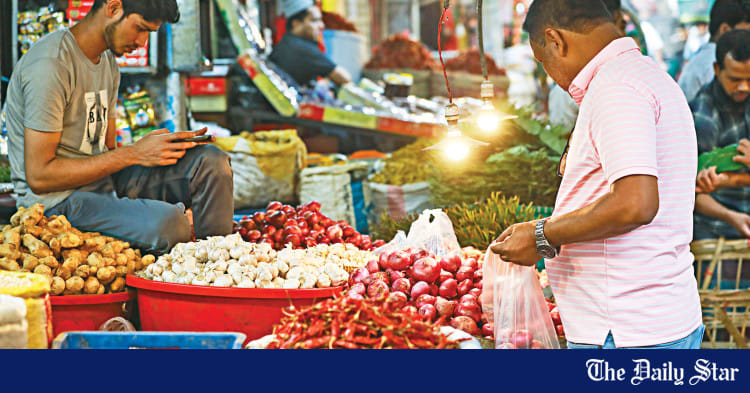
That Bangladesh's tax-to-GDP ratio is one of the lowest in the world is widely known. In the Asia-Pacific region this ratio is as high as 19.50 on an average and the average for the developing countries is 17-18 per cent. Bangladesh cuts a sorry figure with this proportion as low as 7.0-9.0 per cent. Experts in revenue mobilisation and economists assert that at least a minimum of 15 per cent tax-GDP ratio is essential for stimulating and sustaining economic growth. Woefully for Bangladesh, the 7.0-9.0 per cent ratio falls far short of the annual budget. Quite logically, there are calls from all around that the tax net should be expanded in order to raise the tax-GDP ratio. The sooner it is done the better. Every year the target of tax collection misses the target by a wide margin.

It is against this background, the National Board of Revenue (NBR) has achieved quite a feat by bringing more than 131,000 new establishments under the value-added tax net. The NBR can claim credit for its performance well beyond the target set. The target was to identify 100,000 more businesses for their registration under the VAT (value added tax) regime. But it ended up bringing 31,000 more entities under the VAT system. This is inspiring because the NBR had to outlay a programme for observance of a VAT Day and a VAT Week which were complemented by an intense campaign of field activities, legal reforms and greater reliance on digital tools. The VAT Day and Week have received a boost because of the field works which were more or less absent in the past. Field activities have helped identify entities, legal reforms eased the procedure of VAT returns and digital tools helped the two initiatives by way of identifying and easing the process of VAT collection. As the single largest source of fiscal earning, VAT has a share of 38 per cent in government's total revenue. The adage that if there is a wish, there is a way fits into the very drive by the NBR.

Apart from the impressive achievements, the campaign's symbolic value is far-reaching. After all there is a message and a lesson for the tax body. It has to think out of the box to generate revenue from taxable people and establishments. When a VAT Day and a Week are observed in the middle of the fiscal year with commendable performances, the good work should be sustained throughout the year. If performances are poor on the part of any government body, usually an excuse of manpower shortage is advanced in most cases. If more manpower is required, why not recruit the minimum number of extra hands? In such cases, the benefit is likely to far outpace the cost or money invested.

The use of digital tools has immense possibilities. Limited use of those has produced good tiding. If a comprehensive digital national database is created, tax dodgers cannot escape the tax net. It is time the nation boasted a digital database in order to streamline the vital statistics of personal or organisational assets. In that case, no taxable entity can evade tax payment. The existing socio-economic disparities can be addressed if higher taxes are levied on the rich and affluent segments of society.​
 
Analyze

Analyze Post

Add your ideas here:
Highlight Cite Fact Check Respond
How much will our economy recover this year?
Mamun Rashid
Published: 05 Jan 2026, 08: 22

1767661645928.webp

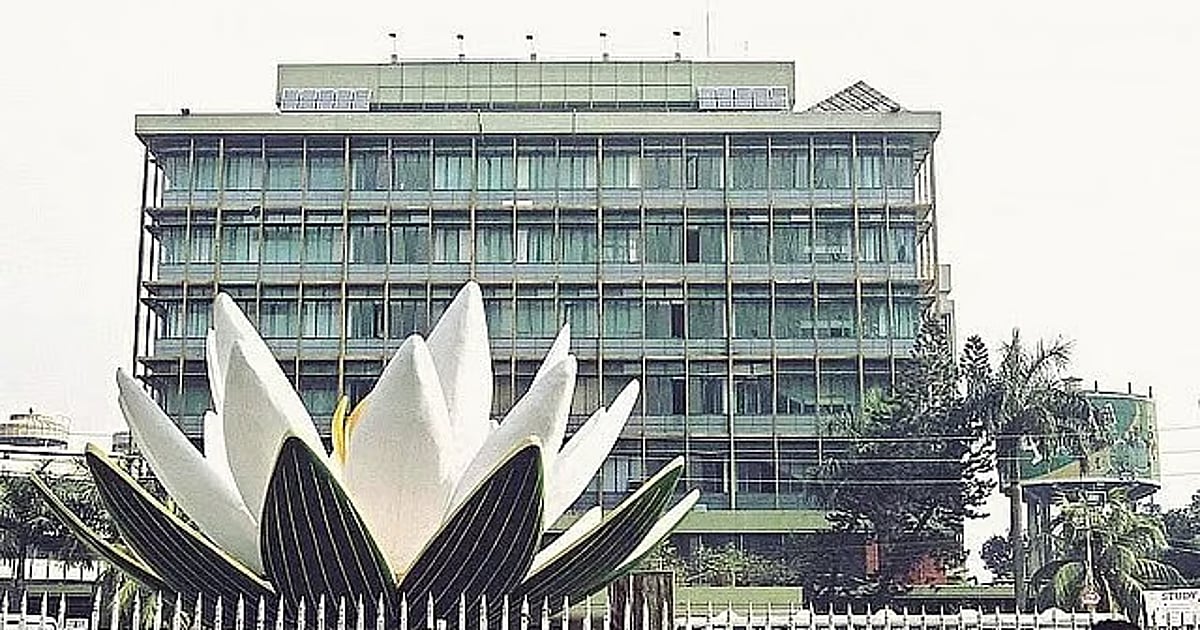
Bangladesh Bank Prothom Alo file photo

The year 2025 was an important one for Bangladesh’s economy. The economy managed to get through the year without any major shocks. Throughout the year, efforts were made to control high inflation while also addressing the challenges of sustaining investment and employment. Recently, a downward trend in global food and fuel prices and signs of a gradual return to stability in the domestic economy have made many people optimistic about 2026. A major reason for this optimism is the national election scheduled for February. It is believed that the formation of an elected political government for the subsequent five years will boost the confidence of both domestic and foreign investors.

In the meantime, some relief has come from the external sector and foreign exchange reserves. Over the past year, the interim government has managed to halt the decline in reserves. Expatriates have sent the highest amount of remittances in decades. Within three years, the central bank’s gross reserves have reached their highest level, at nearly $34 billion. Rising remittance inflows have enabled Bangladesh Bank to purchase dollars from banks as needed.


Despite President Trump’s imposition of “reciprocal tariffs,” the export sector maintained a positive trend. However, exports faltered somewhat in the final months of the outgoing year. This is partly attributed to the global economic slowdown. Higher prices in the US market due to reciprocal tariffs have reduced sales, and orders have not come in as expected. At the same time, as the United States imposed higher reciprocal tariffs on China and India, exporters from those countries have sought to offer goods at lower prices to buyers in the European Union. This has placed Bangladeshi exporters under intense competitive pressure. Although diversification of products and export markets has long been discussed, little tangible progress has been made.

The financial sector remained under significant strain last year. Rising non-performing loans worsened conditions in the banking sector. However, stakeholders expect that the merger of five weak banks will help create a stronger foundation for lending and financial stability in 2026. Although initiatives are underway to recover defaulted loans and bring back siphoned-off funds, no major success has yet been achieved. Still, the central bank governor has stated that a large portion of those involved in capital flight has been identified and that necessary legal reforms are being introduced. While the process is difficult, he remains optimistic that progress is possible over time.

If all goes as planned, Bangladesh will officially graduate from Least Developed Country (LDC) status on 24 November 2026. Although business leaders have called for the transition to be postponed by three to six years, the government’s position is clear—it wants the graduation to take place on schedule. On 21 January, preparations for graduation and socioeconomic indicators will be reviewed in a meeting with a United Nations delegation in Dhaka. The UN reached this decision after an eight-year process and multiple assessments. Only 11 months remain. LDC graduation may increase pressure on export sectors, particularly the pharmaceutical industry, and access to low-interest foreign loans could become more difficult. However, this is not a unilateral government decision; postponement would require strong justification and international support.

After several consecutive years of economic pressure and uncertainty, 2026 has generated renewed optimism among development partners and investors. If political stability returns following the February parliamentary election, investment, employment, and GDP growth may gain momentum. Analysts also believe that if global commodity and fuel prices continue to decline, inflation may ease somewhat as well.

However, it will take time for the economy to fully recover. The new government will need several months to formulate and implement policies. Following a credible election and a democratic transfer of power, the new government must ensure fair, inclusive, and sustainable growth. Ongoing reforms and policy stability will help boost investment, leading to increased employment, higher incomes and purchasing power, and greater economic momentum. At the same time, improvement in the law-and-order situation is critically important.

In the new year, four priorities are essential for the economy. First, addressing the ongoing macroeconomic crisis. Second, reviving investment, exports, small and medium enterprises, and domestic demand. Third, ensuring good governance in banks, insurance companies, non-bank financial institutions, and the capital market. Fourth, implementing a comprehensive economic reform programme.

Last year, high prices of essential commodities put significant pressure on the livelihoods of ordinary people. The true extent of non-performing loans has begun to emerge. As of the end of last September, non-performing loans stood at Tk 6.44 trillion, accounting for nearly 36 per cent of total loans. Once again, special powers have been used to allow loan rescheduling, with decisions taken in the cases of nearly 300 institutions. However, breaking free from the culture of loan default will require stronger political will.

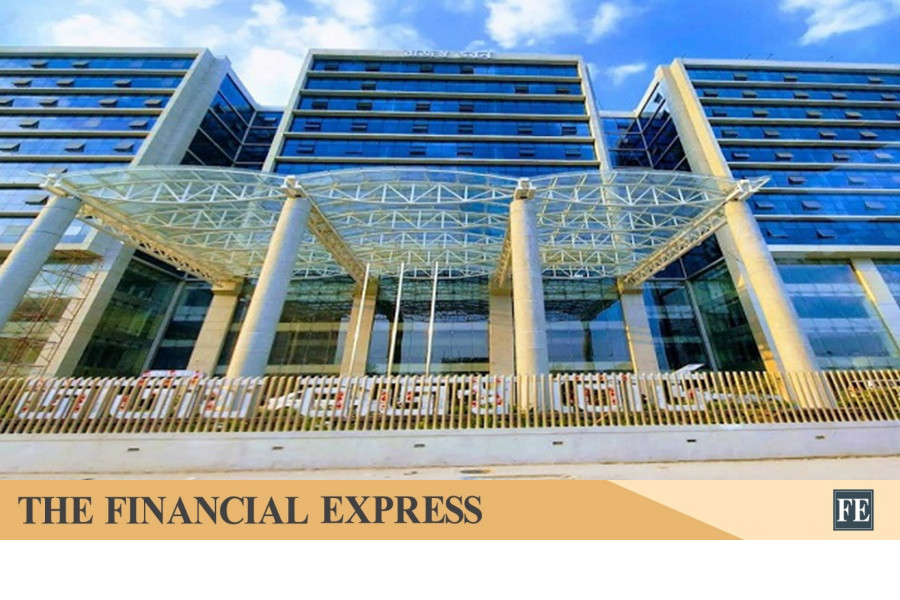
Several banks that were looted during the previous government’s tenure have been merged to form the "Sammilito Islami Bank.” A decision has been taken to abolish the National Board of Revenue and establish separate divisions for revenue policy and revenue administration. These initiatives will require time and political resolve to yield results. In addition, the leasing of two terminals at Chattogram Port to foreign companies and India’s repeated export restrictions will compel the new government to reassess its approach. Forming a skilled and well-coordinated economic team is also essential for economic recovery.

#Mamun Rashid is an economic analyst​
 
Analyze

Analyze Post

Add your ideas here:
Highlight Cite Fact Check Respond
Inflation rises to 8.49% in December

1767663159216.webp


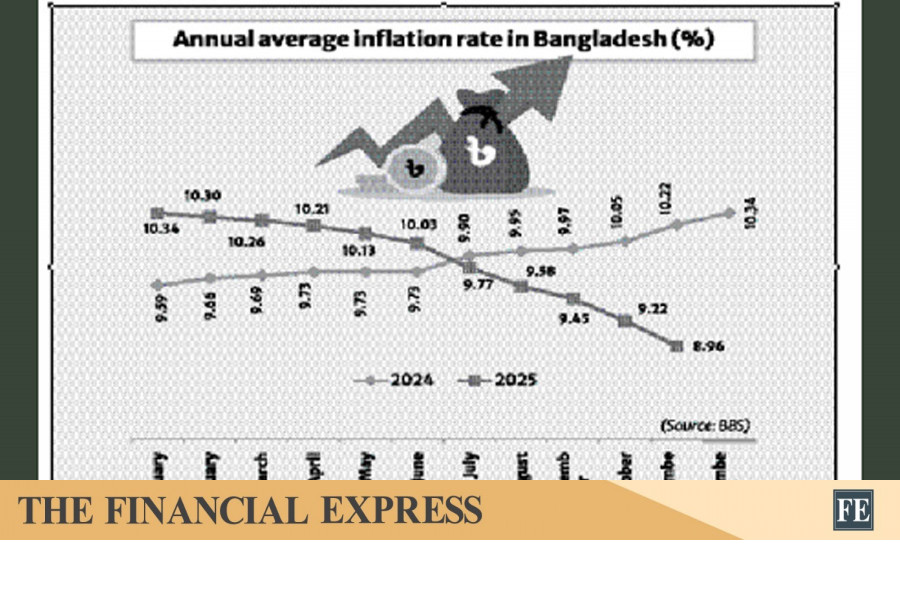
Following months of a brief pause, inflationary pressures continued to rise in December for the second consecutive month.


Headline inflation reached 8.49 percent in the last month of the year, up from 8.29 percent in November and October's 39-month low of 8.17 percent, according to data released by the Bangladesh Bureau of Statistics (BBS) yesterday.


For low and fixed-income households in both rural and urban areas, the latest increase adds fresh pressure on the cost of food and non-food essentials.

Economists say inflation is turning red-hot again despite the central bank's tightened monetary stance, pointing to supply-side constraints rather than rising demand as the main driver of price increases.


While this view questions the effectiveness of the current high policy rate and calls for closer market monitoring, economists still support keeping lending rates elevated.

In December, food inflation climbed to 7.71 percent from 7.36 percent in November, adding pressure on household budgets as prices of essential items edged up.

Non-food inflation also increased slightly to 9.13 percent from 9.08 percent a month earlier.


BBS data showed that the consumer price index (CPI), which tracks changes in the cost of a basket of goods and services, rose in both rural and urban areas.

According to the Trading Corporation of Bangladesh (TCB), prices of essential food items such as rice, flour, edible oil and lentils were higher in December compared to the same month last year.

Bangladesh has been facing persistent inflation for nearly three years. Consumer prices remained above 9 percent until May 2025 and have stayed above 8 percent since then, raising questions about the effectiveness of recent economic policies.

However, in index terms, food inflation showed a slight easing in December. The food CPI declined to 142.88 in December from 146.66 in November, although it increased on a year-on-year basis, BBS data showed.

"Inflation remains very high, and the data show no clear sign of a lasting decline," said Zahid Hussain, former lead economist of the World Bank Dhaka office.

"The measures taken so far to control inflation have not produced visible results. The current tightening measures are still not strong enough to bring prices down," he added.

Hussain also said food inflation in Bangladesh is not driven by exchange rates or credit conditions. "Instead, it largely follows its own past trend. This means structural and supply-side factors mainly drive food inflation, and demand-side measures alone are unlikely to work," he said.

He added that the data suggest it is too early to ease policy and questioned whether the current level of tightening is sufficient to achieve the intended outcome.

Sharing a similar view, Mustafa K Mujeri, executive director of the Institute for Inclusive Finance and Development (InM), questioned the effectiveness of the existing tightening monetary policy.

"If the policies adopted so far were working, inflation should have come down by now. Instead, inflation has stayed above 8 percent for several months, raising doubts about the effectiveness of the existing measures," he said.

He added that Bangladesh has followed a contractionary monetary policy for a long period, but it has failed to deliver the expected results because inflation is not driven by demand alone.

Mujeri said supply-side weaknesses, particularly poor market management and problems in the value chain, continue to keep inflation high, allowing powerful intermediaries to create artificial shortages and push up prices.

He added that higher prices often do not benefit producers such as farmers, as most of the gains go to intermediaries.

Without stronger market oversight and a coordinated approach involving monetary, fiscal, supply-side and credit policies, contractionary monetary policy alone cannot reduce inflation in a country like Bangladesh, Mujeri said.​
 

Attachments

  • 1767663072357.webp
    1767663072357.webp
    26.5 KB · Views: 0
Analyze

Analyze Post

Add your ideas here:
Highlight Cite Fact Check Respond
Completing NBR reform

Published :
Jan 06, 2026 23:31
Updated :
Jan 06, 2026 23:31

1767746367842.webp

Splitting the National Board of Revenue (NBR) between its policymaking and revenue management functions has been one of the major reform agendas of the post-July 2024 interim government. The aim was to render the tax regulator more efficient, transparent and accountable. Though the interim administration's term in office is coming to an end soon, the bifurcation is yet to be completed. Notably, the government initially formed a five-member advisory body to guide the reform work. But the work has not progressed smoothly as there were delays as well resistance from the NBR officials after an initial ordinance had been issued in May last year. Two new bodies -- the Revenue Policy Division (RPD) and the Revenue Management Division (RMD) were supposed to emerge under the Ministry of Finance. The function of RPD would be to draft tax laws and deal with treaties, while that of RMD would be to enforce rules and collect tax. Notably, a split in the tax regulator was among the key conditions of the IMF loan advanced to Bangladesh.

But NBR officials started protests and non-cooperation programmes over fears of losing power, career uncertainty and loss of cadre status due to the proposed leadership structure of the new NBR divisions so created. Obviously, their protests including work abstentions and other activities seriously hampered normal work of NBR affecting export and import as well as the revenue administration. Against this backdrop, the government formed another advisory committee, which recommended some amendments to initial ordinance following talks with stakeholders. Meanwhile, disciplinary action was taken against some NBR officials for their disruptive activities.

No doubt, the internal conflict in the NBR has exposed its deeper structural weaknesses. In this context, some experts viewed that political stability and clear policies are the preconditions for restoring confidence in completing the reform work. Meanwhile, the December deadline of finishing the NBR bifurcation has already been missed. Now, to complete the task, some procedural steps are necessary which are obviously time-bound. Those include finalising the Rules of Business (RoB) and Allocation of Business (AoB). Before completion of these functions, it will first require obtaining approval from the NICAR (National Implementation Committee for Administrative Reforms). It is worthwhile to note that pre-NICAR was formed by the interim admin headed by the cabinet secretary in late August this year to provide suggestions for constituting new administrative bodies and approval for manpower. So, after having pre-NICAR's approval, the twin job of splitting up NBR has to get final go-ahead from the NICAR chaired by the CA.

Clearly, this involves a long procedure. For instance, to define the functions of the two split-up NBR bodies which include responsibilities, jurisdictions and operational framework, would require a Statutory Regulatory Order (SRO). These tasks of bifurcation yet to be finalised delay manpower deployment for two NBR departments. In this context, it could be gathered that the revised proposal for restructuring NBR was recently submitted to the cabinet division for approval but was returned with observations. Following corrections as necessary, the drafts of RoB and AoB have reportedly been resubmitted to the cabinet body for approval. Approvals from the pre-NICAR and the NICAR complete the NBR reform process. The question is, can the interim admin finish work within the time it still has in its hands? Some experts have expressed concern over what they termed 'non-transparency of reform process' being conducted by the interim administration. The NBR reform is an issue of transparency and accountability on the part of the interim admin, they added. Let the interim administration address all the concerns expressed and uncertainties created over completion of NBR restructuring and thus finish its NBR reform agenda within its term in office.

 
Analyze

Analyze Post

Add your ideas here:
Highlight Cite Fact Check Respond
Economy is now at a turning point

1767748681703.webp

Bangladesh's economic success under the previous political regime rested on fragile foundations, with structural weaknesses masked by headline growth. These distortions fuelled a build-up of public debt and one of the world's highest non-performing loan ratios, estimated at 35.7 percent, reflecting deep abuse in the banking sector.


As confidence eroded, foreign exchange reserves fell by nearly 40 percent between end-2022 and mid-2024, while inflation rose to a 12-year high. An artificially low interest rate cap and aggressive monetary expansion by the Bangladesh Bank intensified price pressures, with weak data transparency obscuring the scale of deterioration and contributing to political upheaval.


The interim government has made progress in stabilising the macroeconomy. Foreign exchange reserves rebounded by more than 30 percent, supported by restrictive import policies and a recovery in remittance inflows following the shift to a market-driven exchange rate. Inflation has moderated, and initial steps have been taken to address the NPL crisis. Yet the recovery remains fragile, with GDP growth slowing to 3.69 percent in FY2025 amid weak business confidence, declining equity-related foreign direct investment and lingering political uncertainty.

Political clarity has therefore emerged as a decisive factor shaping the outlook. While uncertainty surrounding the transition to an elected government has weighed on investor sentiment, the return of Tarique Rahman after a prolonged exile has reduced electoral ambiguity. His emphasis on stability and national unity has improved expectations of policy continuity, supporting a more constructive medium-term outlook, with the IMF projecting growth to rebound to 4.9 percent in 2026.


Despite these stabilisation gains, Bangladesh's capital market continues to underperform. The DSEX remains near multi-year lows, valuations are deeply compressed and foreign participation has declined sharply, even as regional peers have rallied. This underperformance is structural, driven by a prolonged IPO drought, regulatory inefficiencies, the dominance of bank financing, elevated fixed-income yields and an underdeveloped institutional investor base. These weaknesses reinforce a cycle of low liquidity and weak participation.

Bangladesh now stands at a critical juncture. Macroeconomic stabilisation, improving reserves and emerging political clarity offer a narrow but meaningful window for capital market revival. Sustained recovery, however, will depend on a coordinated reform agenda that addresses structural bottlenecks, restores institutional credibility and realigns incentives towards long-term market development.

On the fiscal front, restoring listing incentives is essential. Expanding the corporate tax differential between listed and non-listed companies to 10 to 15 percentage points would reward transparency, while tax-free dividend income could redirect household savings towards equities.


Regulatory reforms are equally important. Streamlined, digitised financial reporting and a fast-tracked IPO process would help revive the listing pipeline, while stronger corporate governance and improved stock exchange oversight would enhance market integrity and investor protection.

Institutional strengthening remains central. Enhancing the effectiveness and accountability of the BSEC, alongside revitalising the Investment Corporation of Bangladesh, would restore regulatory credibility and provide counter-cyclical market support. Progress also depends on stronger inter-agency coordination, improved financial literacy and a better balance between bank financing and capital markets through incentives for private listings and rationalised savings instrument yields.

Sustainable capital market growth ultimately depends on building a strong institutional investor base, particularly through the development of the mutual fund industry. Greater mutual fund participation would help reduce volatility by reinforcing disciplined, long-term investment practices. Yet the sector remains underdeveloped.

Achieving durable, fundamentals-driven growth will require targeted policy support, including higher tax rebates on mutual fund investments, limited tax exemptions on dividend income, larger IPO quotas and the removal of the 15 percent bank investment cap on mutual funds. If implemented consistently, these measures could reposition the Bangladesh capital market as a credible engine of long-term economic growth.

The writer is managing director and CEO of Vanguard Asset Management Limited​
 
Analyze

Analyze Post

Add your ideas here:
Highlight Cite Fact Check Respond

Members Online

⤵︎

Latest Posts

Latest Posts