Bangladesh Defense
Saif
Senior Member
- Jan 24, 2024
- 21,500
- 9,744
- Nation

- Residence
- Axis Group

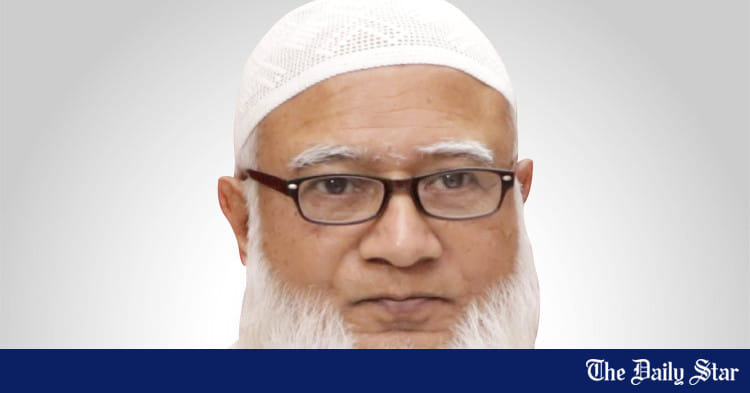
Jamaat seeks gunman, police protection for its ameer
Bangladesh Jamaat-e-Islami has sought round-the-clock deployment of a gunman for its ameer, Dr Shafiqur Rahman, and the posting of armed police personnel for the security of his residence.
Jamaat seeks gunman, police protection for its ameer

Bangladesh Jamaat-e-Islami has sought round-the-clock deployment of a gunman for its ameer, Dr Shafiqur Rahman, and the posting of armed police personnel for the security of his residence.
The party sent a letter to the home adviser with the request, which was received at the ministry on December 21.
The letter, a copy of which The Daily Star obtained, said Jamaat has long been engaged in what it described as a "just struggle" to establish people's fundamental rights, build a justice-based society and consolidate democracy, and that it has become a popular political party through that process.
It claimed that during the previous "fascist" government, Jamaat's leadership faced "inhuman" torture, oppression, killings and enforced disappearances. The party further alleged that for building movements against "wrongdoing and misdeeds",
its leaders became targets of "Awami terrorists", and that after the "July uprising" those elements chose "killings and attacks", which it said recent incidents prove.
The letter was signed by AFM Abdus Sattar, office secretary of Jamaat.
Referring to the upcoming election, Jamaat said it fears an increase in activities by what it described as "Awami terrorists" to foil the national election.
The party said Shafiqur's political activities have increased as party chief and that he is travelling across the country to hold wayside gatherings and rallies.
The letter said appointing a gunman for his round-the-clock security and deploying armed police personnel for the security of his residence was "urgent", and requested the home adviser to take steps accordingly.
A copy of the letter was also sent for information and necessary action to the inspector general of police at Police Headquarters, the DMP commissioner, and the additional IGP (Special Branch).
Confirming the development, Chief of Special Branch and additional inspector general of police Golam Rasul said, "We have received the letter; now we will analyse the security threats and then take steps accordingly."
On December 13, a core committee meeting on law and order decided that a gunman can be assigned to high-profile candidates and that security at residences assessed to be at high risk can be improved.
On December 15, in a major development, the government issued policy guidelines on granting firearm licences and appointing retainers, persons to carry firearms, to individuals who are politically important and candidates contesting the national election.
Based on scrutiny and threat analysis, these individuals will be provided security or be granted a firearms licence, along with election candidates.
The development comes amid growing concern over candidates' security in the wake of the shooting of Sharif Osman Hadi, one of the frontliners of last year's July uprising and an MP aspirant for Dhaka-8, a day after the election schedule was announced.
After fighting for his life for six days, Hadi died on December 18 while undergoing treatment at a hospital in Singapore.
A home ministry source said intelligence agencies have also identified around 200 high-profile individuals, including 157 student coordinators across the country who played an important role during the July uprising, and that the government is planning to provide security for them based on security assessments.
Bangladesh Jamaat-e-Islami has sought round-the-clock deployment of a gunman for its ameer, Dr Shafiqur Rahman, and the posting of armed police personnel for the security of his residence.
The party sent a letter to the home adviser with the request, which was received at the ministry on December 21.
The letter, a copy of which The Daily Star obtained, said Jamaat has long been engaged in what it described as a "just struggle" to establish people's fundamental rights, build a justice-based society and consolidate democracy, and that it has become a popular political party through that process.
It claimed that during the previous "fascist" government, Jamaat's leadership faced "inhuman" torture, oppression, killings and enforced disappearances. The party further alleged that for building movements against "wrongdoing and misdeeds",
its leaders became targets of "Awami terrorists", and that after the "July uprising" those elements chose "killings and attacks", which it said recent incidents prove.
The letter was signed by AFM Abdus Sattar, office secretary of Jamaat.
Referring to the upcoming election, Jamaat said it fears an increase in activities by what it described as "Awami terrorists" to foil the national election.
The party said Shafiqur's political activities have increased as party chief and that he is travelling across the country to hold wayside gatherings and rallies.
The letter said appointing a gunman for his round-the-clock security and deploying armed police personnel for the security of his residence was "urgent", and requested the home adviser to take steps accordingly.
A copy of the letter was also sent for information and necessary action to the inspector general of police at Police Headquarters, the DMP commissioner, and the additional IGP (Special Branch).
Confirming the development, Chief of Special Branch and additional inspector general of police Golam Rasul said, "We have received the letter; now we will analyse the security threats and then take steps accordingly."
On December 13, a core committee meeting on law and order decided that a gunman can be assigned to high-profile candidates and that security at residences assessed to be at high risk can be improved.
On December 15, in a major development, the government issued policy guidelines on granting firearm licences and appointing retainers, persons to carry firearms, to individuals who are politically important and candidates contesting the national election.
Based on scrutiny and threat analysis, these individuals will be provided security or be granted a firearms licence, along with election candidates.
The development comes amid growing concern over candidates' security in the wake of the shooting of Sharif Osman Hadi, one of the frontliners of last year's July uprising and an MP aspirant for Dhaka-8, a day after the election schedule was announced.
After fighting for his life for six days, Hadi died on December 18 while undergoing treatment at a hospital in Singapore.
A home ministry source said intelligence agencies have also identified around 200 high-profile individuals, including 157 student coordinators across the country who played an important role during the July uprising, and that the government is planning to provide security for them based on security assessments.